Küche 13 occupies a address at Beim Steinernen Kreuz 13 in Bremen's Ostertor district, one of the city's most concentrated pockets of independent dining. The restaurant sits within a neighbourhood where mid-range European cooking and neighbourhood-facing formats define the competitive set, placing it alongside peers such as Al Pappagallo and alto rather than Bremen's more formal dining rooms.
Pearl is the En Primeur Club membership app — saves, bookings, and concierge access live there. Same editors, same standards.
- Address
- Beim Steinernen Kreuz 13, 28203 Bremen, Germany
- Phone
- +4942120824721
- Website
- kueche13.de
- Directions
- Get directions
 Saves & bookings on Pearl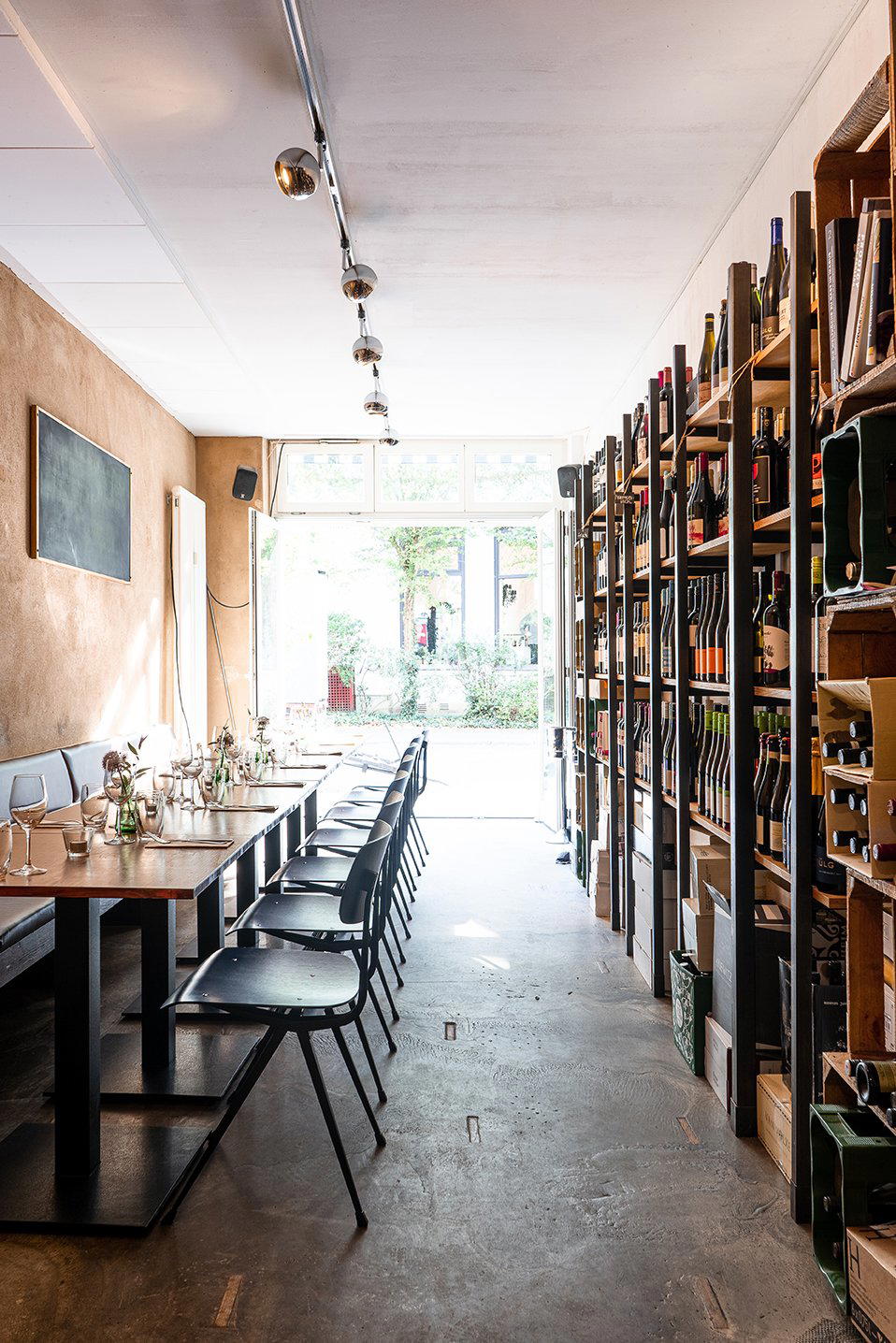
The Ostertor Block and What It Means for Bremen Dining
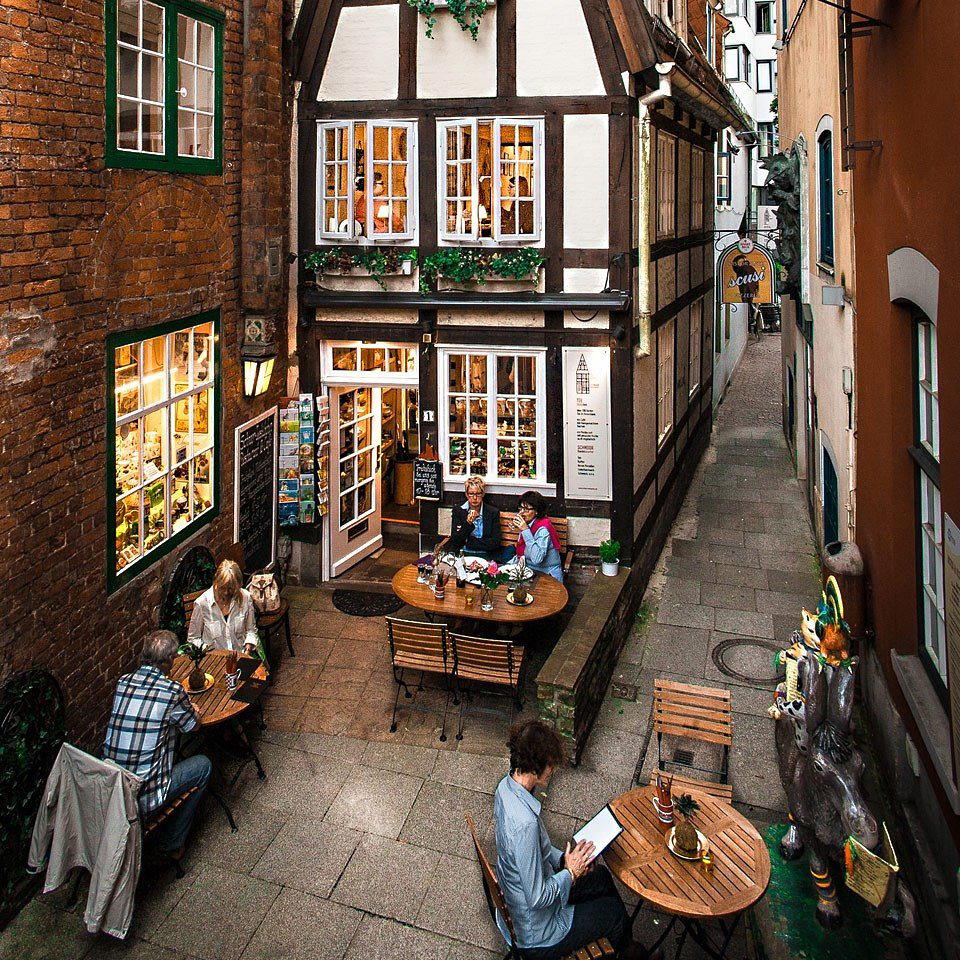
Bremen's Ostertor quarter, the stretch of streets running east from the Wallanlagen park toward the Weser, has long functioned as the city's default address for independent restaurants with a neighbourhood clientele. The postcode around Beim Steinernen Kreuz concentrates a particular type of operation: mid-scale, food-forward, and built for repeat visitors rather than special-occasion tourism. Küche 13, at number 13 on that street, slots directly into that pattern. The address itself is a reasonable proxy for the format: approachable, specific, and rooted in a district that rewards walking rather than taxi arrival.
That neighbourhood character matters because Bremen's dining scene does not organise itself around a single prestige corridor the way Hamburg's does around the Elbphilharmonie waterfront or Munich's around Maximilianstrasse. Instead, quality distributes across quarters, and Ostertor carries a disproportionate share of the city's independent culinary activity. For context on how Bremen fits into the broader northern German dining picture, our full Bremen restaurants guide maps the scene by neighbourhood and price tier.
German Kitchen Cooking and the Cultural Weight of the Name
The name Küche — simply German for kitchen — signals an intentional plainness, a positioning against elaborate branding that has become its own kind of statement in contemporary European casual dining. Restaurants across Germany's mid-tier have leaned into this directness since the mid-2010s, partly as a reaction to the overwrought naming conventions of the previous decade. A numbered kitchen on a specific street is an address, not a concept, and that refusal of concept carries its own editorial stance.
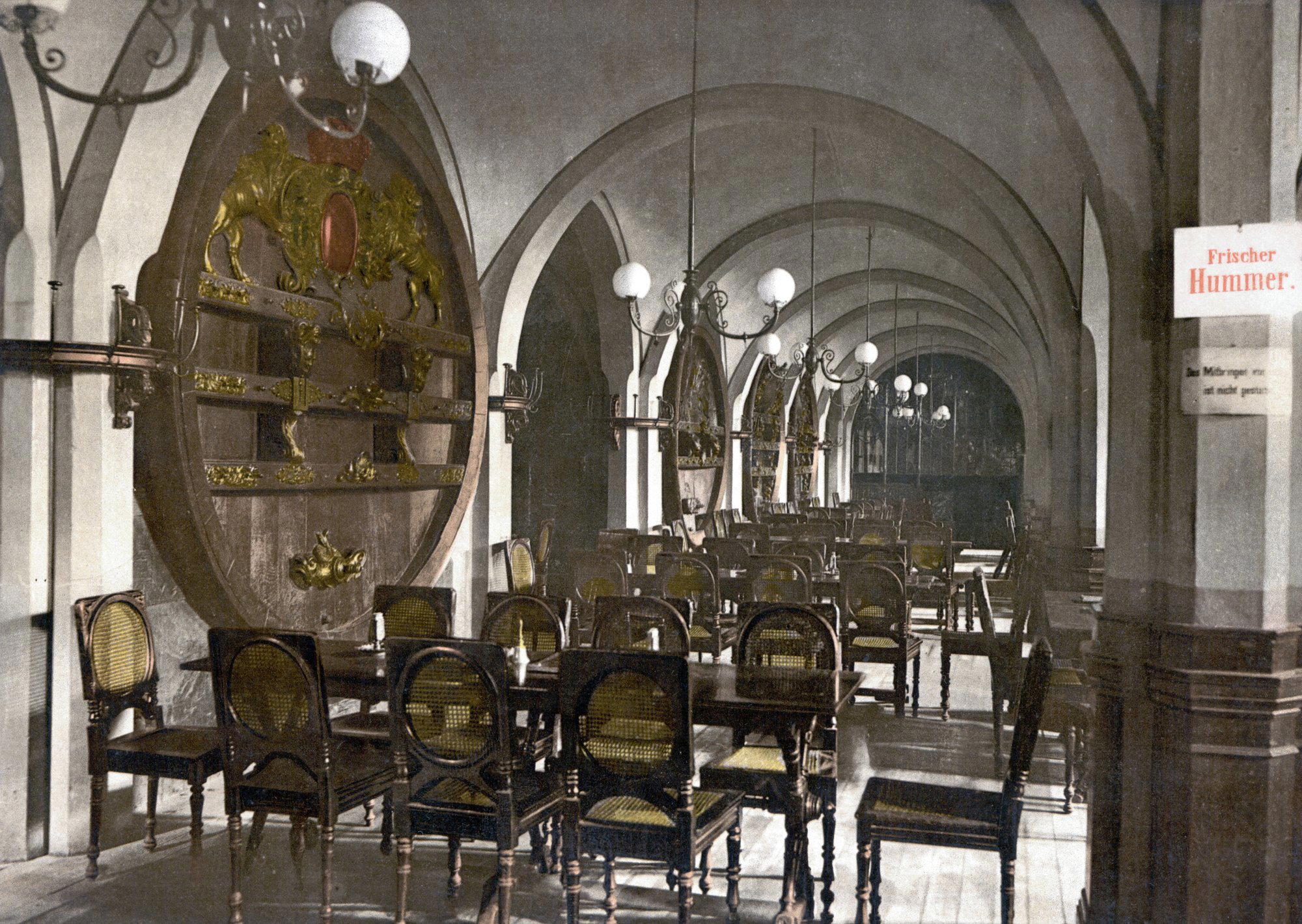
German culinary tradition at this register tends to draw from two sources simultaneously: the northern European larder of root vegetables, preserved fish, game, and grain-based dishes, and the broader Central European influence of French and Austrian technique that filtered into German professional kitchens across the twentieth century. Bremen specifically, as a Hanseatic trading city, carries additional layers: centuries of imported spice trade, a historic relationship with salt cod and smoked goods, and a bourgeois dining culture that predates the modern restaurant by several generations. The Bremen Ratskeller, operating in the city's town hall cellar since 1405, stands as the most documented expression of that long civic dining tradition, and any serious restaurant in the city implicitly operates in conversation with that history, even when the menu is entirely contemporary.
Where Küche 13 Sits in the Local Competitive Set
Bremen's mid-range dining tier is more developed than the city's tourism profile might suggest to an outside visitor. The Ostertor and adjacent Steintor districts support a cluster of independently owned restaurants that compete on cooking quality and room character rather than on scale or spectacle. Al Pappagallo represents the Italian end of that spectrum at the €€€ tier, while alto takes a contemporary European approach at a similar price point. Chapeau La Vache adds further range to the neighbourhood's offer. Küche 13, positioned on the same block network, competes within this peer group rather than against Bremen's airport-adjacent hotel dining represented by operations like BLIXX Restaurant at the ATLANTIC Hotel Airport.
The distinction matters for how a visitor should approach the booking decision. Neighbourhood independents in this tier typically offer shorter menus with stronger produce dependency, less formality in service, and a room built around regulars rather than walk-ins. The competitive pressure from peers like alto keeps cooking standards at this level sharper than the neighbourhood's relatively modest international profile might imply.
Northern Germany's Fine Dining Horizon, for Comparison
Bremen sits between two of Germany's more intensely scrutinised dining cities. Hamburg to the north hosts Restaurant Haerlin at the formal end of the spectrum, while Germany's interior holds a concentration of Michelin-recognised rooms that represent the country's benchmark fine dining tier: Aqua in Wolfsburg, Vendôme in Bergisch Gladbach, Waldhotel Sonnora in Dreis, and Schwarzwaldstube in Baiersbronn. Further south, JAN in Munich and ES:SENZ in Grassau represent Bavaria's contribution to the national conversation, while Victor's Fine Dining by Christian Bau in Perl operates at the country's absolute ceiling. CODA Dessert Dining in Berlin and Schanz in Piesport complete a picture of how Germany's recognised dining tier distributes geographically, largely away from Bremen. That geographic gap makes the city's independent mid-tier, the tier that Küche 13 operates in, more consequential for local dining life than it would be in a city with a stronger fine dining anchor.
For international comparison, the shift from theatrical tasting formats toward more direct, ingredient-led cooking visible in rooms like Le Bernardin in New York City or the fermentation-forward precision of Atomix reflects a global recalibration that has filtered into German mid-tier cooking as well. The bias toward produce legibility over technique display is the current direction of travel.
Planning a Visit
Beim Steinernen Kreuz 13 is reachable on foot from Bremen's central station in approximately fifteen minutes, passing through the Wallanlagen park. The Ostertor tram stop brings the address within a shorter walk from the city centre. As with most independent neighbourhood restaurants in German cities, booking ahead rather than walking in unannounced is the practical default, particularly on Thursday through Saturday evenings when Ostertor fills with a local clientele that books regular tables.
How Küche 13 Bremen compares with similar nearby venues.
| Venue | Cuisine | Price |
|---|---|---|
| Al Pappagallo | Italian | €€€ |
| alto | Contemporary | €€€ |
At a Glance
- Cozy
- Lively
- Intimate
- Date Night
- Casual Hangout
- Group Dining
- Open Kitchen
- Historic Building
- Extensive Wine List
- Beer Program
- Local Sourcing
Current opening hours
- Monday
- Closed
- Tuesday
- 6 PM–1 AM
- Wednesday
- 6 PM–1 AM
- Thursday
- 6 PM–1 AM
- Friday
- 6 PM–1 AM
- Saturday
- 6 PM–1 AM
- Sunday
- Closed
Hours can change for holidays and private events. Last verified .
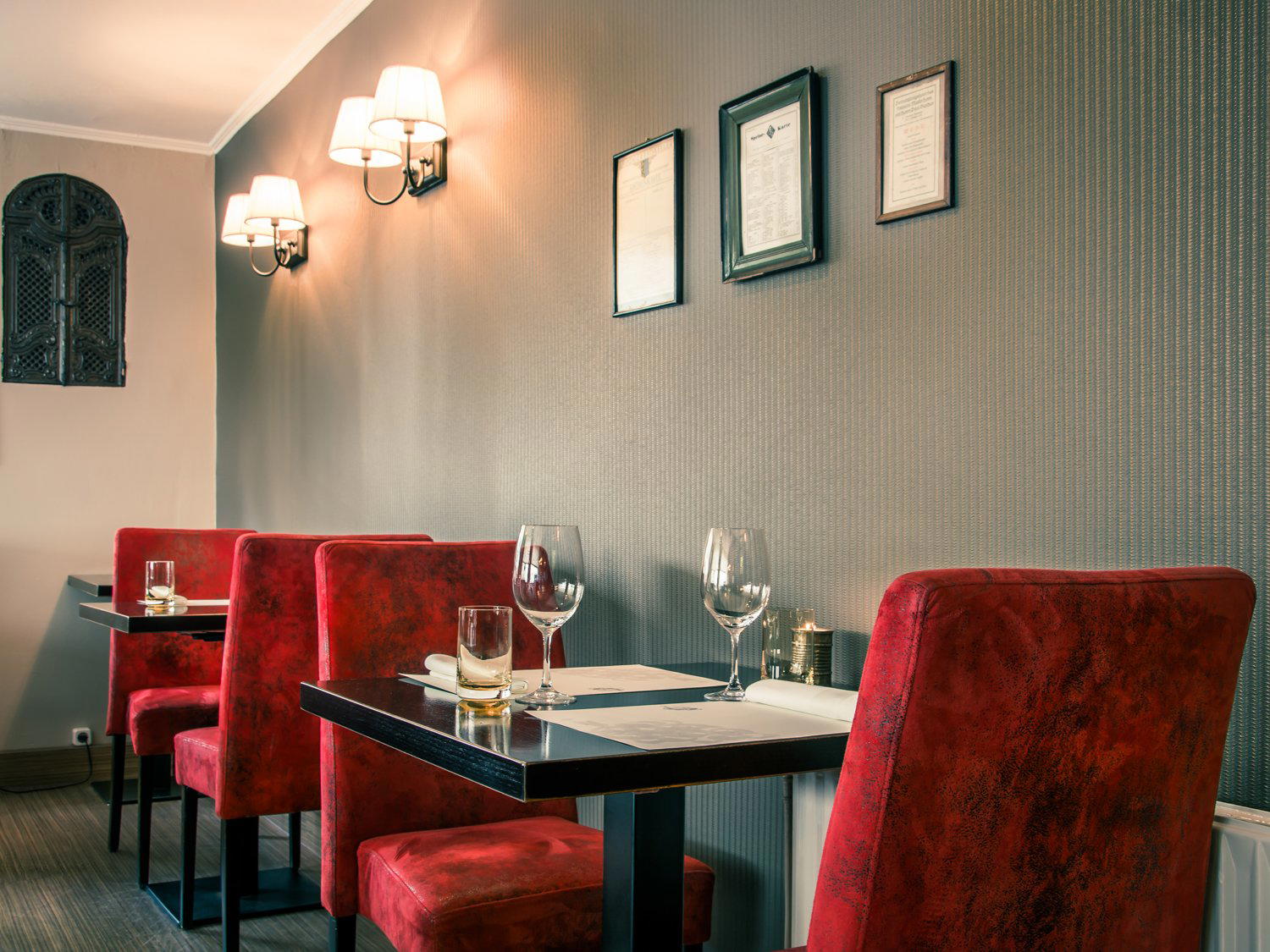
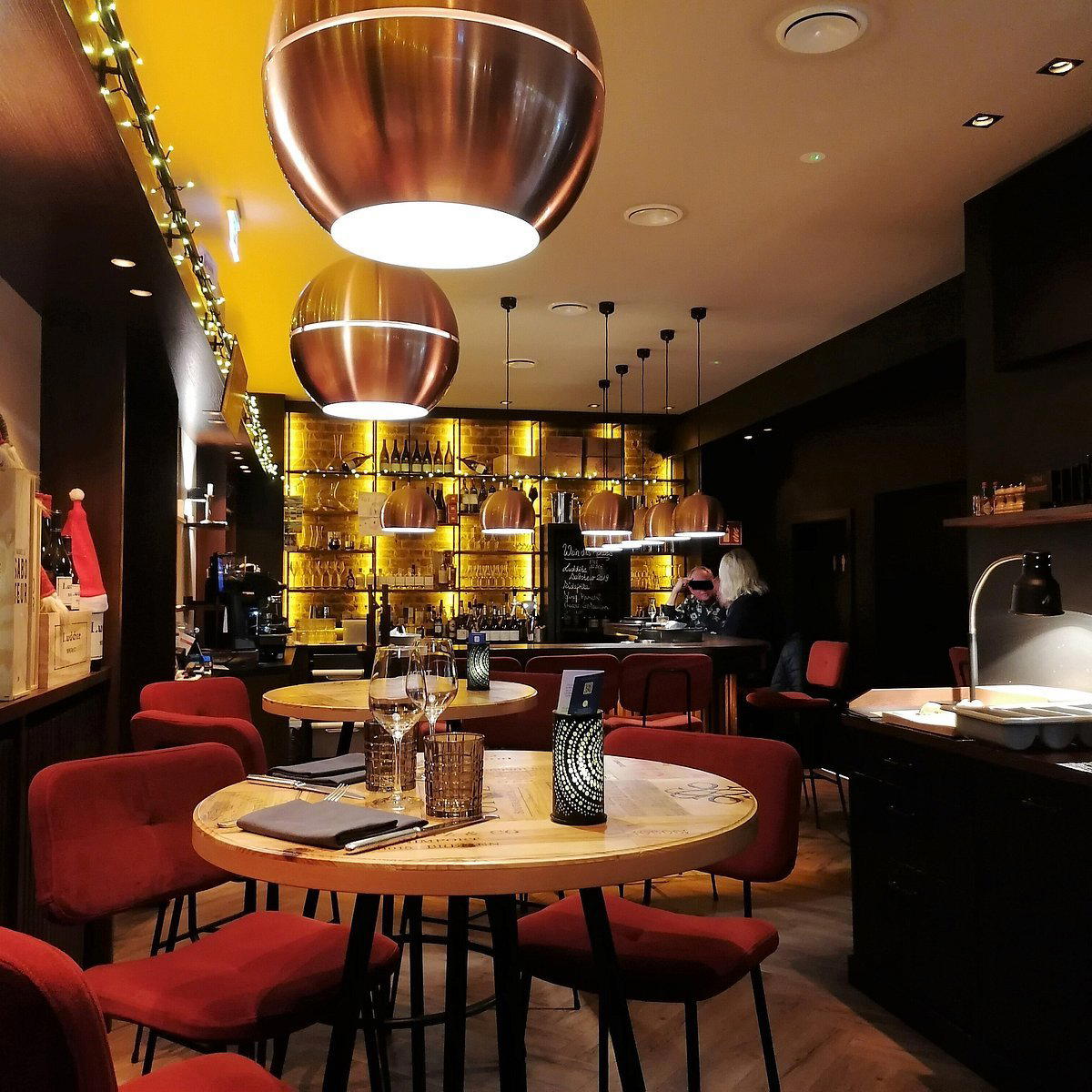
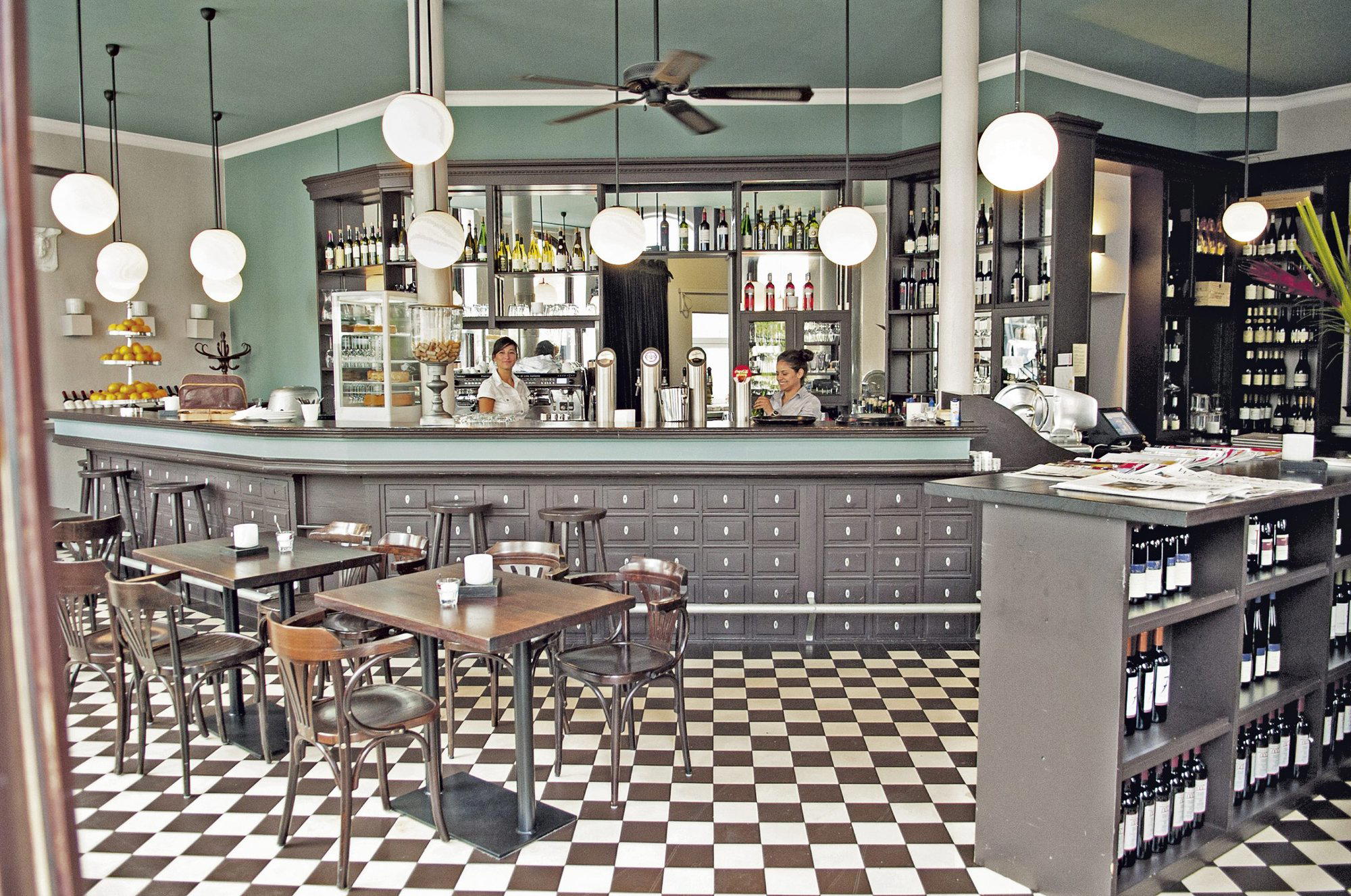
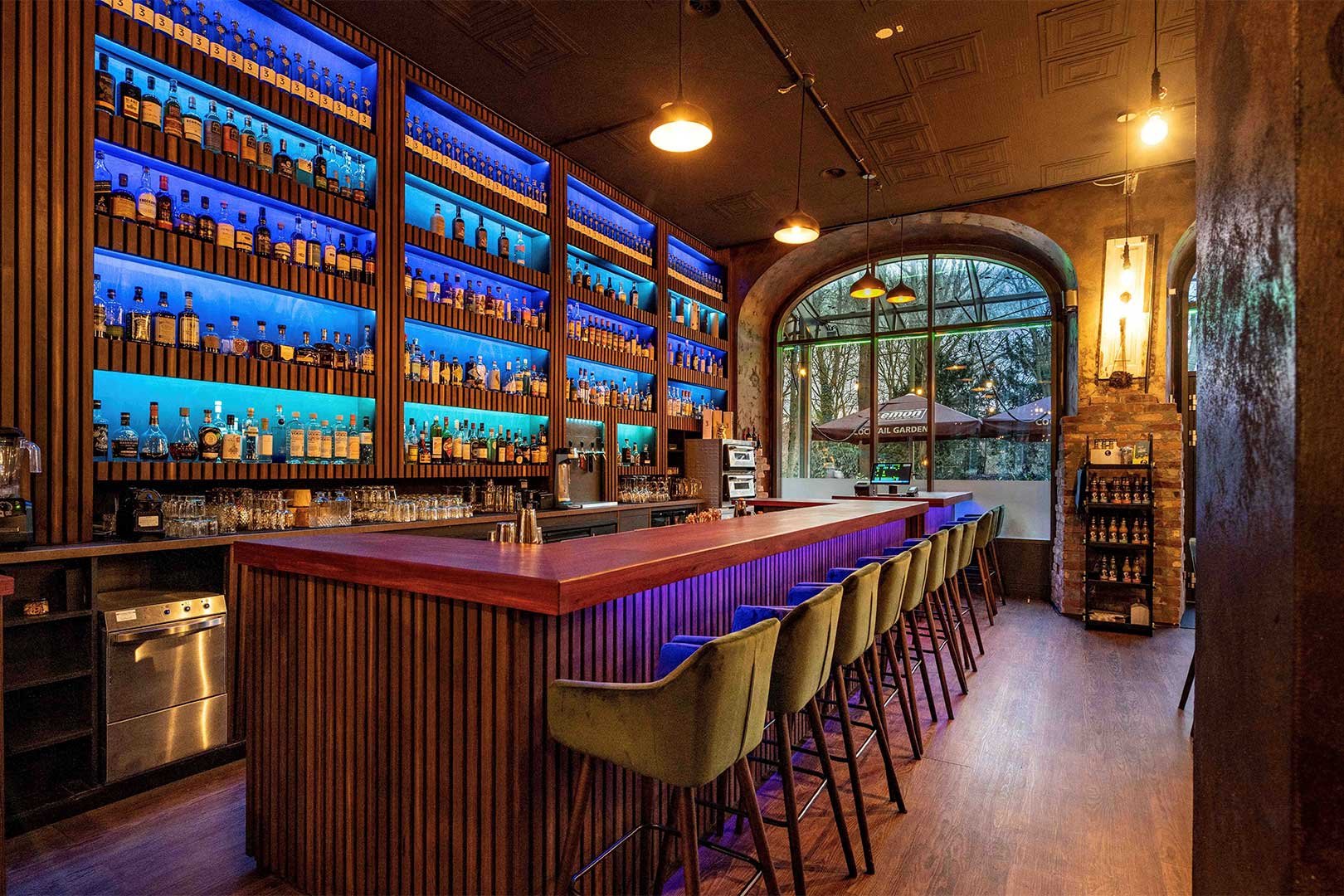
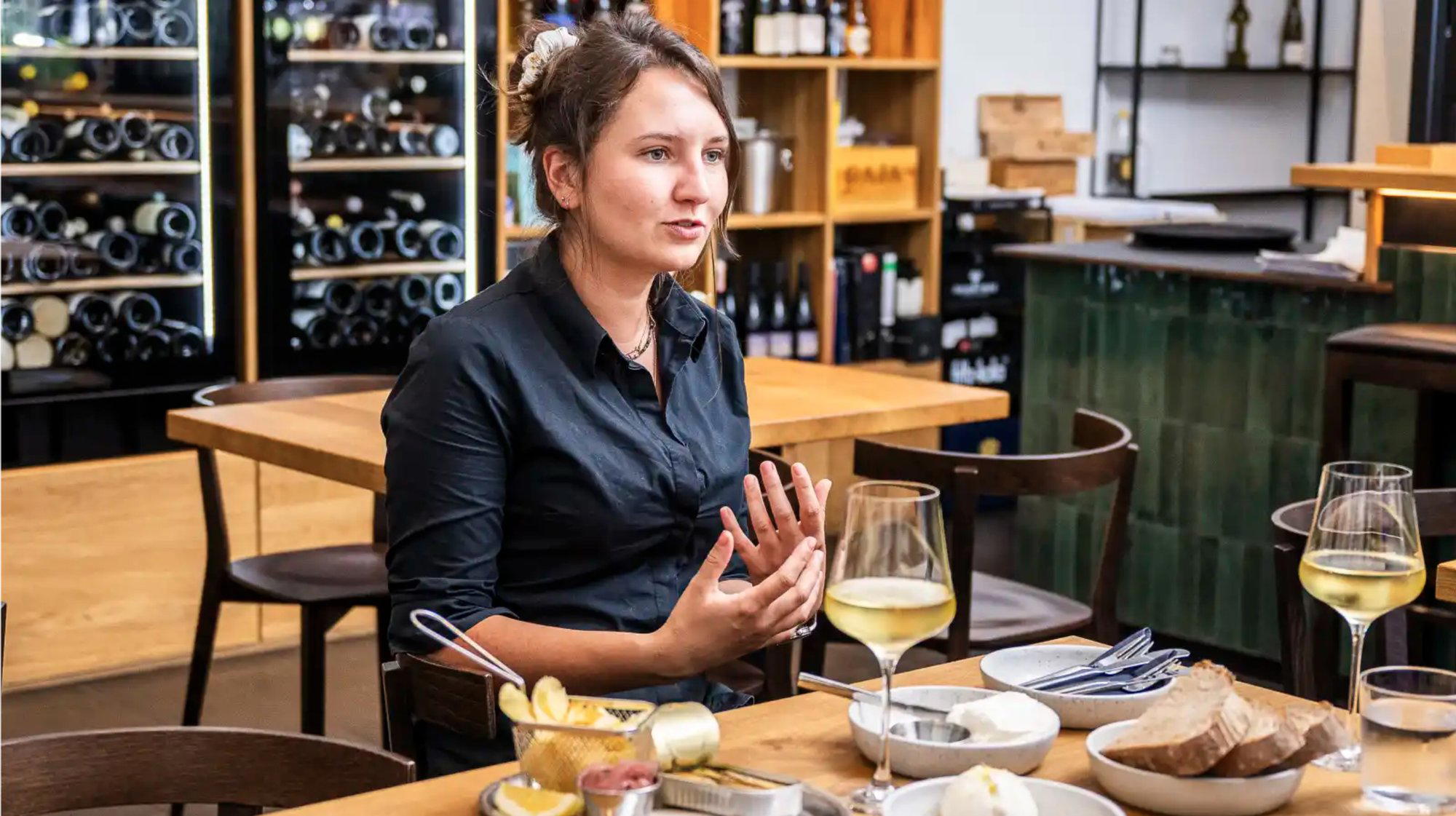
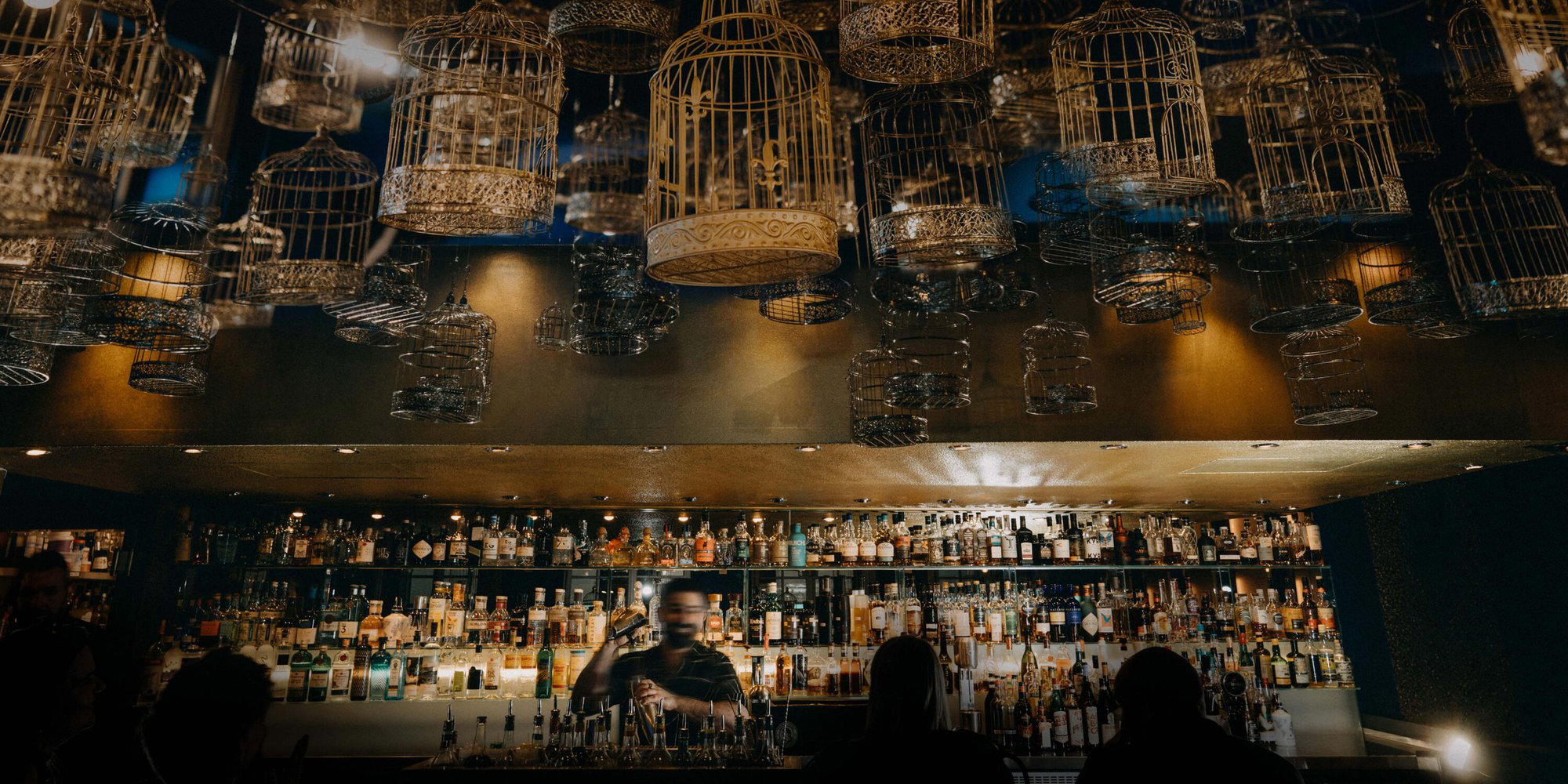
Cozy and inviting with a lively, informal atmosphere; open kitchen creates an energetic dining environment with strong food aromas.
Know Before You Go
- Getting there
- Beim Steinernen Kreuz 13, 28203 Bremen, Germany