Al Mahatta
Our verdict
Al Mahatta sits in AlUla’s desert dining circuit, where the stronger story is the region around the table: oasis agriculture, heritage tourism, and a hospitality scene built around short-stay cultural travel. Treat it as part of a wider AlUla itinerary rather than a stand-alone destination, especially when comparing resort dining, cafés, and heritage-adjacent restaurants across the city.

Pearl is the En Primeur Club membership app — saves, bookings, and concierge access live there. Same editors, same standards.
- Address
- 5617, Dist, Madain Salih 43541 (Lobby Pavilion)
- Directions
- Get directions
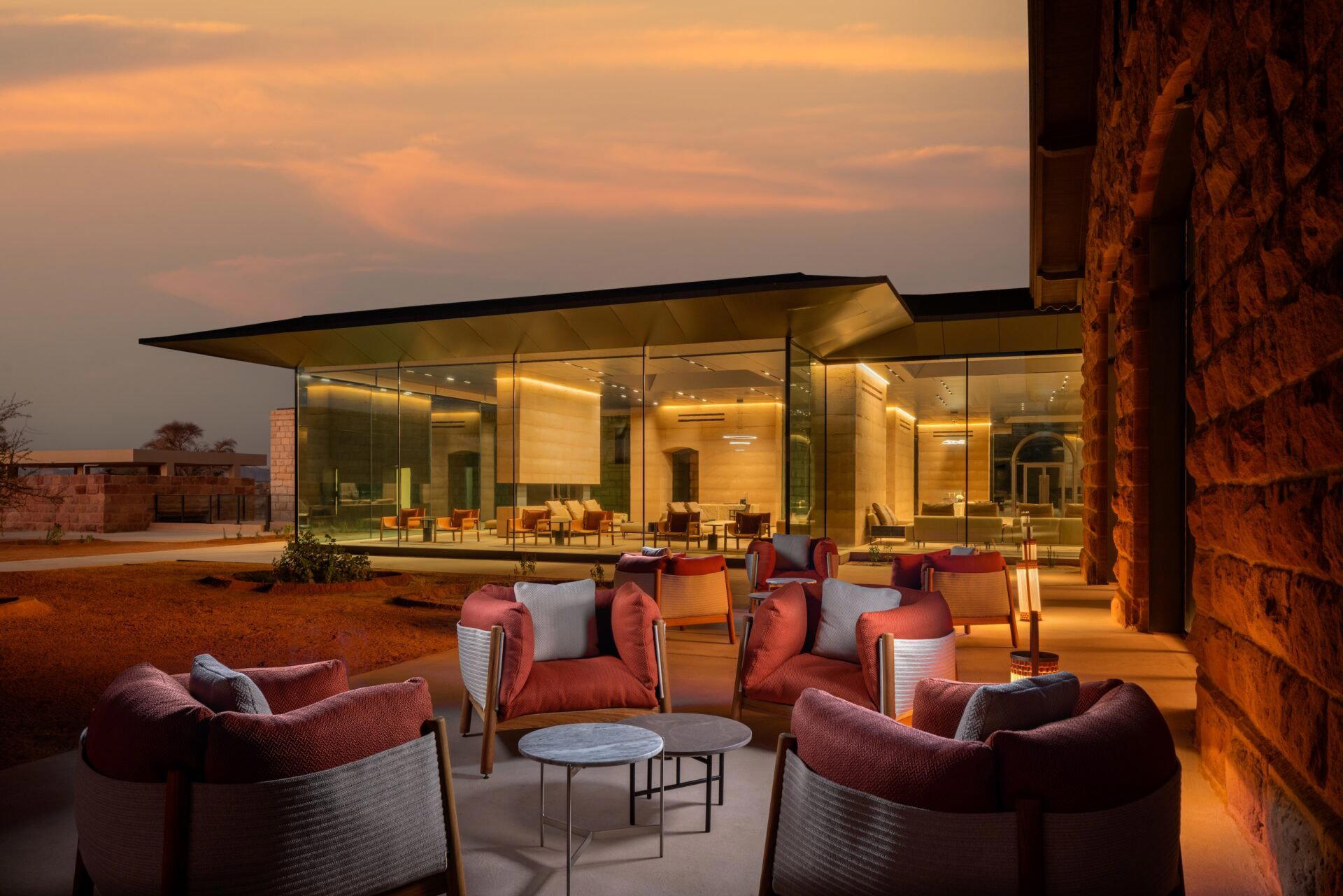
Arriving in AlUla changes the terms of a meal before the first plate appears. The city’s destination character makes dining feel less like a detached urban exercise and more like part of a larger travel itinerary. Al Mahatta belongs to that context: a Lobby Pavilion address in AlUla places it inside the rhythm of visitors moving between hotels, cultural plans, cafés, and other scheduled stops.
AlUla dining is shaped by destination travel
The useful way to read AlUla’s restaurant scene is through supply and setting. This is not a dense capital-city dining grid where late-night competition defines the hierarchy. It is a destination market built around visitors who plan days by timing, transfers, hotels, and booked experiences. Food has to serve that schedule while reflecting a place where the broader trip often shapes the meal as much as the menu does.
That setting angle matters because AlUla’s credibility as a dining destination depends less on long menus than on how venues connect the meal to the surrounding visit. Restaurants that make sense here tend to avoid placeless luxury shorthand. The stronger formats give travelers a reason to pause between plans, then let the city’s pace do part of the work. Al Mahatta fits into that wider question: how a meal in AlUla should behave when the destination itself supplies much of the context.
For comparison inside the same destination, Banyan Tree AlUla and Our Habitas AlUla speak to the resort side of the market, where dining is folded into accommodation, wellness, and landscape design. Harrat, Tama, and other AlUla dining rooms help map the broader spread between casual stops, destination meals, and coffee-led pauses. That range is the point: AlUla rewards itinerary thinking, not isolated restaurant chasing.
A lobby-pavilion address changes the expected tempo
A lobby setting usually shifts a restaurant toward accessibility. It suggests a place built for arrivals, departures, and guests who may be timing the meal around drivers, tours, check-ins, or evening programming. In AlUla, that format can be an advantage. The city’s dining decisions often hinge on logistics rather than appetite alone, and a pavilion-style location can work for travelers who want a grounded meal without turning the day into a separate restaurant expedition.
The trade-off is editorial rather than negative. A restaurant in this position is judged less like a destination counter and more like a hospitality anchor: useful, place-aware, and capable of fitting into a travel day with moving parts. With no need to force a fixed cuisine label, chef narrative, or price bracket onto Al Mahatta, the fair assessment is to place it by context rather than ceremony. It sits in a city where setting carries unusual weight and where the stronger meals are the ones that understand the surrounding itinerary rhythm.
Travelers building a wider Saudi dining map can compare the AlUla mood with urban and regional dining addresses in Riyadh, Jeddah, Taif, Turaif, Makkah, and other Saudi cities. Those references underline how different AlUla is from city dining: here, meal planning follows timing, accommodation, transfers, and the shape of the wider visit.
How to place it in an AlUla itinerary
The sound editorial move is to use Al Mahatta as one piece of a larger AlUla plan. The city’s food conversation is inseparable from hotels, cultural programming, and destination movement, so a meal works harder when paired with the right sequence of the day. Start with Our full AlUla restaurants guide for dining context, then cross-check Our full AlUla hotels guide, Our full AlUla bars guide, Our full AlUla wineries guide, and Our full AlUla experiences guide to avoid treating the meal as an isolated booking.
That same itinerary logic applies beyond Saudi Arabia. A compact specialist address in a major city or a focused casual format in a walkable neighborhood solves a different travel problem: what to eat when the city itself is dense, walkable, and choice-heavy. AlUla is the opposite. Here, the question is not how many options can be squeezed into an evening, but which venues respect the pace, distances, and identity of the place.
Frequently asked questions
Would Al Mahatta be comfortable with kids?
Yes, the Lobby Pavilion setting in AlUla points to an easygoing stop rather than a formal dining room. That format usually works well for families moving through AlUla.
What should I expect atmosphere-wise at Al Mahatta?
Expect a lobby-pavilion tempo: practical, transitional, and tied to guest traffic in AlUla. The setting signals a place built around arrivals and departures.
What part of town is Al Mahatta in?
AlUla.
Do I need a reservation for Al Mahatta?
A booking is sensible if the visit is timed around check-in or peak travel periods in AlUla. With a Lobby Pavilion location in AlUla, the restaurant may fit naturally into a schedule shaped by guest movement.
What do critics highlight about Al Mahatta?
The main point of interest is the setting itself: Al Mahatta sits in a Lobby Pavilion context in AlUla, which places it inside the city’s hospitality-led dining rhythm. That context matters more than forcing a fixed chef or cuisine label where neither is listed.
Is Al Mahatta allergy-friendly?
For allergies or dietary requirements, the safest approach is to speak with the team before ordering. The restaurant’s Lobby Pavilion setting in AlUla makes it sensible to raise dietary questions early.
Side-by-Side Snapshot
Comparable venues by cuisine and price in the same metro.
| Venue | Cuisine | Price | Awards |
|---|---|---|---|
| Al MahattaThis venue — the venue you are viewing | International gourmet bites, desserts & high tea | $30–50 | Not listed |
| Prima Classe Restaurant | Mediterranean Bistro with Local Saudi-Inspired Ingredients | Not listed | Not listed |
| Tama | Modern Middle Eastern Fusion | Not listed | Michelin Plate |
| Our Habitas AlUla | Modern Middle Eastern Fusion | $100–150 | Not listed |
| Banyan Tree AlUla | Middle Eastern Fusion & Thai | $100–150 | Not listed |
| Harrat | Pan-Arabic Fusion with International Influences | $100–150 | Michelin Plate |
Details
- Cozy
- Elegant
- Sophisticated
- Quiet
- Modern
- Well Known
- Casual Hangout
- Solo
- Family
- Group Dining
- Design Destination
- Hotel Restaurant
- Historic Building
- Zero Proof
- A La Carte
- Small Plates
- Coffee
- Tea
- Mocktails
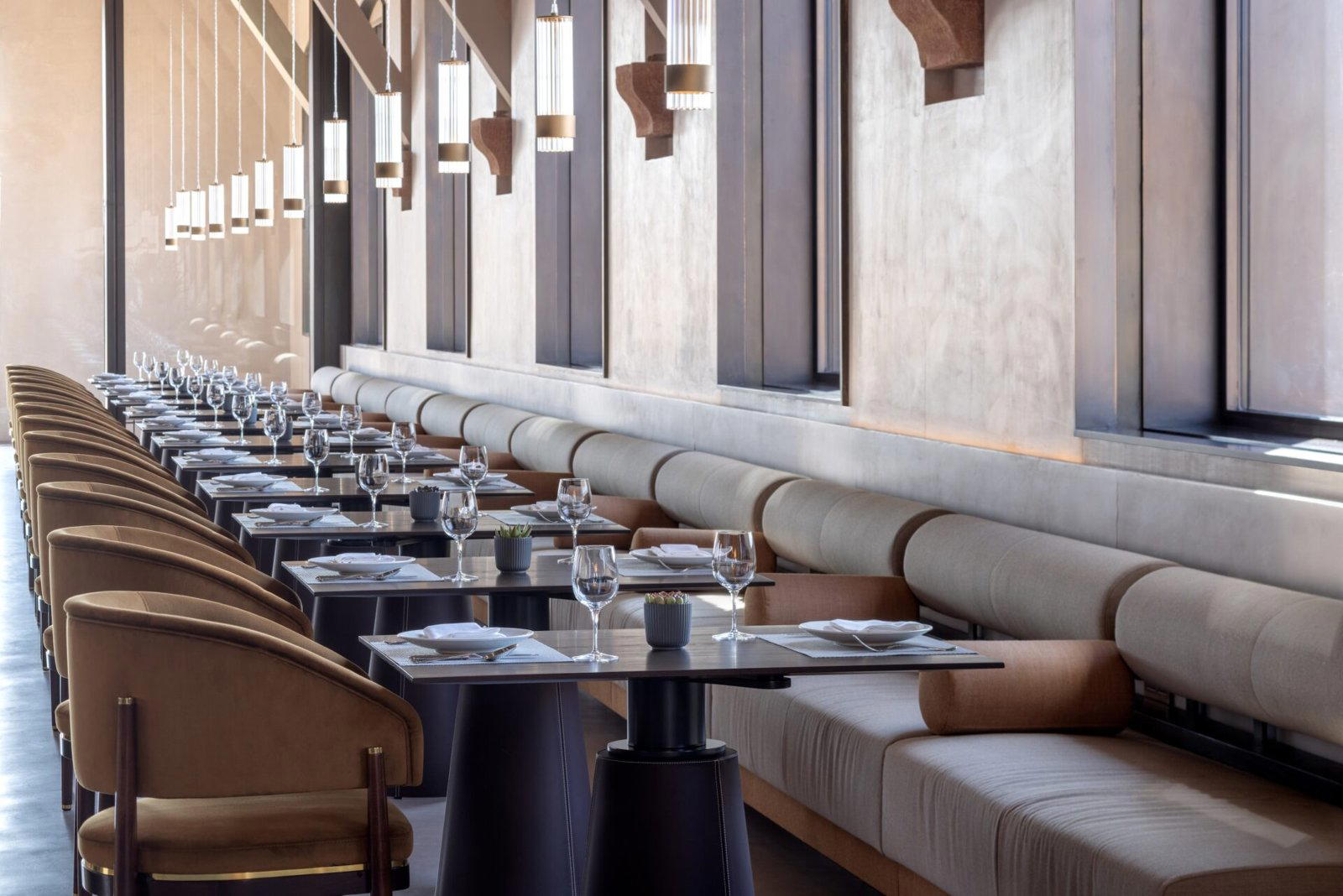
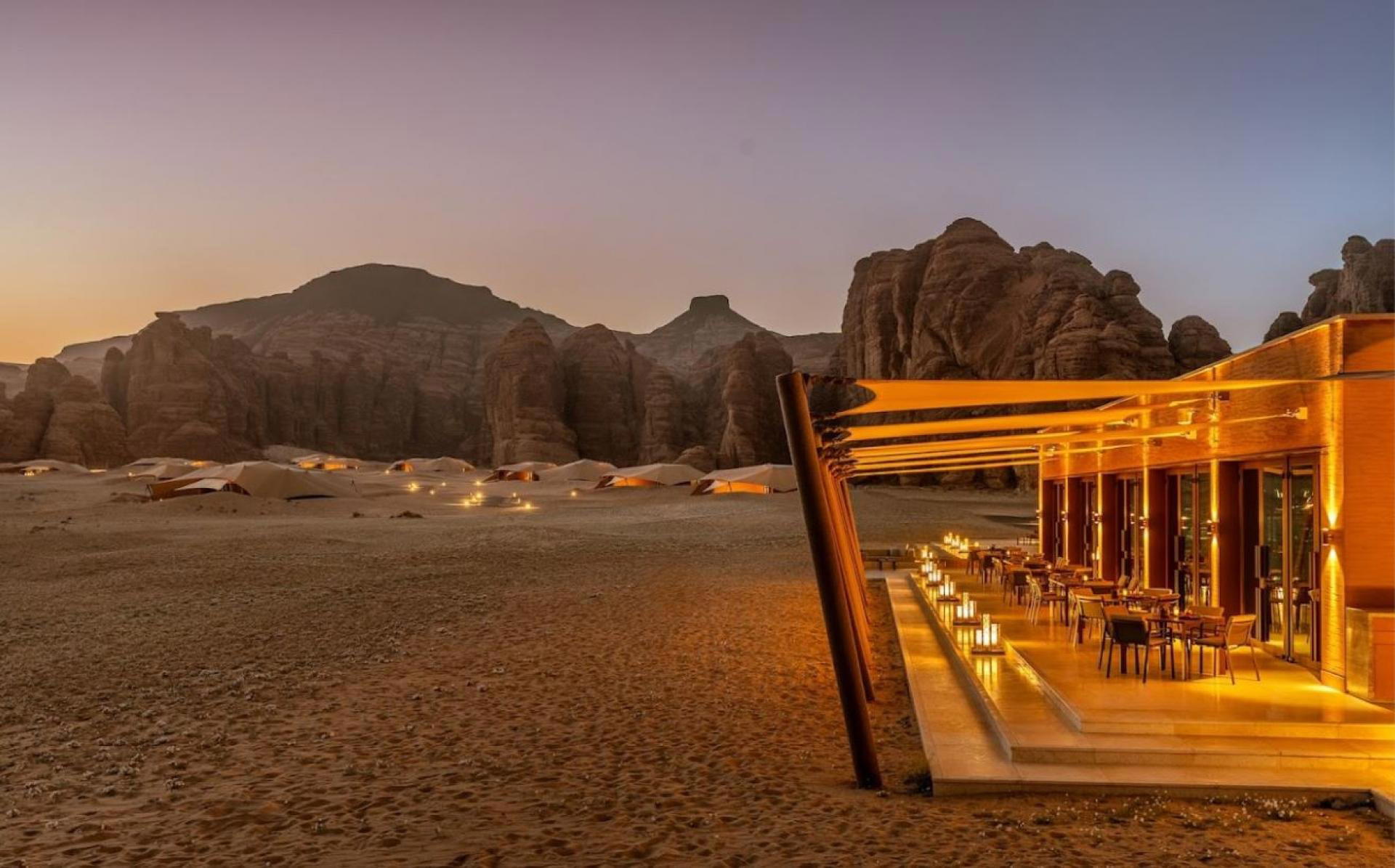
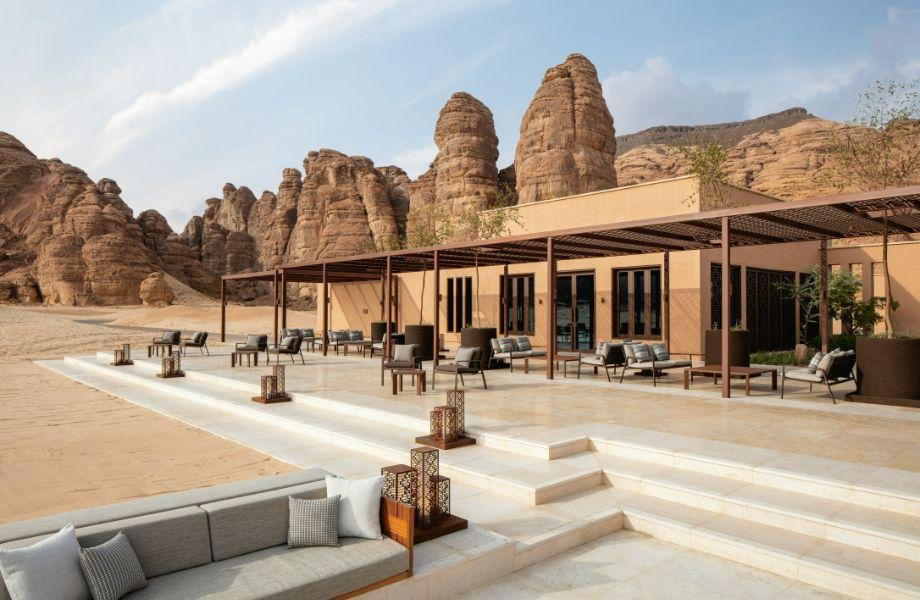
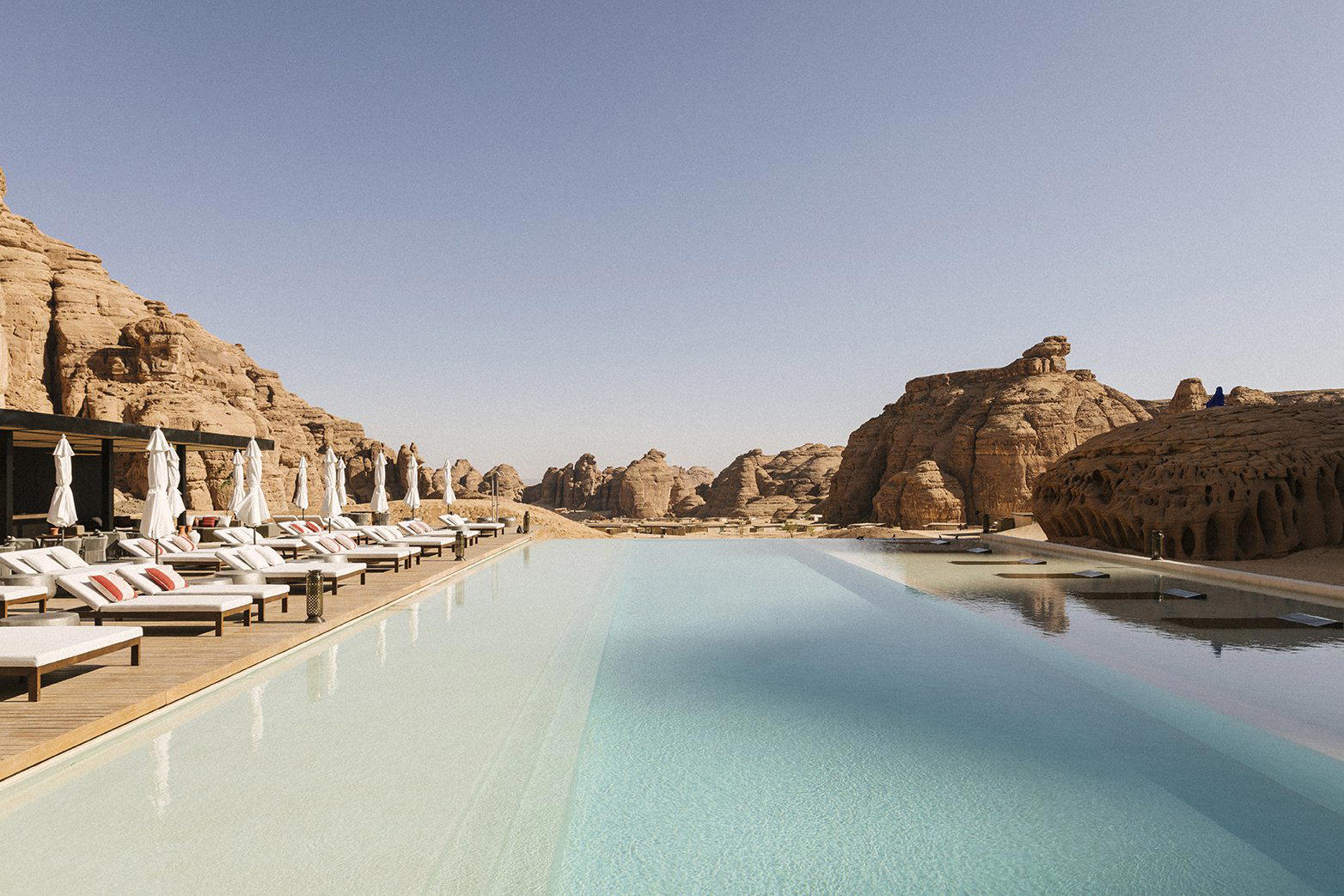
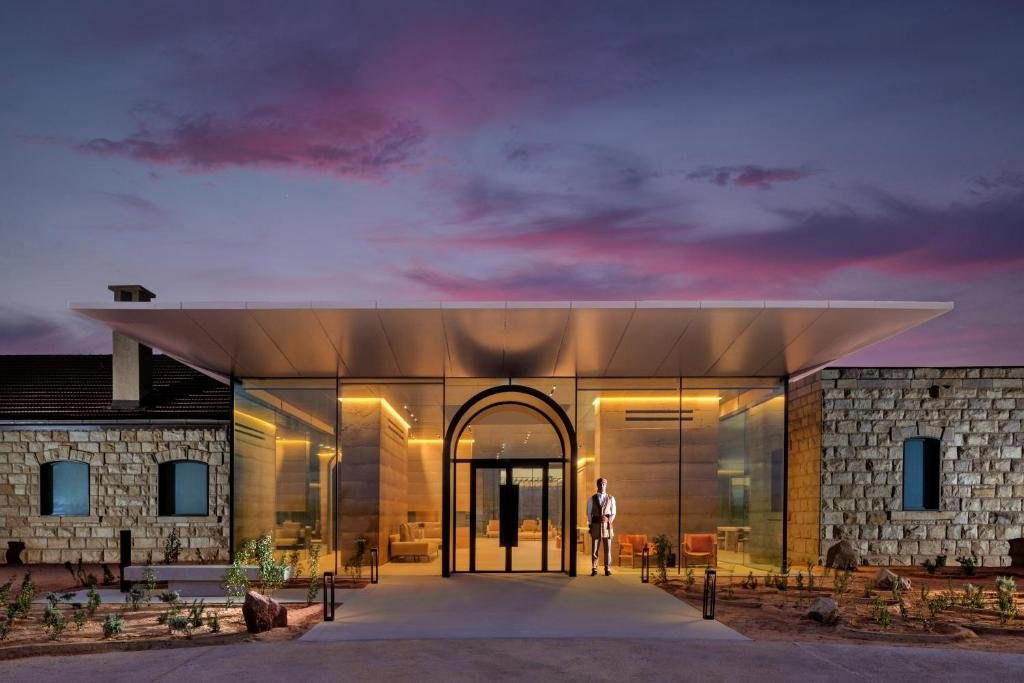
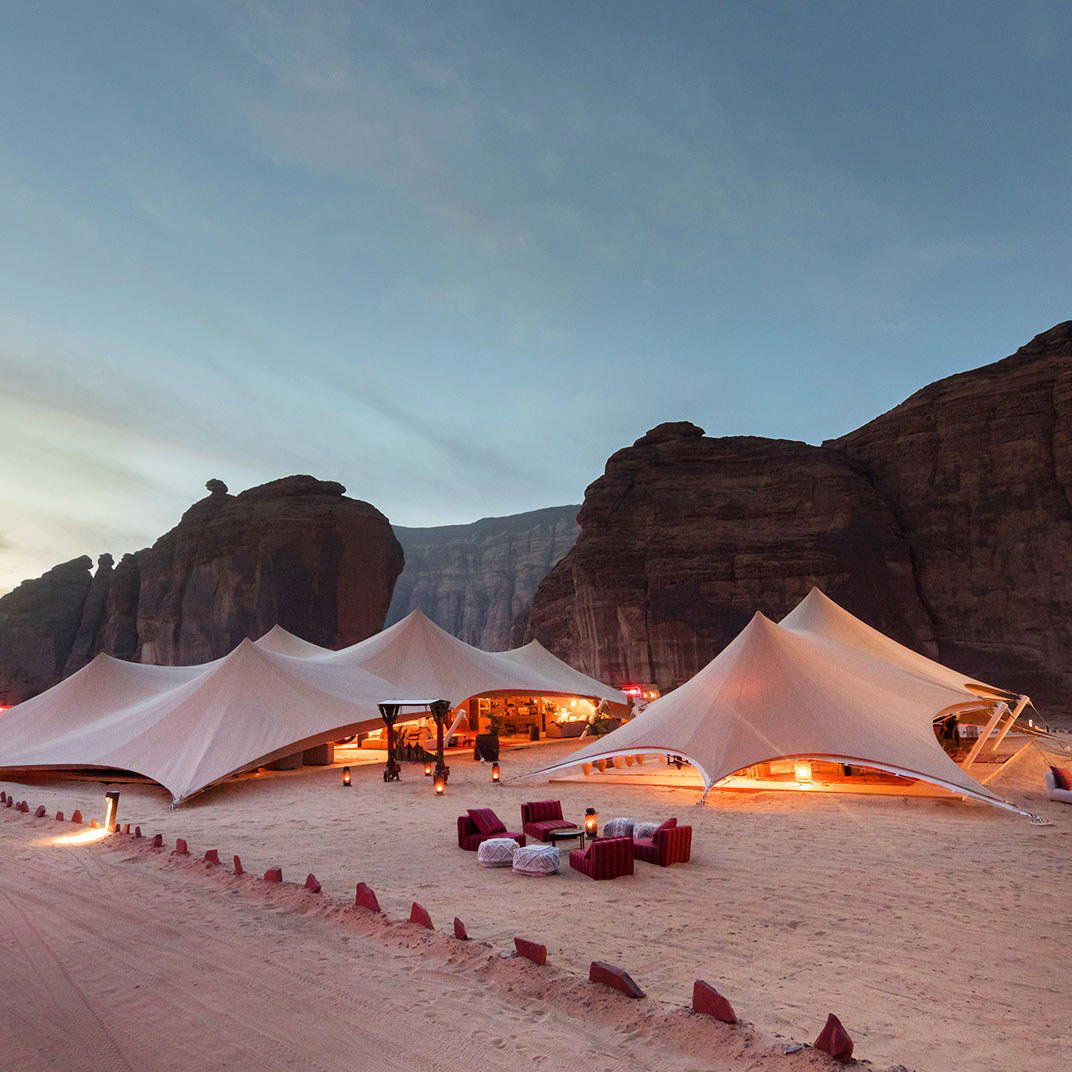
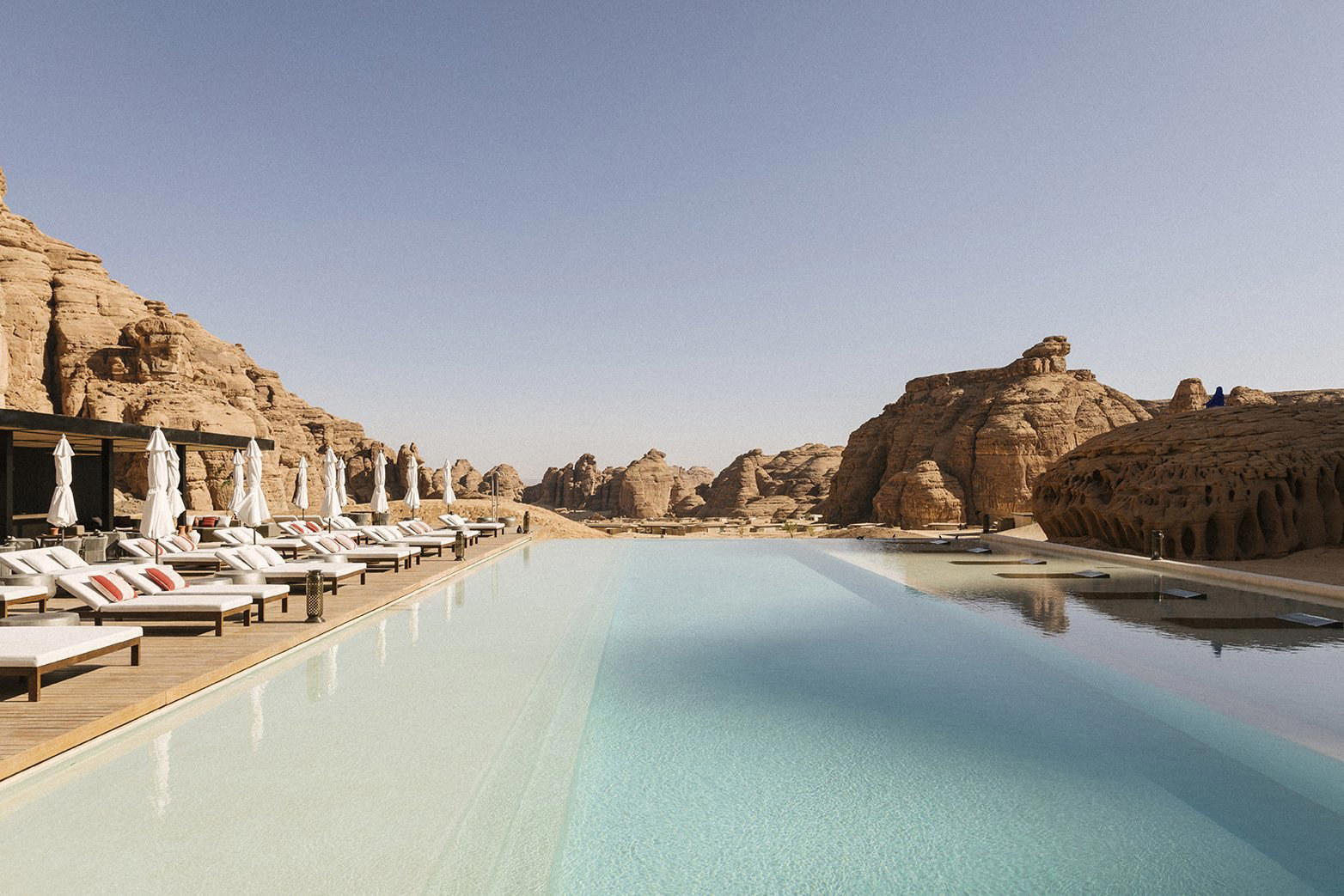
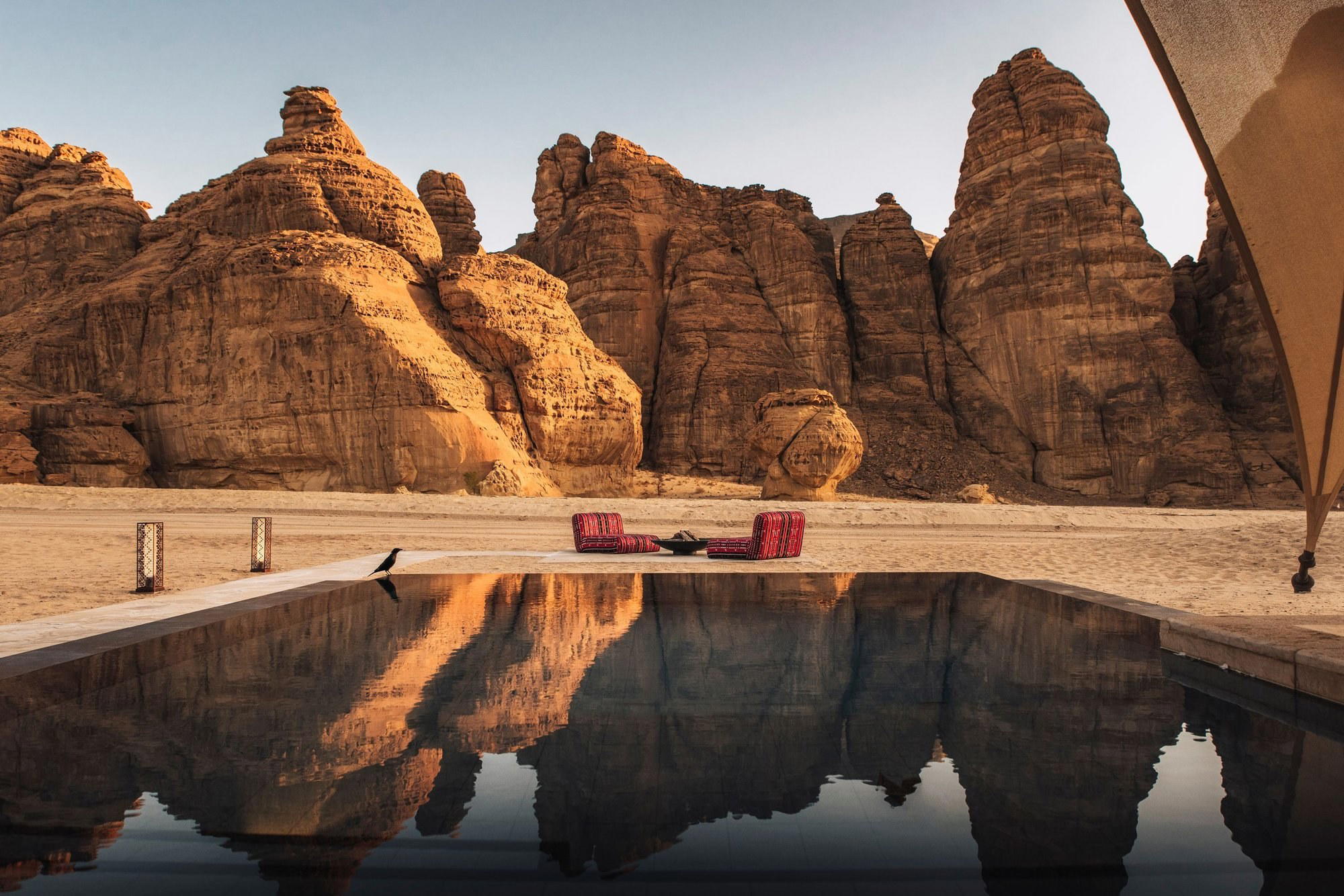
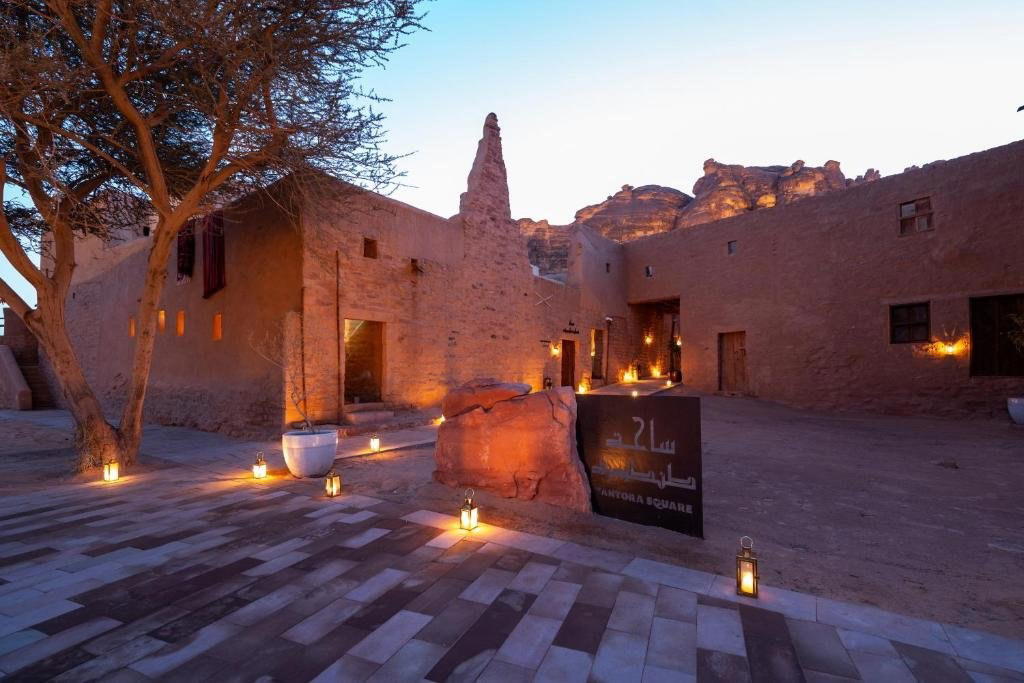
A cozy yet classy lounge space in the lobby pavilion of The Chedi Hegra, with a serene, contemplative atmosphere designed for VIPs, families and solo travellers to relax over beautifully presented pastries, desserts and non-alcoholic drinks.