Al Forno Restaurant

Al Forno has anchored Providence's serious dining scene since the 1980s, earning sustained recognition from Opinionated About Dining through 2025 with a 4.6 Google rating across nearly a thousand reviews. The restaurant's wood-fired Italian cooking — grilled pizzas, housemade pastas, seasonal preparations — represents a regional American interpretation of Italian technique that predates the current wood-fire trend by decades.
 Discover on Pearl
South Water Street and the Logic of Providence Italian
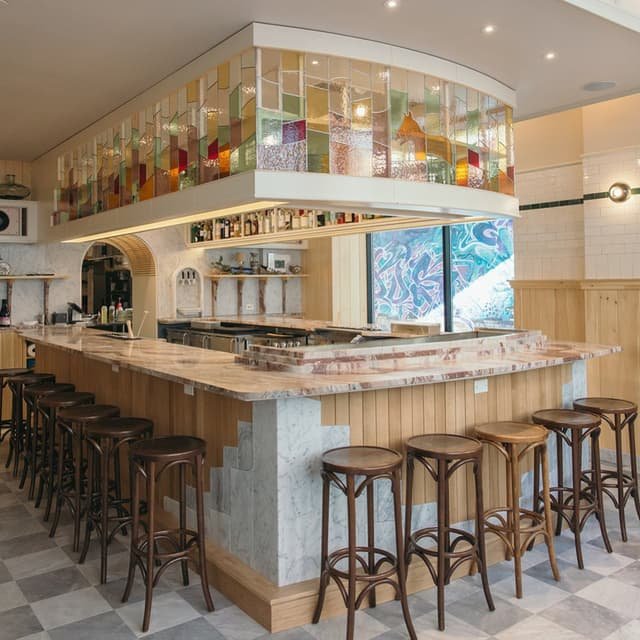
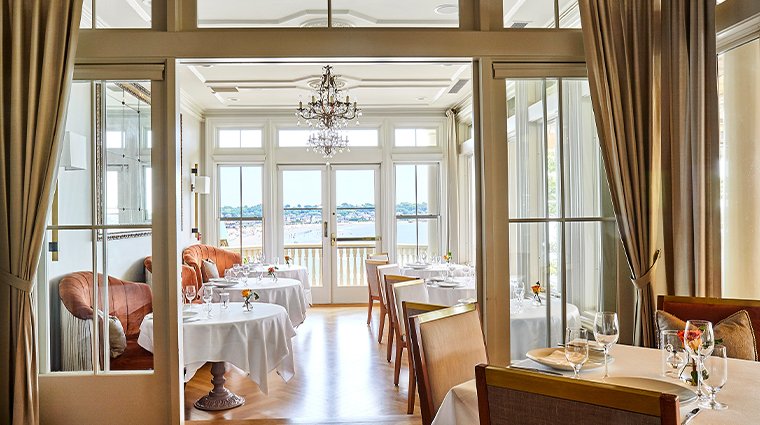
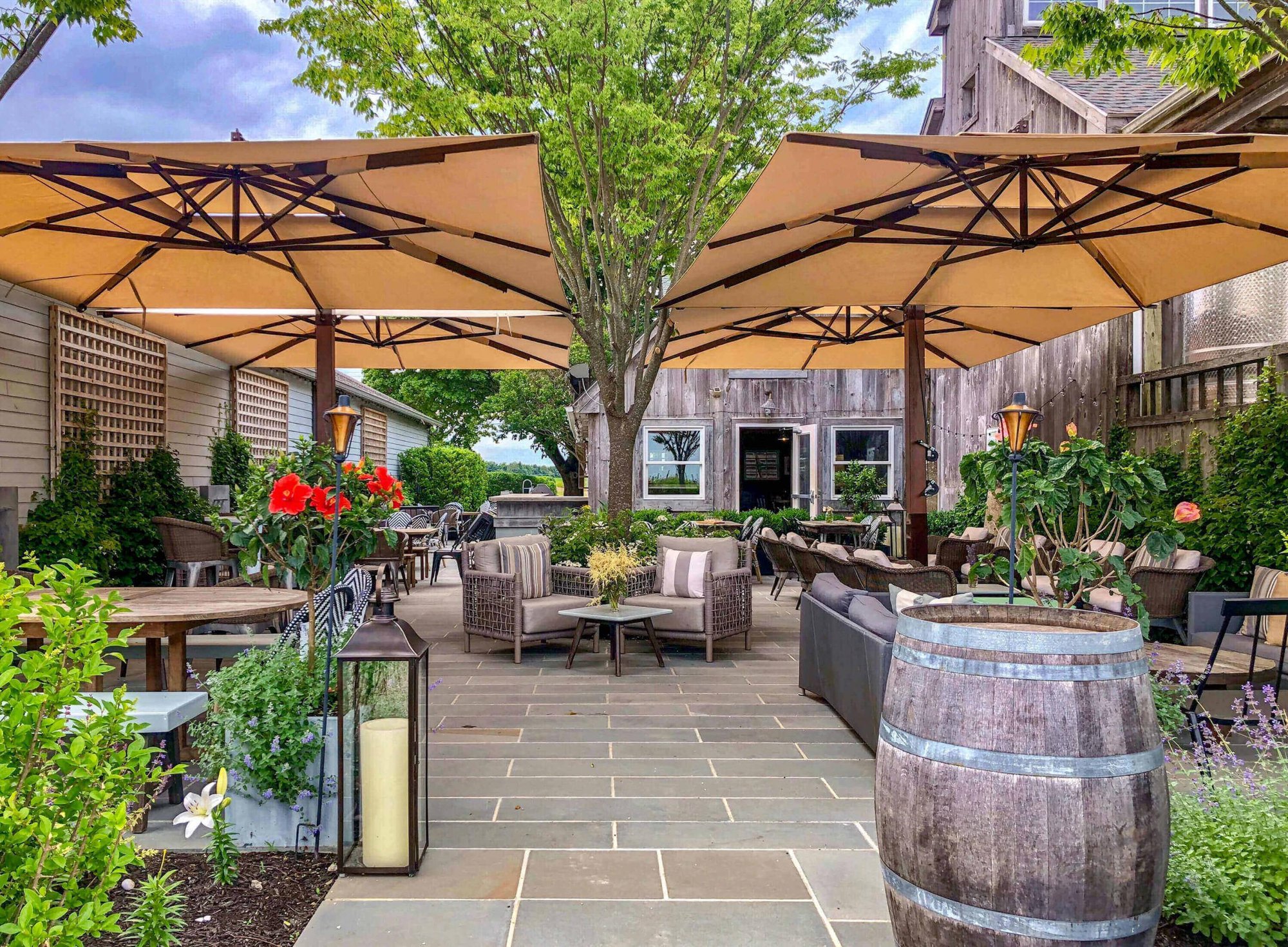
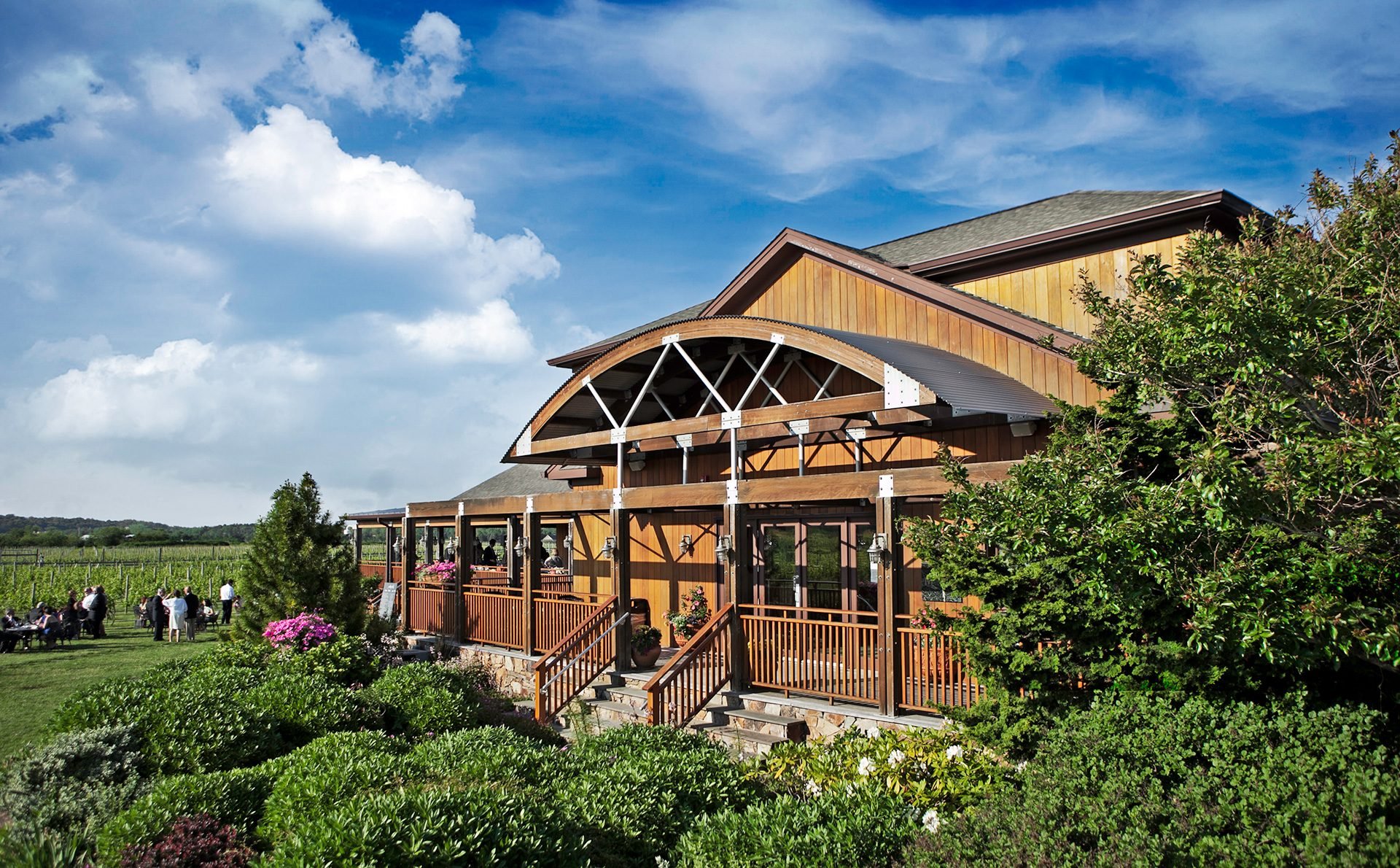
Approach 577 South Water Street on a weekday evening and the scene outside Al Forno tells you something about how Providence prioritizes its restaurants. There is no velvet rope, no ambient glow of backlit signage designed for phones. The building sits close to the Providence River, the industrial bones of the neighborhood still readable in the brick and the light, and the crowd waiting near the door has the patient, purposeful quality of people who planned ahead. This is not a destination that trades on novelty.
Providence occupies an interesting position in American dining: a mid-size city with a culinary identity built less on celebrity imports than on institutions that have compounded authority over decades. Al Forno belongs to that category. Its opening in the 1980s placed it in a cohort of American restaurants that interpreted Italian cooking not through white-tablecloth formality but through wood fire, seasonal sourcing, and the kind of handmade specificity associated with central Italian farmhouse cooking rather than with the red-sauce canon that dominated American-Italian perception at the time. That positioning remains legible today.
The Regional Frame: Which Italy Is This?
Italian cooking in America has long collapsed regional distinctions into a single imagined cuisine, but the more serious end of the American-Italian tradition has always made deliberate choices about which Italy it references. Al Forno's orientation reads closer to Emilia-Romagna and Lazio than to Naples or Palermo. The wood-fired technique aligns with the central Italian tradition of using live fire not to create char-dominated flavor but to achieve controlled heat that concentrates without dominating. The emphasis on pasta, on grilled preparations, and on ingredients handled with restraint rather than elaboration fits a central Italian sensibility more than a southern one.
This matters contextually because it separates Al Forno from the wood-fired pizza category that proliferated across American dining in the 2000s and 2010s. The grilled pizza format here preceded that wave, and the broader menu was never pizza-primary. A restaurant anchored in that tradition operates differently from the Neapolitan-revival houses or the Roman-style pizza bars that have since staked out their own niche in American cities. The comparison isn't about prestige hierarchy; it's about understanding what kind of Italian cooking you're actually getting.
For context on how Italian technique travels internationally, it's worth noting how different the register becomes at venues like 8 1/2 Otto e Mezzo Bombana in Hong Kong or cenci in Kyoto, where Italian form intersects with entirely different sourcing and cultural contexts. Al Forno's version is grounded in the American Northeast: the ingredients are local and seasonal, and the cooking reflects what that geography makes available.
Recognition and What It Signals
Opinionated About Dining, which focuses specifically on the casual and fine-dining tiers of North American restaurants, ranked Al Forno at #408 in its Casual North America list in 2024, moving to #547 in 2025. OAD rankings are compiled from aggregated votes by a self-selected community of serious diners and food professionals, which means they function less as a single critic's verdict and more as a signal of sustained attention from an engaged audience over time. A restaurant that appears in consecutive years — recommended in 2023, ranked in 2024 and 2025 — has maintained enough consistent quality to hold that community's interest. A 4.6 rating across 927 Google reviews adds a separate, broader-access data point: this is a restaurant where the experience holds up across a wide range of visitors, not just the enthusiast tier.
Neither signal places Al Forno in the same register as tasting-menu institutions like Alinea in Chicago, The French Laundry in Napa, or Le Bernardin in New York City. Those are different category entirely. Al Forno operates as a serious casual restaurant, which is its own demanding standard: the kitchen has to deliver consistent, technically grounded cooking without the scaffolding of an omakase format or a prix-fixe that controls every variable. Compared to destination-format venues like Single Thread Farm in Healdsburg or Blue Hill at Stone Barns in Tarrytown, or even narrative-driven formats like Lazy Bear in San Francisco, Al Forno represents the other pole: a restaurant where the cooking has to stand on its own merits every night, in a relatively direct format, for a general-public crowd.
Providence in Context
The city's restaurant scene has diversified considerably over the past decade. Al Forno shares the market with a new generation of Providence restaurants that approach their categories with different angles. Gift Horse applies Korean technique to New England seafood, a kind of cross-referencing that reflects where American regional cooking has moved since the 1980s. Mills Tavern occupies the American bistro space with its own sensibility, and Oberlin operates as a wine bar with serious food credentials. These venues don't compete directly with Al Forno so much as they illustrate how Providence dining has expanded around its older institutions rather than displacing them.
That coexistence says something about the city's character. Providence rewards restaurants that have earned their place over time, and Al Forno's longevity on South Water Street is itself a kind of credential, separate from its awards and ratings. For visitors building a multi-night itinerary, our full Providence restaurants guide maps the full range of options, and our Providence hotels guide covers where to stay. The city also has a bar scene worth navigating independently; see our Providence bars guide for that, and our experiences guide for what else the city offers beyond the table.
Planning Your Visit
Al Forno operates Tuesday through Friday from 5 to 10 pm, with Saturday service starting an hour earlier at 4 pm. The restaurant is closed Sunday and Monday. The South Water Street address puts it within reach of downtown Providence and the College Hill neighborhood, walkable from much of the city's hotel concentration. Given the sustained recognition and the volume of reviews suggesting consistent demand, reservations in advance are the practical approach for weekend evenings in particular. There is no dress code information on record, but the setting and register suggest that smart-casual is the appropriate frame , this is a serious restaurant without pretension, and dressing accordingly reads the room correctly. For visitors who want to extend the evening before or after, our Providence wineries guide covers regional wine options worth exploring in the area.
Peer Set Snapshot
A compact peer snapshot based on similar venues we track.
| Venue | Cuisine | Price | Awards | Notes |
|---|---|---|---|---|
| Al Forno Restaurant | Italian | Opinionated About Dining Casual in North America Ranked #547 (2025); Opinionated… | This venue | |
| Mills Tavern | American | American | ||
| Oberlin | Wine Bar | Wine Bar | ||
| Gift Horse | New England Seafood (Korean twist) | New England Seafood (Korean twist) |
Continue exploring