Al Fogher

Michelin Plate
Our verdict
Tucked just beyond the historic heart of Piazza Armerina, Al Fogher distills the soul of Sicilian terroir into an intimate, rustic-chic dining experience. Here, the kitchen choreographs pristine local ingredients with a subtle cosmopolitan touch—think artichoke pansotti filled with silky tuma cheese and crowned with black truffles—delivering flavors that are both rooted and refined. Personalized service, a warm farmhouse aesthetic, and a quietly confident culinary point of view make Al Fogher a destination for discerning travelers seeking authenticity elevated to an art form.

Pearl is the En Primeur Club membership app — saves, bookings, and concierge access live there. Same editors, same standards.
- Address
- Viale Conte Ruggero (exSS 117 bis) - Contrada Bellia incrocio SS 288 per, 94015 Aidone EN, Italy
- Phone
- +39 0935 684123
- Hours
- Mon ClosedTue–Sat 12–2:30 PM, 7:30–10:30 PMSun 12–2:30 PM
- Directions
- Get directions
The menu
What to order
- Artichoke_pansotti_with_tuma_cheese_and_truffles
- Sfilatelli_con_ragout_di_lepre
- Schioppetto_di_vitello
Where Central Sicily Comes to the Table
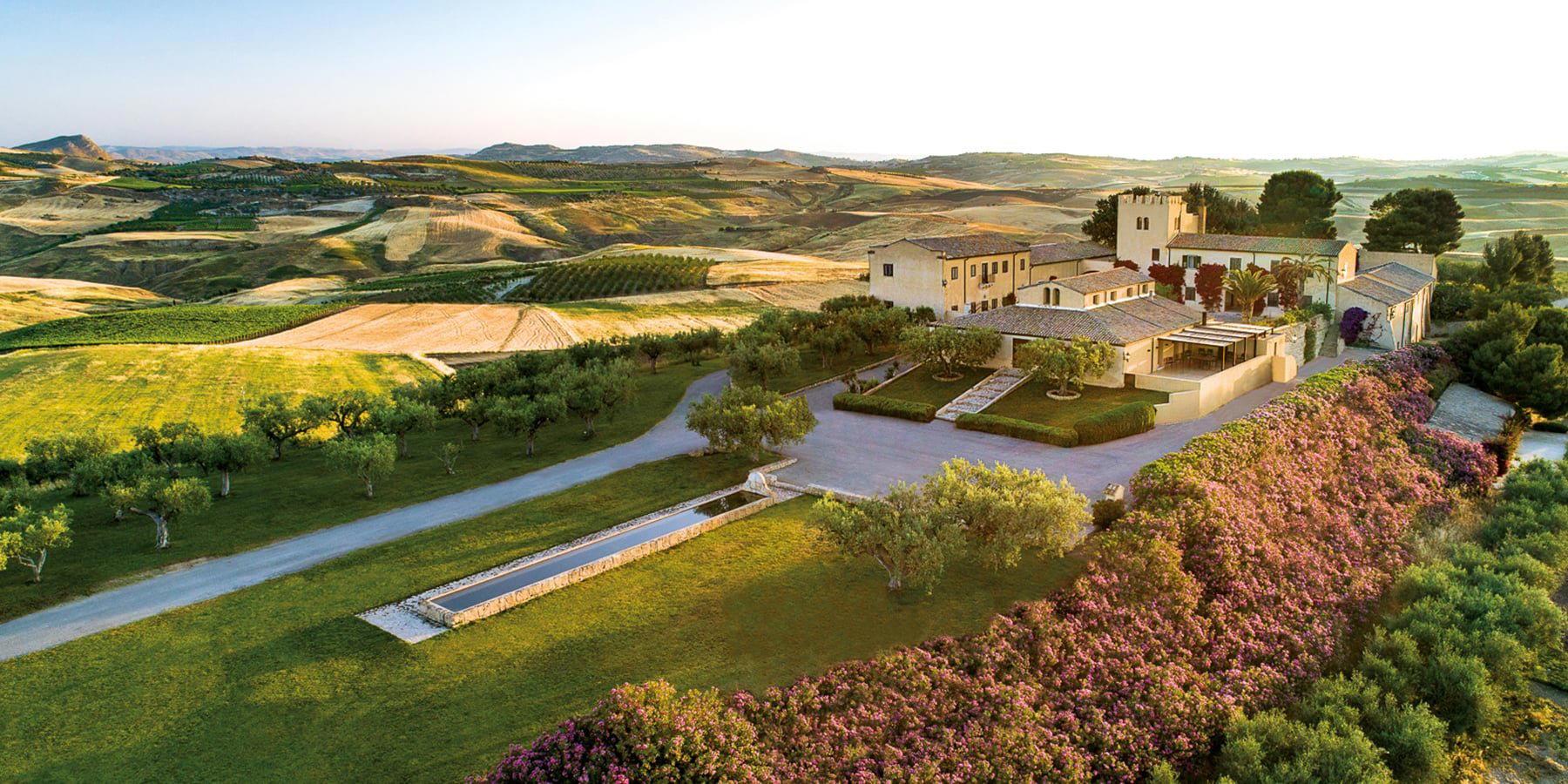
The road into Piazza Armerina from the south passes through a landscape that tells you immediately what kind of cooking to expect: the Erei hills rolling into the Enna plateau, wheat fields and olive groves alternating with stands of carob and almond. Sicilian cuisine in this inland corridor operates on different terms than the coastal fish-led plates of Palermo or the volcanic agriculture of Catania. Here, the emphasis falls on hard durum wheat, aged cheeses, truffles from the Nebrodi, and a pastoral tradition that has very little to do with the sea. Al Fogher, situated just outside the town centre on the road toward Aidone, positions itself squarely within that tradition, while drawing on techniques and references from further up the Italian peninsula.
The Physical Setting and What It Signals
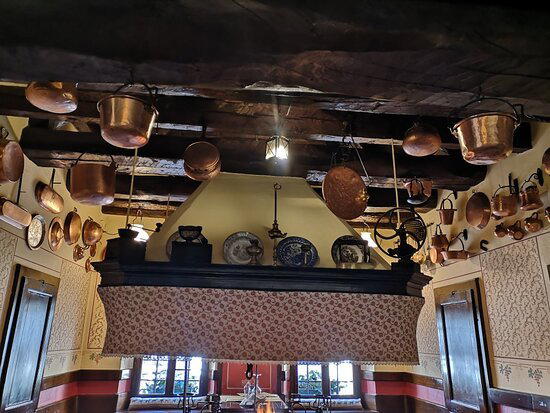
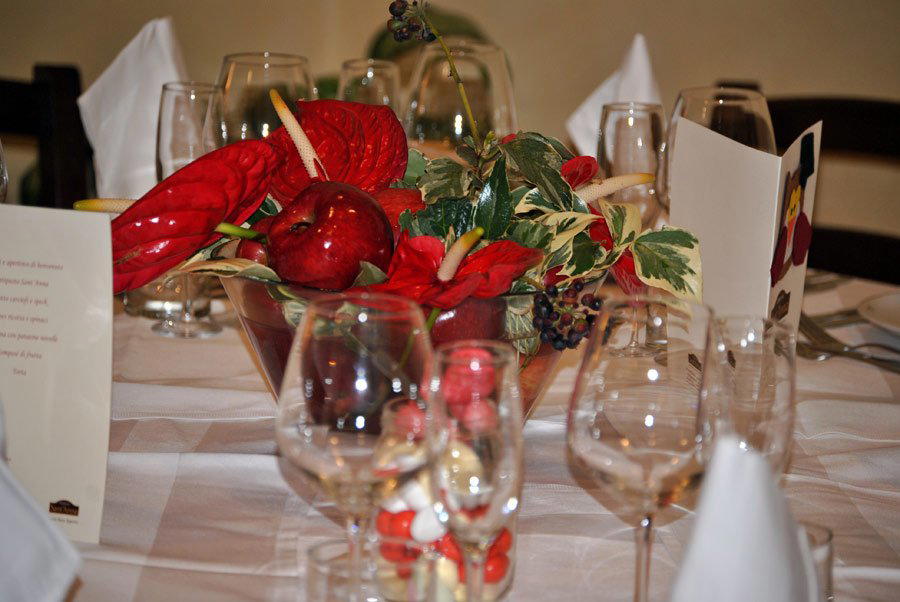
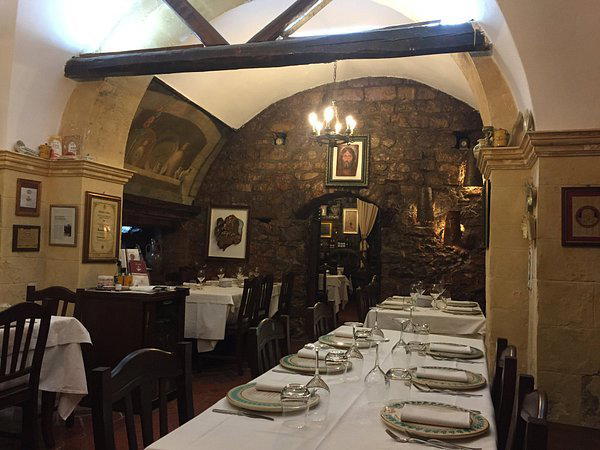
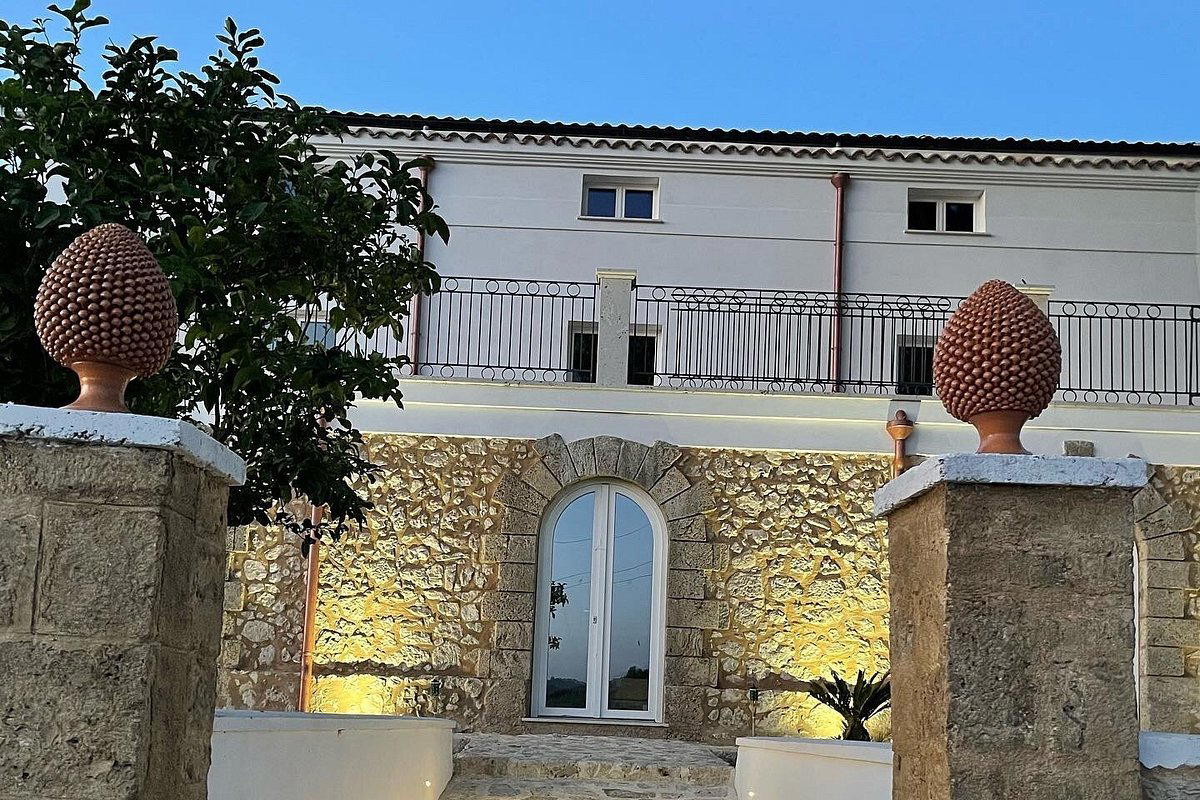
The building reads as rustic without being performatively rural. The exterior and interior share a low-key material palette that fits the surrounding countryside rather than competing with it. This aesthetic approach is consistent with a category of Italian regional restaurant that treats the dining room as context for the food rather than a destination in itself. Arriving at a spot like this on the outskirts of a mid-sized Sicilian hilltop town, the expectation is honest cooking with some ambition: nothing at the scale of the grand northern Italian tasting-room restaurants, but something well above the average village trattoria.
Sicilian Interior Cooking vs. the Coastal Canon
To understand what Al Fogher is doing, it helps to understand how sharply Sicilian cuisine divides along geographic lines. The island's coastal identity, reinforced by decades of international tourism, is built around crudo, sword fish, sea urchin, and the Arab-influenced sweet-sour combinations of caponata and pasta con le sarde. Inland Sicily operates in a different register: cured meats, sheep and goat milk cheeses, wild mushrooms, and an older, more austere pasta tradition. The tuma cheese referenced in the kitchen's artichoke pansotti preparation is a characteristic marker of that interior tradition; tuma is a fresh, unsalted Sicilian sheep's milk cheese with no direct equivalent elsewhere in Italy, used in cooking before it progresses to the salted and pressed forms the island exports more widely.
The presence of black truffles alongside that tuma in a stuffed pasta format points to another characteristic of this culinary zone: the Sicilian interior produces truffles, particularly around Troina, Cesarò, and the Nebrodi range to the north, and inland restaurants have historically treated them as a local ingredient rather than an imported luxury. That single dish, artichoke pansotti with tuma and black truffle, maps almost precisely onto the territory the kitchen occupies: Sicilian materials, central Italian pasta form (pansotti is Ligurian in origin, adopted broadly across the northern and central Italian contemporary repertoire), assembled with the kind of cross-regional synthesis that defines Italian contemporary cooking at this price tier.
The Italian Contemporary Tier at This Price Point
Italian contemporary cuisine as a category covers enormous ground, from the three-Michelin-star laboratories of Osteria Francescana in Modena and Le Calandre in Rubano down to regional restaurants doing careful, produce-led work at accessible prices. At the higher end, kitchens like Enoteca Pinchiorri in Florence, Dal Pescatore in Runate, and Enrico Bartolini in Milan operate at €€€€ price points with the cellar depth, service infrastructure, and tasting-menu architecture that come with serious institutional investment. Al Fogher operates at €€, which in the Italian context typically means a full meal per person in the range of 30 to 60 euros, without wine. That bracket in Sicily, particularly outside Palermo or Taormina, can encompass both casual trattorias and kitchens with genuine culinary ambition. The Michelin Plate recognition in both 2024 and 2025 signals that the Guide's inspectors consider this kitchen to be in the second category: cooking good enough to warrant attention, even without the full star.
The Michelin Plate, reinstated in the 2019 edition as a successor to the Bib Gourmand for non-starred restaurants, denotes establishments the inspectors consider worth visiting for their cooking alone. It does not carry the prestige of a star, but in a region like central Sicily, where starred restaurants are sparse, it functions as a meaningful quality marker. For context, southern Italy at large has fewer Michelin stars per capita than the north, and the Guide's coverage of inland Sicilian restaurants remains thinner than its coverage of the major coastal cities. A Plate recognition for a small rustic-format restaurant in Piazza Armerina carries proportionately more weight than the same designation would in central Rome or the Milanese dining corridor.
Cross-Regional Influences and What They Tell You
The Michelin description notes explicitly that influences from elsewhere in Italy appear alongside the local Sicilian foundation. This is a characteristic move in Italian contemporary cooking at the regional level: chefs trained in northern or central Italian kitchens return to their home regions carrying technique and references that they layer over indigenous ingredients. The result is a cuisine that reads as Sicilian in materials but Italian contemporary in method. At the €€ price tier, this cross-pollination tends to be selective rather than systematic: a pasta format borrowed from Liguria here, a northern Italian cheese pairing technique there, without the full architectural overhaul of a tasting-menu restaurant. Restaurants operating in this zone often sit at a more interesting tension point than either the purely traditional trattoria or the fully formalized fine-dining room. For travelers making their way through central Sicily around the Villa Romana del Casale mosaics, which draw serious visitors to Piazza Armerina, a meal at a kitchen working this particular register offers something the town's more conventional dining options do not.
If you are planning time in the area, [our full Piazza Armerina restaurants guide]() maps the broader dining picture, and [our Piazza Armerina hotels guide]() covers where to base yourself. For drinks and local wineries, [our Piazza Armerina bars guide](), [our Piazza Armerina wineries guide](), and our Piazza Armerina experiences guide cover the wider scene. For comparison with Italian contemporary kitchens working at different scales and price points elsewhere in Italy, see Reale in Castel di Sangro, Uliassi in Senigallia, Piazza Duomo in Alba, Quattro Passi in Marina del Cantone, Casa Perbellini 12 Apostoli in Verona, Agli Amici Rovinj, L'Olivo in Anacapri, and Atelier Moessmer Norbert Niederkofler in Brunico.
Planning Your Visit
Al Fogher sits on Viale Conte Ruggero at the junction with the SS 288 for Aidone, outside the immediate town centre, which means a car is the practical approach. The €€ price range makes it accessible for most budgets considering a proper sit-down meal in the area, and the rustic format is relaxed enough for groups that are not looking for a formal occasion. Booking ahead is advisable, particularly in summer and around long Italian weekends when the Villa Romana draws higher visitor numbers.
Frequently asked questions
Does Al Fogher work for a family meal?
At the €€ price point and in a rustic setting outside Piazza Armerina's town centre, Al Fogher sits comfortably above standard trattoria territory without the formality that might make younger family members restless. The Michelin Plate recognition signals kitchen ambition, but the room and pricing do not demand a special-occasion mindset. A car is necessary given the location on Viale Conte Ruggero at the SS 288 junction.
What should I expect atmosphere-wise at Al Fogher?
The setting is rustic in a functional, unfussy sense rather than a staged rural aesthetic — low-key materials that match the surrounding countryside of the Erei hills. This is not a polished city dining room, and the €€ pricing reflects that honestly. Guests arriving from Milan or Rome should recalibrate expectations toward a neighbourhood restaurant that happens to hold a Michelin Plate.
What awards or recognition does Al Fogher have?
Al Fogher has received recognition including: This small, rustic-style restaurant just outside the centre of Piazza Armerina serves personalised cuisine in which local ingredients take pride of place. Influences from elsewhere in Italy are also evident, with dishes such as artichoke pa….
What do people recommend at Al Fogher?
Michelin's own notes single out dishes like artichoke pansotti stuffed with local tuma cheese and black truffles as representative of the kitchen's approach: central Sicilian ingredients used with cross-regional Italian technique. The 2024 and 2025 Michelin Plate awards confirm that consistency is part of the formula here, not a one-season performance.
How much does it cost to eat at Al Fogher?
Pricing at Al Fogher is listed as €€.
| Venue | Cuisine | Price | Awards | Notes |
|---|---|---|---|---|
| Al FogherThis venue — the venue you are viewing | Modern Sicilian Italian | $50–100 | Michelin Plate | Not listed |
| Atelier Moessmer Norbert Niederkofler | Italian, Creative | Not listed | Michelin 3 Star | Not listed |
| Dal Pescatore | Italian, Italian Contemporary | Not listed | Michelin 3 Star | Not listed |
| Enoteca Pinchiorri | Contemporary Italian Fine Dining | $200–300 | 3 Michelin Stars · World's 50 Best #32 | Italian - French, Italian Contemporary |
| Enrico Bartolini | Creative | Not listed | Michelin 3 Star | Not listed |
| Osteria Francescana | Avant-Garde Italian Contemporary | $300–500 | 3 Michelin Stars · World's 50 Best #1 | Progressive Italian, Creative |
Recognition history
Dated appearances from independent guides and award organizations, with the underlying list record or original source where available.
Michelin Plate
Michelin
Full recognition history (3 entries)
Michelin Plate
Michelin
Michelin Plate
Michelin
Continue exploring
More in Piazza Armerina
Restaurants in Piazza Armerina
Browse all →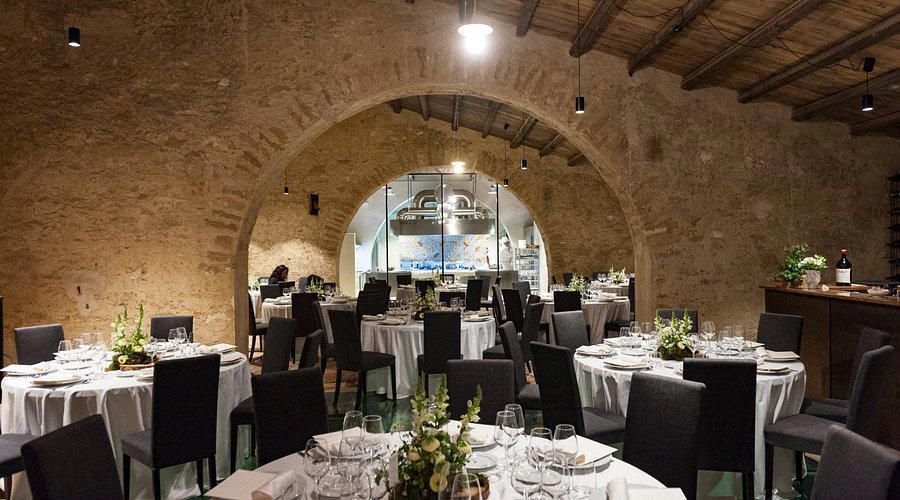
Bars in Piazza Armerina
Browse all →
Hotels in Piazza Armerina
Browse all →

Details
- Rustic
- Cozy
- Romantic
- Elegant
- Intimate
- Date Night
- Special Occasion
- Historic Building
- Extensive Wine List
- Local Sourcing
- A La Carte
- Tasting Menu
- Vegetarian Friendly
- Vegan Options
- Gluten Free Options
Current opening hours
- Monday
- Closed
- Tuesday
- 12–2:30 PM, 7:30–10:30 PM
- Wednesday
- 12–2:30 PM, 7:30–10:30 PM
- Thursday
- 12–2:30 PM, 7:30–10:30 PM
- Friday
- 12–2:30 PM, 7:30–10:30 PM
- Saturday
- 12–2:30 PM, 7:30–10:30 PM
- Sunday
- 12–2:30 PM
Hours can change for holidays and private events. Last verified .
Warm and cozy atmosphere with wood decor, roaring fireplace, elegant yet intimate setting, and soft background music.