Forno Urbano occupies a address on Via Gianantonio Manci in central Trento, placing it within easy reach of the city's medieval core and its growing restaurant scene. The name signals a wood-fired or oven-focused approach common to northern Italian trattorias, situating it in a mid-market tier alongside neighbours like Scrigno del Duomo and Osteria Il Cappello. For visitors building an itinerary around Trentino's table, it represents a practical, neighbourhood-anchored option.
Pearl is the En Primeur Club membership app — saves, bookings, and concierge access live there. Same editors, same standards.
- Address
- Via Gianantonio Manci, 20, 38122 Trento TN, Italy
- Phone
- +39461439077
- Website
- fornourbano.it
- Directions
- Get directions
 Saves & bookings on Pearl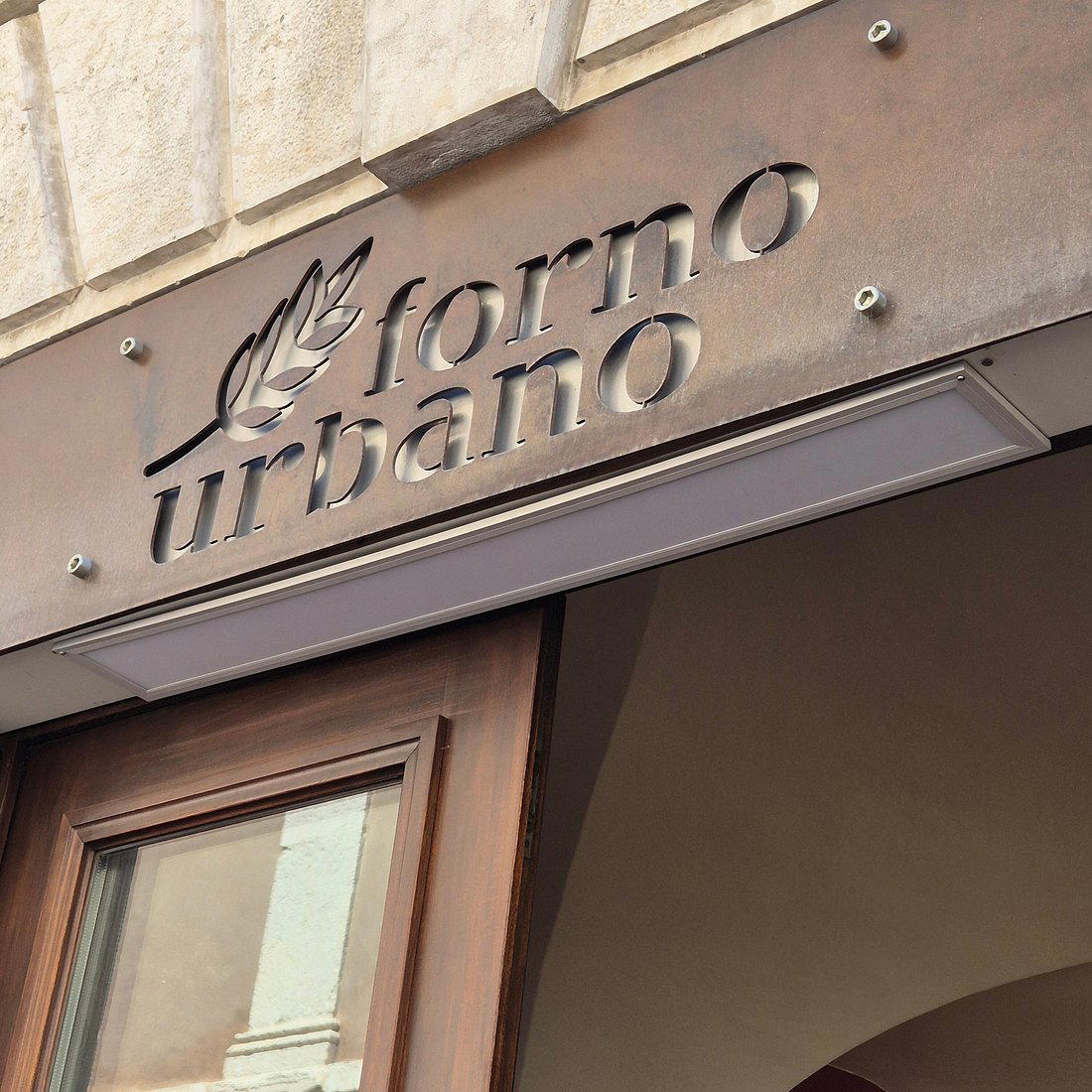
Where Trento's Bread-and-Fire Tradition Meets the Street
Forno Urbano is an artisanal Italian pizza and focaccia restaurant in Trento at Via Gianantonio Manci, 20. Flanked by stone facades and within a short walk of the Piazza del Duomo, it sits in the kind of neighbourhood where lunch still matters and where a name like Forno Urbano, urban oven, carries real meaning. In northern Italian culinary vocabulary, the word forno is not decorative. It signals a commitment to heat, fermentation, and the slow processes that define how this region has fed itself for centuries.
Trento sits at a geographic and cultural crossroads: the southernmost reaches of the Alps, where Austrian influence on cured meats and hearty grain dishes blends with the lighter acid-forward traditions of the Veneto and the wine culture of the Adige valley. That tension between north and south, between mountain austerity and Mediterranean warmth, has historically played out on the plate. Bread, in particular, carries cultural weight here in a way it does not further south, dense rye loaves and spelt preparations appear alongside the softer white-crumbed styles more common to lowland Italy. A venue anchored around the forno concept plugs directly into that lineage.
The Scene on Via Manci
Trento's restaurant scene has diversified considerably over the past decade. The city's mid-market tier, venues operating in the €€ bracket without aspirations toward the tasting-menu formalism of Trentino's higher-end addresses, has become more competitive and, in places, more interesting. Forno Urbano sits on Via Gianantonio Manci at number 20, an address that places it in the active dining corridor linking the university quarter to the historic centre. That positioning matters: streets like Via Manci feed a mixed clientele of academics, local professionals, and visitors arriving by rail from Verona or Bolzano, all of whom expect substance over spectacle.
The comparison set in this part of Trento includes places like Acquaefarina, which has built a following around similar oven-and-dough principles, and Al Diciassette, a neighbourhood address that leans into daily-changing formats. At the more considered end of the mid-market, Il Sommelier and La Maison de Filip operate in the Italian Contemporary tier with longer wine lists and more architectural plating. The restaurant reads as a counterpoint to that direction, a place where the product, not the presentation, carries the argument.
Wood Fire as Cultural Argument
The forno tradition in Italian cooking is as much about philosophy as technique. Wood-fired preparation demands patience: temperatures cannot be adjusted with a dial, and the cook must learn to read the fire rather than control it. This places the craft closer to bread-making and charcuterie than to the precision-driven approach that has come to define Italian fine dining at places like Osteria Francescana in Modena or Le Calandre in Rubano. The forno model is older, more direct, and in many ways harder to replicate at scale, which is precisely why smaller urban operators have kept it alive.
In Trentino specifically, the tradition connects to a regional identity built around self-sufficiency and preservation. Mountain communities could not rely on daily supply chains; they fermented, dried, smoked, and baked to extend the season. A venue that foregrounds the oven is, consciously or not, making a claim about continuity with that practice. It is a different kind of argument than the one being made at Augurio, which approaches country cooking with a more curated, €€€-tier sensibility, but the two share a rootedness in Trentino's agricultural past.
Trento in the Broader Italian Dining Context
Situating Trento within Italian dining more broadly requires acknowledging what the city is not. It does not have the Michelin density of Alba, home to Piazza Duomo, or the coastal confidence of Senigallia, where Uliassi has redefined Adriatic cooking. It lacks the centuries-deep fine dining infrastructure of Florence, where Enoteca Pinchiorri has operated at the summit of the market for decades. What Trento has instead is a coherent regional identity, a serious wine culture built around Trentodoc sparkling wine and the Teroldego grape, and a mid-market dining scene that rewards exploration without requiring the booking lead times or price commitment of the major northern Italian destination restaurants.
The Alto Adige border, just north of the city, adds another layer. Venues like Atelier Moessmer Norbert Niederkofler in Brunico have brought international attention to the Alpine cooking tradition, but that attention has not yet saturated Trento's own market. The city's restaurants operate in a quieter register, which for travellers means shorter waits, more accessible price points, and a dining experience shaped more by local habit than by inbound tourism pressure.
Planning a Visit
The restaurant's address at Via Gianantonio Manci, 20 places it within comfortable walking distance of Trento's central train station and the Piazza del Duomo, making it a practical option before or after arrival by rail, the Verona-Bolzano line stops at Trento with regular frequency, and the journey from Verona takes under an hour. The restaurant is open Tue to Sat from 10 AM to 6 PM and is walk-in friendly.
Price and Positioning
Comparable venues nearby, for context on price, style, and recognition.
| Venue | Cuisine | Price | Awards | Notes |
|---|---|---|---|---|
| Forno UrbanoThis venue — the venue you are viewing | Not listed | $$ | Not listed | Not listed |
| Ristorante Bottega Moderna Bistrot | centro storico, Modern Italian Bistrot | $$ | Not listed | Not listed |
| Al Diciassette | Not listed | $$ | Not listed | Centro storico-Piedicastello, Authentic Roman & Trentino Alpine Cuisine |
| No Format | Centro Storico, Vegan Pizza | $$ | Not listed | Not listed |
| Osteria Il Cappello | Not listed | $$$ | Michelin Plate | Centro Storico (Historic Center), Contemporary Italian with Trentino Regional Specialties |
| Osteria a "Le Due Spade" | city centre, Modern Alpine-Italian | $$$ | Michelin Plate | Not listed |
Continue exploring
More in Trento
Restaurants in Trento
Browse all →
Bars in Trento
Browse all →
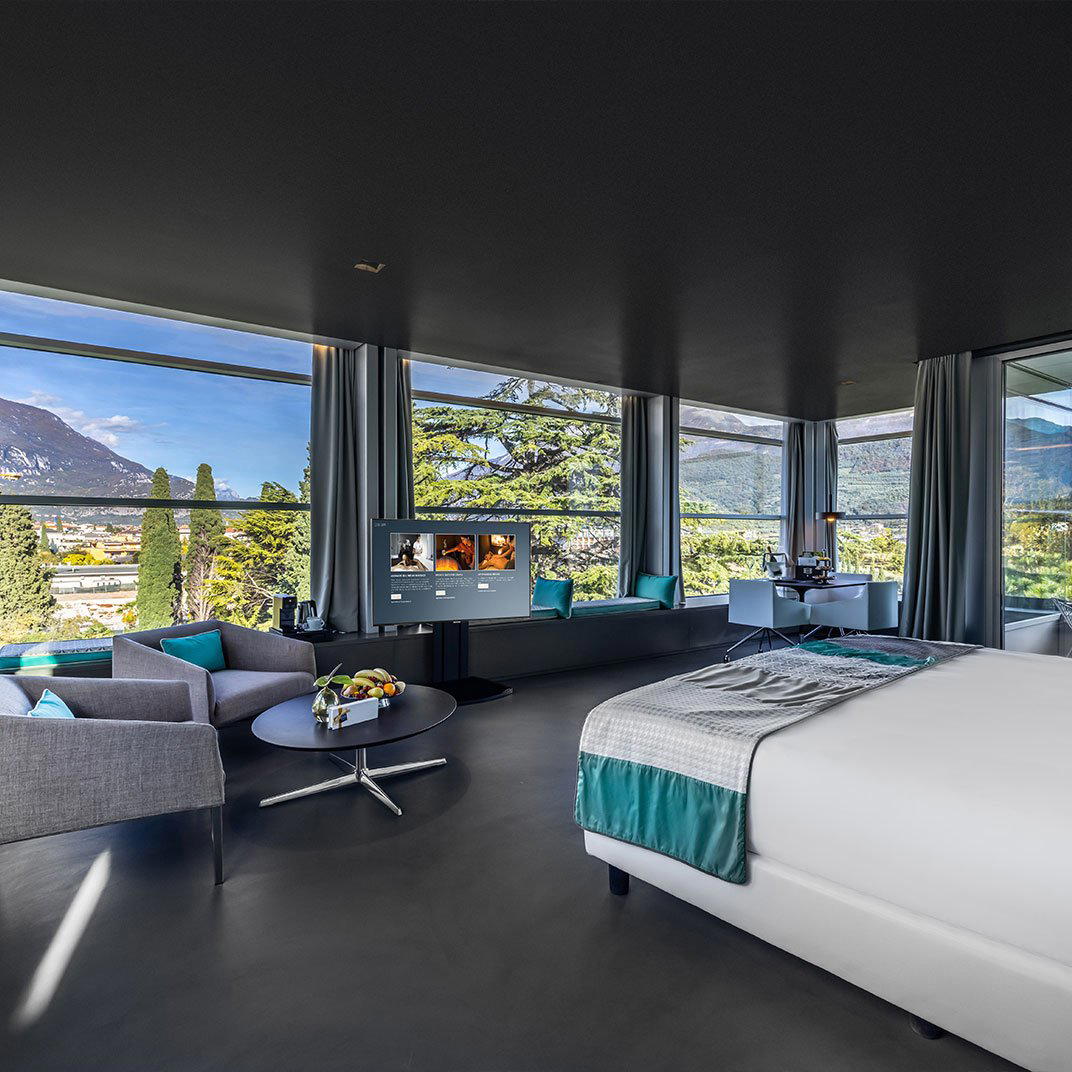
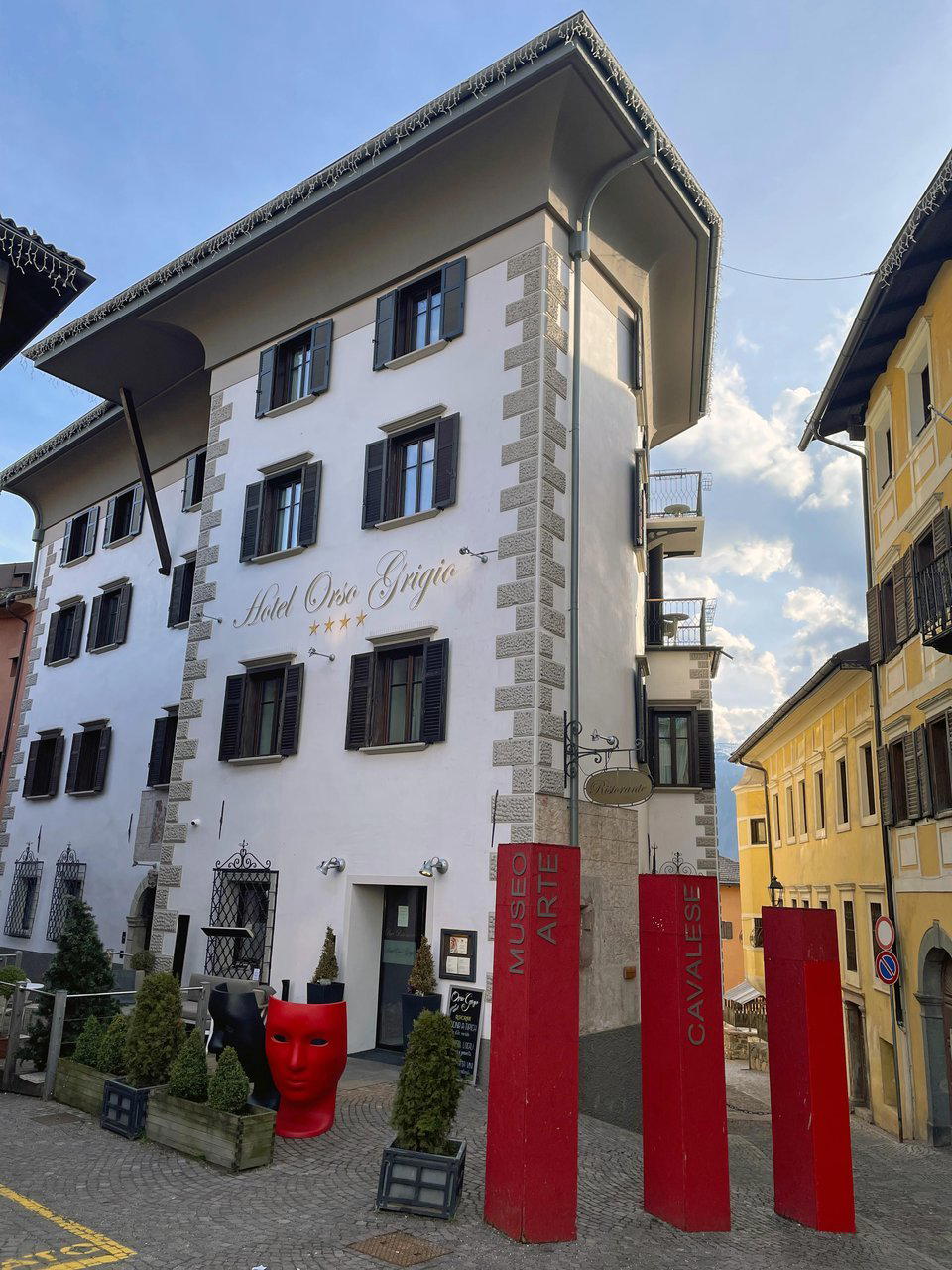
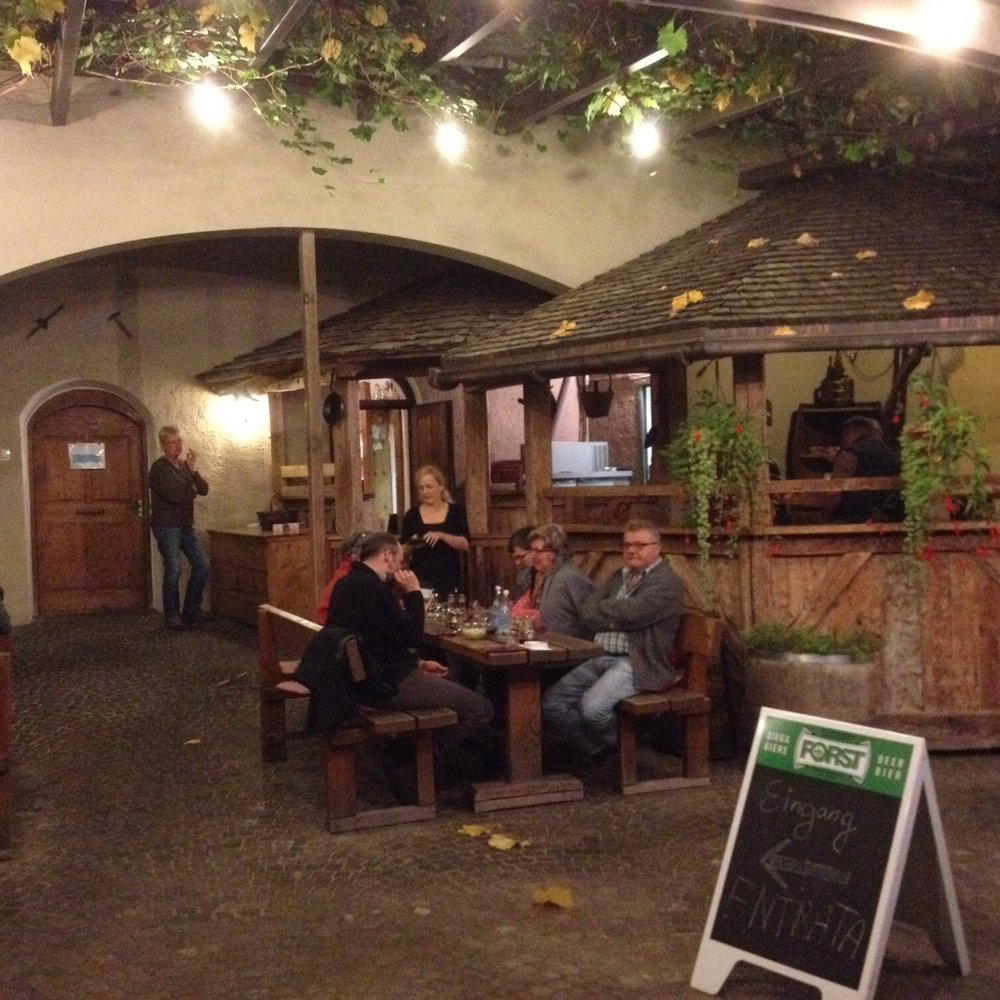
Hotels in Trento
Browse all →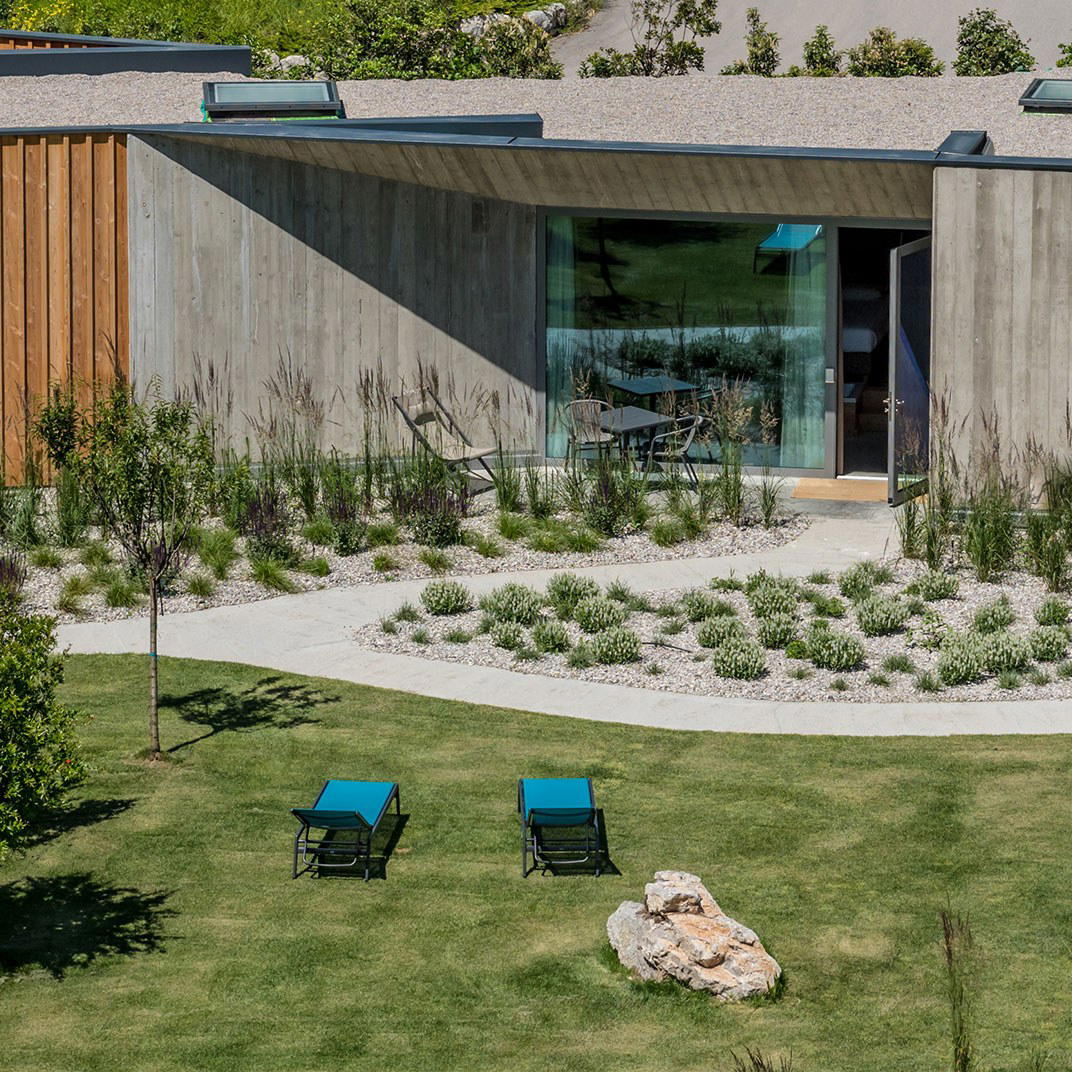
At a Glance
- Rustic
- Cozy
- Modern
- Casual Hangout
- Open Kitchen
- Beer Program
- Local Sourcing
Current opening hours
- Monday
- Closed
- Tuesday
- 10 AM–6 PM
- Wednesday
- 10 AM–6 PM
- Thursday
- 10 AM–6 PM
- Friday
- 10 AM–6 PM
- Saturday
- 10 AM–6 PM
- Sunday
- Closed
Hours can change for holidays and private events. Last verified .
Welcoming small shop with essential furnishings, friendly service, and a clean, casual atmosphere ideal for quick bites inside or on outdoor seating.