Al Castello Antica Osteria
Our verdict
Al Castello Antica Osteria sits in the heart of Gambellara, a small Veneto wine town where Garganega grapes have shaped the local table for centuries. The osteria format here speaks to an older Italian tradition: the kitchen draws from what the surrounding land and producers offer, anchoring each plate in a specific geography rather than a seasonal trend.

Pearl is the En Primeur Club membership app, where members save venues, book tables and use the concierge.
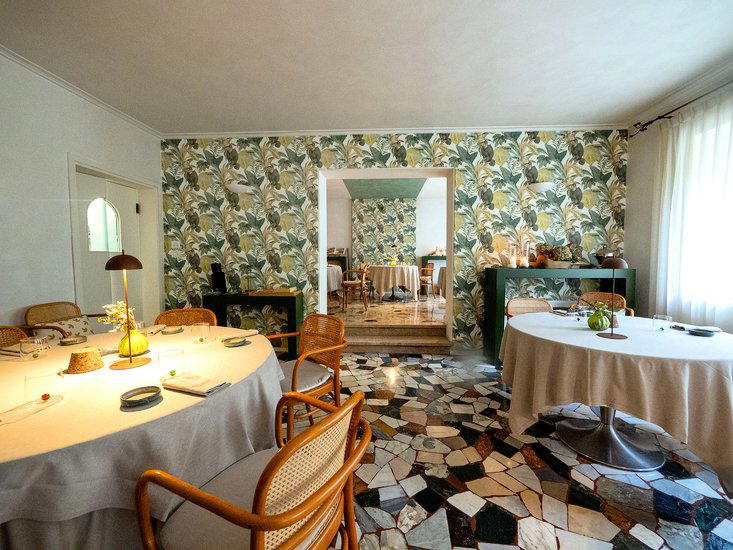
Stone Walls, Wine Country, and a Kitchen Rooted in Place
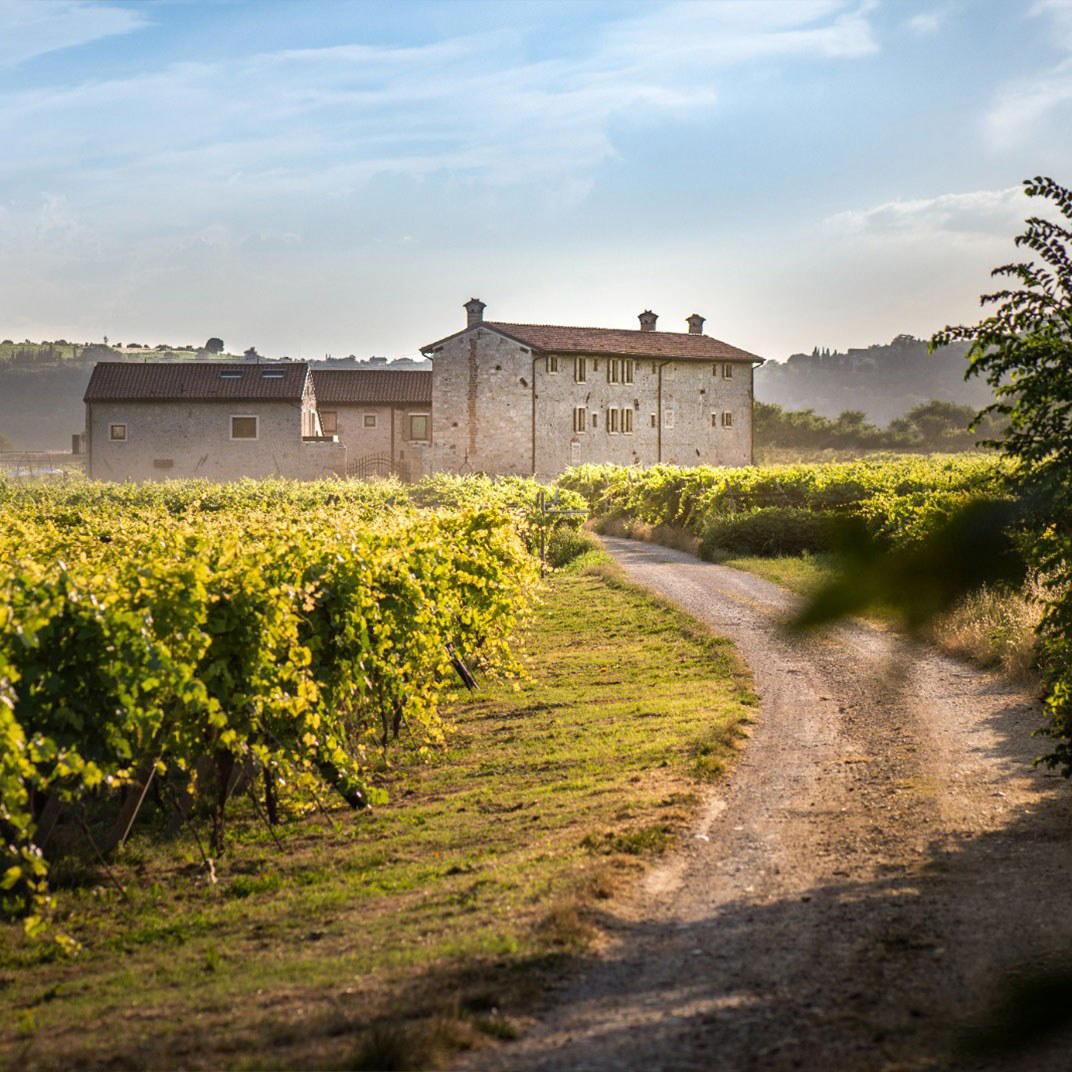
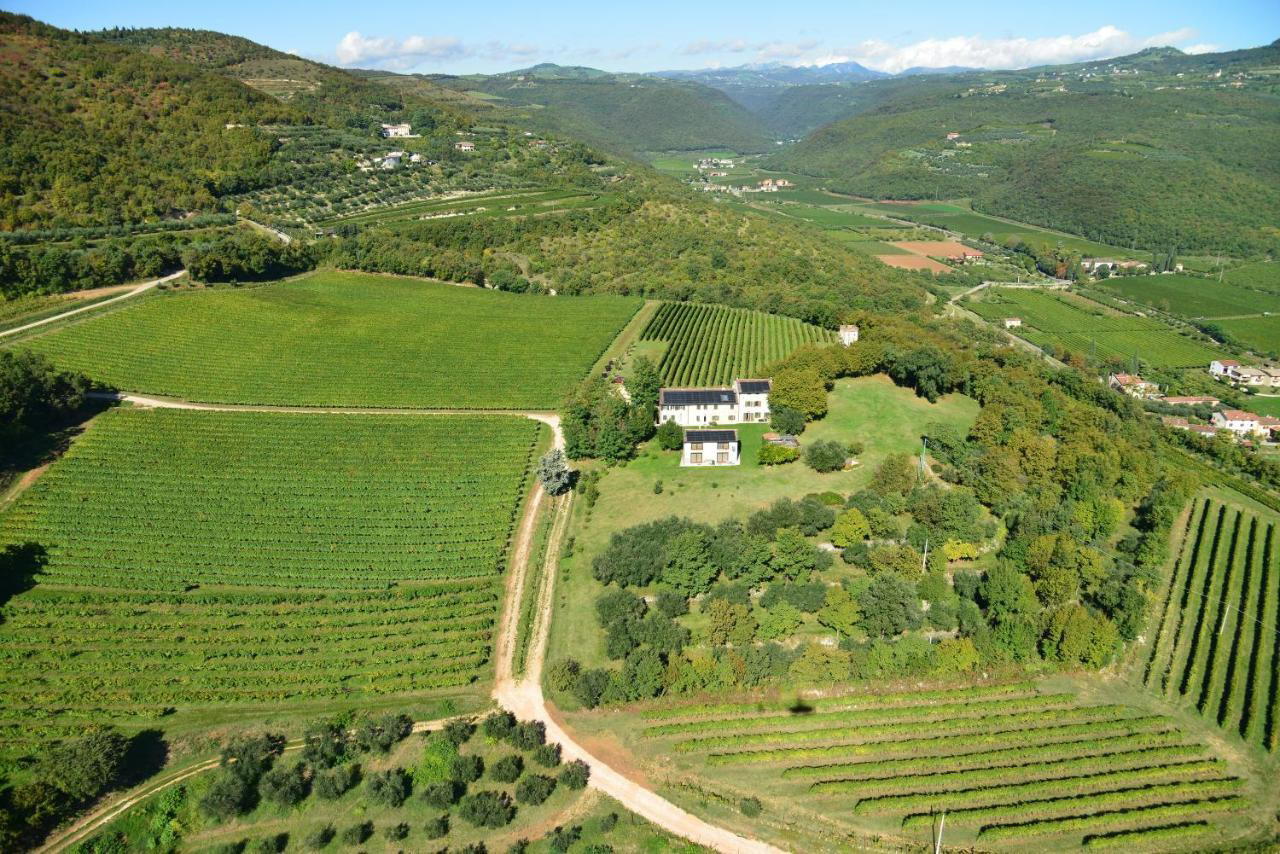
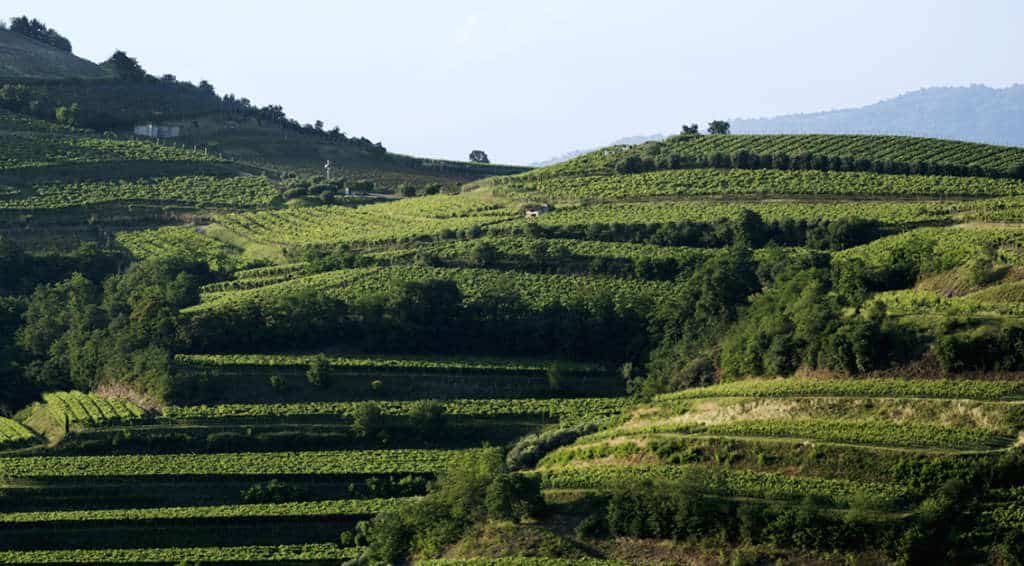
Approach Gambellara from the south and the volcanic basalt hills announce themselves before the town does. The slopes that give Gambellara Classico its mineral character also frame the approach to Via Castello, where Al Castello Antica Osteria occupies a position that feels inseparable from its surroundings. This is Veneto wine country at its quietest and most considered: not the tourist circuit of Verona or the grand estate circuit of Valpolicella, but a smaller, more agricultural world where the trattoria and osteria tradition has persisted precisely because the local food culture demanded it.
The osteria format across northern Italy has followed two divergent paths in recent decades. One group has been absorbed into the broader fine-dining apparatus, acquiring tasting menus and modernist technique while retaining the name as a signal of rustic authenticity. The other has held its position as a place where the cooking is answerable first to the local larder and the producers a phone call away. Al Castello Antica Osteria belongs to that second category, and the address on Via Castello places it within a neighbourhood that still reads as a working wine town rather than a curated destination.
What Gambellara Puts on the Table
The Veneto's agricultural interior, running west from Vicenza toward Verona, produces a specific pantry. Soave and Gambellara share the Garganega grape across adjacent hillsides, but the Gambellara denomination is smaller and less trafficked, which means local producers have had less incentive to industrialise and more reason to maintain the smallholder relationships that supply a kitchen like this one. Ingredients sourced within a tightly bounded geography tend to arrive fresher, at the right stage of development, and with the implicit accountability that comes when supplier and cook live in the same community.
This sourcing model is not new in Italian cooking. What distinguishes a working osteria in a place like Gambellara from higher-profile destinations, say the €€€€ tasting rooms of Dal Pescatore in Runate or Le Calandre in Rubano, is precisely the absence of curatorial distance. The produce does not travel to a creative brief; the cooking follows what arrives. At the other end of the scale, operations like Osteria Francescana in Modena have redefined what the osteria word can mean internationally, but that recalibration happened in a city with the infrastructure to support it. Gambellara's scale imposes a different kind of discipline.
Northern Italian cooking in this zone relies on polenta, freshwater fish from the Chiampo and Alpone valleys, pork preparations from local farms, and the dried cod tradition that connected inland Veneto to Atlantic fishing routes centuries before refrigeration. A kitchen drawing on these sources is not making a nostalgic statement. It is working with what the geography provides, which in this part of the Veneto remains a serious and specific offer.
The Wine Dimension
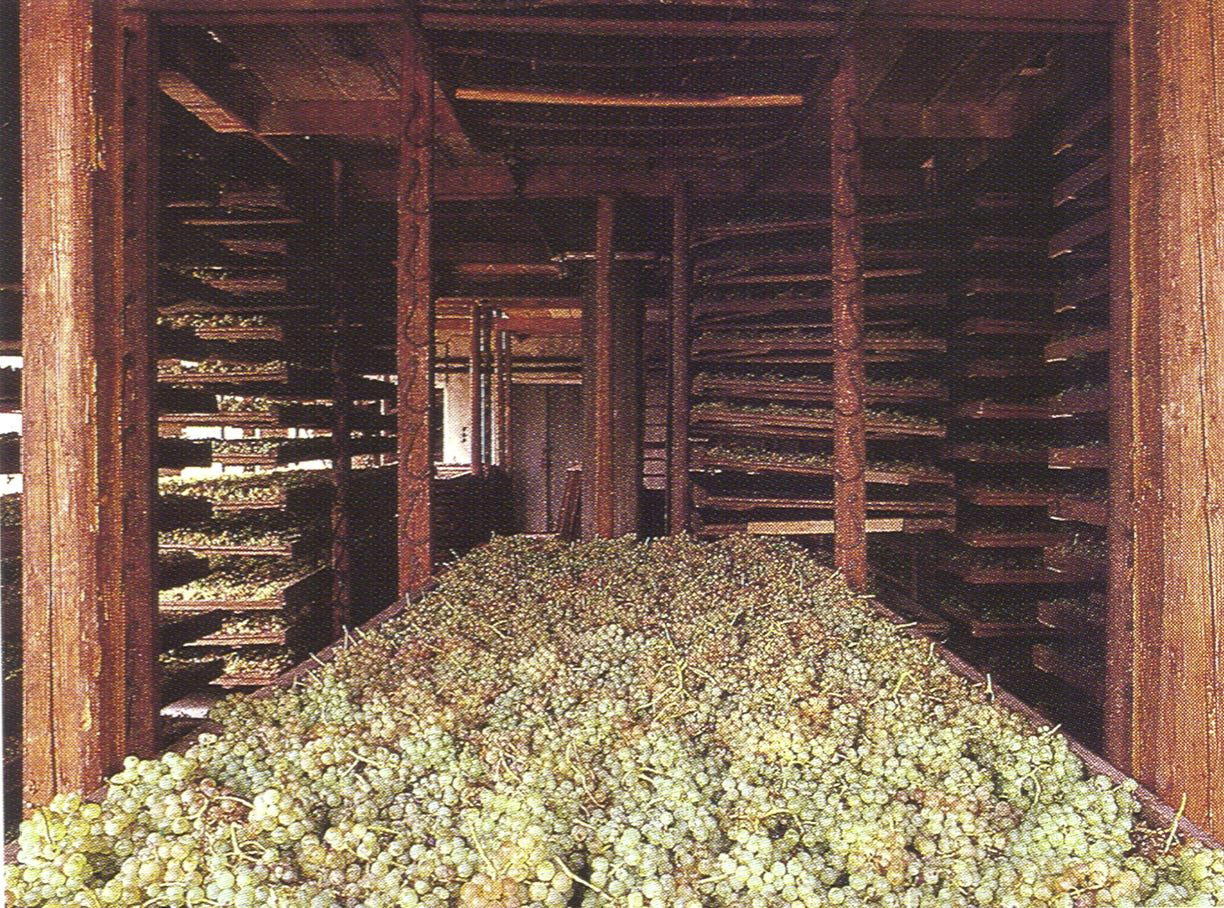
Few Italian osterie are as directly shaped by their wine geography as those in the Gambellara zone. The local Garganega, grown on volcanic soils, produces wines with a tonal quality distinct from neighbouring Soave: slightly more mineral, with a firmness in the finish that suits food service. Recioto di Gambellara, the sweet passito version, is one of the more overlooked dessert wines in northeastern Italy, with a long production history that predates most of the internationally traded sweet wine categories.
An osteria at this address operates in a context where the wine on the table is likely sourced within a few kilometres. That proximity matters in ways that go beyond terroir discussion. It means the kitchen and the wine programme share a common agricultural reference point, which is the condition that made the Italian osteria format coherent in the first place. The €€€€ Veneto operations that draw international attention, such as Casa Perbellini 12 Apostoli in Verona, work with a broader sourcing canvas. Al Castello operates with a narrower one, and in an appellation this specific, that narrowness is an argument rather than a limitation.
For context on how Italian regional kitchens place local wine at the centre of the eating experience, the northeastern model sits alongside similar approaches at Atelier Moessmer Norbert Niederkofler in Brunico, where Alpine sourcing discipline shapes the whole menu architecture. The scale and ambition differ significantly, but the underlying logic of cooking to a specific geography rather than a generalised Italian idiom is shared.
Positioning Within the Veneto Dining Scene
The Veneto rewards visitors who look past its most trafficked dining addresses. Verona draws the crowds and the international coverage; Vicenza and its agricultural hinterland, including Gambellara, operate at a lower volume but with a culinary integrity that the busier centres sometimes sacrifice to throughput. An osteria in this zone is not competing with Enoteca Pinchiorri in Florence or La Pergola in Rome for the same diner. It serves a different function: the preservation and daily practice of a regional table that exists independent of award cycles and international visibility.
That positioning makes Al Castello relevant to a specific kind of traveller, one who comes to the Veneto with a serious interest in what the wine landscape produces to eat as well as drink, and who finds the osteria format a more direct expression of that relationship than a formal tasting menu. For those building an itinerary around Italy's broader fine-dining circuit, landmarks like Quattro Passi in Marina del Cantone, Uliassi in Senigallia, Reale in Castel di Sangro, or Piazza Duomo in Alba represent a different tier and register. Al Castello occupies a complementary position, not a lesser one.
See our full Gambellara restaurants guide for the broader picture of where to eat and drink across this appellation. Visitors interested in how the trattoria and osteria format compares internationally might also consider how domestic sourcing discipline plays out at Lazy Bear in San Francisco or the product-led precision of Le Bernardin in New York City, contexts where what arrives in the kitchen determines what reaches the table.
Planning a Visit
Al Castello Antica Osteria is located at Via Castello, 21, in Gambellara, a small town in the Vicenza province of the Veneto. Gambellara is accessible by car from Verona in under forty minutes and from Vicenza in approximately twenty-five. Given the town's size, a visit pairs naturally with exploration of the local Gambellara Classico and Recioto di Gambellara producers, most of whom receive visitors by appointment. Booking ahead for the osteria is advisable, particularly at weekends when the local wine-touring traffic concentrates. Specific hours, pricing, and reservation contact details are best confirmed directly, as this information is subject to seasonal adjustment.
Frequently asked questions
Is Al Castello Antica Osteria child-friendly?
Al Castello Antica Osteria is a traditional Italian osteria in Gambellara, a format that has historically welcomed family groups across all ages. The setting on Via Castello in a small Vicenza-province town suggests an informal, neighbourhood character rather than a formal dining room. Contact the osteria directly to confirm seating arrangements for children before visiting.
What is the atmosphere like at Al Castello Antica Osteria?
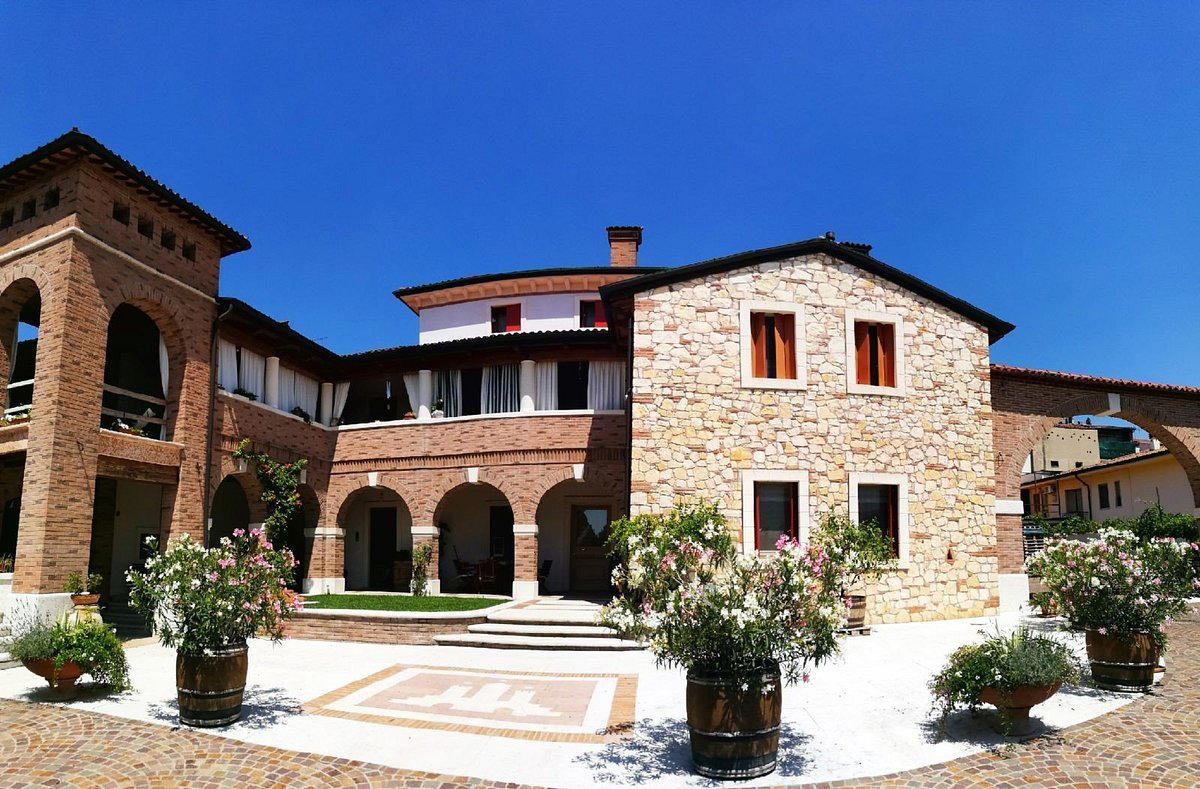
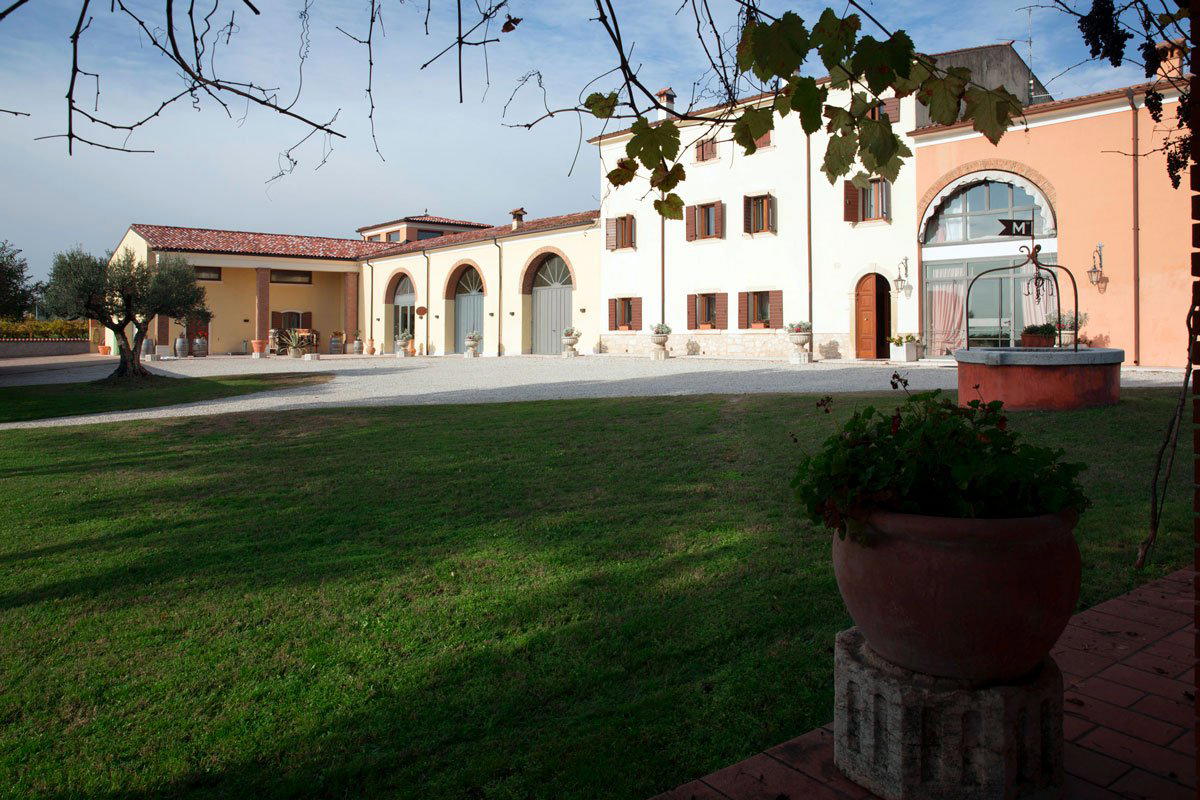
The osteria sits on Via Castello in Gambellara, a small hill town on the volcanic basalt slopes of the Classico wine zone, and that geography shapes the character of the place. Antica osterias in the Veneto interior tend toward stone walls, low ceilings, and a pace set by the local wine rather than the clock. Expect a room that reads as rooted in its specific corner of the Vicenza province rather than dressed for outside attention.
Does Al Castello Antica Osteria offer Gambellara wine alongside its food?
The osteria is located at Via Castello, 21 in Gambellara, a town whose name is also a DOC wine appellation producing Garganega grown on volcanic soils. Osterias in the Gambellara Classico zone are structurally tied to local production, and the wine list at addresses like this one typically reflects that proximity with bottles from the surrounding hillside estates. Confirm the current wine offering directly with the venue.
What should I order at Al Castello Antica Osteria?
The kitchen draws on the agricultural pantry of the Veneto interior, the territory running between Vicenza and Verona, where Garganega-based whites from Gambellara and neighbouring Soave define the table. In osterie of this type in the Classico zone, the food is built to pair with local wine rather than stand apart from it, so ordering by the glass or bottle from the Gambellara appellation is as important a decision as what ends up on the plate. Confirm the current menu directly with the venue, as seasonal availability drives what an osteria of this kind will put forward on any given day.
Comparable Venues
Comparable venues nearby, for context on price, style, and recognition.
| Venue | Cuisine | Price | Awards | Notes |
|---|---|---|---|---|
| Al Castello Antica OsteriaThis venue (the venue you are viewing) | Refined Italian Seafood Osteria | Not listed | Not listed | Not listed |
| Aldo Moro | Modern Venetian Italian | $30–50 | Not listed | historic center |
| Opera Terza | Regional Italian | Not listed | Not listed | Zane, Province of Vicenza |
| Vite | Modern Italian | $50–100 | Falstaff Restaurant - 92 Falstaff Points | Lancenigo |
| Ombra del Leone | Venetian Italian | Not listed | Falstaff Restaurant - 93 Falstaff Points | San Marco |
| Ristorante Allo Storione | Traditional Friulian Osteria | $30–50 | Not listed | Prata di Pordenone |
Continue exploring
More in Gambellara
Restaurants in Gambellara
All restaurants in Gambellara →
Bars in Gambellara
Browse all →
Details
- Elegant
- Rustic
- Intimate
- Classic
- Date Night
- Business Dinner
- Special Occasion
- Historic Building
- Private Dining
- Extensive Wine List
- A La Carte
- Vegetarian Friendly
Current opening hours
- Monday
- Closed
- Tuesday
- Closed
- Wednesday
- 12–2 PM, 8–11 PM
- Thursday
- 12–2 PM, 8–11 PM
- Friday
- 12–2 PM, 8–11 PM
- Saturday
- 12–2 PM, 8–11 PM
- Sunday
- 12–2 PM
Hours can change for holidays and private events. Hours as of .
Elegant and refined atmosphere ideal for intimate dinners or business lunches, featuring beautifully arranged dishes in a historic setting.