Anselmi

Falstaff Winery - 5 Stars
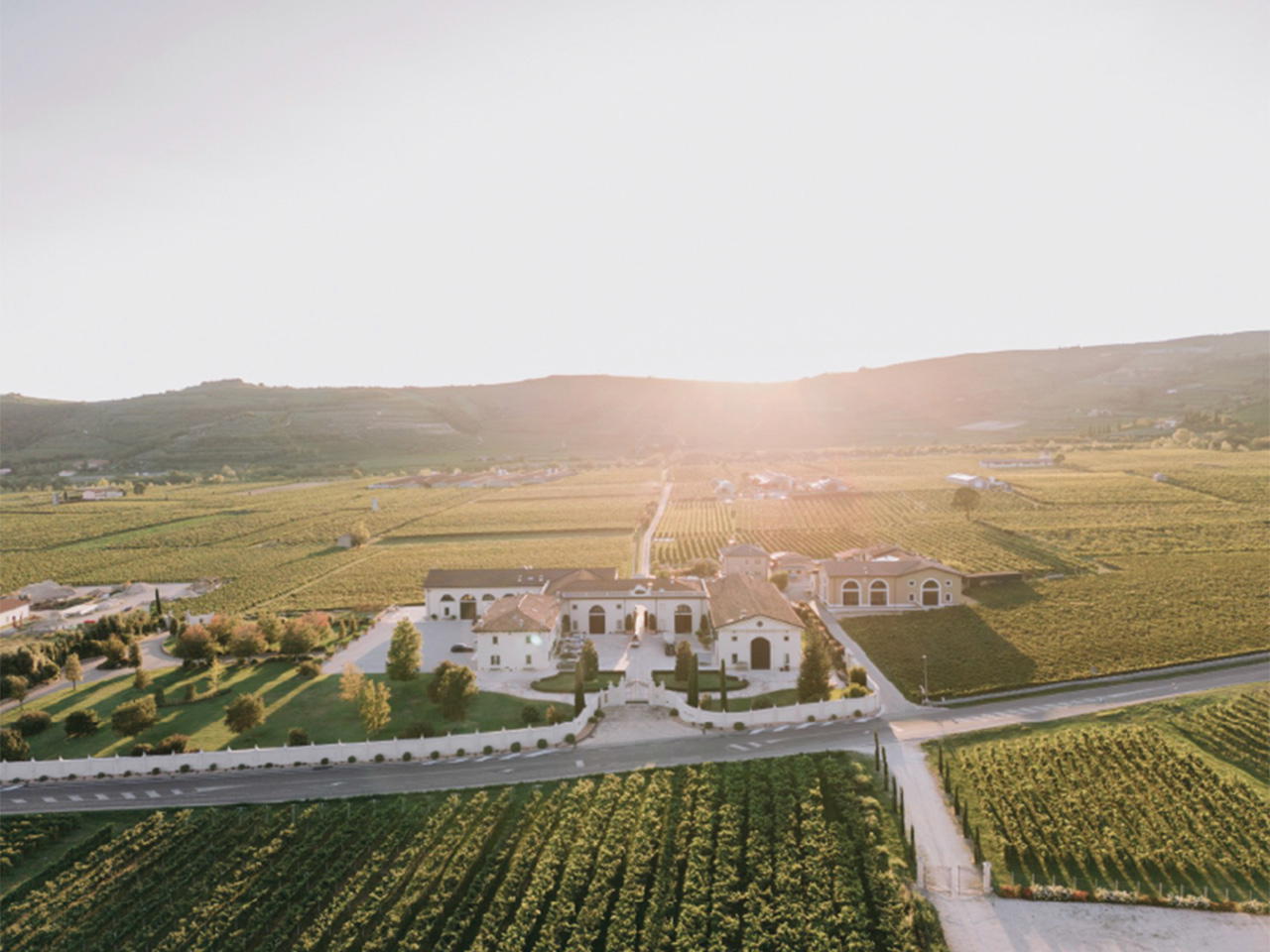
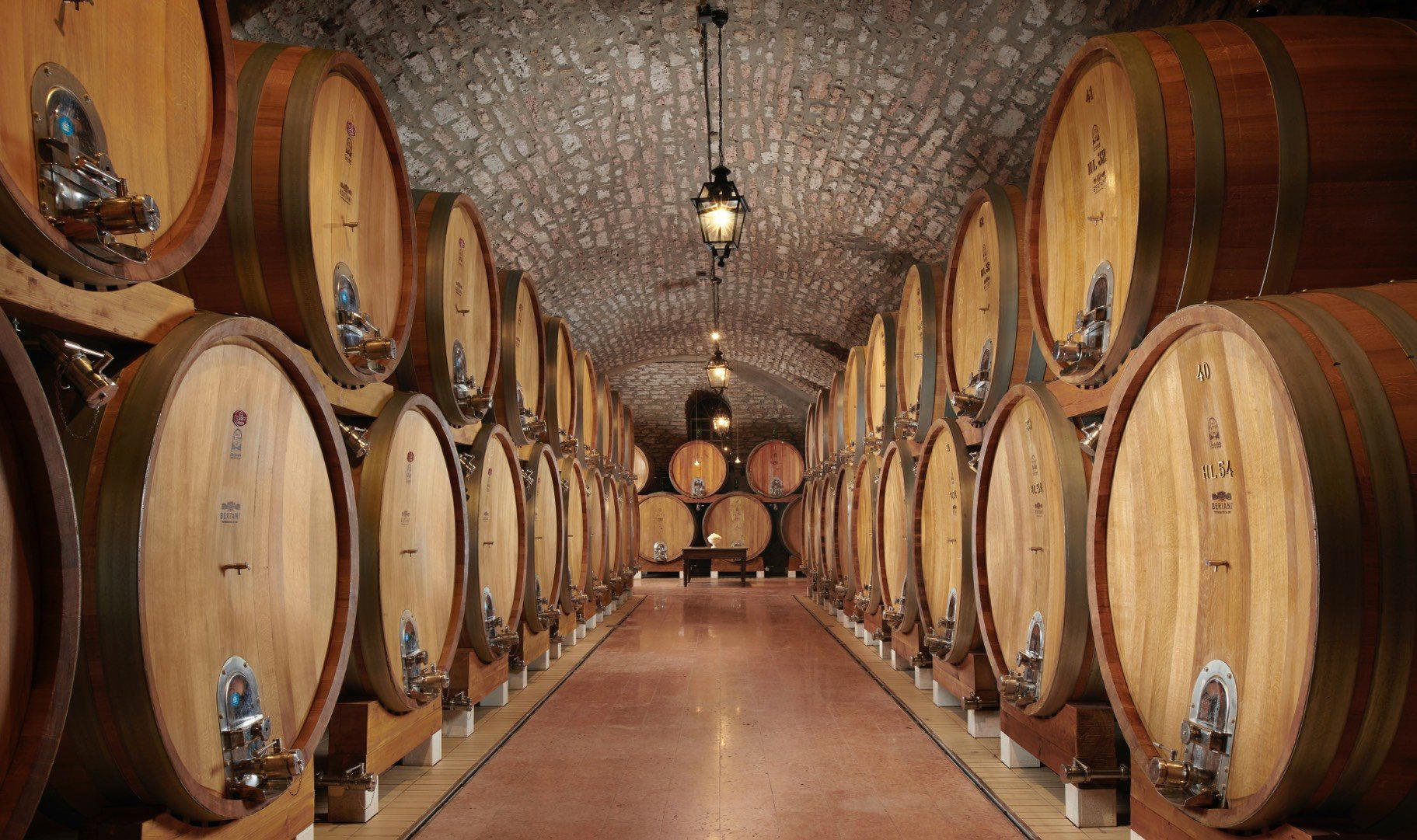
Anselmi is a serious Soave-area reference for Garganega, shaped by volcanic tuff, limestone slopes, and a deliberate break from the Soave DOC in 2000. The Monteforte d'Alpone estate is strongest when read through its Veneto IGT whites, especially the contrast between stainless-steel clarity and barrique-shaped depth.

Pearl is the En Primeur Club membership app — saves, bookings, and concierge access live there. Same editors, same standards.
- Address
- Monteforte d'Alpone, Veneto, Italien
- Directions
- Get directions
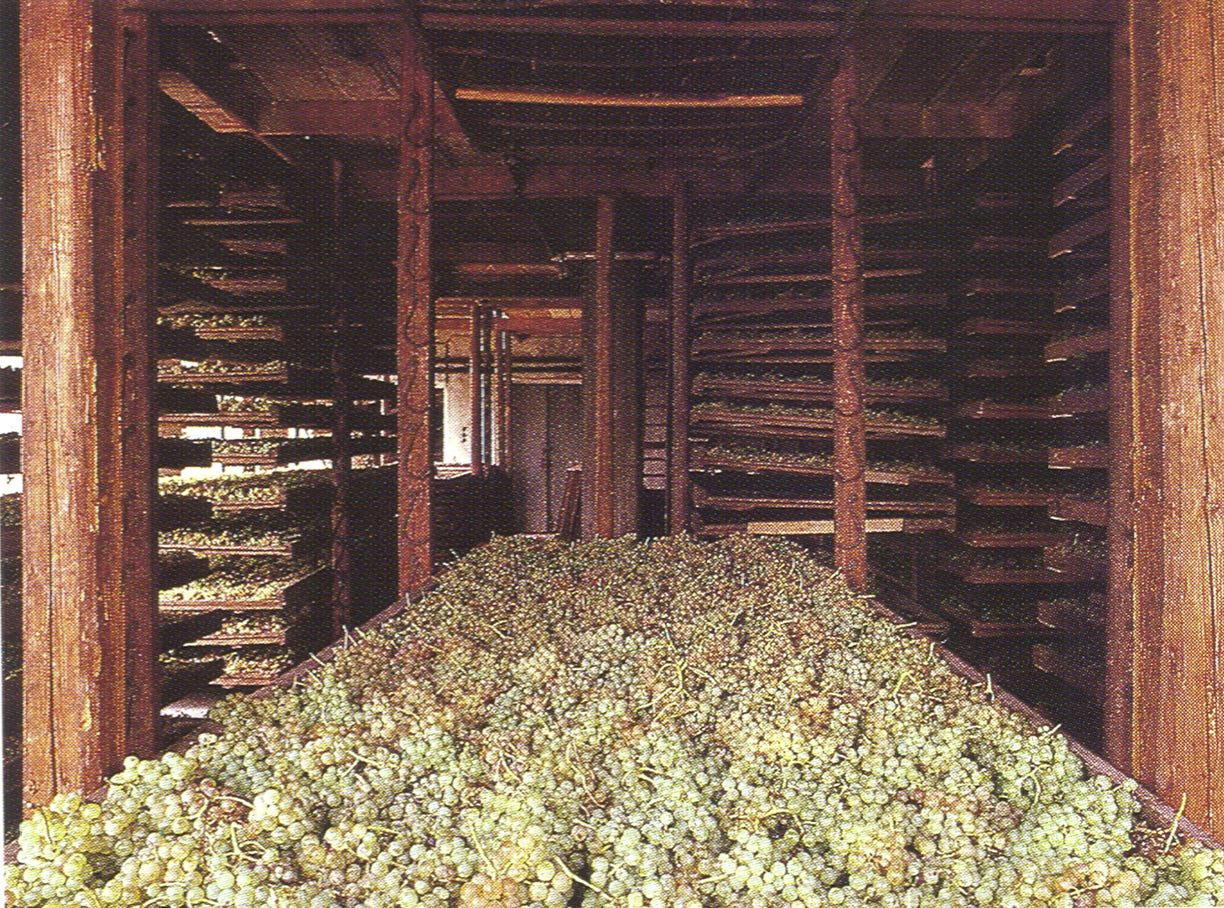
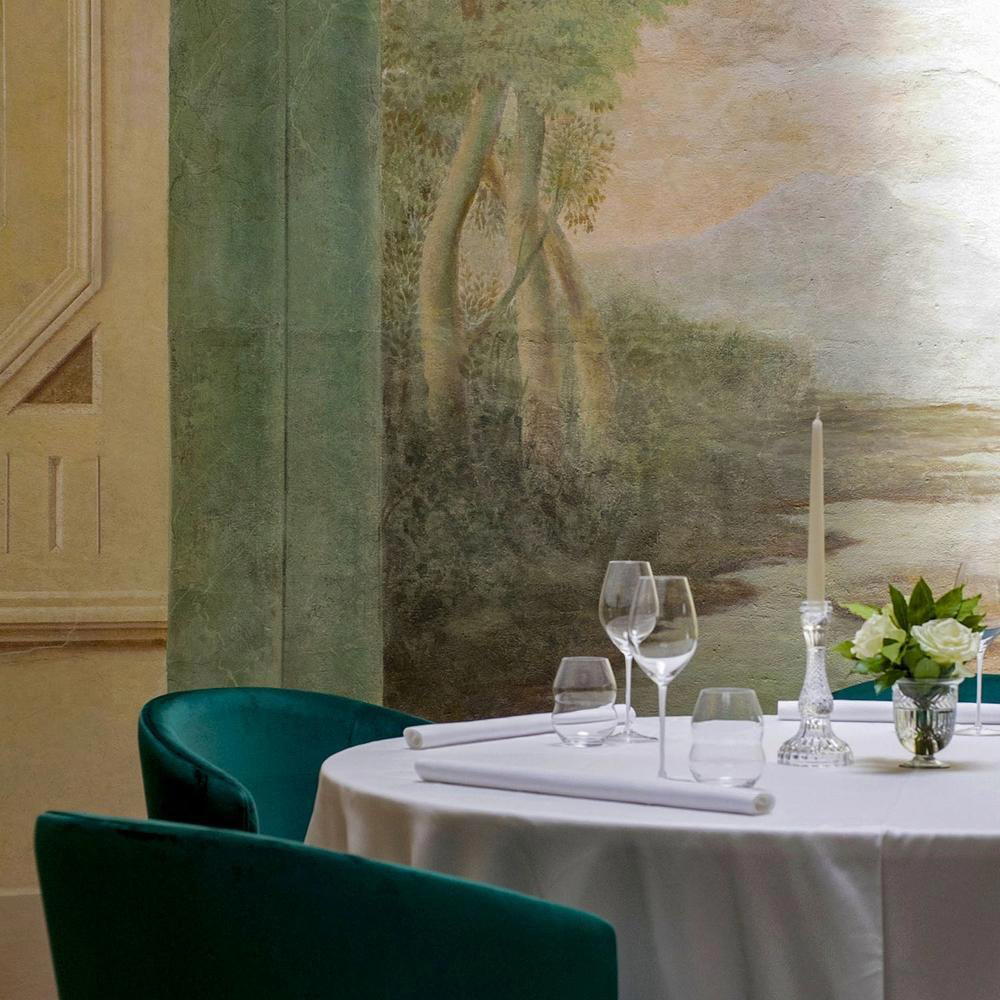
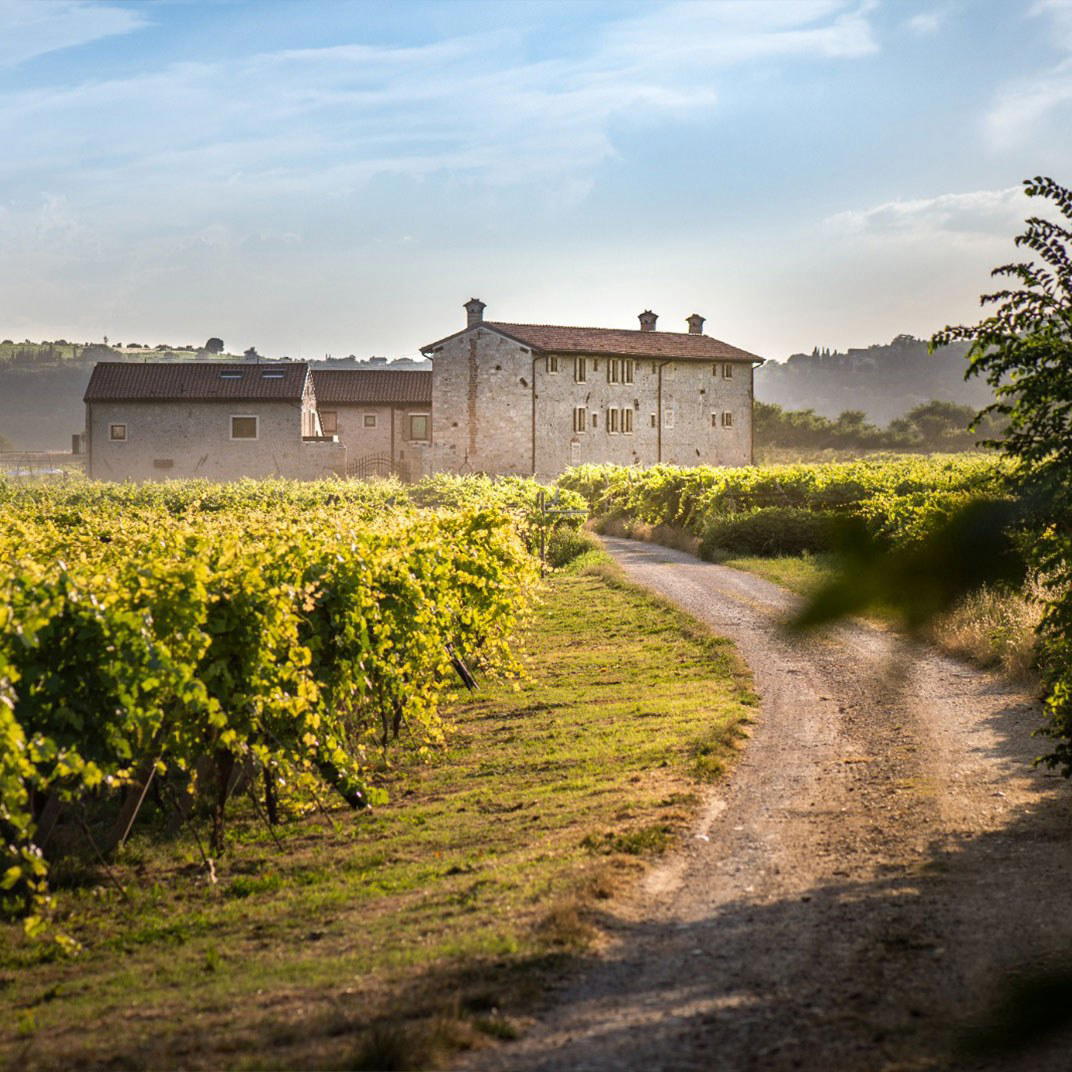
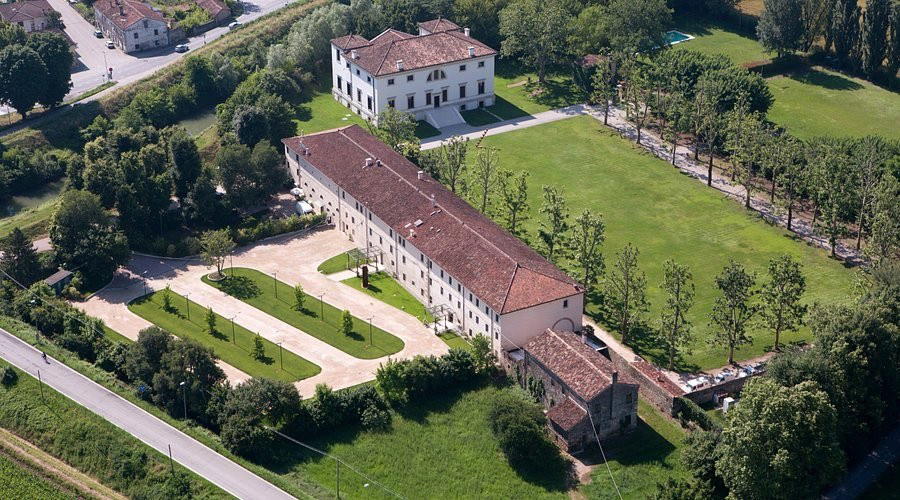
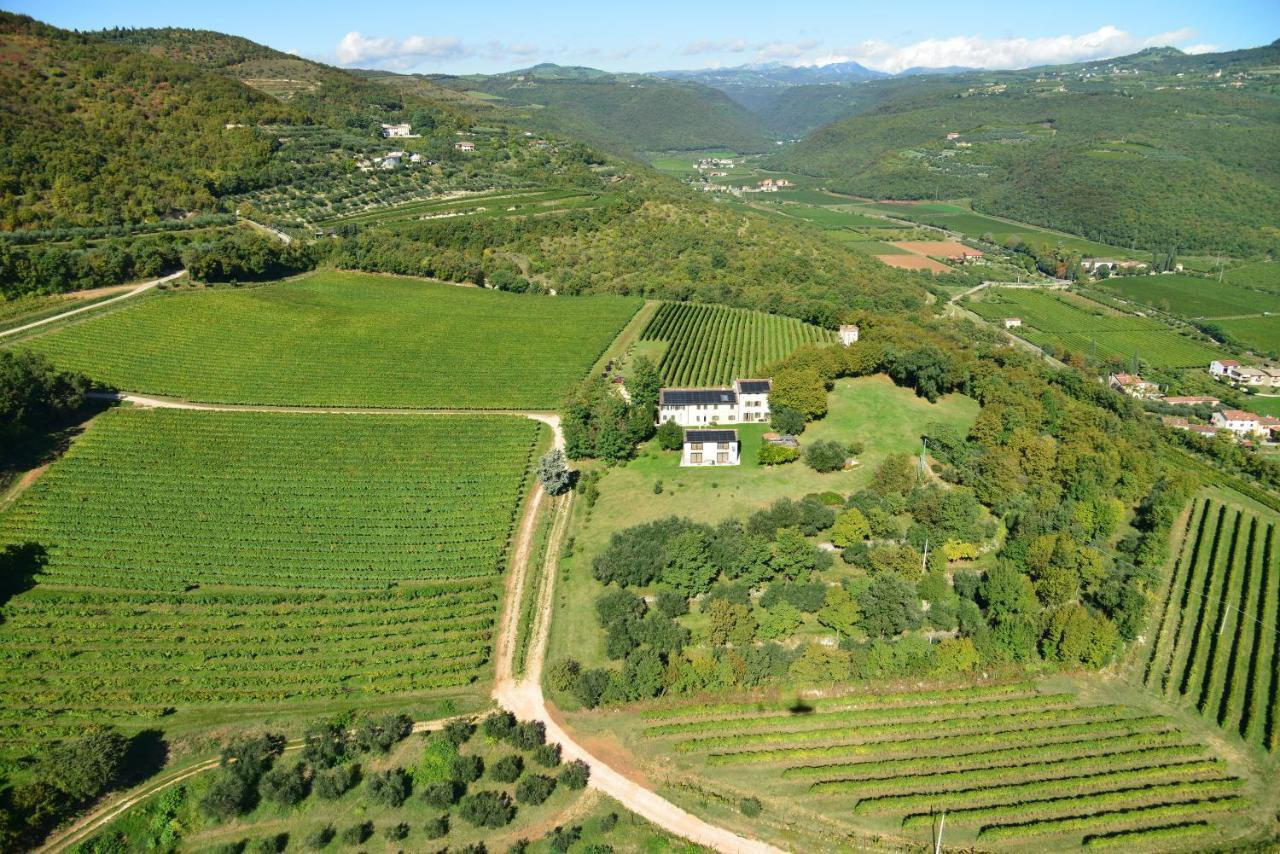
Anselmi is a winery in the hills above Monteforte d'Alpone, best approached as a serious, production-focused stop rather than a decorative hospitality set piece. The picture is deliberately restrained: a modern, quality-focused working winery centered on precise white-wine production, with a scenic, rustic setting and a classically serious tasting mood. In practical terms, that means the appeal is not built around theatrical design, elaborate leisure amenities, or a restaurant-style arc. It is built around the sense of being at a place where wine is made with intention, where the surrounding hills matter, and where the visit is most rewarding when the wine itself is allowed to set the pace.
The useful frame is simpler: Anselmi is for visitors who want to understand a working winery atmosphere in Monteforte d'Alpone, especially one where the emphasis is on production and vineyard expression rather than decorative design flourishes. It suits a traveler who is comfortable with a more focused and less ornamental kind of hospitality, and who sees value in a tasting mood that feels serious rather than showy. The setting may be scenic, but the reason to come is not scenery alone; it is the combination of place, production, and a disciplined white-wine focus.
A working-winery visit in Monteforte d'Alpone
The strongest confirmed reason to consider Anselmi is its atmosphere. It is described as a modern, quality-focused working winery, with the experience centered on precise white-wine production in the hills above Monteforte d'Alpone. That makes it a better fit for travelers who value a serious, wine-led setting than for those looking for a highly staged countryside stop. The phrase working winery is important here because it keeps expectations properly calibrated: this is a place to approach through the lens of production, tasting, and the relationship between wine and its setting, not as a polished backdrop designed primarily for passive viewing.
Setting can fairly be described as scenic and rustic, but the emphasis should stay on the winery's working character. Expect the tone to be more about production, tasting, and vineyard expression than about ornamental design or a restaurant-style experience. The rustic quality should be understood as part of the broader hillside context rather than as a promise of stylized nostalgia. Likewise, the modern quality should be read in terms of focus and seriousness, not necessarily as a cue for flashy architecture or lifestyle presentation. The balance is one of restraint: a place where the countryside is present, but where the central subject remains the wine.
What, and what is not
Price indicator for Anselmi is $$.
They should therefore be treated as unconfirmed here rather than as planning facts. This matters because winery pages can easily become overloaded with confident-sounding detail, and that kind of detail is only useful when it. For Anselmi, the responsible planning picture is narrower but clearer: a serious winery in the hills above Monteforte d'Alpone, with a confirmed emphasis on precise white-wine production and vineyard expression.
Anselmi is presented here as a Monteforte d'Alpone winery with a serious white-wine-production focus. Visitors should therefore avoid treating it like a full hospitality complex unless they have separately confirmed the details they need. The safest expectation is a wine-led visit rather than a meal-led one, and a production-minded experience rather than one organized around broad food, service, or entertainment claims.
How to place it in a Monteforte d'Alpone wine day
Within a Monteforte d'Alpone itinerary, Anselmi is best positioned as a focused winery stop: scenic, rustic, and serious rather than decorative. It can function as the part of the day where the emphasis narrows, giving structure to an itinerary that might otherwise become too general. Instead of thinking of it as a casual countryside pause, think of it as the stop where the white-wine-production focus and the working-winery atmosphere do the heavy lifting. That makes it especially useful when the goal is to spend time with a place that feels connected to production rather than simply adjacent to vineyards.
If you are comparing options, keep the comparison local and general: look at other Monteforte d'Alpone dining or wine-related stops according to your schedule, then treat Anselmi as the working-winery choice when precision, white-wine production, and vineyard expression are the priorities. It is the kind of listing that benefits from clear expectations: go for a serious mood, a restrained sense of place, and the chance to anchor part of the day around wine rather than spectacle. In that role, Anselmi reads as a deliberately focused option, best appreciated by visitors who prefer substance, production context, and a quieter kind of winery seriousness over a more decorative or restaurant-centered experience.
Recognition history
Dated appearances from independent guides and award organizations, with the underlying list record or original source where available.
Falstaff Winery - 5 Stars
Falstaff
Continue exploring
More in Monteforte d'Alpone
Wineries in Monteforte d'Alpone
Browse all →
Bars in Monteforte d'Alpone
Browse all →
Restaurants in Monteforte d'Alpone
Browse all →
Details
- Scenic
- Rustic
- Classic
- Sophisticated
- Wine Education
- Solo Exploration
- Group Outing
- Special Occasion
- Estate Grounds
- Vineyard Tour
- Private Tasting
- Vineyard
- Garganega
- Chardonnay
- Sauvignon Blanc
- Cabernet Sauvignon
- Souvignier Gris
- Still White
- Still Red
- Dessert
- Standard Tasting
- Estate Flight
- Private Tasting
Modern, quality-focused working winery atmosphere centered on precise white-wine production in the hills above Monteforte d'Alpone; more about serious tasting and vineyard expression than decorative design flourishes.