
Falstaff Restaurant - 92 Falstaff Points
Our verdict
Vite sits in Villorba, a compact municipality in the Treviso province of the Veneto, where northern Italian dining culture prizes seasonal produce, local suppliers, and understated execution over theatrics. For travellers exploring the region's serious dining circuit, Vite represents the Veneto's quieter, locally-oriented register.

Pearl is the En Primeur Club membership app — saves, bookings, and concierge access live there. Same editors, same standards.
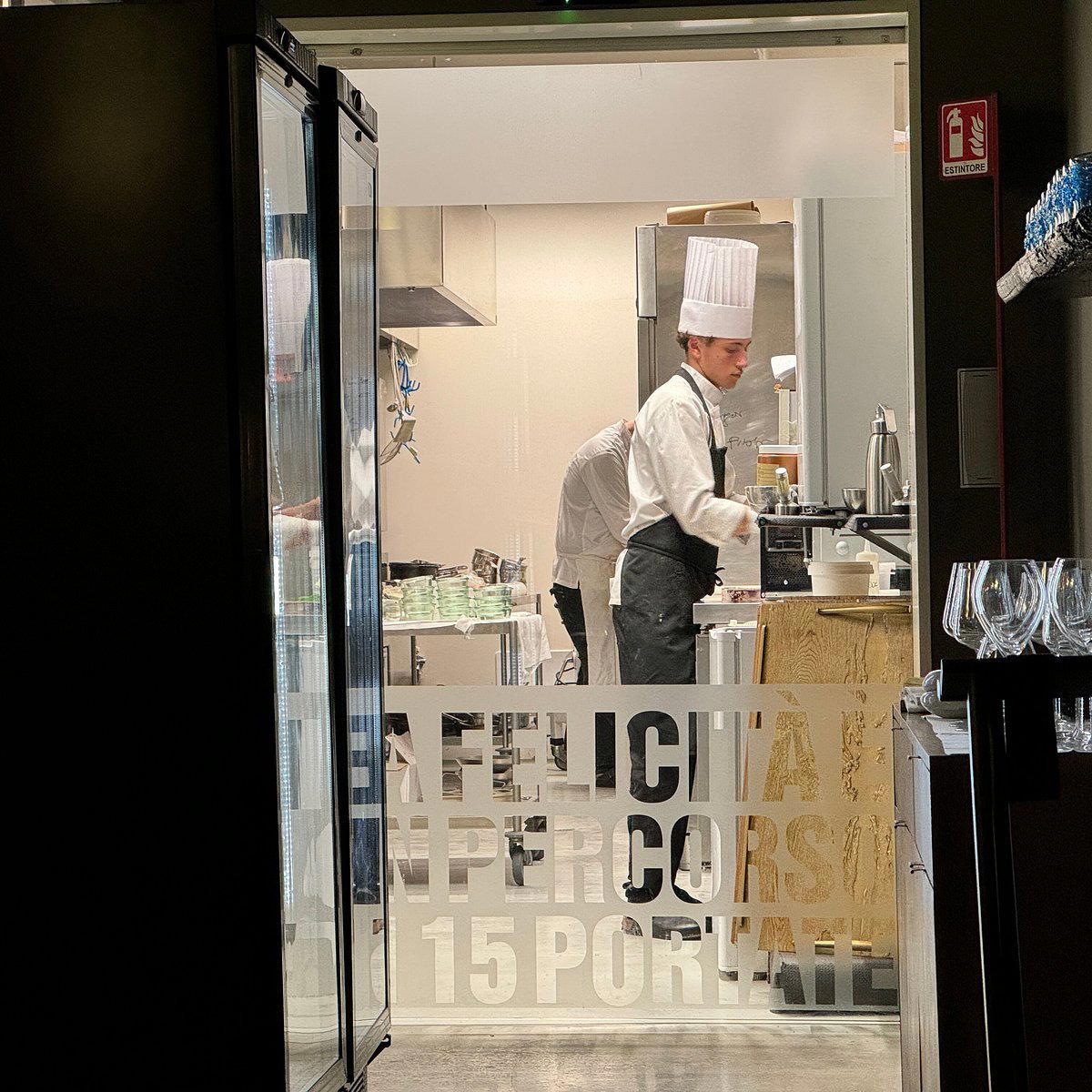
The menu
What to order
- Risotto all'ostrica nera e alga spirulina
- Piccione, fichi, polline e sorgo
The Veneto Table: What the Land Decides
In the Treviso province, the relationship between kitchen and countryside is not a recent innovation but a structural fact. Restaurants operating in this corridor do not need to reach far to work with seasonal, geographically specific ingredients. The supply chain is the tradition. Villorba is not a destination in the way that Treviso's centro storico is, which means the restaurants that draw visitors here tend to do so on the strength of what arrives on the plate rather than postcard surroundings. That dynamic shapes expectations in a useful way: the Veneto's workhorse towns have historically produced some of the region's most grounded, ingredient-led cooking, free from the pressure to perform for tourists. The approach offers no architectural drama. What it does offer is orientation: this is a restaurant that exists for its community first, and that community connection in the Veneto tends to translate directly into procurement relationships with nearby farmers, producers, and cooperatives that no urban address can easily replicate.
The Treviso province's agricultural calendar is specific. Radicchio rosso di Treviso appears in two protected forms (precoce and tardivo), the tardivo harvested through winter and prized for its bitter complexity. Spring brings asparagus season, anchored by the white variety from Cimadolmo and Sarmede. Autumn transitions into mushroom season across the foothills toward Asolo and Montebelluna. A kitchen working within this geography has a different ingredient rotation than one in a city market that sources nationally.enprimeurclub.com/restaurants/le-calandre-rubano-restaurant), long the Veneto's most decorated table; Osteria Francescana in Modena, which reset expectations for what a regional Italian restaurant could mean internationally; Piazza Duomo in Alba, working the Langhe's ingredient depth into tasting menus of sustained ambition. These are the benchmarks that receive column space.
But the Veneto also supports a quieter tier, less defined by awards infrastructure and more by the durability of local loyalty. Casa Perbellini 12 Apostoli in Verona operates within a different urban register but reflects the same regional commitment to Veneto produce and technique. Further afield, Dal Pescatore in Runate represents the kind of multigenerational, produce-anchored institution that the Po Valley has sustained for decades.
Villorba's position in that spectrum is modest and specific. The municipality is close enough to Treviso (roughly five kilometres from the centre) to participate in the city's supply networks, but sufficiently outside the tourist circuit to operate at a pace set by local demand.enprimeurclub.com/cities/villorba) maps the area's options with that local-first logic in mind.
The Ingredient Argument in the Veneto
The case for sourcing-led cooking in this region is not rhetorical. Treviso's radicchio alone illustrates the point: the tardivo variety requires a specific blanching and forced-growth process in running cold water, carried out by a small number of licensed cultivators, that produces a bitterness profile unavailable from any other source. A kitchen fifteen kilometres from those cultivators operates with a different level of ingredient access, and a different obligation to that ingredient, than one importing it into a metropolitan supply chain.
The same argument applies across the Veneto's protected categories. Asparagus from Bassano degrades quickly after harvest, which means proximity to source is a practical advantage, not just a positioning statement. Mushrooms from the Belluno foothills arrive at city markets with a time delay that matters to texture. The geography of Veneto ingredient sourcing rewards restaurants that are close to the production, and Villorba's location keeps Vite within reach of several of these corridors.enprimeurclub.com/restaurants/atelier-moessmer-norbert-niederkofler-brunico-restaurant) has built an entire culinary programme around Alpine proximity, while Uliassi in Senigallia and Quattro Passi in Marina del Cantone each demonstrate how coastal geography shapes procurement logic as decisively as any kitchen philosophy. Reale in Castel di Sangro and Gambero Rosso in Marina di Gioiosa Ionica extend the same principle further south.
Internationally, the sourcing argument has reached its most codified form at addresses like Le Bernardin in New York City, where ingredient provenance is treated as a primary structural value rather than a secondary narrative, and at Atomix in New York City, where the story of each component is considered as carefully as its preparation. Visitors building a Veneto itinerary should note that Treviso's own dining scene and the broader northeast corridor, including Verona, Rubano, and the Prosecco hills, offer natural pairings. Higher-profile regional references include Enrico Bartolini in Milan, Enoteca Pinchiorri in Florence, La Pergola in Rome, Villa Crespi in Orta San Giulio, and [Da Vittorio in Brusaporto](https://www.enprimeurclub.
Frequently asked questions
Is Vite a family-friendly restaurant?
Vite sits in a low-rise suburban stretch of Fontane di Villorba, the kind of quiet neighbourhood context that typically suits an unhurried meal across generations. The address on Viale della Repubblica is accessible by car from Treviso in under fifteen minutes, which makes logistics straightforward for groups.
What should I expect atmosphere-wise at Vite?
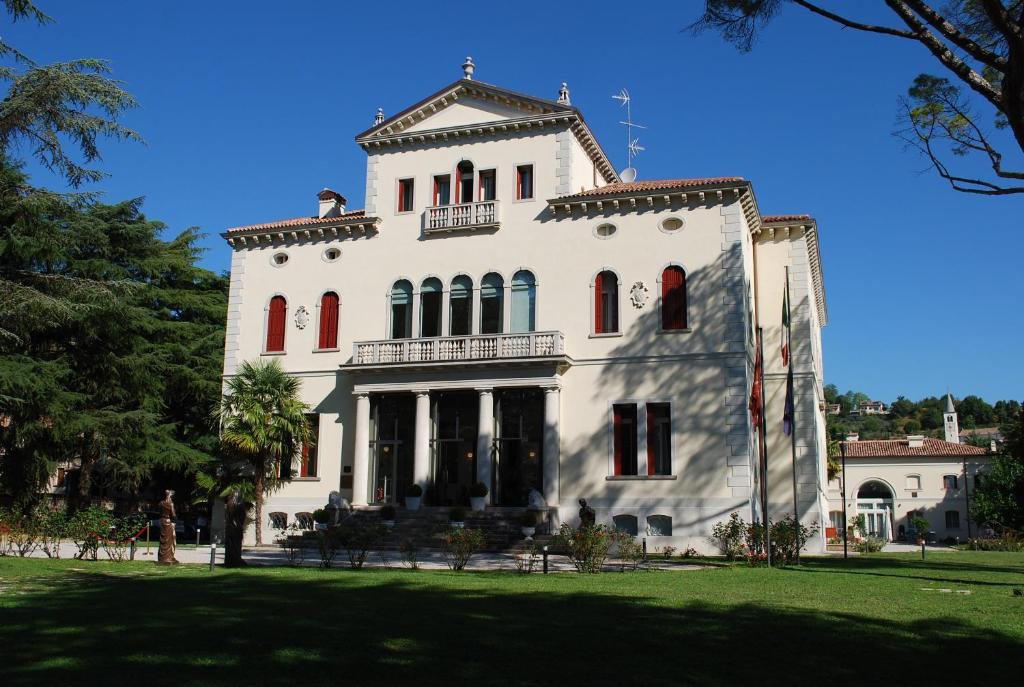
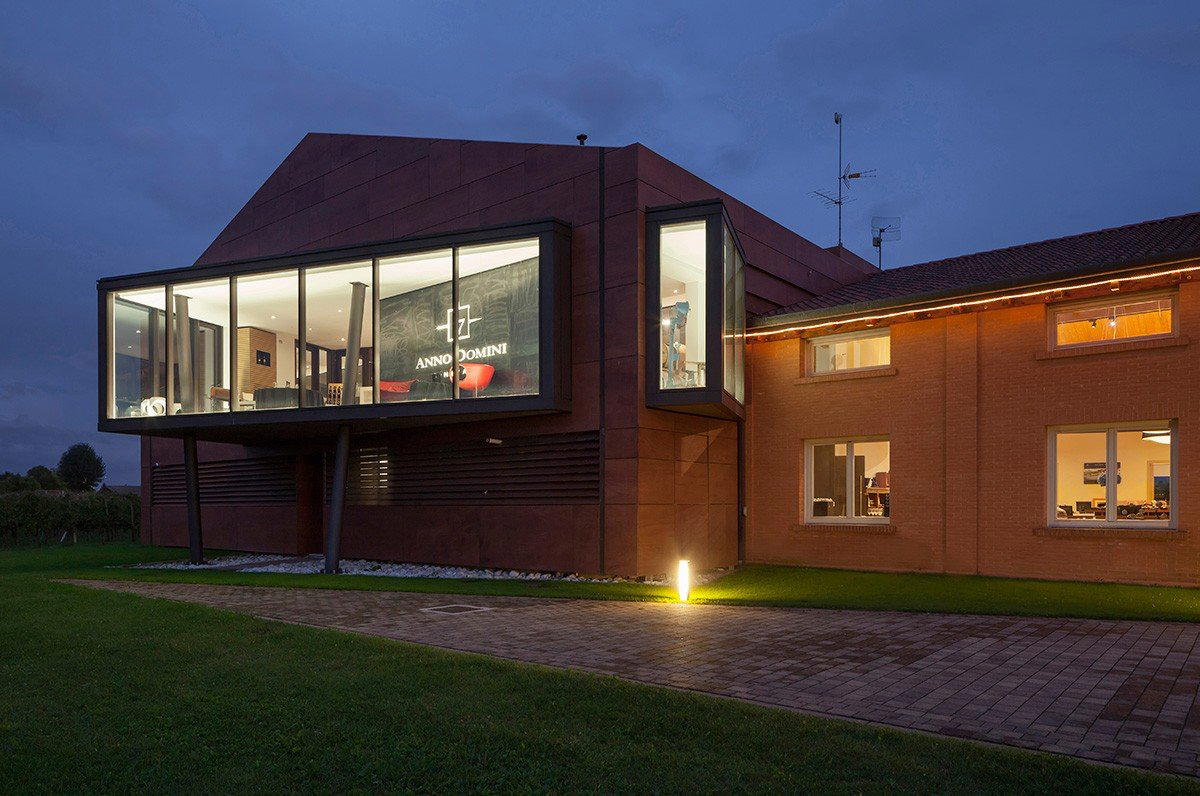
Vite occupies a postwar Veneto suburb rather than a historic town centre, so the setting is residential and low-key rather than theatrical. That context tends to produce a dining room where the food carries the room rather than the architecture. Fontane di Villorba has the character of a working Treviso-area commune, which generally means local regulars and a tempo set by the kitchen.
How far is Vite from central Treviso, and is it easy to reach without a car?
Vite is located at Viale della Repubblica 3 in Fontane di Villorba, reachable from central Treviso by car in under fifteen minutes. Fontane is a suburban commune rather than a rail hub, so a car or taxi is the practical option for most visitors. Public transport connections exist within the Treviso metropolitan area, but frequency and routing to this specific address should be confirmed locally before planning the journey.
What should I eat at Vite?
The Treviso province is one of the few places in Italy where the ingredient itself dictates the menu in a documented, structural way: radicchio tardivo, for instance, undergoes a controlled forcing process that no other region replicates at scale. Given Vite's location in Fontane di Villorba, a kitchen working with that regional vocabulary would have direct access to those products.
What's Vite's location?
Vite is located at Viale della Repubblica, 3, 31020 Fontane TV, Italy, Villorba.
Do I need a reservation for Vite?
Phone and website details for Vite are not currently published, which makes advance contact harder to arrange through standard channels. Given the suburban Villorba setting rather than a high-traffic tourist corridor, walk-in availability may be more feasible than at central Treviso addresses, but that can change without current operational data. Arriving with a contingency plan is sensible until contact details become accessible. Check the venue's official channels for the latest details.
What's the defining dish or idea at Vite?
The strongest argument for Vite's positioning is geographic: Fontane di Villorba places it inside one of Italy's most ingredient-dense provinces, where the Veneto's market garden, wine corridor, and seasonal produce calendar converge within a short radius. That sourcing-led logic is the thread that runs through the quieter end of the Veneto dining scene, distinct from the high-concept fine dining clustered around addresses like Le Calandre in Rubano.
Comparable Spots, Quickly
| Venue | Cuisine | Price | Awards | Notes |
|---|---|---|---|---|
| ViteThis venue — the venue you are viewing | Modern Italian | $50–100 | Falstaff Restaurant - 92 Falstaff Points | Not listed |
| Atelier Moessmer Norbert Niederkofler | Modern Alpine Fine Dining | $300–500 | 3 Michelin Stars · World's 50 Best #20 | Italian, Creative |
| Dal Pescatore | Classic Italian Fine Dining | $200–300 | 3 Michelin Stars · World's 50 Best #38 | Italian, Italian Contemporary |
| Enoteca Pinchiorri | Contemporary Italian Fine Dining | $200–300 | 3 Michelin Stars · World's 50 Best #32 | Italian - French, Italian Contemporary |
| Enrico Bartolini | Modern Italian Fine Dining | $300–500 | 3 Michelin Stars · World's 50 Best #85 | Creative |
| Le Calandre | Modern Italian Fine Dining | $200–300 | 3 Michelin Stars · World's 50 Best #31 | Progressive Italian, Creative |
Recognition history
Dated appearances from independent guides and award organizations, with the underlying list record or original source where available.
Falstaff Restaurant - 92 Falstaff Points
Falstaff
Continue exploring
More in Villorba
Restaurants in Villorba
All restaurants in Villorba →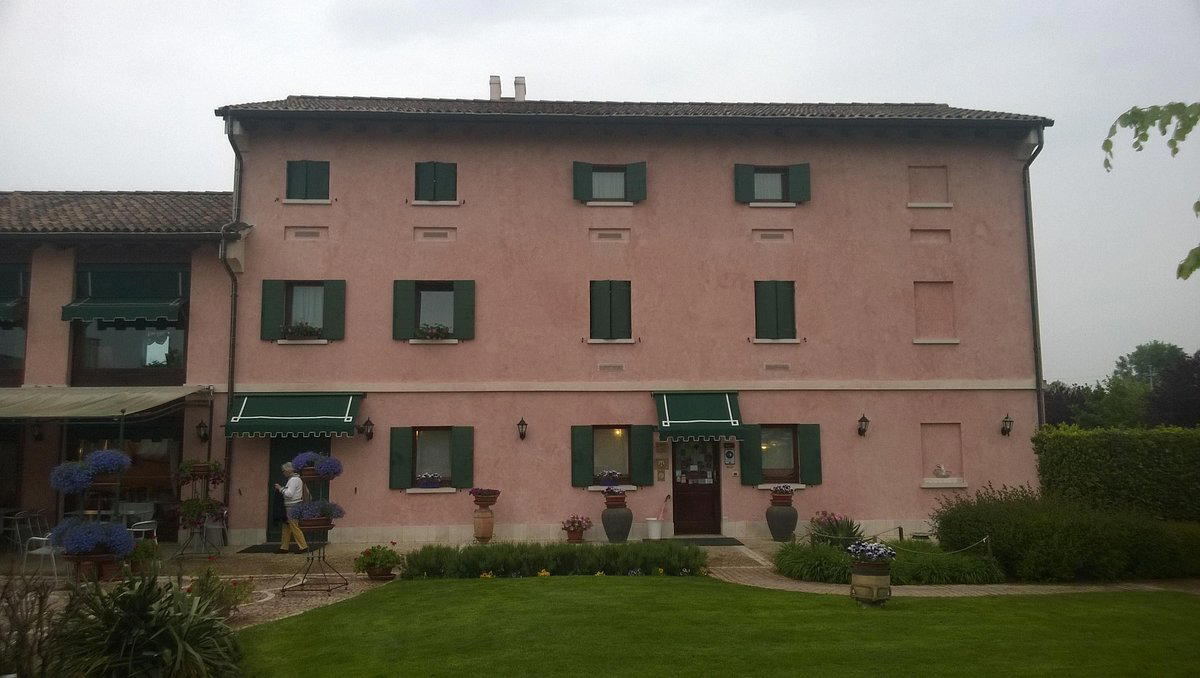
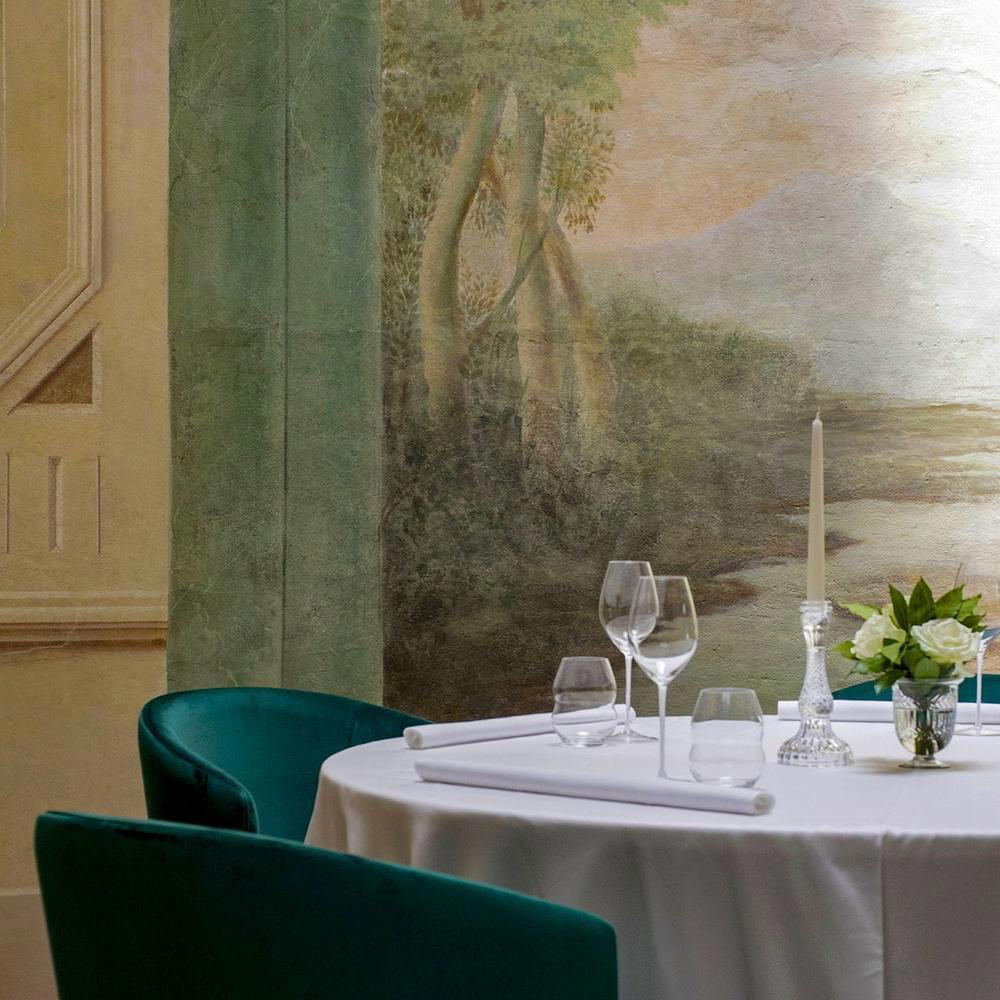
Bars in Villorba
Browse all →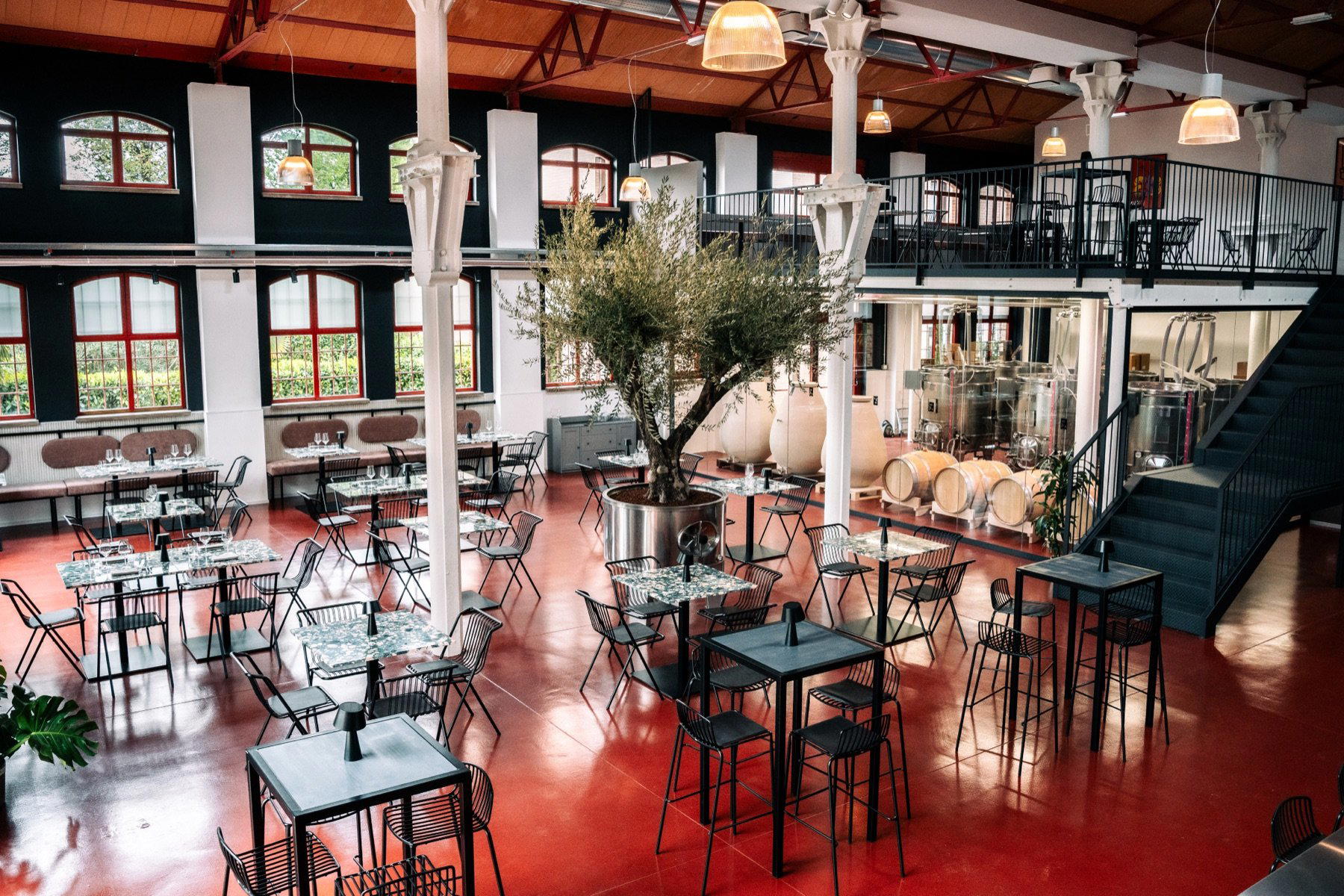
Details
- Modern
- Elegant
- Sophisticated
- Date Night
- Business Dinner
- Special Occasion
- Design Destination
- Standalone
- Extensive Wine List
- Tasting Menu
- A La Carte
- Vegetarian Friendly
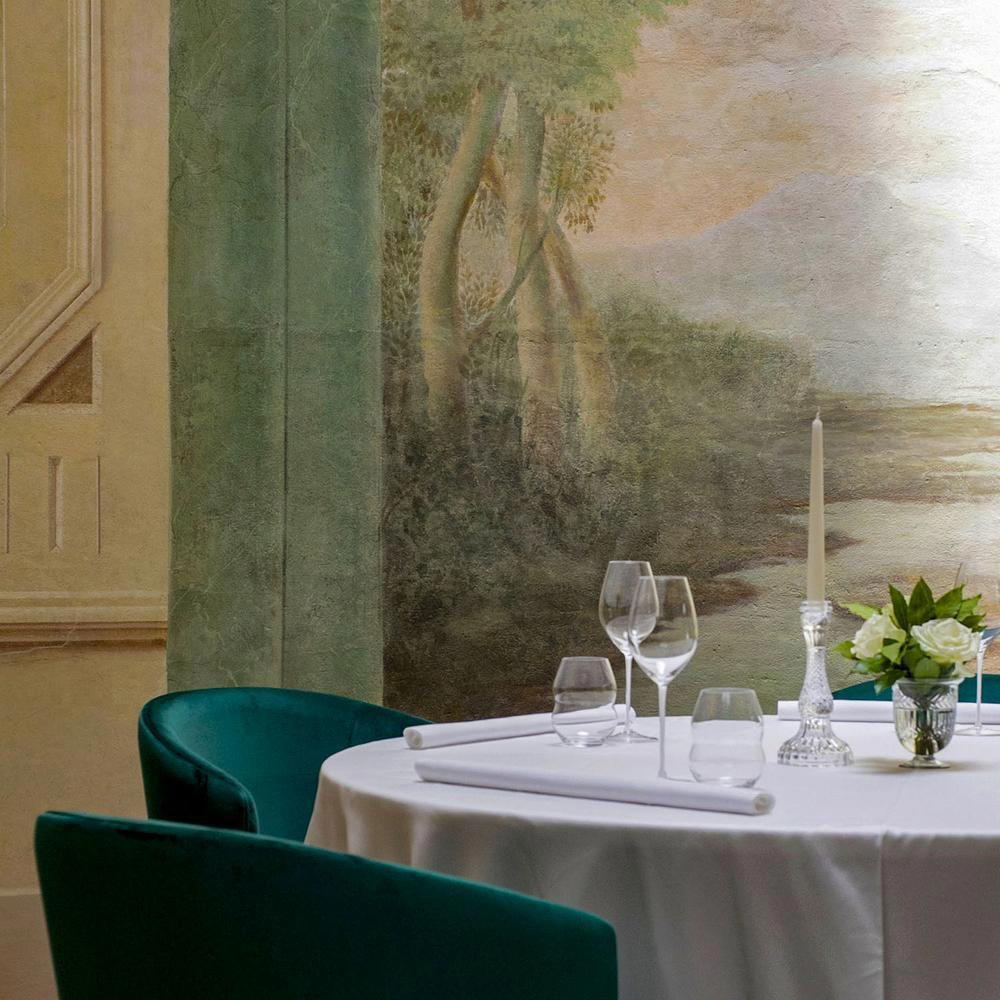
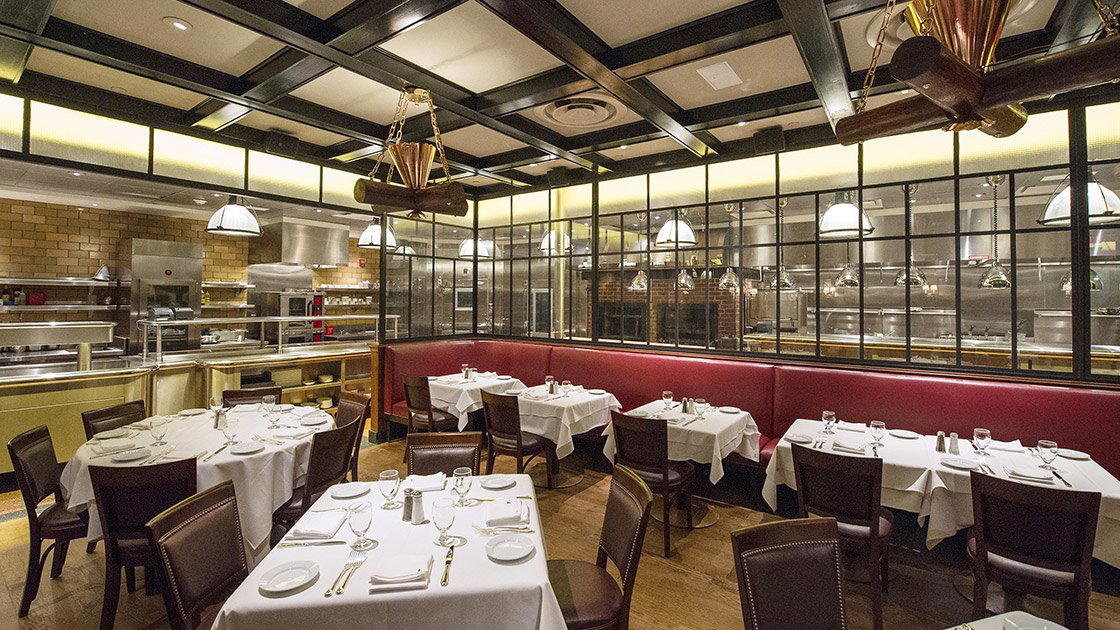
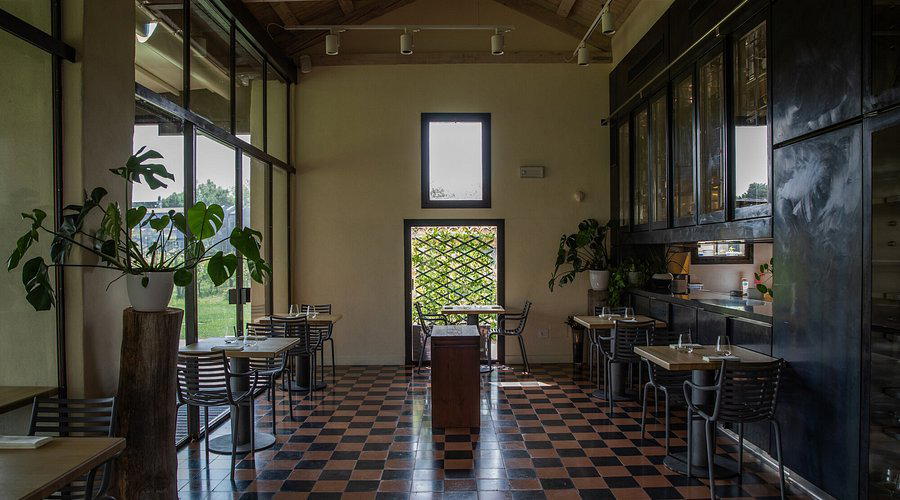
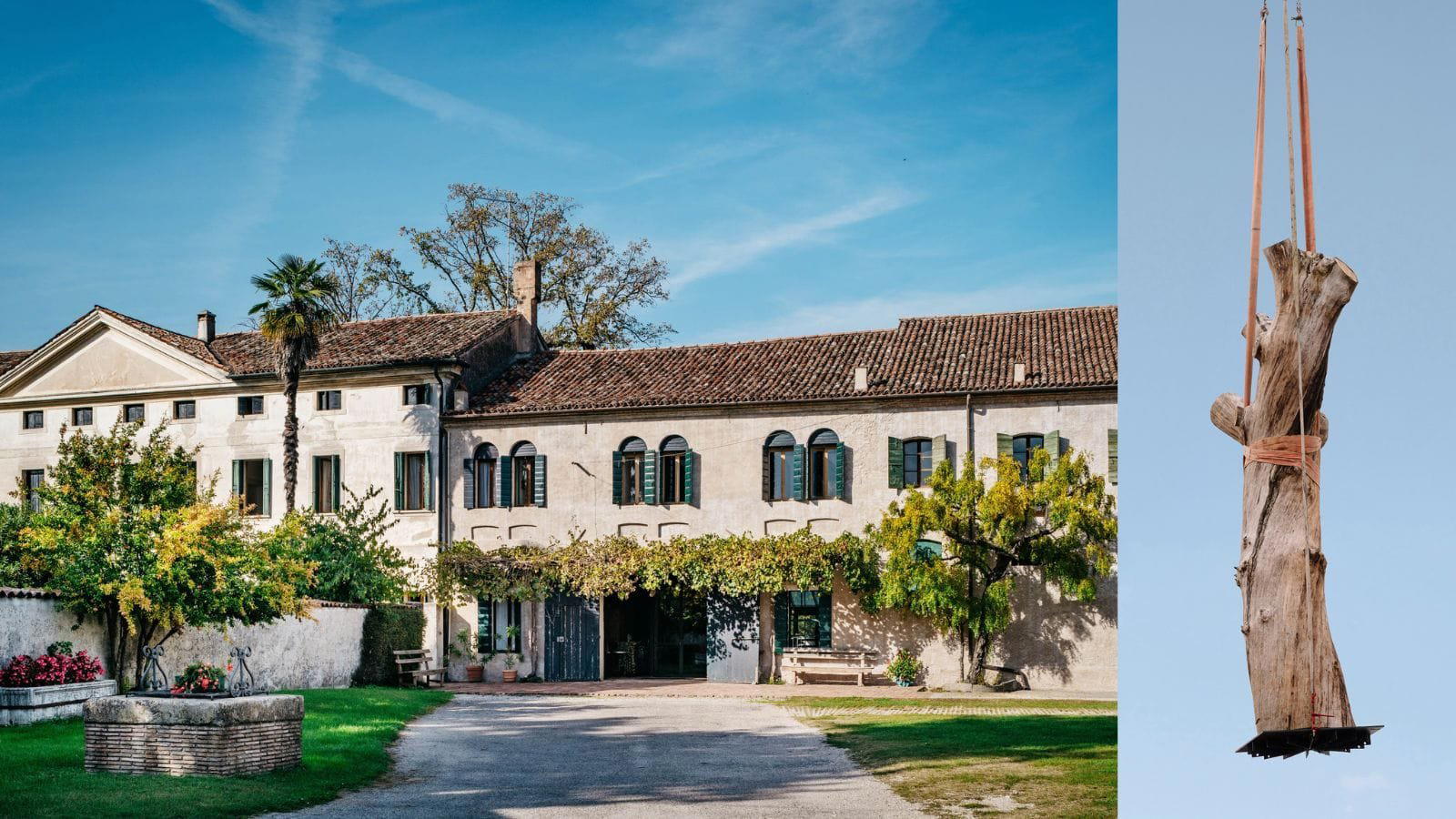
Design-forward and refined, with a contemporary atmosphere rather than a casual trattoria feel.