Ai Do Campanili
Cozy venue with fish and seafood and raw options
 Discover on Pearl
Pearl is the En Primeur Club membership app — saves, bookings, and concierge access live there. Same editors, same standards.
- Address
- Piazza Santissima Trinità, 5, 30013 Treporti VE, Italy
- Phone
- +39415301716
- Website
- aidocampanili.it
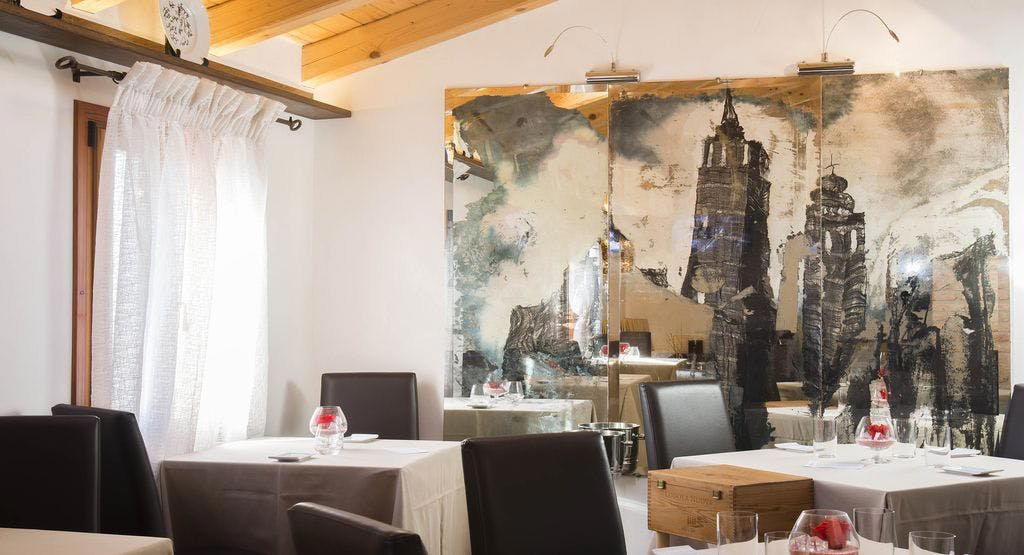
Where the Venetian Lagoon Meets the Table
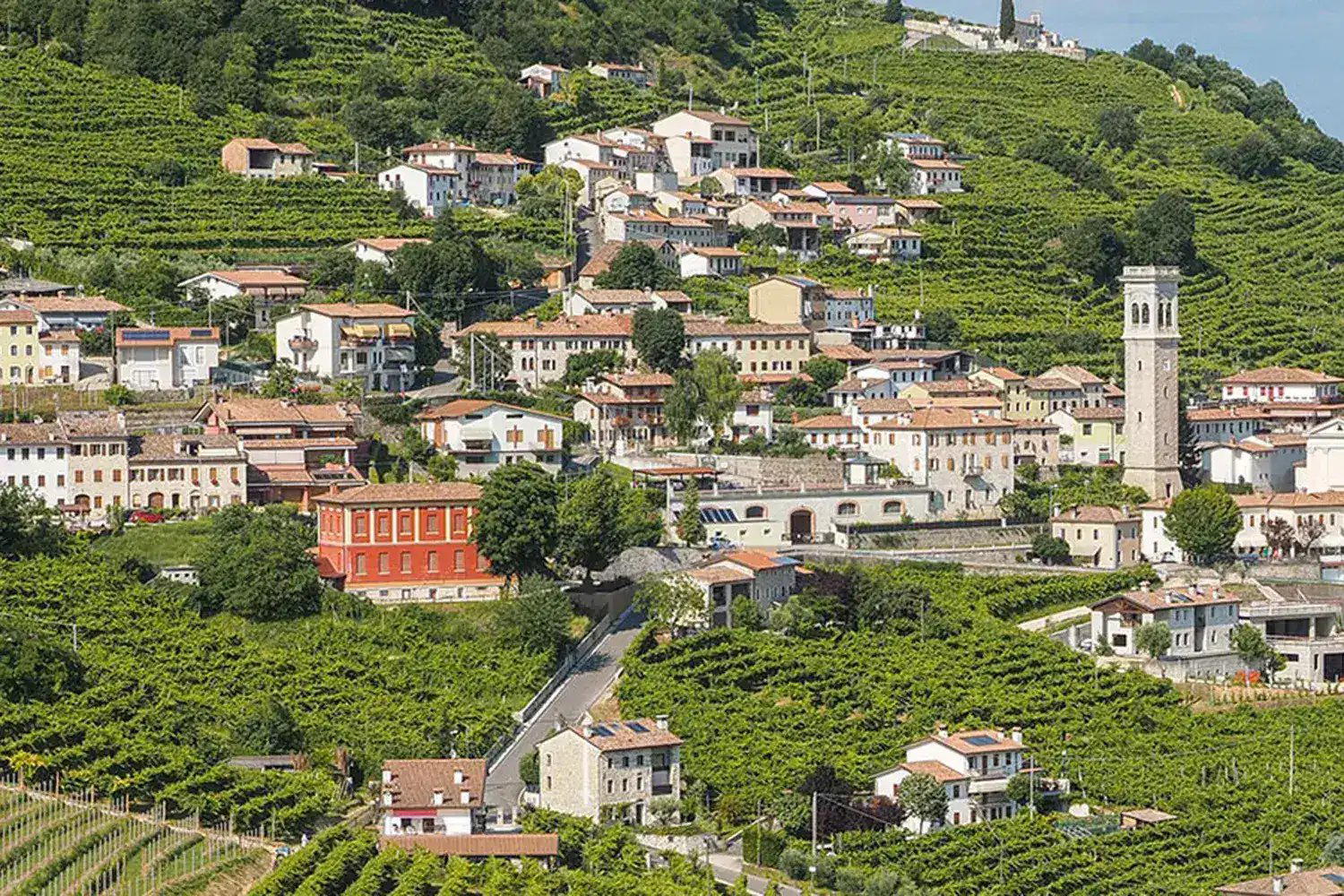
Piazza Santissima Trinità sits at the quieter end of Treporti, a village that most visitors pass through on their way to the ferry terminals serving the Venetian islands. The square itself has the unhurried quality common to this peninsula: low buildings, a church bell marking the half-hour, and the particular stillness that comes from being surrounded by water on three sides without actually being on the water. Ai Do Campanili occupies this square in a way that feels established rather than incidental.
The Sourcing Logic of the Northern Adriatic
Cavallino Treporti sits on a thin strip of land between the Adriatic Sea and the Venetian Lagoon, and that dual geography defines what ends up on plates across the peninsula. The lagoon produces a different category of seafood from the open sea: smaller, more mineral, shaped by brackish water and tidal rhythms. Vongole veraci from the lagoon beds carry a salinity that their farmed counterparts rarely replicate. Canestrelli, the small scallops native to the upper Adriatic, arrive in the autumn and early spring windows when local boats are working the shallow waters between here and Chioggia. This is the sourcing context in which restaurants along this stretch operate, and it is a materially different supply chain from what even a well-resourced kitchen in Venice proper can access on a daily basis.
That proximity to primary sources is the structural advantage that smaller coastal towns hold over city restaurants, and it is why Italy’s most discussed seafood cooking often happens at some remove from the famous addresses. Dal Pescatore in Runate works the inland river tradition; Uliassi in Senigallia built its reputation on Adriatic catch at the source; Quattro Passi in Marina del Cantone does the same for the Tyrrhenian. The pattern repeats because the logic is sound: the shorter the distance between water and kitchen, the less the cook has to compensate for.
The Peninsula’s Dining Register
Cavallino Treporti is not a destination dining address in the way that Alba or Modena draws visitors with a specific restaurant in mind. The restaurants here, including Antica Dogana, Laguna & Lievitati Naturali, Locanda Zanella, and Osteria dal Pupi, function within a register that prioritises local regulars and summer visitors over the kind of planned gastronomy pilgrimage that brings people to Osteria Francescana in Modena or Piazza Duomo in Alba. That is a different set of priorities, and it tends to produce cooking that is more tied to what is available and less shaped by what the market expects.
Ai Do Campanili sits within that local register. The address on Piazza Santissima Trinità places it in the village centre of Treporti rather than on the more heavily trafficked coastal strip, which broadly signals a clientele that returns rather than one that passes through once. Restaurants in this position are often more consistent in execution, because they are accountable to the same faces across seasons.
Venetian Lagoon Cooking in Context
The cooking tradition of the northern lagoon shares a vocabulary with Venetian cuisine but diverges on certain points. The city’s cicchetti culture and its reliance on the Rialto market as a centralising force give Venetian cooking a particular shape. Out here, the reference points are more directly tied to the boat and the net. Risotto di gò, made from the small goby fish that live in the lagoon channels, is a dish that barely registers outside this geography. Moleche, the soft-shell crabs harvested twice yearly from the lagoon, have a season so short and a supply so limited that they rarely travel far from where they are caught. These are ingredients that define a place rather than a style, and the restaurants that handle them well tend to do so because of access rather than ambition.
For context on how Italian restaurants at different price and ambition tiers approach sourcing and regional identity, the gap between a local trattoria on the lagoon edge and something like Atelier Moessmer Norbert Niederkofler in Brunico or Reale in Castel di Sangro is one of technique and conceptual architecture, not necessarily ingredient quality. What differs is what the kitchen does with it and how it frames the result. Le Calandre in Rubano operates within an hour of this peninsula and represents one end of the Veneto’s fine dining range. Ai Do Campanili operates at the other end, where the frame is the square outside, not a tasting menu format.
Planning a Visit
Treporti is accessible by road from Jesolo and from the ferry connections at Punta Sabbioni, making it a practical base or day stop for visitors already spending time in the Venetian Lagoon area. For dining at local restaurants on the piazza, visiting outside peak summer season typically means shorter waits and a room that skews toward residents rather than tourists. Spring and early autumn align with some of the better seasonal catch windows for lagoon seafood, which makes the September and October period worth considering for anyone prioritising the sourcing angle.
Restaurants working at this scale and in this register do not compete on the terms of a Le Bernardin in New York City or an Enrico Bartolini in Milan. What they offer is something those addresses cannot: direct daily access to a specific, bounded geography, and an accountability to a community that has been eating this food for generations. Casa Perbellini 12 Apostoli in Verona, Enoteca Pinchiorri in Florence, and Lazy Bear in San Francisco each operate within their own defining contexts; so does a neighbourhood restaurant on a quiet square in Treporti, even if the frame is smaller and the ambition more local.
Side-by-Side Snapshot
Comparable venues nearby, for context on price, style, and recognition.
| Venue | Cuisine | Price | Awards | Notes |
|---|---|---|---|---|
| Ai Do CampaniliThis venue — the venue you are viewing | Modern Venetian Seafood | $$$ | , | |
| Antica Dogana | Venetian Seafood | $$$ | , | Cavallino-Treporti |
| Laguna & Lievitati Naturali | Neapolitan Pizza & Fresh Seafood | $$ | , | Cavallino-Treporti |
| Osteria dal Pupi | Traditional Venetian Lagoon Seafood | $$ | , | Ca' Smerghetto |
| Locanda Zanella | Venetian Seafood Osteria | $$ | , | Treporti |
| Ae do Paanche | Contemporary Veneto Seafood | $$$ | , | Giai |
Continue exploring
More in Cavallino Treporti
Restaurants in Cavallino Treporti
Browse all →
Bars in Cavallino Treporti
Browse all →
Hotels in Cavallino Treporti
Browse all →
At a Glance
- Cozy
- Rustic
- Elegant
- Special Occasion
- Date Night
- Standalone
- Extensive Wine List
- Local Sourcing
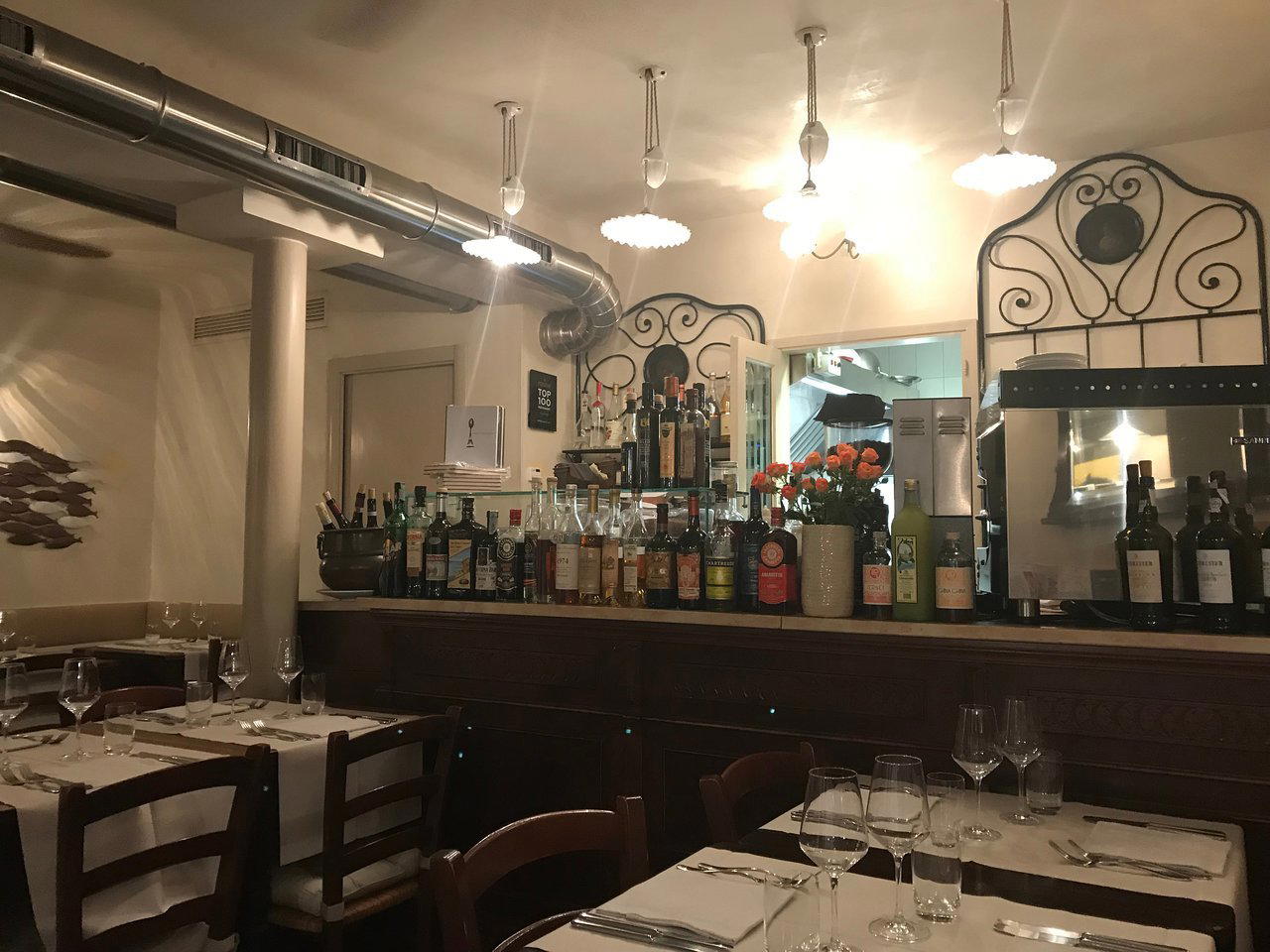
Cozy and warm with rustic decor, offering a welcoming atmosphere despite the small dining room.