
Tabelog 100 #74
Our verdict
Agni gives Mito a serious Sichuan address rather than another station-area fallback, with Ibaraki ingredients folded into a Chinese dining-bar format. Its Tabelog Chinese EAST 100 selections in 2021, 2023, 2024, and 2026 place it in a regional conversation that usually tilts toward larger cities, while the pricing keeps it closer to a regular local table than a ceremony.

Pearl is the En Primeur Club membership app — saves, bookings, and concierge access live there. Same editors, same standards.
- Address
- Japan, 〒310-0801 Ibaraki, Mito, Sakuragawa, 2 Chome−1−6 アイランドビル 1F
- Phone
- +81 29-222-0777
- Hours
- Mon–Sat 11:15 AM–2 PM, 6–10 PMSun Closed
- Website
- agni.jp
- Directions
- Get directions
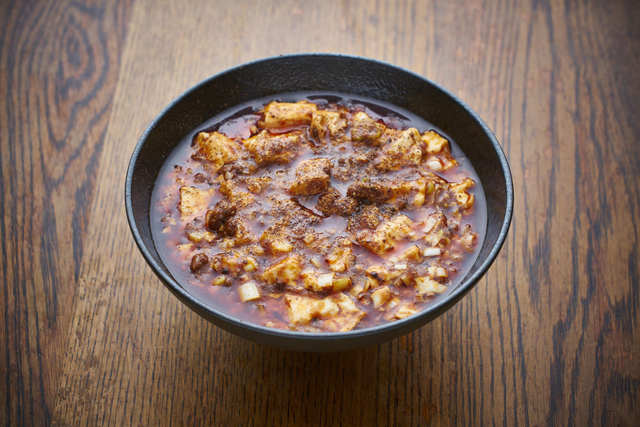
The menu
What to order
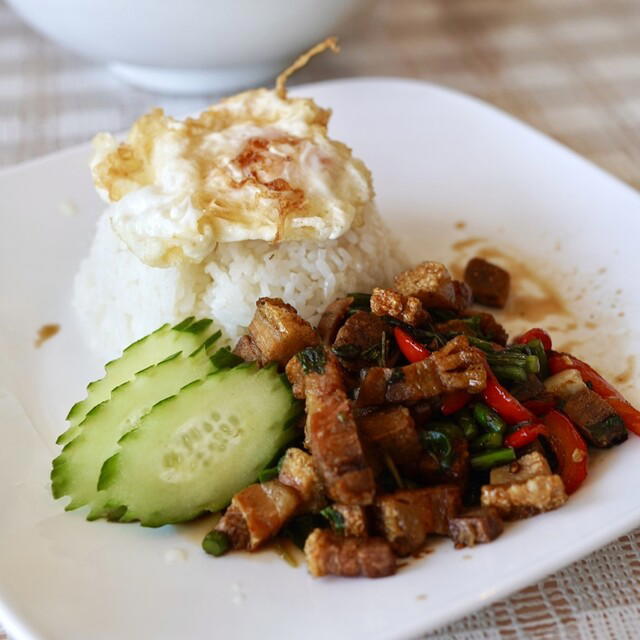
- Dandan noodles
- Mapo tofu
- Sichuan-style spicy dishes
The south side of Mito Station is not where many travelers expect a Chinese restaurant with repeated regional recognition. That mismatch is part of the appeal: a station-adjacent room in Sakuragawa, inside a first-floor building rather than a destination dining district, working in Sichuan cooking, tantan-men, and drinks-led evening meals. In a city visitors know more for Kairakuen, natto, and administrative calm than for a mapped Chinese dining circuit, Agni gives the category a sharper local anchor.
Japanese Chinese cooking is less one cuisine than a set of translations: ramen shops, family chuka dining rooms, hotel Cantonese, gyoza counters, and regional Sichuan specialists under one broad sign. The more interesting restaurants do not treat spice as theater. They build heat, aroma, oil, and texture around local produce and drinking habits. Read this Mito address not as Chengdu or Tokyo copywork, but as Sichuan grammar inside Ibaraki’s market radius.
Sichuan technique, Ibaraki sourcing, and the station-city audience
The public positioning stresses authentic Chinese cuisine using Ibaraki ingredients, and that sourcing matters. Ibaraki is one of Japan’s agricultural workhorses, supplying vegetables, rice, pork, and produce to the greater Kanto food system. A Chinese kitchen in Mito that signals local ingredients makes a practical argument: Sichuan-style seasoning does not need imported glamour; it needs freshness, volume, and a kitchen treating regional supply as more than garnish.
The category mix tells its own story. Sichuan, dining bar, and tantan-men place the restaurant between formats, not in a rigid fine-dining lane. That matters in Mito, where useful restaurants must serve office lunches, group dinners, casual drinking, and station-adjacent plans without changing personality. Tantan-men gives daytime trade a clear entry point; the evening drinks list, spanning sake, shochu, wine, and cocktails, pushes the room into longer-table mode.
Recognition adds weight. The restaurant has been selected for Tabelog Chinese EAST 100 in 2021, 2023, 2024, and 2026, with a listed Tabelog score of 3.69. Tabelog’s Hyakumeiten selections are not Michelin stars, but in Japan they carry real browsing power among diners comparing within a cuisine category. For an Ibaraki restaurant outside Tokyo’s density, repeated selection says this is not simply a convenient Mito Chinese option; it has enough pull to register across eastern Japan.
That eastern field is broad and uneven. Tokyo and Yokohama can support narrow Chinese subgenres at high price points; regional capitals need restaurants that flex across occasions. Agni sits in the latter camp, which is why the dining-bar element matters. A sharper Sichuan kitchen in a regional city has to keep the food serious without making the room feel like an exam. That balance is often where Japanese Chinese dining reveals more than imported prestige cues.
How it fits Mito's small but useful dining circuit
Mito’s restaurant map rewards comparison by function. For a low-spend local meal, Karma and Kimura Ya Honten sit in a cheaper band, while marcador moves into a different evening bracket. Bansen Store and Koji Koji round out the local shortlist that matters to travelers staying more than one night. These venues are not interchangeable; Mito dining decisions often turn on occasion, budget, and proximity rather than one dominant restaurant row.
Within that set, a Sichuan-led Chinese restaurant with repeated Hyakumeiten recognition occupies a useful middle position: more structured than a purely casual stop, less formal than a destination tasting-menu restaurant, and priced for repeat local use. Dinner sits in the JPY 5,000 to JPY 5,999 band, while lunch is listed at JPY 1,000 to JPY 1,999. Lunch works as a low-risk introduction; dinner is where the drinks program and broader Chinese dining-bar format make fuller sense.
The room’s scale also shapes the experience. Sixty seats, including 54 at tables and 6 at the counter, make this a proper neighborhood-and-station restaurant rather than a tiny reservation trophy. Private rooms are not part of the setup, but private use is available, and maximum party size is listed at 60 seated or 70 standing. Those numbers explain the social range: friends, groups, and informal celebrations fit more naturally than hushed special-occasion dining.
Planning is simple because the restaurant sits five minutes on foot from the south exit of JR Mito Station, with coin parking nearby for drivers. It closes on Sundays, opens on public holidays, and runs lunch and dinner service on the other days, with dinner last seating listed at 21:40. Payment is more old-school than many travelers expect: credit cards, electronic money, and QR code payments are not accepted. A dinner-time charge applies, and reservations are available.
The broader read: regional Chinese dining with evidence behind it
For travelers building a Mito itinerary, the restaurant works well within a wider local map rather than as a stand-alone pilgrimage. Start with Our full Mito restaurants guide, then layer in hotels, bars, wineries, and experiences through Our full Mito hotels guide, Our full Mito bars guide, Our full Mito wineries guide, and Our full Mito experiences guide. The city is compact enough that a station-area dinner can beat a long taxi plan.
The useful comparison outside Mito is not another named Sichuan room, but Japan’s habit of turning precise categories into local specialties. The same logic appears in pages as different as -Grilled beef Sukiyaki- KAMAKURA TANUKIAN 鎌倉 たぬき庵 in Kamakura. 鮪と炭火焼き うお炭 秋葉原店 in Tokyo.cafe in Osaka.know in Kumamoto, (Shoku) Vietnam in Kawasaki, and [Curry Senmon Ten] Maruyama Kyoju. in Sapporo: imported or specialized formats become more interesting when they absorb city habits.
Agni’s value lies in that regional seriousness. It gives Mito a Chinese restaurant with category recognition, lunch accessibility, an evening drinking structure, and a sourcing claim rooted in Ibaraki rather than borrowed metropolitan polish. For readers comparing Japan and California’s casual-specialist dining, the same logic appears in Jōdo Saké Bar in Los Angeles and Onigiri Time in Pasadena: focused formats travel well when they adapt to how a city actually eats.
Frequently asked questions
Can I bring kids to Agni?
Agni is set up as a 60-seat non-smoking dining room, with 54 table seats and 6 counter seats, so table dining is the practical choice for a family party. Its public service details focus on dine-in, take-out, and birthday plates, rather than child-specific facilities.
What kind of setting is Agni?
Agni is a Chinese dining bar in Mito, about a 5-minute walk from the south exit of JR Mito Station. The room is described as stylish, with counter seating, free Wi-Fi, and no private rooms; it also carries the Tabelog 100 Chinese EAST 2026 selection.
Is Agni expensive?
Pricing at Agni is listed as JPY 5,000 - JPY 5,999 JPY 1,000 - JPY 1,999.
What are the operating hours at Agni?
Hours at Agni: Mon: 11:15 AM–2 PM, 6–10 PM; Tue: 11:15 AM–2 PM, 6–10 PM; Wed: 11:15 AM–2 PM, 6–10 PM; Thu: 11:15 AM–2 PM, 6–10 PM; Fri: 11:15 AM–2 PM, 6–10 PM; Sat: 11:15 AM–2 PM, 6–10 PM; Sun: Closed.
Comparison Snapshot
Nearby venues at a similar price tier for orientation.
| Venue | Cuisine | Price | Awards | Notes |
|---|---|---|---|---|
| AgniThis venue — the venue you are viewing | Sichuan & Chinese Dining Bar with Japanese-Western Influences | $10–20 | Tabelog 100 #74 | Not listed |
| Karma | Indian curry house | $10–20 | Tabelog 100 #33 | Mito |
| marcador | Casual Spanish Bar & Restaurant | $30–50 | Tabelog 100 #13 | Minamimachi |
| Koji Koji | Sri Lankan | Not listed | Tabelog 100 #47 | Akatsuka |
| Bansen Store | Casual Thai & Curry House | $10–20 | Tabelog 100 #31 | Hiratocho |
| Nuriya Izumichou oodoori | Traditional Unagi (Eel) Restaurant | $30–50 | Tabelog 100 #24 | Izumicho, Mito |
Recognition history
Dated appearances from independent guides and award organizations, with the underlying list record or original source where available.
Tabelog 100 #74 · No. 74
Tabelog · Tabelog 100 - Chinese cuisine - EAST - 2026
Continue exploring
More in Mito
Details
- Lively
- Cozy
- Modern
- Casual Hangout
- Group Dining
- After Work
- Solo
- Standalone
- Design Destination
- Local Sourcing
- Street Scene
- A La Carte
- Small Plates
- Beer
- Spirits
- Cocktails
Current opening hours
- Monday
- 11:15 AM–2 PM, 6–10 PM
- Tuesday
- 11:15 AM–2 PM, 6–10 PM
- Wednesday
- 11:15 AM–2 PM, 6–10 PM
- Thursday
- 11:15 AM–2 PM, 6–10 PM
- Friday
- 11:15 AM–2 PM, 6–10 PM
- Saturday
- 11:15 AM–2 PM, 6–10 PM
- Sunday
- Closed
Hours can change for holidays and private events. Last verified .
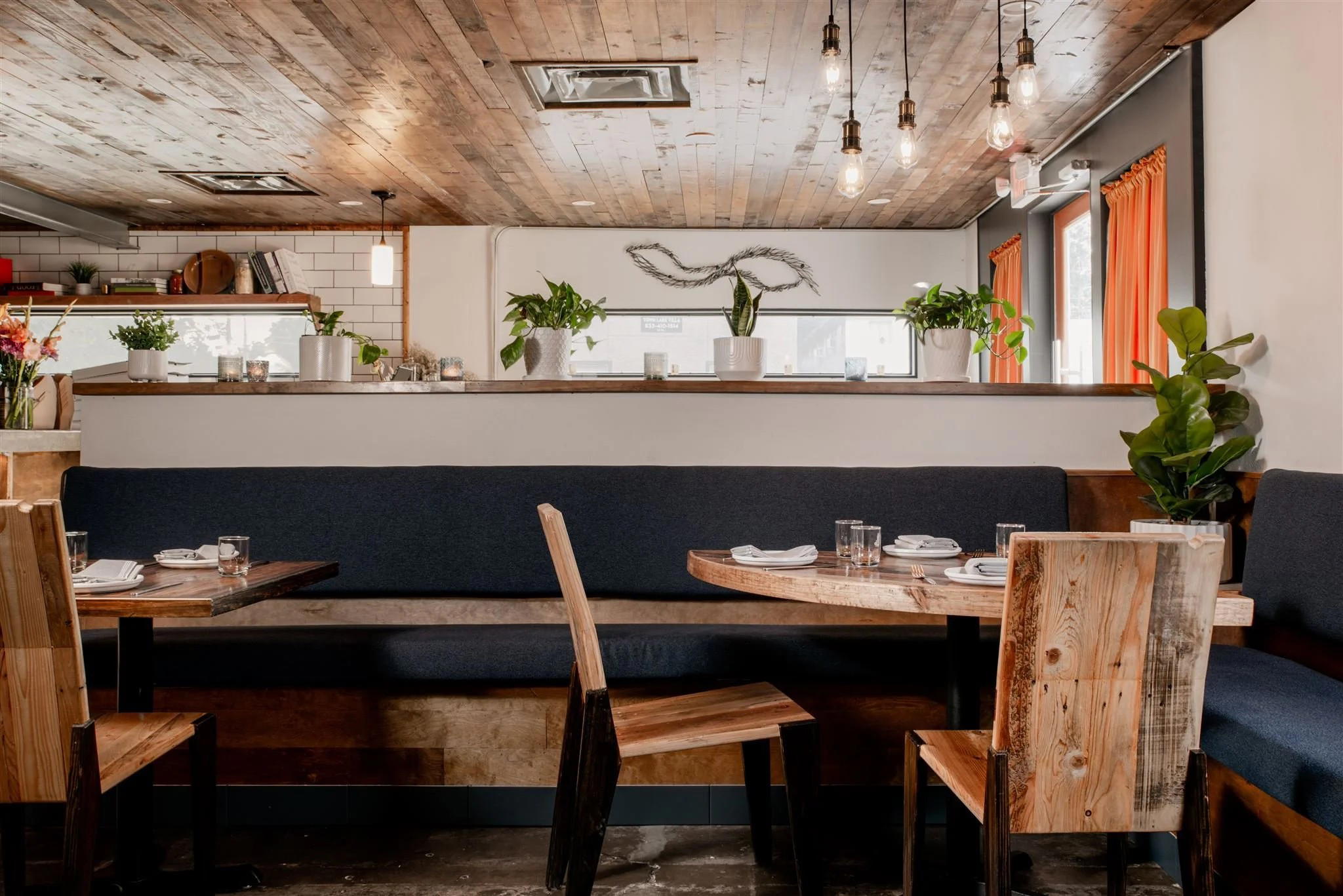
Casual and lively dining bar atmosphere with warm, modern decor, table seating plus a counter, suited to both everyday meals and social drinking near the station.