
Tabelog 100 #13
Our verdict
marcador brings Spanish cooking into Mito’s Minamimachi dining circuit without the ceremony attached to Tokyo’s tasting-menu rooms. Its Tabelog Spanish Cuisine 100 selections in 2024 and 2026 give it a national signal, while the format reads as a neighbourhood Spanish restaurant: paella, ajillo, wine, cocktails, and enough flexibility for lunch, dinner, dates, families, or small gatherings.

Pearl is the En Primeur Club membership app — saves, bookings, and concierge access live there. Same editors, same standards.
- Address
- 茨城県水戸市南町2-2-32 羽田ビル1F
- Phone
- +81292328787
- Website
- marcador.owst.jp
- Directions
- Get directions
The menu
What to order
- Paella (パエージャ)
- Braised beef tripe (牛ハチノスの煮込み)
- Daily ajillo (本日の気まぐれ食材アヒージョ)
Mito is not the kind of city that asks every meal to become theatrical dining. The rhythm is practical: office workers, station traffic, family meals, and small restaurants that have to earn regular use rather than destination-only attention. In that setting, Spanish food carries a useful tension. It can be social and low-pressure, built around shared plates, drink-friendly pacing, and direct cooking, but it also depends on sourcing discipline because there is nowhere to hide when the cooking is this direct.
That is the frame for marcador. The restaurant sits in the Spanish, bar, and cafe category rather than in the formal dégustation lane, and that matters. Mito’s dining scene has room for higher-ticket Japanese rooms and inexpensive daily counters, but Spanish cooking here occupies a middle register: convivial, drink-aware, and ingredient-led without turning every plate into a chef’s statement. Its 2026 Tabelog Hyakumeiten recognition places it inside a national conversation that usually tilts toward larger city dining, which gives the room more weight than its relaxed format first suggests.
Spanish cooking in Mito works when the pantry does the talking
Spanish restaurants outside Japan’s largest metros are often judged by how well they translate the essentials rather than by how loudly they announce authenticity. Rice dishes, garlic-driven pans, and small plates are useful tests because they expose the kitchen’s priorities. Rice demands timing and seasoning control; oil-based cooking turns on heat, balance, and the quality of what lands in the pan. The point is not to imitate a coastal tavern in Valencia or Madrid. The better version is a local restaurant using Spanish structure to organise Japanese produce, seafood access, and a drinks list without losing the plot.
In Mito, that approach has a particular logic. Ibaraki’s food identity is often discussed through agriculture, lake and coastal products, and everyday eating rather than luxury signalling. Spanish formats absorb that kind of supply chain well: vegetables, seafood, rice, pork, and preserved ingredients can all sit naturally in the idiom. marcador’s public category gives diners a clear read on the lane: broad Spanish comfort, not a narrow regional manifesto.
The category mix also explains the audience. A Spanish restaurant that doubles as a bar and cafe has to work across occasions: a solo drink, a table for friends, a family meal, or a date that does not require hushed service. That versatility is not a weakness. In regional Japanese cities, restaurants with endurance often survive because they can be used repeatedly in different ways. The national award signal says this is not merely a local convenience; the format says it remains usable.
A national Spanish list signal, without Tokyo pricing theatre
Tabelog’s Hyakumeiten lists are useful because they flatten geography less than many guide systems. A Mito Spanish restaurant appearing in the 2026 Tabelog Hyakumeiten selection is a meaningful trust signal for readers who usually associate serious Spanish dining in Japan with Tokyo, Osaka, or larger port cities. The listed score of 3.61 adds a second data point: not a vague reputation marker, but a public rating attached to a venue operating in a smaller competitive field.
The comparison inside Mito is instructive. Agni sits in a different spend pattern, with dinner moving higher while keeping lunch accessible. Karma occupies a more everyday band. Kimura Ya Honten points toward low-cost utility. Against that spread, Spanish dining becomes a choice for groups who want shared plates and drinks without committing to the price language of formal Japanese rooms. It is also a useful contrast to Mito’s broader restaurant mix, where izakaya formats, curry shops, cafes, and specialist counters often dominate the everyday map.
There is a practical editorial takeaway here: the restaurant is strongest as a social Spanish address rather than as a ceremonial target. The bar and cafe categorisation matters because Spanish food in Japan often succeeds when the room supports grazing and conversation. A rigid food-only reading would miss the point. This is a room for people who want Spanish flavours, shared pacing, and a drink-aware meal, with enough recognition to justify choosing it over a generic city option.
How to place it in a Mito itinerary
For travellers, Mito rewards a looser dining plan than Tokyo. The city’s restaurants are spread across practical urban pockets; the pleasure is in matching the meal to the day rather than chasing spectacle. marcador fits the evening slot particularly well, especially when the brief is relaxed Spanish food with enough structure to satisfy a food-focused table. It also works for visitors who have spent the day around the city and want a meal that feels sociable rather than formal.
Readers building a wider map should use Our full Mito restaurants guide for the dining spread, then place the meal alongside other city categories rather than treating dinner as a single isolated booking. Our full Mito hotels guide helps with base selection, while Our full Mito bars guide, Our full Mito wineries guide, and Our full Mito experiences guide fill out the rest of the trip. For regional and overseas contrast, EP Club readers can compare how focused formats behave across other dining rooms, casual counters, bar-led venues, and specialist kitchens in Japan and abroad.
The critical read is simple: this is not Spanish dining as luxury costume. It is Spanish dining as a working city format, backed by national list recognition and grounded in food that depends on sourcing, timing, and drink compatibility. In Mito, that combination is more useful than another expensive room trying to sound grand.
Frequently asked questions
Is marcador okay with children?
Check the venue's official channels for the latest details on children, strollers, and family use. In Mito, its Spanish, bar, and cafe category reads as a practical choice for relaxed meals rather than a rigid dining room.
Is marcador formal or casual?
It is casual. Tabelog categorises it as Spanish, Bar, and Cafe, so it suits dinner, lunch, and drinks rather than formal service.
Is marcador expensive?
Pricing at marcador is listed as Dinner: JPY 3,000 - JPY 3,999; Lunch: JPY 1,000 - JPY 1,999.
How do I find marcador?
Mito.
In Context: Similar Options
Comparable venues by cuisine and price in the same metro.
| Venue | Cuisine | Price | Awards | Notes |
|---|---|---|---|---|
| marcadorThis venue — the venue you are viewing | Casual Spanish Bar & Restaurant | $30–50 | Tabelog 100 #13 | Not listed |
| Agni | Sichuan & Chinese Dining Bar with Japanese-Western Influences | $10–20 | Tabelog 100 #74 | Mito |
| Shirakawa | Teppanyaki & Hitachi Beef Steakhouse | $100–150 | Tabelog 100 #91 | Minami-machi |
| Bansen Store | Casual Thai & Curry House | $10–20 | Tabelog 100 #31 | Hiratocho |
| Taverna Hamburg | Italian-inflected hamburg steak & meat house | Not listed | Tabelog 100 #43 | Mito |
| Ninomae | Handmade Hitachi Aki soba | $50–100 | Tabelog 100 #45 | / Suehirocho, Mito |
Recognition history
Dated appearances from independent guides and award organizations, with the underlying list record or original source where available.
Tabelog 100 #13 · No. 13
Tabelog · Tabelog 100 - Spanish cuisine - 2026
Continue exploring
More in Mito
Details
- Cozy
- Lively
- Intimate
- Rustic
- Casual Hangout
- After Work
- Date Night
- Group Dining
- Celebration
- Late Night
- Standalone
- Extensive Wine List
- Street Scene
- A La Carte
- Small Plates
- Counter Dining
- Wine
- Cocktails
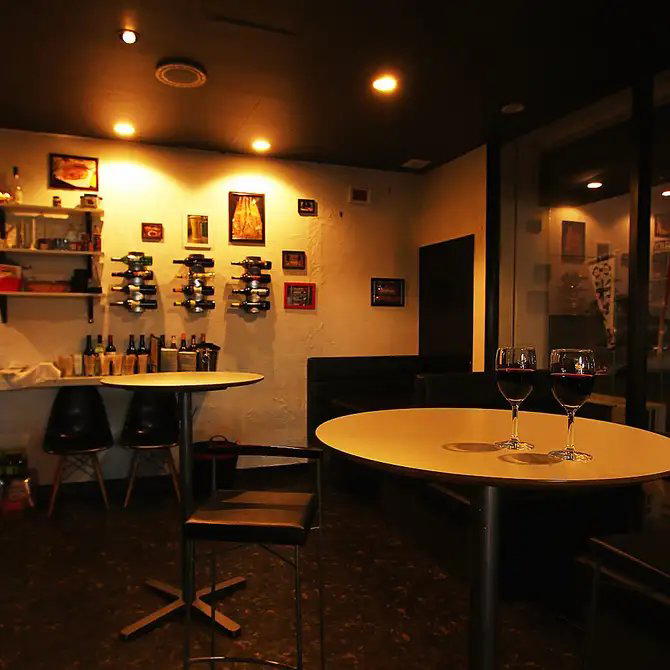
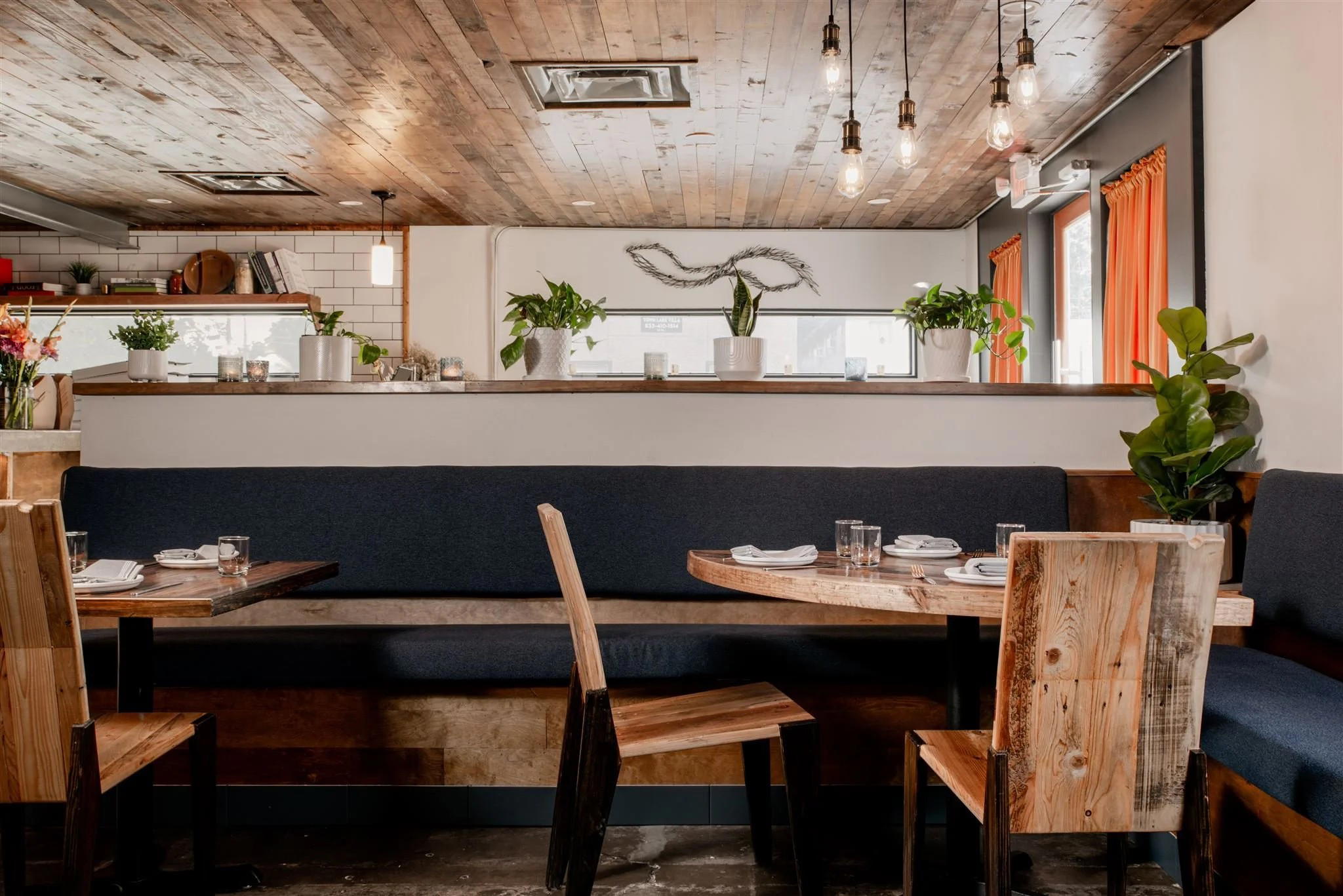
Casual Spanish bar with a warm, everyday local feel rather than heavy themed decor, offering a stylish yet relaxed space with counter and table seating that encourages conversation with the owner-chef and between guests.