Afternoon tea at The May Fair Hotel, Mayfair
Our verdict
Afternoon tea at The May Fair Hotel occupies a particular position in the Mayfair ritual: a Stratton Street address that places it among London's most concentrated cluster of formal sitting rooms, within reach of Bond Street and Green Park. The format follows the classic tiered progression of sandwiches, scones, and pastries, delivered inside a hotel that has anchored the neighbourhood's hospitality character for decades.

Pearl is the En Primeur Club membership app, where members save venues, book tables and use the concierge.

The menu
What to order
- Finger sandwiches
- Freshly baked scones with clotted cream and preserves
- Charbonnel et Walker chocolates
- Seasonal patisserie
The Mayfair Afternoon Tea Circuit
London's afternoon tea tradition has bifurcated sharply over the past decade. On one side sit the grand hotel dining rooms that have treated the format as a serious culinary programme, rotating seasonal menus, sourcing single-estate teas, and pricing at levels that reflect kitchen labour and ingredient costs rather than nostalgia. On the other sit the hotel sitting rooms that maintain the ritual as a neighbourhood fixture, where the point is the room and the occasion as much as the plate. The May Fair Hotel on Stratton Street sits in the second category, and that positioning is worth understanding before booking.
Stratton Street runs between Piccadilly and Curzon Street, a block from Green Park station and a short walk from Berkeley Square. The density of five-star hotels in this immediate zone is among the highest in Europe, which means afternoon tea here is not a solitary proposition. The Ritz, Claridge's, and The Dorchester all operate within walking distance, and each has built a distinct identity for its sitting service. The May Fair's offer is shaped by that competitive context rather than despite it.
The Architecture of the Sitting
Afternoon tea in the British tradition follows a fixed progression that most kitchens observe with only minor variation. Sandwiches arrive first, typically finger-cut and crustless, with fillings that rotate between egg mayonnaise, smoked salmon, cucumber, and coronation chicken. The scone course follows, served with clotted cream and preserves, and the order in which you apply them (cream first or jam first) remains a regional controversy the hotel will not resolve for you. The pastry tier closes the sequence, where kitchen ambition is most legible: this is where a property signals whether it treats the format as a loss leader or a programme worth investing in.
The sequencing matters because afternoon tea is one of the few dining formats where the course order is culturally prescribed rather than chef-determined. Venues like Dinner by Heston Blumenthal have built reputations on resequencing and reimagining British culinary history, but afternoon tea resists that kind of disruption. The format's conservatism is part of its appeal, and kitchens that deviate too sharply from the canon tend to be reviewed unfavourably regardless of technical execution.
Mayfair as Context
The neighbourhood sets expectations that the hotel must work against or alongside. Mayfair's hospitality character is defined by formality, international clientele, and a concentration of properties that have operated at the top of the London market for generations. The restaurants in the immediate area include some of the city's most decorated: Sketch, The Lecture Room and Library holds three Michelin stars a few streets north on Conduit Street, while CORE by Clare Smyth and The Ledbury extend the neighbourhood's premium dining reach. Against that backdrop, afternoon tea functions as the accessible register of Mayfair hospitality, a format that does not require a six-week booking window or a multi-hundred-pound outlay per head.
May Fair Hotel opened in 1927 as a property developed by the Curzon family estate, making it one of the older independent hotels in the district before subsequent ownership changes. That history gives the building a physical anchor in the neighbourhood that newer boutique properties lack, and the interior carries the formal proportions of interwar hotel architecture even after modernisation. The setting is part of what you are buying when you book a sitting here rather than at a newer venue.
Positioning Against the Broader UK Scene
Afternoon tea is a format that travels well beyond London, and the comparison set for any Mayfair property now includes hotel restaurants that have raised the technical standard considerably. Properties like Gidleigh Park in Chagford and Moor Hall in Aughton operate afternoon sittings where the pastry work reflects the full kitchen brigade. The Waterside Inn in Bray and L'Enclume in Cartmel represent the end of the spectrum where the afternoon sitting becomes an extension of the same kitchen philosophy that drives the main restaurant. The May Fair's position is urban and accessible rather than destination-driven, which is a different value proposition rather than a lesser one.
London's afternoon tea market also competes internationally. Visitors comparing notes with experiences at properties in other major cities, the formal hotel sitting rooms of New York or the chef-driven tasting formats of San Francisco, will find that the London hotel tea is a specifically British category with no close equivalent elsewhere. The ritual compression of savoury, bread, and sweet into a two-hour afternoon sitting is culturally distinct, and Mayfair is where visitors most often encounter it for the first time.
For a broader sense of London's restaurant scene across all formats, including the starred kitchens that operate in the same postcodes, our full London restaurants guide covers the range from neighbourhood bistros to three-star dining rooms.
What the Format Delivers
The tasting progression of afternoon tea is fixed enough that the differentiators between properties come down to a small number of variables: the quality of the bread and pastry work, the range and sourcing of the tea list, the pace of service, and the room itself. Hotels that invest in a proper tea programme commission exclusive blends or source single-estate Darjeelings and high-altitude oolongs; those treating it as a legacy fixture tend to work from standard commercial blends. Knowing which category a property falls into before booking is the most useful research you can do.
The afternoon sitting also occupies a specific temporal slot that suits visitors on tighter schedules better than a full dinner booking. A two-hour sitting starting at 2pm or 3pm leaves the evening clear, which is a practical advantage in a city where dinner reservations at places like Restaurant Gordon Ramsay or Midsummer House require early planning. The afternoon tea slot functions, in that sense, as the day's primary culinary experience rather than a supplement to a larger itinerary.
Know Before You Go
- Address: Stratton St, London W1J 8LT
- Nearest transport: Green Park (Jubilee, Victoria, Piccadilly lines), approximately 3 minutes on foot
- Booking: Contact the hotel directly; sittings typically run from early afternoon and fill on weekends, particularly during the autumn and Christmas period
- Timing: Weekday sittings offer a quieter room; Saturday and Sunday afternoons see the highest demand from both visitors and London residents
- Dress: Smart casual is standard across Mayfair hotel sittings; the room's formal proportions reward the effort
- Pricing: Mayfair hotel afternoon teas generally run between £55 and £95 per person depending on whether champagne is included; verify current rates directly with the hotel
Frequently asked questions
What do people recommend at Afternoon tea at The May Fair Hotel, Mayfair?
Format follows the standard British progression: finger sandwiches, warm scones with clotted cream and jam, and a pastry tier. Within that fixed sequence, the scone course is the most widely discussed element at Mayfair hotel sittings generally, with temperature and texture at point of service being the clearest indicators of kitchen care. The tea list is worth attention: ask what single-estate or house-blended options are available rather than defaulting to the first suggestion.
What is the ideal way to book Afternoon tea at The May Fair Hotel, Mayfair?
Direct booking through the hotel is the standard route for Stratton Street sittings. Weekend slots at Mayfair properties fill two to four weeks in advance during peak periods, particularly in November and December when the seasonal programme runs. Weekday sittings in January through March tend to have more availability at shorter notice. The hotel is accessible from Green Park station, making it direct to combine with a shopping morning on Bond Street or a walk through the adjacent Green Park.
What makes Afternoon tea at The May Fair Hotel, Mayfair worth seeking out?
The May Fair sits at the intersection of Mayfair's two strongest hospitality traditions: the formal hotel sitting room and the neighbourhood's density of long-established properties. For visitors working through London's afternoon tea options, the Stratton Street address provides a point of comparison with the Piccadilly grand hotel circuit while remaining in the same postcode as some of the city's most recognised dining rooms, including the starred kitchens at Sketch and CORE by Clare Smyth. The hotel's 1927 origins give the physical setting a weight that newer properties in the district cannot replicate.
How does afternoon tea at The May Fair Hotel compare to other Mayfair hotel sittings for a first-time visitor to London?
For visitors encountering the British afternoon tea format for the first time, the Mayfair concentration of hotel sittings means there is a genuine choice to make. The May Fair's Stratton Street location positions it between the grand Piccadilly properties (The Ritz operates on a fixed dress code and months-long booking horizon) and the newer boutique hotels that have adopted more casual interpretations of the format. That middle positioning suits visitors who want the formal room and tiered service without the ceremony level of the most ticketed venues. Comparing notes with hotel sittings at properties like Hide and Fox or Opheem in regional UK cities shows how far the format has travelled from its London hotel origins, but the Mayfair sitting room remains the reference point against which those interpretations are measured.
Peers Worth Knowing
| Venue | Cuisine | Price | Awards | Notes |
|---|---|---|---|---|
| Afternoon tea at The May Fair Hotel, MayfairThis venue (the venue you are viewing) | Classic British Afternoon Tea | $50–100 | Not listed | Not listed |
| CORE by Clare Smyth | Modern British Fine Dining | $150–200 | 3 Michelin Stars · World's 50 Best #97 | Modern British |
| Restaurant Gordon Ramsay | French Fine Dining | $200–300 | 3 Michelin Stars · World's 50 Best #13 | Contemporary European, French |
| Sketch, The Lecture Room and Library | Modern French Fine Dining | $200–300 | 3 Michelin Stars · World's 50 Best #18 | Modern French |
| The Ledbury | Modern British Fine Dining | $300–500 | 3 Michelin Stars · World's 50 Best #83 | Modern European, Modern Cuisine |
| Dinner by Heston Blumenthal | Historic British Fine Dining | $200–300 | 2 Michelin Stars · World's 50 Best #45 | Modern British, Traditional British |
Continue exploring
More in London
Restaurants in London
All restaurants in London →
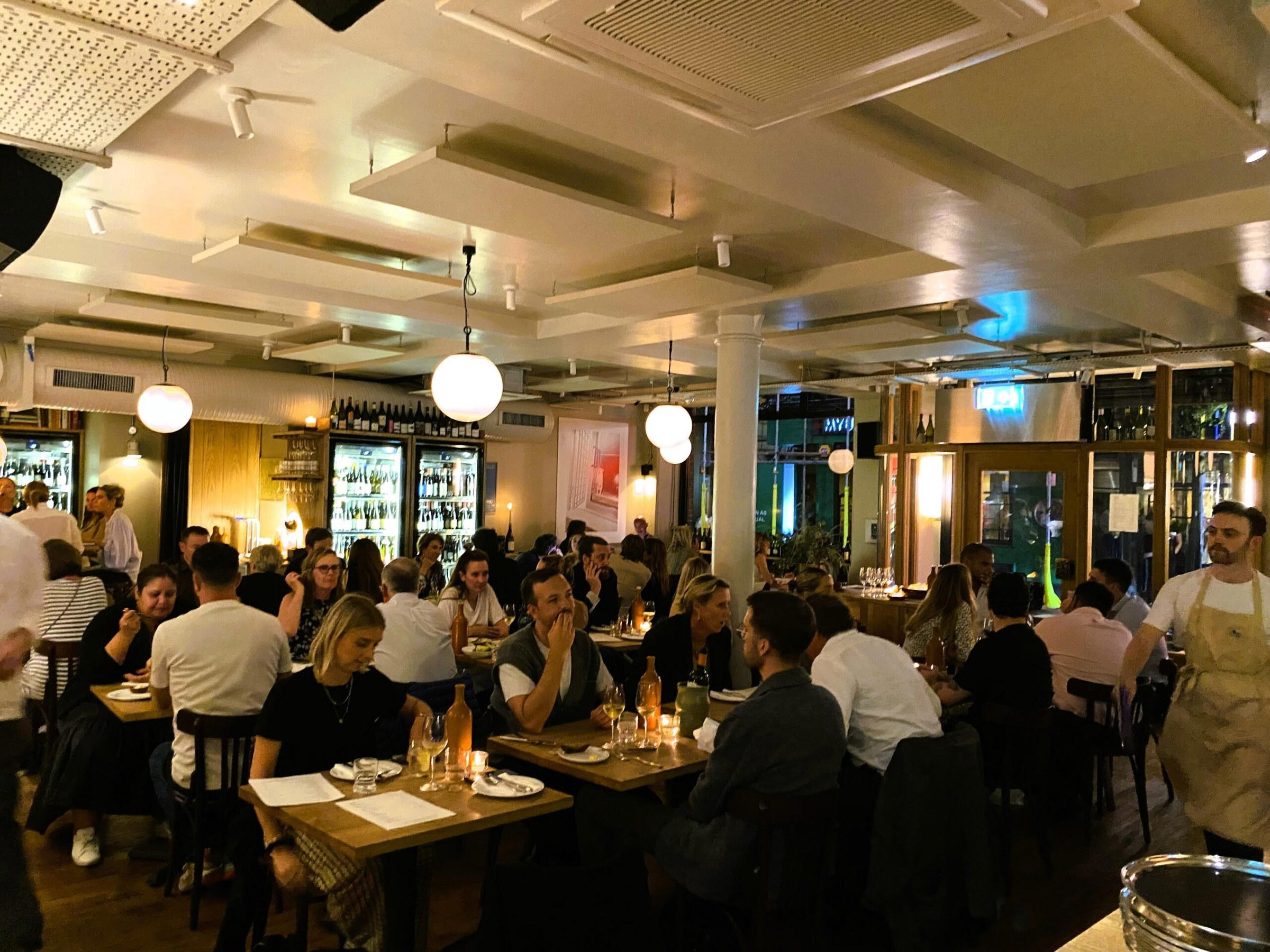
Bars in London
All bars in London →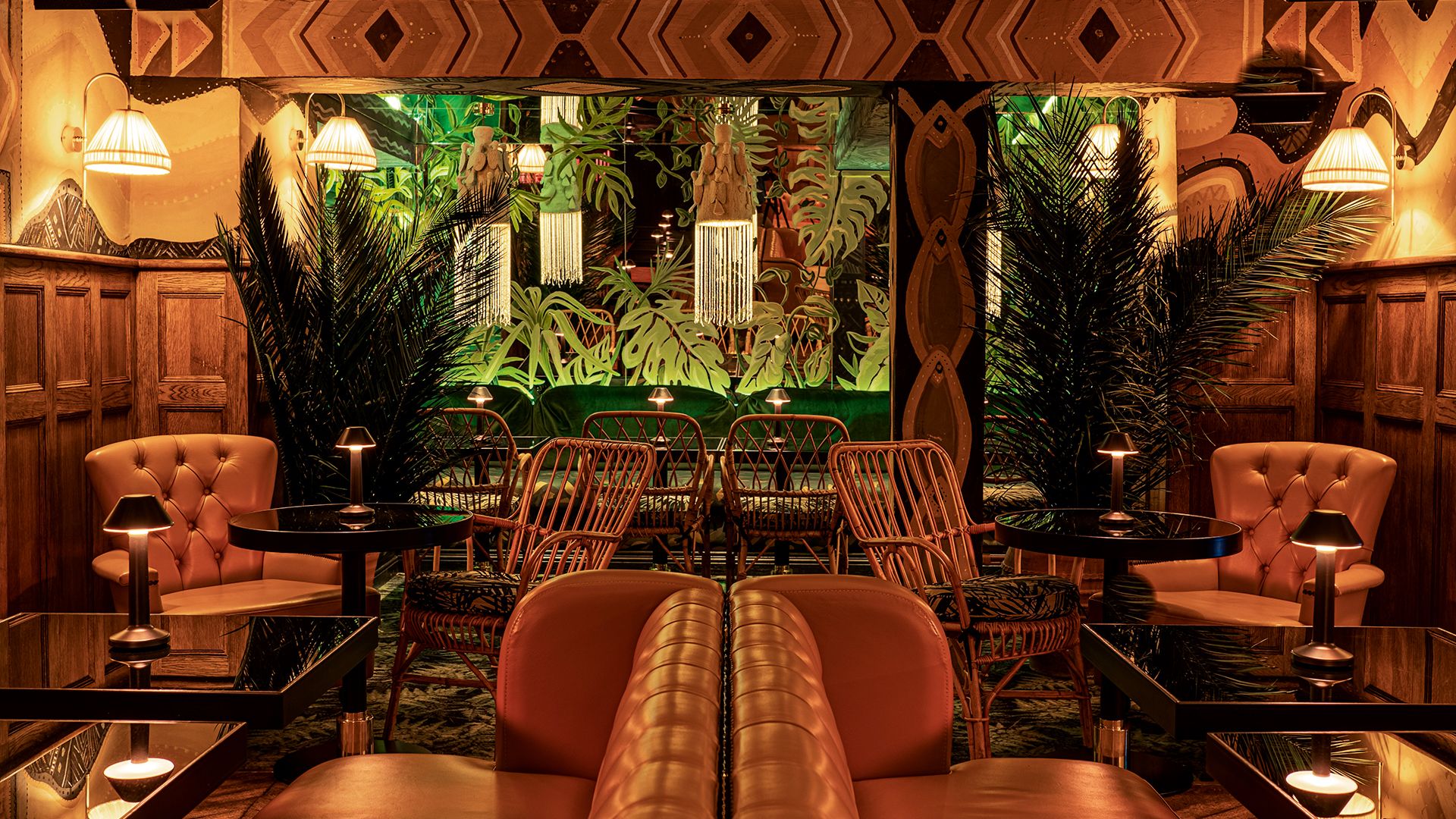
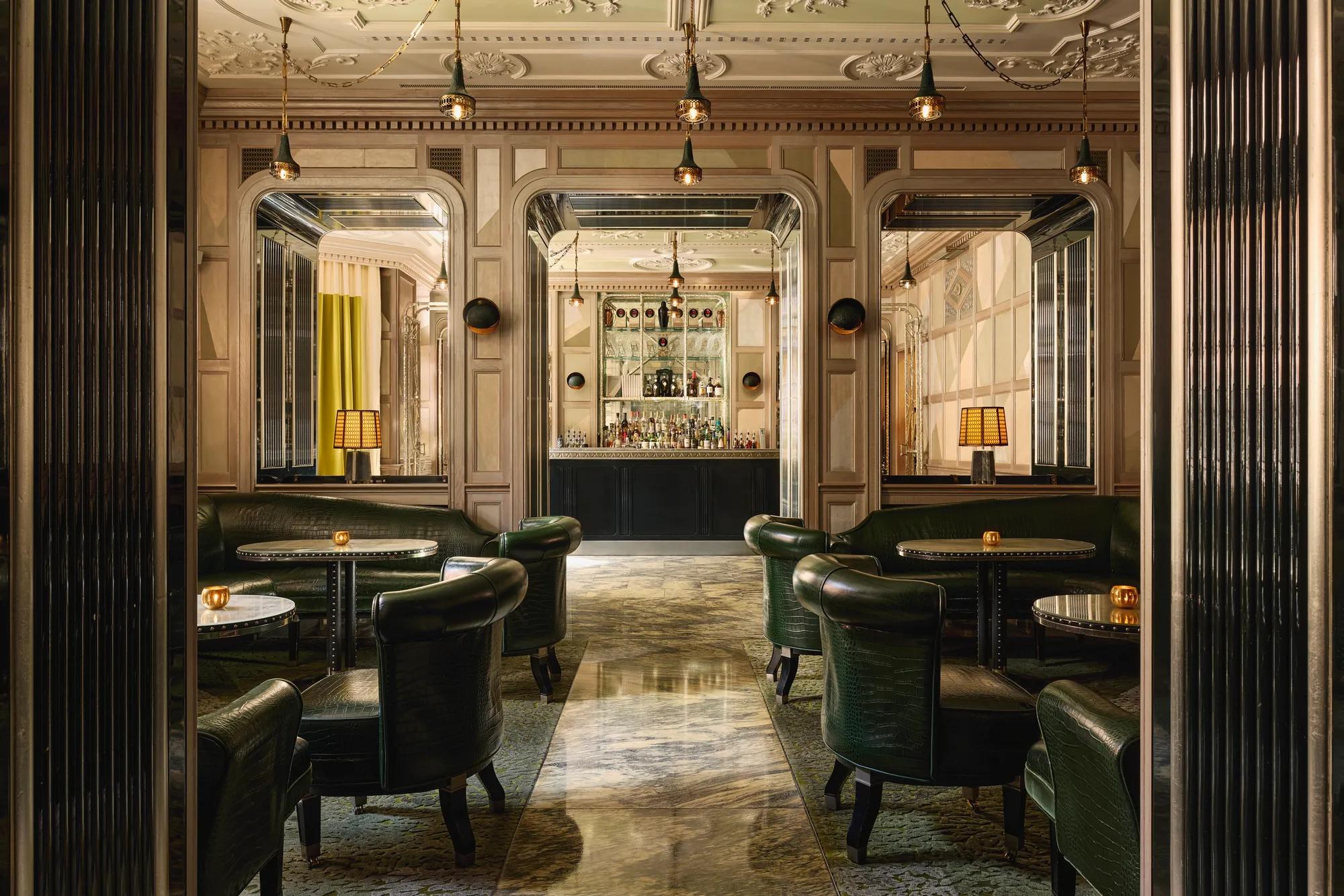
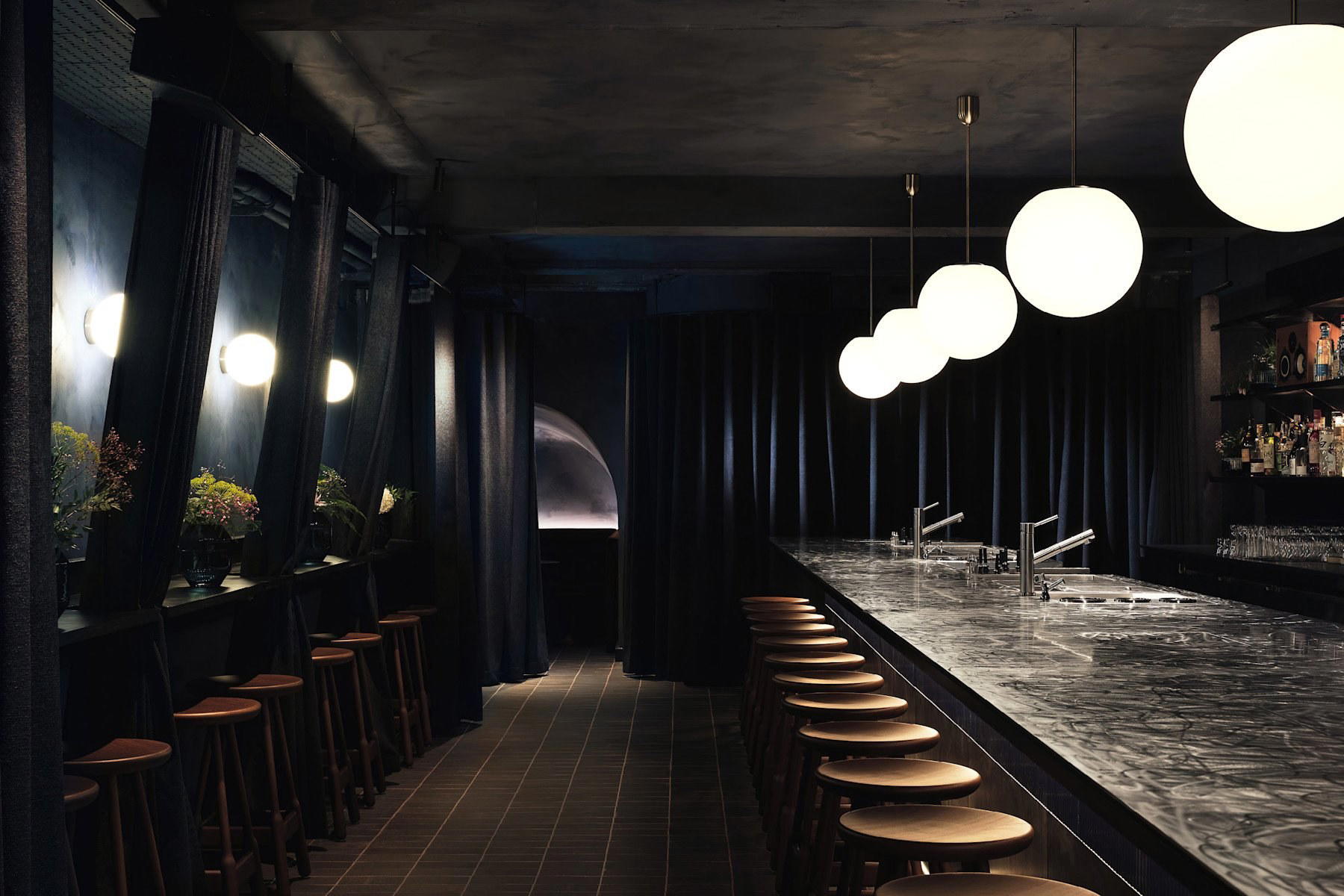
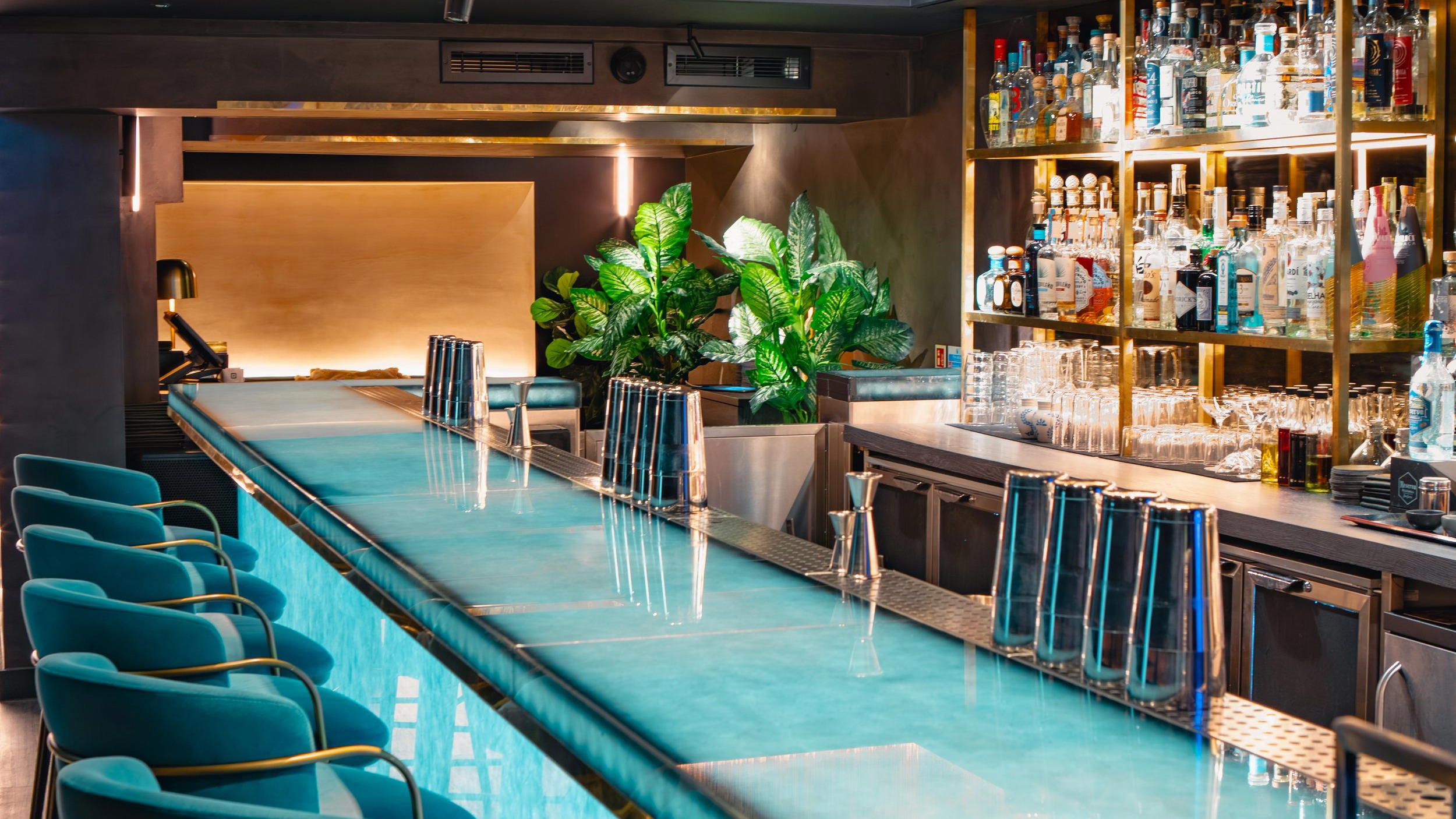
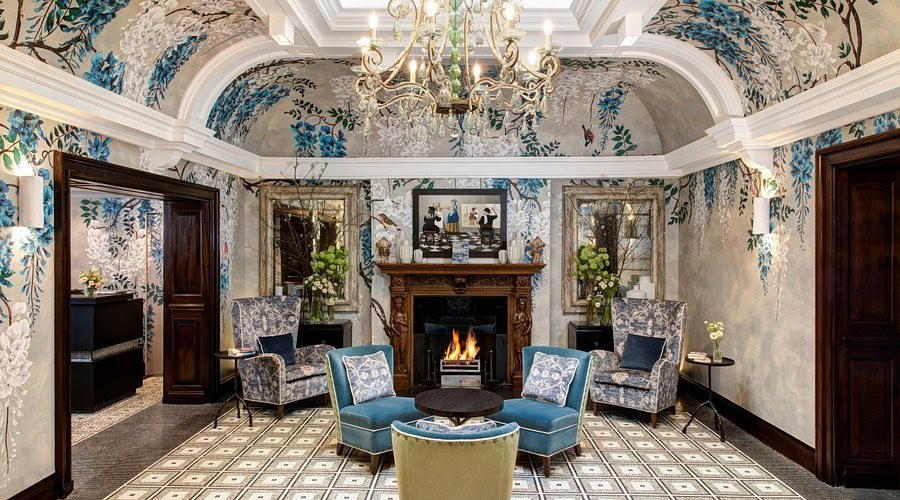
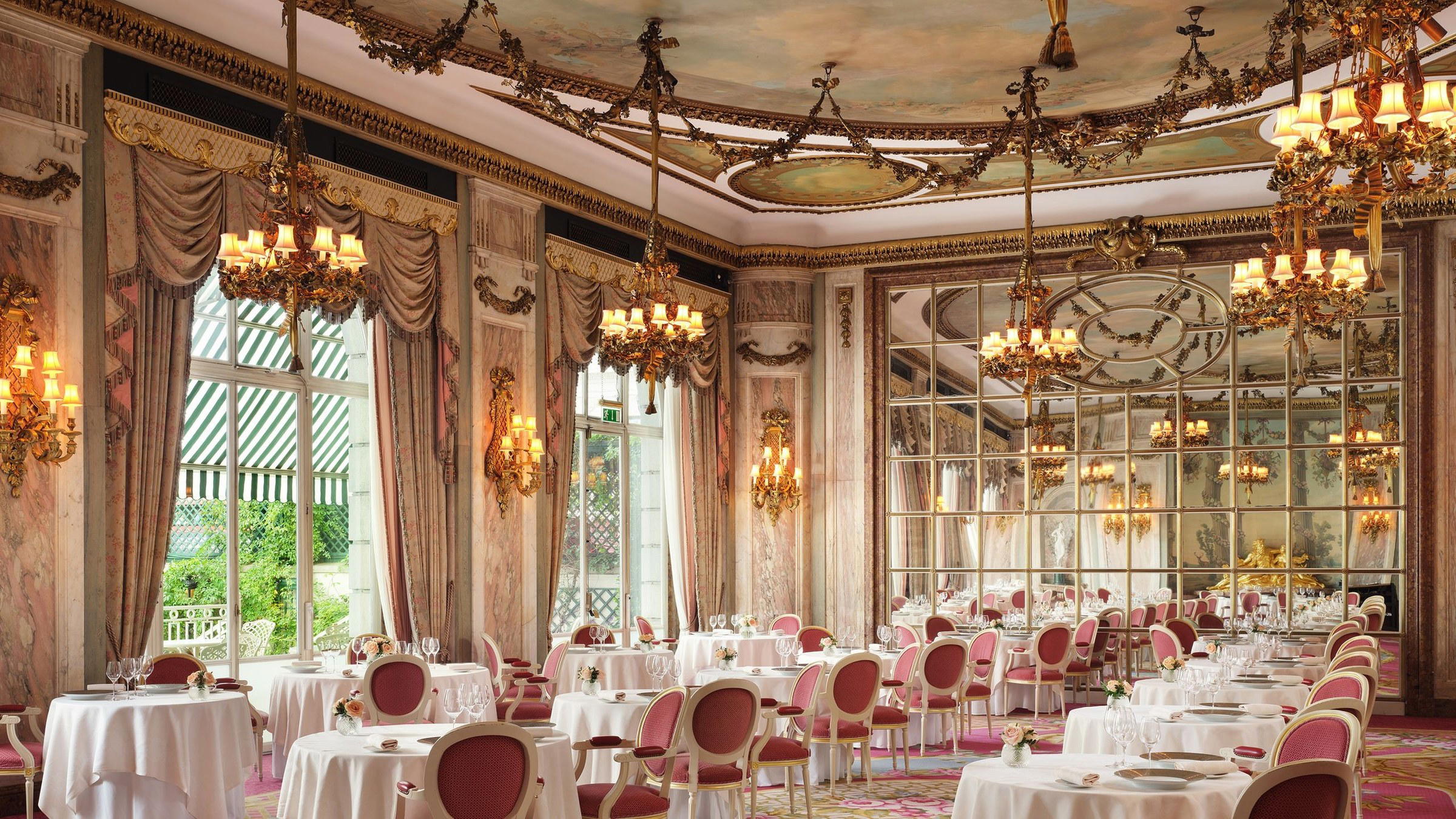
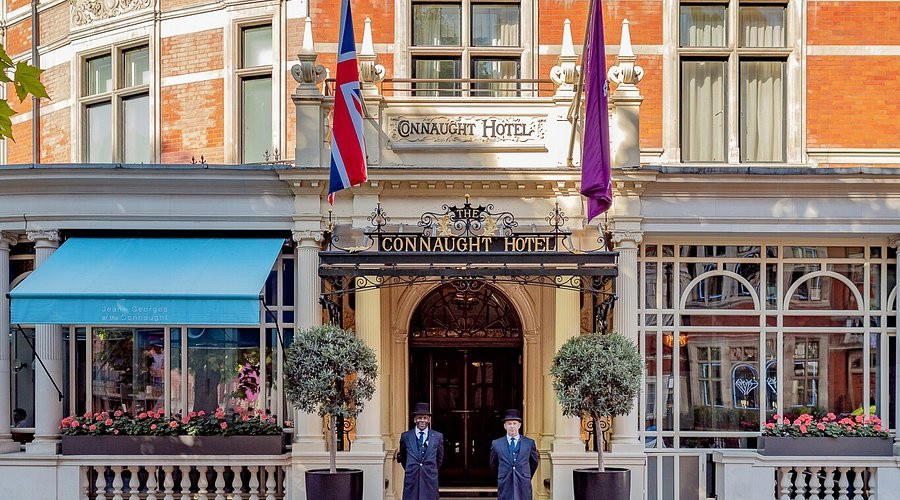
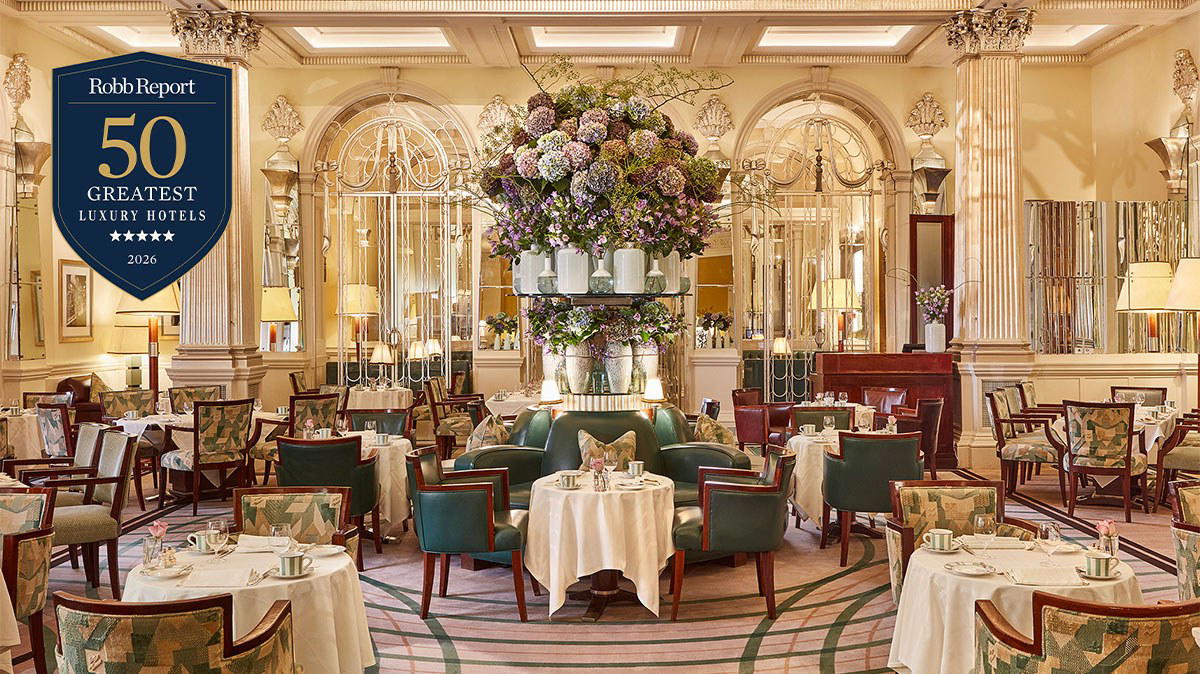
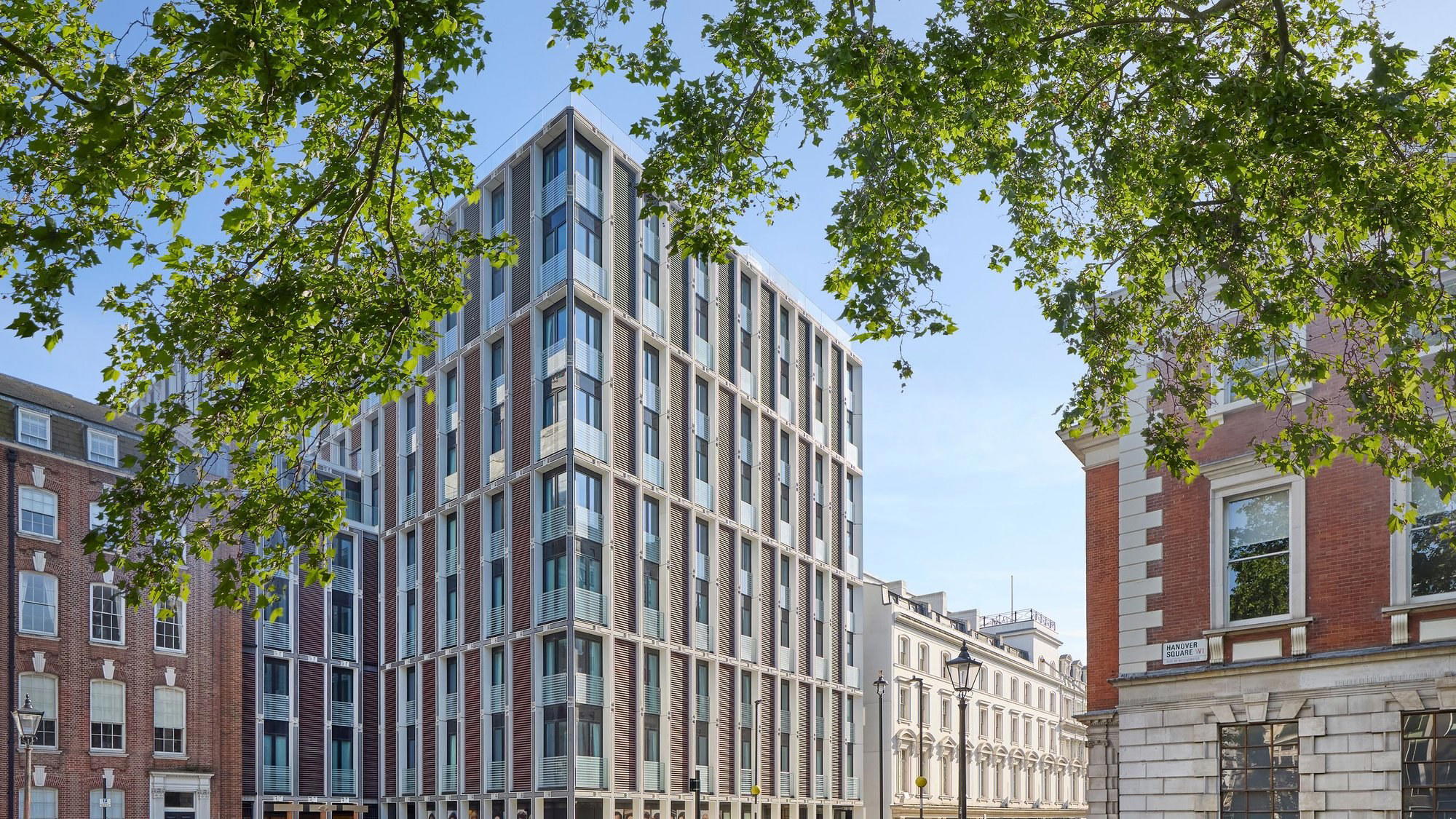

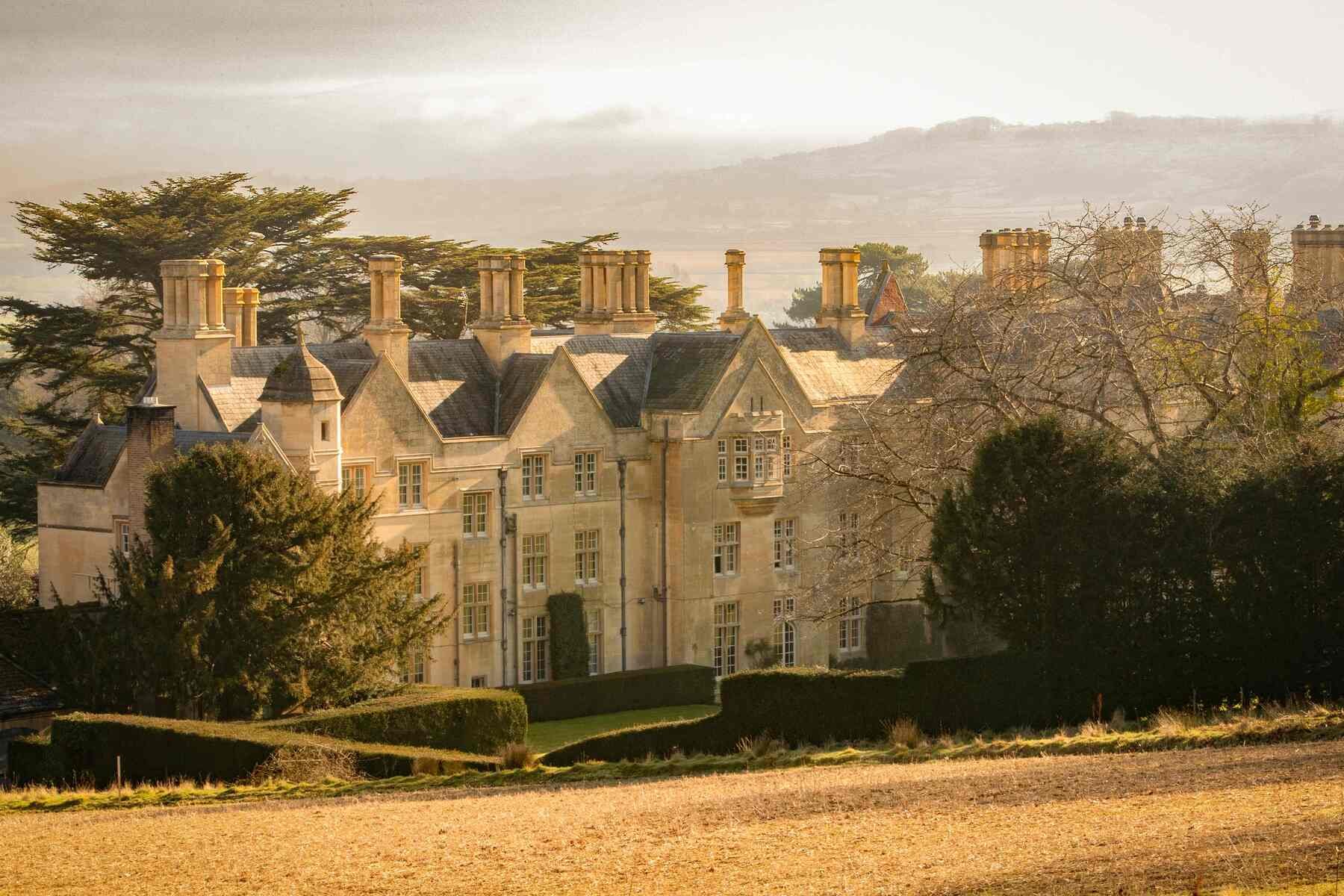

Afternoon tea at The May Fair Hotel, Mayfair
The wine
- Extensive wine list
Details
- Intimate
- Elegant
- Sophisticated
- Classic
- Family
- Celebration
- Special Occasion
- Group Dining
- Hotel Restaurant
- Historic Building
- Design Destination
- Extensive Wine List
- Set Menu
- Tea
- Champagne
- Sparkling Wine
- Vegetarian Friendly
- Vegan Options
Intimate, serene, and elegant hotel-afternoon-tea atmosphere with a classic Mayfair feel.