Our verdict
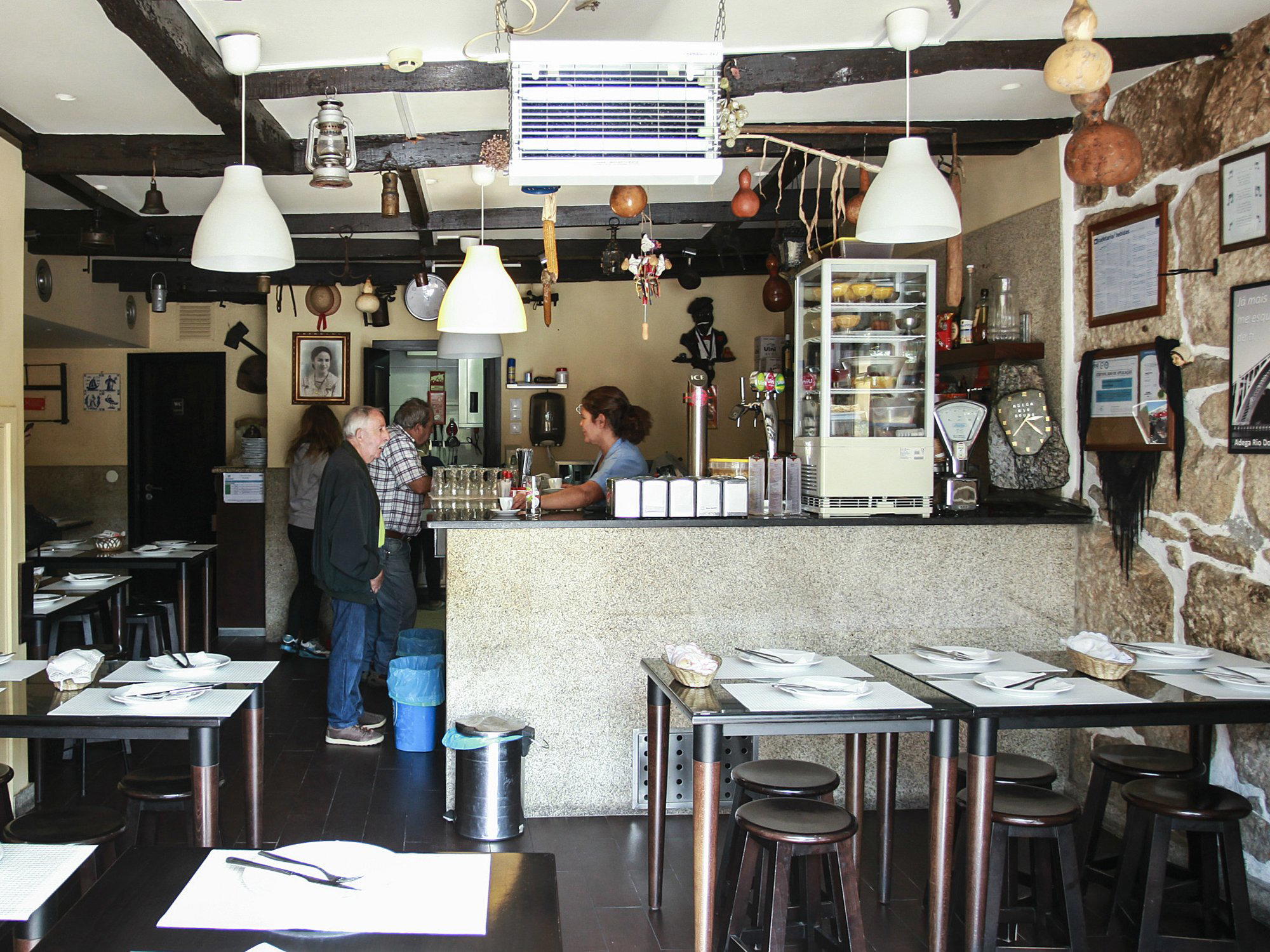
On a quiet stretch of Rua do Ouro in Porto's western residential quarter, Adega Rio Douro occupies the kind of address that rewards local knowledge over guidebook reliance. The format is traditional adega: wine-forward, unhurried, and structured around the rhythms of a proper Portuguese meal rather than tourist-paced turnover. For those tracing Porto's dining character beyond the Michelin circuit, this is a useful reference point.

Pearl is the En Primeur Club membership app — saves, bookings, and concierge access live there. Same editors, same standards.
The menu
What to order
- Iscas de bacalhau
- Bacalhau à brás
- Bifanas
The Adega as a Dining Ritual
Porto's most instructive dining experiences are rarely its most decorated. The city's adega tradition, a format built around communal tables, house wine drawn from the barrel, and dishes that arrive in their own time, operates on a logic that predates the modern restaurant entirely. These are places where the meal is not a sequence of timed courses but a social event anchored to the pace of the kitchen and the depth of the wine list. Adega Rio Douro, addressed at Rua do Ouro 223 in Porto's western residential band, belongs to this tradition rather than to the Michelin-tracked circuit that has made the city internationally prominent over the past decade.
Understanding what an adega offers requires some recalibration of expectation. The format does not compete with the tasting-menu progressions of Euskalduna Studio or the creative precision of Antiqvvm. It competes with itself, measured against the quality of its wine sourcing, the generosity of its portions, and the fidelity of its cooking to regional tradition. These are different criteria entirely, and readers arriving from Porto's fine-dining tier should arrive with that contrast clearly in mind.
Rua do Ouro and the Character of the Address
The address on Rua do Ouro places Adega Rio Douro outside the tourist-dense corridors of Ribeira and the Clérigos axis. Porto's western residential quarters carry a different register: quieter streets, neighbourhood commerce, and a dining public that skews local rather than international. That geographic positioning is itself a signal. Adegas in this part of the city are not performing heritage for visitors; they are operating within it. The distinction matters when you consider how Porto's dining scene has fractured across the past several years, with one tier chasing Michelin recognition and another holding to the rhythms that defined the city's eating culture long before it became a European travel reference point.
For context on what Porto's fine-dining tier now looks like, the range runs from the conceptual edge of Blind to the polished contemporary formats of Le Monument and Vila Foz.
How the Meal Unfolds
The adega format in northern Portugal follows a pacing that the contemporary restaurant industry would regard as deliberately slow. Wine arrives early, often before any formal menu discussion. Bread and small accompaniments appear without prompting. The main event, whether bacalhau prepared in one of its canonical regional forms, grilled meat, or slow-cooked offal preparations, arrives when the kitchen is ready rather than when a service choreography demands it. This is not inefficiency; it is a different model of hospitality, one in which the diner's role is to settle in rather than to move through a timed experience.
Portugal's relationship with bacalhau, dried and salted cod, is one of the more instructive case studies in how a single ingredient can organise a national cuisine across centuries. The country claims several hundred distinct preparations, and a traditional Porto adega would be expected to rotate through a handful of these depending on season and availability.
Wine in this context is typically sourced from the Douro Valley or the Vinho Verde region to the north, both within reasonable logistical reach of Porto and both capable of producing table wines that work well with the weight and salinity of traditional Portuguese cooking. The Douro, leading known internationally for Port, produces an increasingly credible range of dry reds and whites that have found a natural home on adega lists across the city. Vinho Verde's lighter, higher-acid profile provides counterbalance to richer preparations. A well-run adega manages both categories with confidence.
Porto's Broader Restaurant Range: Where This Fits
Any honest reading of Porto's dining scene acknowledges that its international reputation has been built primarily on its fine-dining tier. Casa de Chá da Boa Nova in nearby Leça da Palmeira carries two Michelin stars and a Rui Paula signature that positions it at the top of the northern Portuguese culinary hierarchy. Across the river in Vila Nova de Gaia, The Yeatman pairs wine-country credentials with contemporary Portuguese cooking. Further afield, Portugal's decorated table counts Belcanto in Lisbon, Vila Joya in the Algarve, and Ocean in Porches among its Michelin-tracked landmarks.
The adega tradition exists in a different conversation altogether. It is not aspirational in the way that the fine-dining tier is aspirational; it is custodial. Places like Adega Rio Douro preserve a format of eating that cities across Southern Europe have lost to rising rents, changing demographics, and the pressures of tourism-oriented hospitality. Their value to a thoughtful visitor is documentary as much as gastronomic: they show what everyday dining in Porto actually looked like, and in many cases still looks like, when the city is feeding itself rather than performing for an audience.
For readers building a broader Porto itinerary, our full Porto restaurants guide maps the city's dining options across format and price tier, from neighbourhood adegas to the creative tasting menus that have earned the city international attention. For comparison across the country, the range extends from the Madeira-based Il Gallo d'Oro in Funchal to Fortaleza do Guincho outside Cascais, Ó Balcão in Santarém, Al Sud in Lagos, and Gusto by Heinz Beck in the Algarve. Internationally, the community dining model has counterparts in formats as different as Lazy Bear in San Francisco, where the communal table principle underpins a tasting-menu format, and the disciplined service tradition of Le Bernardin in New York, where pacing is equally central but to entirely different ends.
Planning a Visit
Adega Rio Douro is located at Rua do Ouro 223 in Porto's western residential quarter, reachable on foot from the city centre or by taxi in a short ride. The adega format generally accommodates walk-ins more readily than reservation-heavy tasting-menu restaurants, though a neighbourhood venue with a loyal local following may fill quickly on weekend evenings. Arriving at an off-peak hour on a weekday gives the most reliable access and, as a practical bonus, the most representative experience of the format: quieter, more unhurried, and closer to what the meal is designed to be.
Frequently asked questions
Where exactly is Adega Rio Douro?
Adega Rio Douro is located at R. do Ouro 223, 4150-223 Porto, Portugal, Porto.
How does dining at a Porto adega like Adega Rio Douro differ from the city's fine-dining restaurants?
Porto's internationally recognised fine-dining tier — places like Casa de Chá da Boa Nova — operates on tasting menus, advance bookings, and plated precision. An adega like Adega Rio Douro on Rua do Ouro follows a different tradition: shared tables, house pours served early, and a pace set by the kitchen rather than a choreographed service sequence. The format is a direct expression of northern Portuguese working-class dining culture, not a contemporary interpretation of it.
What dish is Adega Rio Douro famous for?
No specific signature dishes are confirmed in the available record for Adega Rio Douro. Porto adegas typically anchor their menus around grilled meats, bacalhau preparations, and slow-cooked northern Portuguese standards — the kind of cooking that changes with the week's market rather than a fixed menu. For confirmed current dishes, contacting the venue directly before visiting is the most reliable approach.
Can I walk in to Adega Rio Douro?
Porto adegas as a format tend to be more walk-in friendly than the city's tasting-menu restaurants, some of which book out weeks in advance. Adega Rio Douro at Rua do Ouro 223 sits in the western residential quarter, outside the high-footfall tourist corridors, which generally means less competition for tables mid-week. Arriving early for lunch or dinner service gives the best chance of a seat without a reservation.
Where It Fits
Comparable venues nearby, for context on price, style, and recognition.
| Venue | Cuisine | Price | Notes |
|---|---|---|---|
| Adega Rio DouroThis venue (the venue you are viewing) | Traditional Portuguese Petiscos | $10–20 | Not listed |
| bbgourmet Boavista | Modern Portuguese | $20–30 | Lordelo do Ouro |
| Antunes | Traditional Portuguese | $20–30 | Santo Ildefonso |
| Taberna Folias de Baco | Portuguese Natural Wine Bar with Farm-to-Table Petiscos | $30–50 | Vitória |
| Eatery 119 ӏ food, desserts & specialty coffee | Ukrainian-Inspired Brunch Café | $10–20 | Santo Ildefonso |
| A Cozinha do Manel | Traditional Portuguese | $20–30 | Bonfim |
Continue exploring
More in Porto
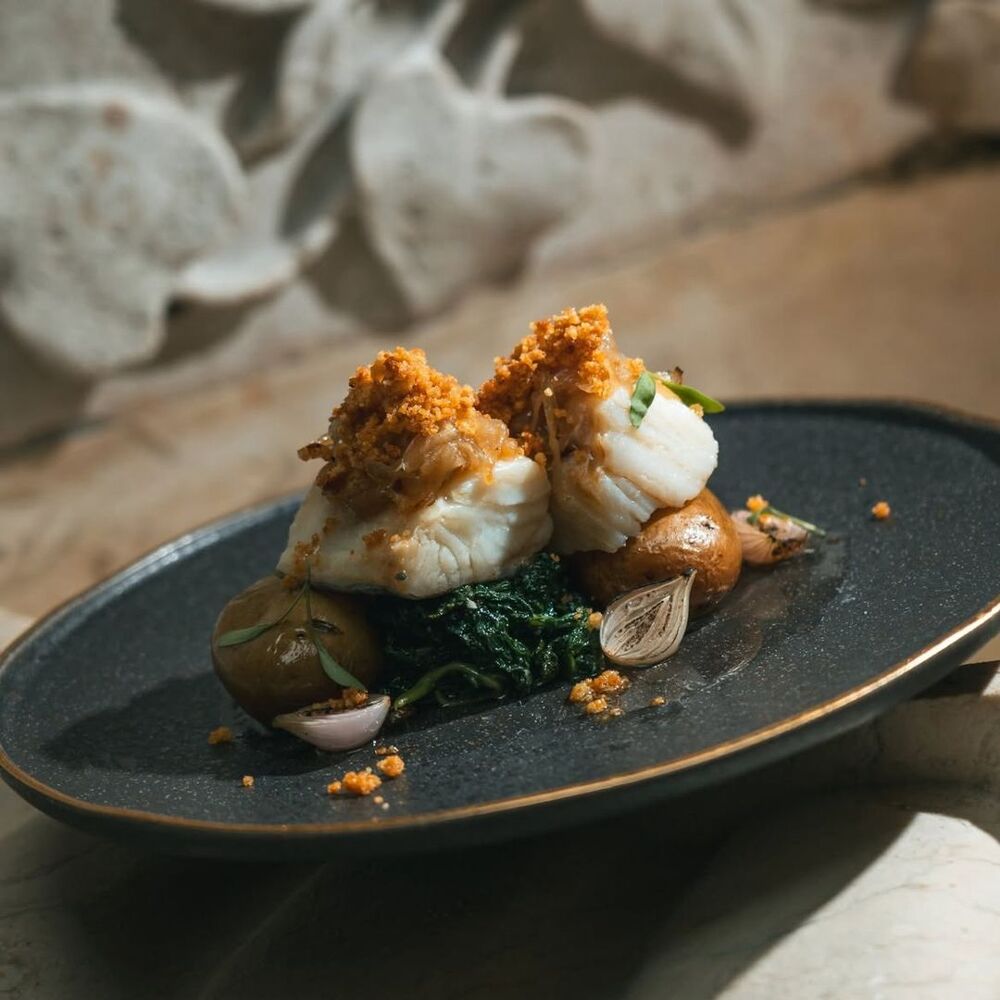
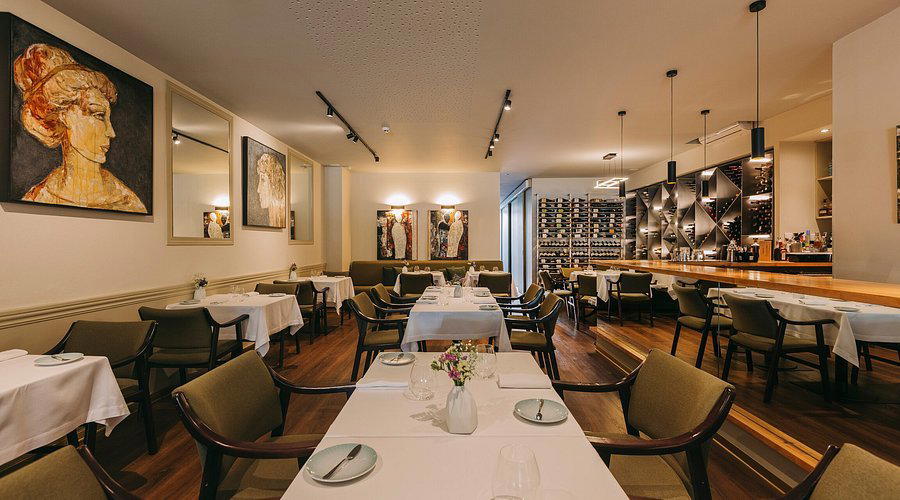
Restaurants in Porto
All restaurants in Porto →
Bars in Porto
All bars in Porto →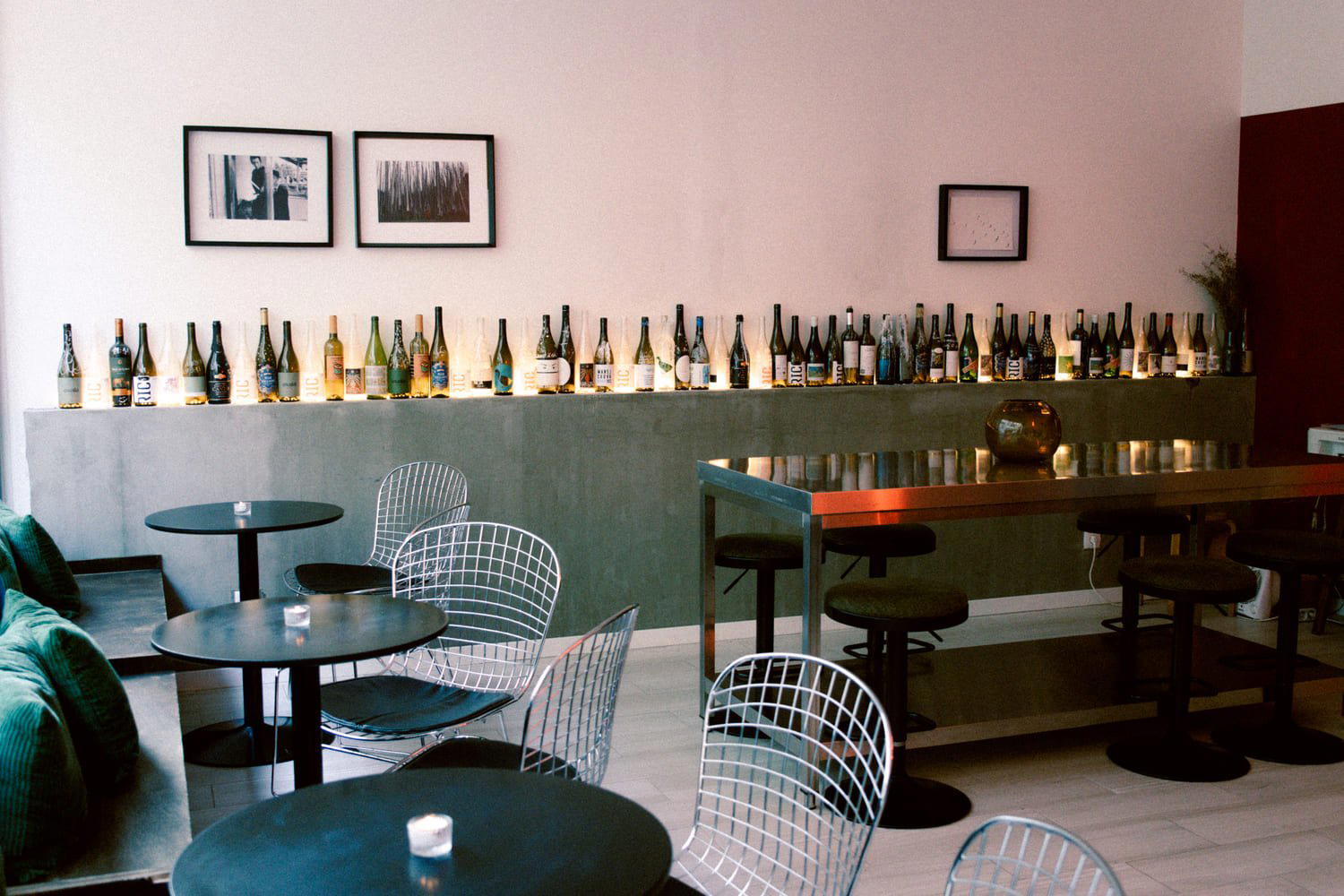
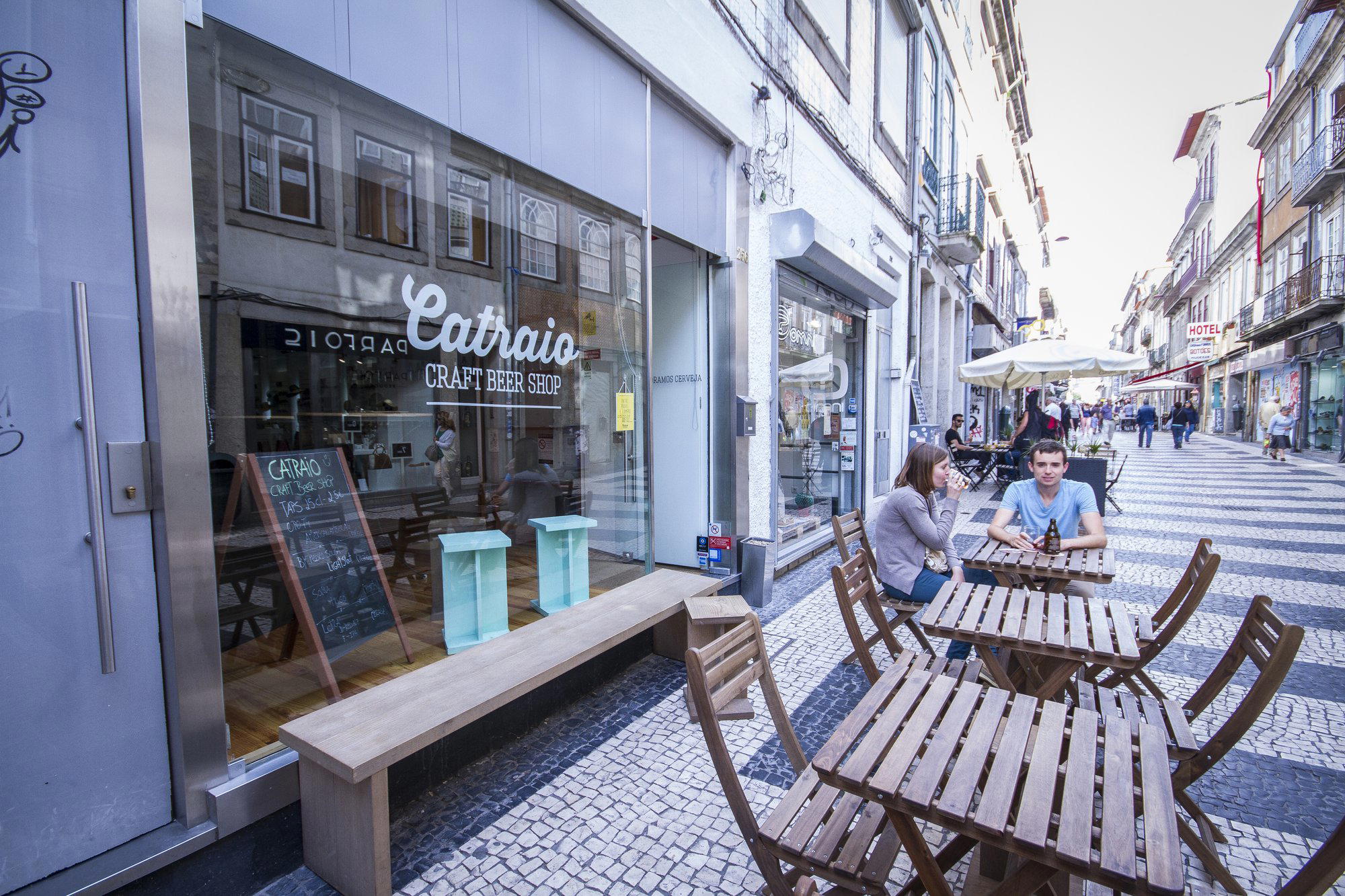
Hotels in Porto
All hotels in Porto →
Details
- Cozy
- Rustic
- Lively
- Casual Hangout
- Terrace
- Waterfront
- Waterfront
- Small Plates
- Local Wine
Current opening hours
- Monday
- 9 AM–9 PM
- Tuesday
- 9 AM–9 PM
- Wednesday
- 9 AM–9 PM
- Thursday
- 9 AM–9 PM
- Friday
- 9 AM–9 PM
- Saturday
- 9 AM–7:30 PM
- Sunday
- Closed
Hours can change for holidays and private events. Last verified .
Warm and inviting atmosphere enhanced by traditional music and riverside terrace dining.