On Rua do Bonjardim, Antunes occupies a quiet but telling position in Porto's mid-century dining tradition. The address places it within walking distance of the city's commercial core, drawing a mix of neighbourhood regulars and visitors who have learned to look past the more publicised tasting-menu circuit. Porto's traditional tavern format, executed with quiet consistency, is the point here.
Pearl is the En Primeur Club membership app — saves, bookings, and concierge access live there. Same editors, same standards.
- Address
- R. do Bonjardim 614, 4000-124 Porto, Portugal
- Phone
- +351222052406
- Website
- module.thefork.com
- Directions
- Get directions
 Saves & bookings on Pearl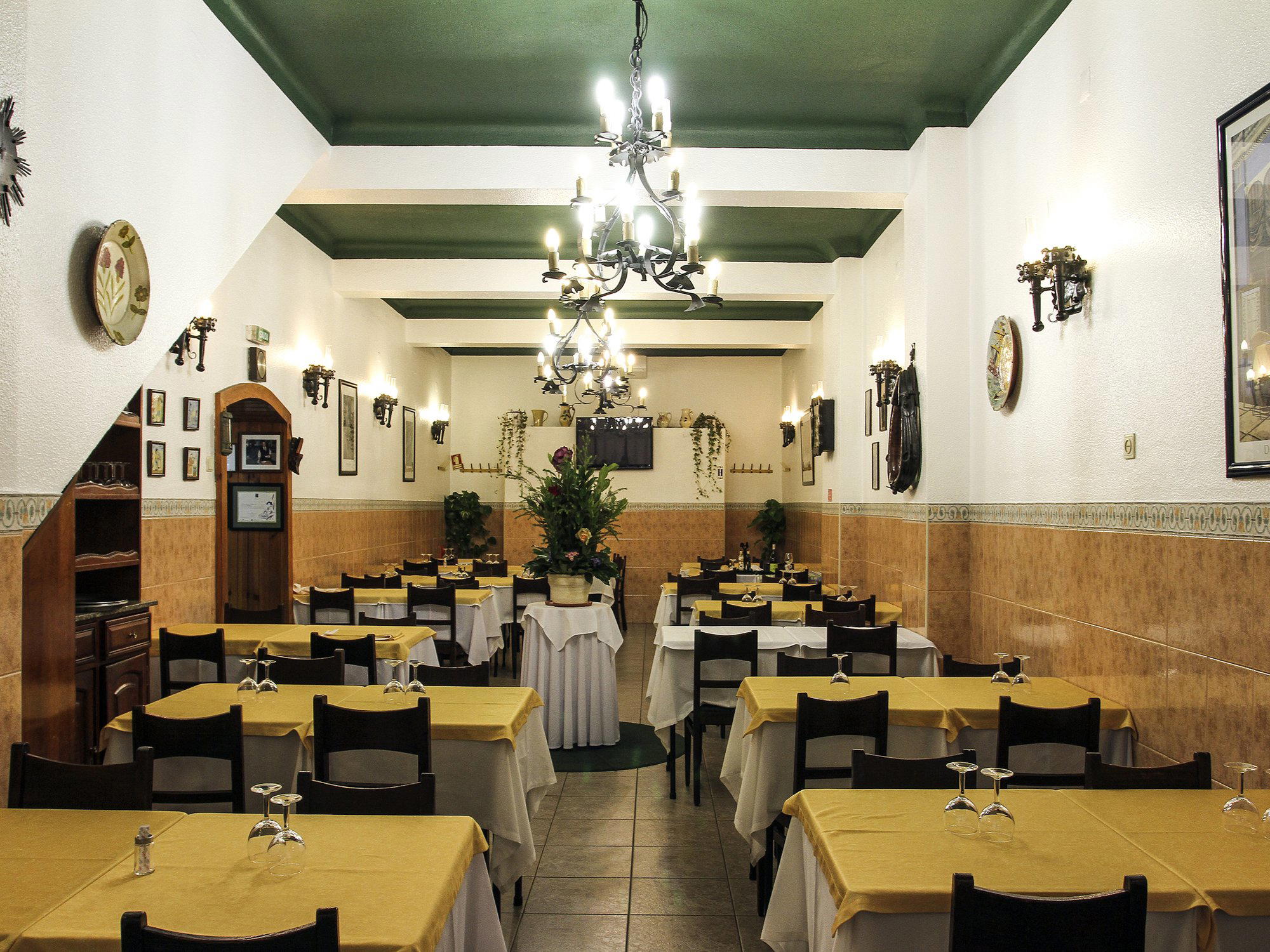
Where the Street Meets the Table
Rua do Bonjardim runs through one of Porto's denser residential and commercial corridors, a street that has resisted the full tourist overlay that reshaped parts of the Ribeira waterfront and Bonfim. Arriving at number 614, the environment reads as emphatically local: the façade signals nothing beyond its own function. In a city where tasting menus at addresses like Euskalduna Studio and Antiqvvm now command serious international attention, the tavern register occupies a different tier.
Portuguese urban dining has historically divided along a clear axis: the casa de pasto or tasca format, which emphasises ingredient honesty and portion generosity over presentation theatre, versus the contemporary tasting counter, which borrows from French and Nordic precedent. Antunes sits on the traditional side of that axis, in a part of Porto where the daily lunch crowd still functions as the primary audience and the cooking is measured against the standards of the neighbourhood rather than the international press.
The Tradition Behind the Address
Understanding Antunes requires some context about how Porto's older restaurant culture operates. The city's tavern tradition draws from a broader northern Portuguese larder: salt cod in its many configurations, tripas à moda do Porto (the tripe dish that gave portuenses their long-standing nickname, tripeiros), slow-braised meats, and a strong reliance on the agricultural produce of the Douro and Minho valleys. These dishes predate the contemporary fine-dining movement by several generations, and the kitchens that produce them are judged by regulars on consistency and generosity rather than innovation.
This is a different competitive set than the one occupied by Blind or Le Monument, and evaluating Antunes against tasting-menu benchmarks misses the point. The relevant comparison is the broader cohort of long-standing Porto tascas, where longevity and neighbourhood trust function as the primary credentials. In that context, an address that has maintained a local following carries its own form of validation.
Local Ingredients, Considered Execution
Porto's traditional dining register is defined by its relationship with local product. Across Portugal's fine-dining tier, from Belcanto in Lisbon to Casa de Chá da Boa Nova in Leça da Palmeira, the prevailing tendency has been to take indigenous Portuguese product and reframe it through French classical or contemporary Scandinavian technique. The result is a style that reads internationally but roots itself in Alentejo pork, Atlantic fish, and Minho vegetables.
The traditional tasca format works from the same larder but applies a different logic: technique is subordinate to product, and the goal is repetition of a dish to the point of mastery rather than seasonal reinvention. This approach has produced some of Portugal's most durable food culture, the kind that Vila Joya and Ocean in the Algarve and The Yeatman across the river in Vila Nova de Gaia all reference, even as they operate in an entirely different price bracket.
In this sense, a tavern like Antunes operates as something closer to a primary source than a restaurant in the contemporary sense: it preserves and transmits a way of cooking that the fine-dining tier interprets and abstracts. The salt cod and braised meat traditions that appear as deconstructed elements in tasting menus at addresses like Vila Foz are served here in their original, unmediated form.
Porto in a Wider Frame
Portugal's fine-dining map has expanded steadily over the past decade. Restaurants like Il Gallo d'Oro in Funchal, Fortaleza do Guincho in Cascais, Gusto by Heinz Beck in Almancil, and Ó Balcão in Santarém demonstrate the geographic spread of Portugal's fine-dining ambition. In Porto specifically, the presence of starred addresses has made the city a destination on European food circuits that previously focused on Lisbon or San Sebastián.
That visibility has also sharpened the contrast between Porto's contemporary restaurant tier and its traditional one. The former draws international press and reservation lists that extend weeks or months out; the latter absorbs the working population of the city on a daily basis and rarely appears in travel coverage. For a visitor whose reference points are Le Bernardin in New York City or Lazy Bear in San Francisco, a Porto tasca represents a genuine shift in register, one that demands a different set of expectations and rewards them differently.
The price difference between a traditional Porto lunch and a full tasting-menu dinner is considerable. Where the contemporary fine-dining addresses in the city operate at the €€€€ tier alongside Euskalduna Studio, Antiqvvm, and Pedro Lemos, the tavern format typically delivers a full meal at a fraction of that cost, often including wine. This makes the traditional register accessible to a broader audience and functions as a practical entry point into Porto's food culture for visitors who want substance without ceremony. See our full Porto restaurants guide for a broader mapping of the city's dining tiers.
Planning Your Visit
Rua do Bonjardim 614 is within walking distance of the Bolhão metro station and the central Aliados corridor, which makes it easy to reach on foot from most of Porto's main accommodation areas. The neighbourhood operates on a distinctly local rhythm: the midday service is the primary event, drawing office workers and residents rather than tourists, and the pace reflects that. Arriving at lunch rather than dinner, if the house keeps evening hours, will give you one authentic read of what the kitchen prioritises.
For visitors building a wider Porto itinerary, Antunes pairs naturally with a broader exploration of the city's mid-price and traditional dining options before stepping up to the contemporary fine-dining tier at addresses tracked in our full Porto guide.
Peers in This Market
Comparable venues nearby, for context on price, style, and recognition.
| Venue | Cuisine | Price | Notes |
|---|---|---|---|
| AntunesThis venue — the venue you are viewing | Traditional Portuguese | $$ | Not listed |
| A Regaleira | Traditional Portuguese - Home of Original Francesinha | $$ | Santo Ildefonso |
| bbgourmet Boavista | Modern Portuguese | $$ | Lordelo do Ouro |
| Cachorrinho Gazela | Portuguese Cachorrinho Hot Dogs | $ | Sé |
| Café Santiago | Traditional Portuguese Café - Francesinha Specialist | $ | Santo Ildefonso |
| Taberna Santo António | Traditional Portuguese Taberna | $ | Miragaia |
Continue exploring
More in Porto
Restaurants in Porto
Browse all →
Bars in Porto
Browse all →
Hotels in Porto
Browse all →
At a Glance
- Classic
- Cozy
- Rustic
- Family
- Group Dining
- Casual Hangout
- Historic Building
Current opening hours
- Monday
- 12–3 PM, 7–10 PM
- Tuesday
- 12–3 PM, 7–10 PM
- Wednesday
- 12–3 PM, 7–10 PM
- Thursday
- 12–3 PM, 7–10 PM
- Friday
- 12–3 PM, 7–10 PM
- Saturday
- 12–3 PM, 7–10 PM
- Sunday
- Closed
Hours can change for holidays and private events. Last verified .