Acropolis Greek Taverna - South Tampa
On West Kennedy Boulevard in South Tampa, Acropolis Greek Taverna situates traditional Greek cooking inside a city better known for Cuban sandwiches and Gulf seafood. The taverna format, built around communal mezze and charcoal-grilled proteins, offers a different tempo from Tampa's more formal dining rooms, placing it in a small comparable set of independent ethnic restaurants with genuine culinary lineage.
Pearl is the En Primeur Club membership app — saves, bookings, and concierge access live there. Same editors, same standards.
- Address
- 3023 W Kennedy Blvd, Tampa, FL 33609
- Phone
- +18138778200
- Website
- acropolistaverna.com
- Directions
- Get directions
 Saves & bookings on Pearl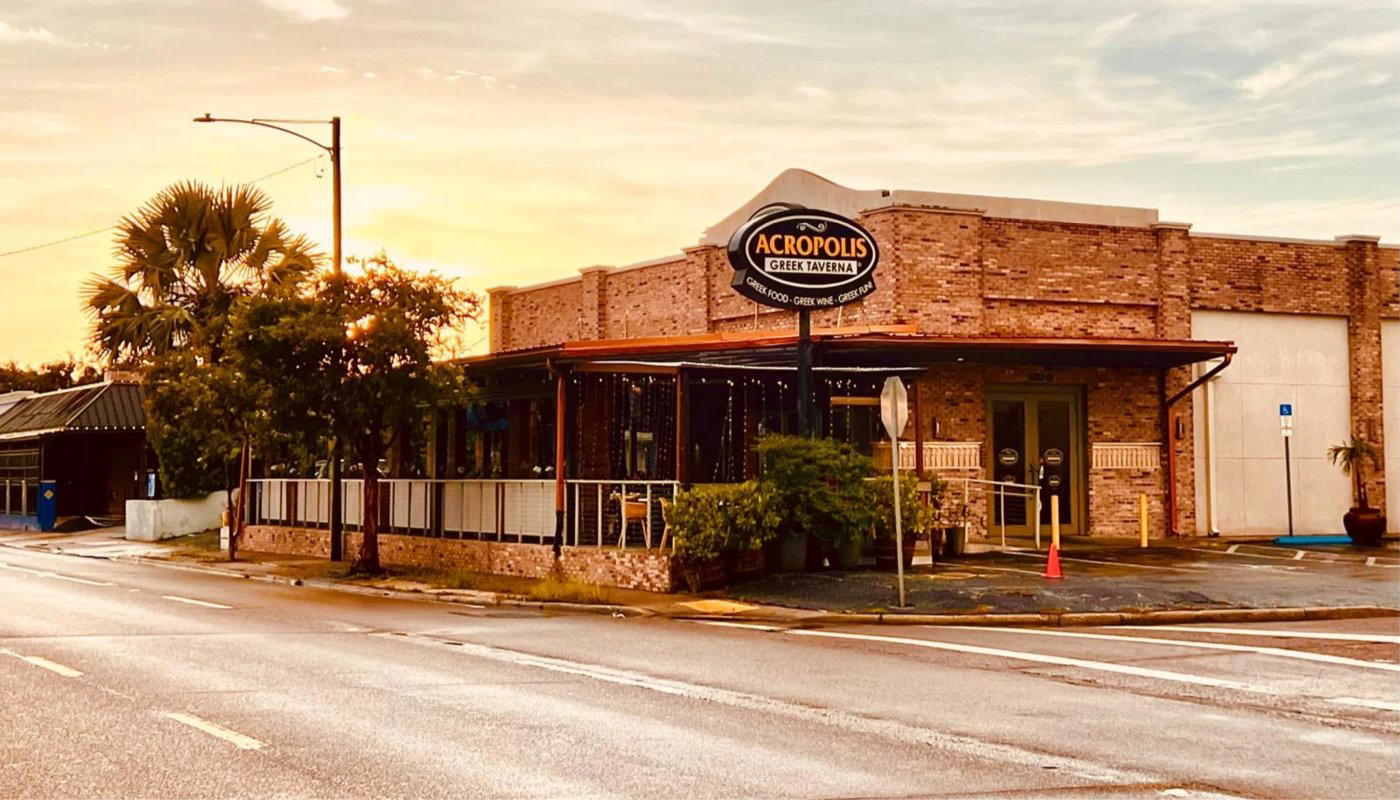
Greek Taverna Culture in a Gulf Coast City
Tampa's dining identity has long been anchored by Cuban and Spanish traditions rooted in Ybor City, and a Gulf Coast seafood supply chain that shapes menus across the city's price tiers. Against that backdrop, the Greek taverna format occupies a specific and undercrowded position. The taverna model, as it functions in Greece, operates around shared plates, extended table time, and a kitchen that treats fire as a primary technique rather than a finishing one. Acropolis Greek Taverna on West Kennedy Boulevard in South Tampa works within that tradition, bringing the communal structure of Mediterranean dining to a corridor more associated with casual American and Latin fare.
South Tampa's Kennedy Boulevard carries a mix of independent restaurants and neighborhood staples that operate at a different register from the higher-end rooms near Hyde Park and Channelside. For Tampa diners comparing across price tiers, Lilac offers Mediterranean cuisine at the $$$$ bracket, while the taverna model at Acropolis functions as an accessible entry point into the same culinary tradition, one where the food does the signaling rather than the room. Our full Tampa restaurants guide maps how the city's dining scene distributes across neighborhoods and cuisine categories.
The Mezze Table and Its Logic
Greek taverna dining is structured differently from tasting-menu formats or à la carte Italian service, and that structural difference matters for how to read the experience. The mezze tradition, descended from Ottoman and eastern Mediterranean sharing culture, is designed for lateral abundance: many small portions arriving across the table rather than a sequential vertical progression of courses. This format rewards groups and punishes solo diners who want to cover ground. In cities where the tasting-menu format has become the dominant premium idiom, as it has in rooms like Ebbe or at the level of The French Laundry in Napa, the mezze table represents a different theory of hospitality, one where generosity is expressed through quantity and variety rather than technique and narrative.
Charcoal-grilled proteins are the structural backbone of taverna cooking, and the technique itself carries editorial weight. Open-fire cooking over charcoal produces a specific Maillard response and smoke integration that gas or flat-leading cooking cannot replicate. Greek and Levantine kitchens have maintained this approach not out of nostalgia but because the flavor output is genuinely distinct. In an era when fine-dining kitchens from Smyth in Chicago to Blue Hill at Stone Barns in Tarrytown have invested heavily in live-fire programs, the taverna tradition holds a quiet credibility: it never abandoned the technique in the first place.
Imported Methods, Local Context
The editorial angle that applies to Greek taverna cooking in an American Gulf Coast city is the relationship between inherited culinary method and local product availability. Florida's agricultural profile is genuinely distinctive: winter vegetables from central Florida fields, Gulf-sourced seafood with different species profiles than the Aegean, and a citrus supply chain that has shaped regional cooking for over a century. The question any kitchen working in an imported tradition has to answer is how far it adheres to heritage method and how far it adapts to available product.
That tension is not distinctive to Tampa. It plays out at different scales across American dining, from high-commitment exercises in terroir like Single Thread Farm in Healdsburg or Providence in Los Angeles, where sourcing is the primary editorial statement, down to neighborhood ethnic restaurants where the inherited recipe is the primary loyalty. Greek taverna cooking in the American context typically lands closer to the heritage-adherence end of that spectrum, with olive oil, dried oregano, feta, and lamb sourced or approximated to match the original flavor profile rather than substituted with local equivalents. Where Florida product does enter the equation, it tends to be through the seafood channel, where Gulf species such as grouper or snapper can substitute credibly for Mediterranean white fish in preparations like plaki or grilled whole fish.
How Acropolis Sits in Tampa's Dining Map
Tampa's higher-end dining rooms cluster around specific neighborhoods and tend toward steakhouse, Japanese, and contemporary American formats. Koya and Kōsen represent the Japanese end of the premium tier; Rocca covers Italian at a moderate price point. The Greek taverna format occupies a different competitive set from all of these, one defined less by price tier than by cuisine tradition and dining format. It competes laterally with other independent ethnic restaurants rather than vertically with Michelin-aspiring rooms.
That positioning is not a limitation. Particularly instructive dining in any American city happens in the mid-tier ethnic restaurant category, where culinary traditions arrive with less translation and less accommodation to mainstream American dining expectations. The taverna format carries a specific kind of culinary authority, one that connects to a cooking tradition extending back centuries before the tasting-menu era began.
Planning Your Visit
Acropolis Greek Taverna sits at 3023 West Kennedy Boulevard in South Tampa, a commercial stretch with street parking and neighborhood foot traffic. The taverna format works well with a group of three or more, as the mezze structure rewards multiple orders and table-sharing. Tampa's restaurant scene has grown competitive enough that popular independent spots on Kennedy Boulevard can fill on weekend evenings without formal reservations, so arriving with timing flexibility or calling ahead is advisable. For diners building a Tampa itinerary that spans cuisine traditions, pairing a taverna dinner with a visit to one of the city's contemporary rooms gives a useful cross-section of how the city's dining culture operates across registers.
Peers in This Market
Comparable venues nearby, for context on price, style, and recognition.
| Venue | Cuisine | Price | Notes |
|---|---|---|---|
| Acropolis Greek Taverna - South TampaThis venue — the venue you are viewing | Greek Taverna | $$ | Not listed |
| The Spaniard | Modern Latin with Spanish influences | $$ | Urban Centre |
| Watervue Grille | Fresh Florida Seafood | $$ | Garrison Channel District |
| Bayshore Mediterranean Grill | Authentic Turkish Grill | $$ | South Tampa |
| Bernini of Ybor | Innovative Italian Cuisine | $$ | Ybor City |
| Acropolis Greek Taverna - Tampa | Modern Greek Taverna | $$ | Ybor City |
At a Glance
- Lively
- Energetic
- Rustic
- Group Dining
- Celebration
- Late Night
- Live Music
- Private Dining
- Craft Cocktails
Current opening hours
- Monday
- 11 AM–11 PM
- Tuesday
- 11 AM–11 PM
- Wednesday
- 11 AM–11 PM
- Thursday
- 11 AM–11 PM
- Friday
- 11 AM–1 AM
- Saturday
- 11 AM–2 AM
- Sunday
- 11 AM–11 PM
Hours can change for holidays and private events. Last verified .
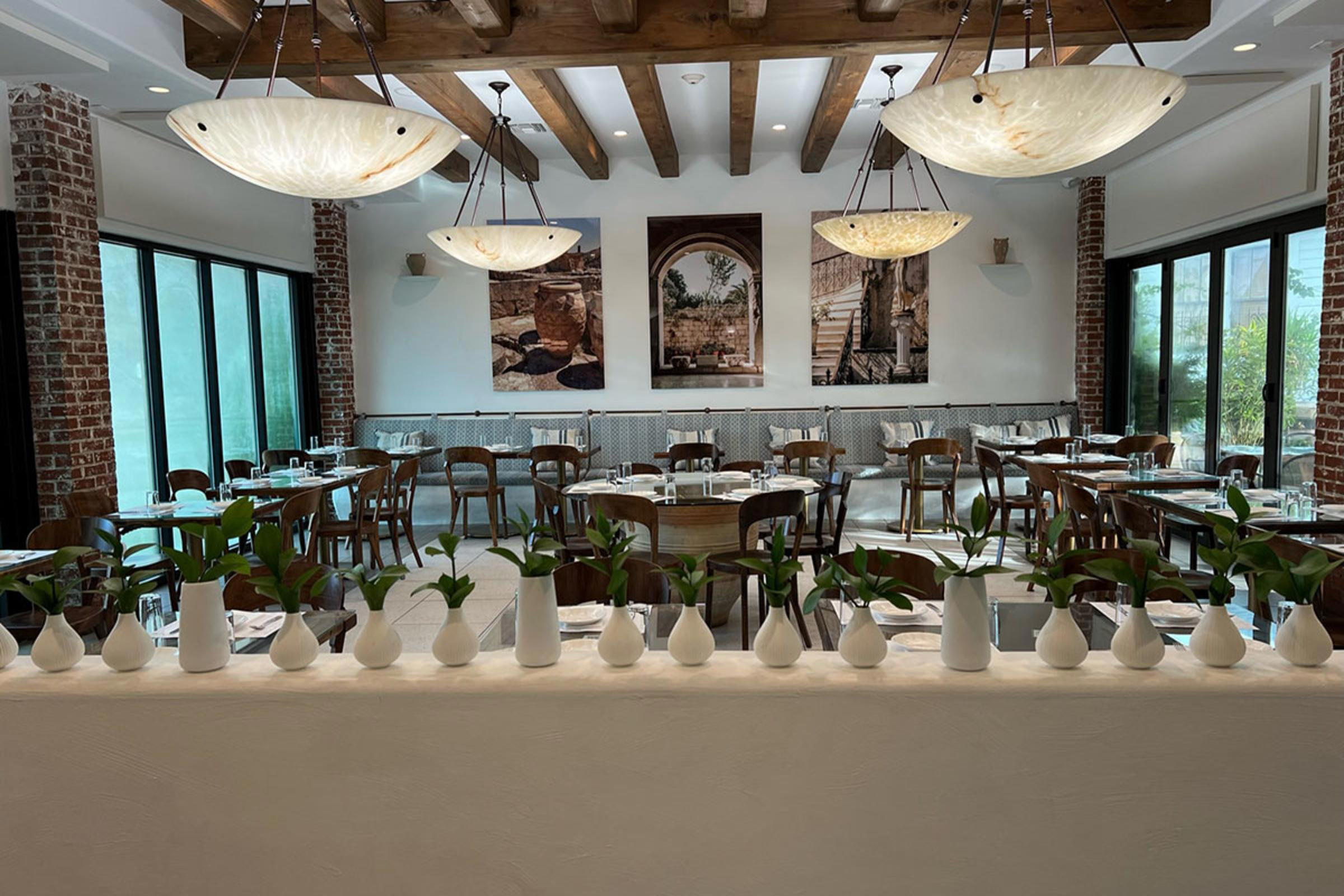
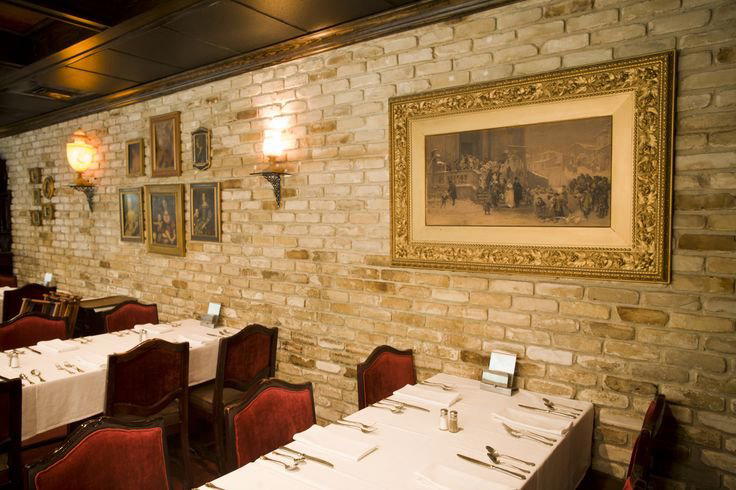
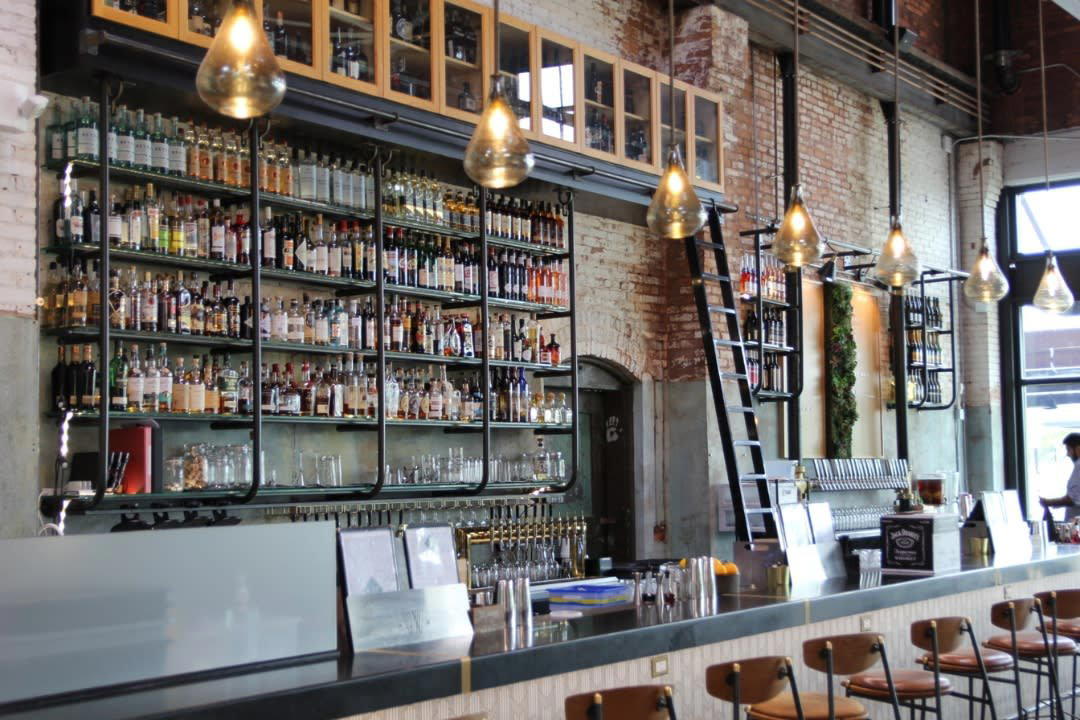
Lively and festive atmosphere with entertainment and lively energy.