The Spaniard
The Spaniard operates from within Hotel Alba on West Kennedy Boulevard, positioning itself inside Tampa's growing tier of hotel-anchored dining rooms that compete on ingredient sourcing and culinary seriousness rather than resort volume. Its Spanish-inflected name signals a distinct identity within a Tampa restaurant scene where Mediterranean and contemporary formats are driving particularly interesting conversations right now.
Pearl is the En Primeur Club membership app — saves, bookings, and concierge access live there. Same editors, same standards.
- Address
- Located Inside of Hotel Alba, 5303 W Kennedy Blvd, Tampa, FL 33609
- Phone
- +18134051153
- Website
- spaniardtampa.com
- Directions
- Get directions
 Saves & bookings on Pearl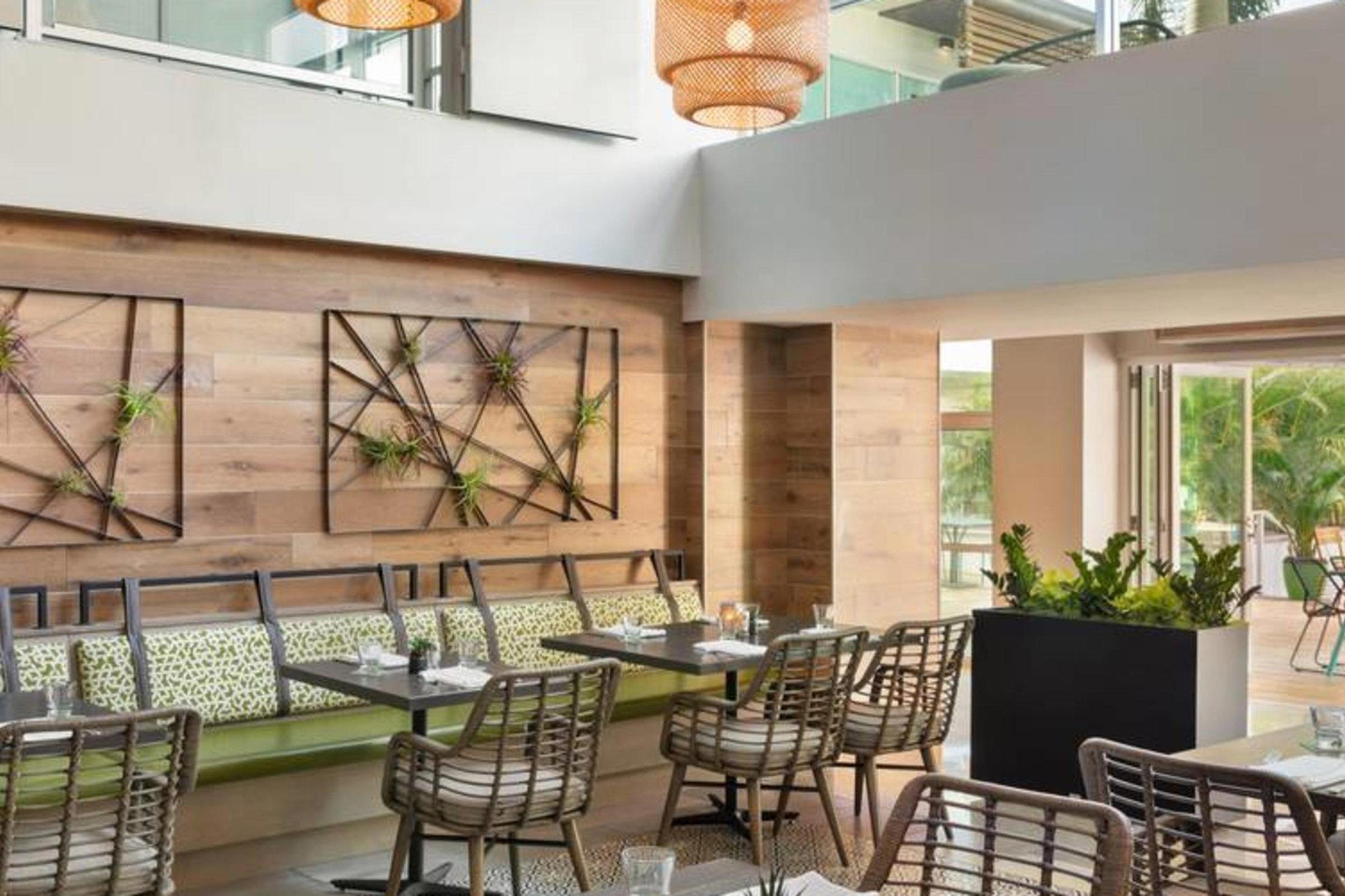
A Hotel Dining Room That Earns Its Own Reservation
West Kennedy Boulevard is not where Tampa's dining scene tends to announce itself. The corridor runs through the commercial mid-section of the city, between the design-forward energy of Hyde Park to the south and the denser restaurant cluster of Midtown to the north. But Hotel Alba, a boutique property that arrived with clear design ambitions, brought The Spaniard with it, and the restaurant has positioned itself as something the hotel-dining format in this city has historically struggled to produce: a room worth visiting on its own terms, not merely because you happen to be staying upstairs.
The Spaniard is a restaurant in Tampa serving modern Latin with Spanish influences. Spanish-inflected dining in Florida exists in a specific tradition, one rooted in the Cuban and Spanish immigrant communities that shaped Ybor City a short drive east, where the kind of institutional memory that defines places like Emeril's in New Orleans took a different, more politically tangled form. The Spaniard does not trade in nostalgia for that Ybor canon. It occupies a different register: a contemporary hotel dining room that uses the Spanish culinary reference as a tonal anchor rather than a historical recreation.
Where the Food Comes From, and Why That Question Matters Here
Florida's food-sourcing conversation has matured considerably over the past decade. The state's agricultural output, from Gulf seafood to citrus-belt produce to Panhandle farms, has given chefs in Tampa and beyond a more credible localist argument than the region's mid-tier restaurant culture once allowed. The city’s serious rooms have raised the baseline expectation for ingredient sourcing.
The restaurant operates in this context. A Spanish-leaning kitchen in Florida has access to a genuinely useful overlap: Gulf seafood translates naturally into the Iberian pantry's reliance on shellfish, cured fish, and oceanic depth. The question is whether that overlap is handled with discipline or treated as a loose aesthetic. The restaurants that have built lasting credibility in this city, from the direct steakhouse tradition of Bern's to the more recent Mediterranean-influenced formats at Lilac and Rocca, have earned that credibility by making specific, verifiable choices about where their product comes from and how it arrives at the table.
Sourcing-forward hotel restaurants have become a credible category. The restaurant is working in a different scale and market, but the logic applies downward: guests at hotel dining rooms in 2024 are more likely than ever to ask where the fish came from before they order it.
Tampa's Hotel Dining Tier, Placed in Context
Hotel-anchored restaurants in Tampa have historically occupied a supporting role, reliable for guests, rarely destination-worthy for locals. That pattern has been shifting. The rooms that have managed to cross over did so through a specific culinary identity or outside credibility. Koya and Kōsen represent Tampa's Japanese dining tier, which has developed its own competitive logic largely independent of the hotel format. The contemporary bracket, where Ebbe operates with the consistent critical acknowledgment, sets the benchmark for what a non-hotel room at the summit of the local market looks like.
The restaurant's positioning inside Hotel Alba gives it both a structural advantage and a reputational challenge. The advantage is physical: a designed room with a built-in guest base and the operational support of a hospitality property that has clearly invested in the dining component as a differentiator, not an afterthought. The challenge is the same one facing hotel dining rooms from Addison in San Diego to Atomix in New York City, the need to attract a local reservation base that could equally choose a standalone room with no hotel-stay association. The rooms that manage it do so through culinary specificity and consistent execution.
For Tampa specifically, the West Kennedy location places the restaurant in a slightly removed position from the highest-density dining corridors, which cuts both ways. It reduces the ambient foot traffic that benefits places in Channelside or Hyde Park, but it also means the guests who do make the drive are arriving with intent rather than impulse. That self-selecting reservation dynamic tends to produce a more focused dining room atmosphere.
Where It Fits in the Broader Florida and National Conversation
Florida's fine-dining conversation has grown more sophisticated at exactly the moment when the state's demographic and economic profile has attracted serious restaurant operators from outside the market. Miami remains the gravitational center, but Tampa has developed a secondary tier with genuine ambition. The presence of rooms like Ebbe and Lilac signals that the city can support restaurants operating at a price point and seriousness level that would have been harder to sustain here a decade ago.
Spanish cuisine in the American context has its own evolving arc. The Basque-influenced format that drove high-end Spanish dining in cities like New York and San Francisco for much of the 2010s has given way to a broader Iberian reference, one that includes the wood-fired traditions of Castile, the seafood-forward approach of Galicia, and the more restrained, ingredient-led cooking that connects Spanish and California traditions more naturally than the tapas-and-jamón shorthand once suggested. Where the restaurant positions itself within that spectrum matters more than the name above the door. Rooms referencing the Spanish pantry at the quality tier, from Le Bernardin's French-seafood precision to Providence's California-oceanic sourcing discipline, demonstrate that culinary identity derived from a national tradition only holds up when the sourcing and execution are specific enough to justify the reference. The same logic applies here, inside a Tampa hotel dining room that has chosen a name with real culinary history behind it.
The Essentials
Comparable venues nearby, for context on price, style, and recognition.
| Venue | Cuisine | Price | Notes |
|---|---|---|---|
| The SpaniardThis venue — the venue you are viewing | Not listed | $$ | Not listed |
| Satkar Indian Cuisine | Greater Northdale, Modern Indian Cuisine | $$ | Not listed |
| Chanta | Not listed | $$ | River Arts District, Authentic Eastern European |
| Bayshore Mediterranean Grill | South Tampa, Authentic Turkish Grill | $$ | Not listed |
| wagamama, water st, tampa | Not listed | $$ | Gilchrist's A W Oak Grove, Modern Asian Fusion Ramen |
| Splitsville Tiki + Social | Not listed | $$ | Gilchrist's A W Oak Grove, Pan-Asian Tiki Fusion |
At a Glance
- Lively
- Trendy
- Modern
- Brunch
- Business Dinner
- Hotel Restaurant
- Open Kitchen
- Terrace
- Local Sourcing
Current opening hours
- Monday
- 6:30 AM–10 PM
- Tuesday
- 6:30–10 AM, 5–10 PM
- Wednesday
- 6:30 AM–10 PM
- Thursday
- 6:30 AM–10 PM
- Friday
- 6:30 AM–9 PM
- Saturday
- 6:30 AM–10 PM
- Sunday
- 6:30 AM–10 PM
Hours can change for holidays and private events. Last verified .
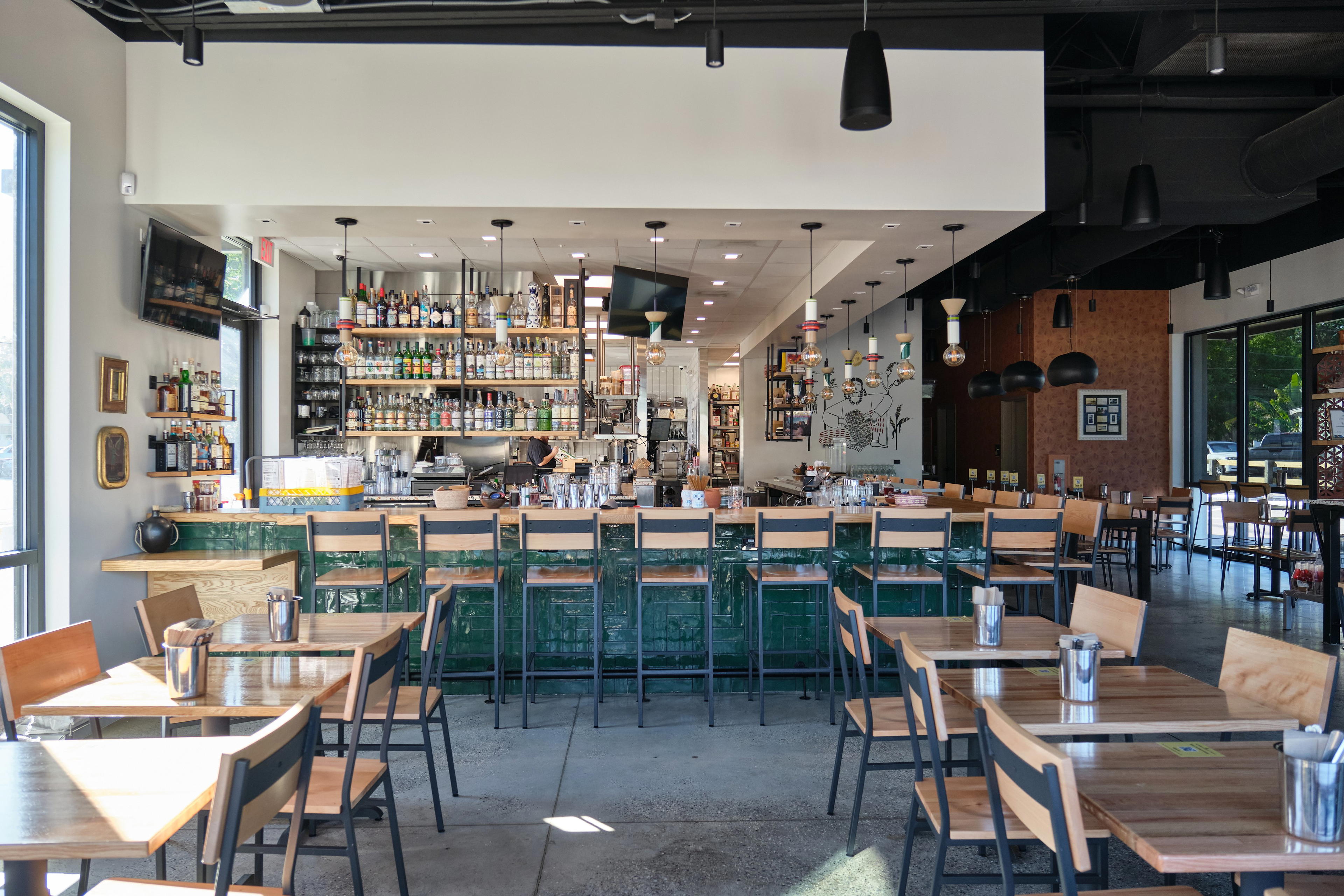
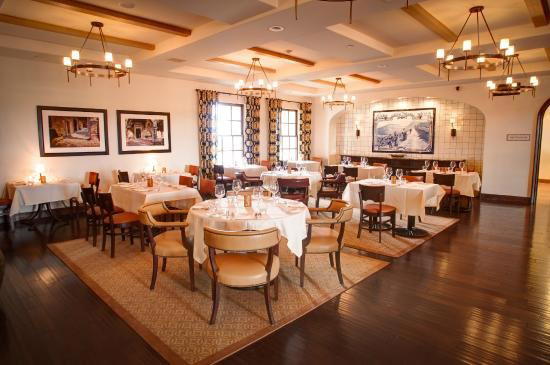
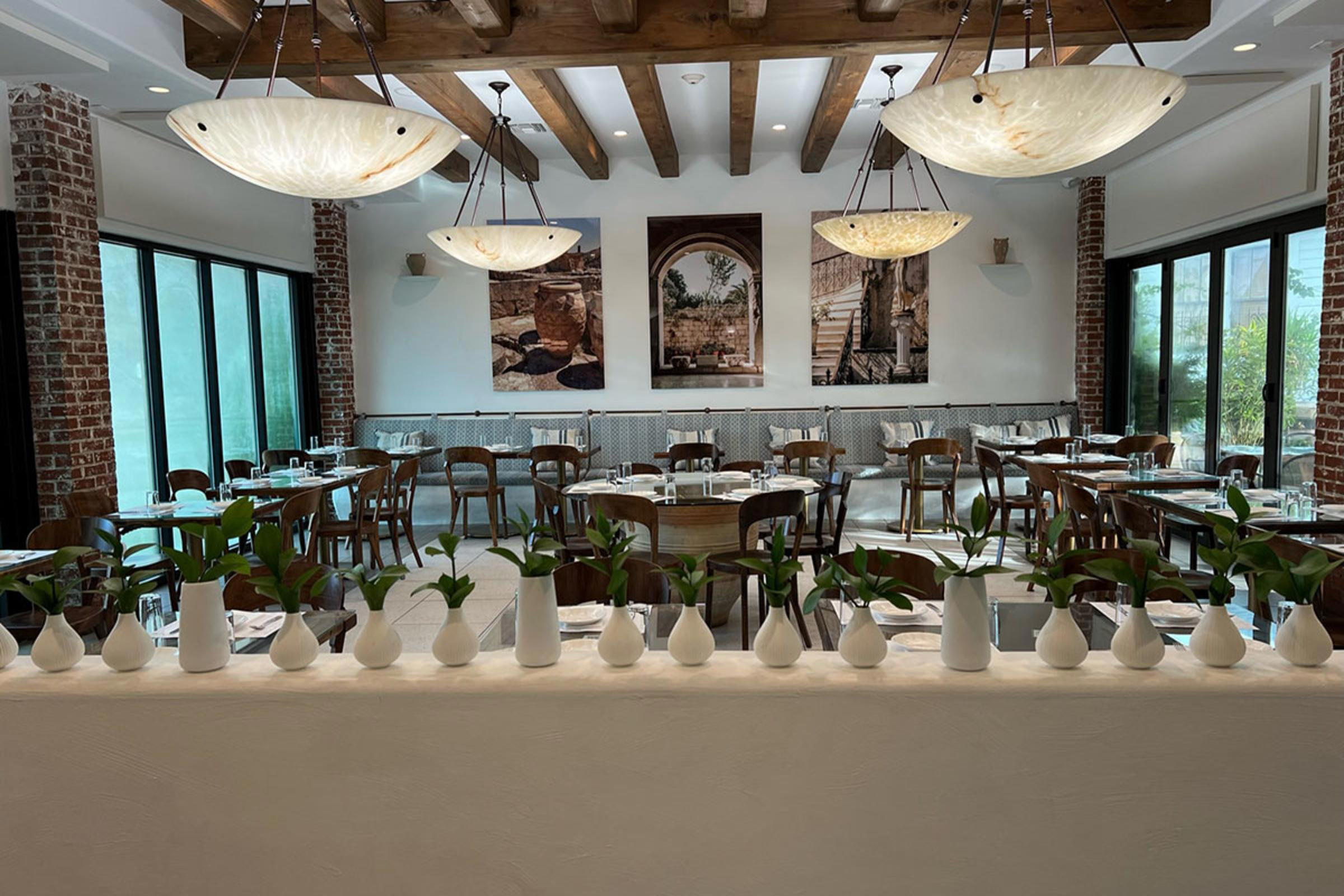
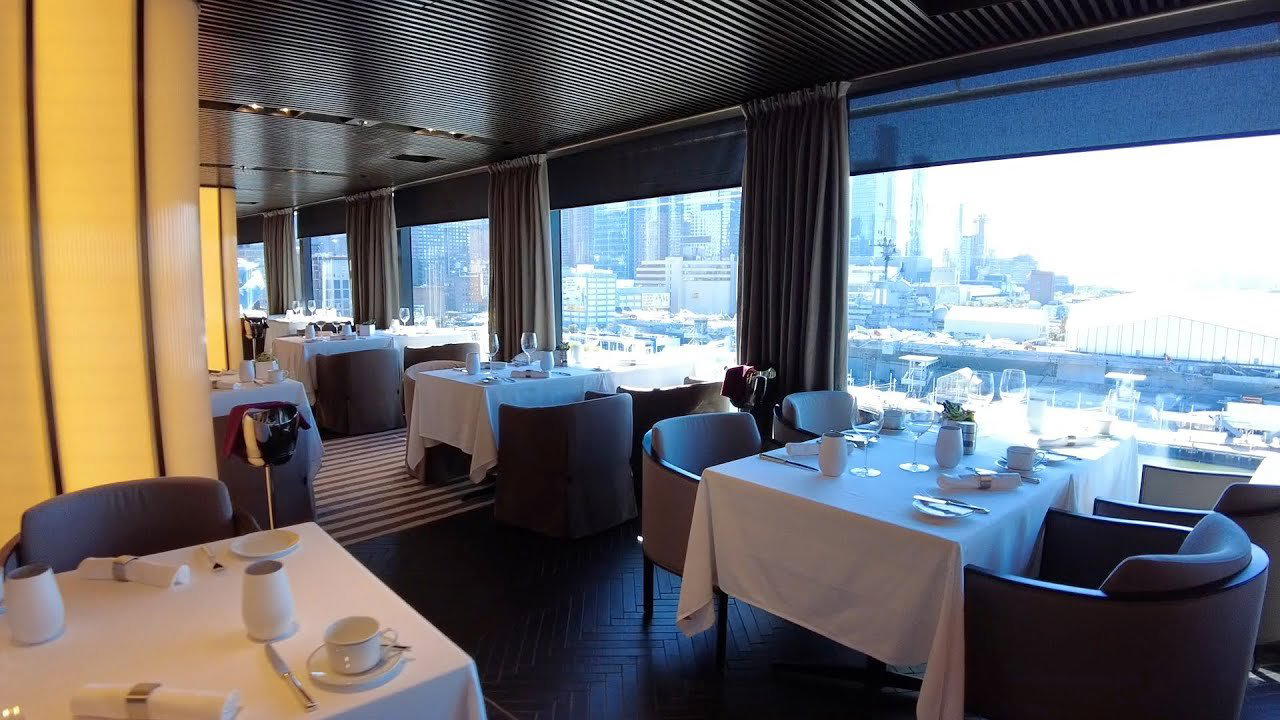
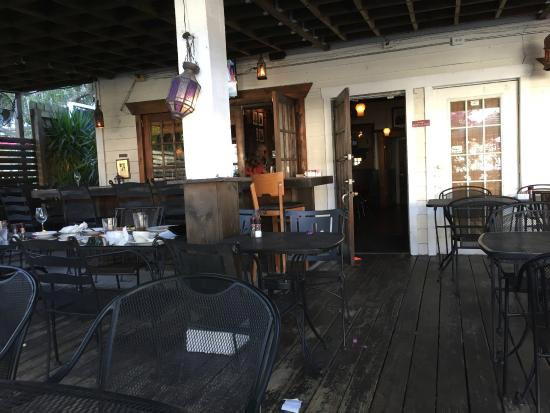
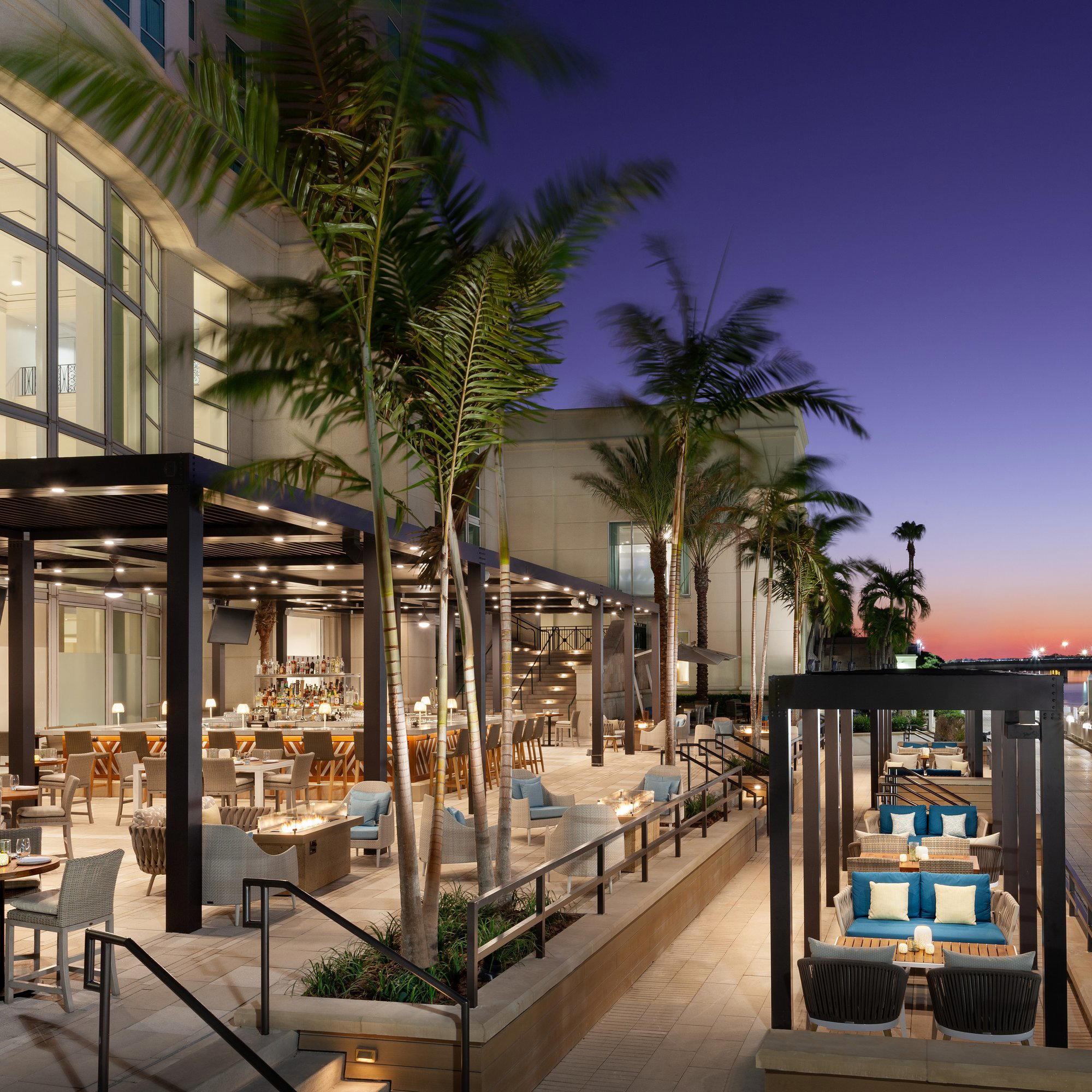
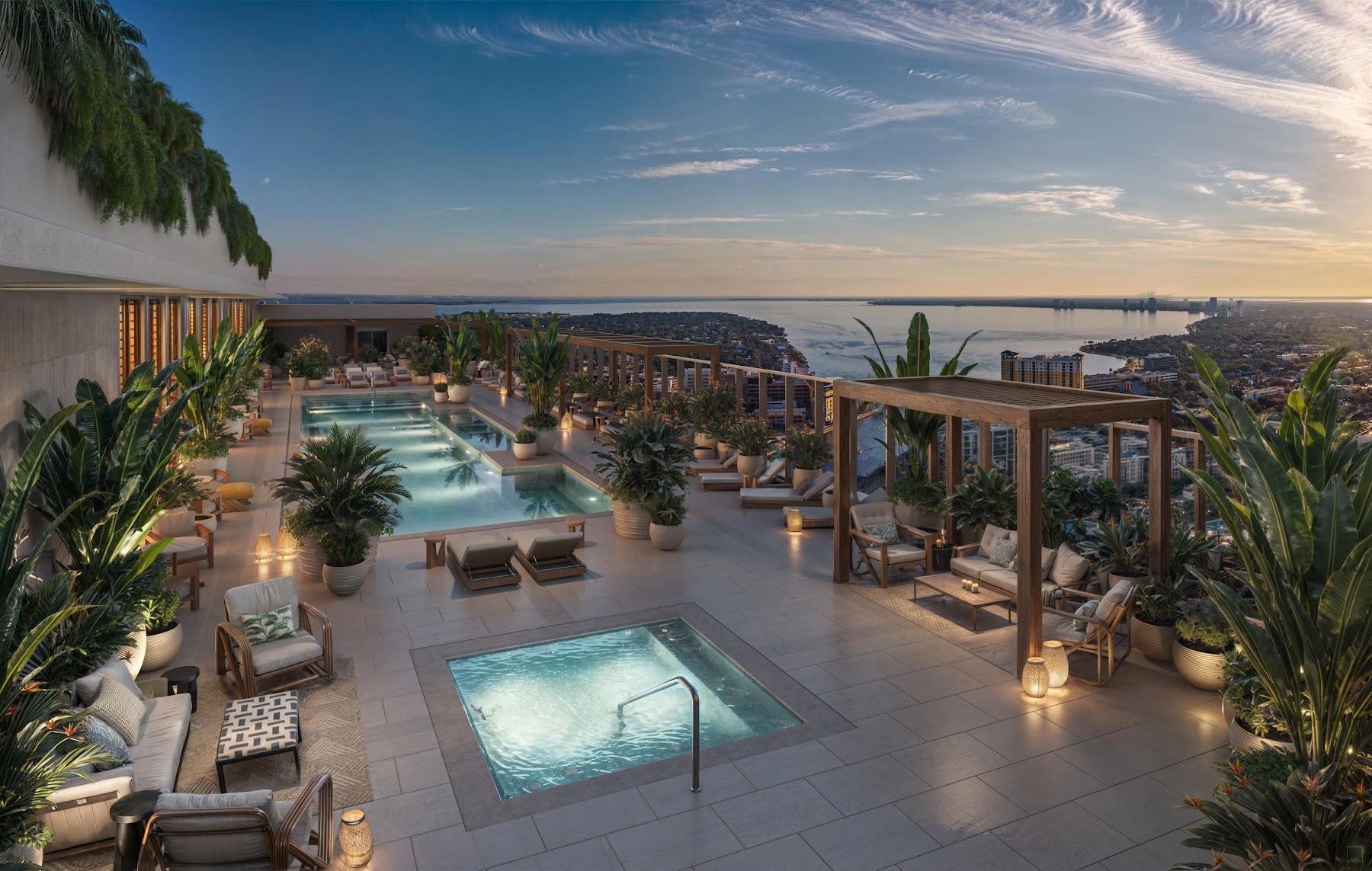
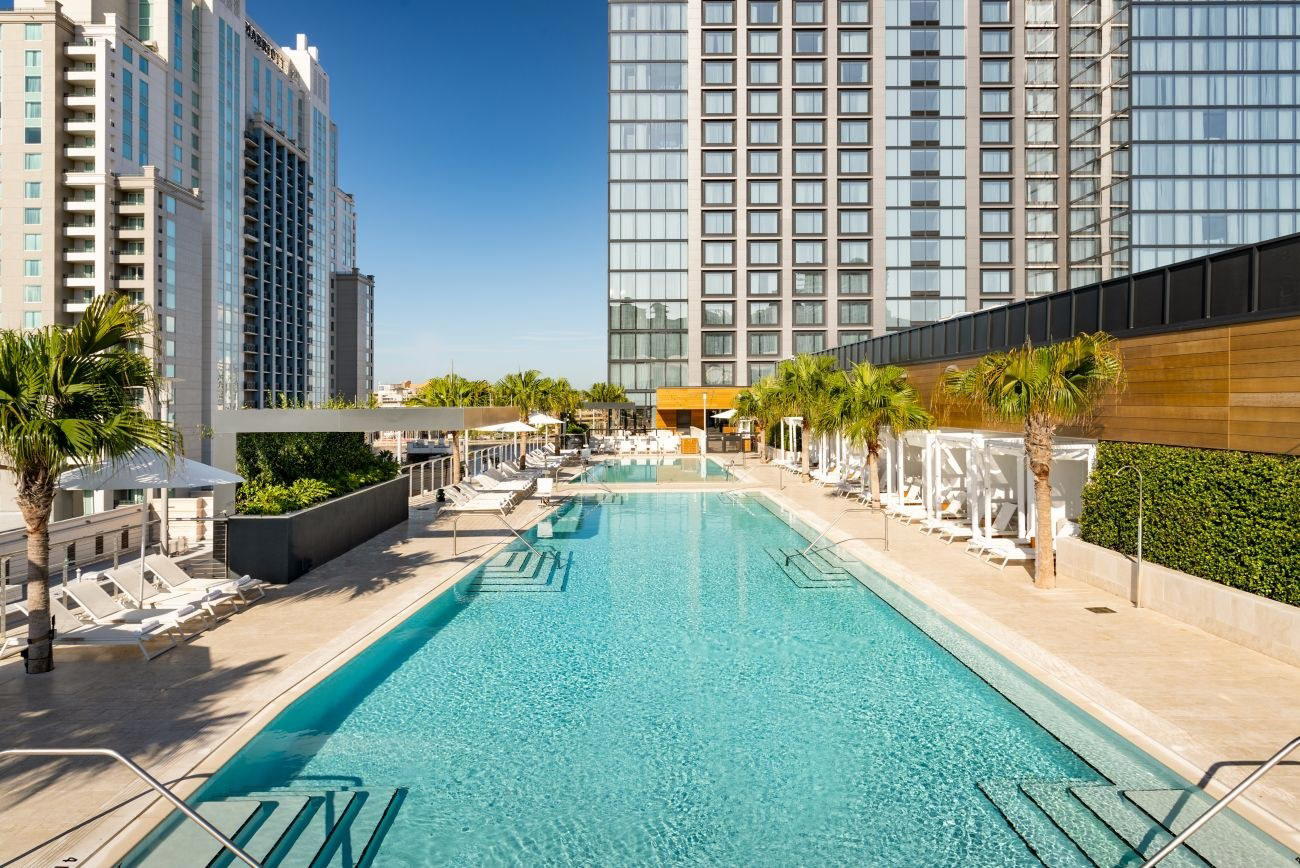
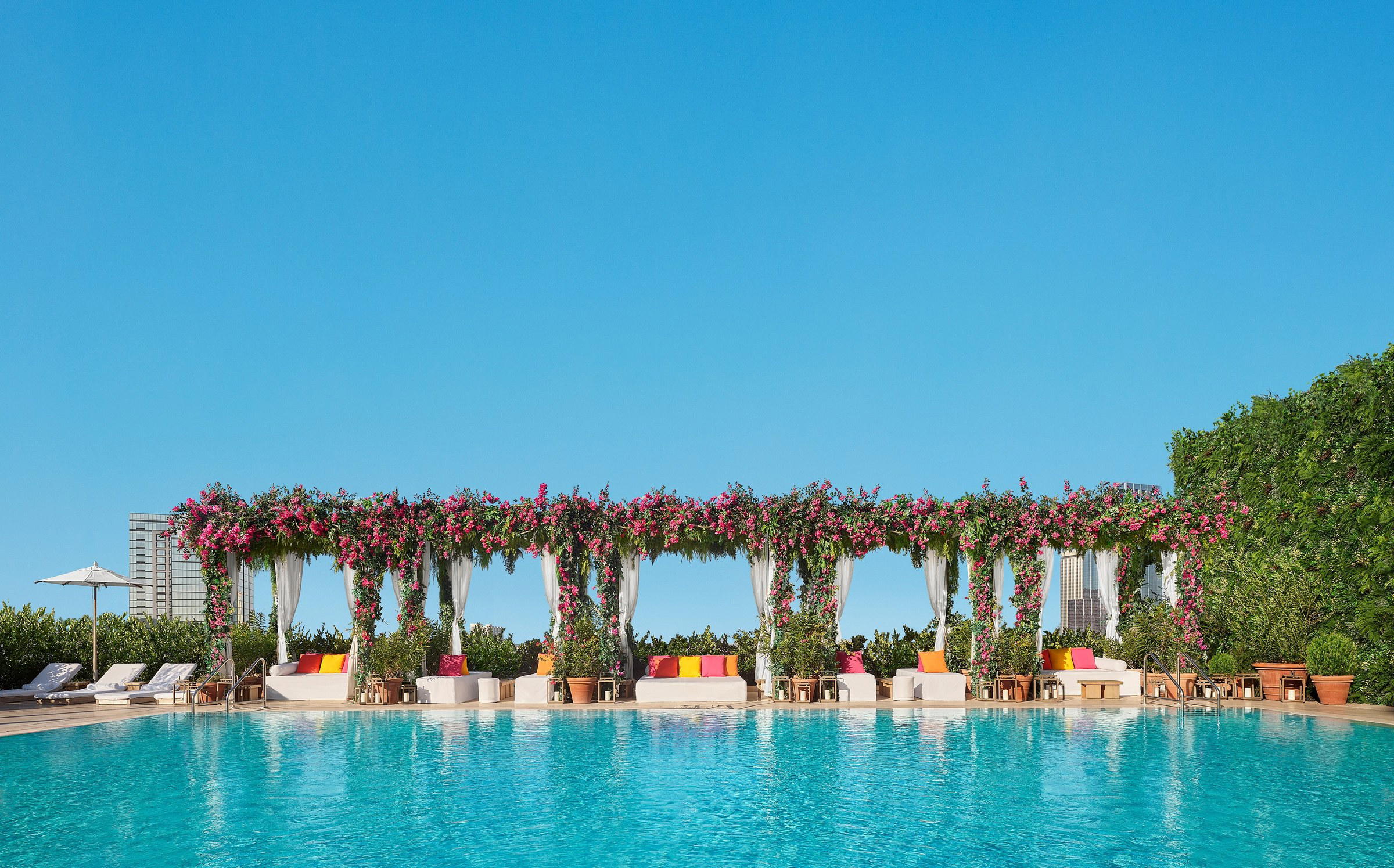
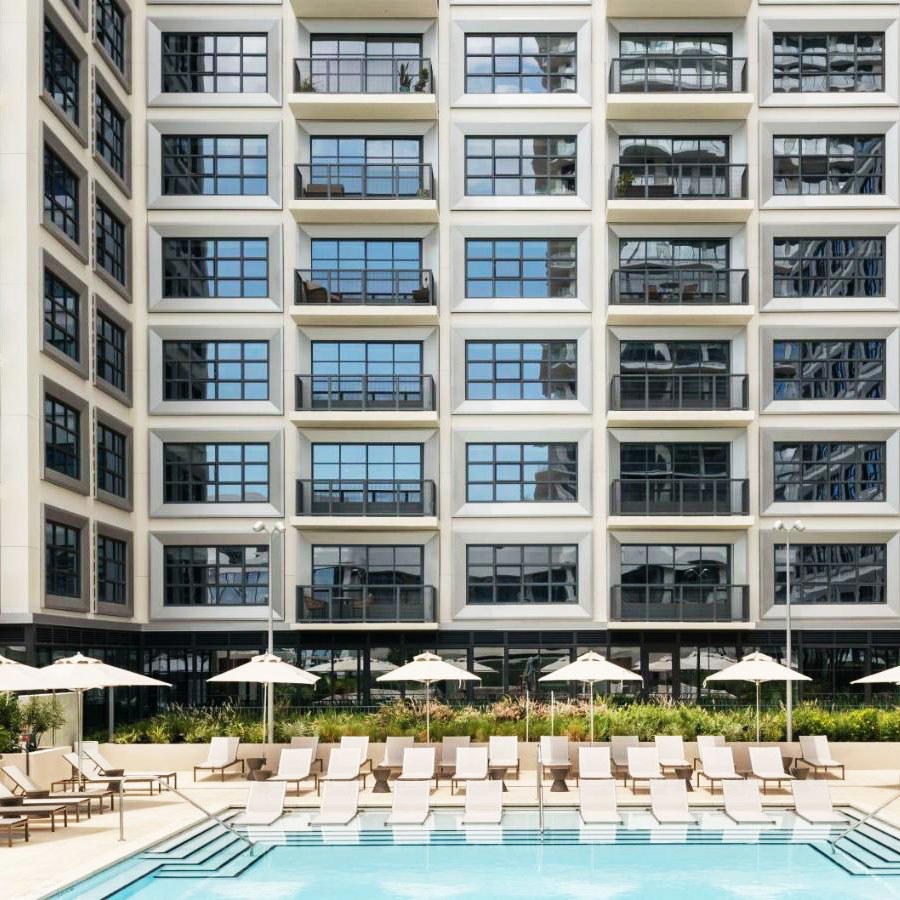
Sleek dining spaces with lively, lively atmosphere and open-air dining.