
Michelin Bib Gourmand
Our verdict
L'Olivier at 2 Rue St Grégoire in Munster holds back-to-back Michelin Bib Gourmand recognition for 2024 and 2025, placing it among Alsace's most consistent value-led modern kitchens. Chef Jean-Paul Acker works within the €€ price tier, making this one of the more accessible entry points into serious contemporary cooking in the Vosges foothills.

Pearl is the En Primeur Club membership app, where members save venues, book tables and use the concierge.
The menu
What to order
- Foie gras maison au gewurztraminer
- Filet de pintade
- Tarte inversée aux quetsches
Munster's Bib Gourmand Anchor
Munster sits at the base of the Vosges massif, roughly where Alsatian valley life transitions into something more deliberately rural. The town is leading known outside France for its washed-rind cheese, but its dining scene has quietly developed a serious core. In that context, L'Olivier at 2 Rue St Grégoire operates as the address where regional produce and contemporary technique meet at a price point that few comparable kitchens in eastern France can match.
Where the Ingredients Come From, and Why That Shapes the Plate
The Alsace-Lorraine corridor has one of France's more coherent regional larders. The Vosges forests supply game and mushrooms; the Rhine plain below Munster produces some of the country's finest white asparagus each spring; and the valley farms maintain traditions of charcuterie and soft cheeses that predate any contemporary restaurant movement. A kitchen working in this geography has access to a supply chain that larger urban restaurants in Strasbourg or Colmar often have to work harder to replicate.
Chef Jean-Paul Acker's approach at L'Olivier sits within a broader pattern visible across France's mid-sized provincial towns: modern cuisine that draws directly from within a tight geographic radius, leaning on the Vosges' seasonal rhythm rather than importing prestige ingredients from outside the region. This sourcing logic is what separates the Bib Gourmand tier from bistro cooking that happens to be competently executed. The distinction matters here. Alsace's agricultural calendar runs from early-spring asparagus and river trout through summer soft fruits to autumn game and root vegetables, and a kitchen attuned to that sequence is structurally different from one that sources year-round from national wholesalers.
For context on how this regional-ingredient philosophy plays out at different price points and scales across France, the approach at Bras in Laguiole or Flocons de Sel in Megève shows what the same sourcing discipline looks like when it operates at three-star expenditure. L'Olivier occupies a different bracket entirely, but the underlying commitment to place-specific ingredients is the same organising principle.
The €€ Tier in a Michelin-Recognised Kitchen
France's Bib Gourmand category rewards exactly this combination: serious technique applied to regional produce at a price that doesn't require the kind of reservation planning associated with starred dining. L'Olivier's €€ positioning makes it one of the more accessible entries in Alsace's modern-cuisine circuit, which otherwise includes the starred heavyweights clustered around Colmar and along the Route des Vins. The back-to-back Bib recognition in 2024 and 2025 signals sustained rather than one-off consistency, which is what the designation is actually measuring.
For comparison, the top tier of French modern cuisine, where you find Alléno Paris au Pavillon Ledoyen, Mirazur in Menton, or Troisgros in Ouches, operates at €€€€ and commands international reservation queues. L'Olivier functions at the opposite end of that spectrum, where the value proposition is the point, and the Michelin endorsement is confirmation rather than marketing. The Auberge de l'Ill in Illhaeusern, roughly 40 kilometres east along the Fecht valley, represents the more formal, starred Alsatian tradition that L'Olivier sits beside but does not try to replicate.
The Modern Cuisine Category in Regional France
Modern cuisine as a Michelin classification covers a wide range of cooking styles, but in the Alsatian provincial context it typically means a kitchen that has moved beyond the region's traditional repertoire of choucroute, baeckeoffe, and tarte flambée toward plating discipline, reduced sauces, and seasonal menu rotations. This is not a rejection of regional identity, the sourcing infrastructure described above makes that almost impossible in a town like Munster, but rather a translation of local ingredients into a contemporary technical register.
That same tension between regional tradition and contemporary execution runs through much of provincial French fine dining. It is visible in very different forms at places like AM par Alexandre Mazzia in Marseille or Assiette Champenoise in Reims, and at a global scale through kitchens like Frantzén in Stockholm or FZN by Björn Frantzén in Dubai. At L'Olivier, the scale is smaller and the price is lower, but the structural question, what does modern cooking do with a specific regional larder, is the same.
Munster's Dining Circuit
Munster's restaurant options are narrow compared to Colmar or Strasbourg, which makes L'Olivier's Michelin recognition carry more local weight. Auberge aux 4 Saisons and Les Grands Arbres at Verte Vallée represent the town's other serious dining options, the latter within a hotel property that draws visitors to the valley for more than a single meal. Within this small circuit, L'Olivier sits as the address where contemporary cooking rather than traditional Alsatian fare is the primary focus.
For visitors spending more than one night in the area, Munster's hotels, bars, wineries, and experiences are covered in full in the EP Club guides. The full Munster restaurants guide maps the wider dining picture across the valley.
Planning a Visit
L'Olivier is located at 2 Rue St Grégoire in central Munster, in a town small enough that most accommodation is within walking distance of the restaurant. The €€ price range positions it well below the budget required for comparable Michelin-recognised cooking in Colmar or Strasbourg, making it a natural anchor for a stay in the Vosges. Booking ahead is advisable given the Bib Gourmand recognition and Munster's limited accommodation capacity during summer hiking season and autumn tourism peaks. Paul Bocuse's Auberge du Pont de Collonges in the Rhône valley offers a useful reference point for how deeply embedded regional cuisine can become in a specific place; L'Olivier operates at far smaller scale, but the same geographic logic applies.
What to Eat at L'Olivier
The Michelin Bib Gourmand and Chef Jean-Paul Acker's modern-cuisine framing are the clearest signals for what to expect: seasonal plates drawing on the Vosges larder, prepared with technique that goes beyond traditional Alsatian cooking, at a price that makes ordering freely across the menu a reasonable proposition at the €€ tier. Given the sourcing patterns typical of kitchens in this part of Alsace, spring visits are likely to coincide with white asparagus and freshwater fish; autumn with game, mushrooms, and root preparations.
A Pricing-First Comparison
| Venue | Cuisine | Price | Awards | Notes |
|---|---|---|---|---|
| L'OlivierThis venue (the venue you are viewing) | Modern French with Alsatian Terroir | $30–50 | Michelin Bib Gourmand | Not listed |
| Alléno Paris au Pavillon Ledoyen | Modern French Fine Dining | $150–200 | 3 Michelin Stars · World's 50 Best #79 | Creative |
| Kei | Contemporary French, Modern Cuisine | Not listed | Michelin 3 Star | Not listed |
| L'Ambroisie | Classic French Haute Cuisine | $300–500 | 2 Michelin Stars · World's 50 Best #23 | French, Classic Cuisine |
| Le Cinq - Four Seasons Hôtel George V | Modern French Fine Dining | $300–500 | 3 Michelin Stars · World's 50 Best #24 | French, Modern Cuisine |
| Plénitude | Modern French Sauce-Led Fine Dining | $300–500 | 3 Michelin Stars · World's 50 Best #14 | Contemporary French |
Recognition history
Dated appearances from independent guides and award organizations, with the underlying list record or original source where available.
Michelin Bib Gourmand
Michelin
Full recognition history (3 entries)
Michelin Bib Gourmand
Michelin
Michelin Bib Gourmand
Michelin
Continue exploring
More in Munster
Restaurants in Munster
All restaurants in Munster →
Bars in Munster
Browse all →

Details
- Cozy
- Elegant
- Intimate
- Sophisticated
- Date Night
- Special Occasion
- Standalone
- Local Sourcing
- A La Carte
Current opening hours
- Monday
- 12–2 PM
- Tuesday
- Closed
- Wednesday
- Closed
- Thursday
- 12–2 PM, 7–8 PM
- Friday
- 12–2 PM, 7–8:30 PM
- Saturday
- 12–2 PM, 7–8:30 PM
- Sunday
- 12–2 PM, 7–8 PM
Hours can change for holidays and private events. Hours as of .
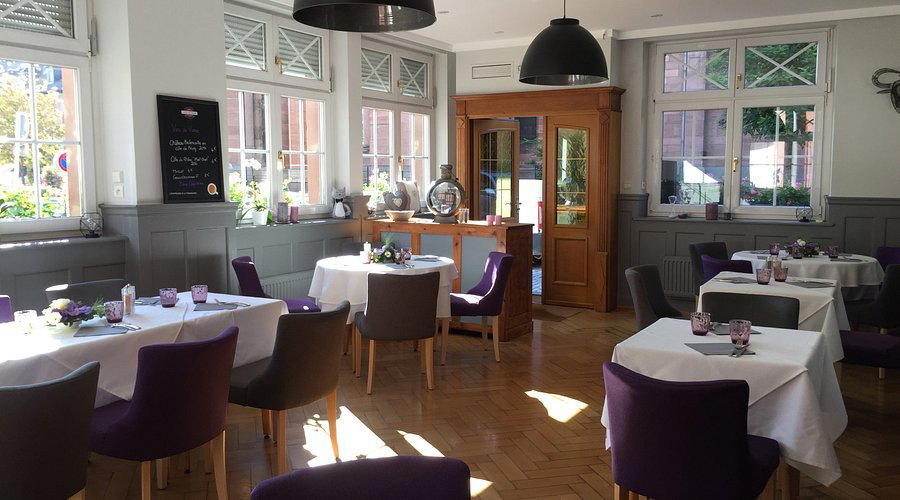
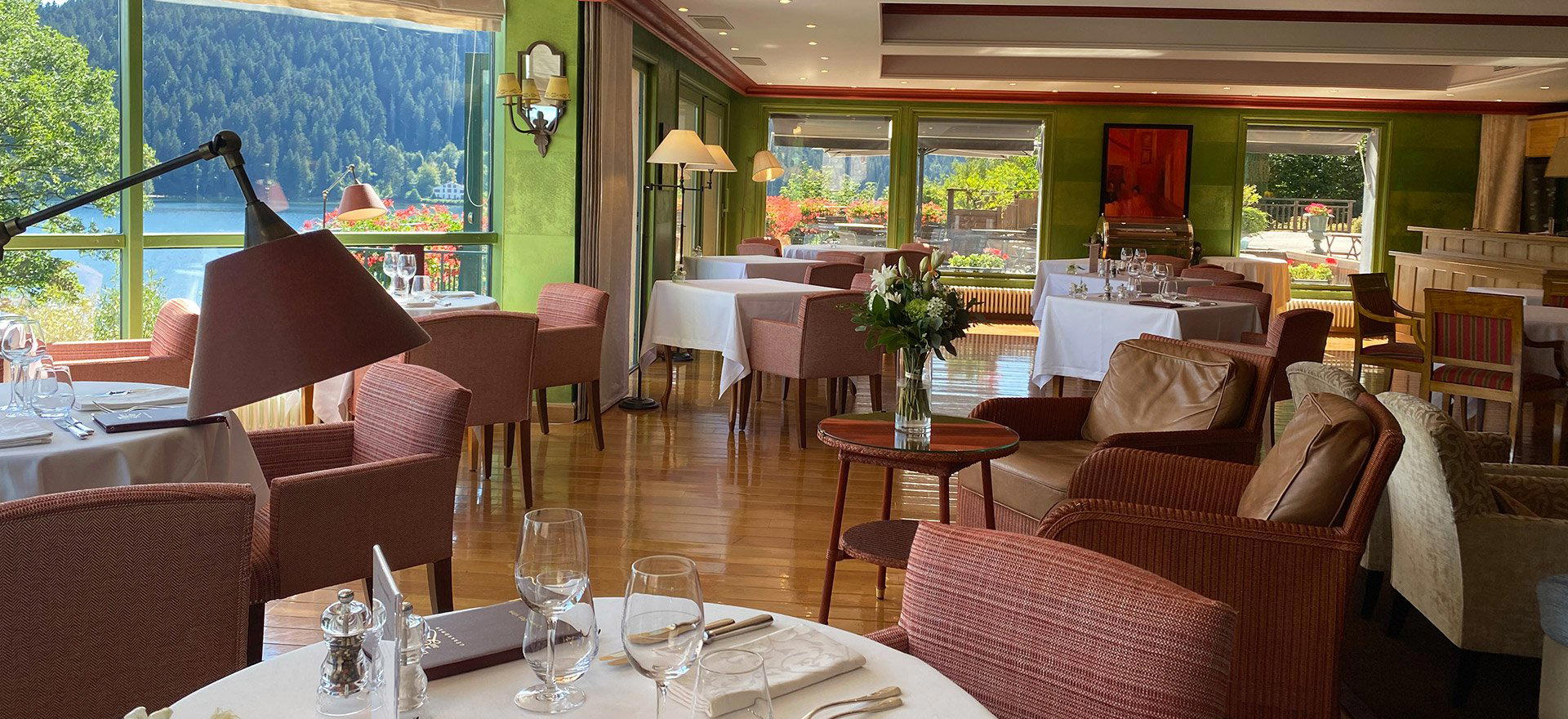
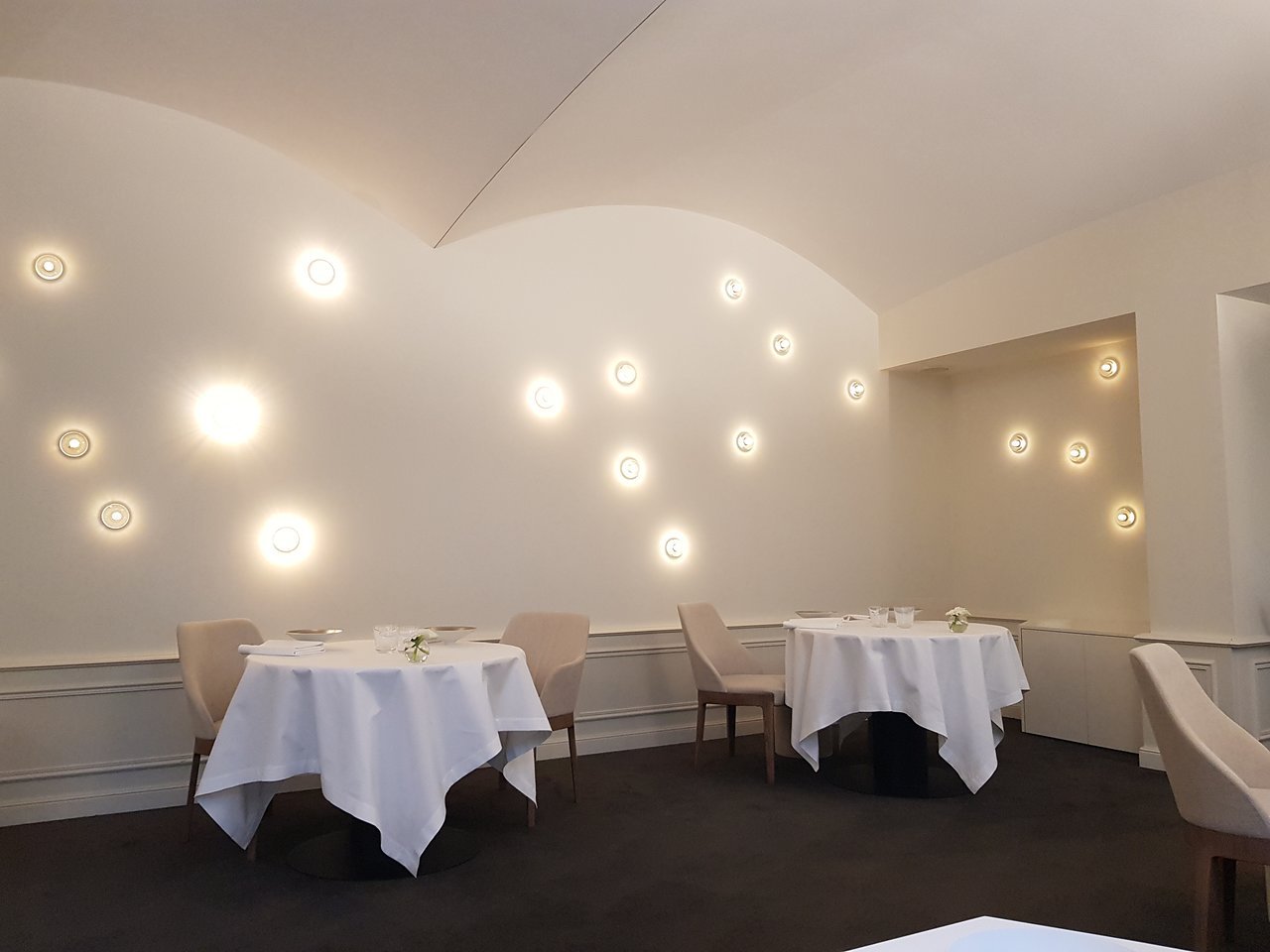
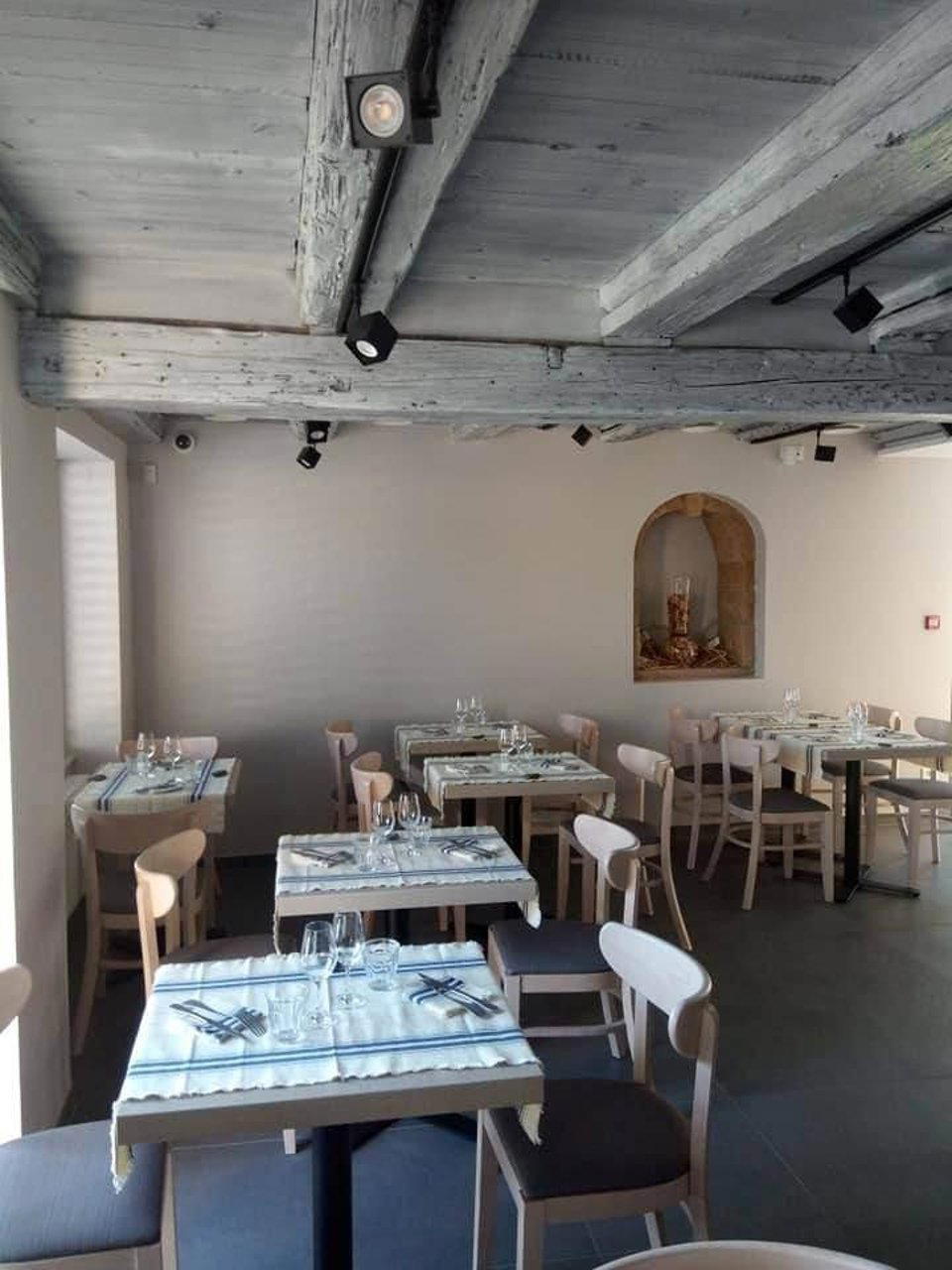
Cozy and elegant small dining room with tasteful, modern decor, warm and convivial atmosphere praised in guest reviews.