
Michelin Plate
Our verdict
A Michelin Plate-recognised address on Munster's Grand Rue, Auberge aux 4 Saisons sits at the mid-market tier of Alsatian dining. The kitchen works in a modern idiom, drawing on the valley's proximity to farmland and forest. At the €€ price point, it represents one of the more considered options in a town better known for its namesake cheese than its restaurant scene.

Pearl is the En Primeur Club membership app, where members save venues, book tables and use the concierge.
The menu
What to order
- Joues de cochon au cassis et spaetzle
- Tartelette courgette et chèvre
- Pâté en croûte
The Alsatian Valley Table: Where Munster's Ingredients Do the Talking
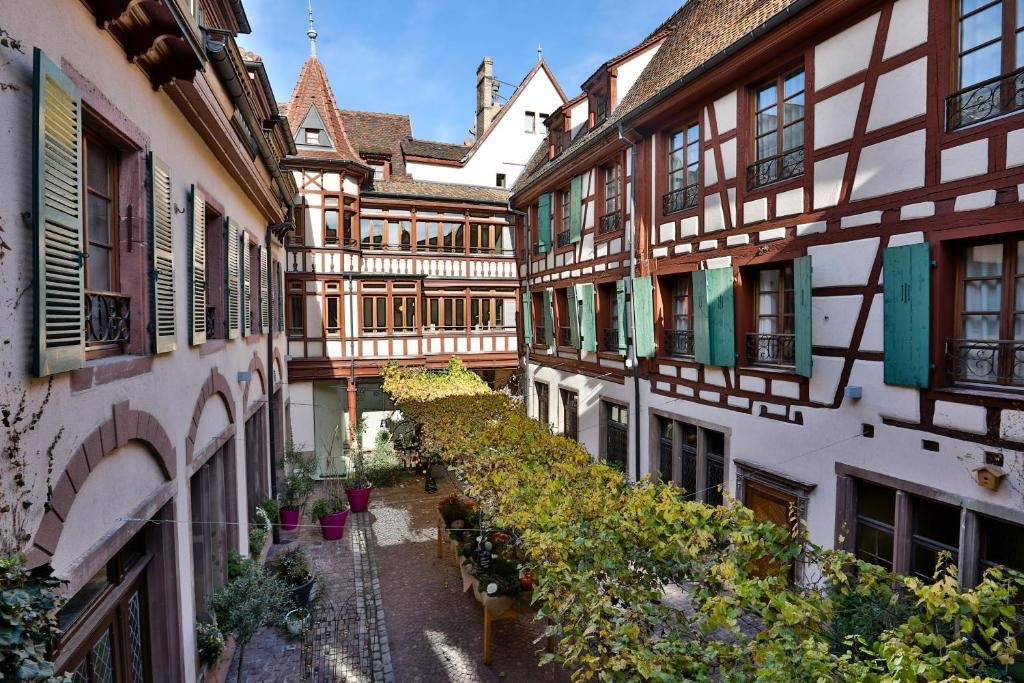
The Fecht Valley doesn't announce itself the way that, say, the Alsatian wine route does. Munster is a small market town flanked by Vosges forest and dairy pasture, and its Grand Rue functions as it always has: a working main street rather than a tourist promenade. Auberge aux 4 Saisons sits on that street at number 40, and the address tells you something about what kind of restaurant this is. It doesn't position itself against the starred tables of Colmar or Strasbourg; it positions itself against the rhythms of the valley itself, with seasons as the structuring logic of the menu.
That ingredient-first framing is not unique to this address, but it has particular force in Alsace. The region sits at an agricultural crossroads: Rhine plain to the east, Vosges highlands to the west, with microclimates that support everything from Riesling grapes to mirabelle plums to the washed-rind cheese that made Munster a name in French gastronomy long before any restaurant did. A kitchen that pays attention to those raw materials has more to work with than most French provincial towns of comparable size.
What the Michelin Plate Signal Actually Means Here
Michelin awarded Auberge aux 4 Saisons its Plate recognition in both 2024 and 2025. The Plate is not a star, and it would be misleading to position the restaurant alongside three-star addresses like Mirazur in Menton, Alléno Paris au Pavillon Ledoyen, or the long-established Auberge de l'Ill in Illhaeusern, which sits roughly 40 kilometres to the east and carries three stars. What the Plate does indicate is that Michelin's inspectors found cooking worth noting: food prepared with care and worthy of a detour for travellers already in the area. In a town like Munster, that distinction carries real weight.
To understand where that sits in the broader French dining hierarchy, consider the range. At the leading end, you have kitchens like Troisgros in Ouches or Bras in Laguiole, where the ingredient sourcing narrative has been built over decades and the price point reflects it. At the other end, you have bistros without any formal recognition. The Michelin Plate occupies the honest middle: restaurants that have cleared a quality threshold without the theatrics or the pricing of the starred tier. At €€, Auberge aux 4 Saisons is priced to match that positioning.
The Sourcing Logic of a Valley Restaurant
Modern cuisine in an Alsatian context tends to mean one of two things: either a French-technique kitchen that has absorbed influences from across the Rhine, or a produce-led approach that treats local agricultural specificity as its primary material. The four-seasons framing of this restaurant's name suggests the latter orientation, with the calendar rather than the chef's ego driving the menu's evolution.
The Vosges foothills offer genuine seasonal range. Spring brings morels and wild garlic from the forest floor. Summer produces soft fruit and young vegetables from valley-floor farms. Autumn is the season for game, mushrooms, and the apple varieties that go into local eau-de-vie. Winter centres on root vegetables, cured products, and the kinds of slow-cooked preparations that Alsatian cuisine has always handled well. A kitchen anchored to those cycles will read differently in March than in October, which is both its constraint and its argument for repeat visits.
This sourcing orientation places Auberge aux 4 Saisons in a recognisable tradition within French regional cooking, even if its scale is far from the celebrated examples of that tradition. Kitchens like Flocons de Sel in Megève and Paul Bocuse's Auberge du Pont de Collonges have made the case, at very different price points, that French mountain and provincial terroir can sustain serious cooking. The principle applies at the €€ level too, even if the ambition is proportionally different.
Munster's Dining Scene in Context
Munster is not a restaurant destination in the way that Colmar or Strasbourg are. The town draws visitors primarily for the valley's hiking trails, the Parc Naturel Régional des Ballons des Vosges, and the cheese that shares its name, produced in the surrounding farms to AOC specification. Restaurant infrastructure here serves a mix of locals, walkers, and visitors staying in the valley rather than food tourists making special trips.
Within that context, the mid-market Michelin-recognised address performs a specific function: it raises the floor of what's available without requiring the investment of a starred meal. Travellers planning time in the valley will find the full picture across our full Munster restaurants guide, which also maps options like L'Olivier and Les Grands Arbres - Verte Vallée alongside Auberge aux 4 Saisons. For those building a fuller trip, our Munster hotels guide, bars guide, wineries guide, and experiences guide cover the rest of the valley's infrastructure.
For comparison further afield, the Alsace region as a whole has a relatively thin concentration of top-tier restaurants relative to its agricultural richness. The three-star dining tradition in France's mountain and provincial regions tends to cluster in better-known destinations: Reims has Assiette Champenoise, Marseille has AM par Alexandre Mazzia. Internationally, similarly ingredient-driven modern cuisine appears in very different registers at addresses like Frantzén in Stockholm or FZN by Björn Frantzén in Dubai. What those comparisons illustrate is that the ingredient-sourcing ethos operates at every price tier; at Auberge aux 4 Saisons, it does so at accessible cost in a valley that justifies the concept.
Planning a Visit
The restaurant is at 40 Grand Rue in the centre of Munster, reachable by car from Colmar in under 30 minutes via the D417. As a valley-floor town with limited public transport frequency, a car or bicycle is practical for most visitors arriving from outside the immediate area. The €€ pricing means a full meal for two, with wine, typically falls well within what you'd spend at a comparable Alsatian address in Colmar.
Frequently asked questions
Is Auberge aux 4 Saisons expensive?
Pricing at Auberge aux 4 Saisons is listed as €€.
What's the address for Auberge aux 4 Saisons?
Auberge aux 4 Saisons is located at 40 Grand Rue, 68140 Munster, France, Munster.
At-a-Glance Comparison
| Venue | Cuisine | Price | Awards | Notes |
|---|---|---|---|---|
| Auberge aux 4 SaisonsThis venue (the venue you are viewing) | Modern Alsatian Bistro | $30–50 | Michelin Plate | Not listed |
| Alléno Paris au Pavillon Ledoyen | Modern French Fine Dining | $150–200 | 3 Michelin Stars · World's 50 Best #79 | Creative |
| Kei | Contemporary French, Modern Cuisine | Not listed | Michelin 3 Star | Not listed |
| L'Ambroisie | Classic French Haute Cuisine | $300–500 | 2 Michelin Stars · World's 50 Best #23 | French, Classic Cuisine |
| Le Cinq - Four Seasons Hôtel George V | Modern French Fine Dining | $300–500 | 3 Michelin Stars · World's 50 Best #24 | French, Modern Cuisine |
| Plénitude | Modern French Sauce-Led Fine Dining | $300–500 | 3 Michelin Stars · World's 50 Best #14 | Contemporary French |
Recognition history
Dated appearances from independent guides and award organizations, with the underlying list record or original source where available.
Michelin Plate
Michelin
Full recognition history (2 entries)
Michelin Plate
Michelin
Continue exploring
More in Munster
Restaurants in Munster
All restaurants in Munster →
Bars in Munster
Browse all →

Details
- Cozy
- Modern
- Elegant
- Classic
- Family
- Special Occasion
- Terrace
- Historic Building
- Extensive Wine List
- Local Sourcing
- A La Carte
- Alsatian Wines
- Vegetarian Friendly
Current opening hours
- Monday
- 12–1:15 PM, 7–8:30 PM
- Tuesday
- 12–1:15 PM, 7–8:30 PM
- Wednesday
- 12–1:30 PM
- Thursday
- Closed
- Friday
- 12–1:30 PM, 7–8:30 PM
- Saturday
- 12–1:15 PM, 7–8:30 PM
- Sunday
- 12–1:15 PM
Hours can change for holidays and private events. Hours as of .
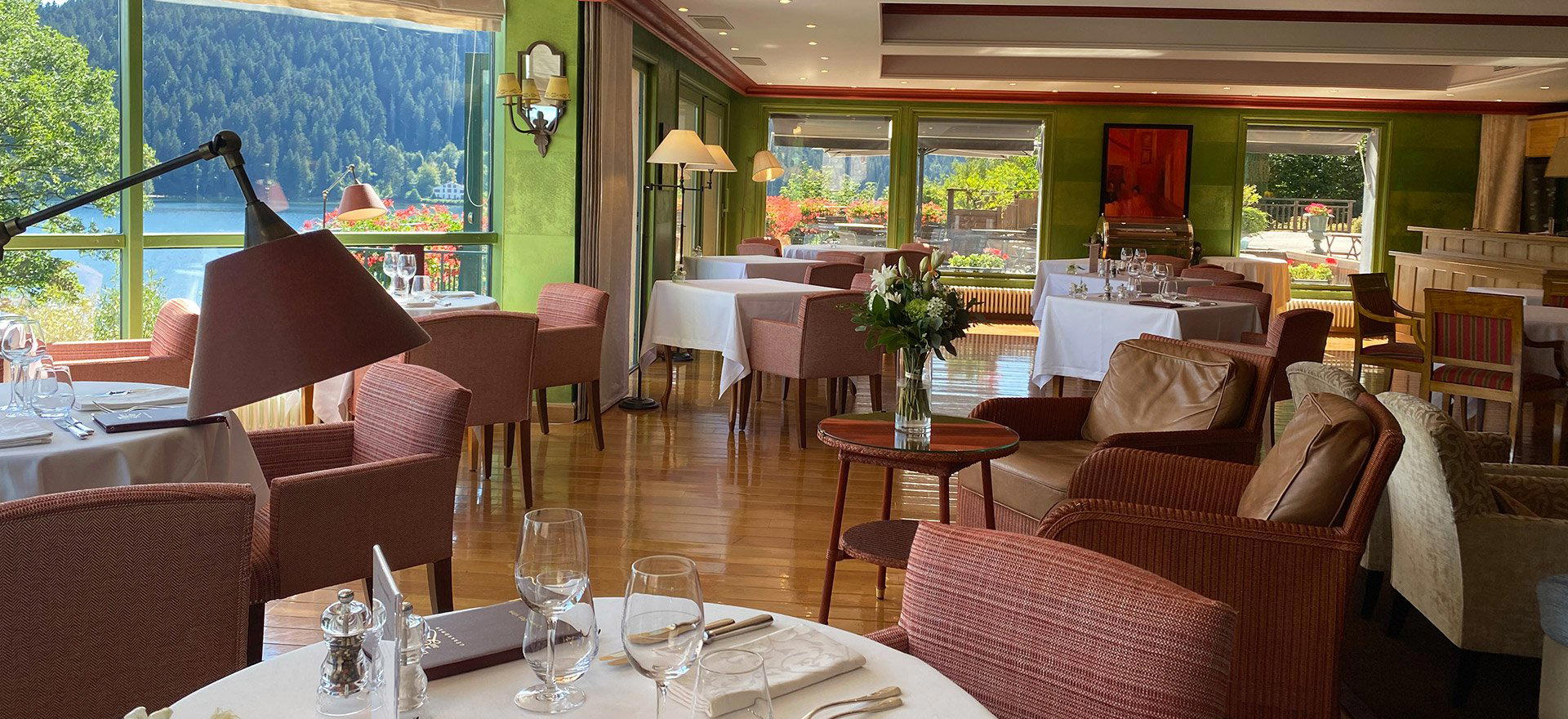
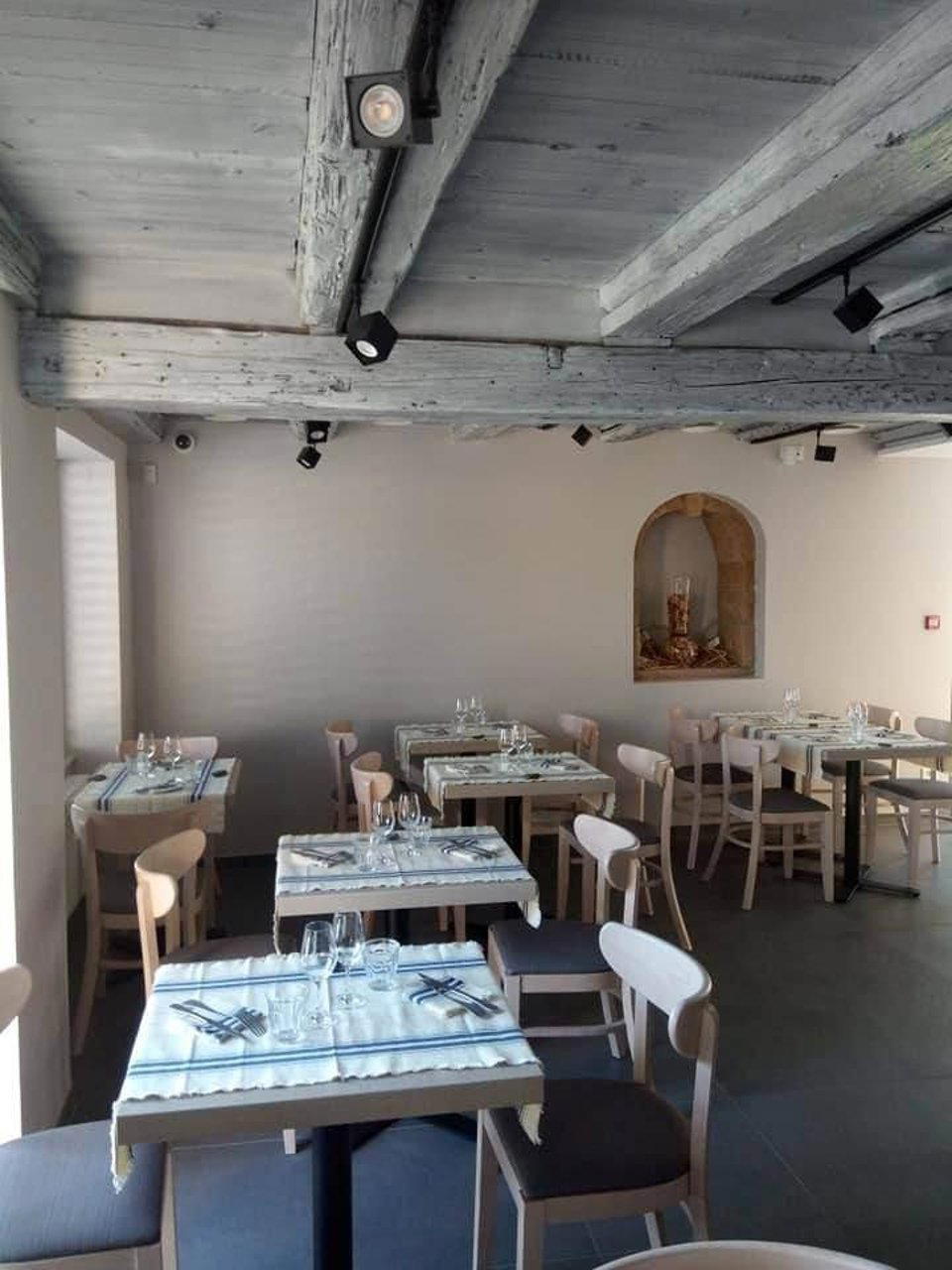
Warm and inviting atmosphere in a lovely regional-style room with modern touches.