ABC Kitchens
ABC Kitchens sits inside Brooklyn’s produce-led dining current, where farm-to-table cooking reads less as a slogan than as a way to decide what belongs on the plate. The draw is vegetable-forward American cooking with a market sensibility, useful for diners who care as much about sourcing and seasonality as they do about the room.
Pearl is the En Primeur Club membership app — saves, bookings, and concierge access live there. Same editors, same standards.
- Address
- 55 Water St, Brooklyn, NY 11201
- Phone
- (718) 586-5027
- Website
- abckitchensdumbo.com
- Directions
- Get directions
 Saves & bookings on Pearl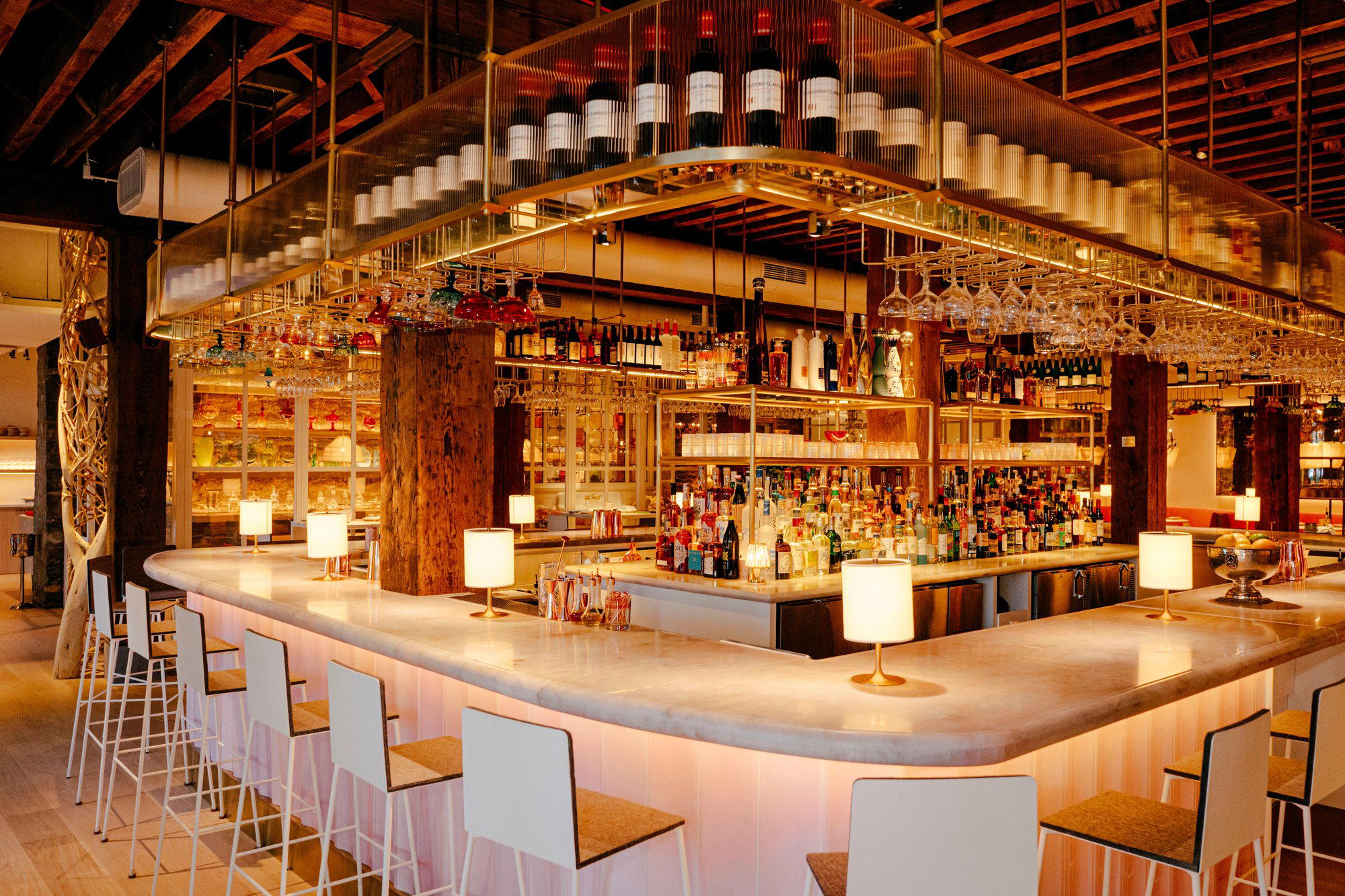
Brooklyn’s vegetable-forward restaurants tend to announce themselves quietly: crates, greens, grain bowls, wood tables, the visual grammar of food that begins before the stove. ABC Kitchens belongs to that citywide shift away from heavy tasting-menu formality and toward ingredient-led cooking, where the question is not how much technique can be displayed, but whether the kitchen can make sourcing feel like structure rather than decoration.
Vegetable-forward cooking as Brooklyn grammar
Farm-to-table cooking in New York has moved through several phases: farmers’ market idealism, rustic restaurant branding, then the sharper contemporary version, where vegetables, grains, herbs, and seasonal produce are allowed to carry a meal without being treated as a compromise. In Brooklyn, that style makes particular sense. The borough’s dining culture has long rewarded informality with standards, especially in rooms where the food has to justify itself without the insulation of white-tablecloth ritual.
ABC Kitchens is framed around farm-to-table, vegetable-forward cooking, which places it in a category defined by restraint and sourcing discipline rather than luxury signals. That matters because produce-led restaurants are less forgiving than they look. When meat or seafood is not the default anchor, timing, texture, acidity, and procurement become the architecture of the meal. The cooking has to make a carrot, brassica, bean, or grain feel intentional, not like a side dish promoted out of obligation.
For readers mapping the borough by appetite rather than neighbourhood checklist, the wider Brooklyn restaurant field is useful context. A sandwich stop such as Alidoro, a daytime counter like Barker Cafeteria, a slice institution such as Best Pizza, and a pop-up outfit like Bad Cholesterol all reflect a borough that treats casual formats seriously. ABC Kitchens works from a different register, but the shared Brooklyn trait is the same: format matters less than whether the idea holds under repeat use.
Sourcing is the point, not the garnish
Ingredient sourcing has become an easy phrase to print and a harder discipline to sustain. In a vegetable-forward restaurant, seasonality is not a decorative note on a menu; it changes the center of gravity. Spring greens, summer tomatoes, autumn squash, winter roots, preserved components, ferments, and grains each imply a different rhythm of cooking. A kitchen built around that premise has to accept variability rather than iron it flat.
That is where the farm-to-table label can either sharpen or fade. The weaker version treats provenance as atmosphere. The stronger version uses sourcing to determine portioning, technique, and pacing. Brooklyn diners have become good at reading the difference, partly because the borough has enough small-format restaurants, bakeries, wine bars, and market-driven kitchens to make vague claims feel thin. The restaurant is better understood through that lens: a restaurant whose category asks diners to pay attention to what the food is made from before they ask how elaborate the plate looks.
The absence of chef-led mythology also helps keep the focus where it belongs. In this part of the market, a named culinary auteur is less important than whether the restaurant can translate supply into a coherent meal. The relevant credentials are practical: a vegetable-forward identity, a farm-to-table frame, and a Brooklyn setting where diners do not need ceremony to take sourcing seriously.
How to place it in a Brooklyn itinerary
The restaurant makes sense for a meal built around lighter, produce-led cooking rather than a maximalist night out. That positioning is useful in Brooklyn, where a day can move from coffee and sandwiches to natural wine, pizza, or a longer dinner without crossing into Manhattan. Readers planning across categories can use our full Brooklyn restaurants guide for dining, then widen the trip with our full Brooklyn bars guide, our full Brooklyn hotels guide, our full Brooklyn wineries guide, and our full Brooklyn experiences guide.
Its usefulness is also clearer when viewed against broader American vegetable-forward dining, where coastal cities have developed different accents. Los Angeles can pair Japanese drinking culture with precise small plates at Jōdo Saké Bar or quick-format rice snacks at Onigiri Time in Pasadena. Portland’s casual Mexican lane appears at ¿Por Qué No?. Hawai‘i’s plant-forward and island-context cooking shows different pressures at 'Ai Love Nalo and 'Ama 'Ama. San Francisco’s Hawai‘i-inflected dining at 'āina, Los Angeles Mexican cooking at ¡Salud!, and Japanese beef-focused tradition at -Grilled beef Sukiyaki- KAMAKURA TANUKIAN 鎌倉 たぬき庵 show how sourcing reads differently by place. Brooklyn’s version is less about spectacle and more about whether the market-driven idea can carry dinner.
The editorial case for the restaurant is therefore specific rather than inflated: it belongs to Brooklyn’s produce-first dining conversation, where vegetable-forward cooking has to earn attention through clarity, seasonality, and restraint. Diners looking for chef biography, award theater, or luxury choreography may find the category too quiet. Diners who care about the origin and handling of ingredients will understand why this style has become one of the borough’s more durable restaurant languages. For a nearby Brooklyn point of contrast in a different register, 6 Restaurant sits elsewhere in the borough’s dining map, but the larger lesson is the same: Brooklyn rewards concepts that know exactly what they are trying to cook.
- dosa from ABCV
- crab toast
- empanadas
- fried quail
- tomato toast with tuna tartare
- baked sweet potato with chile butter
Reputation & Price
Comparable venues nearby, for context on price, style, and recognition.
| Venue | Cuisine | Price | Notes |
|---|---|---|---|
| ABC KitchensThis venue — the venue you are viewing | Not listed | $$$ | Not listed |
| Barker Cafeteria | Bed-Stuy, Housemade Sandwiches & Soups | $$ | Not listed |
| River Café | DUMBO, Classic American Fine Dining | $$$$ | Not listed |
| Grand Street Healing Project | Dining | Not listed | Not listed |
| Third Time's the Charm | Red Hook, Sourdough Pizza | $$ | Not listed |
| Bad Cholesterol | Not listed | $$ | Red Hook, Neo-Neapolitan Brooklyn-Style Pizza |
Continue exploring
More in Brooklyn
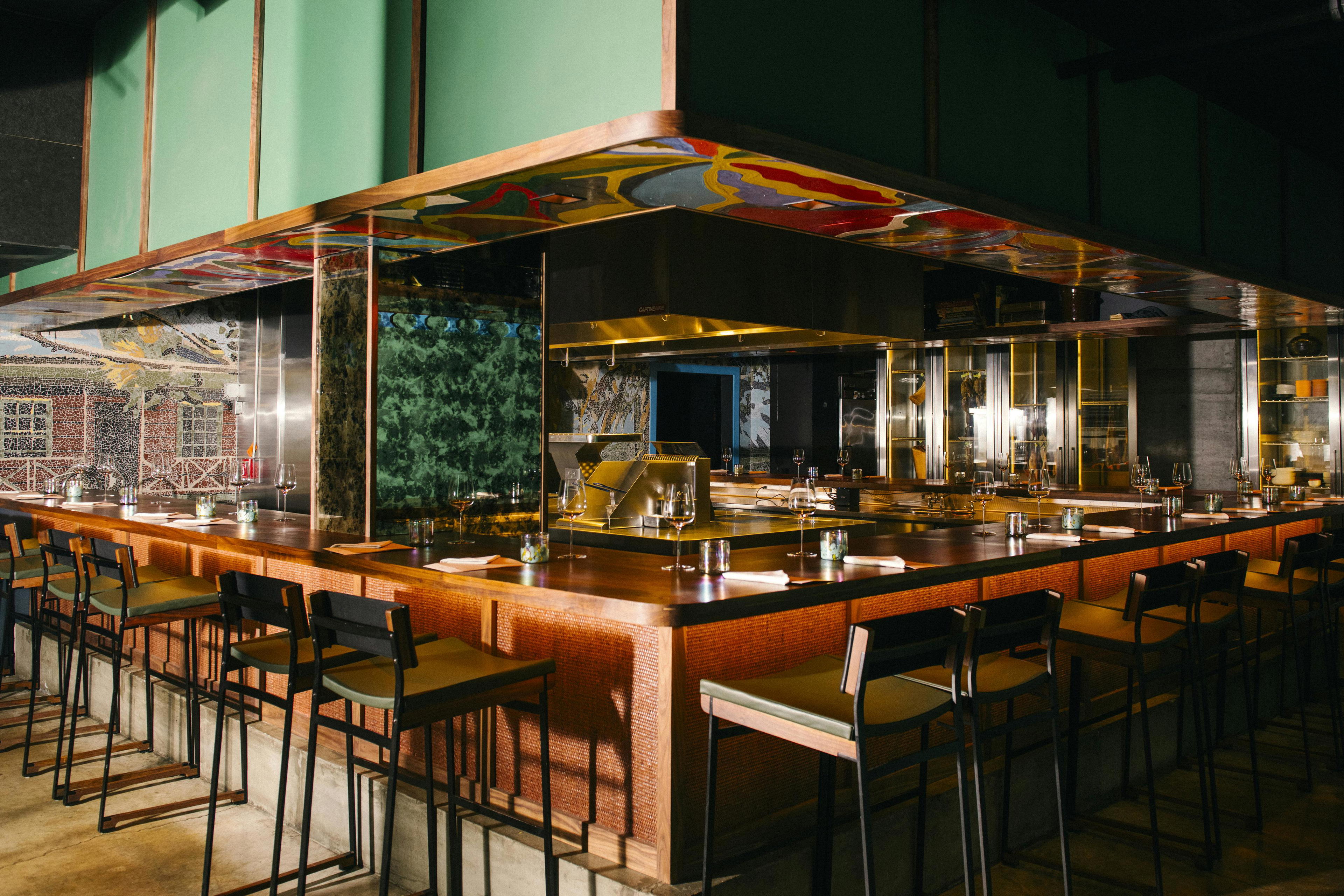
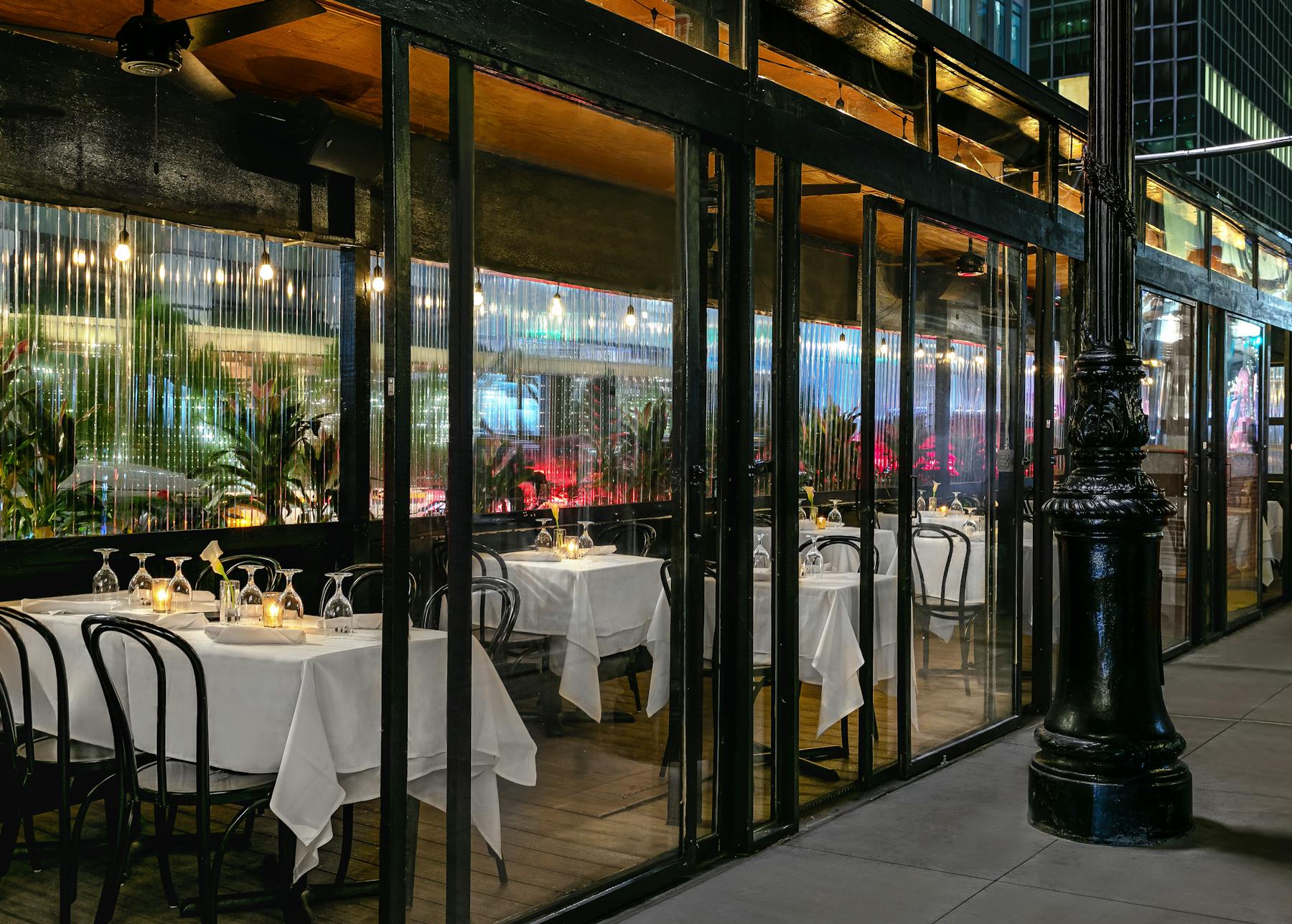
Restaurants in Brooklyn
Browse all →
Bars in Brooklyn
Browse all →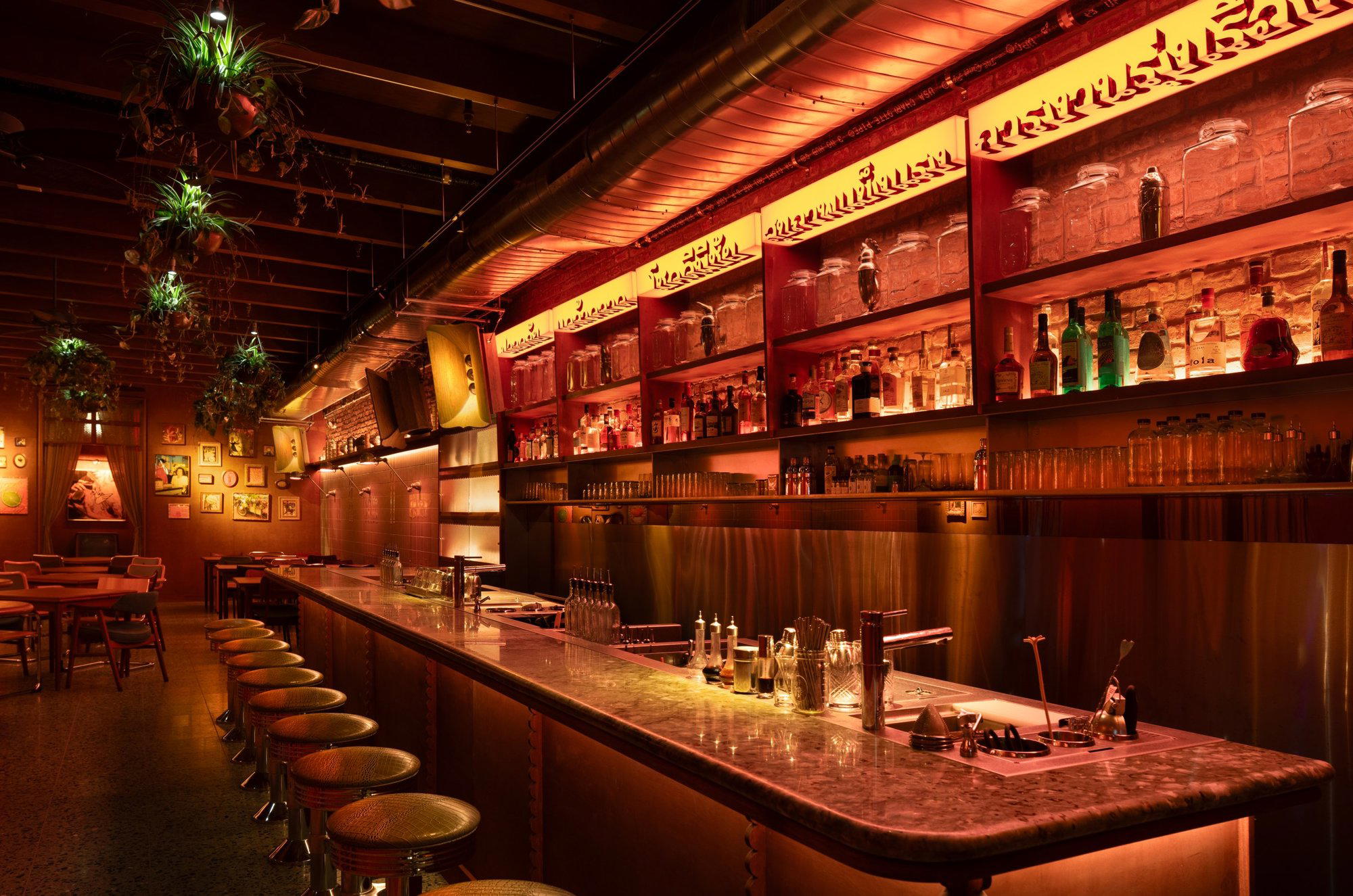
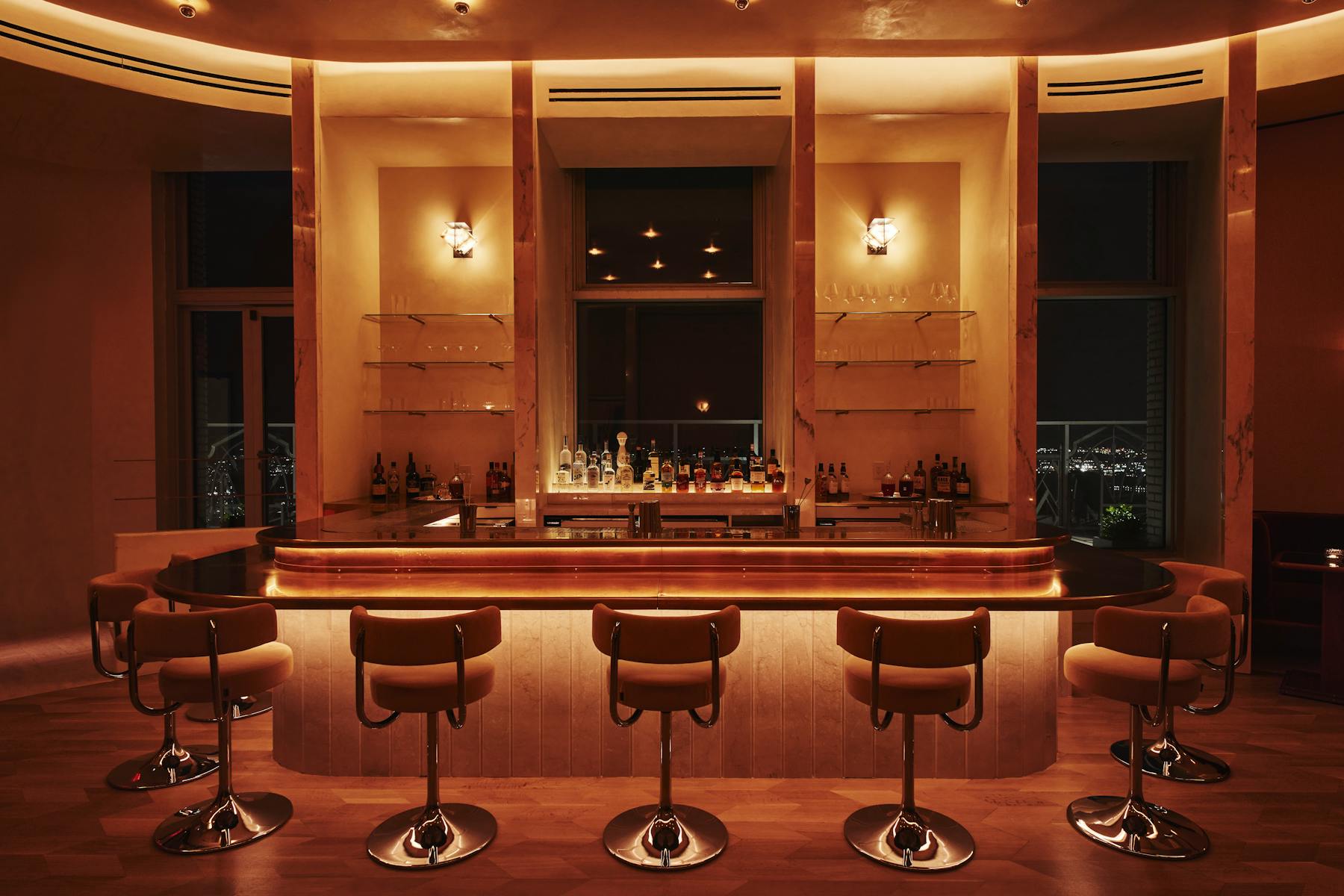
Hotels in Brooklyn
Browse all →





At a Glance
- Elegant
- Trendy
- Whimsical
- Scenic
- Modern
- Date Night
- Business Dinner
- Group Dining
- Celebration
- Casual Hangout
- Special Occasion
- After Work
- Waterfront
- Terrace
- Panoramic View
- Design Destination
- Private Dining
- Standalone
- Craft Cocktails
- Extensive Wine List
- Farm To Table
- Organic
- Local Sourcing
- Waterfront
- Skyline
Current opening hours
- Monday
- 12–10 PM
- Tuesday
- 12–10 PM
- Wednesday
- 12–10 PM
- Thursday
- 12–10 PM
- Friday
- 12–10 PM
- Saturday
- 11 AM–10 PM
- Sunday
- 11 AM–9 PM
Hours can change for holidays and private events. Last verified .
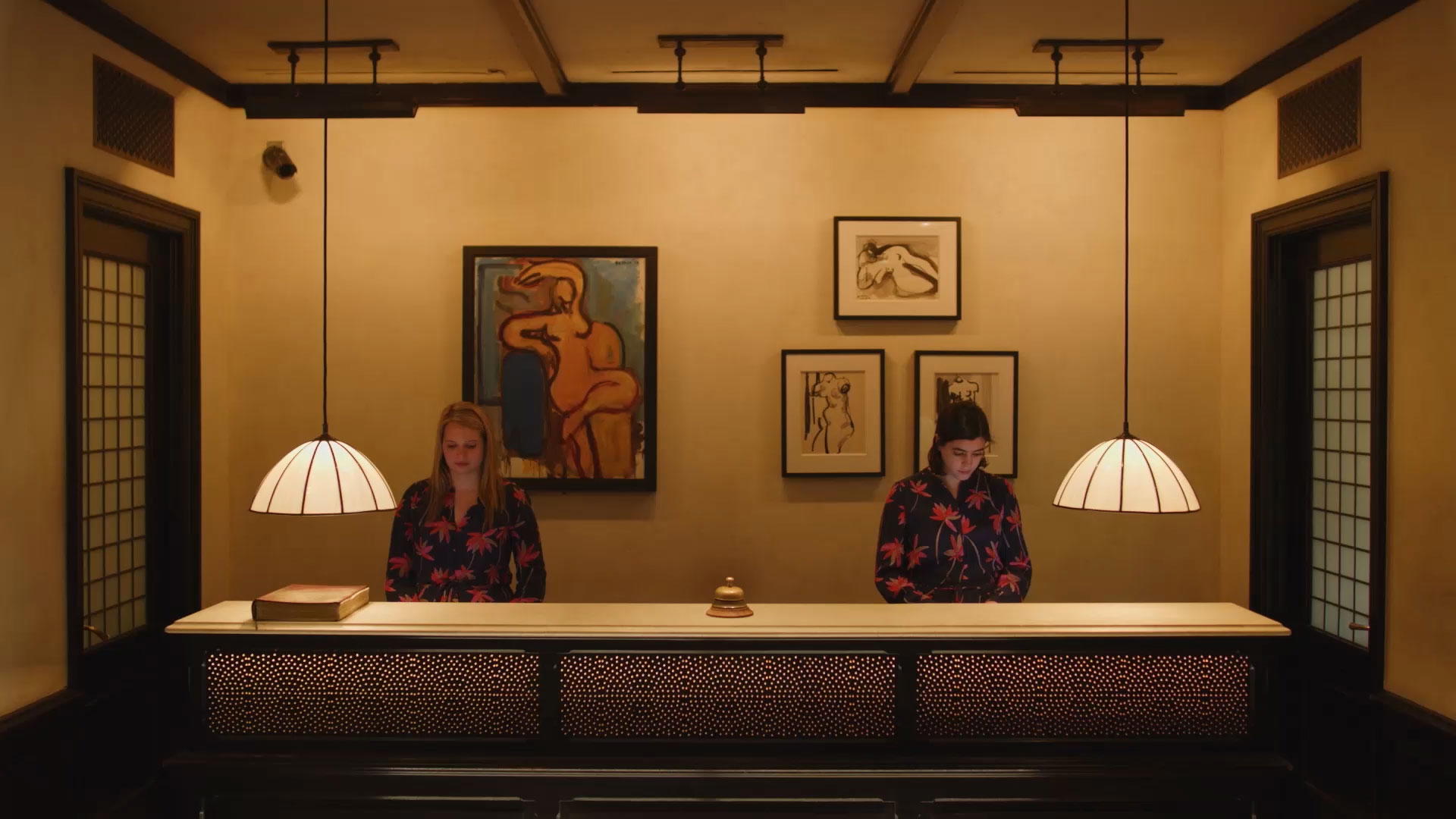
A bright, industrial waterfront dining room layered with vintage and antique furnishings, blush velvet banquettes, chandeliers, and carefully designed lighting that shifts the central glass retail enclosure into a whimsical, flower‑filled dinner scene at night, maintaining a casually stylish vibe with jeans‑and‑sneakers service.