色鼎燒肉斗六店 serves Taiwanese charcoal BBQ with charcoal grilled chicken, grilled pork ribs, and salted chicken, plus a beer program and open kitchen for a casual dinner.
Pearl is the En Primeur Club membership app — saves, bookings, and concierge access live there. Same editors, same standards.
- Address
- No. 31號, Nanxing St, Zhennan Village, Douliu City, Yunlin County, Taiwan 640
- Phone
- +886 5 534 7228
- Website
- color-pot.com.tw
- Directions
- Get directions
 Saves & bookings on Pearl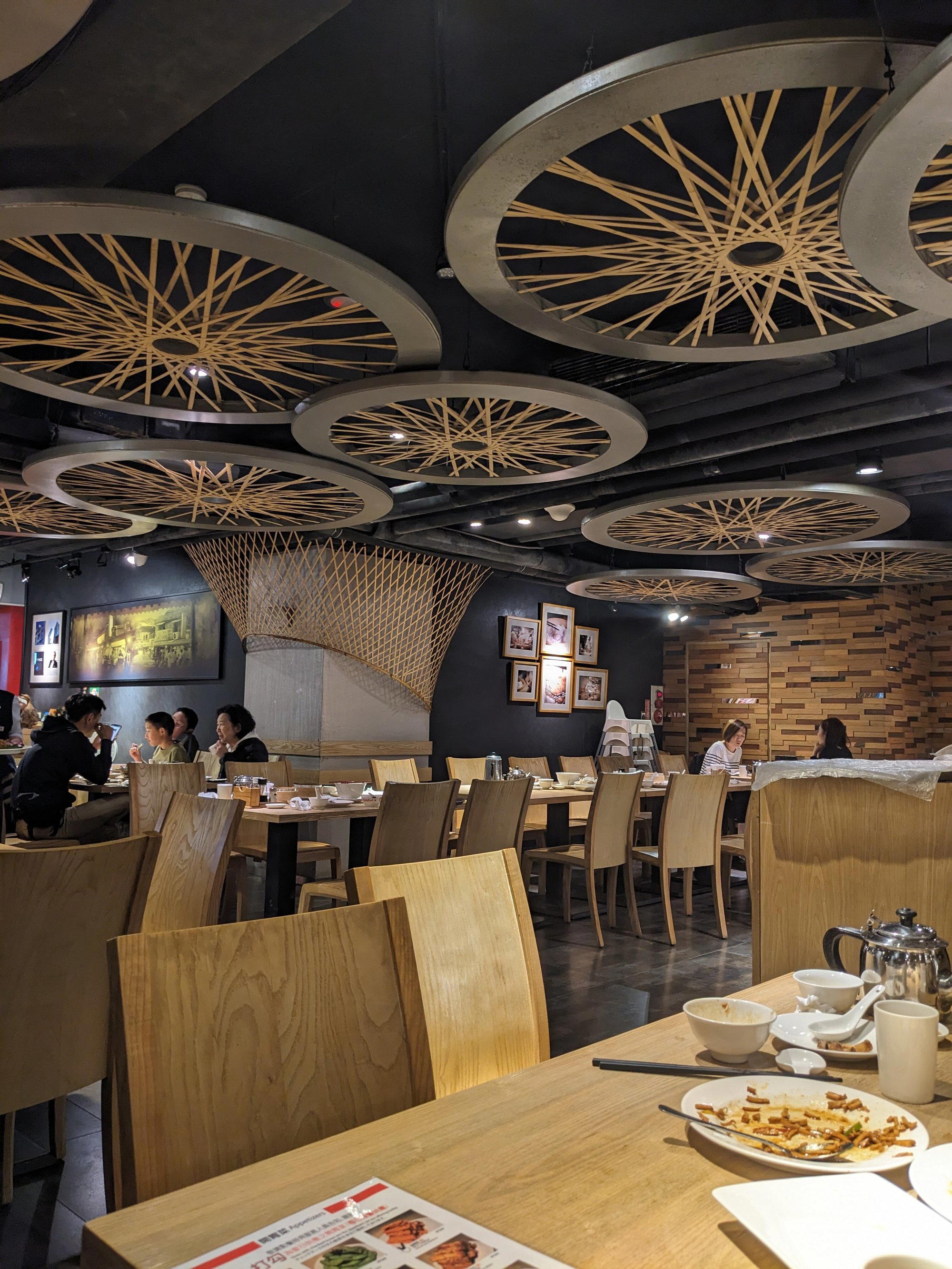
Yunlin's Agricultural Table
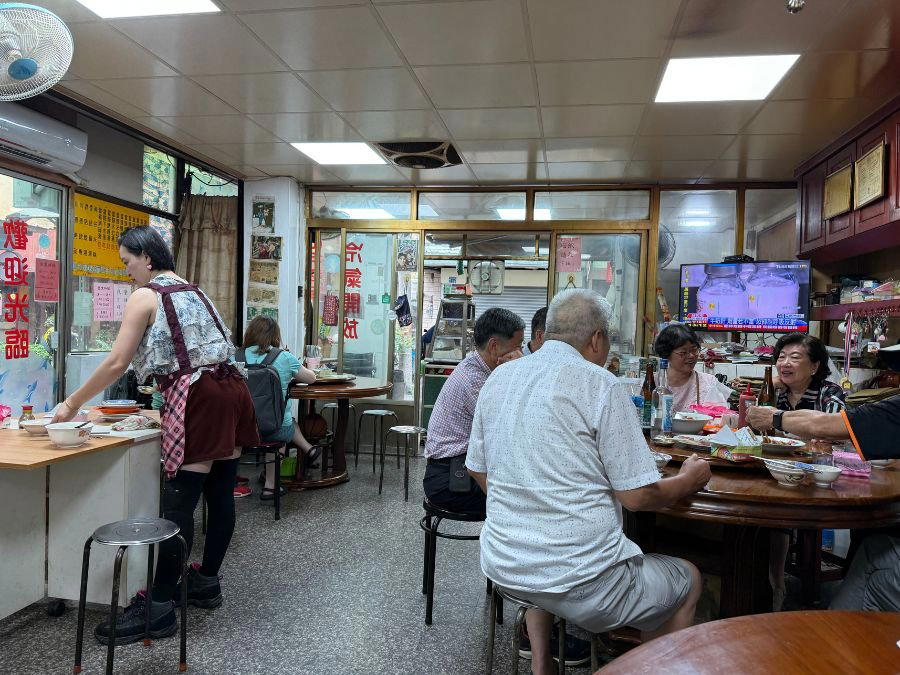
Yunlin County sits at the center of Taiwan's food supply in a way that few visitors from Taipei or Kaohsiung ever fully reckon with. The county produces a disproportionate share of the island's rice, vegetables, and livestock, and Douliu, its administrative capital, functions as the market town that moves that produce outward to the rest of Taiwan. Dining here operates on a different logic than in the major cities: ingredient proximity is not a selling point to be announced on a menu, it is simply the condition under which all cooking takes place. 貓鼠麵蚵嗲老店, addressed at No. 31弄, Nanxing Street, sits inside that condition.
The Nanxing Street corridor in central Douliu belongs to a category of Taiwanese food address that urban restaurant culture has largely moved away from: a fixed, neighborhood-rooted spot where the format has not shifted to accommodate outside tastes. The physical approach is low-key, the kind of storefront that reads as furniture in its own block rather than as a destination. That quality of embeddedness is itself an editorial signal in a regional food culture where longevity and consistency tend to correlate more than novelty and acclaim.
What the Sourcing Logic Tells You
Yunlin's agricultural output creates a sourcing reality for local restaurants that operates almost entirely outside the farm-to-table rhetoric that defines premium dining in Taipei or internationally recognized kitchens like JL Studio in Taichung or logy in Taipei. In those contexts, local sourcing is a deliberate program with named farms and seasonal menus. In Douliu, it is structural: the supply chain is short because geography makes it short, not because a kitchen has chosen to make it a philosophy.
The dish categories implied by the venue's name, 貓鼠麵 (a style of thin wheat noodles specific to Yunlin) and 蚵嗲 (oyster fritters, a coastal Taiwanese snack form), each point toward regional sourcing in different directions. Yunlin-style thin noodles draw on the wheat processing traditions of central Taiwan, while oyster preparations in the county connect to the oyster farming beds along the western coastline, where Douliu's proximity to the coast gives the supply chain a short radius. The fritter format, common across southern and central Taiwan, is distinguished at the local level by how fresh the oysters are at time of cooking, which is where geography does more work than technique. Comparable regional sourcing arguments appear at spots like Akame in Wutai Township and Bebu in Hsinchu County, where ingredient proximity to specific ecological zones shapes what ends up on the plate.
The 貓鼠麵 format itself is a Yunlin-specific noodle tradition with a documented local history. The style uses a fine, smooth wheat noodle served in a light broth, and its regional specificity makes it a useful marker: you encounter this format in Yunlin County, rarely elsewhere in Taiwan without the connection being made explicit. In that sense, ordering it here is closer to eating within a place's culinary grammar than choosing from a menu of options.
Douliu in Context
Regional Taiwanese food culture has received less international editorial attention than the metropolitan dining scenes in Taipei or the increasingly recognized food identity of Tainan, where places like Amei work within a similarly deep local tradition. The gap is not about quality. It reflects the structural bias of food media toward cities with hotel infrastructure, foreign visitor populations, and chefs who engage with international press. Yunlin, and Douliu specifically, sits outside that axis, which means its leading food tends to be evaluated on a purely local metric: repeat neighborhood customers, generational loyalty, and the kind of word-of-mouth that does not translate into listicle coverage.
What these venues share is a format that has not moved with hospitality trends: the dining proposition is the food itself, not a designed experience layered around it. For comparison, the format distance between this category and something like Le Bernardin in New York City or Lazy Bear in San Francisco is almost total, which is not a criticism of either end, but a useful calibration for what you are choosing between.
Planning a Visit
Douliu is accessible by Taiwan Railways from Taipei in under three hours, with the Douliu Station placing visitors within reasonable reach of the Nanxing Street area. The practical reality of eating at spots like this one is that hours and availability are not published in advance across standard booking channels, and the venue does not appear to operate a reservations system. Arrival timing in the mid-morning or early lunch window tends to work better at this format of Taiwanese street-adjacent specialist than arriving at peak noon service. If you are building an itinerary around Yunlin, the county's road network makes it navigable by scooter or car, and combining Douliu with the coastal townships to the west adds the oyster-farming geography to the visit. Broader coverage of where to eat across the city is in our full Douliu restaurants guide. Other regional specialists worth mapping into a central Taiwan circuit include Shen Yen in Yilan, Chi Yuan in New Taipei, and a specialist in Xihu Township in Miaoli, each operating within the same regional-loyalty logic that defines this category. For a protein-forward contrast within the broader Taiwan dining circuit, Abura Yakiniku in Taichung City and GEN in Kaohsiung round out different ends of the spectrum. Those planning extended travel through southern Taiwan may also consider AKAME in Neipu and a Sanchong District specialist in the greater Taipei basin, or add a wellness stop at Volando Urai Spring Spa and Resort in Wulai District.






At a Glance
- Cozy
- Casual
- Family
- Group Dining
- Casual Hangout
- Open Kitchen
- Beer Program
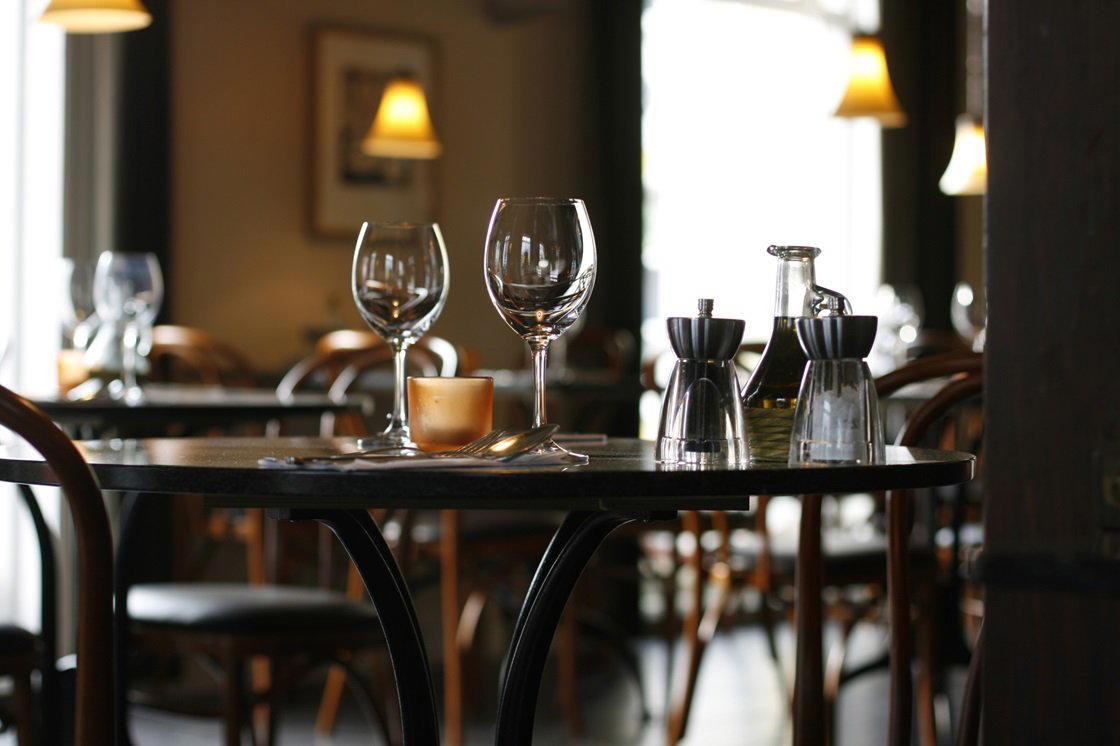
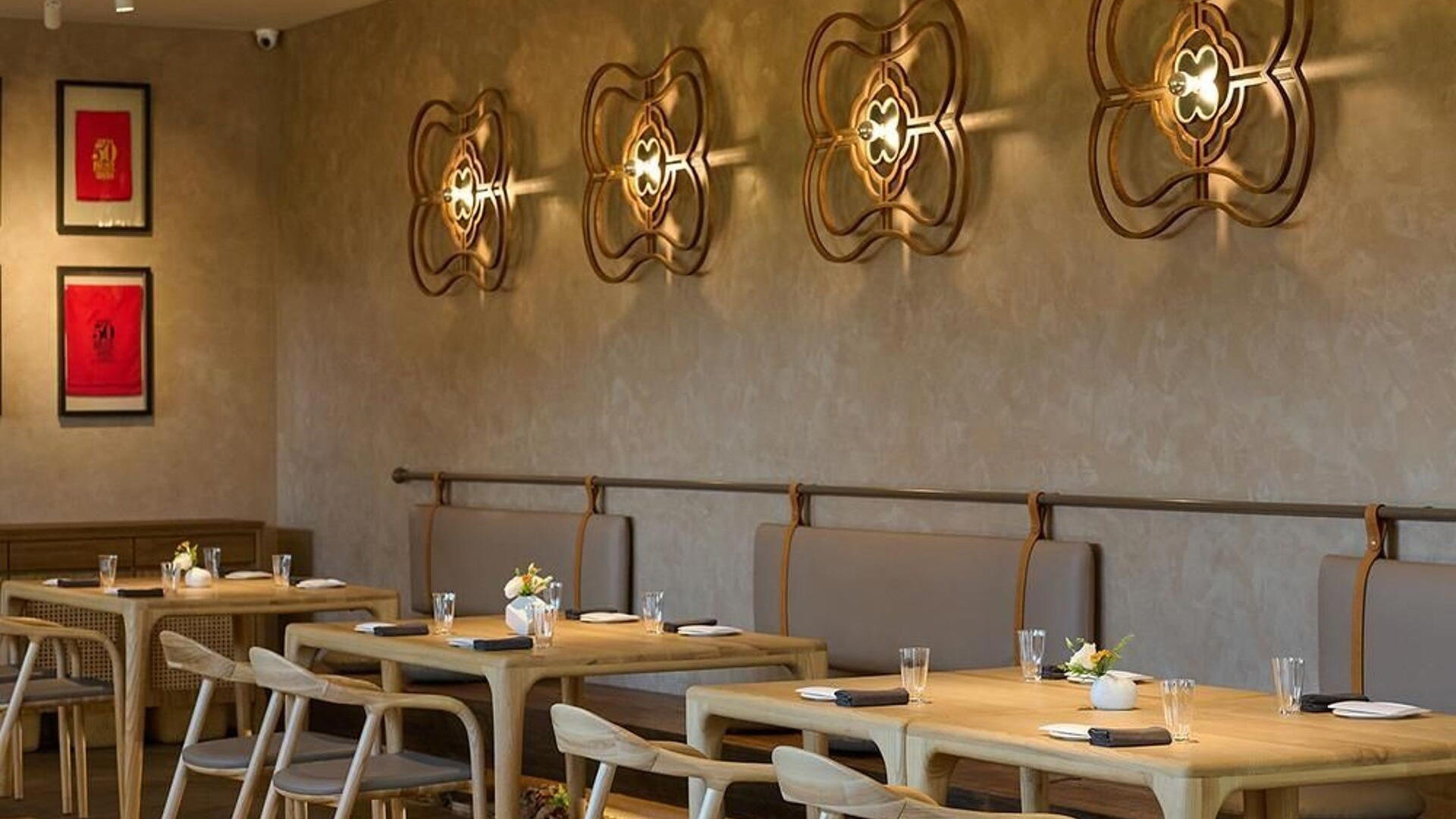
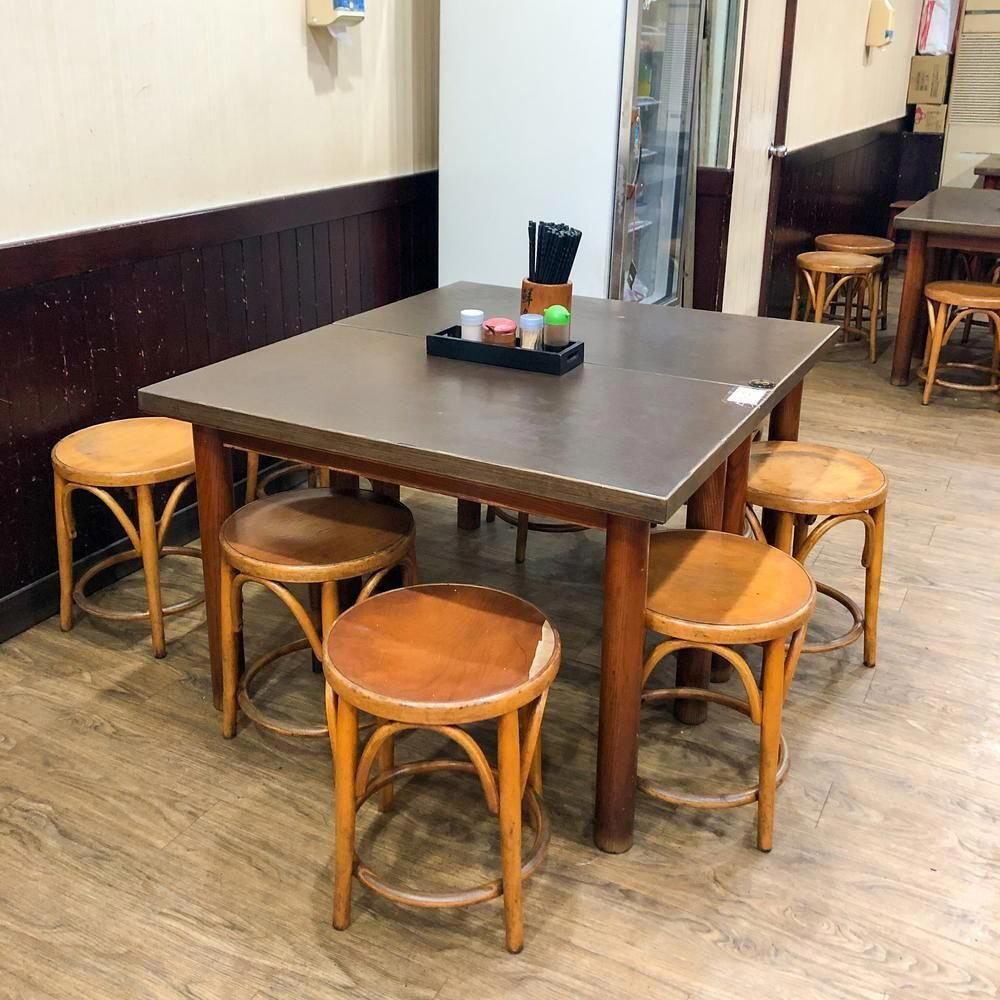
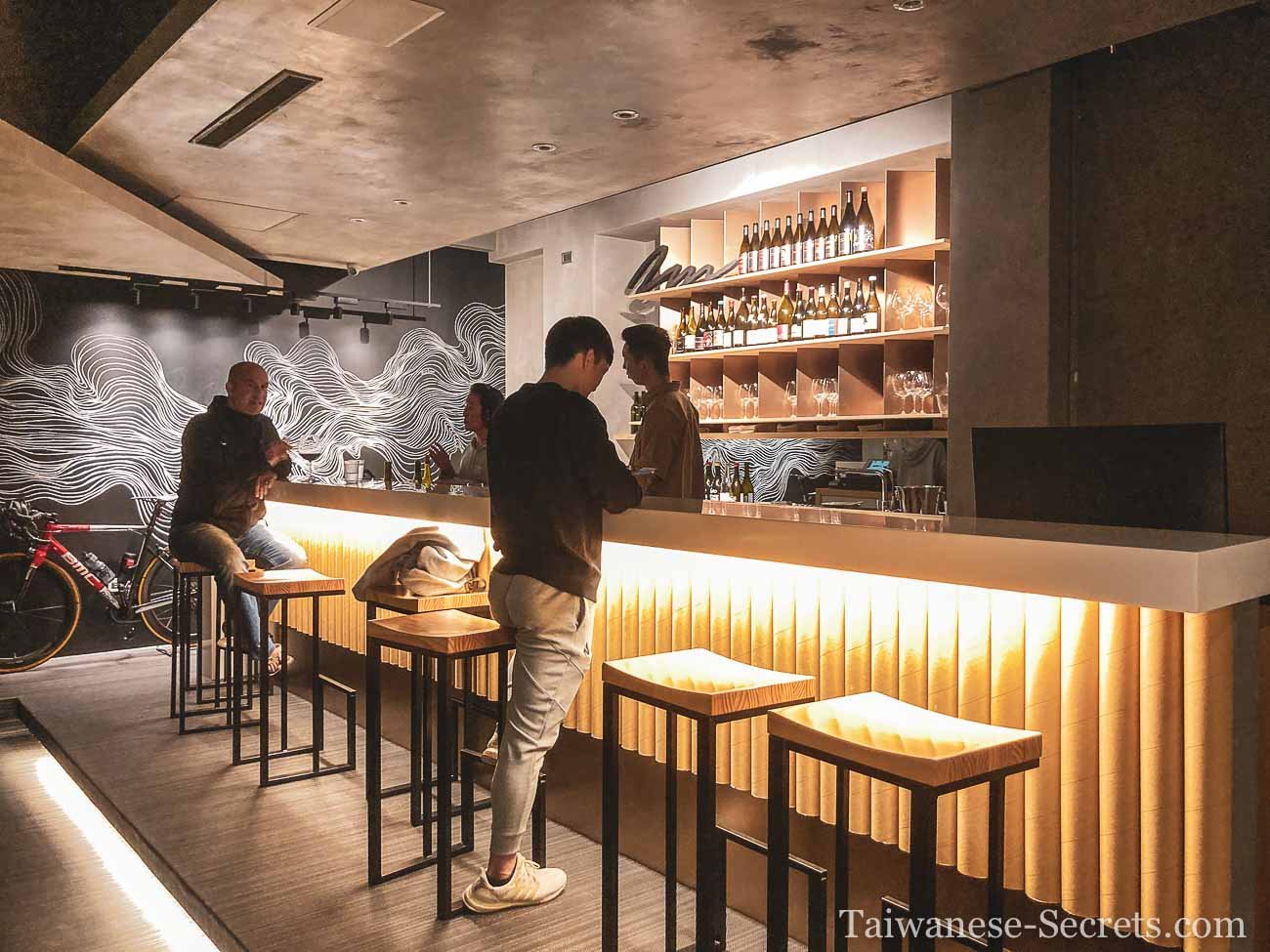
Casual and welcoming with warm lighting and simple decor focused on the open grill.
Know Before You Go
- Getting there
- No. 31號, Nanxing St, Zhennan Village, Douliu City, Yunlin County, Taiwan 640