Our verdict
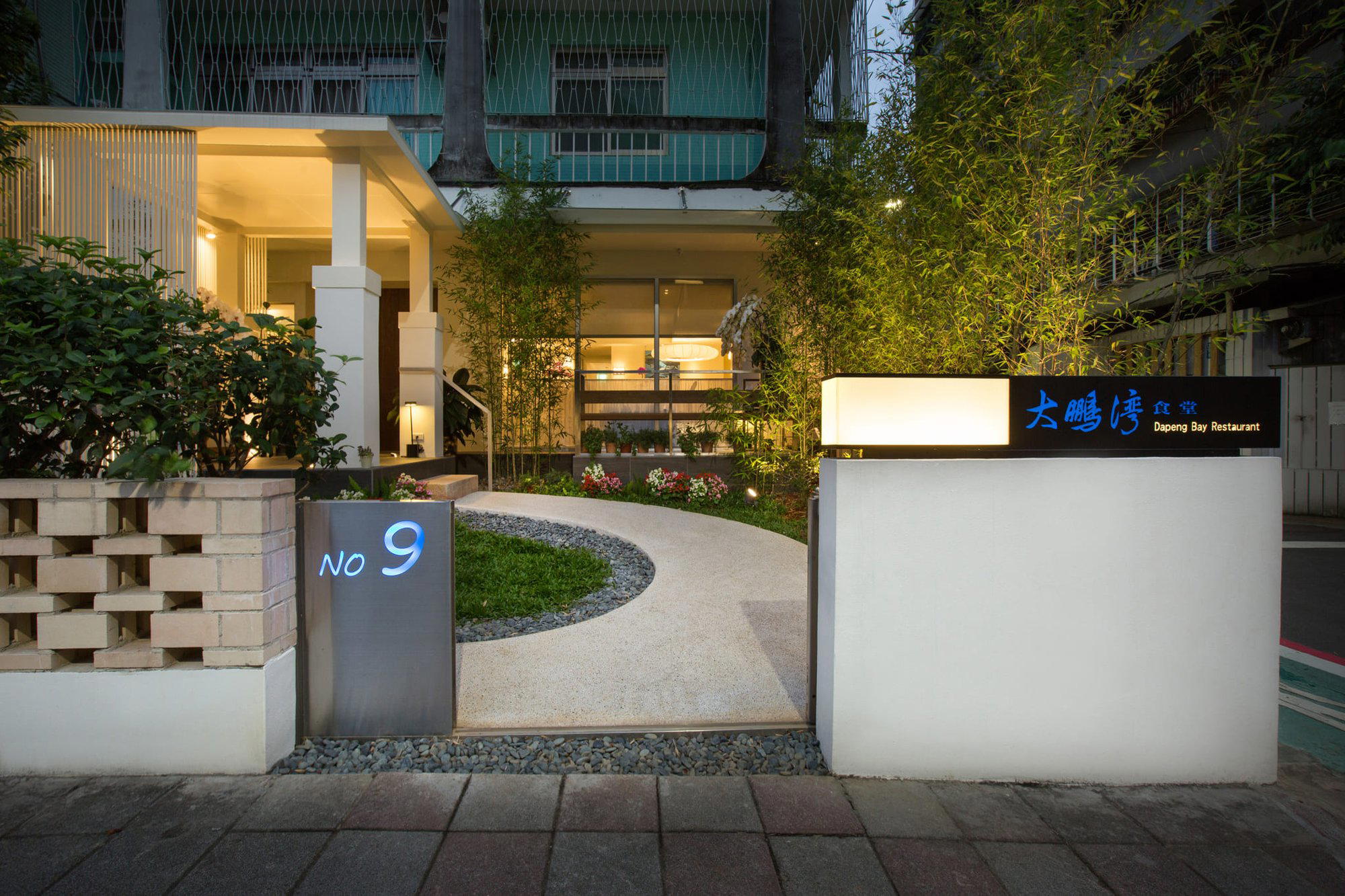
Dapeng Bay Canteen operates within Taipei's tradition of neighbourhood restaurants where the returning crowd defines the menu as much as the kitchen does. Positioned away from the Michelin-chasing circuit, it draws the kind of regulars who know what they want before they sit down. For visitors trying to read the city through its eating habits, that dynamic is worth paying attention to.

Pearl is the En Primeur Club membership app, where members save venues, book tables and use the concierge.
The menu
What to order
- Black Bluefin Tuna Sashimi
- Black Bluefin Tuna Nigiri
- Mullet Roe
- Mixed Sashimi Platter
The Restaurant the Regulars Chose
Taipei's dining map has two distinct layers. The upper tier is well-documented: tasting-menu destinations like logy, Taïrroir, and Le Palais attract the kind of attention that travels internationally. Below that tier, and largely invisible to short-stay visitors, is a dense network of canteen-style operations where the clientele is almost entirely local and the menu is shaped by years of return visits rather than by launch publicity. Dapeng Bay Canteen belongs to that second category. Its name references the lagoon in southern Taiwan rather than any Taipei landmark, which signals something about its positioning: this is a restaurant that speaks to a community rather than to a city.
The physical environment at a place like this tends to tell you the most important thing immediately. Tables fill early. The ambient sound is conversation, not music. Whatever décor exists is functional rather than considered. These are rooms designed around throughput and comfort for people who eat here often, not around first impressions for people who may never return. That orientation toward the regular over the newcomer shapes everything about how the meal unfolds.
What the Returning Crowd Knows
The regulars' perspective is the operative frame for understanding a neighbourhood canteen in Taipei. In the city's eating culture, which has evolved across Japanese colonial-era influences, mainland Chinese migration patterns from the mid-twentieth century, and a strong indigenous Taiwanese ingredient tradition, the canteen format carries a specific set of expectations. Portions are honest. Repetition is rewarded. The kitchen does not change course dramatically between visits. That consistency is not a failure of ambition; it is the point.
Across Taipei's neighbourhood restaurant circuit, the unwritten menu operates as a form of institutional knowledge. Regulars at establishments in this category typically know which dishes the kitchen executes reliably versus which are ordered out of obligation to the printed menu. They know the difference between what arrives during the lunch rush and what gets more attention during quieter service windows. For a first-time visitor, the simplest strategy is to observe what the tables around you ordered before you arrived, which at a busy canteen is usually visible from the moment you sit down.
The broader Taiwanese canteen tradition has counterparts across the island. A Xia in Tainan operates in a similarly community-anchored register. JL Studio in Taichung and GEN in Kaohsiung sit at different price points but share the same instinct for local clientele over visiting traffic. Even closer to home, GARDENh in Yonghe District and the canteen-adjacent operation in Sanchong District occupy the same structural role in their respective neighbourhoods that Dapeng Bay Canteen fills in Taipei proper.
Reading the Room Against the City's Fine-Dining Tier
Context helps here. Taipei's award-circuit restaurants operate under entirely different conditions. L'Atelier de Joël Robuchon and Molino de Urdániz represent the European-training import model. They require advance booking, carry price tags that position them against international peers, and are consumed as destinations rather than habits. The canteen format inverts every one of those conditions. Advance booking is rarely the operative model. Price is calibrated to encourage frequency rather than to signal occasion. The kitchen is not performing for critics; it is cooking for people who will be back on Thursday.
That inversion is not a lesser version of fine dining. It is a different contract with the diner. Globally, some of the most technically accomplished food cultures sustain both registers simultaneously. Le Bernardin in New York and Atomix operate at the formal end of that city's spectrum; the city's outer-borough canteens define its street-level identity equally. Taipei operates the same way. Understanding Dapeng Bay Canteen requires accepting that it functions as cultural infrastructure as much as it does as a restaurant.
For visitors oriented toward the island's culinary depth rather than its trophy dining, the neighbourhood canteen is often the more instructive meal. Chenggong Douhua and Volcanic Rock in Zhubei City operate in similarly local registers across the island, reinforcing that the canteen format is not a Taipei-specific phenomenon but a structural feature of how Taiwanese communities organise around food.
Planning Your Visit
Neighbourhood canteens in Taipei rarely operate through online reservation systems and more commonly run on a walk-in basis with posted hours that reflect community rhythms rather than hospitality-industry scheduling. Arriving close to a service opening time typically gives the leading read on what has been prepared that day. Our full Taipei restaurants guide covers the broader city context and can help orient a visit that spans multiple price points and neighbourhoods. For restaurants operating in a similar neighbourhood-canteen register across the wider region, the Hengshan listing and the Taichung City entry offer comparable reference points. The Hsinchu City canteen listing is a useful comparison for understanding how this format scales across different city sizes in Taiwan.
Frequently asked questions
How does Dapeng Bay Canteen fit into Taipei's broader food culture compared to the city's award-circuit restaurants?
Taipei's dining map has two distinct layers: the award-circuit tier, Michelin-recognised addresses like Le Palais and tasting-menu destinations like Taïrroir, and the neighbourhood canteen tier that the city's food culture is arguably better known for among locals. Dapeng Bay Canteen sits in the latter category, where the measure of quality is repeat custom rather than critical recognition. That distinction matters in a city where the most-frequented tables often operate entirely outside the formal review circuit.
What do regulars order at Dapeng Bay Canteen?
The current menu isn't documented in published records, which is consistent with how canteens in Taipei's neighbourhood dining tier operate, the menu changes with availability and season rather than being fixed for outside audiences. Returning customers navigate by familiarity rather than a printed list. Asking the staff directly on arrival is the operative approach here.
Do I need a reservation for Dapeng Bay Canteen?
In Taipei's neighbourhood canteen category, distinct from the tasting-menu destinations like logy or Taïrroir that book weeks out, walk-in tables are common, but that varies by time of day and local demand. Contacting the venue directly before visiting is the safest approach.
What's the signature at Dapeng Bay Canteen?
In Taipei's neighbourhood eating culture, regulars return for the reliability of the kitchen's daily output, not a single marquee item.
How does Dapeng Bay Canteen handle allergies?
As with most neighbourhood canteens in Taipei operating outside the formal fine-dining tier, the practical step is to communicate dietary requirements directly with staff when ordering. Calling ahead, if contact details become available, is worth the effort for serious allergies.
Comparable Venues Nearby
Comparable venues nearby, for context on price, style, and recognition.
| Venue | Cuisine | Price | Awards | Notes |
|---|---|---|---|---|
| 大鵬灣食堂This venue (the venue you are viewing) | Premium Taiwanese Seafood & Bluefin Tuna Omakase | $50–100 | Not listed | Not listed |
| Dapeng Bay Canteen | Premium Taiwanese Seafood & Bluefin Tuna Omakase | $50–100 | Not listed | Zhongzheng District |
| Botega del Vin | Authentic Northern Italian Trattoria | $30–50 | Gambero Rosso 1 Forchetta | Jianlun |
| Shin Yeh 101 | Traditional Taiwanese Fine Dining | $50–100 | Not listed | Qingguang |
| Domani 義式餐廳 | New Italy義式料理 | $30–50 | Not listed | 大安區 |
Continue exploring
More in Taipei
Restaurants in Taipei
All restaurants in Taipei →
Bars in Taipei
All bars in Taipei →
Hotels in Taipei
All hotels in Taipei →
Wineries in Taipei
Browse all →
Details
- Elegant
- Quiet
- Cozy
- Classic
- Special Occasion
- Date Night
- Group Dining
- Business Dinner
- Open Kitchen
- Local Sourcing
- Sustainable Seafood
- Farm To Table
- Omakase
- Set Menu
- A La Carte
- Pescatarian Friendly
- Allergy Accommodating
Current opening hours
- Monday
- 11:30 AM–2 PM, 5:30–9:30 PM
- Tuesday
- 11:30 AM–2 PM, 5:30–9:30 PM
- Wednesday
- 11:30 AM–2 PM, 5:30–9:30 PM
- Thursday
- 11:30 AM–2 PM, 5:30–9:30 PM
- Friday
- 11:30 AM–2 PM, 5:30–9:30 PM
- Saturday
- 11:30 AM–2 PM, 5:30–9:30 PM
- Sunday
- 11:30 AM–2 PM, 5:30–9:30 PM
Hours can change for holidays and private events. Last verified .
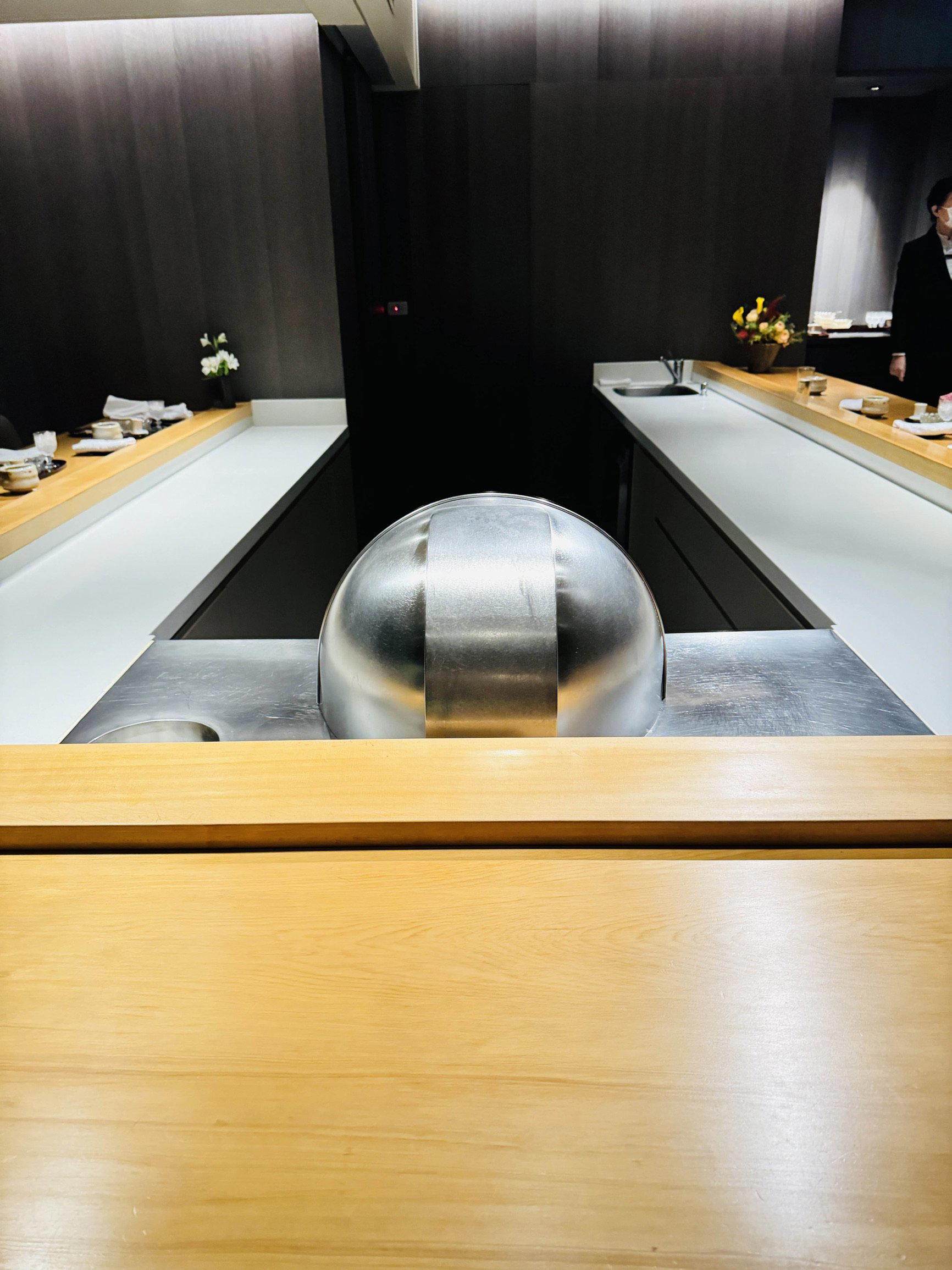
Intimate, warm, and serene with vintage Taiwanese rural photographs adorning the walls; bright and comfortable with fewer than 10 tables creating a peaceful dining environment.