Google: 4.8 · 380 reviews
300 Maalaea Rd Suite 211
"Some of the world’s best humpback whale viewing takes place in the shallow waters off Lahaina between late December and May. See it for yourself with help from PacWhale Eco-Adventures, which offers cruises led by certified marine naturalists. On the two-hour trips, guests get to observe the mammals in their natural environment, playfully spouting, surfacing, and even breaching high above the waves. For something extra, book a whale-watching sail on the outfitter’s eco-friendly catamaran or a photo safari with a professional wildlife photographer. PacWhale has a 97 percent sighting success rate and donates all proceeds to the Pacific Whale Foundation to help protect the ocean, helping you feel good about your day on the water."
 Discover on Pearl
Pearl is the En Primeur Club membership app — saves, bookings, and concierge access live there. Same editors, same standards.
- Address
- 300 Maalaea Rd, Wailuku, HI 96793
- Phone
- +1 808 868 0014
- Website
- pointbreakmaui.com
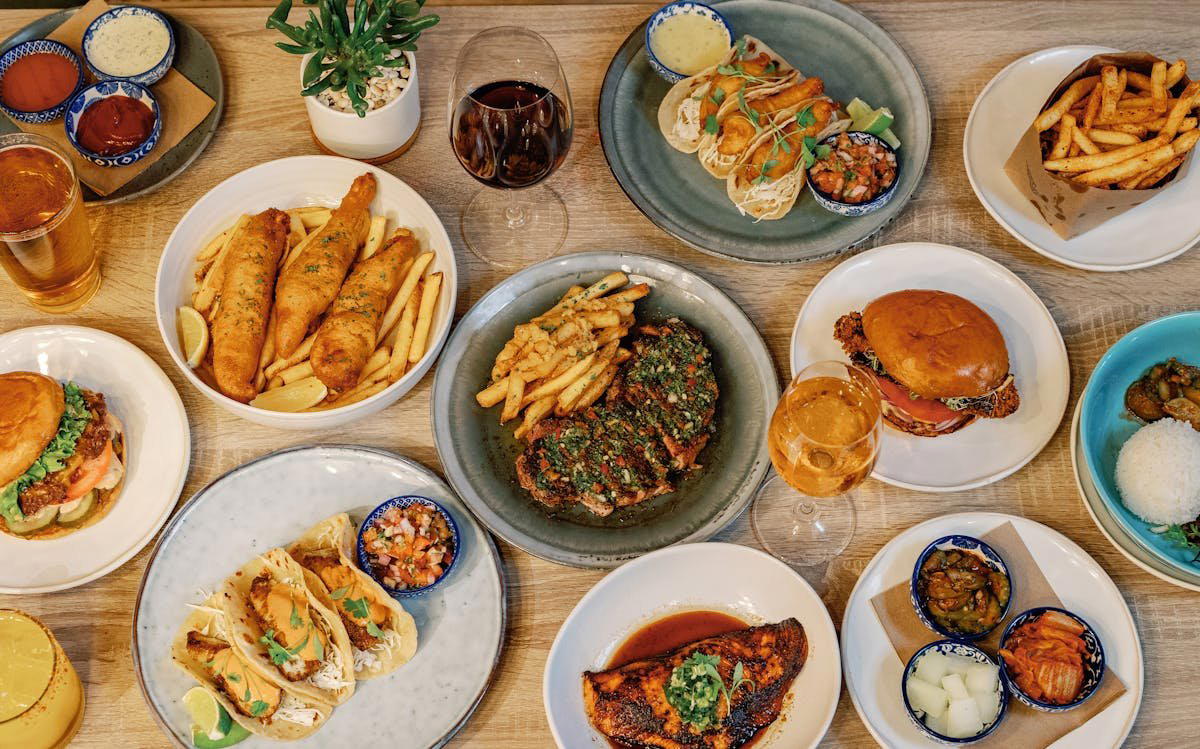
Where Maui's Working Waterfront Meets the Table
Maalaea Harbor sits at the geographic midpoint of Maui, a shallow bay where the island's central valley funnels wind down toward the ocean with enough force to make it one of the most consistent windsurfing corridors in the Pacific. The harbor itself is functional rather than decorative: fishing boats offload catches here, whale-watch vessels stage their morning departures, and the smell of salt and diesel mixes freely in the air. It is precisely this working character that gives the area its dining identity. In a state where farm-to-table rhetoric has sometimes outrun the supply chain, Maalaea's proximity to the water keeps ingredient sourcing honest. Whatever arrives at a local kitchen from these docks was, by definition, local that morning.
Suite 211 at 300 Maalaea Road sits within this context, a commercial address in the low-rise complex that anchors the harbor's retail and dining cluster. The building is utilitarian from the outside, the kind of structure that lets the view do the heavy lifting. From the upper level, the bay opens westward, and on clear afternoons the light flattens the water into something close to mercury. It is not a dramatic arrival, but Maalaea rarely performs for visitors the way Lahaina or Wailea does. The harbor operates on its own rhythm, and the dining here reflects that.
Sourcing Along the Chain: What Maalaea's Location Makes Possible
The ingredient story in Hawaii is more complicated than most mainland farm-to-table narratives acknowledge. The state imports roughly 85 to 90 percent of its food, a dependency that state agricultural policy has been trying to reduce for decades. Against that backdrop, proximity to a working harbor carries real weight. Restaurants in the Maalaea cluster have access to fresh Pacific catch without the distribution lag that affects inland Maui addresses, and the difference shows in what the kitchens can credibly offer on any given day. Seasonal fish availability here tracks the actual fishing calendar: ono runs strong in summer, mahi-mahi peaks in spring and again in fall, and opah appears when the deep-water conditions cooperate.
This is the same sourcing logic that drives nationally recognized programs at places like Le Bernardin in New York City or Providence in Los Angeles, where the relationship between kitchen and supplier is treated as a foundational credential rather than a marketing footnote. At that tier, sourcing documentation is part of the dining proposition. In Maalaea, the equivalent credential is geographic: the harbor is the supply chain, and the distance between boat and plate is measured in minutes rather than days.
Maui's broader agricultural base adds a secondary sourcing layer. The upcountry farms around Kula produce sweet onions, strawberries, and greens at elevations that moderate temperature and extend growing seasons. Farms in the Haiku corridor supply tropical fruit and specialty herbs. A kitchen in Maalaea that works both supply channels, the harbor for protein and upcountry for produce, is drawing on as vertically integrated a local sourcing model as the island allows. Operations like Single Thread Farm in Healdsburg and Blue Hill at Stone Barns in Tarrytown have built their entire identities around this kind of farm-to-kitchen integration. In Hawaii, the version is less curated but no less real.
The Maalaea Dining Scene in Context
Maalaea occupies a different register than Maui's other dining centers. Lahaina, rebuilt and reimagined after the 2023 fire, carries historical weight and a tourist density that pushes prices up and authenticity into the margins. Wailea operates at resort scale, where hotel dining programs like those you'd find at comparable properties in other luxury corridors set the benchmark. Kihei runs more casual, with a local-leaning crowd and price points that reflect it. Maalaea sits outside all three poles, smaller and more focused, with a visitor base that skews toward active travelers: snorkelers departing on morning charters, divers returning hungry in the early afternoon, families pulling off the highway after a drive from Kaanapali.
That visitor profile shapes what the area's kitchens prioritize. The format tends toward accessible, well-executed plates rather than tasting-menu formality. You are unlikely to find here the kind of progressive sequencing that defines Alinea in Chicago or the extended narrative arc of a dinner at Lazy Bear in San Francisco. The comparison set is different: Maalaea competes on freshness, setting, and value relative to the island's more expensive coastal corridors, not on tasting-menu credentials. For readers comparing notes across the EP Club portfolio, the relevant frame is closer to the casual end of programs like Addison in San Diego or Frasca Food & Wine in Boulder in terms of approachability, though the cuisine type and price register differ considerably.
For a wider view of where this address fits within the island's dining options, our full Maalaea restaurants guide maps the harbor cluster against the rest of what the area offers. Additional reference points across the EP Club network include The French Laundry in Napa, Emeril's in New Orleans, Bacchanalia in Atlanta, Brutø in Denver, Causa in Washington, D.C., The Inn at Little Washington, ITAMAE in Miami, Atomix in New York City, and 8 1/2 Otto e Mezzo Bombana in Hong Kong, each representing a different tier and regional tradition within the broader fine and premium dining conversation.
Planning Your Visit
The 300 Maalaea Road address is direct to reach from both Kahului Airport and the Kihei corridor via the Honoapiilani Highway, which runs directly along the bay's edge. Parking at the harbor complex is generally available without the stress that affects beach-town addresses further north. The upper-level suite position means arriving on foot from the parking area takes less than two minutes, with the bay view opening as you reach the second floor. Timing around the harbor's activity peaks, mid-morning charter departures and early-afternoon returns, will tell you something about the freshness window for the day's catch even before you look at a menu.
Side-by-Side Snapshot
These are the closest comparables we have in our database for quick context.
| Venue | Cuisine | Price | Awards | Notes |
|---|---|---|---|---|
| 300 Maalaea Rd Suite 211 | This venue | |||
| Le Bernardin | French, Seafood | $$$$ | Michelin 3 Star | French, Seafood, $$$$ |
| Atomix | Modern Korean, Korean | $$$$ | Michelin 2 Star | Modern Korean, Korean, $$$$ |
| Lazy Bear | Progressive American, Contemporary | $$$$ | Michelin 2 Star | Progressive American, Contemporary, $$$$ |
| Alinea | Progressive American, Creative | $$$$ | Michelin 3 Star | Progressive American, Creative, $$$$ |
| Atelier Crenn | Modern French, Contemporary | $$$$ | Michelin 3 Star | Modern French, Contemporary, $$$$ |
At a Glance
- Casual
- Cozy
- Casual Hangout
- Family
- Group Dining
- Standalone
- Farm To Table
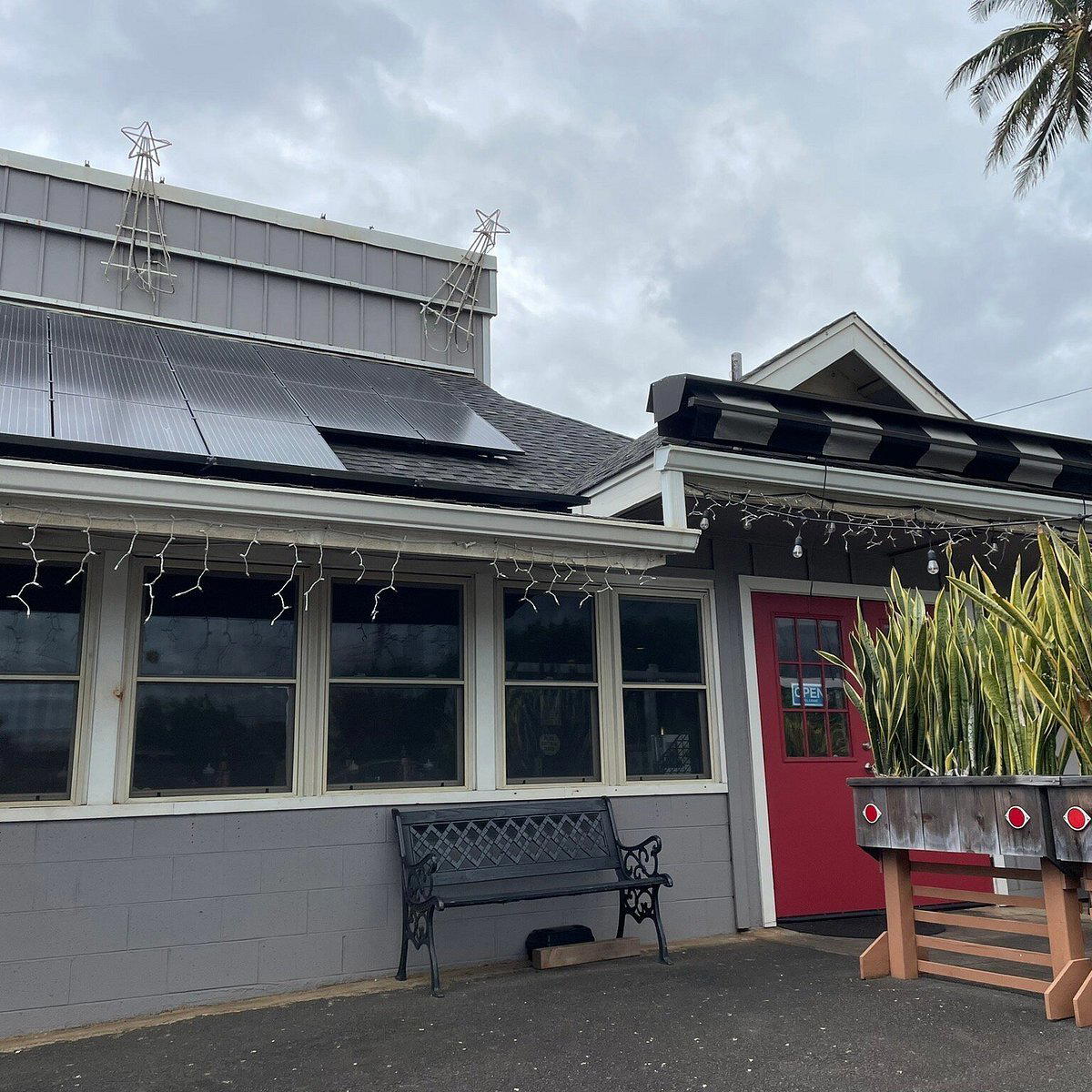
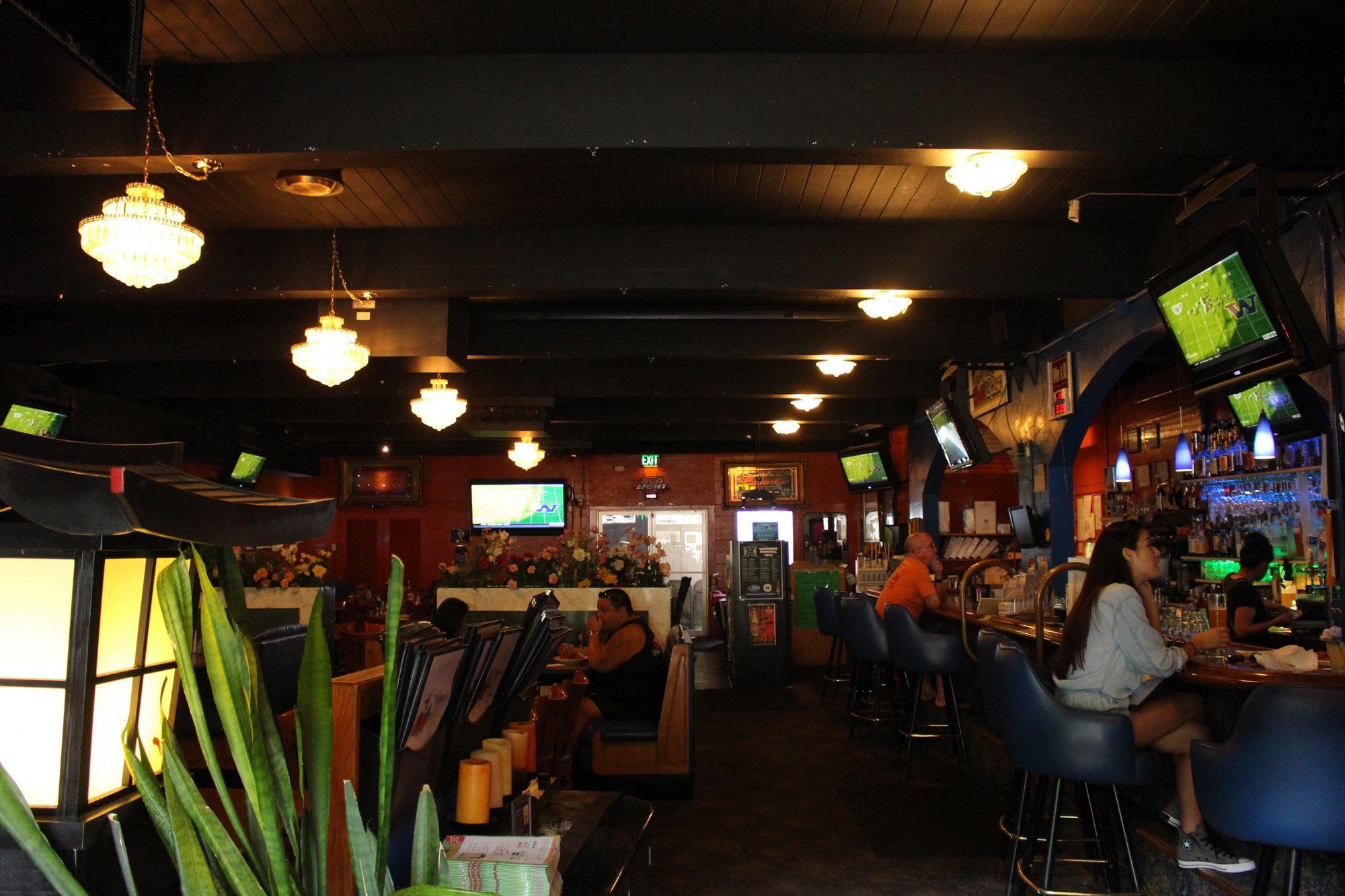
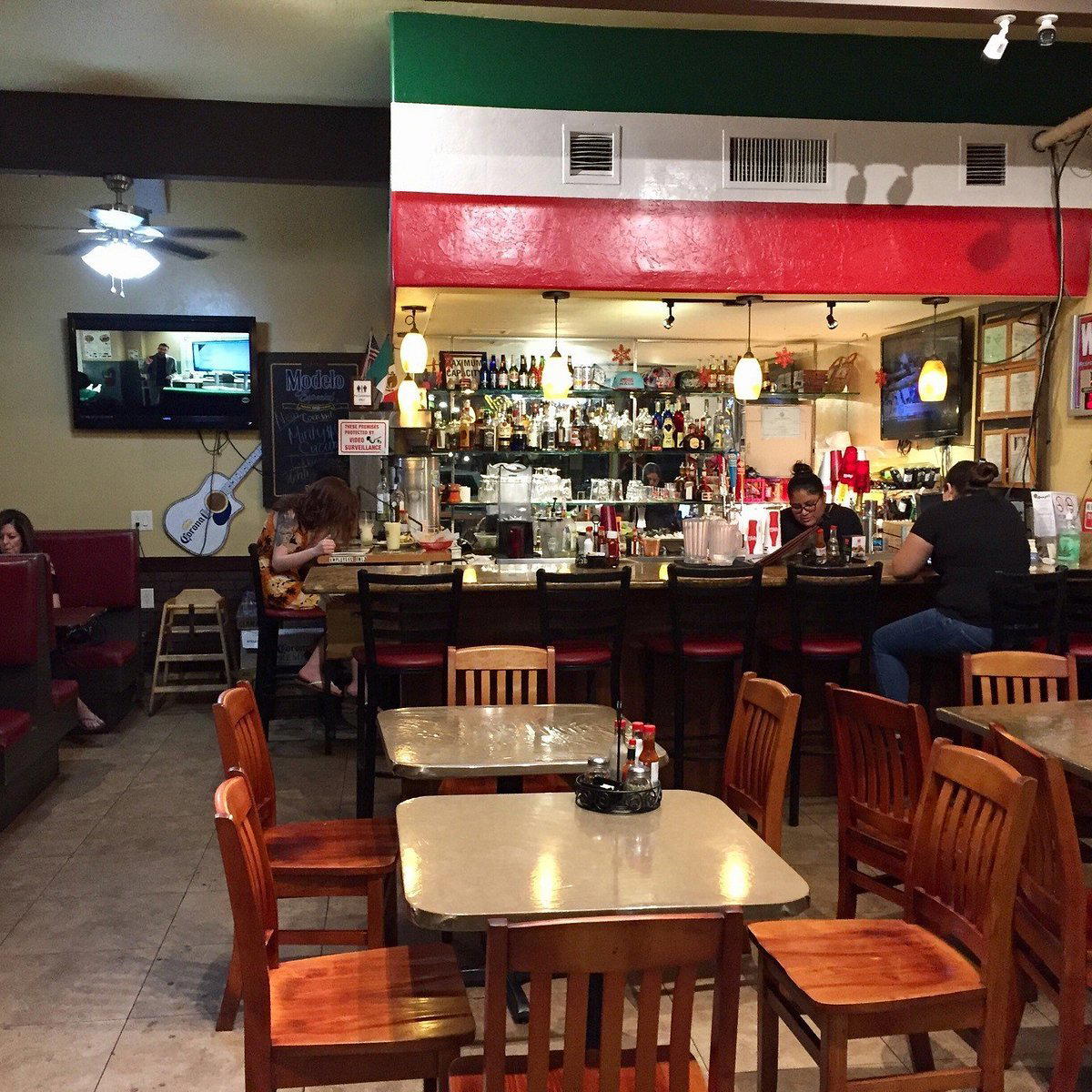
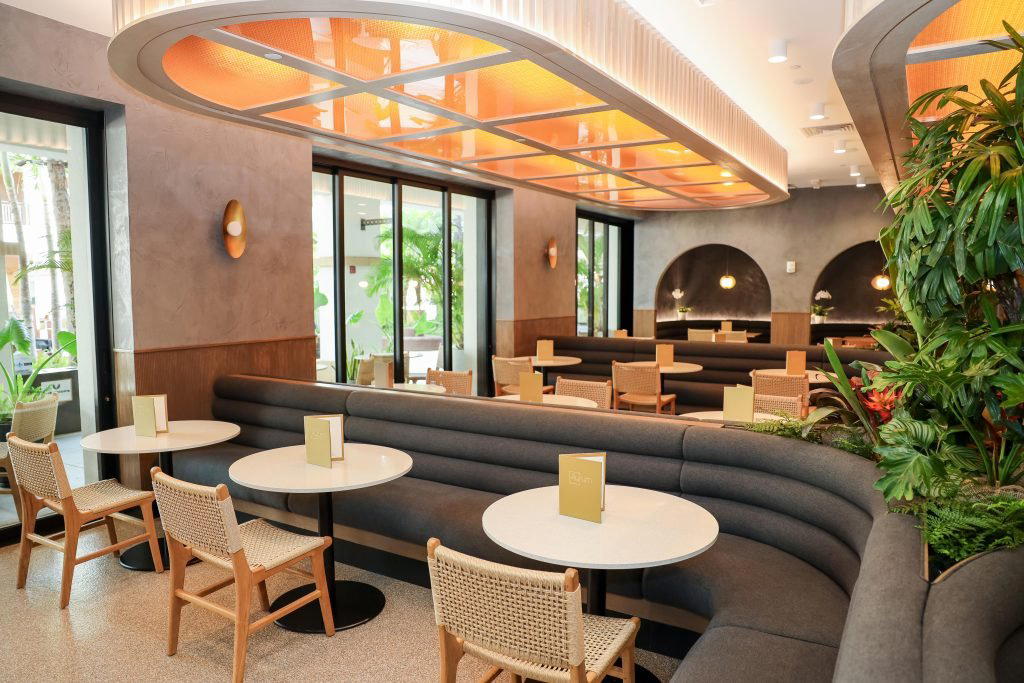
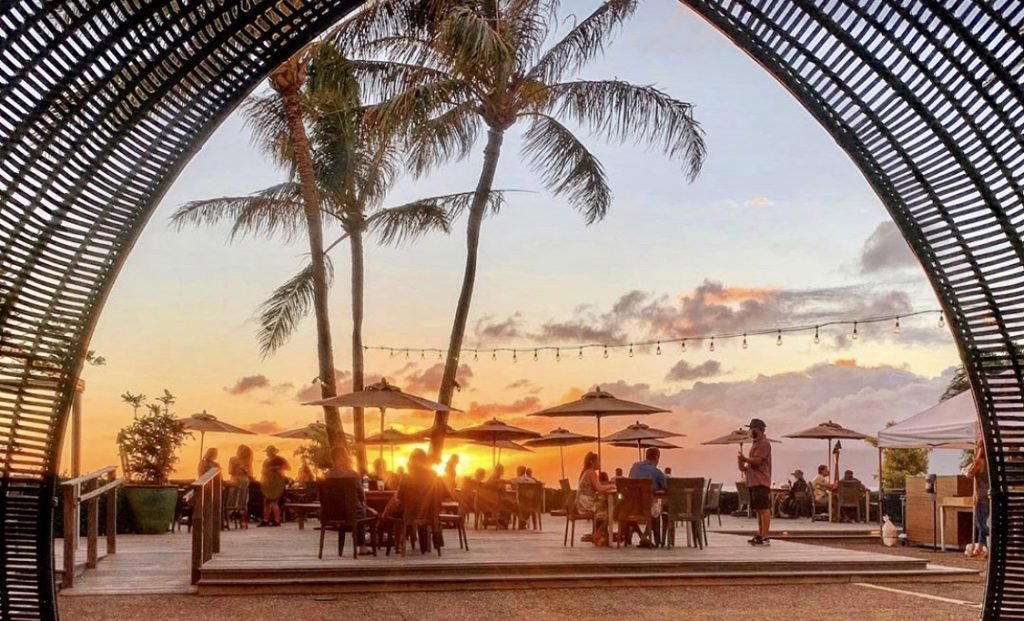
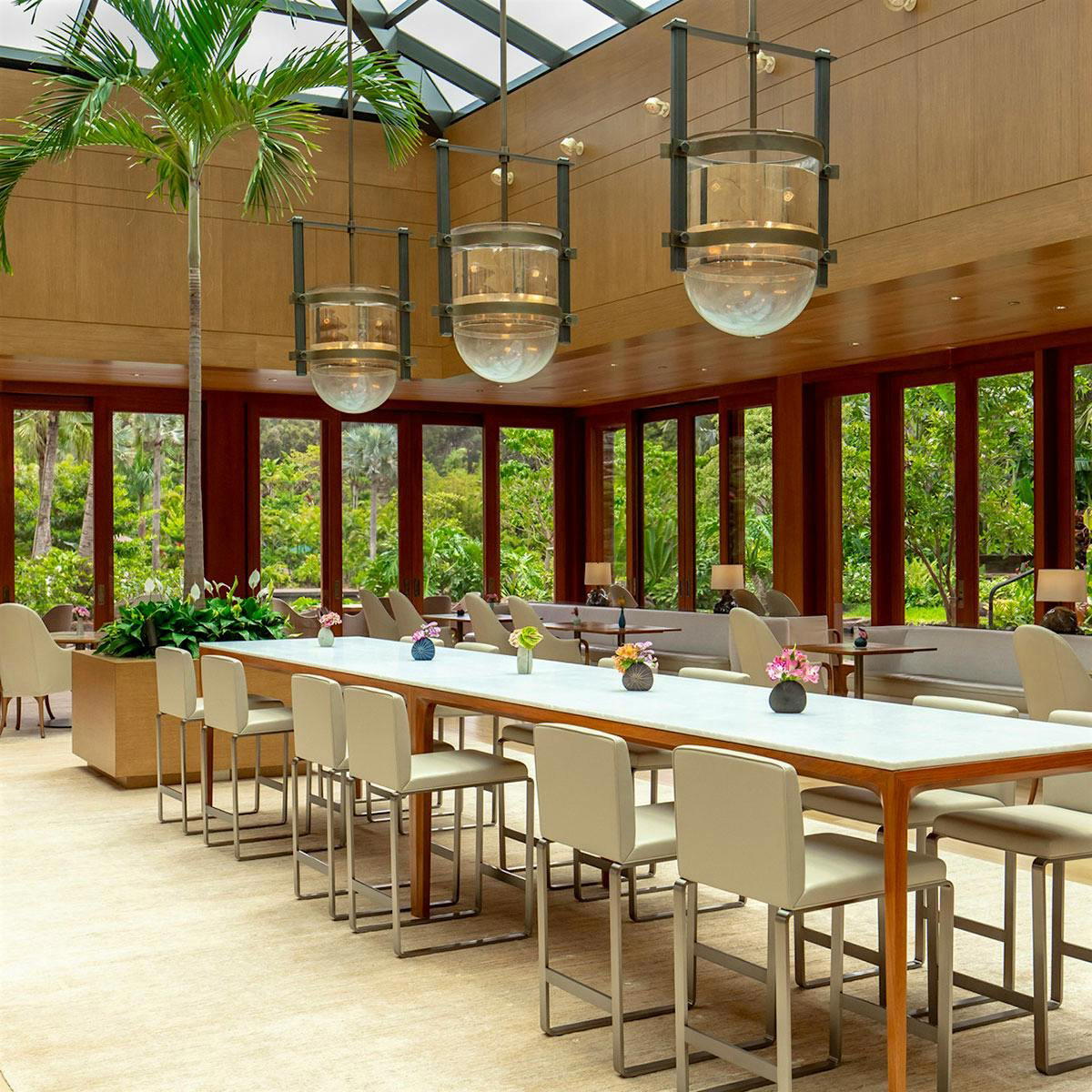
Bright and welcoming with cute restaurant seating featuring a spacious six-seater table arrangement.