3 Nagas Restaurant
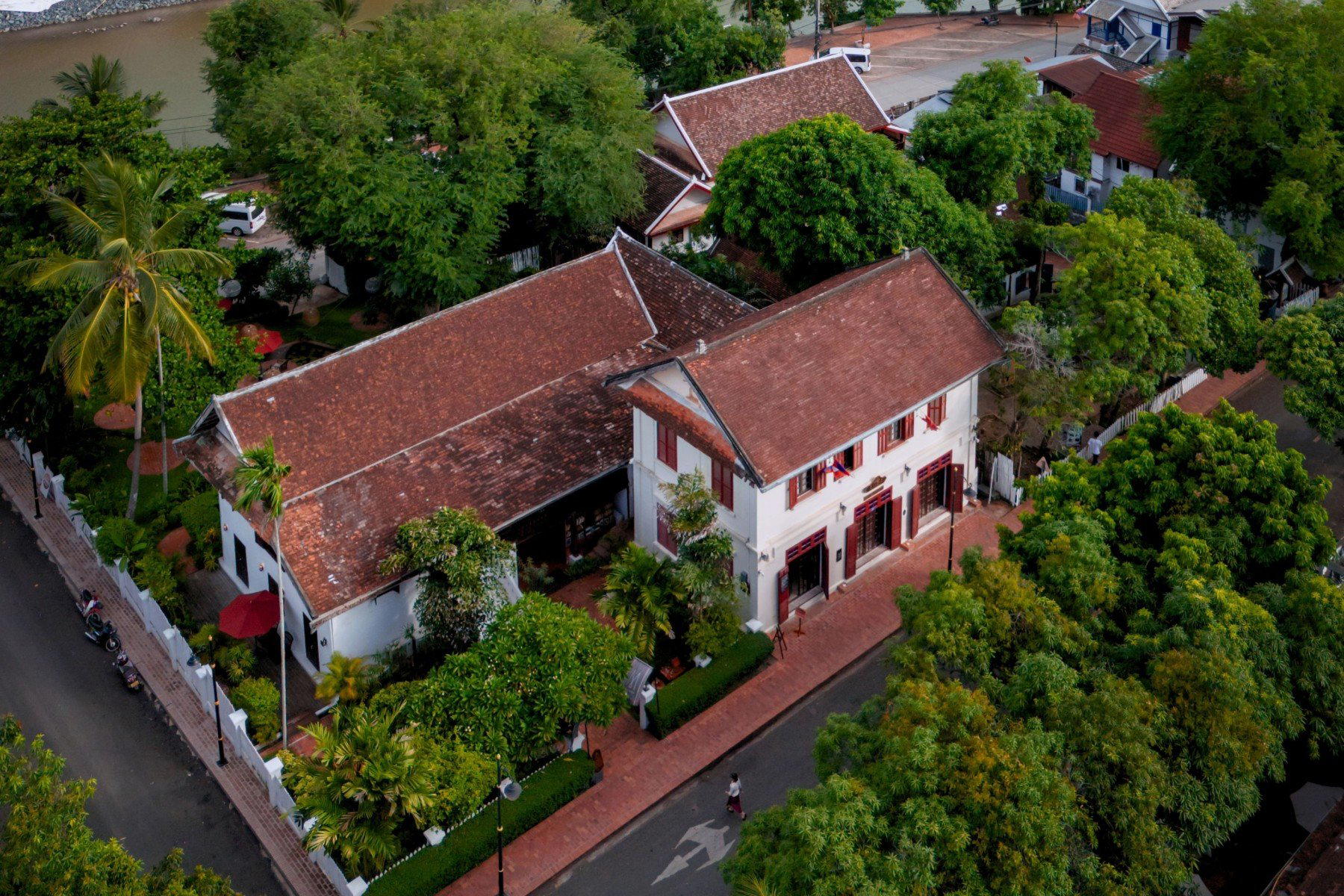
Where Sakkaline Road Meets the Lao Table Luang Prabang's old quarter along Sakkaline Road is one of Southeast Asia's more intact examples of French colonial urban planning layered over a Theravada Buddhist town, and the physical setting shapes what dining here feels like before a single dish arrives. The restored shophouse and villa architecture that lines this stretch creates a particular mood: shaded, measured, unhurried. Restaurants that occupy these buildings, including 3 Nagas, inherit that cadence. The approach to the restaurant reads as a passage through preserved civic history rather than a route to a meal, which is either the city's great selling point or its defining character depending on how you read it. That context matters because Lao cuisine, especially in its northern form, is still underrepresented in serious restaurant formats globally. Most visitors encounter it through street stalls, family-run shopfronts, or the kind of informal setting that produces good food but little editorial depth. A restaurant like 3 Nagas, occupying a formal colonial building on one of the city's primary heritage corridors, signals a different register: an attempt to frame Lao cooking within a considered dining environment. For context on how the city's broader dining options sit relative to each other, see our full Louangphrabang restaurants guide. Northern Lao Ingredients and Why Their Origin Matters The ingredient story in northern Laos is specific and worth understanding before you sit down. The Mekong and Nam Khan rivers, which converge near Luang Prabang, supply freshwater fish that form the backbone of the local protein repertoire. River fish prepared with lemongrass, galangal, and padaek (fermented fish paste) is a regional constant that separates northern Lao cooking from central Vietnamese or northeastern Thai traditions that visitors might use as a mental reference point. These are not interchangeable flavor profiles, and the distinctions matter at the table. Equally important is the role of foraged and cultivated herbs. The mountains around Luang Prabang Province, fed by monsoon rains and cooler highland temperatures, support a diversity of edible plants, some of which appear in Lao cooking and almost nowhere else in codified culinary traditions. Bitter leaves, pungent roots, and fresh aromatics that would be unusual in a Bangkok or Hanoi kitchen turn up as standard working ingredients here. Restaurants that source seriously in this city tend to work with local markets and suppliers rather than centralized distributors, because the supply chain for many of these ingredients has no industrial equivalent. That sourcing discipline, when it exists, is what separates a kitchen with real regional conviction from one reproducing a generalized Southeast Asian menu. The same logic applies to sticky rice, which in Laos is not a side item but a primary staple and a cultural marker. Northern Lao meals are typically built around glutinous rice eaten by hand, and the quality and source of that rice reflects how seriously a kitchen treats its culinary base. For comparison, restaurants at different ends of the formality and sourcing spectrum in the city include Tamarind in ຫລວງພະບາງ, which has built a reputation on teaching Lao cooking techniques alongside serving them, and informal options like Thongmoun Aunt Noodle Soup in Luang Prabang, where the sourcing is local by default rather than by philosophy. The Colonial Frame and What It Does to Lao Cuisine There is a structural tension in presenting Lao food inside French colonial architecture that serious diners should acknowledge rather than ignore. The buildings along Sakkaline Road were not built for Lao culinary expression; they were administrative and residential structures from a period of foreign governance. Placing a Lao kitchen inside one creates a frame that can either honor the food by giving it a formal setting it rarely receives abroad, or aestheticize it in ways that soften its edges for international visitors. The better restaurants in Luang Prabang's heritage corridor lean toward the former, treating the building as a stage for authenticity rather than a signal of it. This tension is not distinctive to Laos. Across Southeast Asia, premium dining has split between large international hotel restaurants that apply global fine-dining grammar to local ingredients, and smaller independent places where the cuisine sets the terms. Luang Prabang's dining scene, still developing relative to Bangkok or Hanoi, sits at an interesting moment in that split. The city's UNESCO designation since 1995 has both protected its physical character and channeled a specific kind of visitor, one more likely to seek out considered local cooking than a tourist destination with faster culinary turnover. For a broader sense of what formal ingredient-led dining looks like at its most developed internationally, the approaches at Arpège in Paris or Jordnær in Gentofte offer useful contrast in how sourcing philosophy can anchor an entire restaurant identity. How to Read the Menu and What to Prioritize Without verified current menu data it would be misleading to name specific dishes, but Lao menus in Luang Prabang's more serious restaurants typically organize around a logic that differs from Western tasting menu formats or à la carte structures. Sharing is the default mode. The meal is assembled from multiple small preparations meant to be eaten together: a sticky rice basket at the center, surrounded by jeow (dipping pastes), larb (herb-forward minced meat salads), and grilled or steamed river fish. The sequencing is less formal than a European tasting menu, and the flavor relationships between dishes are as important as the individual preparations. Visitors coming from contexts like Le Bernardin in New York City or Osteria Francescana in Modena will find the format and price register entirely different. That is not a shortcoming; it reflects a culinary tradition with different organizing principles. The measure of quality here is fidelity to regional sourcing, the balance of fermented and fresh elements, and the kitchen's confidence in presenting northern Lao flavors without diluting them for an international palate. For visitors wanting to extend their understanding of Lao cooking beyond a single restaurant meal, Rice Noodle Lao Porridge in Vientiane offers a useful reference point for how the same culinary tradition reads in a more casual, capital-city context. Planning Your Visit 3 Nagas Restaurant sits on Sakkaline Road in the UNESCO-protected old quarter of Luang Prabang, within walking distance of the main monastery complex and the night market area. The address (V4VR+W88, Sakkaline Rd) places it in the densest part of the heritage zone, which means arriving on foot or by tuk-tuk is more practical than by private car given the narrow road configurations. The city's old quarter is compact enough that most guesthouses and hotels in the area are within a ten-to-fifteen minute walk. Frequently Asked Questions Is 3 Nagas Restaurant a family-friendly restaurant?Luang Prabang's heritage-quarter restaurants generally accommodate families, and the sharing-format structure of northern Lao cuisine means tables can be ordered to suit a range of preferences without significant menu compromise. Pricing in this city's mid-to-upper tier remains low by Western standards, which reduces the financial stakes of bringing children. The colonial building setting is calm rather than high-energy, which suits mixed-age groups better than a loud, fast-turnover venue would.Is 3 Nagas Restaurant formal or casual?By the standards of Luang Prabang, which operates several registers below Bangkok or Hanoi in terms of dining formality, 3 Nagas occupies a considered middle position. The heritage building and Sakkaline Road address signal a step above street-level casual, but the city has no Michelin-recognized restaurants and no formal dress code culture to speak of. Smart-casual clothing is appropriate; the setting rewards some attention to presentation without requiring it.What is the must-try dish at 3 Nagas Restaurant?Without verified current menu data it would be misleading to specify a single dish, but in northern Lao cuisine the preparations most worth seeking out are those built around locally sourced river fish and herb-forward larb, as these reflect the regional ingredient base most directly. Jeow dipping pastes made in-house from fermented and fresh components are also a reliable marker of kitchen seriousness in this culinary tradition. Asking staff what is sourced locally that day is a more reliable guide than any fixed recommendation.Does 3 Nagas Restaurant reflect the cooking of the broader Luang Prabang Province, or is it focused specifically on the city's cuisine?Northern Lao cooking as practiced in Luang Prabang draws on both the city's river-adjacent ingredient base and highland produce from the surrounding province, and the better restaurants in the old quarter tend to treat these as a single regional system rather than separating urban and rural sources. Ingredients like foraged mountain herbs and upland sticky rice varieties appear alongside Mekong fish in a menu that is provincial in scope rather than strictly municipal. This regional framing is part of what gives Luang Prabang's more serious kitchens a distinct identity relative to the more internationally accessible Lao cooking found in Vientiane.
Pearl is the En Primeur Club membership app — saves, bookings, and concierge access live there. Same editors, same standards.
- Address
- V4VR+W88, Sakkaline Rd, Luang Prabang 06000, Laos
- Phone
- +856 71 253 888
- Website
- 3-nagas.com
- Directions
- Get directions
 Saves & bookings on Pearl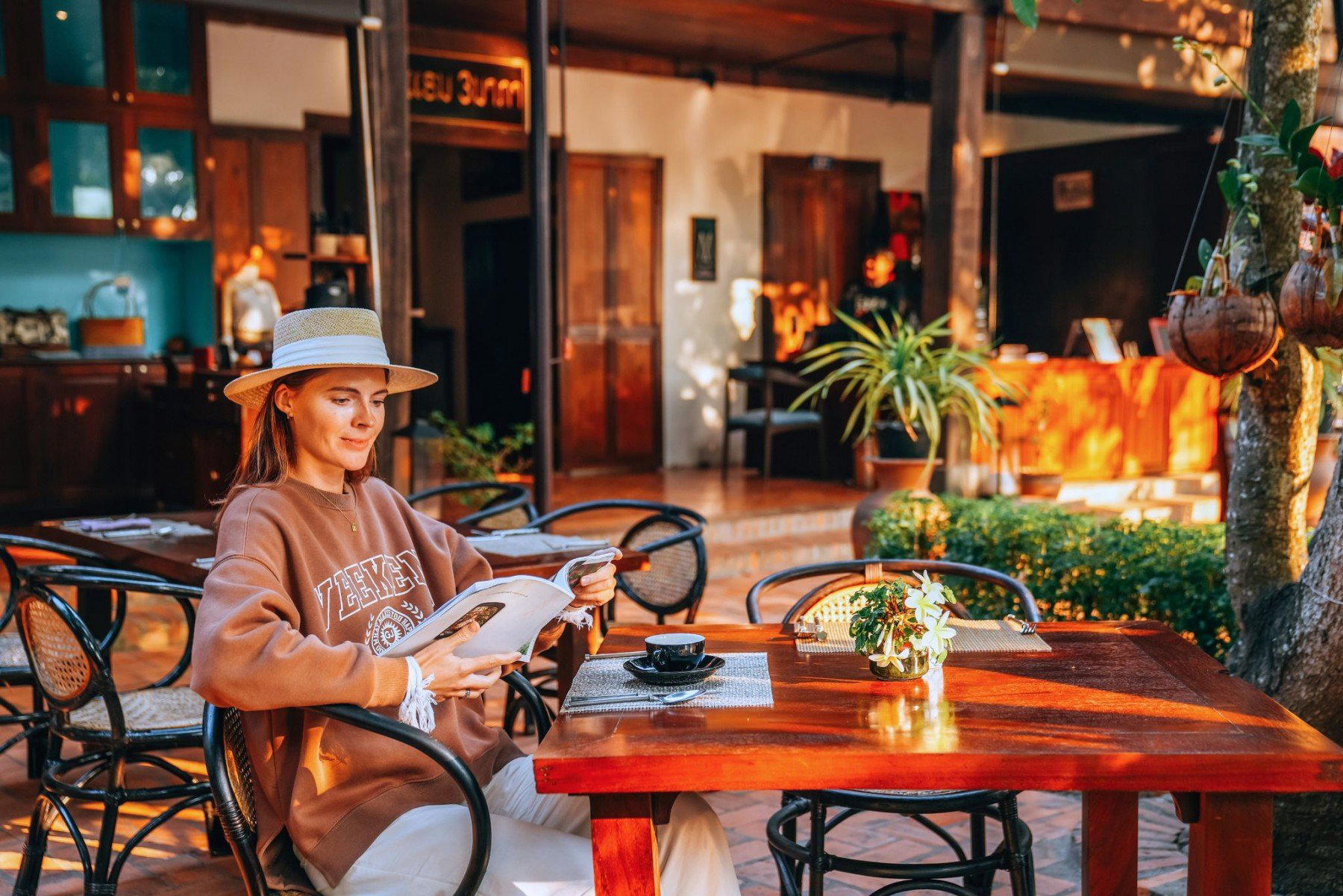
Where Sakkaline Road Meets the Lao Table
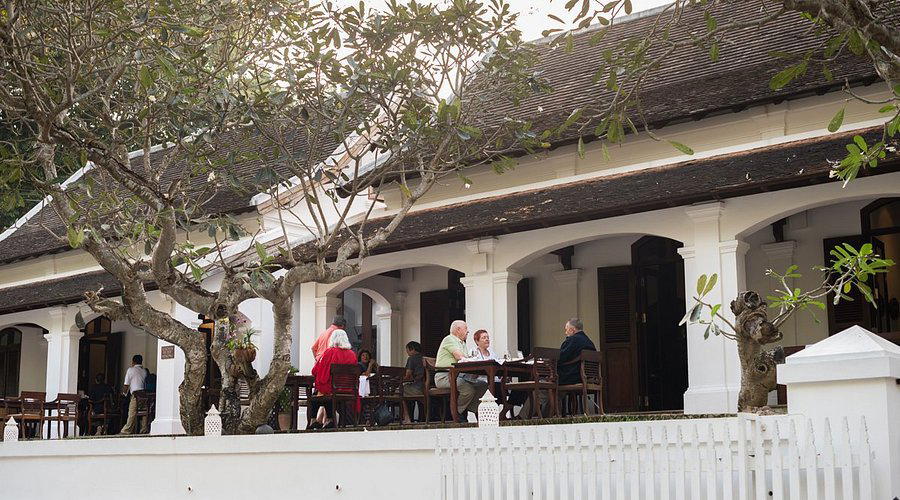
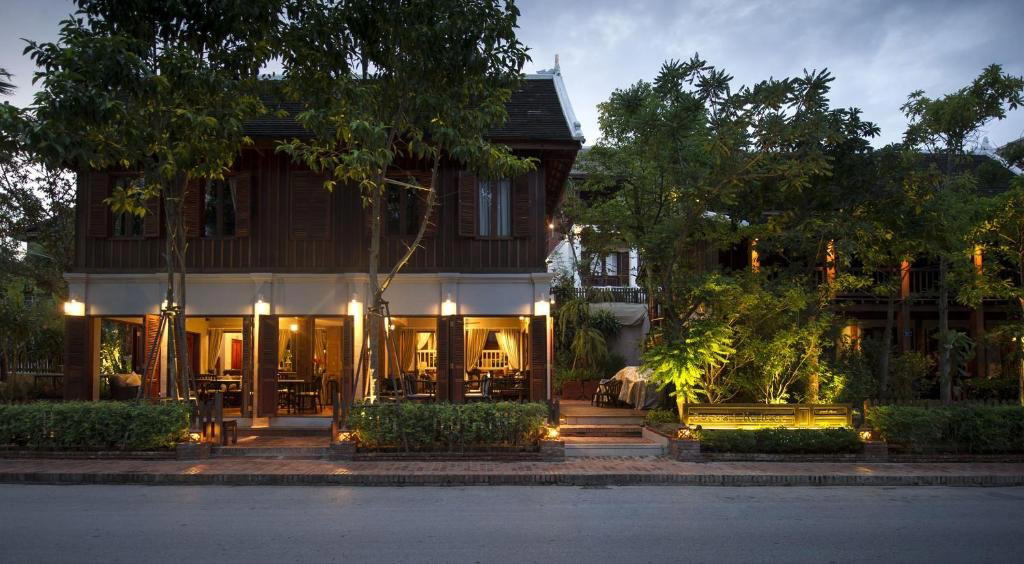
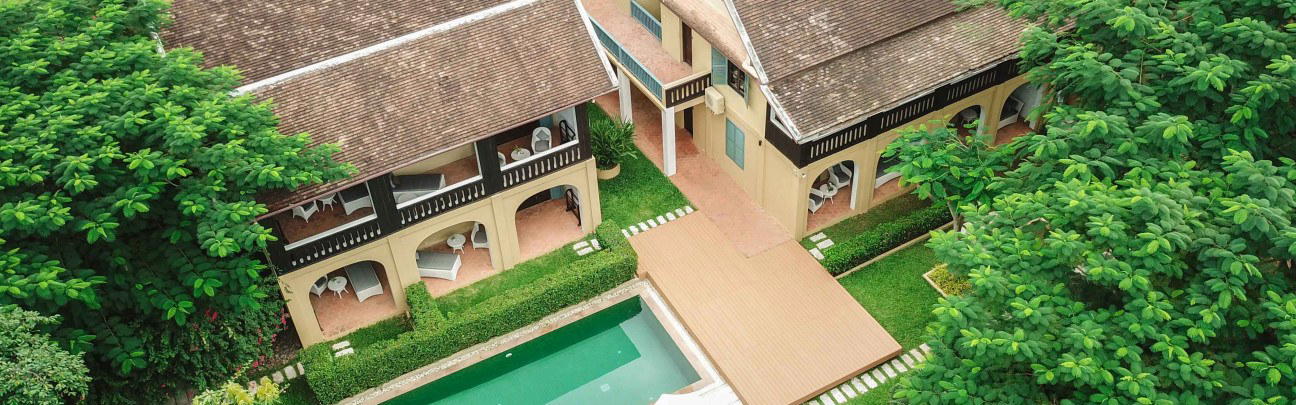
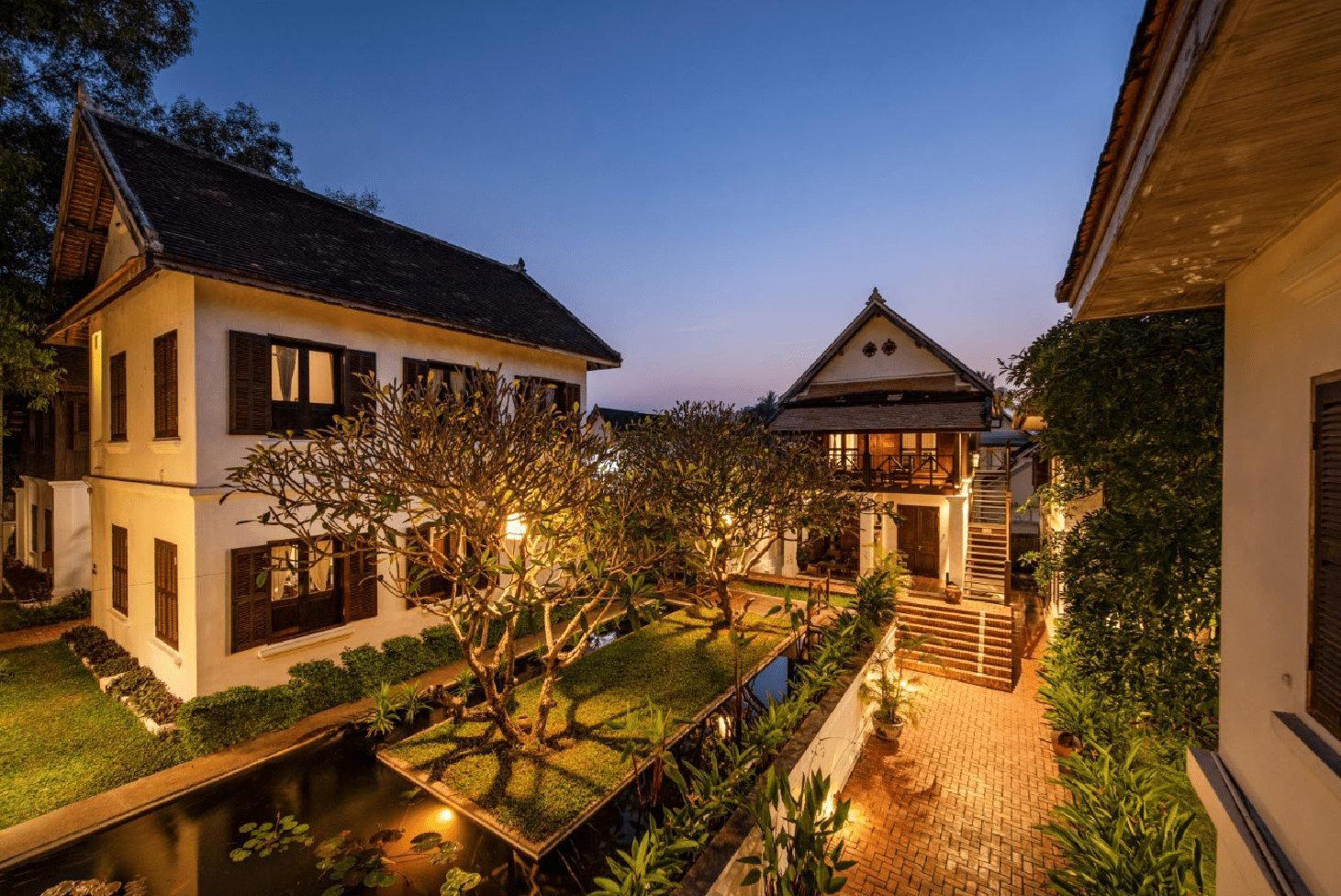
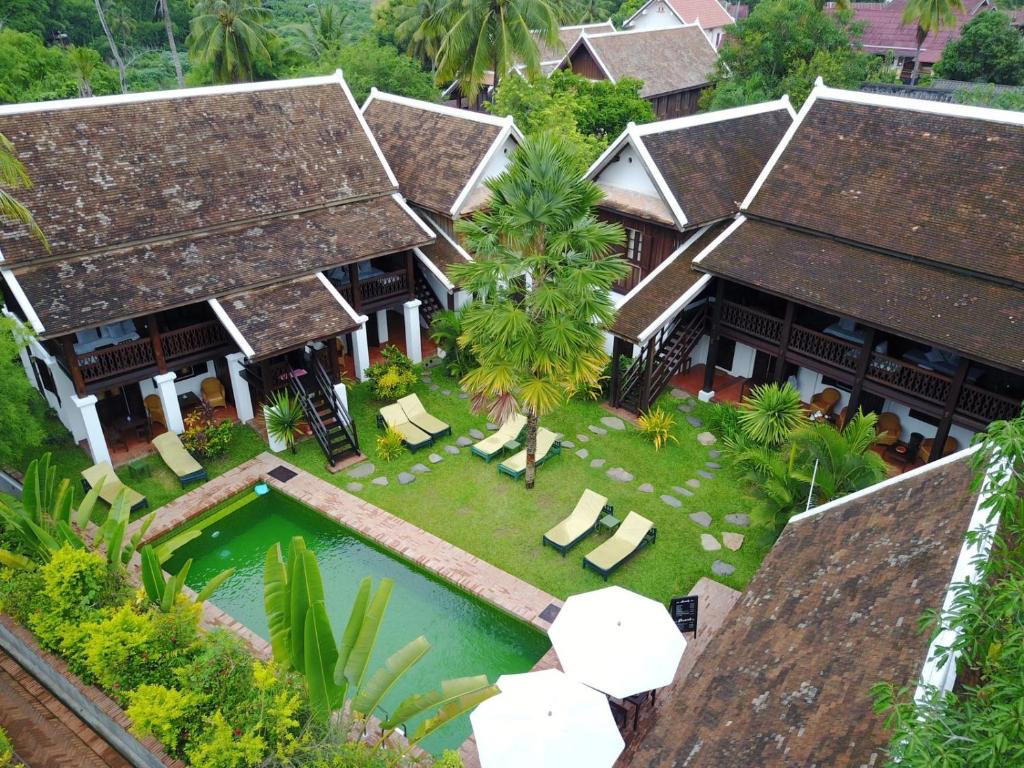
Luang Prabang's old quarter along Sakkaline Road is one of Southeast Asia's more intact examples of French colonial urban planning layered over a Theravada Buddhist town, and the physical setting shapes what dining here feels like before a single dish arrives. The restored shophouse and villa architecture that lines this stretch creates a particular mood: shaded, measured, unhurried. Restaurants that occupy these buildings, including 3 Nagas, inherit that cadence. The approach to the restaurant reads as a passage through preserved civic history rather than a route to a meal, which is either the city's great selling point or its defining character depending on how you read it.
That context matters because Lao cuisine, especially in its northern form, is still underrepresented in serious restaurant formats globally. Most visitors encounter it through street stalls, family-run shopfronts, or the kind of informal setting that produces good food but little editorial depth. A restaurant like 3 Nagas, occupying a formal colonial building on one of the city's primary heritage corridors, signals a different register: an attempt to frame Lao cooking within a considered dining environment. For context on how the city's broader dining options sit relative to each other, see our full Louangphrabang restaurants guide.
Northern Lao Ingredients and Why Their Origin Matters
The ingredient story in northern Laos is specific and worth understanding before you sit down. The Mekong and Nam Khan rivers, which converge near Luang Prabang, supply freshwater fish that form the backbone of the local protein repertoire. River fish prepared with lemongrass, galangal, and padaek (fermented fish paste) is a regional constant that separates northern Lao cooking from central Vietnamese or northeastern Thai traditions that visitors might use as a mental reference point. These are not interchangeable flavor profiles, and the distinctions matter at the table.
Equally important is the role of foraged and cultivated herbs. The mountains around Luang Prabang Province, fed by monsoon rains and cooler highland temperatures, support a diversity of edible plants, some of which appear in Lao cooking and almost nowhere else in codified culinary traditions. Bitter leaves, pungent roots, and fresh aromatics that would be unusual in a Bangkok or Hanoi kitchen turn up as standard working ingredients here. Restaurants that source seriously in this city tend to work with local markets and suppliers rather than centralized distributors, because the supply chain for many of these ingredients has no industrial equivalent. That sourcing discipline, when it exists, is what separates a kitchen with real regional conviction from one reproducing a generalized Southeast Asian menu.
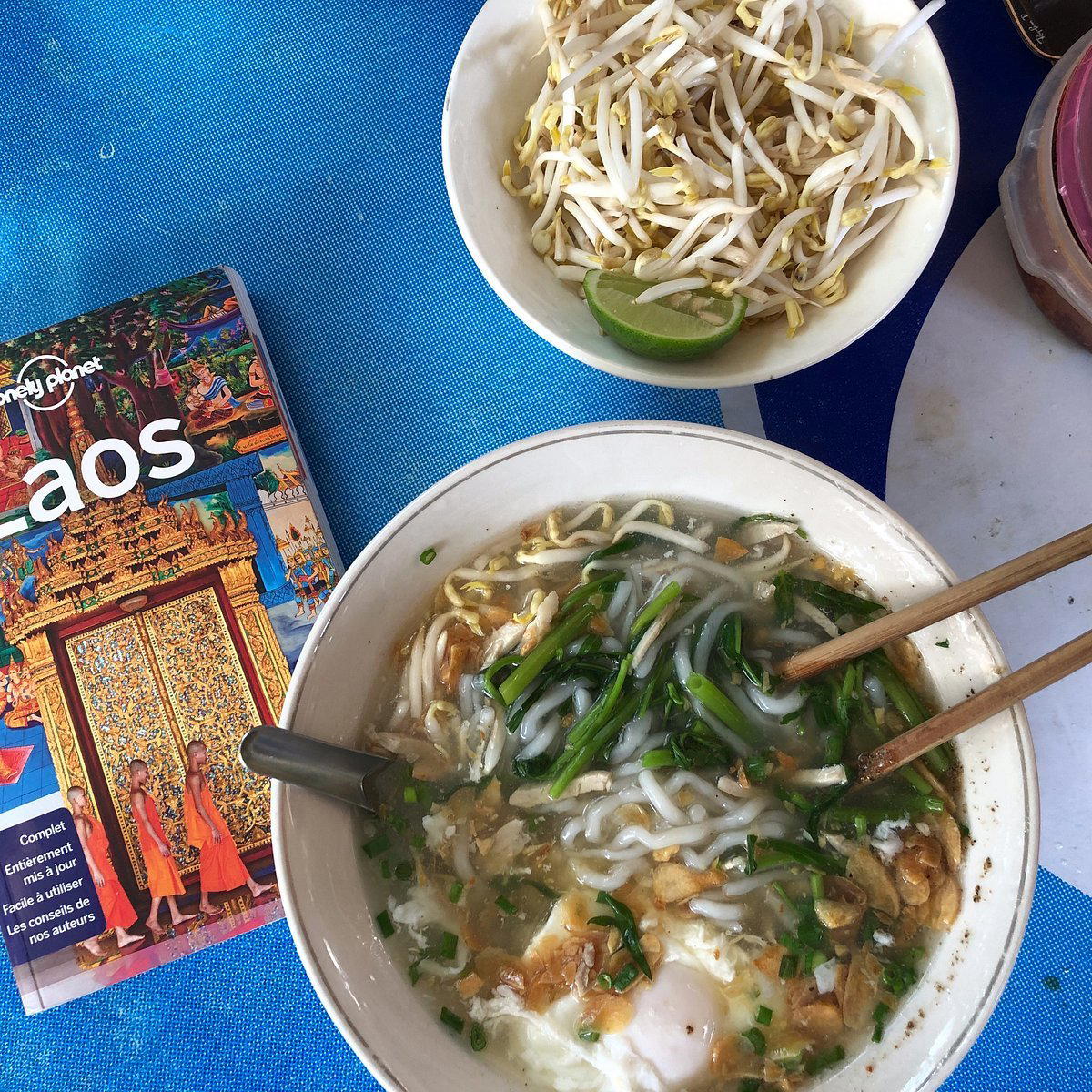
The same logic applies to sticky rice, which in Laos is not a side item but a primary staple and a cultural marker. Northern Lao meals are typically built around glutinous rice eaten by hand, and the quality and source of that rice reflects how seriously a kitchen treats its culinary base. For comparison, restaurants at different ends of the formality and sourcing spectrum in the city include Tamarind in ຫລວງພະບາງ, which has built a reputation on teaching Lao cooking techniques alongside serving them, and informal options like Thongmoun Aunt Noodle Soup in Luang Prabang, where the sourcing is local by default rather than by philosophy.
The Colonial Frame and What It Does to Lao Cuisine
There is a structural tension in presenting Lao food inside French colonial architecture that serious diners should acknowledge rather than ignore. The buildings along Sakkaline Road were not built for Lao culinary expression; they were administrative and residential structures from a period of foreign governance. Placing a Lao kitchen inside one creates a frame that can either honor the food by giving it a formal setting it rarely receives abroad, or aestheticize it in ways that soften its edges for international visitors. The better restaurants in Luang Prabang's heritage corridor lean toward the former, treating the building as a stage for authenticity rather than a signal of it.
This tension is not distinctive to Laos. Across Southeast Asia, premium dining has split between large international hotel restaurants that apply global fine-dining grammar to local ingredients, and smaller independent places where the cuisine sets the terms. Luang Prabang's dining scene, still developing relative to Bangkok or Hanoi, sits at an interesting moment in that split. The city's UNESCO designation since 1995 has both protected its physical character and channeled a specific kind of visitor, one more likely to seek out considered local cooking than a tourist destination with faster culinary turnover. For a broader sense of what formal ingredient-led dining looks like at its most developed internationally, the approaches at Arpège in Paris or Jordnær in Gentofte offer useful contrast in how sourcing philosophy can anchor an entire restaurant identity.
How to Read the Menu and What to Prioritize
Without verified current menu data it would be misleading to name specific dishes, but Lao menus in Luang Prabang's more serious restaurants typically organize around a logic that differs from Western tasting menu formats or à la carte structures. Sharing is the default mode. The meal is assembled from multiple small preparations meant to be eaten together: a sticky rice basket at the center, surrounded by jeow (dipping pastes), larb (herb-forward minced meat salads), and grilled or steamed river fish. The sequencing is less formal than a European tasting menu, and the flavor relationships between dishes are as important as the individual preparations.
Visitors coming from contexts like Le Bernardin in New York City or Osteria Francescana in Modena will find the format and price register entirely different. That is not a shortcoming; it reflects a culinary tradition with different organizing principles. The measure of quality here is fidelity to regional sourcing, the balance of fermented and fresh elements, and the kitchen's confidence in presenting northern Lao flavors without diluting them for an international palate.
For visitors wanting to extend their understanding of Lao cooking beyond a single restaurant meal, Rice Noodle Lao Porridge in Vientiane offers a useful reference point for how the same culinary tradition reads in a more casual, capital-city context.
Planning Your Visit
3 Nagas Restaurant sits on Sakkaline Road in the UNESCO-protected old quarter of Luang Prabang, within walking distance of the main monastery complex and the night market area. The address (V4VR+W88, Sakkaline Rd) places it in the densest part of the heritage zone, which means arriving on foot or by tuk-tuk is more practical than by private car given the narrow road configurations. The city's old quarter is compact enough that most guesthouses and hotels in the area are within a ten-to-fifteen minute walk.
- Ping Paa
- Mee Gouy Phan
- Tam Tard
- Laap
- Or Lam
- Banana Flambé
Continue exploring
More in Louangphrabang
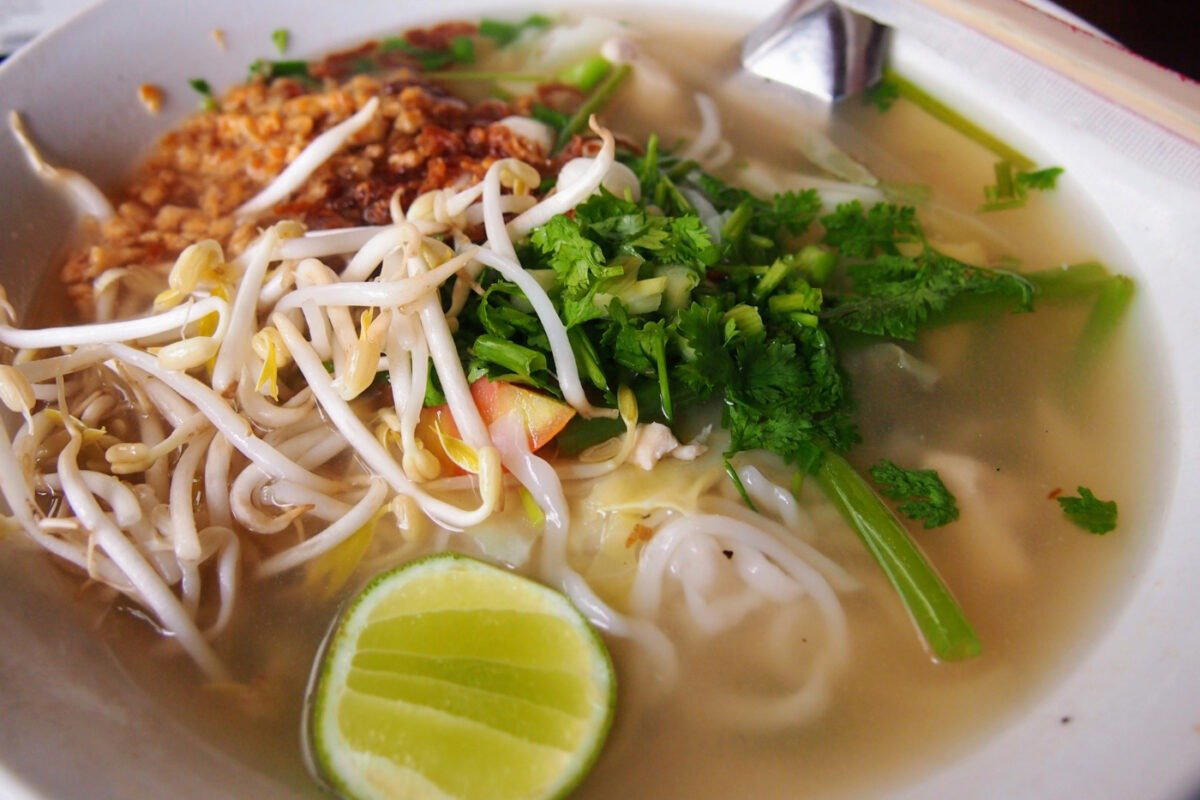
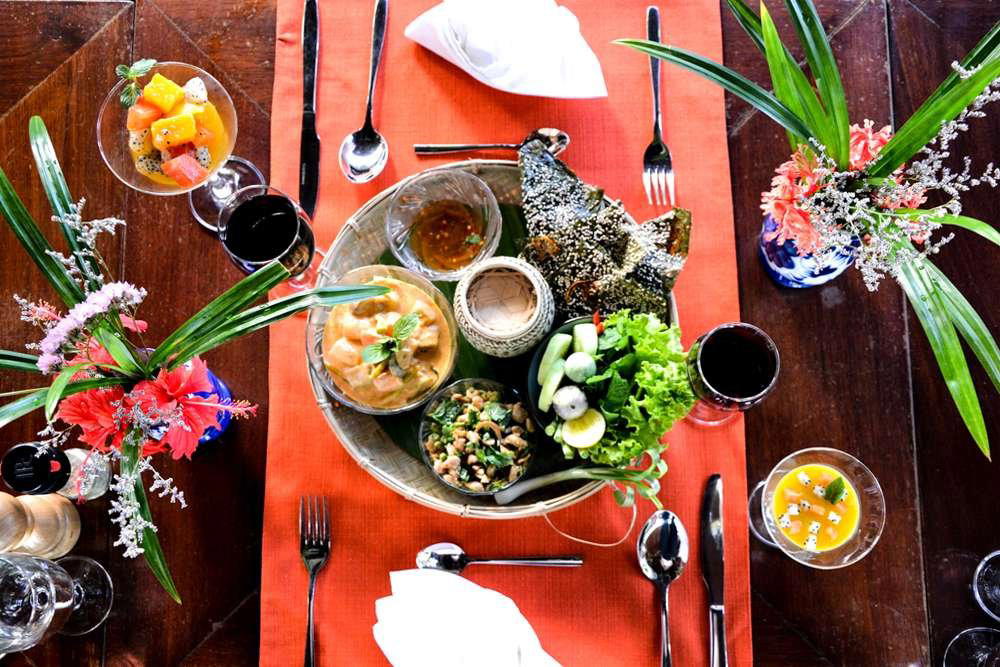
Restaurants in Louangphrabang
Browse all →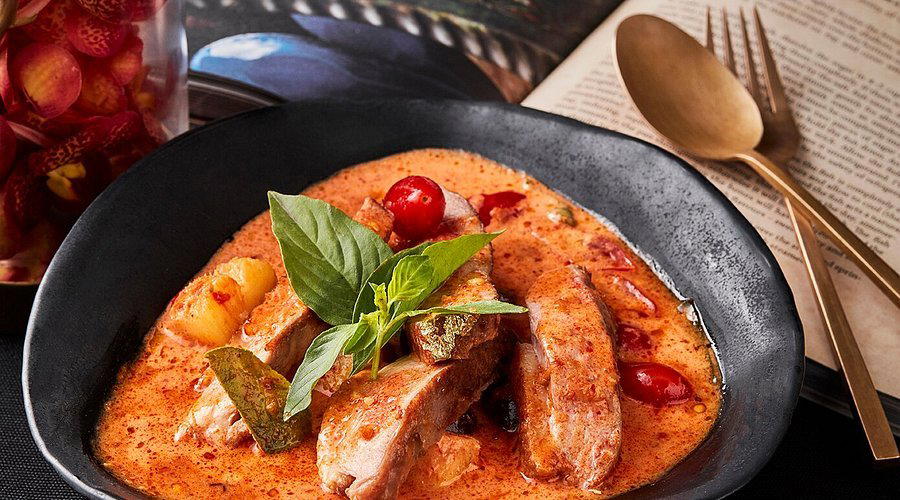
Bars in Louangphrabang
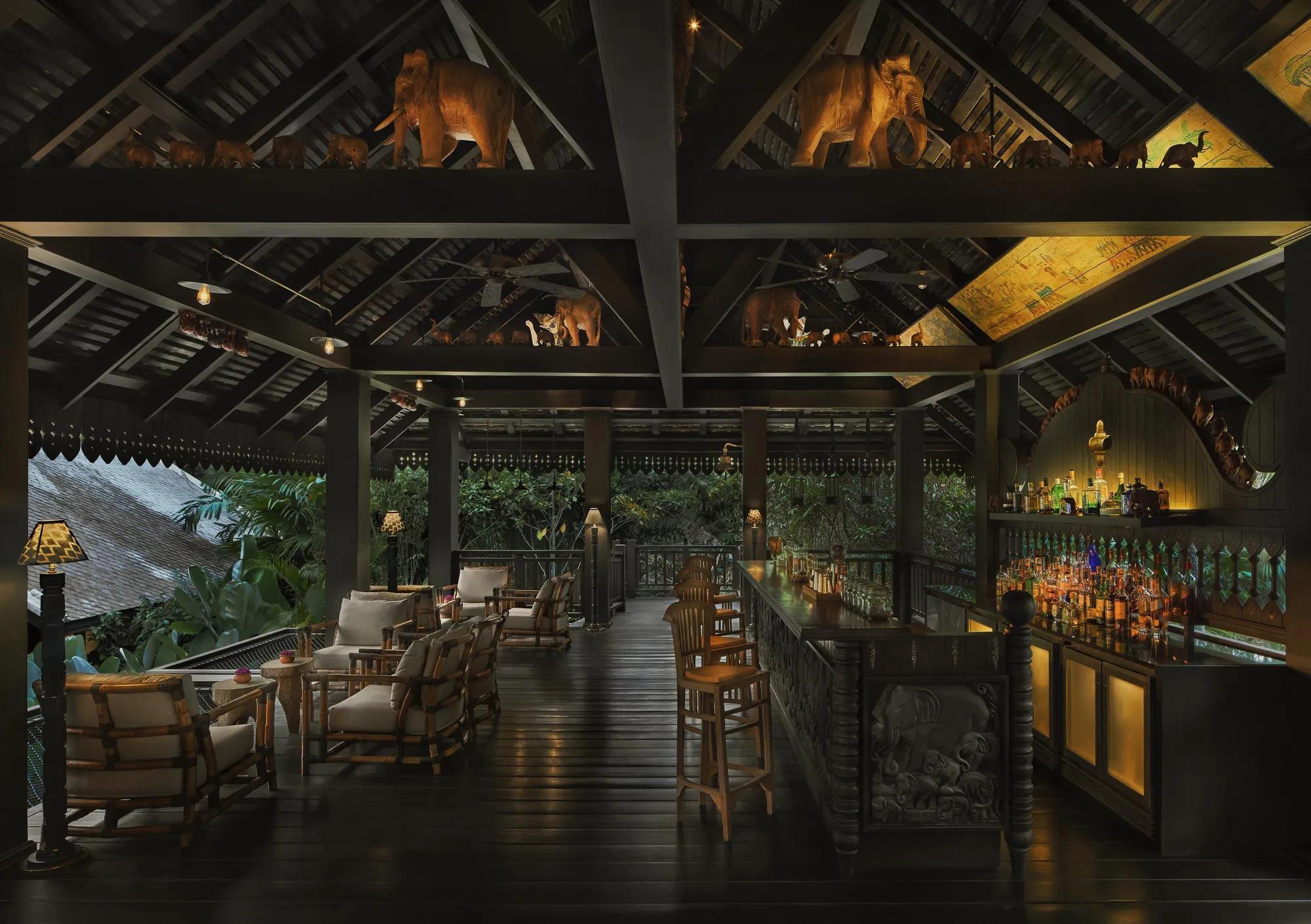
Browse all →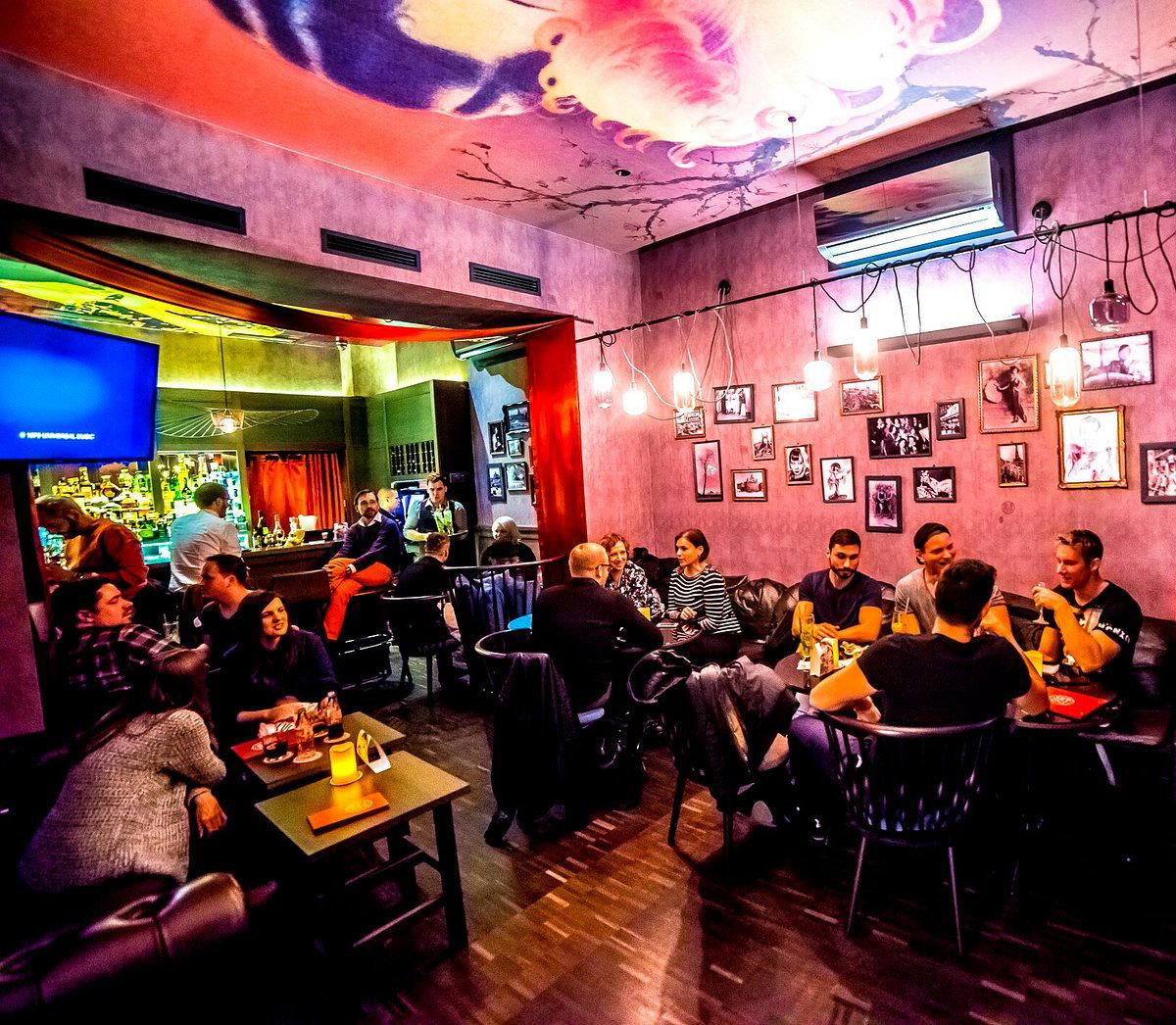
At a Glance
- Elegant
- Cozy
- Scenic
- Historic
- Sophisticated
- Date Night
- Special Occasion
- Family
- Garden
- Courtyard
- Historic Building
- Hotel Restaurant
- Craft Cocktails
- Local Sourcing
- Garden
- Street Scene
Current opening hours
- Monday
- 6:30 AM–10 PM
- Tuesday
- 6:30 AM–10 PM
- Wednesday
- 6:30 AM–10 PM
- Thursday
- 6:30 AM–10 PM
- Friday
- 6:30 AM–10 PM
- Saturday
- 6:30 AM–10 PM
- Sunday
- 6:30 AM–10 PM
Hours can change for holidays and private events. Last verified .
Relaxed and atmospheric with historic charm, shaded outdoor seating under mango trees, and culturally rich settings.