Alamea restaurant
Alamea restaurant sits on Khem Khong in Luang Prabang, a riverfront address that places it inside the city’s strongest dining conversation: Lao ingredients, colonial-era streets, and a visitor economy increasingly interested in place-specific cooking rather than generic hotel dining. With no public awards or chef-led narrative attached, its appeal rests on context, sourcing cues, and how it fits into the city’s compact restaurant circuit.
Pearl is the En Primeur Club membership app — saves, bookings, and concierge access live there. Same editors, same standards.
- Address
- Khem Khong, Rd, Ban Phonehueng, Luang Prabang, Laos
- Phone
- +856 71 213 200
- Website
- facebook.com
- Directions
- Get directions
 Saves & bookings on Pearl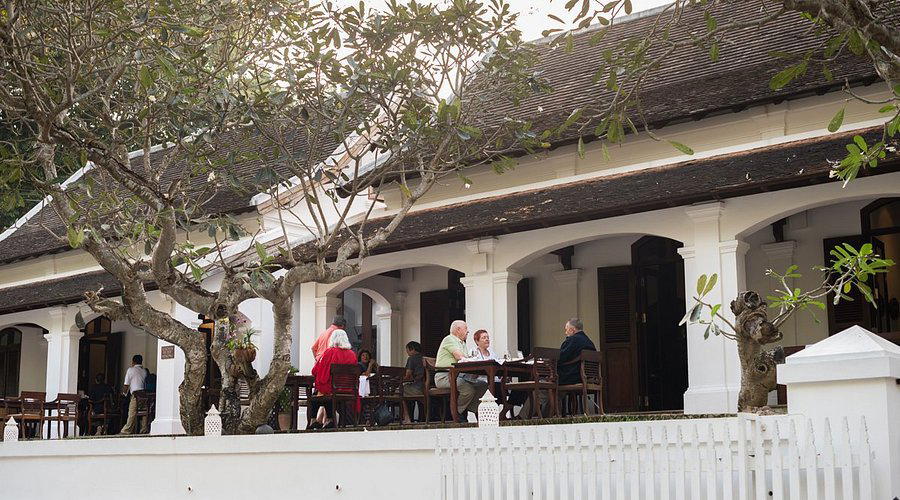
Approaching Khem Khong, the first cue is the river. Luang Prabang’s dining rhythm is shaped by the Mekong as much as by its temples: morning markets, herb sellers, river fish, sticky rice baskets, and small kitchens that keep the city’s cooking close to its supply lines. Alamea restaurant belongs to that riverfront circuit, where the setting matters because the city’s food culture has never been only about the plate. It is about produce arriving in modest quantities, techniques carried through household cooking, and a scale that resists the anonymous polish of larger resort towns.
That ingredient logic is the useful way to read a meal here. Luang Prabang cooking depends on texture, smoke, bitterness, fresh herbs, fermented accents, and rice as structure rather than side dish. A restaurant in this part of town has to be judged against that grammar, not against imported luxury codes. The stronger city meals tend to respect local sourcing without turning it into theatre: vegetables that taste of wet-market turnover, sauces built for balance rather than sweetness, and portions that make sense in a climate where dinner often follows a long, warm walk along the peninsula.
Riverfront Luang Prabang dining is defined by supply, not spectacle
Luang Prabang’s restaurant scene sits between two pressures. On one side are heritage-house dining rooms serving visitors who want comfort, pacing, and recognisable service. On the other are noodle shops and market-adjacent kitchens where the city’s food is quickest to understand. Alamea restaurant occupies the middle of that tension: central enough for travellers, close enough to the city’s everyday food routes to make ingredient sourcing the more interesting question than décor or ceremony.
That middle tier is where comparisons become useful. Roots Restaurant and Tam Nan speak to the city’s appetite for Lao-grounded dining with a more composed restaurant frame, while Thongmoun Aunt Noodle Soup and Xieng Thong Noodle Soup represent the faster, narrower end of the spectrum. For travellers mapping a day around meals rather than monuments alone, Our full Luang Prabang restaurants guide gives the broader spread, from riverfront rooms to single-dish stops.
The city’s hospitality context also matters. Restaurants attached to heritage hotels, including 3 Nagas Restaurant in Louangphrabang and 3 Nagas Hotel Luang Prabang in ຫລວງພະບາງ, tend to frame Lao cooking through service, architecture, and traveller-friendly pacing. Independent riverfront addresses carry a different burden: they need to feel tied to the city without leaning only on scenery. That is why ingredient sourcing is not a decorative angle here. It is the test of whether dinner reads as Luang Prabang or merely as a pleasant meal in Luang Prabang.
The stronger order is the one that follows Lao structure
Without a public chef biography, formal awards list, or published tasting-menu format attached to Alamea restaurant, the smarter assessment is category-based. In Luang Prabang, the strongest orders usually follow the local structure: rice, herbs, grilled or simmered proteins, vegetables with texture, and dips or relishes that carry salt, sourness, heat, or fermentation. A meal built that way tells more about the city than a procession of internationally familiar plates.
That approach also helps separate riverfront dining from generic tourist dining. The Mekong-side setting can tempt restaurants toward broad menus, but Luang Prabang rewards specificity. A table that leans into Lao ingredients will usually give a better read on the kitchen than one built around safe international defaults. For a parallel sense of how the city’s premium and casual rooms divide the field, The Great House sits in a more formal hospitality lane, while noodle specialists keep the benchmark for directness and value.
The restaurant has no listed Michelin, 50 Best, or comparable award signal, so expectations should be calibrated accordingly. The trust signal is contextual rather than trophy-led: its Khem Khong address places it in the city’s core visitor dining zone, where foot traffic, river proximity, and proximity to heritage streets shape the evening. That does not make it a destination by award logic; it makes it part of the practical Luang Prabang circuit, especially for travellers comparing riverfront meals with more structured hotel dining.
How to place it within a Luang Prabang itinerary
The city is compact, and that changes the dining strategy. A single day can move from temples to riverbank cafés to a Lao dinner without the transport planning required in larger capitals. Travellers staying near the peninsula can fold the restaurant into a riverfront evening, then use the rest of the trip to test different formats: a heritage dining room, a noodle stop, a bar, and one experience-led activity outside the restaurant frame.
For that wider plan, Our full Luang Prabang hotels guide, Our full Luang Prabang bars guide, Our full Luang Prabang experiences guide, and Our full Luang Prabang wineries guide help place dinner within the city’s broader travel pattern. Readers extending the regional comparison can also look at Cafe Ango in Vientiane, while the wider EP Club dining archive includes category contrasts as far afield as Jōdo Saké Bar in Los Angeles, Onigiri Time in Pasadena, -Grilled beef Sukiyaki- KAMAKURA TANUKIAN 鎌倉 たぬき庵 in Kamakura, ¡Salud! in Los Angeles, and ¡Toma! in Liège.
The editorial read is simple: choose the restaurant when the aim is to stay close to Luang Prabang’s riverfront dining rhythm rather than chase a trophy meal. The better order will be the one that listens to Laos first: rice, herbs, local vegetables, heat, smoke, and acidity in balance. In a city where the market and the Mekong still set the terms, that is the benchmark that matters.
Snapshot
Comparable venues by cuisine and price in the same metro.
| Venue | Cuisine |
|---|---|
| Alamea restaurant | This venue |
Continue exploring
More in Luang Prabang
Restaurants in Luang Prabang
Browse all →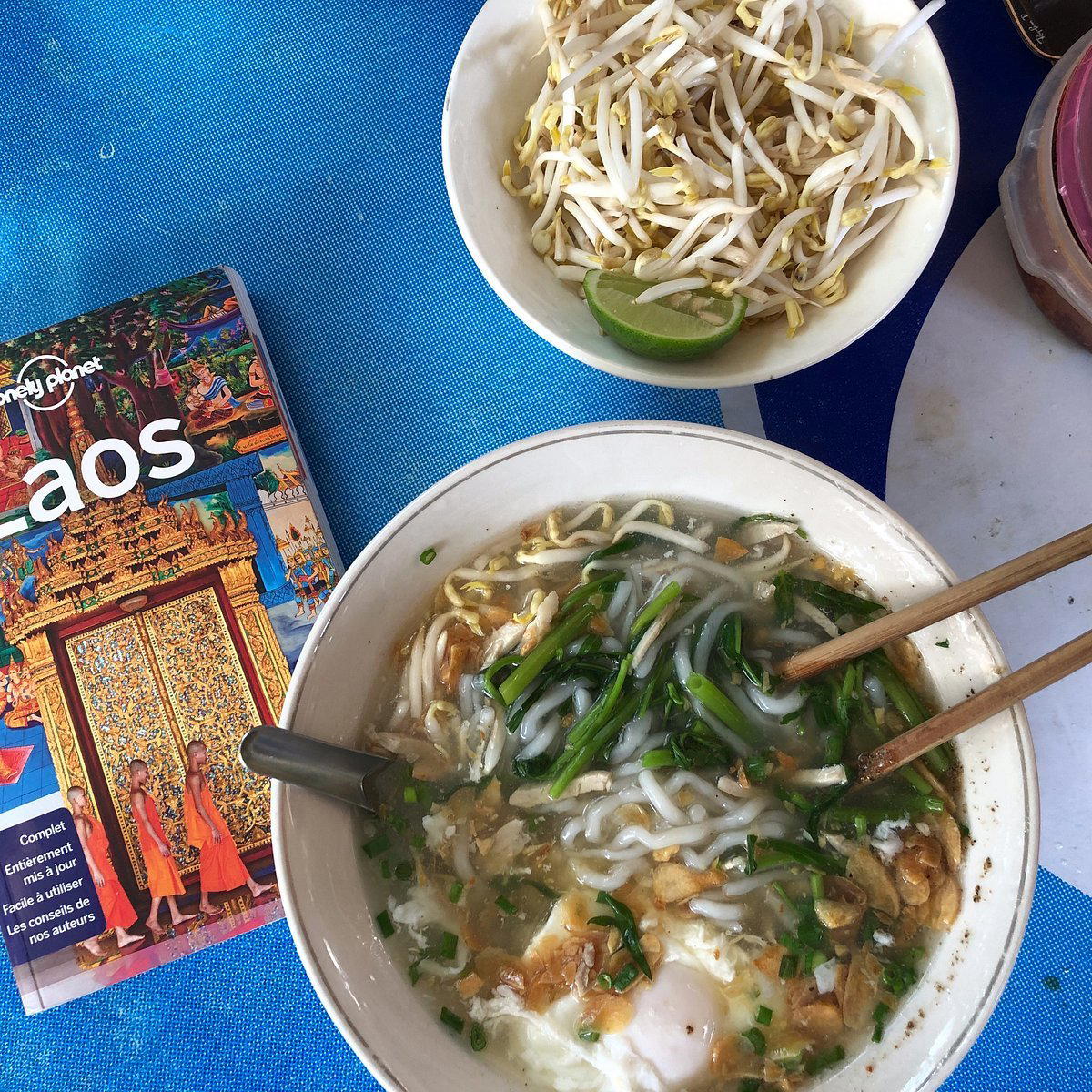
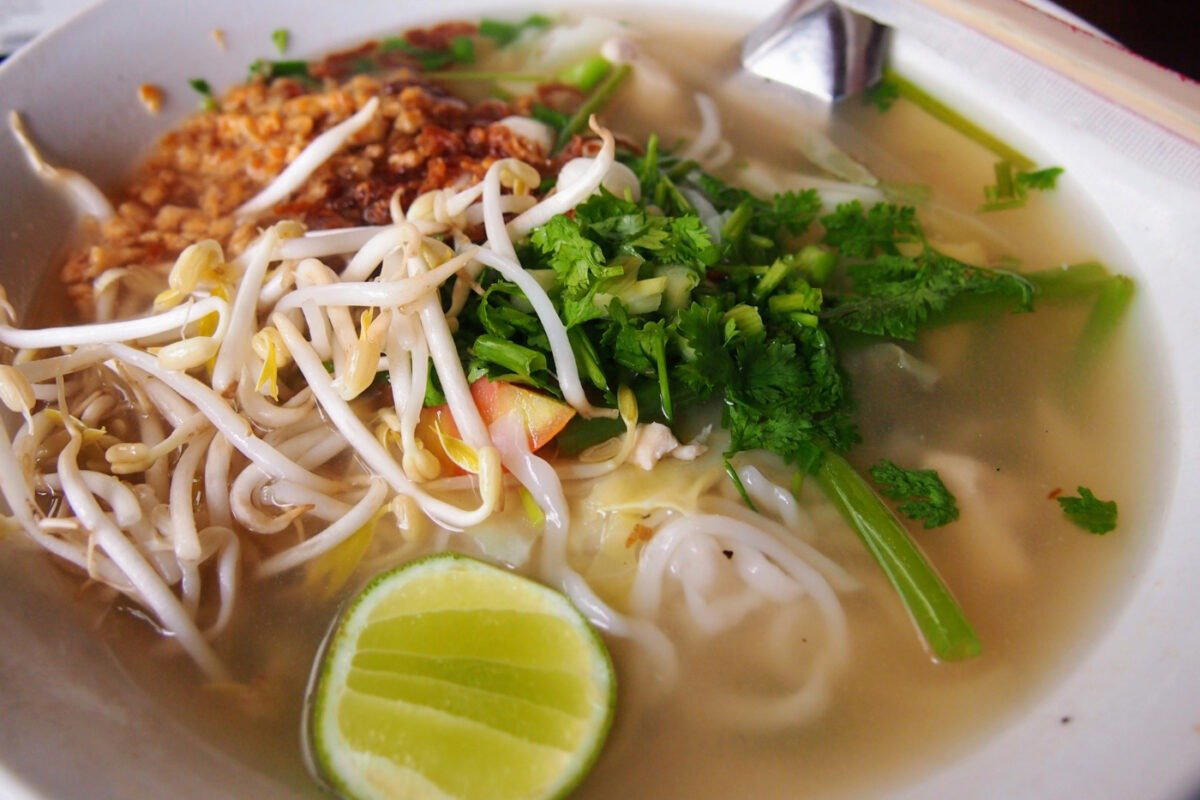
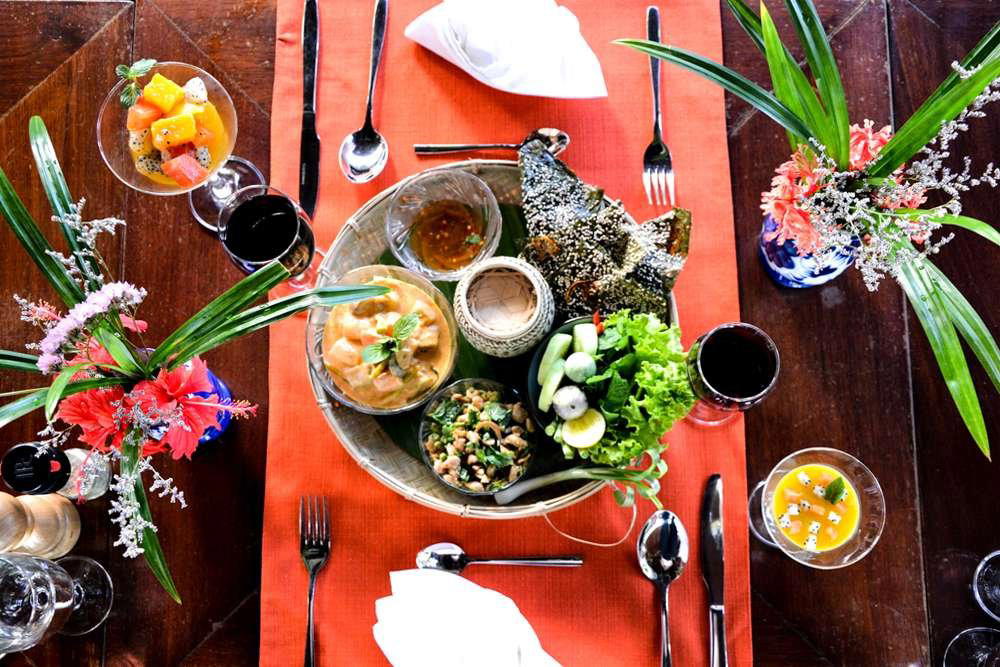
Bars in Luang Prabang
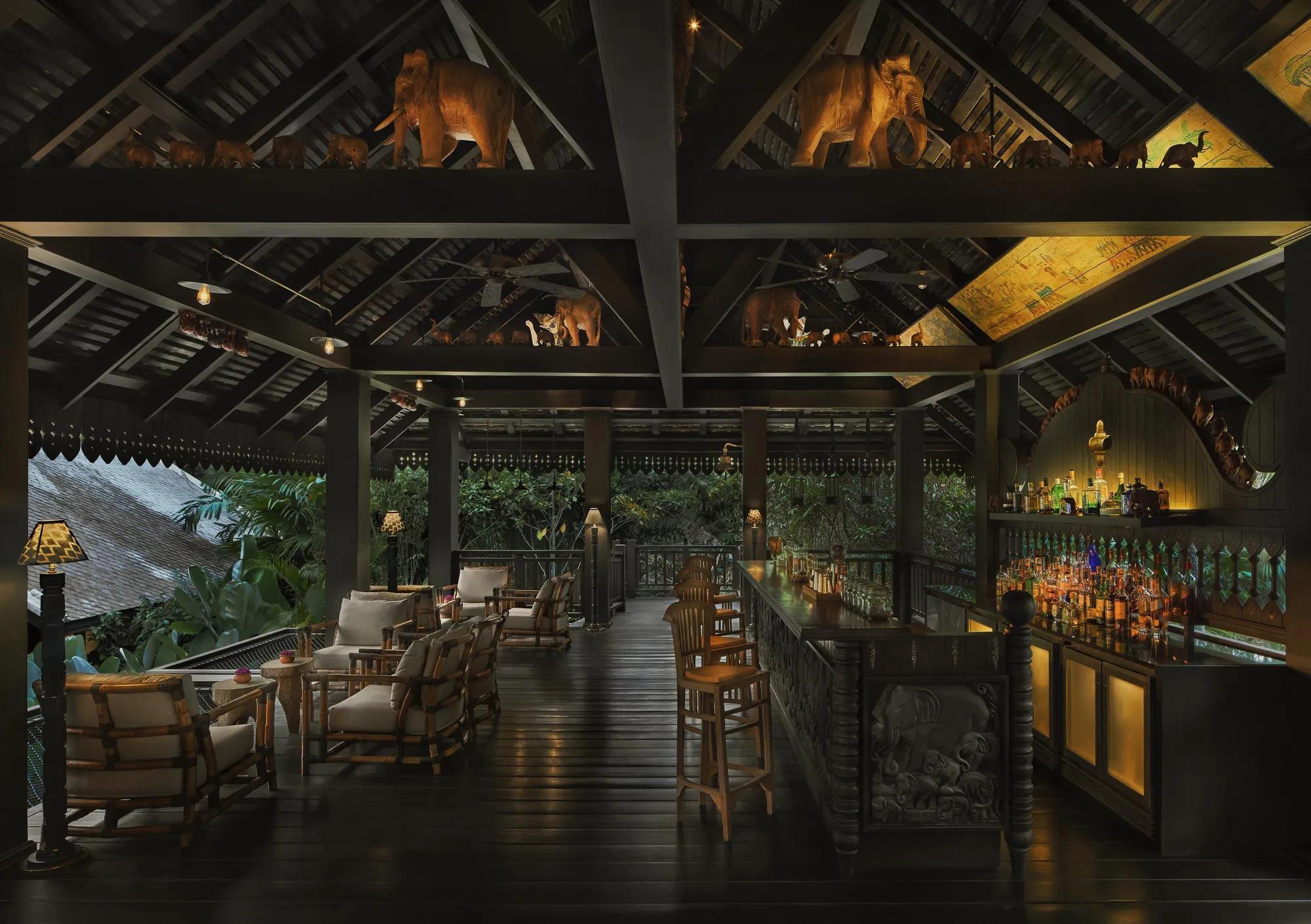
Browse all →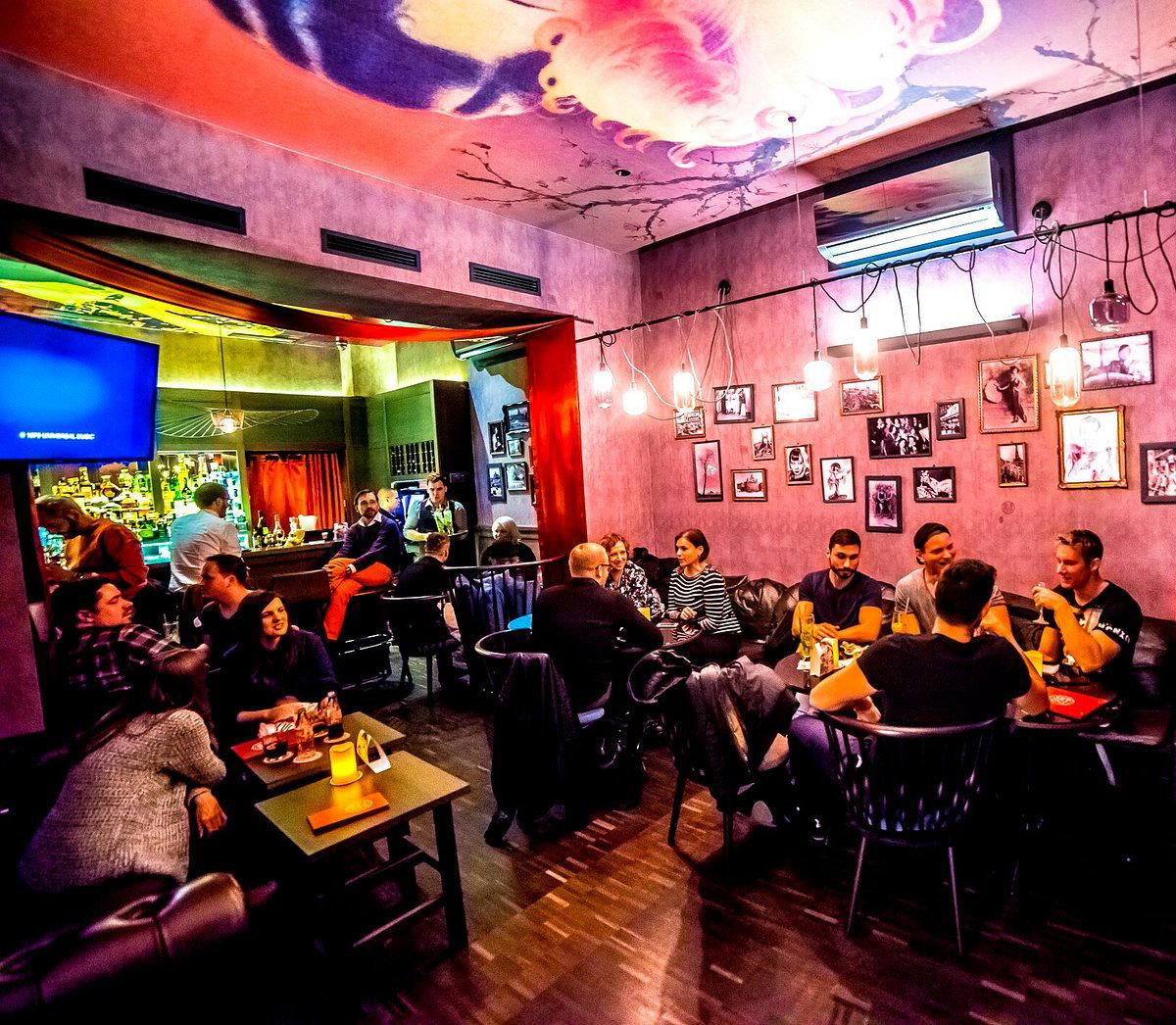
At a Glance
- Elegant
- Romantic
- Scenic
- Classic
- Intimate
- Date Night
- Celebration
- Special Occasion
- Family
- Group Dining
- Casual Hangout
- Waterfront
- Garden
- Courtyard
- Historic Building
- Design Destination
- Hotel Restaurant
- Beer Program
- Local Sourcing
- Waterfront
- Garden
- Street Scene
Current opening hours
- Monday
- 7 AM–10 PM
- Tuesday
- 7 AM–10 PM
- Wednesday
- 7 AM–10 PM
- Thursday
- 7 AM–10 PM
- Friday
- 7 AM–9 PM
- Saturday
- 7 AM–10 PM
- Sunday
- 7 AM–10 PM
Hours can change for holidays and private events. Last verified .
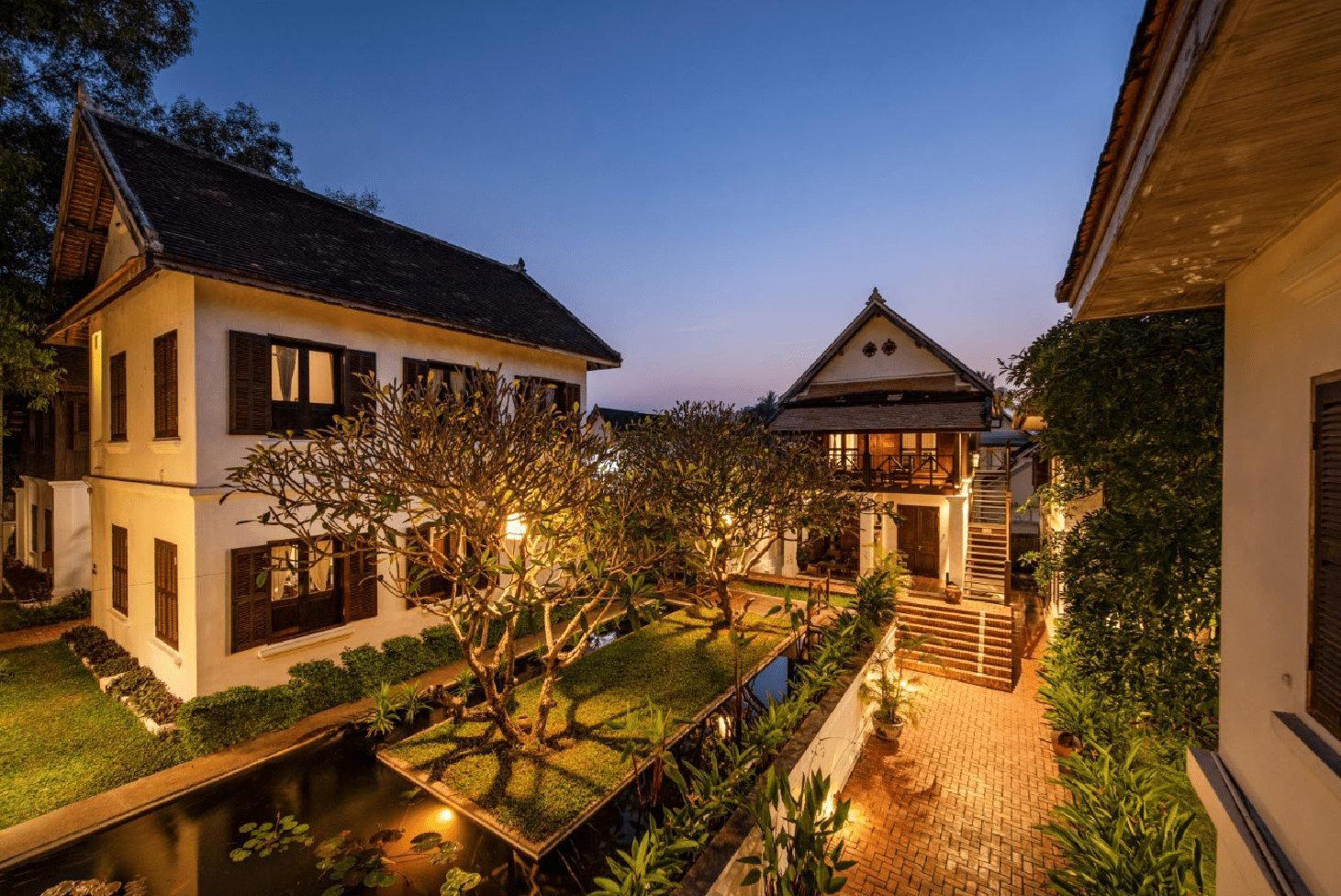
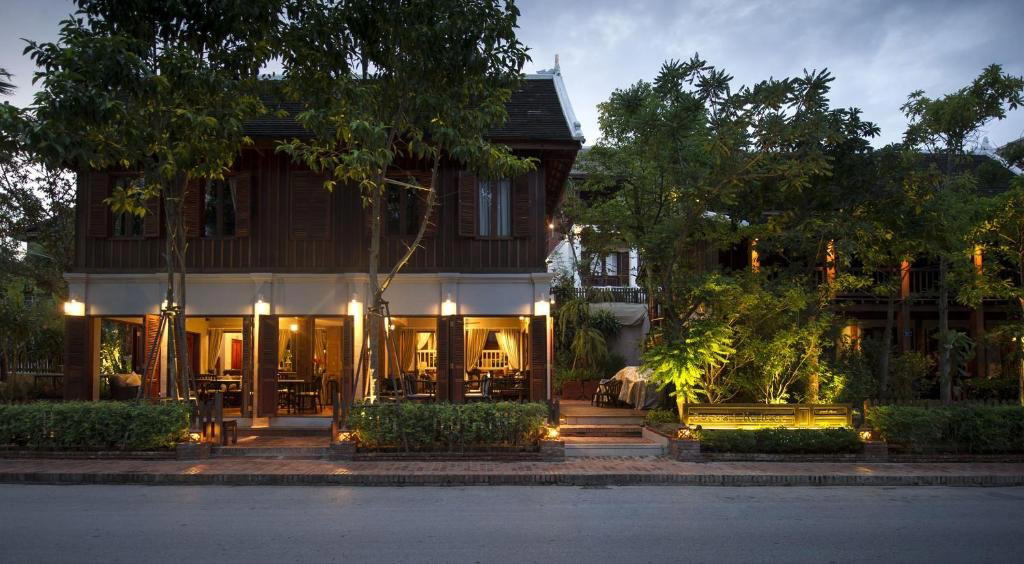
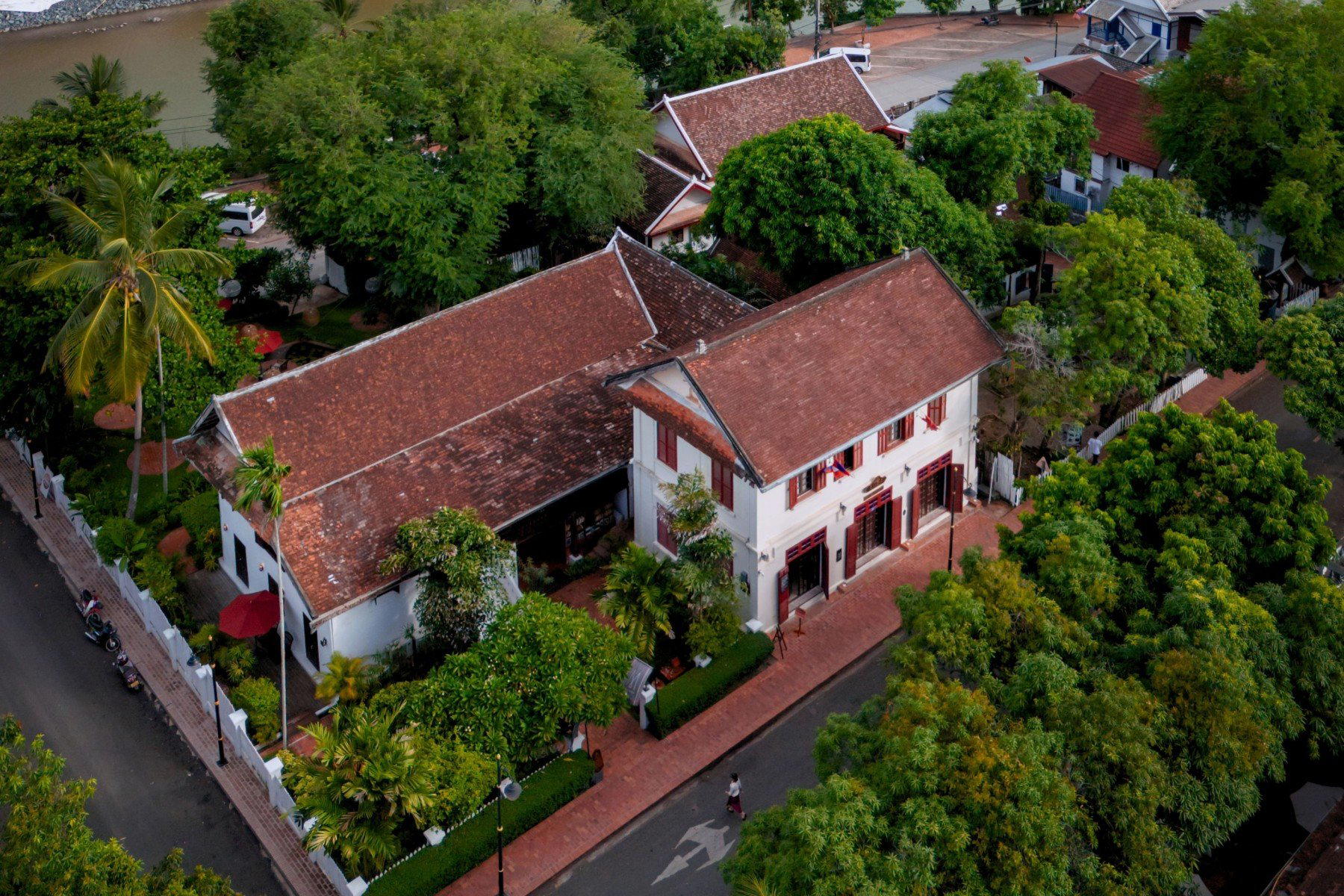
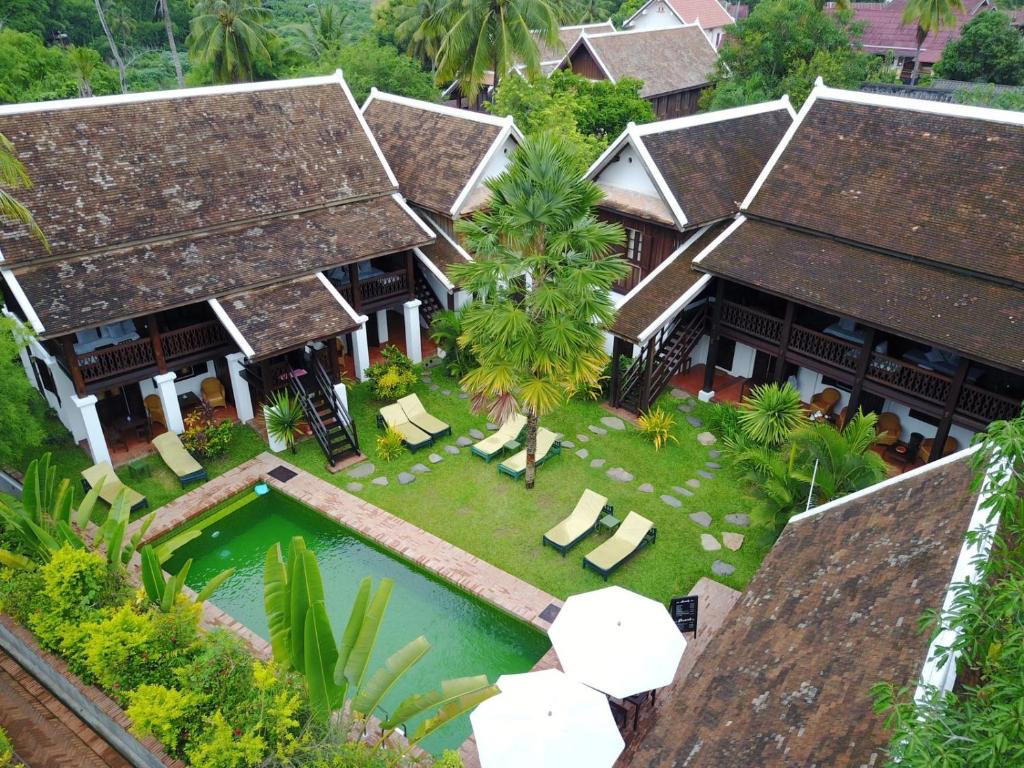
Refined yet relaxed, with elegant heritage architecture, river-facing terraces, and a tranquil atmosphere that blends palace history with lush riverside surroundings.