Burasari Heritage
Burasari Heritage occupies a Kingkitsarath Road address inside Luang Prabang's UNESCO-protected old town, where the building's heritage credentials do most of the editorial work. The property sits in the mid-upper boutique tier alongside comparable old-town houses, positioned well below Amantaka and broadly level with the MGallery-branded 3 Nagas. Walkability to major temples and the night market makes the location itself a practical argument for the address.
Pearl is the En Primeur Club membership app — saves, bookings, and concierge access live there. Same editors, same standards.
- Address
- 47, Old Town, 44, Unit 3 Khiri Village Kingitsarath Road, Luang Prabang 06000, Laos
- Phone
- +856 71 255 031
- Website
- burasariheritage.com
- Directions
- Get directions
 Saves & bookings on Pearl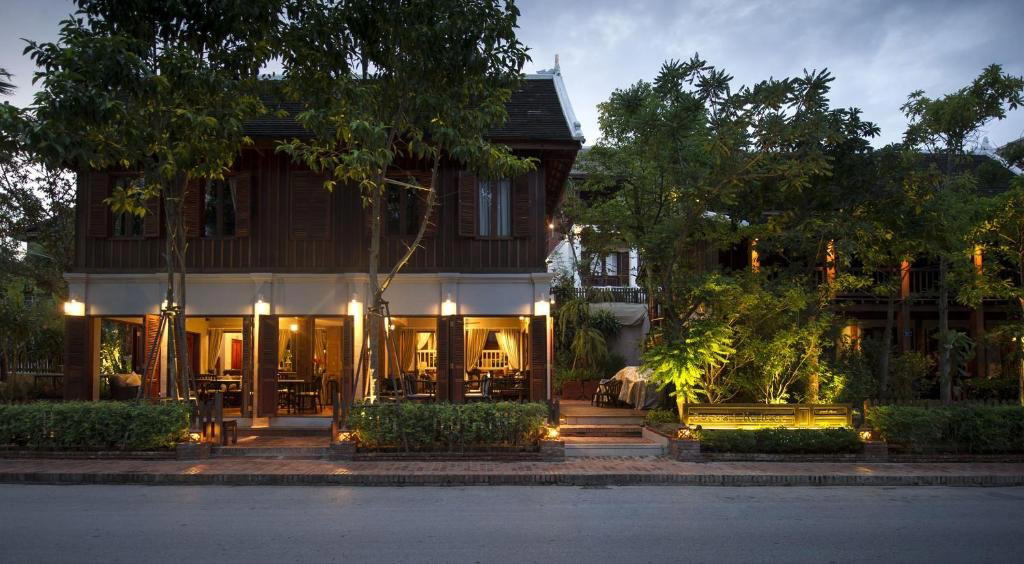
Old Town, Layered in Teak and Limestone
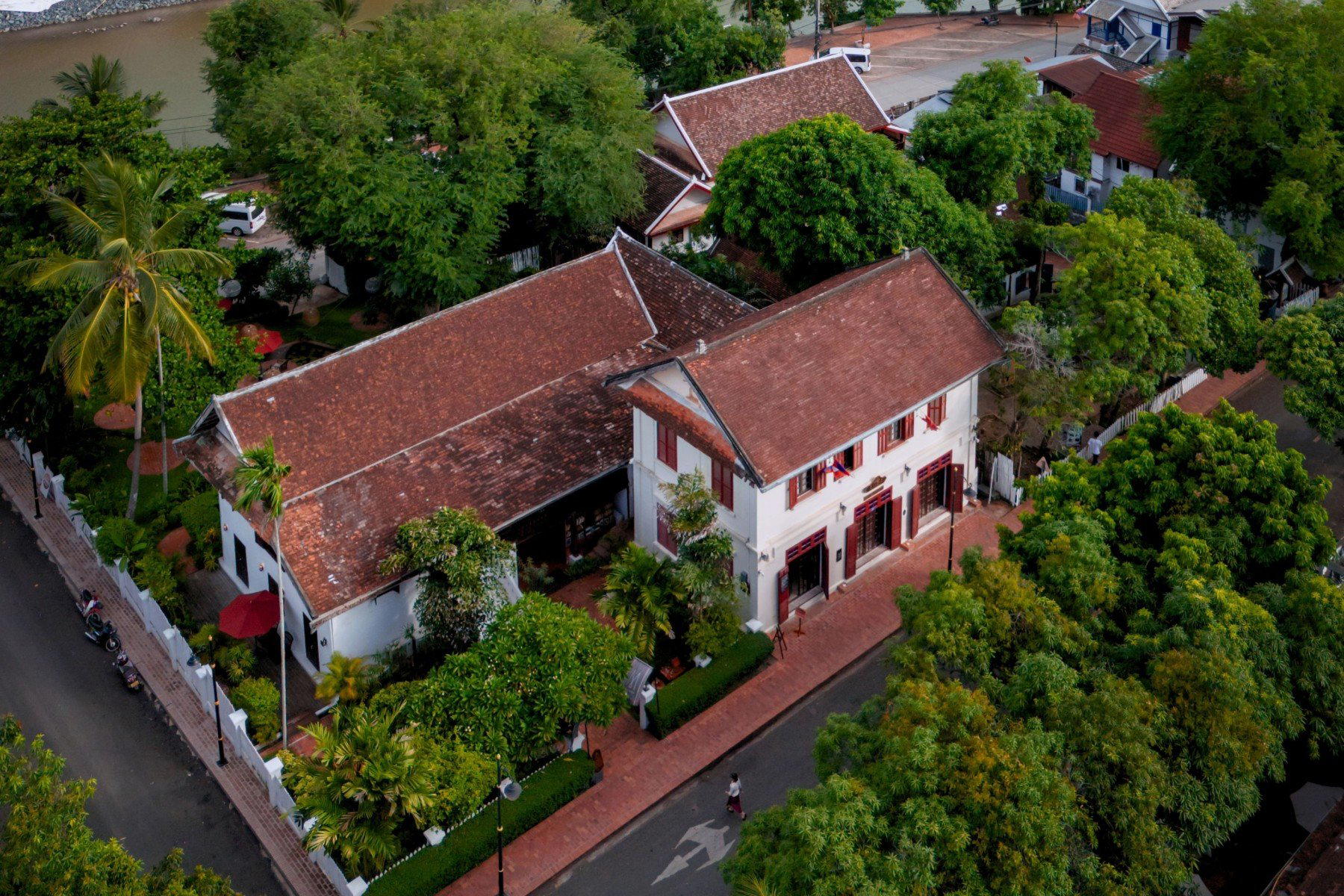
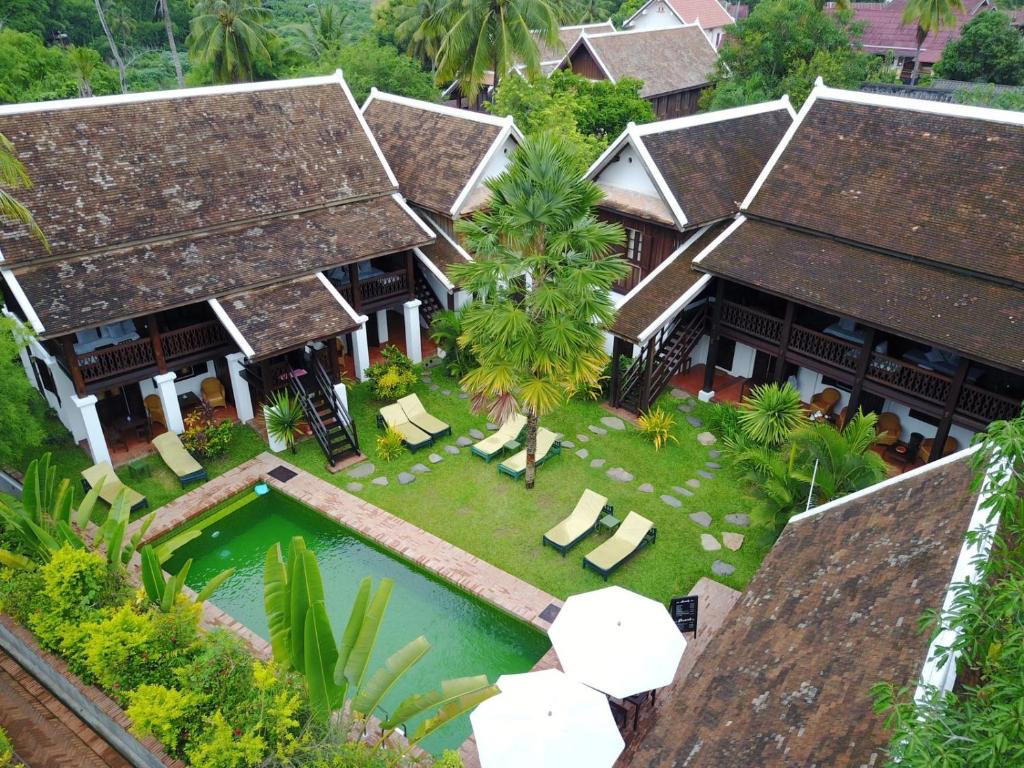
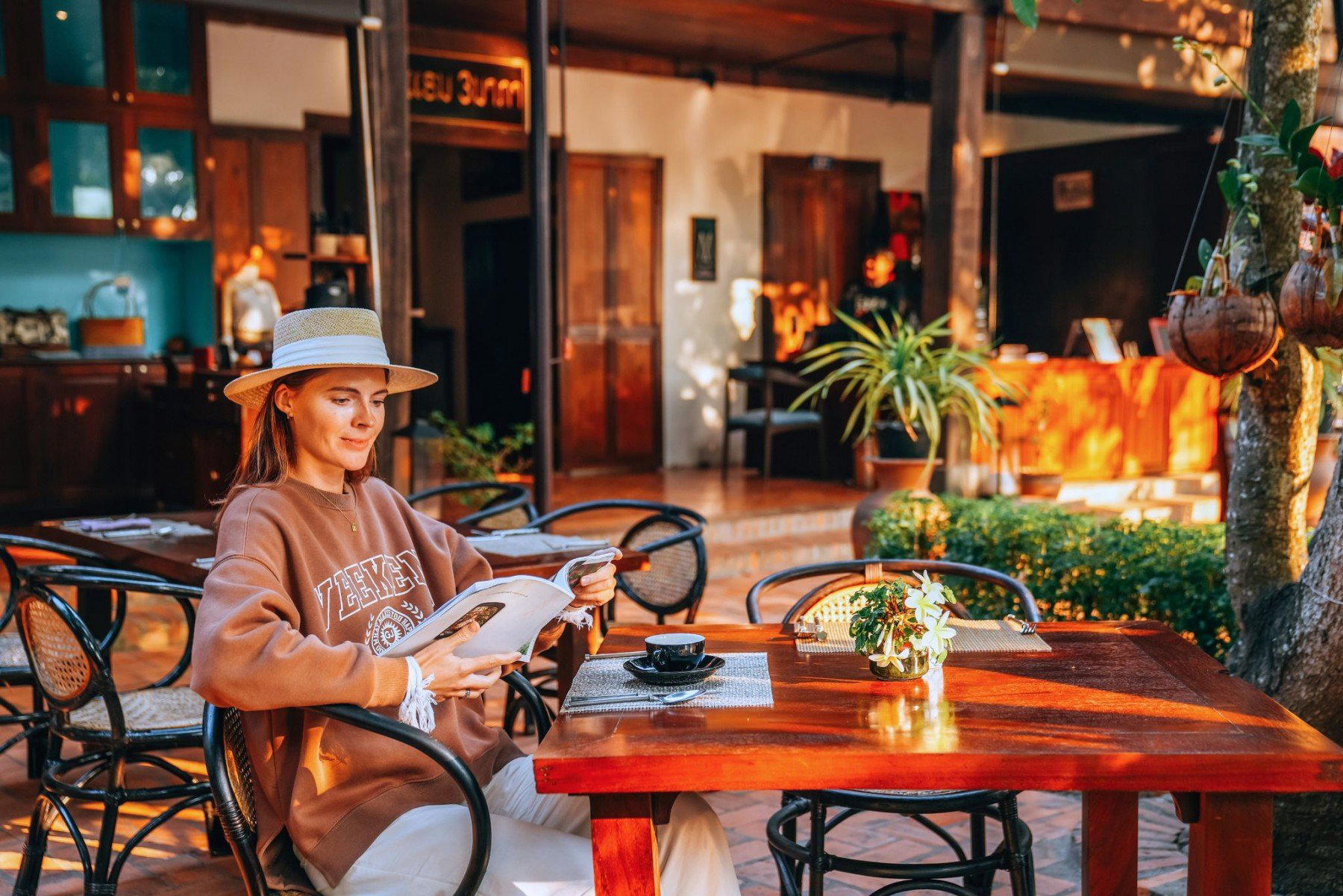
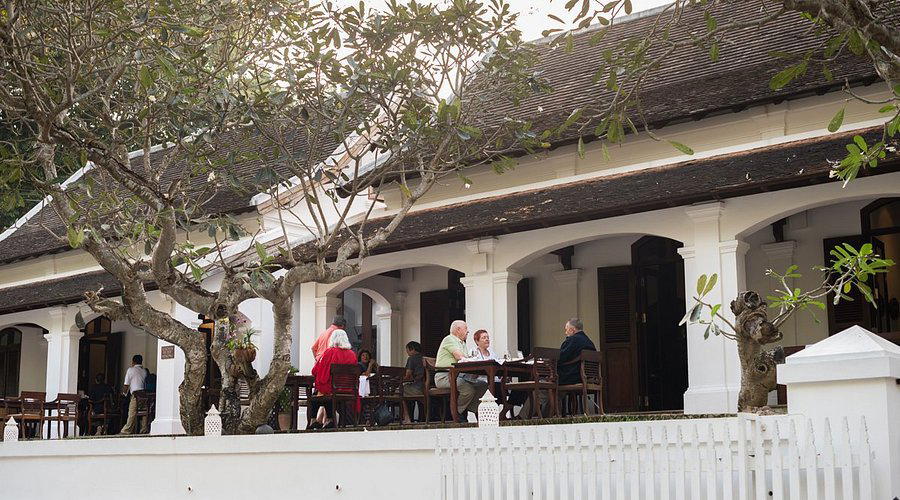
Approaching Burasari Heritage along Kingkitsarath Road, the architectural logic of Luang Prabang's protected old town asserts itself before you reach the entrance. French colonial facades sit in quiet conversation with Lao timber vernacular, a combination that UNESCO recognised when it listed the city in 1995. The compound works with the scale and materials that define this quarter: pitched rooflines, shaded verandas, and a restraint in ornament that reads as confidence rather than economy.
This is the design register that separates the more considered addresses in Luang Prabang from properties that apply heritage aesthetics as surface decoration. The old town's protected status means that new construction must conform to established height limits and architectural guidelines, a constraint that, in practice, creates a relatively level field among smaller boutique operations. What distinguishes one property from another is how thoughtfully the existing structure is read and how the interior is layered on top of that inherited shell. Burasari Heritage sits firmly in the heritage-preservation tier of this market.
The Architecture of the Mekong Heritage Hotel
Luang Prabang's premium accommodation has settled into two broad categories over the past decade. The first includes internationally managed properties with larger key counts and standardised service models. The second, smaller cohort comprises design-led, locally anchored houses where the physical fabric of the building carries most of the editorial weight. Burasari Heritage belongs to that second group, operating in the same comparable set as Le Sen Boutique Hotel, Villa Maydou Boutique Hotel, and MyBanLao Hotel, all of which trade on a similar argument: that the building itself, and its relationship to the city's architectural memory, is the primary amenity.
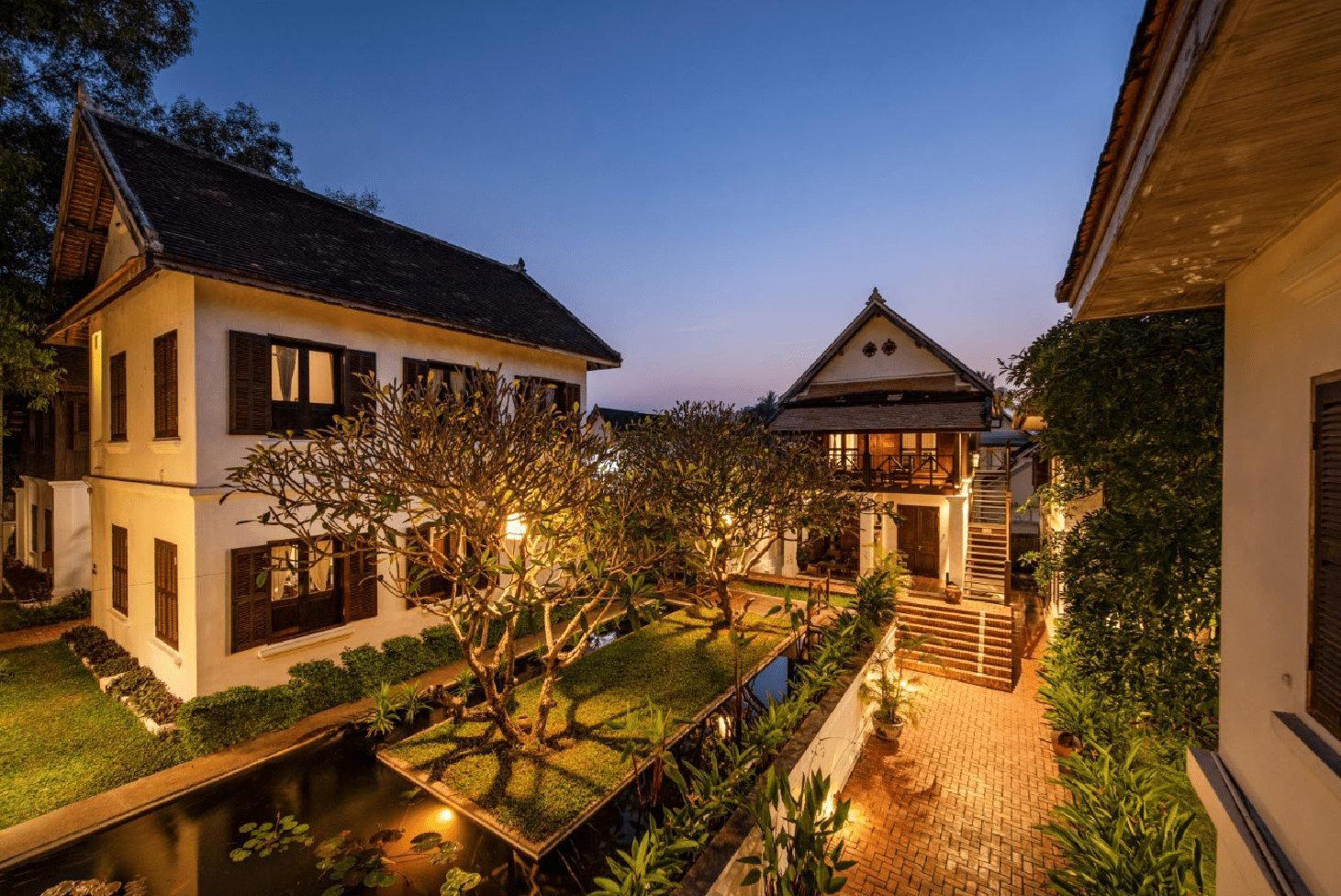
The Luang Prabang property reflects a deliberate choice to work within, rather than against, the inherited building stock. That approach places it in dialogue with the broader regional pattern of boutique houses that prefer local-materials briefs and low key counts over the standardisation that larger operators tend to require. For points of contrast elsewhere in the global boutique tier, properties such as Castello di Reschio in Lisciano Niccone and Hotel Esencia in Tulum work a similar vein: inherited structures, sensitive interventions, a deliberate avoidance of the branded luxury vocabulary.
Where It Sits in the Luang Prabang Competitive Field
Stronger examples from the Luang Prabang market is anchored by Amantaka, which operates in a different pricing tier and commands a different comparable set entirely, one that includes properties such as Amangiri in Canyon Point and Aman Venice rather than the boutique old-town houses. The hotel operates below that ceiling, in the mid-to-upper boutique bracket alongside the MGallery-branded 3 Nagas Hotel Luang Prabang, which brings international chain infrastructure to a similarly heritage-inflected physical plant. The key distinction is that 3 Nagas carries the Accor loyalty infrastructure and the brand recognition that comes with it, while the hotel operates as a more self-contained proposition.
A UNESCO-protected streetscape, a slower rhythm, and morning almsgiving processions that begin before sunrise set the city's tempo before it fully wakes.
The Old Town Address and What It Implies
Location within the UNESCO zone is not incidental in Luang Prabang. The peninsula formed by the Mekong and Nam Khan rivers contains the majority of the city's temples, colonial-era buildings, and the night market that draws the bulk of visitor foot traffic each evening. A Kingkitsarath Road address places a property in the arterial corridor of the old town, within walking distance of Wat Xieng Thong to the north and the main commercial strip to the south. That walkability is a logistical point that matters in a city where tuk-tuk and bicycle remain the primary modes of movement and where the distances between significant sites are measured in minutes rather than transport connections.
The compact nature of the old town means that a centrally located property removes most of the logistical friction from a Luang Prabang stay.
Planning a Stay
The dry season, running from November through February, represents the peak period for Luang Prabang. Temperatures remain manageable, the skies are clear, and the almsgiving procession along Sakkaline Road attracts its largest crowds. This is also when room rates across the old-town boutique tier trend highest and availability tightens. The shoulder months of March and April bring heat and occasional haze from agricultural burning in the surrounding provinces, while the wet season from May through October sees lower rates and a greener, less-visited version of the city. Travellers with flexibility who are less reliant on guaranteed clear skies often find the wet season the more atmospheric period. Advance booking is recommended, especially in the dry season from November through February.
Comparable Spots, Quickly
Comparable venues nearby, for context on price, style, and recognition.
| Venue | Cuisine | Price | Awards | Notes |
|---|---|---|---|---|
| Burasari HeritageThis venue — the venue you are viewing | Boutique French colonial heritage hotel with Lao teak houses. | $$$ | 4-Star | Not listed |
| MyBanLao Hotel | Eco-luxury colonial resort with rustic chic interiors | $$$ | 4-Star | Ban Mano |
| Le Sen Boutique Hotel | Contemporary Lao boutique with serene courtyard and pool focus | $$$ | 4-Star | Ban Mano |
| Villa Maydou Boutique Hotel | Traditional Lao houses blending heritage charm with modern comfort in a tropical garden setting. | $$$ | 3-Star | Ban Meuna |
| 3 Nagas Hotel Luang Prabang - MGallery Collection | Historic boutique blending colonial-French and Laotian heritage architecture | $$$$ | 4-Star | Old Town |
| Victoria Xiengthong Palace | Heritage boutique hotel with royal provenance, emphasizing cultural authenticity and historical significance. | $$$ | 4-Star | Ban Phonehueng |
Continue exploring
More in Louangphrabang
Hotels in Louangphrabang
Browse all →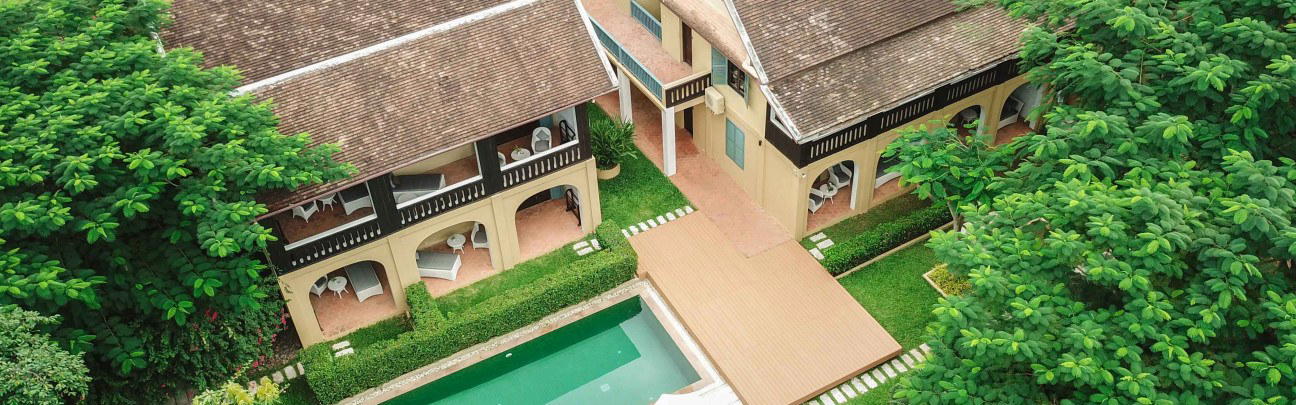
Bars in Louangphrabang
Browse all →
At a Glance
- Romantic
- Elegant
- Cozy
- Intimate
- Scenic
- Classic
- Romantic Getaway
- Honeymoon
- Anniversary
- Wellness Retreat
- Historic Building
- Terrace
- Panoramic View
- Wi Fi
- Spa
- Restaurant
- Bar
- Garden
- Concierge
- Room Service
- Luggage Storage
- Waterfront
- Garden
- Wi Fi
- Spa
- Restaurant
- Bar
- Garden
- Concierge
- Room Service
- Luggage Storage
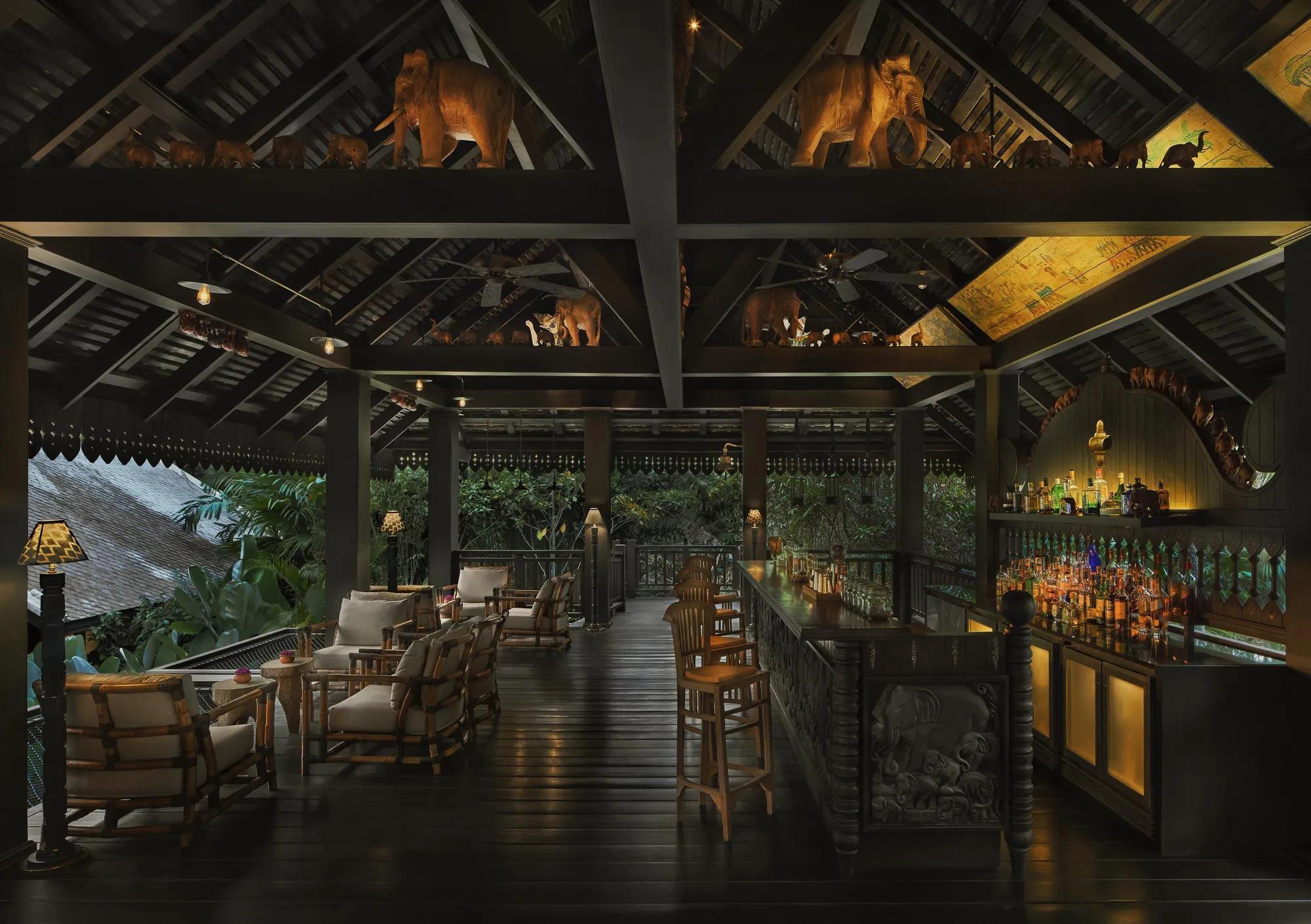
Warm, dimly lit ambiance with dark heavy woods, antique furnishings, and soothing riverside views evoking 19th-century Indochina.