On Kingkitsarath Road in the heart of Luang Prabang, Tamarind has become one of the city's primary addresses for Lao cuisine taken seriously. The kitchen works with traditional preparations and local ingredients at a moment when the town's dining scene is navigating the tension between heritage cooking and international tourism expectations. Book ahead, particularly during the dry-season peak months of November through February.
 Discover on Pearl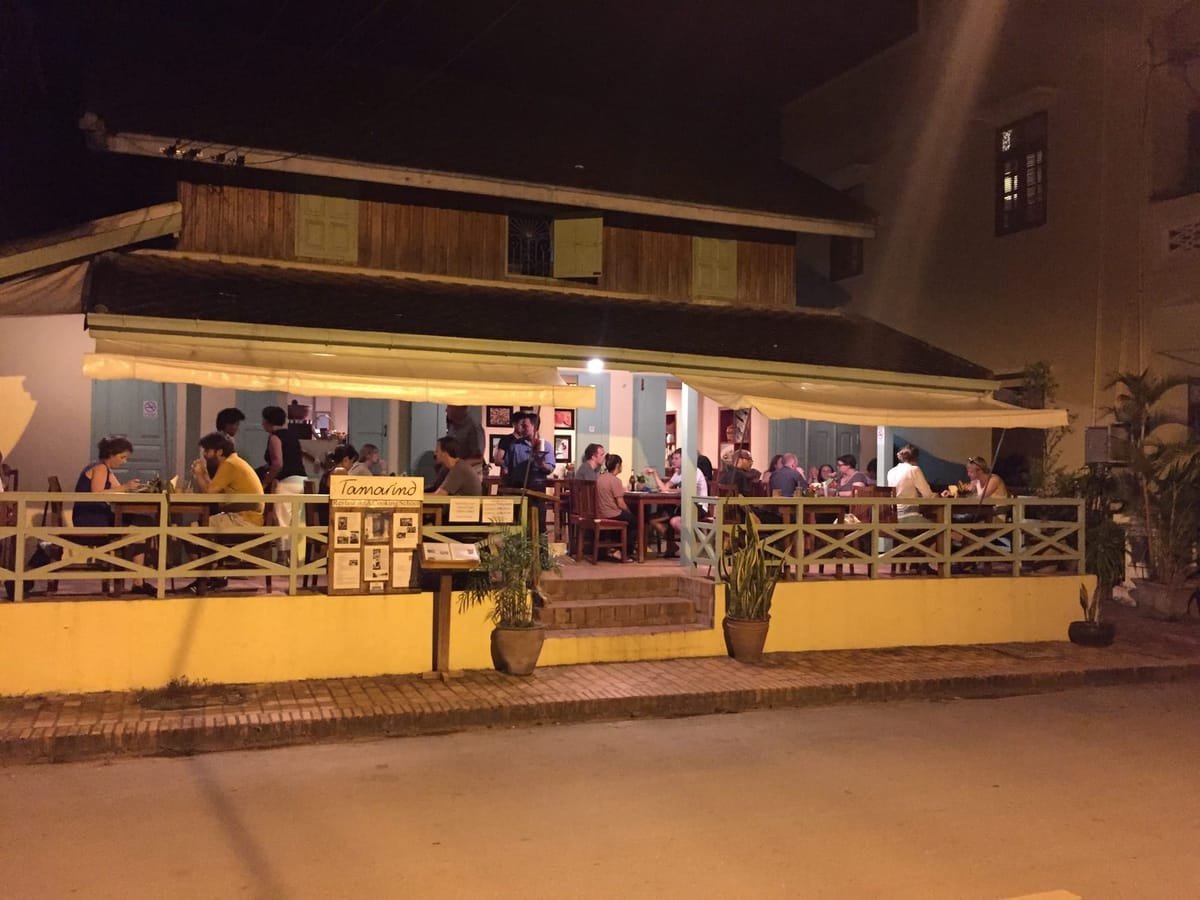
Where Lao Cuisine Holds Its Ground
Luang Prabang sits at a particular crossroads that few UNESCO World Heritage towns manage to occupy gracefully: the pressure to perform its own culture for an outside audience while preserving the substance of that culture for the people who actually live it. The city's dining scene reflects that tension more sharply than almost any other aspect of its daily life. Walk along the Mekong at dusk, past the saffron-robed monks heading toward the night market, and the smell of charcoal, lemongrass, and fermented fish paste arrives before any signage tells you where you are. That sensory signature is not incidental — it is the operating logic of a cooking tradition that has evolved for centuries in the forested highlands and river valleys of northern Laos.
Against that backdrop, Tamarind on Kingkitsarath Road occupies a position that matters in the local dining conversation. In a city where French-colonial dining rooms like L'Elephant Restaurant Français attract visitors looking for a familiar register, and hotel restaurants such as 3 Nagas Hotel Luang Prabang offer a curated, safely legible introduction to the region, Tamarind has built its reputation on something more specific: Lao food approached with the seriousness it deserves, rather than as a category to be softened for export.
The shortlist, unlocked.
Hard-to-book tables, cellar releases, and concierge-planned trips.
Get Exclusive Access →The Sensory Architecture of a Lao Meal
Understanding what Tamarind represents requires some grounding in what Lao cuisine actually is, because it is frequently misread — conflated with Thai food by visitors who expect the same aromatic profiles, or reduced to sticky rice and a few herb-scattered salads. Lao cooking is quieter and more austere than Thai in its flavor grammar: less sugar, more bitter and fermented notes, and a deep reliance on padaek, the pungent fermented fish paste that anchors many dishes in a way that cannot be approximated by substitution. The cuisine leans on foraging traditions, river fish, and highland vegetables in ways that give individual dishes a specificity of place that intensive agriculture cannot replicate.
That specificity is something the city's broader dining scene handles unevenly. At the more casual end, Xieng Thong Noodle Soup delivers the everyday version of Luang Prabang noodle culture with no concessions to tourism. At the opposite end of the register, restaurants oriented toward international visitors sometimes file the sharper edges off Lao flavors to produce something more palatable to unacclimatized palates. Tamarind has historically occupied the middle ground , presenting Lao food at a level of organization and context that makes it accessible without requiring it to compromise its essential character.
The physical environment reinforces this orientation. Kingkitsarath Road runs through one of the quieter residential-commercial zones of the peninsula, away from the concentration of tour-group traffic on Sisavangvong Road. Arriving during the late afternoon, before the heat lifts entirely, the smell of herbs and smoke from the kitchen precedes the sight of the dining space itself. The architecture in this part of Luang Prabang tends toward wooden colonial structures, shaded by large trees, and the ambient sound is different from the busier market corridor , less vendor noise, more birdsong and distant temple bells.
Placing Tamarind in the City's Dining Hierarchy
Luang Prabang's dining scene divides broadly into four tiers: the international-standard hotel restaurants; the French-heritage rooms that reflect the city's colonial past; the locally-oriented mid-market restaurants targeting the food-aware traveler; and the street-level and market operations that feed the city itself. Tamarind sits in the third tier and has been referenced in that conversation for long enough that it functions as a reference point when visitors compare notes on where Lao food is taken seriously.
This positioning matters because it shapes the peer comparison. Tamarind is not competing with Manda de Laos, which operates in a different register with its garden setting and event-ready format, nor with the casual internationalism of Secret Pizza or the Korean-specific focus of Kimsatcat Korean Restaurant. Its competitive set is specifically the category of restaurants that treat Lao cuisine as worth explaining, contextualizing, and preparing with some rigor , a smaller group than the city's overall restaurant count might suggest. In the wider Laos context, this parallels what Cafe Ango in Vientiane does for contemporary Lao coffee culture: finding a form that takes the local tradition seriously without losing the audience it needs to sustain itself.
Timing, Seasonality, and the Practical Question
The dry season, running from November through February, is when Luang Prabang operates at full capacity. The light at that time of year is the city's signature , sharp mornings giving way to golden late afternoons that make the temple stupa finials glow amber. It is also when competition for tables at the better-regarded restaurants is highest, and when visitors moving through the Southeast Asia circuit on tighter timelines are most concentrated. Planning dinner at Tamarind during December or January without advance coordination is a reasonable way to find it fully committed. The wet season, May through October, thins the tourist population considerably and changes the menu's raw material base as highland vegetables shift with the rainfall patterns.
The address on Kingkitsarath Road is the practical anchor for arrival logistics. The road runs parallel to the Mekong and is walkable from the main heritage zone, though tuk-tuk connections from most guesthouses add only a few minutes. For those arriving via the city's small airport or from the slow-boat landing on the Mekong , the latter being one of the more sensory-rich ways to arrive in Luang Prabang, with the river narrowing through limestone karst before the town appears , the distance is short enough that logistics are not a significant variable.
For context on what serious destination dining looks like at the extreme end of the spectrum, the contrast with commission-heavy operations like Le Bernardin in New York City, Alinea in Chicago, or Amber in Hong Kong is instructive: those rooms operate inside dense award and press ecosystems that verify and recalibrate their positioning continuously. Tamarind operates without that infrastructure, which means its sustained reputation rests more directly on repeat visitor endorsement and word-of-mouth among the food-aware traveler cohort that moves through Luang Prabang. That is a different kind of trust signal, and in many ways a more durable one. For a fuller map of where Tamarind sits among the city's options, see our full Luang Prabang restaurants guide.
Frequently Asked Questions
- What kind of setting is Tamarind?
- Tamarind operates in the mid-market tier of Luang Prabang's dining scene, positioned as a serious address for Lao cuisine rather than a hotel dining room or French-heritage restaurant. The Kingkitsarath Road location is in a quieter part of the UNESCO-listed heritage zone, with a setting that reflects the city's wooden colonial architecture rather than resort-scale production. It draws a mix of informed independent travelers and repeat visitors to the city.
- What's the leading thing to order at Tamarind?
- The kitchen's focus is Lao cuisine, which means the most rewarding approach is to follow the dishes built around fermented, foraged, and river-sourced ingredients , the flavor categories that distinguish Lao cooking from its regional neighbors. Sticky rice is central to any genuine Lao meal and functions as the textural anchor for everything else on the table. Dishes involving padaek or bitter highland greens are the ones that make the most sense to order here rather than elsewhere.
- How far ahead should I plan for Tamarind?
- During the November-to-February dry season, when Luang Prabang receives its heaviest visitor traffic, booking ahead by at least several days is sensible. The city's better-regarded mid-market restaurants fill quickly during peak months, and Tamarind's established reputation means it attracts food-aware travelers specifically rather than walk-in traffic. Outside peak season, the lead time required is considerably shorter.
- What's the defining dish or idea at Tamarind?
- The defining idea is the application of culinary rigor to a cuisine that is systematically underrepresented at the level of formal dining. Lao food's reliance on fermented condiments, foraged vegetables, and river fish places it in a flavor register that has more in common with parts of Yunnan or northern Vietnam than with the better-known Thai repertoire. Tamarind's role in the city's dining ecosystem is to hold that specificity in place rather than translate it into something more familiar.
- Can I bring kids to Tamarind?
- Luang Prabang is a family-friendly travel destination in general, and Tamarind's setting and format are not exclusionary in the way that a tasting-menu-only counter might be. That said, the cuisine's more assertive flavors , fermented notes, bitter vegetables, pungent condiments , are calibrated for adult palates more accustomed to Southeast Asian food traditions. If traveling with children who are already familiar with Lao or Thai cooking, the experience is likely manageable; for younger or more selective eaters, the menu's core logic may require some navigation at the table.
- Does Tamarind offer cooking classes or food experiences beyond the restaurant?
- Luang Prabang has developed a secondary market of cooking-class experiences that sit alongside its restaurant scene, and Tamarind has historically been associated with that format as well as table dining. In a city where market visits and hands-on cooking sessions have become part of the food-aware traveler's itinerary, this dual format positions it differently from a direct restaurant operation , closer to the specialist-experience tier described in the broader Luang Prabang dining context. Confirming current availability directly is advisable, as programming in this category shifts seasonally.
Similar Picks
These are the closest comparables we have in our database for quick context.
| Venue | Cuisine | Price | Notes |
|---|---|---|---|
| Tamarind | This venue | ||
| 3 Nagas Hotel Luang Prabang | |||
| L'Elephant Restaurant Français | |||
| Kimsatcat Korean Restaurant | |||
| Manda de Laos | |||
| Secret Pizza |
Need a table?
Our members enjoy priority alerts and concierge-led booking support for the world's most difficult tables.
Get Exclusive AccessThe shortlist, unlocked.
Hard-to-book tables, cellar releases, and concierge-planned trips.
Get Exclusive Access →