Our verdict
In Furano's farming heartland, ル・ゴロワ フラノ translates Hokkaido's agricultural surplus into French-inflected cooking rooted in what the surrounding fields and pastures produce each season. The restaurant operates in a region where the raw ingredient quality is genuinely difficult to replicate elsewhere in Japan, making sourcing the central argument of the food rather than a marketing footnote.

Pearl is the En Primeur Club membership app, where members save venues, book tables and use the concierge.
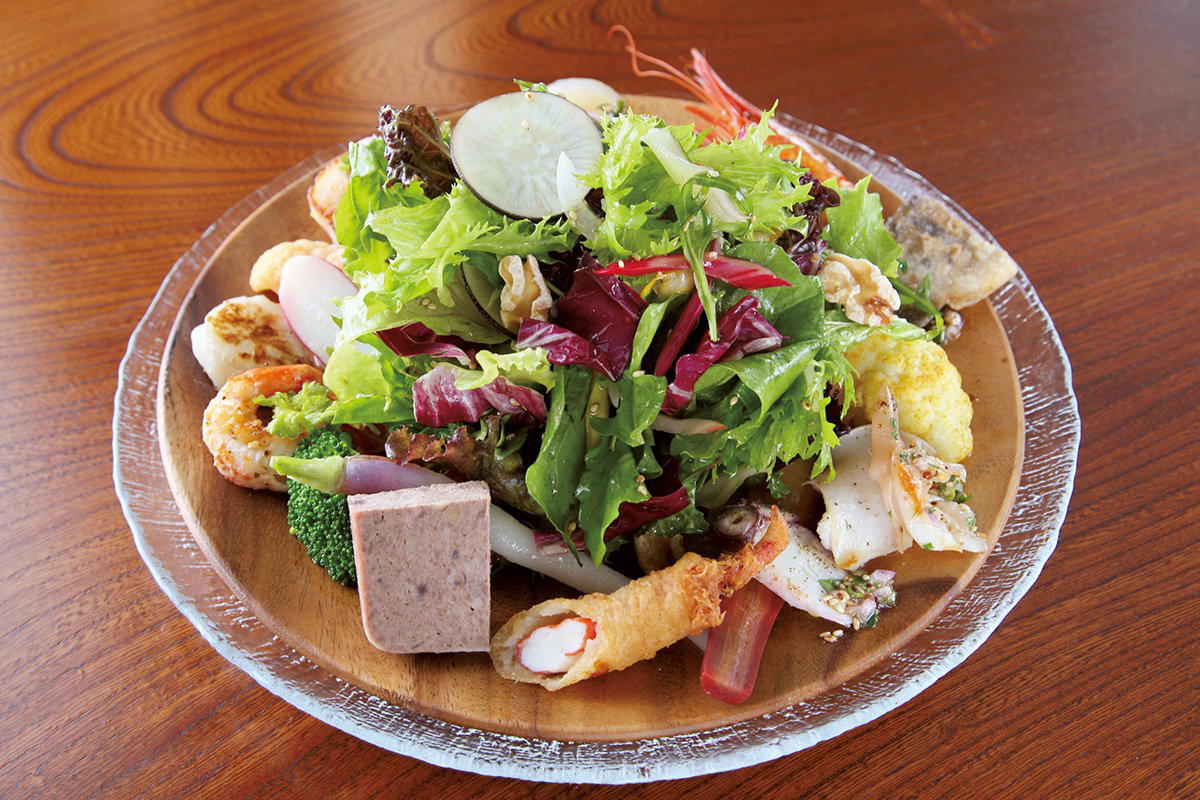
Where Hokkaido's Fields Set the Menu
Furano sits at the geographic centre of Hokkaido, ringed by lavender fields in summer, potato and corn farms through the harvest months, and dairy pasture that operates year-round at a scale unusual even by Japanese agricultural standards. Arriving in this part of the island, the productive capacity of the land is immediately legible: roadside stands sell corn by the dozen at prices that reflect proximity rather than rarity, and the milk from local dairies carries a fat content that has made Furano butter and cheese reference points across Japan's restaurant trade. It is against this backdrop that ル・ゴロワ フラノ makes its case, in a region where the chef's sourcing argument is won or lost before a dish ever reaches the pass.
This is not a city restaurant transplanted to a scenic address. Furano's dining identity is shaped by the agriculture that surrounds it, and the restaurants that read that context accurately tend to work in a French or European register that allows Hokkaido's dairy and produce to sit at the centre of the plate without being obscured by soy and dashi frameworks. French technique applied to local cold-climate ingredients is a pattern that appears across Hokkaido, from Sapporo's more formal dining rooms to the scattered countryside properties that have built reputations on access to product rather than population density. For further context on how that dynamic plays out across the island's capital, see 夕佳亭山乃 in Sapporo.
The Ingredient Logic of Cold-Climate French Cooking
Hokkaido occupies a specific position in the conversation about Japan's finest raw materials. The prefecture accounts for a disproportionate share of the country's dairy output, potato cultivation, and cold-water seafood, and the short growing season concentrates flavour in ways that longer temperate climates do not reliably produce. Furano asparagus, in particular, has developed a reputation in professional kitchens across Japan for its density and sweetness during the spring flush, and the region's corn harvest draws comparable attention in late summer. A restaurant positioned here, working in a French idiom, is making a statement about which cooking tradition leading amplifies rather than competes with those characteristics.
That logic connects ル・ゴロワ フラノ to a broader conversation about ingredient-led French cooking in Japan, a conversation that includes major urban practitioners like HAJIME in Osaka, where the sourcing argument is equally foundational, and akordu in Nara, which applies a European framework to hyper-local Japanese produce. The approach is not new, but the version practised in a rural Hokkaido setting carries a geographical integrity that urban restaurants can approximate but not fully replicate. The farm is not a supplier relationship managed through a distributor. It is, in many cases, visible from the dining room.
Furano as a Dining Destination
Furano draws substantial visitor numbers, primarily through its ski season from December through March and its lavender season centred on July. Outside those peaks, the town operates at a quieter register, which affects the restaurant trade in ways that matter to a planning traveller. Restaurants in seasonal resort towns calibrate their operations to visitor flow, and Furano is no exception. The shoulder months of April to May and September to October offer a different experience: fewer visitors, produce that is often at its most interesting precisely because it is transitional, and dining rooms that are easier to access without extended advance planning.
Visitors arriving from the island's major hub should account for Furano's position roughly 100 kilometres southeast of Sapporo, a journey of approximately 90 minutes by car or two hours by train via Asahikawa. The logistics of reaching Furano reinforce its character as a destination rather than a stopover, and the restaurants here operate accordingly: the expectation is that a diner has made some effort to arrive, which shapes the pace and seriousness of the experience. For those building a broader Hokkaido itinerary, our full Furano restaurants guide covers the wider dining picture across the region.
The relevant comparisons are partly geographical, partly tonal. Across Japan's rural dining tier, the restaurants that sustain serious reputations away from major cities tend to share certain structural features: direct producer relationships, menus that shift substantially with the calendar, and a format that rewards visitors who have done some research before booking. This model appears in comparable form at places like Goh in Fukuoka, which has built its identity on Kyushu's ingredient culture, and at 湖畔荘 in Takashima, which operates in a similarly resort-adjacent register on the shores of Lake Biwa.
The French register at ル・ゴロワ フラノ also places it in a lineage of Japan-based French cooking that has developed considerable international recognition. Restaurants like Gion Sasaki in Kyoto and the rigorous kaiseki-adjacent French at Harutaka in Tokyo represent the upper end of that tradition in urban settings. In Furano, the version is grounded by geography in a way that urban French restaurants cannot claim, which gives it a distinct position rather than a lesser one.
Planning a Visit
Nakagoryo is the district address for ル・ゴロワ フラノ, placing it within the broader Furano municipal area rather than the town centre. Visitors arriving by car will find this direct; those relying on public transport should confirm access arrangements in advance, as rural Hokkaido addresses can require a taxi connection from the nearest train station. Given the seasonal rhythm of the Furano area, contacting the restaurant directly to confirm availability and current hours before travel is the prudent approach, particularly outside the main winter and summer peaks.
For reference points on what serious French-inflected cooking looks like at the global level, Le Bernardin in New York City represents the benchmark of classical European technique applied with discipline, while Atomix in New York City illustrates how Korean and Western fine dining frameworks can be synthesised without either tradition being diminished. ル・ゴロワ フラノ operates in a different register and on a smaller stage, but the underlying question it answers, which ingredients grown here, cooked this way, for diners who came this far, is the same question that animates serious restaurants anywhere.
Frequently asked questions
Does ル・ゴロワ フラノ work for a family meal?
The address in Nakagoryo places the restaurant away from the busiest tourist corridors, which tends to favour a quieter, more deliberate dining environment rather than a high-energy family-casual one. French-format restaurants in rural Hokkaido typically operate with set courses and measured pacing, so the experience suits families comfortable with that structure. Groups with younger children should confirm the format directly with the venue before booking.
What's the vibe at ル・ゴロワ フラノ?
Situated in the Nakagoryo district of Furano, the restaurant sits within agricultural Hokkaido, surrounded by lavender fields in summer and dairy farmland through the harvest season. That geography tends to shape the tone: grounded and produce-focused rather than urban and theatrical. Expect a dining room that reflects the restraint typical of French cooking transplanted into cold-climate Japan, where the ingredients carry the weight rather than the décor.
Why visit ル・ゴロワ フラノ outside of ski or lavender season?
Furano's shoulder seasons, spring and autumn, coincide with active harvest periods for Hokkaido's potato, corn, and dairy farms, meaning the raw material supply to kitchens in Nakagoryo is at its most varied. Formal French dining in rural Hokkaido beyond Sapporo is sparse, so ル・ゴロワ フラノ occupies a position with few regional equivalents at this format level. Visiting outside peak tourist windows also reduces competition for reservations and gives a clearer sense of the town on its own terms.
What's the signature dish at ル・ゴロワ フラノ?
Specific menu details are not available in current documentation for ル・ゴロワ フラノ. What the Furano context signals clearly is that Hokkaido's dairy, potato, corn, and lamb production give any French kitchen here a substantive larder to work from. check the venue's official channels for current menu specifics, as offering composition in this region often shifts with the growing season.
Fast Comparison
Comparable venues nearby, for context on price, style, and recognition.
| Venue | Cuisine | Price | Awards | Notes |
|---|---|---|---|---|
| ル・ゴロワ フラノThis venue (the venue you are viewing) | Hokkaido French-Italian Fine Dining | $50–100 | Not listed | Not listed |
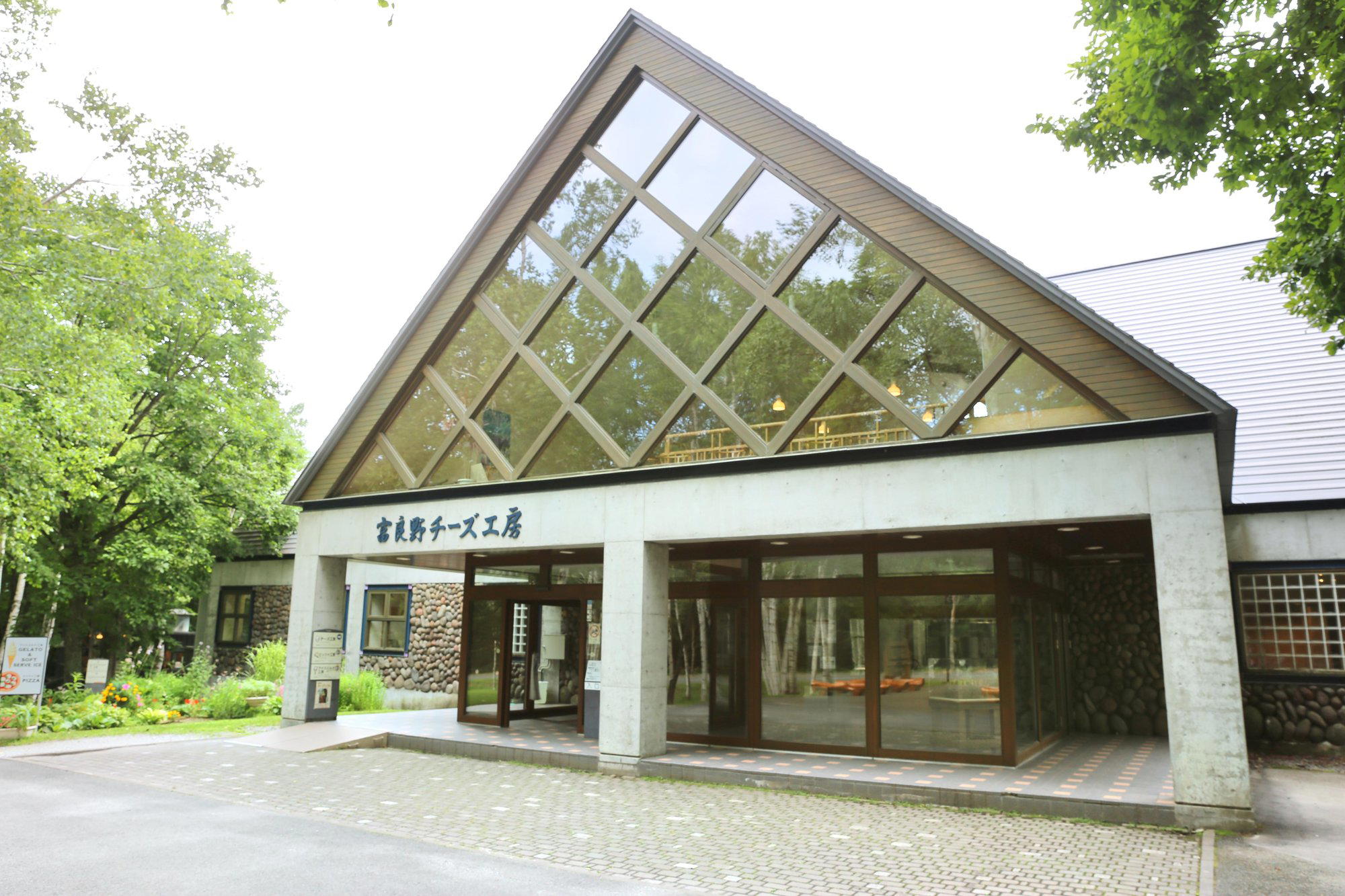
| Furano Pizza Factory (ふらのピッツァ工房) | Furano Cheese Pizza | $10–20 | Not listed | 中五区 |
| くんえん工房 Yamadori | 地元食材の燻製工房カレー | $10–20 | Not listed | 朝日町 |
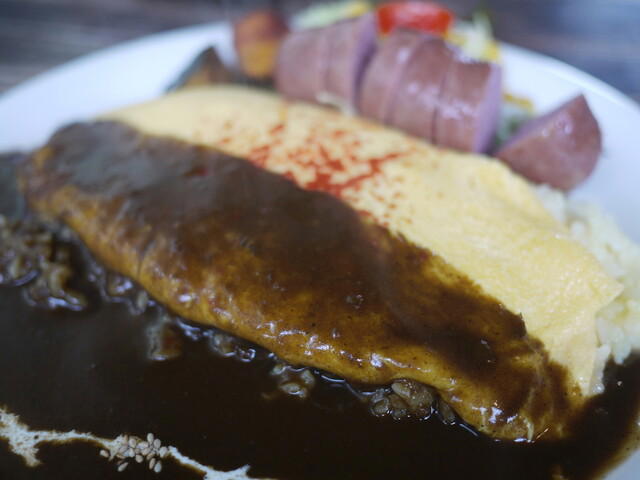
| Yuiga Dokuson | Furano Japanese Curry & Omurice Café | $20–30 | Tabelog 100 #47 | Hinodemachi |
| Anis | Modern French Bistro | Not listed | Not listed | Hatsudai |
| Les Alchimistes | Modern French-Japanese Fusion | $200–300 | 1 Michelin Star · Black Pearl 1 Diamond | Shirokanedai |
Continue exploring
More in Furano

Details
- Elegant
- Cozy
- Rustic
- Intimate
- Special Occasion
- Date Night
- Standalone
- Sake Program
- Local Sourcing
- Garden
- Prix Fixe
- Set Menu
- Vegetarian Friendly
Current opening hours
- Monday
- Closed
- Tuesday
- Closed
- Wednesday
- 12–2:30 PM, 5:30–8:30 PM
- Thursday
- 12–2:30 PM, 5:30–8:30 PM
- Friday
- 12–2:30 PM, 5:30–8:30 PM
- Saturday
- 12–2:30 PM, 5:30–8:30 PM
- Sunday
- 12–2:30 PM, 5:30–8:30 PM
Hours can change for holidays and private events. Last verified .
Warm wooden interior evoking forest coziness, with natural and precise flavors from fresh local produce.