Google: 4.3 · 846 reviews
Maya
.png)
Maya holds a Michelin Plate (2026) at Crossroads Mall in Cebu City, placing it among a small group of formally recognised restaurants in the Philippines operating outside Metro Manila. The kitchen works at the intersection of local Filipino ingredients and contemporary technique, reflecting a broader shift in Cebu's dining scene toward serious, ingredient-led cooking.
 Discover on Pearl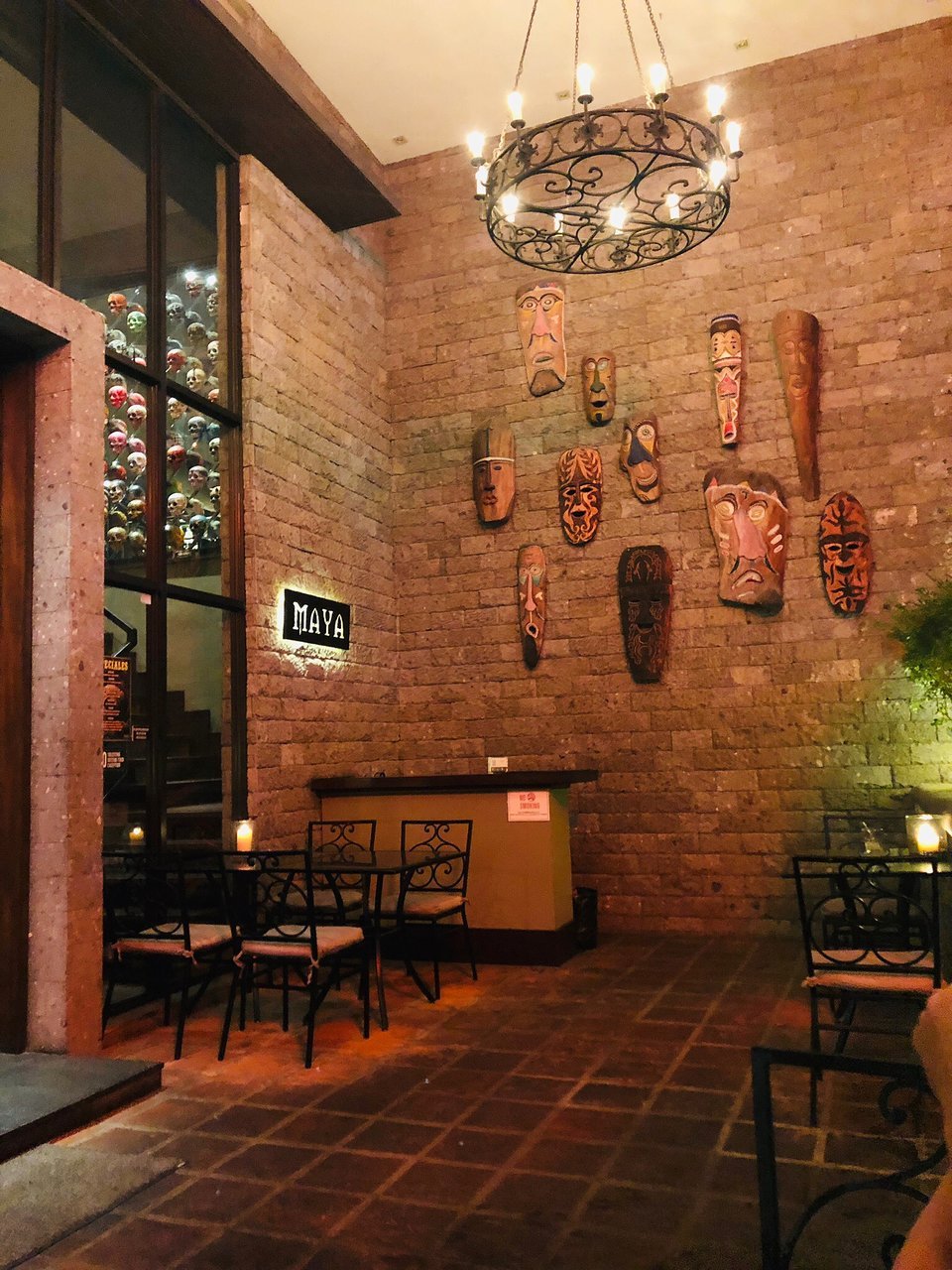
Where Cebu's Ingredient Tradition Meets Contemporary Method
Crossroads Mall in Cebu City is not where most diners expect to find a Michelin-recognised restaurant. The mall format, familiar across Southeast Asia, tends to anchor casual chains and fast-casual concepts. Maya occupies that address but operates in a different register entirely, one defined by the kind of kitchen discipline that earns formal recognition from the Michelin Guide's 2026 Philippine edition. The Plate designation, awarded to restaurants the inspectors consider worth a visit without yet reaching starred territory, places Maya in a specific and meaningful tier: technically sound, ingredient-serious, and distinct from the broader Cebu dining field.
That broader field is worth understanding. Cebu has historically been underrepresented in formal dining recognition compared to Metro Manila, where restaurants like Gallery By Chele in Manila and Celera in Makati have established the country's upper tier. The 2026 Michelin Philippine expansion changed the calculus, bringing scrutiny to Cebu's restaurant scene for the first time at that level. Maya's inclusion signals that the city's serious dining offer has matured enough to register on a guide that previously concentrated its Philippine attention on the capital.
The Technique-Ingredient Intersection
The most instructive frame for understanding where Maya sits in Philippine dining is the tension between imported culinary methods and indigenous product. This is not a tension unique to Cebu. Across the Philippines, a generation of kitchens has worked through the question of how to apply European and Japanese techniques to ingredients that have no equivalent in the traditions those techniques were built around. The country's coastal geography produces seafood varieties, fermented condiments, and tropical produce that resist direct substitution into classical frameworks. The kitchens that navigate this most honestly tend to treat local product as the constraint that generates creativity rather than the deficit that requires compensation.
At the level of concept, Maya operates within this tradition. Cebu's pantry is genuinely distinctive: the Visayan region produces pork preparations, vinegar traditions, and fermented pastes that differ from Tagalog-region equivalents, and the city's position as a trading hub for the central Philippines gives it access to ingredients that don't reach Manila with the same freshness. A kitchen working seriously with these materials and applying structured culinary method to them is doing something that restaurants in the capital cannot simply replicate by importing the ingredients. Proximity and relationship to local supply matter in ways that technique alone cannot compensate for.
This places Maya in a peer conversation with restaurants working similar territory elsewhere in the Philippines. Linamnam in Parañaque operates within a comparable framework of Filipino ingredient specificity, while Asador Alfonso in Cavite demonstrates how regional identity can anchor a serious dining proposition outside the capital's established circuits. Internationally, the model has precedents in how tightly focused ingredient-led restaurants have developed their own authority: Atomix in New York City built its case around Korean ingredient depth applied through fine-dining structure, while Le Bernardin in New York City established decades ago that ingredient specificity, in that case seafood, could become the organising principle of an entire culinary identity.
Maya in Cebu's Current Dining Moment
Cebu's restaurant scene in the mid-2020s has split along increasingly clear lines. At one end, the city's established casual Filipino dining and international chain presence continues to dominate volume. At the other, a smaller cohort of restaurants has developed more deliberate culinary programs, some ingredient-driven, some technique-forward, some working the intersection of both. Maya sits in that cohort, and the Michelin Plate positions it as among the more formally validated options within it.
The city's EP Club-tracked restaurants illustrate the range. CUR8 and COCO represent other points in Cebu's considered dining offer, while Abli and ATO-AH contribute to a scene with more depth than its international profile has historically suggested. For a broader overview of where Maya fits in relation to these options, our full Cebu restaurants guide maps the city's dining categories and price tiers. Those planning a longer stay can extend their research to our full Cebu hotels guide, our full Cebu bars guide, our full Cebu experiences guide, and our full Cebu wineries guide.
The Crossroads Mall location carries practical advantages that offset any preconceptions about mall dining. The address is accessible by car from the major hotel corridors along the South Road Properties and the traditional city centre, and parking at Crossroads is considerably more manageable than street-level alternatives in denser parts of Cebu City. For visitors staying along the reclaimed areas south of the city, this matters more than it might seem on a map.
Comparison with the Manila-based restaurants that now share Michelin recognition with Maya is instructive about what the guide's Philippine expansion represents. Restaurants like Blackbird Makati in Manila and Bolero in Taguig operate in a capital-city competitive environment with a larger base of international visitors and a deeper local fine-dining culture. Maya's recognition in Cebu reflects a different dynamic: a city-level scene earning acknowledgment on a national stage where Metro Manila has previously dominated. That context makes the Plate meaningful beyond its technical designation.
Also worth noting in Cebu's broader food-and-drink picture: Abaseria Deli & Cafe represents the city's more casual, ingredient-conscious end of the market, demonstrating that Cebu's interest in quality produce runs across price points rather than concentrating exclusively in formal dining formats.
Planning a Visit
Maya is located at Crossroads Mall, Banilad, Cebu City. Specific booking details, current hours, and contact information are not available in EP Club's current data. Given the Michelin Plate recognition, which typically increases reservation demand at the restaurants it touches, confirming availability directly with the venue before building a dining itinerary around it is advisable. Visitors arriving in Cebu for the first time should note that Crossroads sits in the Banilad-Lahug corridor, which concentrates a number of Cebu's more considered restaurant and retail options and functions as a practical base for dining exploration beyond Maya itself.
Continue exploring
More in Cebu
Restaurants in Cebu
Browse all →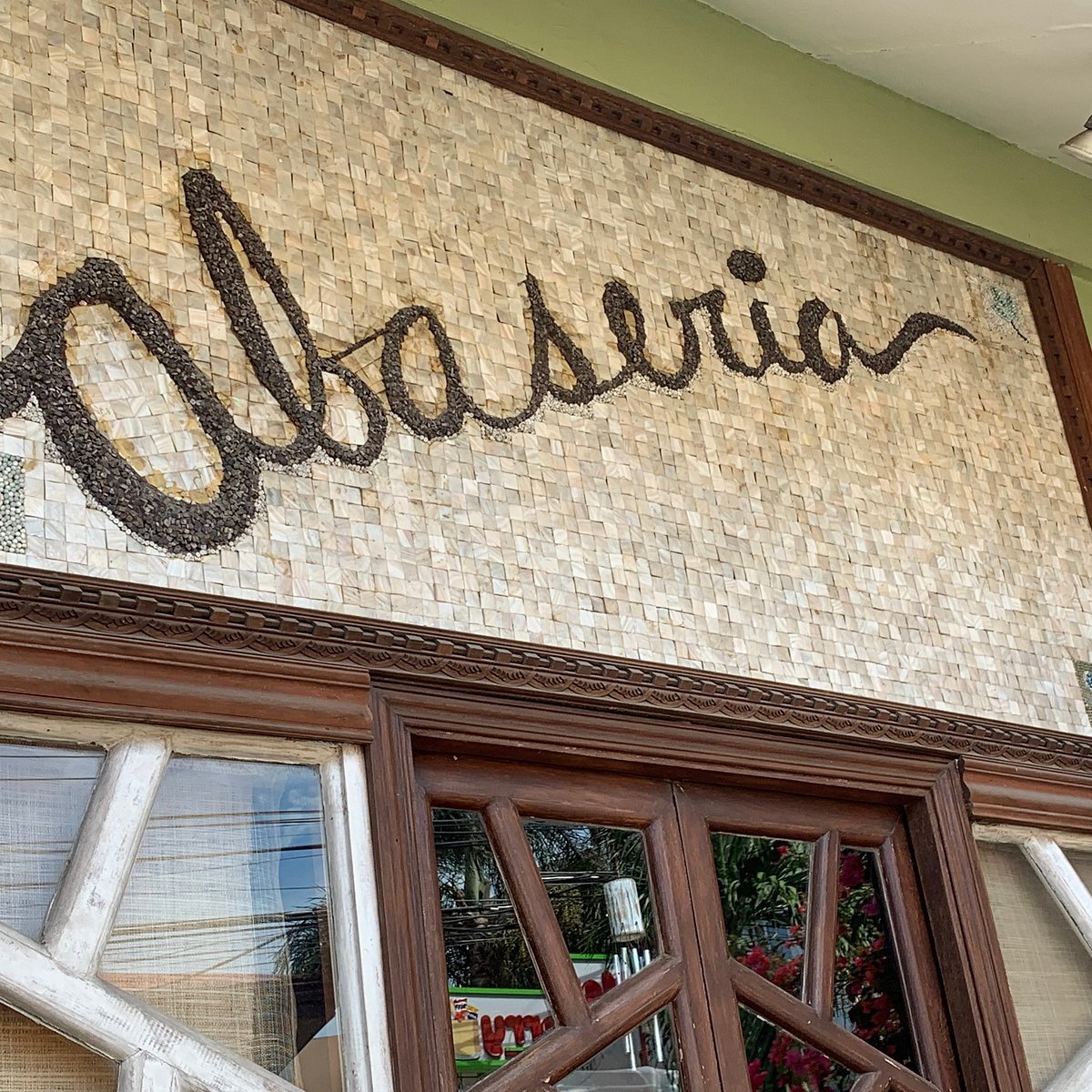

At a Glance
- Lively
- Trendy
- Cozy
- Elegant
- Date Night
- Group Dining
- Casual Hangout
- Open Kitchen
- Craft Cocktails
- Local Sourcing
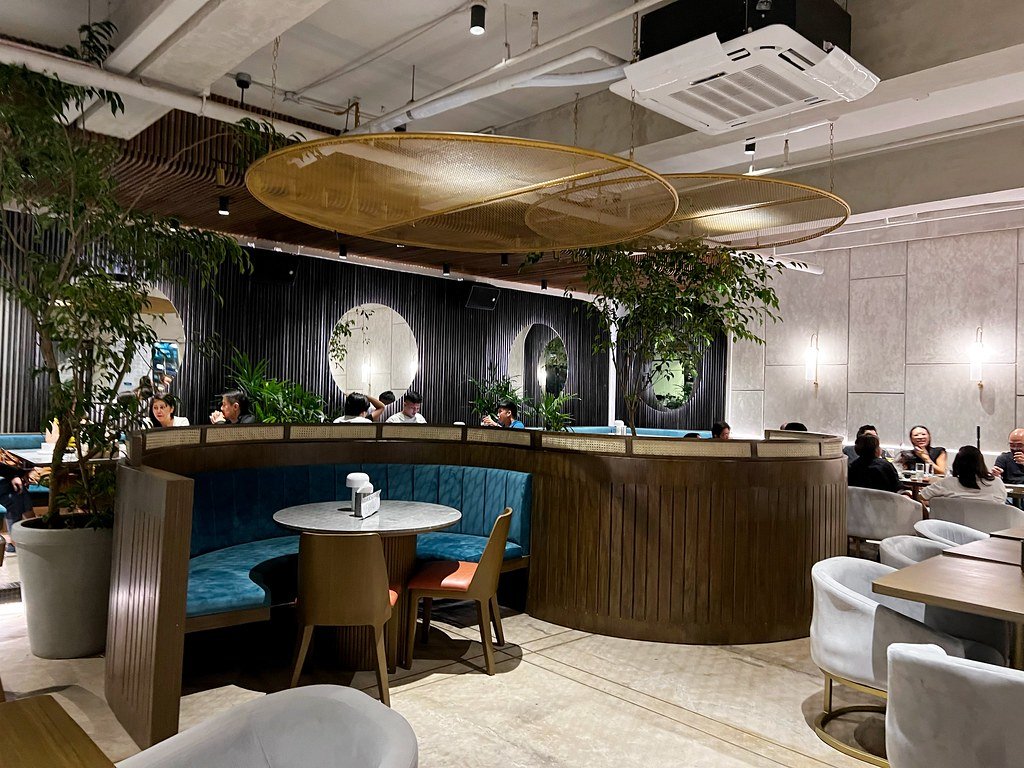
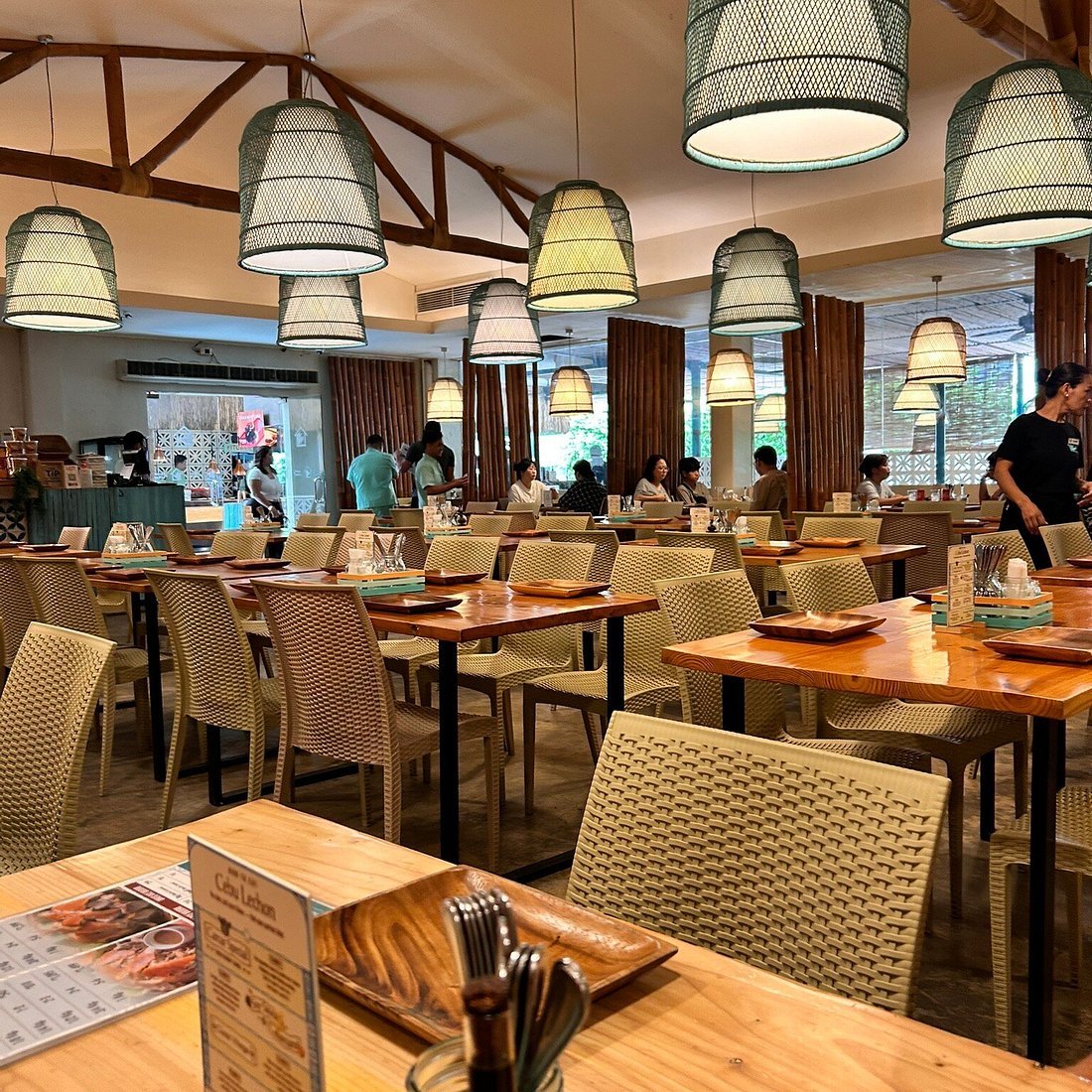
Sophisticated yet casual with old world charm, modern elegance, dramatic lighting, vivid colors, and a lively festive vibe.