15th Street Fisheries
A Fort Lauderdale waterfront institution at 1900 SE 15th St, 15th Street Fisheries sits where the Intracoastal meets serious seafood tradition. The setting, dockside, open to the water, shapes the menu logic as much as the kitchen does. For visitors moving through South Florida's restaurant circuit, it represents the city's enduring relationship with the sea rather than its newer culinary arrivals.
Pearl is the En Primeur Club membership app — saves, bookings, and concierge access live there. Same editors, same standards.
- Address
- 1900 SE 15th St, Fort Lauderdale, FL 33316
- Phone
- +19547632777
- Website
- 15streetfisheries.com
- Directions
- Get directions
 Saves & bookings on Pearl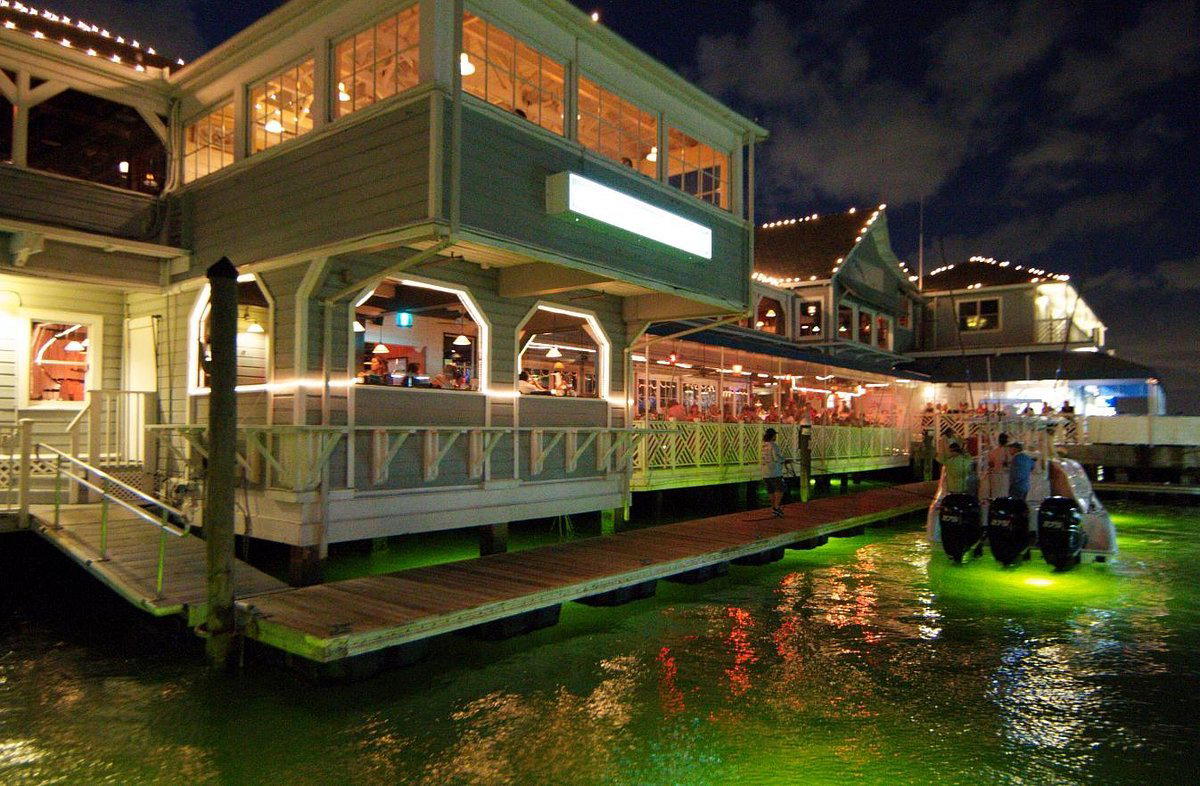
Where the Intracoastal Shapes the Plate
Approaching 15th Street Fisheries along the dockside stretch of SE 15th Street, the Intracoastal Waterway arrives before the building does. Boats pass at close range, the salt air comes in from the east, and the water defines the register of the place before a single dish is ordered. This is how waterfront dining is supposed to work: the geography makes the argument for what ends up on the table.
Fort Lauderdale has long operated as a city whose identity is inseparable from its water access. With more than 300 miles of inland waterways threading through Broward County, the city has a structural relationship with seafood that predates its modern restaurant scene. Venues positioned directly on working docks sit differently from those that simply face a marina view, the proximity to actual boat traffic signals a different sourcing logic, one where catch timing and water conditions can, in principle, influence what the kitchen receives each day.
Within Fort Lauderdale's dining circuit, 15th Street Fisheries occupies a specific tier: waterfront-destination dining that draws both local regulars and visitors arriving by boat, a format that distinguishes it from the city's newer inland openings.
The Sourcing Logic Behind Waterfront Seafood
The argument for eating seafood at a working waterfront property is, at its core, a supply-chain argument. Distance from catch to kitchen compresses when a restaurant sits adjacent to a working dock rather than sourcing through a regional distributor. That compression matters most for delicate species, fish that hold quality for a narrow window after catch. In South Florida, that means species like snapper, grouper, mahi-mahi, and stone crab during the October-to-May season, a calendar that shapes what any serious seafood operation along this coastline can credibly offer.
Florida's seafood sourcing context is worth understanding. The state supports both commercial Gulf and Atlantic fisheries, and Fort Lauderdale's position on the Atlantic side gives kitchens access to a specific catch profile distinct from the Gulf-facing restaurants further west. Stone crab claws, a Florida-specific product with legal harvest restrictions and a defined seasonal window, represent one of the region's few genuinely protected seafood traditions, the claws are harvested and the crab returned to the water, a practice regulated since the 1990s. Any serious South Florida seafood operation structures its fall and winter menu around their availability.
This sourcing geography is what separates the better waterfront venues in Fort Lauderdale from those treating seafood as a theme rather than a supply-chain discipline. At the reference end of American seafood seriousness, Le Bernardin in New York City and Providence in Los Angeles have built reputations around rigorous sourcing protocols; in a regional context, Fort Lauderdale's leading waterfront venues operate from a different but comparably honest premise, proximity rather than prestige procurement.
Fort Lauderdale's Seafood Restaurant Tier
Fort Lauderdale's restaurant scene in 2024 has grown considerably more layered than its reputation suggests. The city draws comparisons to Miami without the same density of high-profile openings, which has allowed a mid-tier of established, locally embedded venues to retain their position without the displacement pressure that rearranges Miami's dining hierarchy every few years. Properties like Anthony's Clam House occupy the casual-specialist end of the seafood category, while the broader restaurant field, including Askaneli Restaurant & Steakhouse and Baires Grill on Las Olas, reflects the city's growing range beyond its seafood identity.
15th Street Fisheries sits in the waterfront-destination bracket, a format that competes less on tasting-menu credentials and more on setting integrity, sourcing consistency, and the kind of regularity that builds a loyal local base over years. That format has proven durable across American coastal cities. It is a different proposition from the farm-to-table precision of Blue Hill at Stone Barns or the sourcing-obsessive model at Single Thread Farm in Healdsburg, but the underlying logic, let geography and seasonality define the menu, connects them.
Fort Lauderdale operates in a less codified tradition but with equally strong underlying ingredients.
Planning a Visit
The restaurant is located at 1900 SE 15th St, Fort Lauderdale, FL 33316, on the Intracoastal Waterway south of the 17th Street Causeway. The address is accessible by road and by boat, the latter being a genuine option for visitors staying on the water or chartering from nearby marinas. Given the waterfront setting, outdoor tables are exposed to prevailing Atlantic breezes, which makes timing relative to season relevant, South Florida's dry season, roughly November through April, produces comfortable conditions for open-air dining. Summer months bring humidity and afternoon storm patterns that can interrupt outdoor service.
Visitors moving through the broader Fort Lauderdale dining circuit might pair this with Batch New Southern Kitchen and Tap for a contrast in register, or with Anthony's Coal Fired Pizza for a casual second meal. Those planning a wider Florida or Southeast itinerary with a focus on serious restaurant destinations can cross-reference the EP Club guides for Alinea in Chicago, The French Laundry in Napa, Addison in San Diego, The Inn at Little Washington, Atomix in New York City, and Lazy Bear in San Francisco to calibrate expectations across the American fine dining range.
How It Stacks Up
Comparable venues nearby, for context on price, style, and recognition.
| Venue | Cuisine | Price | Notes |
|---|---|---|---|
| 15th Street FisheriesThis venue — the venue you are viewing | Fresh Seafood with Waterfront Views | $$$ | Not listed |
| Mykonos | Greek Mediterranean | $$$ | Downtown |
| Catch & Cut | Seafood, Steak & Sushi | $$$ | Las Olas |
| Coconuts | Casual Waterfront Seafood | $$ | Central Beach |
| Tide Coastal Kitchen | American Coastal Cuisine | $$$ | Fort Lauderdale |
| Louie Bossi's Ristorante Bar Pizzeria | Italian Ristorante Bar Pizzeria | $$$ | Las Olas Boulevard |
Continue exploring
More in Fort Lauderdale
Restaurants in Fort Lauderdale
Browse all →
Bars in Fort Lauderdale
Browse all →
At a Glance
- Scenic
- Classic
- Elegant
- Date Night
- Celebration
- Family
- Waterfront
- Live Music
- Private Dining
- Extensive Wine List
- Craft Cocktails
- Sustainable Seafood
- Waterfront
Current opening hours
- Monday
- 11:30 AM–9:30 PM
- Tuesday
- 11:30 AM–9:30 PM
- Wednesday
- 11:30 AM–9:30 PM
- Thursday
- 11:30 AM–9:30 PM
- Friday
- 11:30 AM–9:30 PM
- Saturday
- 11:30 AM–9:30 PM
- Sunday
- 11:30 AM–9:30 PM
Hours can change for holidays and private events. Last verified .
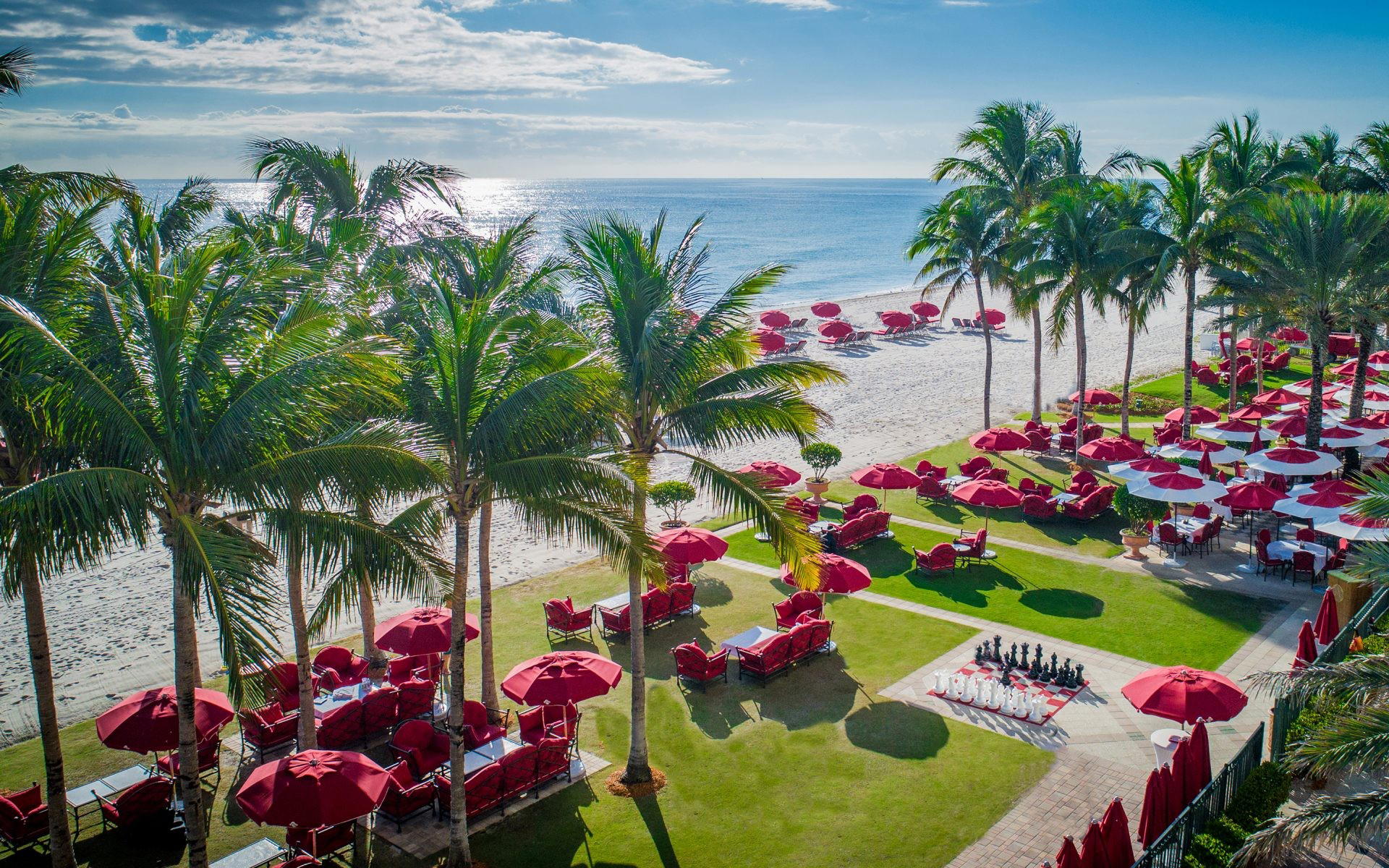
Authentic old Florida boathouse atmosphere with nautical décor, inspiring marina panoramas, and a mix of elegant upstairs dining and lively dockside vibes.
Know Before You Go
- Getting there
- 1900 SE 15th St, Fort Lauderdale, FL 33316