
A Michelin Plate-recognised steakhouse on Xiangyang North Road in Shanghai's Xuhui District, The Meat holds consecutive Michelin Plate distinctions for 2024 and 2025. Pitched at the ¥¥¥ tier, it sits within a compact but competitive field of Western dining rooms that have taken root in one of the city's most established dining neighbourhoods.
Pearl is the En Primeur Club membership app — saves, bookings, and concierge access live there. Same editors, same standards.
- Address
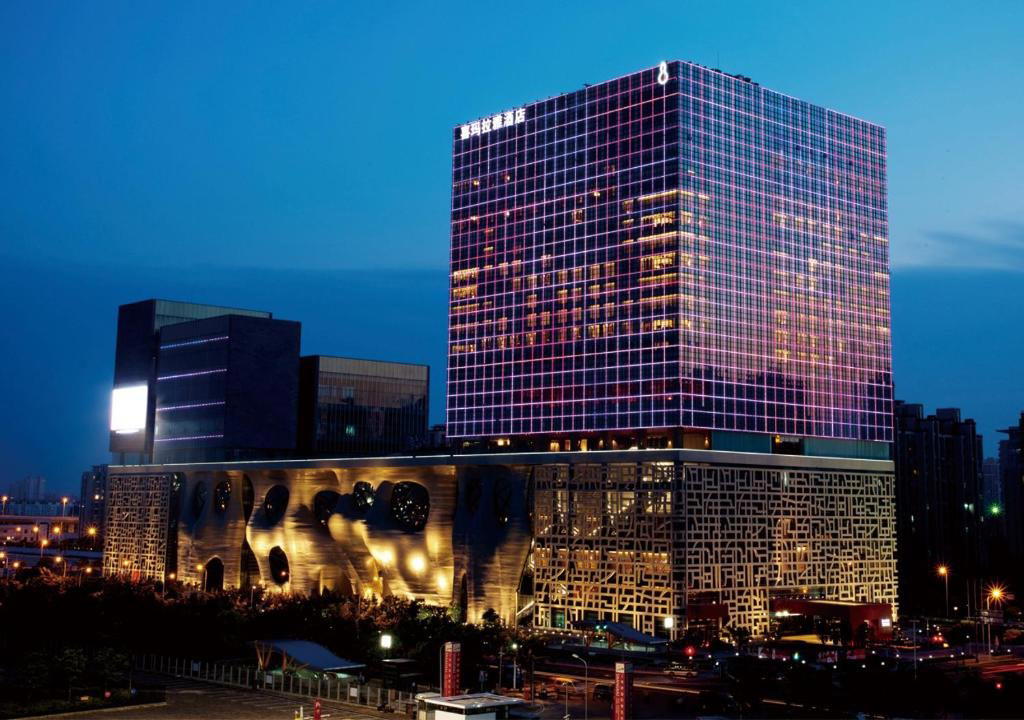
- 2F, Kerry Hotel Pudong, 1388 Huamu Road, Pudong, Shanghai 201204, China
- Phone
- +86 21 6169 8886
- Website
- shangri-la.com
- Directions
- Get directions
 Saves & bookings on Pearl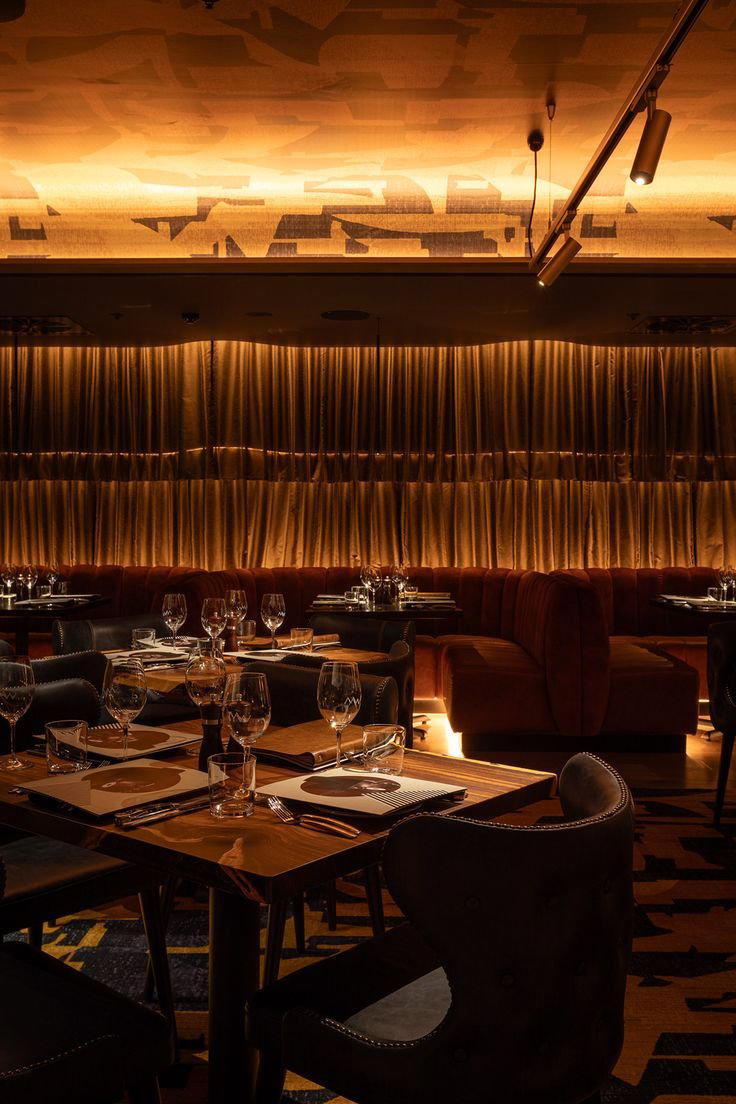
Xuhui's Western Table: Where the Steakhouse Sits in Shanghai's Dining Order
Shanghai's appetite for Western dining formats has never been straightforwardly nostalgic. The city's treaty-port history left behind a particular comfort with European and American cooking that other Chinese cities never quite developed, and the contemporary result is a steakhouse scene with genuine range: everything from multinational hotel grills to standalone independents working Xuhui's tree-lined side streets. The Meat, at 2F, Kerry Hotel Pudong on Huamu Road, is a contemporary steakhouse and grill in Shanghai's ¥¥¥ tier, with.
The Michelin Plate designation, often overlooked in favour of star counts, is a meaningful signal. It marks kitchens that inspectors consider worth eating in, cooking that meets a threshold of quality without yet generating the consistency or distinctiveness required for a star. At the ¥¥¥ price point, which places The Meat in the same general bracket as other recognised Western dining rooms in the city, that Plate recognition gives it a credible position among Shanghai's mid-to-upper steakhouse tier. It is not operating against the full-service hotel chophouses with their deep wine cellars and extended tasting menus; it is working a different, more focused register.
The Supporting Cast: Why Sides Define a Steakhouse's Actual Character
There is a version of the steakhouse argument that centres entirely on the protein, provenance, grade, cut, temperature. That argument matters, but any experienced diner knows that what separates a serious steakhouse from a competent one is almost always the supporting cast. Creamed spinach that holds its structure without turning watery. Potato preparations, whether roasted, gratin, or mash, that arrive at the right temperature with fat properly incorporated. A wedge salad, if on the menu, where the dressing is thick enough to cling to the iceberg rather than pool beneath it.
These are unglamorous tests, but they are reliable ones. A kitchen that executes sides with the same discipline it applies to the main event is a kitchen with consistent standards across the board. In Shanghai's Western dining rooms, where ingredient sourcing can be uneven and kitchen attention sometimes concentrates on headline items at the expense of accompaniments, that consistency is worth noting as a category marker rather than a given. The Meat's Plate recognition suggests the kitchen clears that bar, though the specific configuration of its menu is not independently confirmed here.
The broader point holds across the steakhouse format: in a city where diners have access to addresses like 1515 West Chophouse and Shaughnessy, each working their own interpretation of the format, differentiation tends to live in the details, the texture of a sauce, the timing of a resting period, the temperature at which sides arrive.7 across 3 reviews is a strong signal of consistency, with a small review base that still points to satisfied diners.
Xiangyang North Road and the Xuhui Dining Environment
Xuhui has been Shanghai's most consistently interesting district for independent Western dining for the better part of two decades. The combination of French Concession-era architecture, plane-tree canopy, and a residential population with high disposable income created conditions in which standalone restaurants, not hotel annexes, not mall tenants, could survive and develop. Xiangyang North Road sits within that fabric, a short walk from the Huaihai commercial corridor but with the quieter, more residential character that suits a focused dining room over a high-turnover concept.
For visitors calibrating where the restaurant fits relative to the broader dining map, it shares a district and a price tier with several of Shanghai's recognised Western tables. The ¥¥¥ bracket in Xuhui covers serious cooking without the ceiling prices of the hotel flagship tier. That positioning is deliberate in a neighbourhood where diners are generally knowledgeable and expect value-for-money to mean quality-to-price coherence, not discounting.
If the steakhouse format is not the only direction you are considering, the same district and city offer significant range: Fu He Hui at ¥¥¥¥ represents Shanghai's most recognised vegetarian fine dining, while 102 House covers the Cantonese end of the spectrum.
The Steakhouse Format Across Greater China
The steakhouse occupies an interesting position in Greater China's premium dining ecosystem. In cities like Taipei, addresses such as A Cut have established the format as a serious dining category with local identity rather than imported template. Further afield, Capa in Orlando shows how the format travels across different hospitality contexts. Within mainland China, the steakhouse tends to sit alongside rather than in competition with the dominant fine dining categories, Cantonese, Shanghainese, regional Chinese, rather than displacing them. Restaurants like Xin Rong Ji in Beijing, Xin Rong Ji in Chengdu, and Ru Yuan in Hangzhou illustrate how Chinese regional fine dining continues to anchor the premium tier in most cities. In Macau and Guangzhou, addresses like Chef Tam's Seasons and Imperial Treasure Fine Chinese Cuisine operate at comparable or higher price points with entirely different culinary frameworks. Dai Yuet Heen in Nanjing extends that Cantonese-anchored premium dining further into the interior. The Western steakhouse, in this context, fills a specific social function, the business dinner, the occasion meal for a mixed international group, the format where the choreography is legible to guests from multiple dining cultures.
Shanghai's version of this format has matured to the point where addresses like Stonesal and the established hotel chophouses set a clear benchmark. The restaurant's consecutive Plate recognition positions it as a kitchen that meets inspector standards within that competitive group.
Peers You’d Cross-Shop
Comparable venues nearby, for context on price, style, and recognition.
| Venue | Cuisine | Price | Notes |
|---|---|---|---|
| The MeatThis venue — the venue you are viewing | Contemporary Steakhouse and Grill | $$$ | Not listed |
| 1515 West Chophouse | Classic American Steakhouse | $$$$ | Jing'an |
| Pop | Modern European Brasserie | $$$ | Lan Ni Du |
| La Scene Ronde | French-Japanese Fusion Omakase | $$$$ | Lao Ximen |
| Jade Mansion | Modern Cantonese | $$$ | Lan Ni Du |
| The Yidao (East Beijing Road) | Modern Huaiyang Tea-Paired Chinese | $$$ | Hongkou |
Recognition history
Dated appearances from independent guides and award organizations, with the underlying list record or original source where available.
Michelin Plate
Michelin
Michelin Plate
Michelin
At a Glance
- Modern
- Trendy
- Elegant
- Business Dinner
- Group Dining
- Celebration
- Family
- Open Kitchen
- Private Dining
- Hotel Restaurant
- Extensive Wine List
Current opening hours
- Monday
- 10 AM–10 PM
- Tuesday
- 10 AM–10 PM
- Wednesday
- 10 AM–10 PM
- Thursday
- 10 AM–10 PM
- Friday
- 10 AM–10 PM
- Saturday
- 10 AM–10 PM
- Sunday
- 10 AM–10 PM
Hours can change for holidays and private events. Last verified .
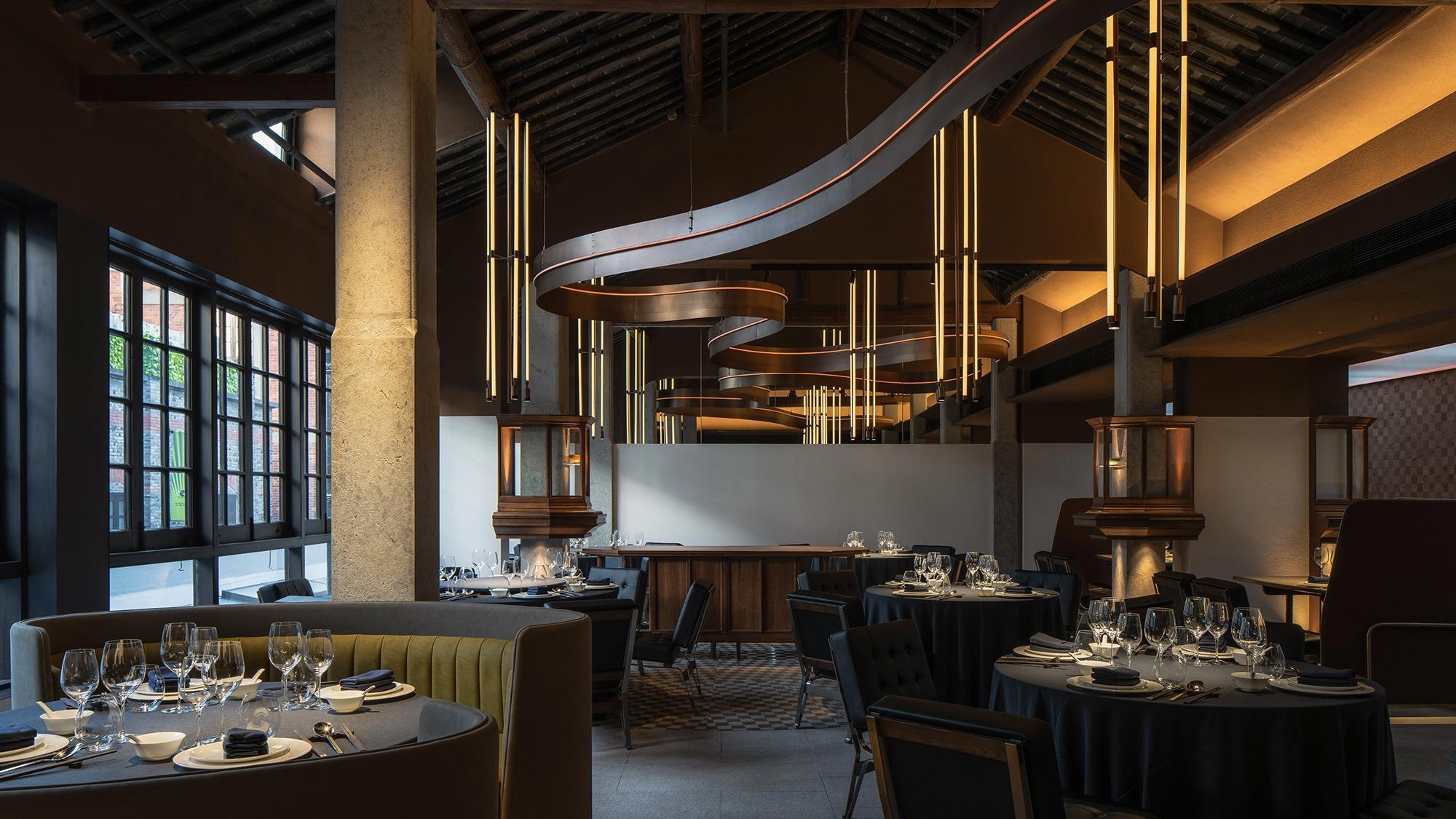
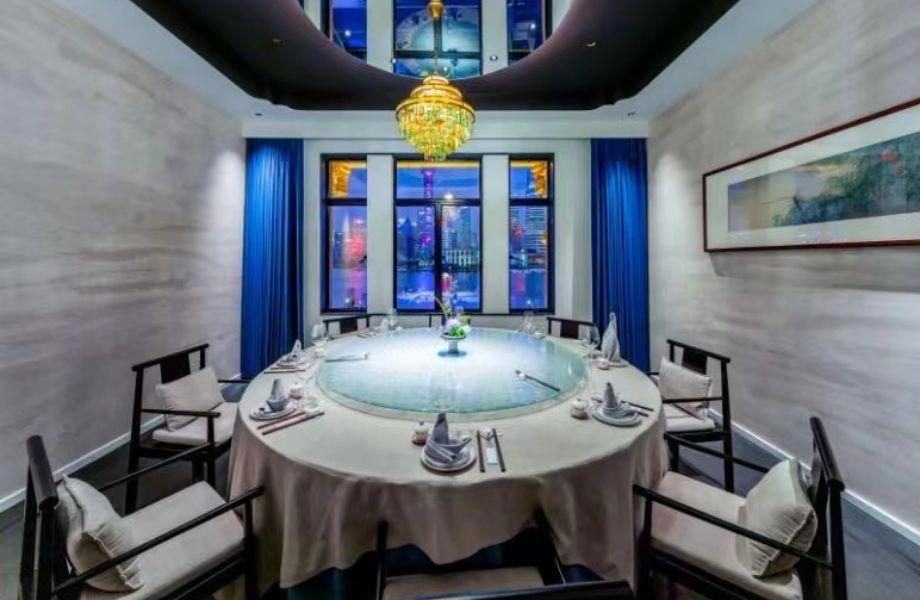
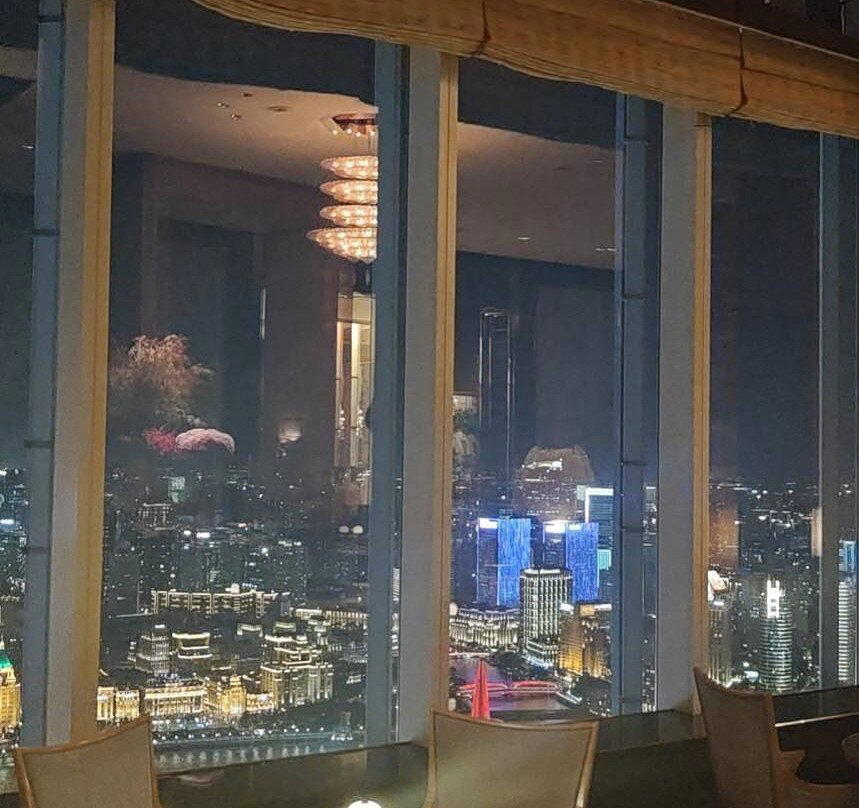
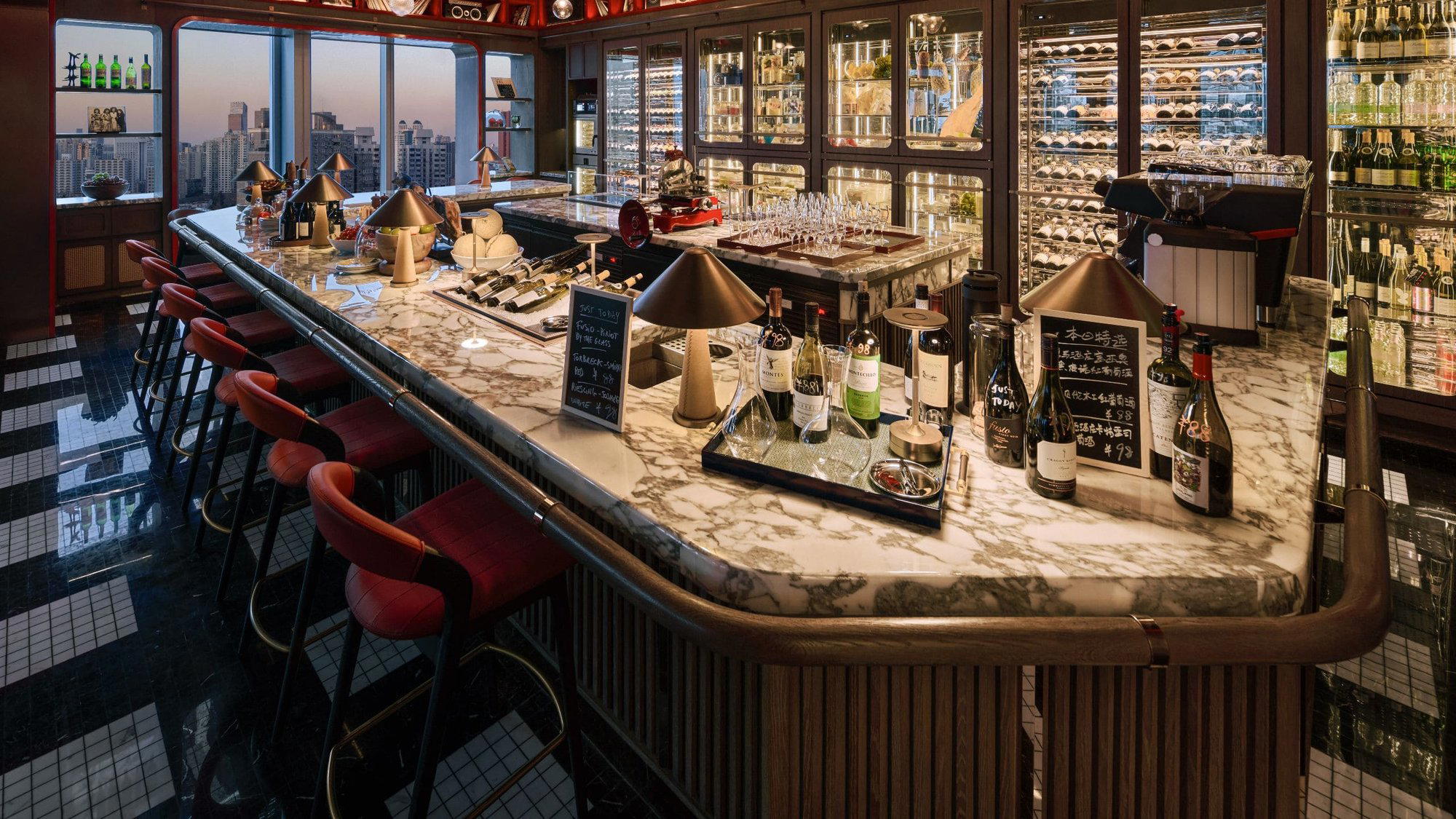
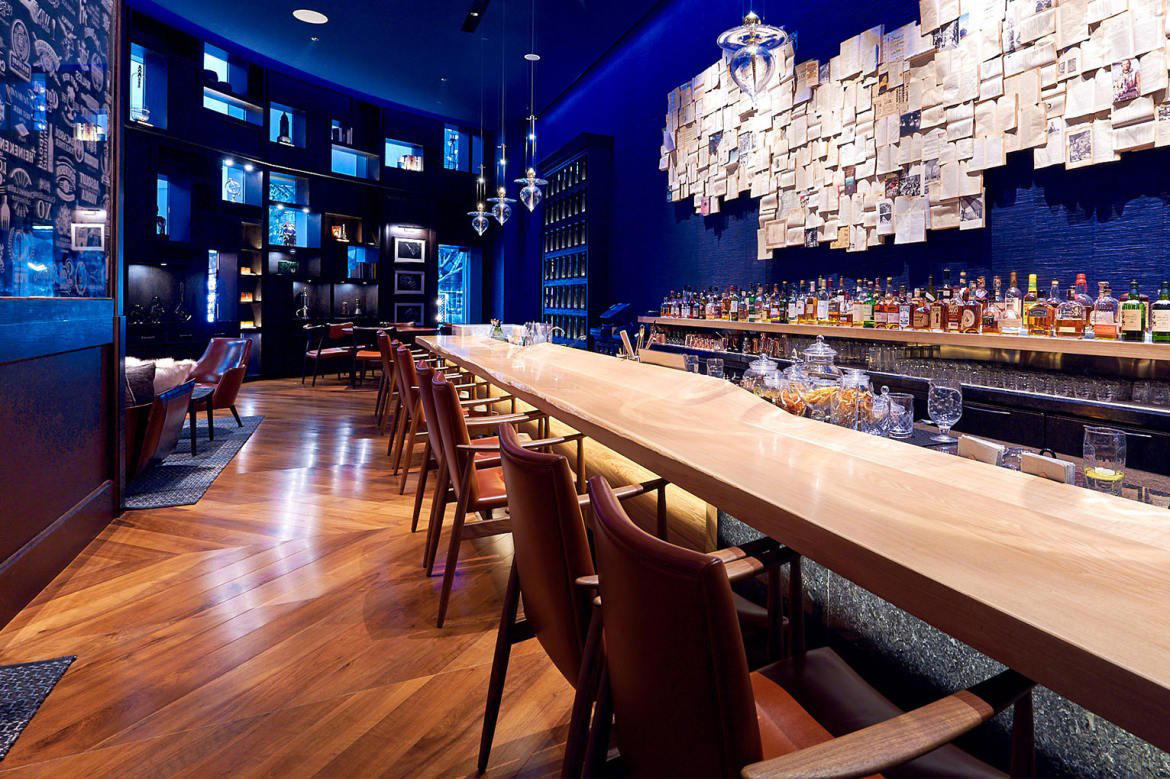
Contemporary steakhouse vibe with antlers, booth seating, and a visible meat aging room, offering a sophisticated yet comfortable atmosphere.