Google: 4.7 · 3 reviews

Tang Court brings Cantonese cooking to the heart of Huangpu with the kind of formality that lets the food do the talking. Scored 85 points on La Liste in 2025 and 82 in 2026, it occupies a tier above casual dim sum and below the absolute ceiling of the city's Chinese fine-dining hierarchy. For shared-table Cantonese eating in Shanghai, it remains a measured, serious option.
Pearl is the En Primeur Club membership app — saves, bookings, and concierge access live there. Same editors, same standards.

The Shared Table as Ritual: Cantonese Dining in Shanghai
Few dining formats carry as much encoded meaning as the Cantonese banquet table. The lazy Susan turns, dishes arrive in a sequence that has been refined over generations, and the act of eating becomes collective rather than individual. In Shanghai, where the dominant culinary identity leans Shanghainese and Huaiyang, a serious Cantonese kitchen is a deliberate counter-position: it imports a southern Chinese tradition into a city with its own strong preferences and expects diners to meet it on its own terms.
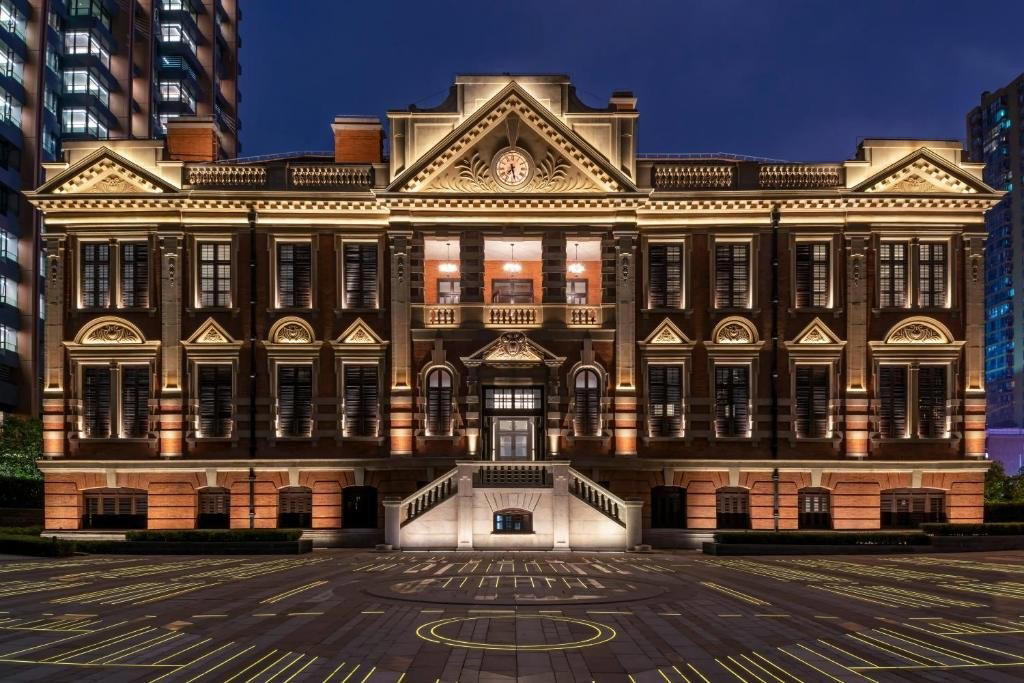
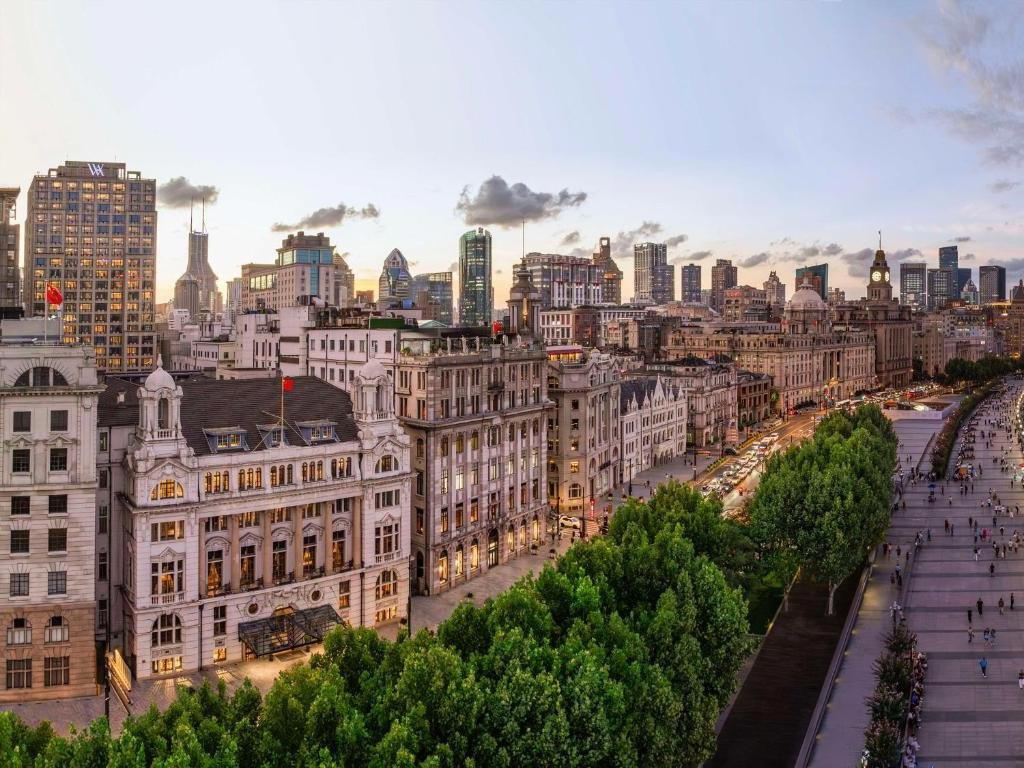
唐阁 Tang Court, at 740 Hankou Road in Huangpu, occupies that position with quiet confidence. The address places it in one of Shanghai's most historically layered districts, close to the old Bund-adjacent commercial core, where early-twentieth-century architecture and contemporary commerce sit in proximity. Arriving here, the surroundings carry the specific weight of old Shanghai money rather than the newer, louder energy of Xintiandi or the Jing'an luxury corridor.
Where Tang Court Sits in Shanghai's Cantonese Tier
Shanghai's Cantonese restaurants span a wider range than most visitors appreciate. At the entry level, dim sum houses operate on volume and efficiency. At the mid-tier, restaurants like Ming Court deliver Cantonese standards in a reliable but unambitious register. The upper bracket, which includes Tang Court, demands more from both the kitchen and the diner: longer meals, higher price tolerance, and an attention to the sequencing of a shared table that a solo order-as-you-go format cannot replicate.
Tang Court's La Liste scores place it in verifiable company. An 85-point rating in 2025, falling to 82 in 2026, positions it within La Liste's acknowledged tier of serious restaurants without reaching the small group of addresses that consistently score into the 90s globally. That slight downward movement is worth noting: it suggests the restaurant is being assessed in a competitive field where peer addresses in Shanghai and across China are gaining ground. For context, Fu He Hui, Shanghai's vegetarian fine-dining benchmark, and Taian Table, which operates in modern European territory, both compete for the same high-spending diner with different culinary propositions. Tang Court's differentiation is its fidelity to a Cantonese canon that neither of those addresses pursues.
Among Cantonese specifically, a useful peer comparison runs across cities. Chef Tam's Seasons in Macau represents the Michelin-starred Cantonese model in a different market context. Imperial Treasure Fine Chinese Cuisine in Guangzhou operates in the tradition's home territory. Tang Court, serving the same cuisine in a Shanghai context, must earn its authority in a city that has no particular sentimental attachment to Cantonese cooking the way Hong Kong or Guangzhou does. That it has accumulated consistent La Liste recognition across consecutive years is evidence that it succeeds on culinary grounds alone.
The Choreography of a Cantonese Multi-Course Meal
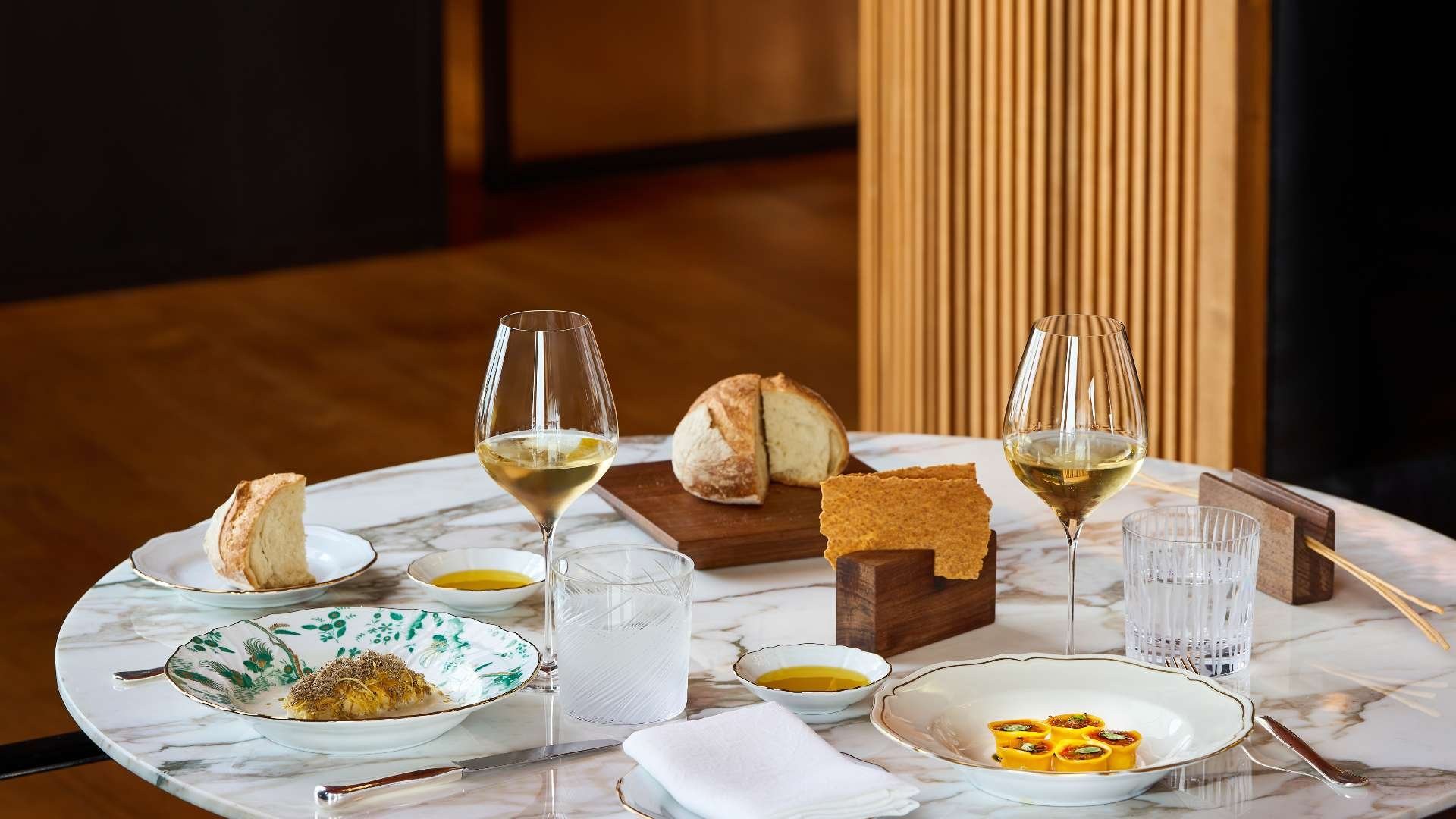
The shared-table format is not incidental to Cantonese fine dining. It is the point. Cold appetisers arrive first, calibrating the palate before the kitchen introduces heat. Roasted meats, when they appear, are timed to a specific window in the meal when appetite is still high but not ravenous. Steamed fish, a benchmark dish across Cantonese kitchens, is the moment when a restaurant either demonstrates technical mastery or reveals its ceiling. Dim sum, if offered in a dinner context, functions differently from its morning role: pieces are selected for contrast and precision rather than abundance.
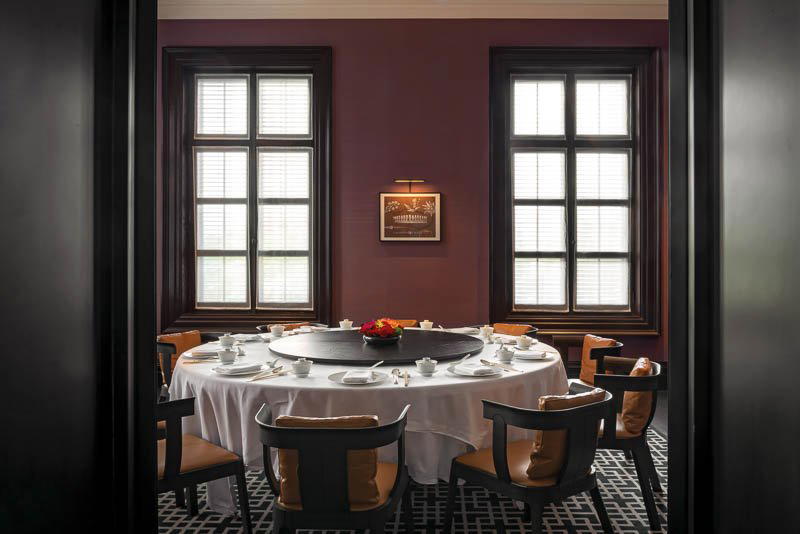
At a restaurant operating at Tang Court's level, that choreography is not left to chance. The sequencing of a shared meal at this price tier in Shanghai is as considered as the wine programme at a comparable European table. Diners who arrive expecting to eat à la carte in the Western sense may find the full expression of the kitchen requires surrendering to that structure. The lazy Susan, that piece of furniture that looks almost casual, is in fact the hardware around which a very deliberate dining logic rotates.
For visitors comparing Cantonese eating within Shanghai, 102 House offers an alternative read on the tradition, while Xin Rong Ji (West Nanjing Road) represents the Taizhou school of Chinese cooking, a related but distinct culinary lineage. Across the broader region, Ru Yuan in Hangzhou and Xin Rong Ji in Chengdu show how different Chinese culinary traditions are asserting themselves in fine-dining formats in their own cities. Even globally, the ambition of Chinese fine dining at addresses like Dai Yuet Heen in Nanjing tracks with how the tradition is being taken seriously in new markets. For reference outside Chinese cooking entirely, the kind of tasting-menu discipline that Le Bernardin in New York City or Atomix in New York City brings to their respective cuisines is a useful frame for understanding what Tang Court is attempting in its own format.
Planning Your Visit
Tang Court is located in Huangpu district at 740 Hankou Road, accessible from multiple metro lines serving the People's Square and Nanjing Road East corridors. For a broader sense of what Shanghai offers at this level of dining, see our full Shanghai restaurants guide. The city's hotel, bar, and experience offerings at comparable standards are covered in our full Shanghai hotels guide, our full Shanghai bars guide, our full Shanghai wineries guide, and our full Shanghai experiences guide.
Venue Comparison: Cantonese and Chinese Fine Dining in Shanghai
| Venue | Cuisine | Price Tier | Notable Signal |
|---|---|---|---|
| 唐阁 Tang Court | Cantonese | Not confirmed | La Liste 82pts (2026), 85pts (2025) |
| Fu He Hui | Vegetarian | ¥¥¥¥ | High-end vegetarian fine dining |
| Ming Court | Cantonese | ¥¥¥ | Mid-tier Cantonese benchmark |
| Taian Table | Modern European | Not confirmed | Innovative, award-recognised |
| Xin Rong Ji (West Nanjing Rd) | Taizhou | Not confirmed | Regional Chinese, fine-dining format |
| 8½ Otto e Mezzo Bombana | Italian | Not confirmed | Cross-category luxury alternative |
A Pricing-First Comparison
A quick peer snapshot; use it as orientation, not a full ranking.
| Venue | Price | Awards | Notes |
|---|---|---|---|
| 唐阁 Tang court | La Liste Top Restaurants (2026): 82pts; La Liste Top Restaurants (2025): 85pts | This venue | |
| Fu He Hui | ¥¥¥¥ | Michelin 2 Star | Vegetarian, ¥¥¥¥ |
| Ming Court | ¥¥¥ | Michelin 1 Star | Cantonese, ¥¥¥ |
| Polux | ¥¥ | French, ¥¥ | |
| Royal China Club | ¥¥¥ | Chinese, Cantonese, ¥¥¥ | |
| Scarpetta | ¥¥¥ | Italian, ¥¥¥ |
At a Glance
- Elegant
- Sophisticated
- Opulent
- Intimate
- Special Occasion
- Business Dinner
- Celebration
- Private Event
- Private Dining
- Hotel Restaurant
- Open Kitchen
- Extensive Wine List
- Sommelier Led
- Local Sourcing
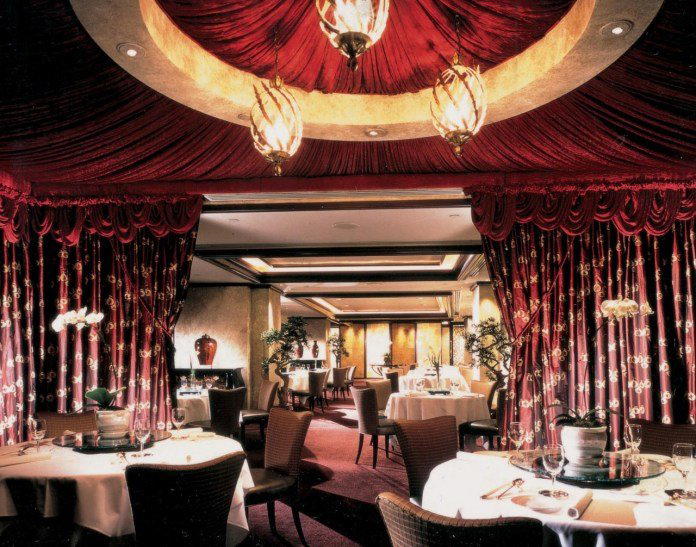
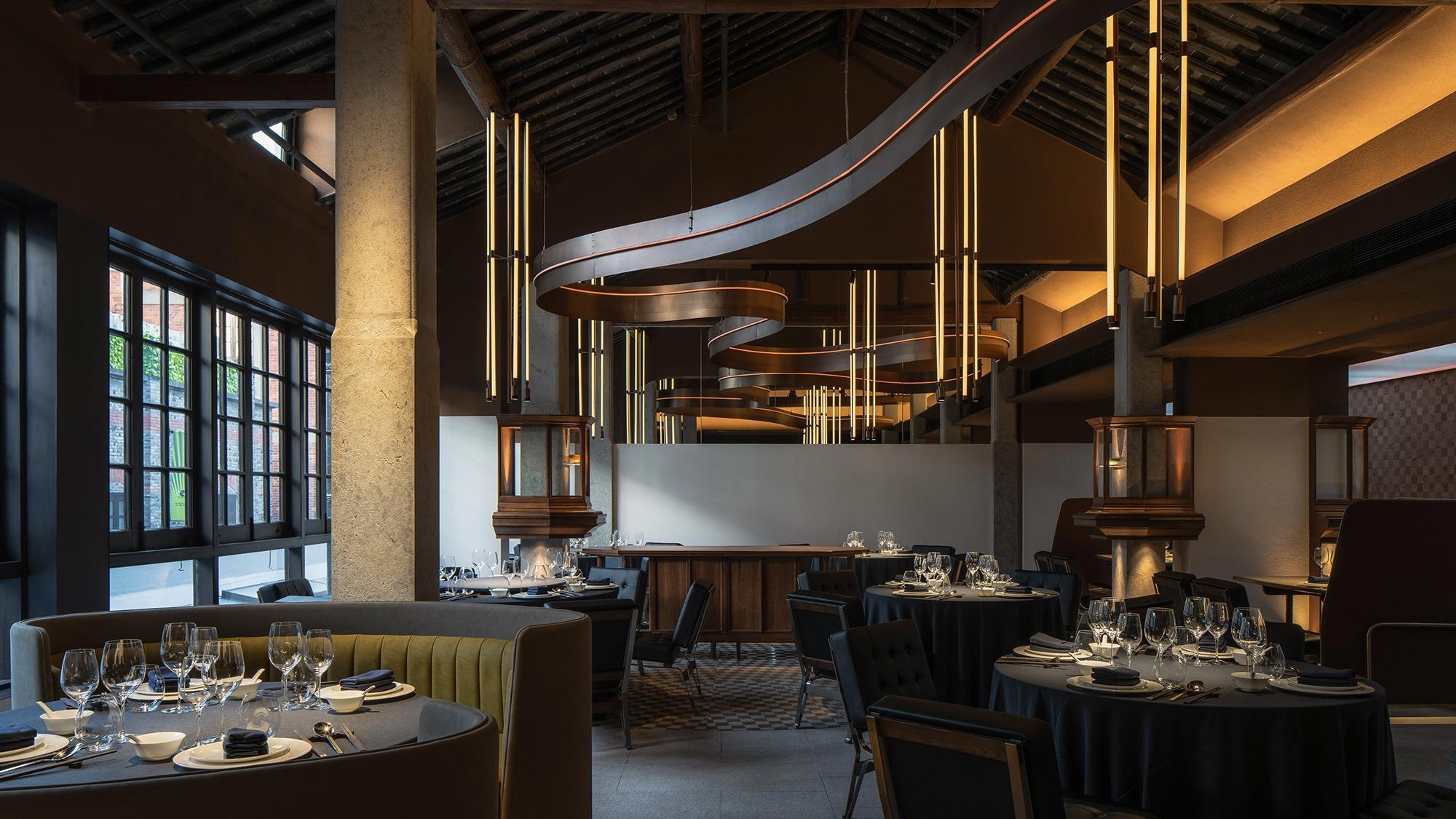
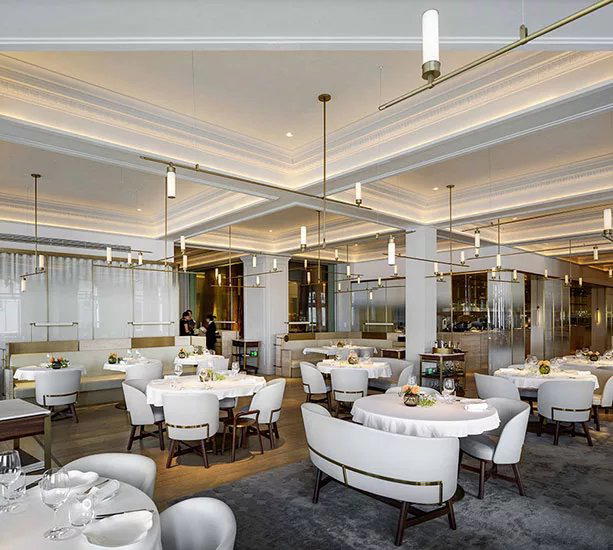
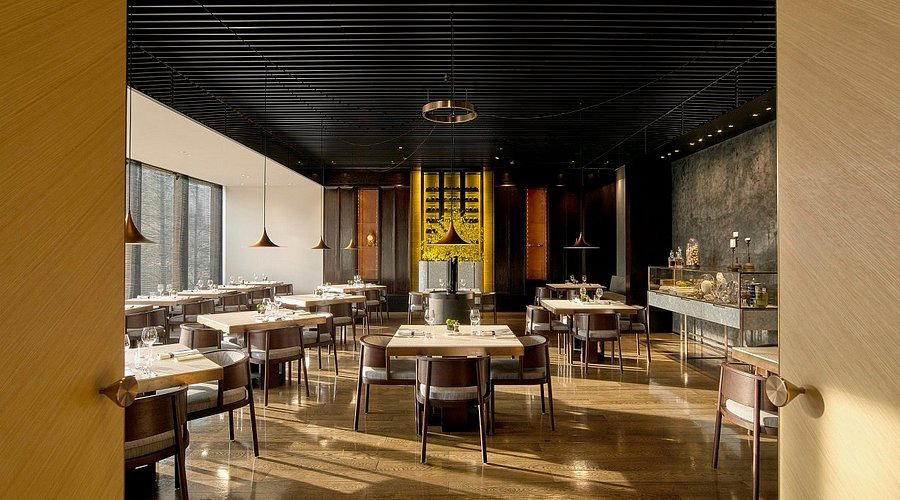
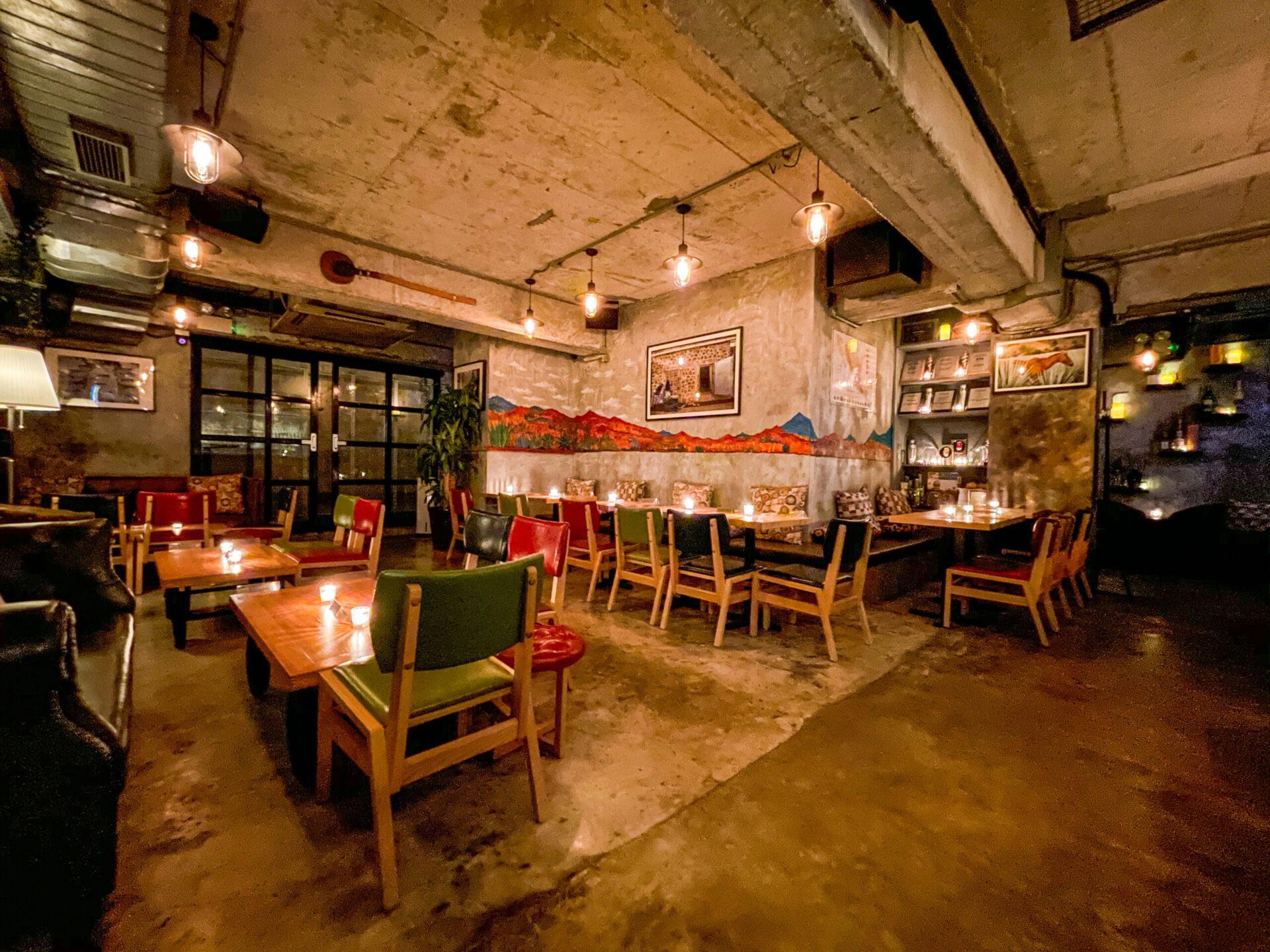
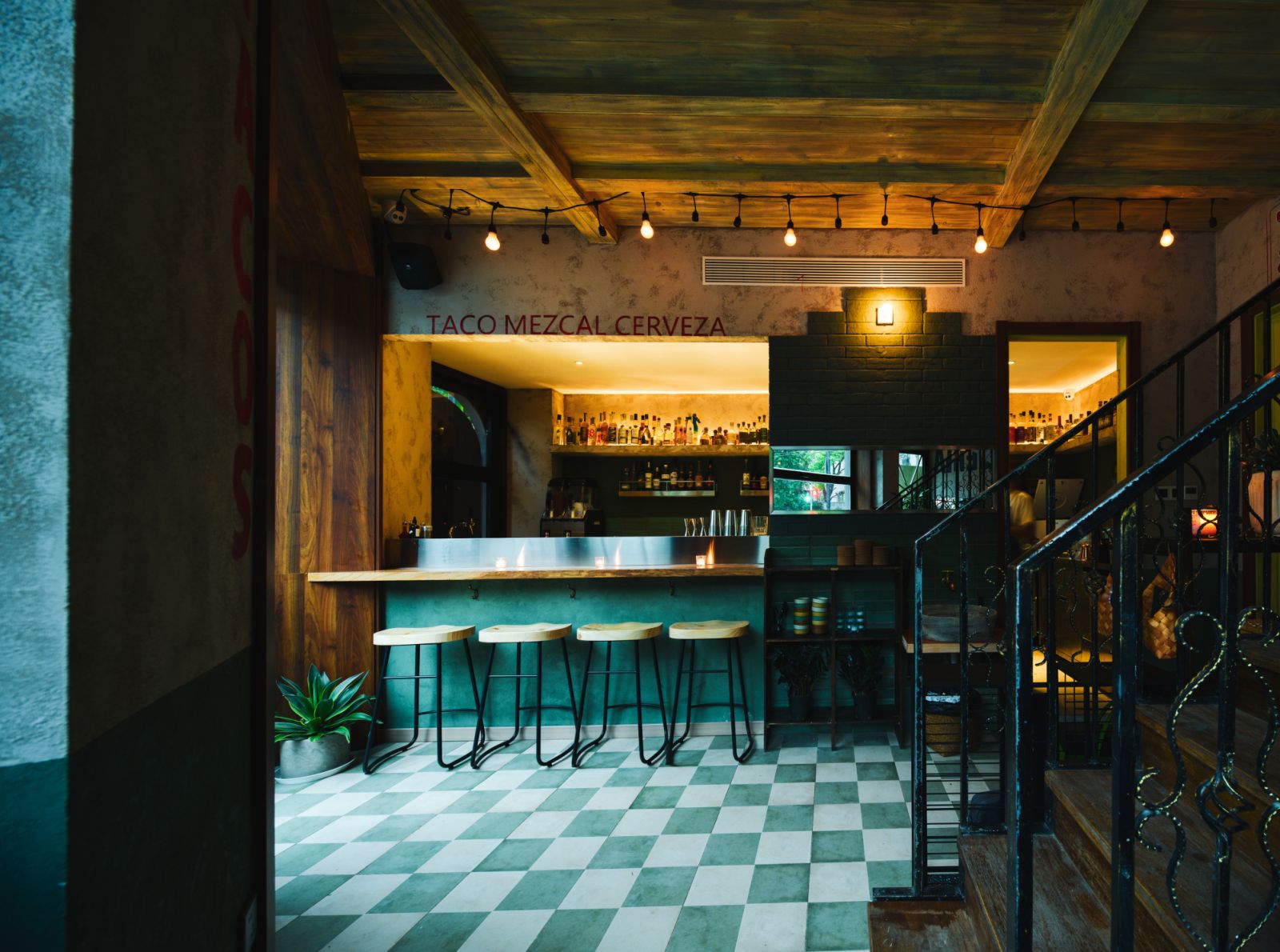
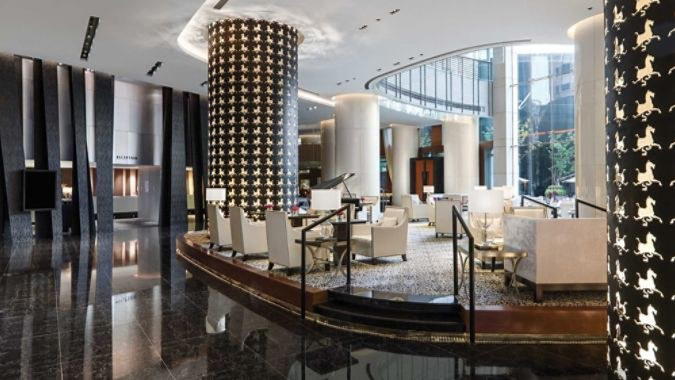
Refined and sophisticated with pale gold wallpaper, elegant tapestry, and well-spaced tables; lavish furnishings create an upscale, intimate atmosphere conducive to fine dining.