Skip to Main Content
Modern Chinese
← Collection
Seoul, South Korea

홍보각 - Hong Bo Gak

CuisineKorean Chinese
Price≈$50
Dress CodeSmart Casual
ServiceUpscale Casual
NoiseConversational
CapacityMedium
La Liste

Hong Bo Gak brings Korean Chinese cuisine to Gangnam with a seriousness that the category rarely receives in Seoul. Holding 77 points on La Liste's Top Restaurants list in both 2025 and 2026, it occupies a recognised tier above the neighbourhood's casual jajangmyeon counters. The address on Bongeunsa-ro places it at the convergence of old-money Gangnam and the temple district.

Pearl is the En Primeur Club membership app — saves, bookings, and concierge access live there. Same editors, same standards.

홍보각 - Hong Bo Gak restaurant in Seoul, South Korea
About

Where Gangnam Meets an Overlooked Culinary Tradition

Korean Chinese cuisine — the local adaptation of Chinese cooking that arrived through Incheon's port communities in the late nineteenth century — has long occupied an ambiguous place in Seoul's dining hierarchy. Familiar enough to be comfort food, it rarely earns the kind of institutional respect that Michelin and La Liste extend to Korean fine dining or contemporary tasting menus. Hong Bo Gak (홍보각) is an exception, holding 77 points on the La Liste Leading Restaurants ranking in both 2025 and 2026, placing it on a global list that also features venues like Le Bernardin in New York City and Atomix in New York City. That sustained score across two consecutive editions is a signal of consistency rather than novelty.

The address , 130 Bongeunsa-ro in Gangnam District , situates Hong Bo Gak in a corridor that runs between the commercial density of Coex and the quiet grounds of Bongeunsa Temple. The neighbourhood carries a particular Gangnam character: composed, well-resourced, and less prone to trend cycles than areas further north. Restaurants that survive here for years tend to do so on the loyalty of a local clientele that returns because the food is reliable, not because the venue is new. For Seoul's broader restaurant scene, that kind of tenure carries its own authority.

The Lunch-Dinner Divide in Korean Chinese Dining

The distinction between lunch and dinner service in Korean Chinese restaurants is more pronounced than in most other categories. Lunch at venues in this tradition tends toward efficient, portion-focused eating: bowls of jajangmyeon, plates of jjamppong, quick tangsuyuk orders shared across a table. The pace is faster, the room louder, and the value proposition clearer. Dinner shifts the register. Larger groups gather for banquet-style meals, multi-course formats, and dishes that require more preparation time , roasted whole preparations, seafood that benefits from slower cooking, and service that accommodates longer sittings.

At a venue with Hong Bo Gak's La Liste standing, dinner is where the kitchen's capability is most visible. The banquet tradition in Korean Chinese cooking , influenced by the Chinese restaurant culture that took root in cities like Incheon and then migrated to Seoul's commercial districts , rewards the kind of group dining that gives a kitchen the chance to show range. Lunch remains an entry point, and for those exploring the category without committing to a full evening meal, it functions as a lower-stakes introduction to the kitchen's approach. That said, the formal reputation of the address and the consistency of its La Liste recognition suggest dinner is the more considered visit.

Gangnam's premium dining tier has diversified considerably over the past decade. Venues like Mingles and Jungsik anchor the contemporary Korean and international fine dining end, while Korean tasting formats at Kwonsooksoo and 권숙수 in Gangnam-gu serve an audience invested in the refinement of traditional Korean ingredients. Innovative formats at alla prima and Soigné occupy a different register again. What Hong Bo Gak represents in this context is a distinct category: Korean Chinese at a level of seriousness and recognition that has no obvious peer in Gangnam's current dining map.

Korean Chinese Cuisine as a Category in Seoul

The cuisine served at venues like Hong Bo Gak developed from the Shandong Chinese immigrant communities that settled in Korea from the late 1800s onward. Over generations, it was shaped by local ingredient availability and Korean palate preferences until it became a genuinely distinct culinary form , neither strictly Chinese nor a direct fusion. Jajangmyeon (black bean noodles), jjamppong (spicy seafood noodle soup), and tangsuyuk (sweet and sour pork or beef) became the genre's defining dishes, but the upper tier of the category extends into elaborate seafood preparations, aged vinegar sauces, and banquet formats that trace their lineage to formal Chinese banquet traditions.

The La Liste score places Hong Bo Gak in company with venues like Gaon in Seoul, which draws on a different stream of Korean culinary formality. The comparison is instructive: both venues occupy specialist niches within Korean dining that sit outside the tasting-menu innovation circuit, drawing on deep culinary traditions rather than contemporary technique. Elsewhere in Korea, venues like Mori in Busan and Baegyangsa Temple in Jangseong-gun show the range of specialised dining formats that earn La Liste recognition outside the Seoul fine dining mainstream. Hong Bo Gak's consistent scoring suggests it meets a comparable standard within its own category.

Placing Hong Bo Gak in Its Peer Set

VenueCuisinePrice TierRecognition
Hong Bo GakKorean ChineseNot publishedLa Liste 77pts (2025 & 2026)
7th DoorKorean, Contemporary₩₩₩₩Premium Gangnam tier
OnjiumKorean₩₩₩₩Traditional Korean specialist
SoignéInnovative₩₩₩₩Contemporary Seoul circuit
Zero ComplexKorean-French, Innovative₩₩₩₩Hybrid format, Gangnam

Among the venues in this peer set, Hong Bo Gak is the only one working within the Korean Chinese tradition. That specificity is part of its identity: it does not compete on the same terms as Soigné or Zero Complex, which belong to the contemporary innovation tier. Its La Liste points reflect sustained quality in a different register, one where culinary lineage and execution of established forms are the primary criteria. For visitors exploring Seoul's dining range beyond the tasting-menu format, it represents a category that the city's most recognised dining guides have been slow to document.

Planning Your Visit

The Bongeunsa-ro address is accessible from Samseong station on Metro Line 2, and the Gangnam District location places it within easy reach of the COEX area hotels and the broader Apgujeong-Sinnonhyeon corridor. For wider Seoul planning, the Seoul hotels guide, Seoul bars guide, Seoul experiences guide, and Seoul wineries guide provide broader context for building an itinerary. If Korean Chinese cuisine is new territory, pairing a lunch visit with a separate evening reservation elsewhere in Gangnam , at a venue like a reference point for sustained institutional restaurant operation or a contemporary Seoul format , makes for a more complete read of the city's range. The Google rating of 4.5 across 111 reviews reflects a consistent response from those who have eaten here, without the volume that distorts scores at higher-traffic venues.

Signature Dishes
모자새우동파육스페셜 군만두
Frequently asked questions

Peers You’d Cross-Shop

A small comparison set for context, based on the venues we track.

At a Glance
Vibe
  • Modern
  • Elegant
  • Sophisticated
Best For
  • Date Night
  • Family
  • Business Dinner
Experience
  • Hotel Restaurant
Dress CodeSmart Casual
Noise LevelConversational
CapacityMedium
Service StyleUpscale Casual
Meal PacingLeisurely

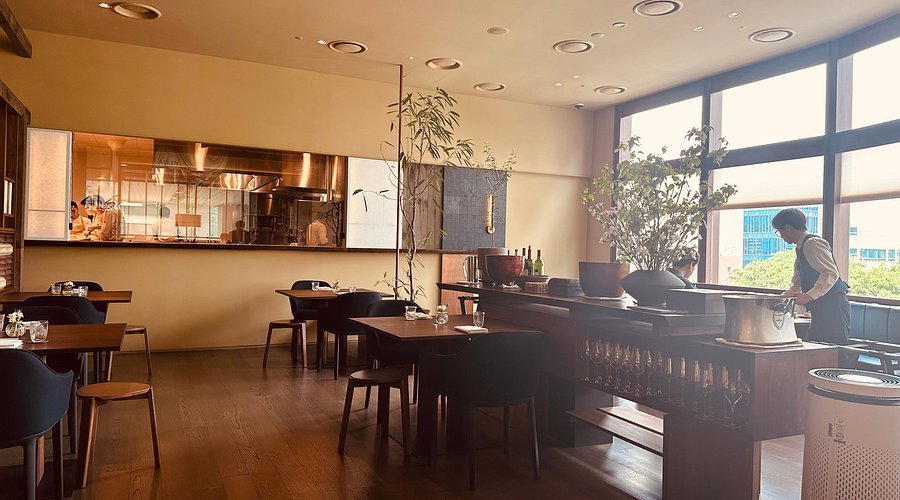
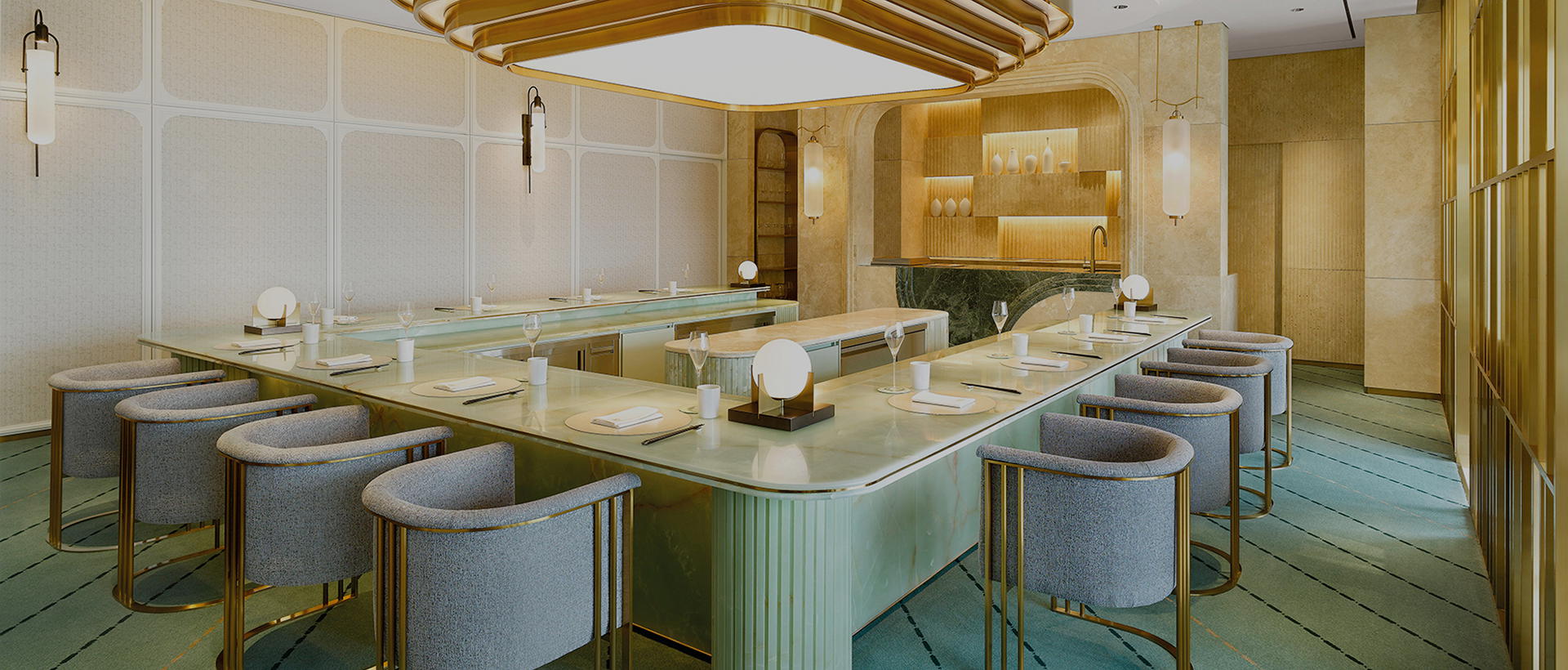
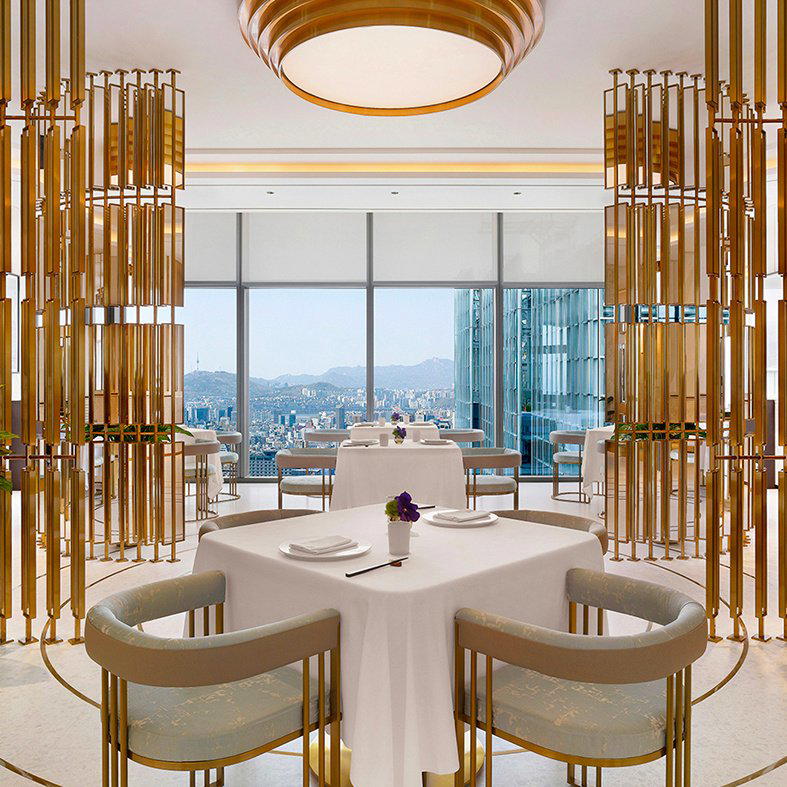
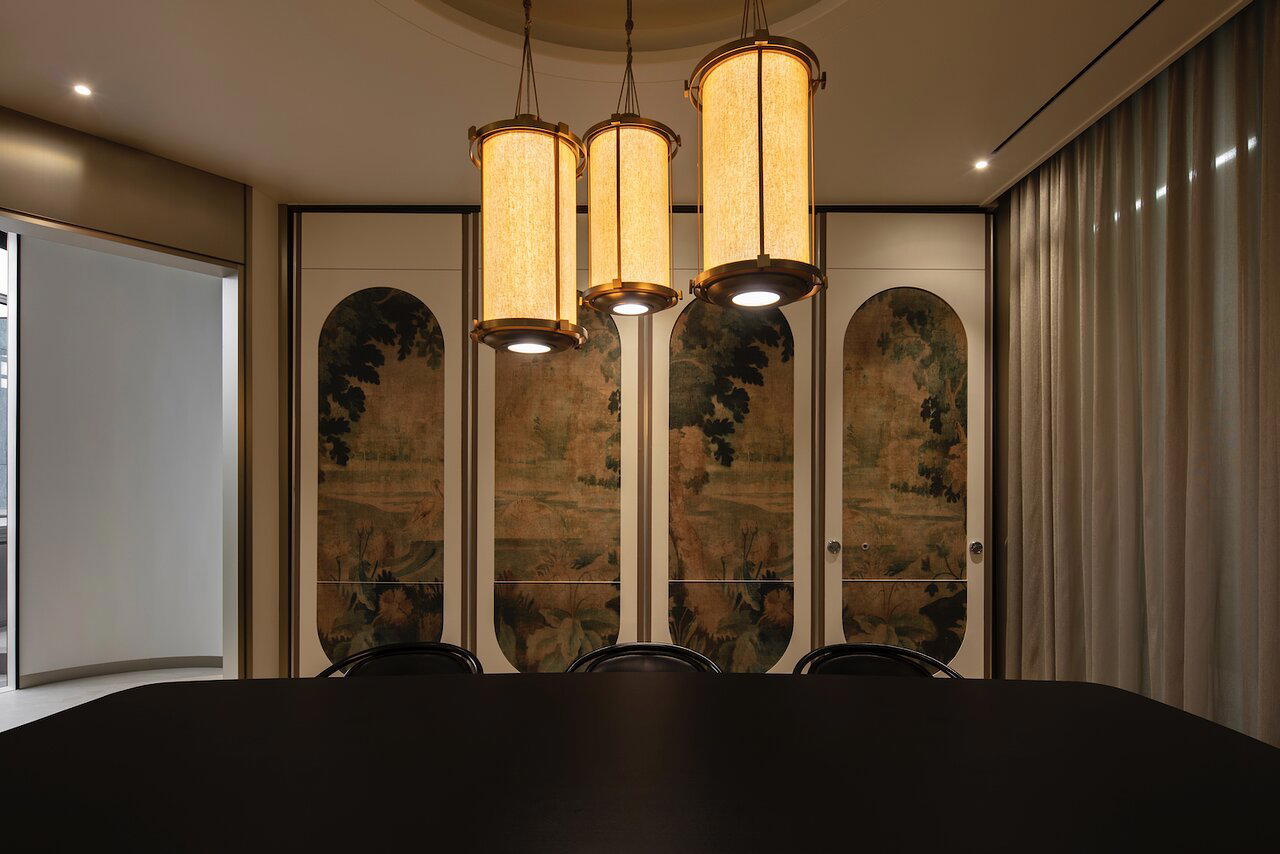
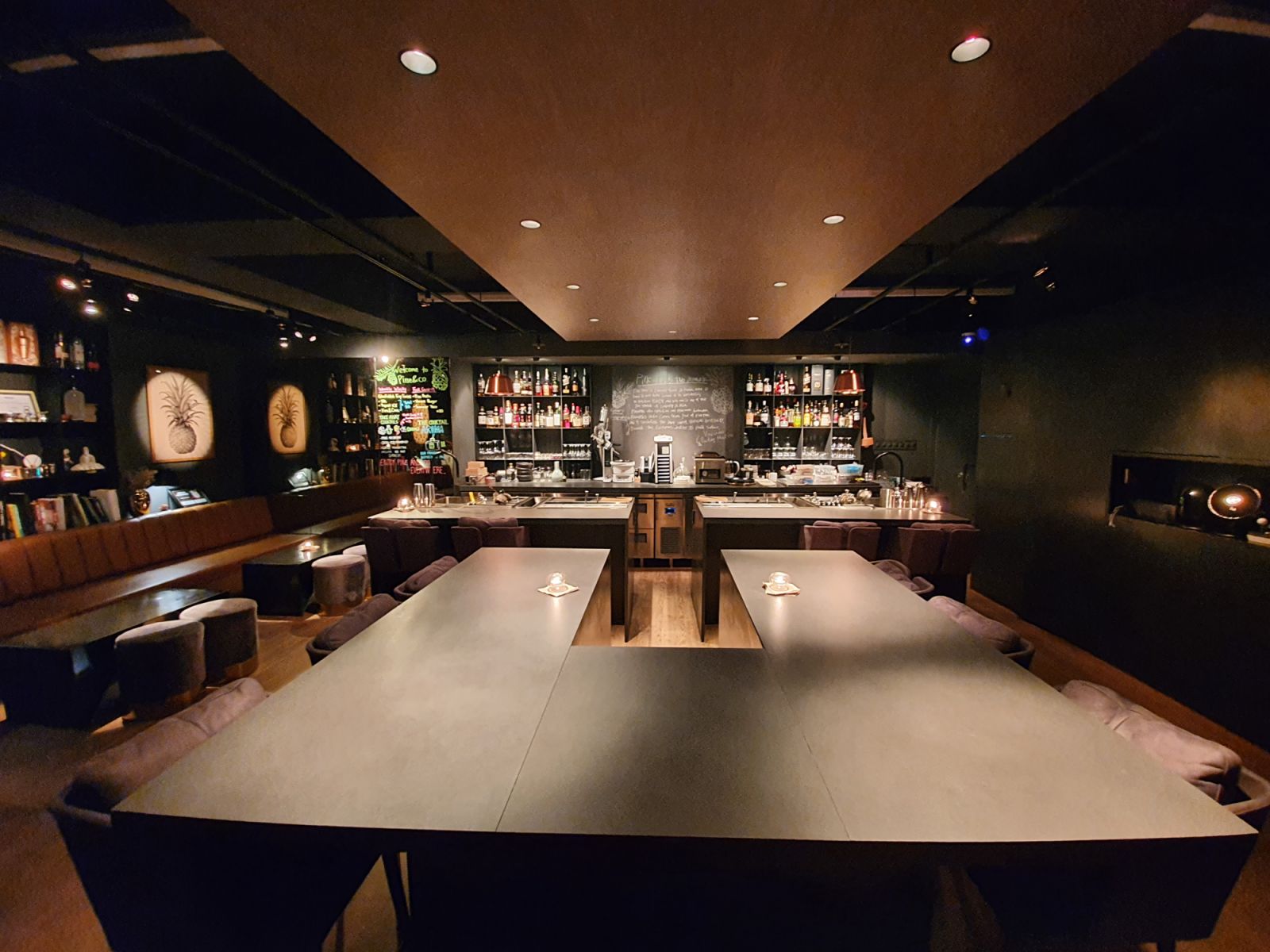
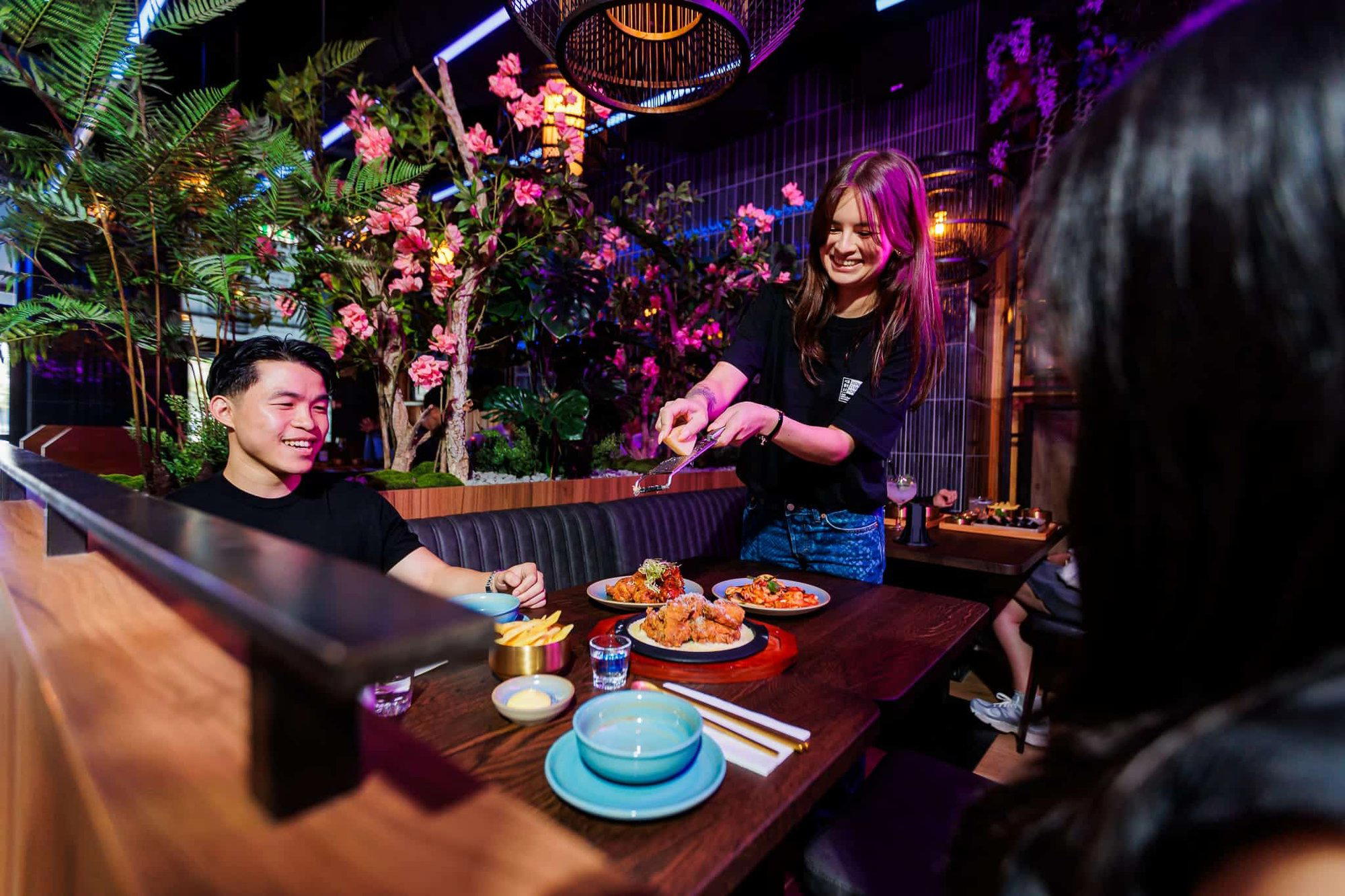
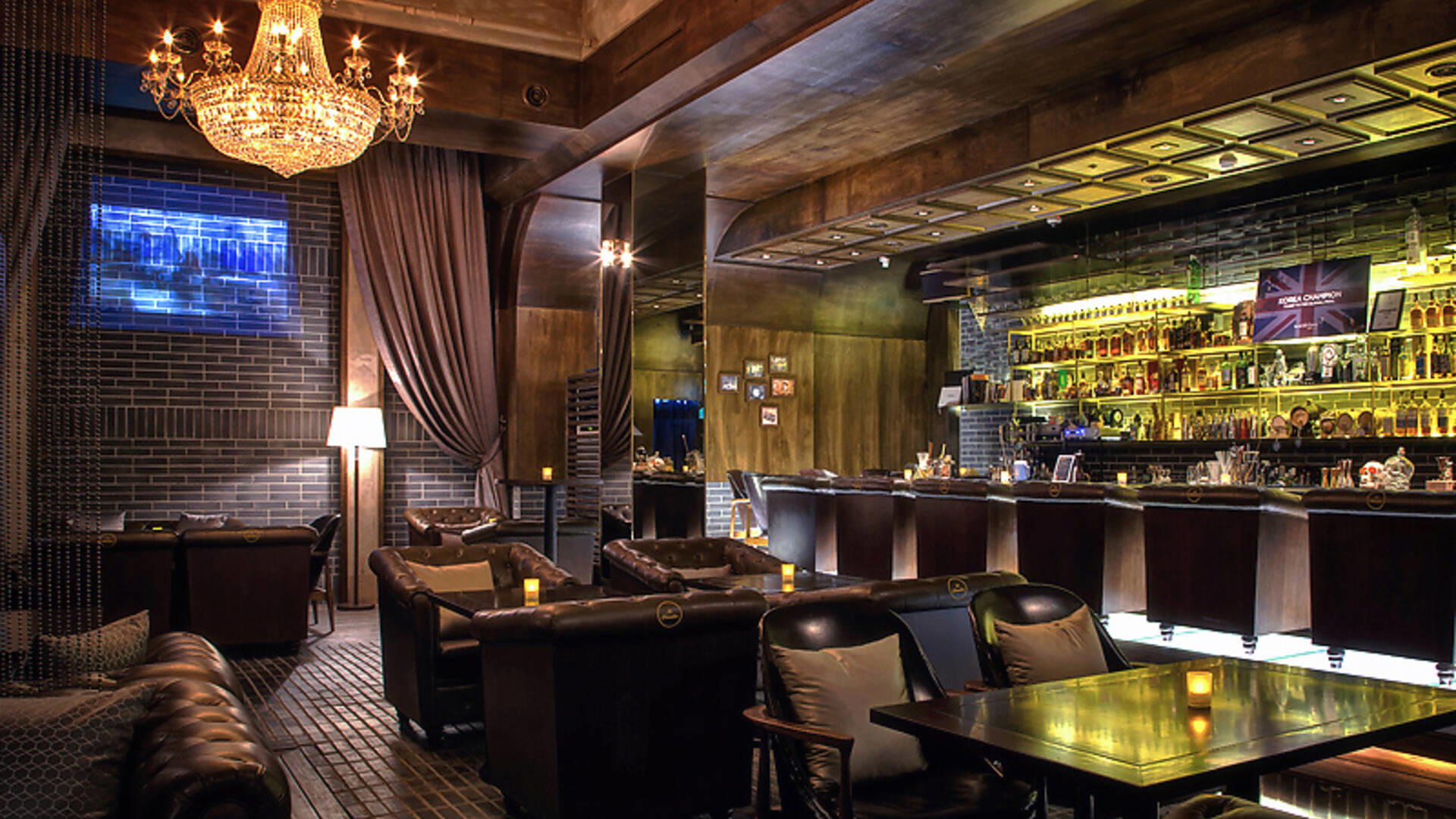
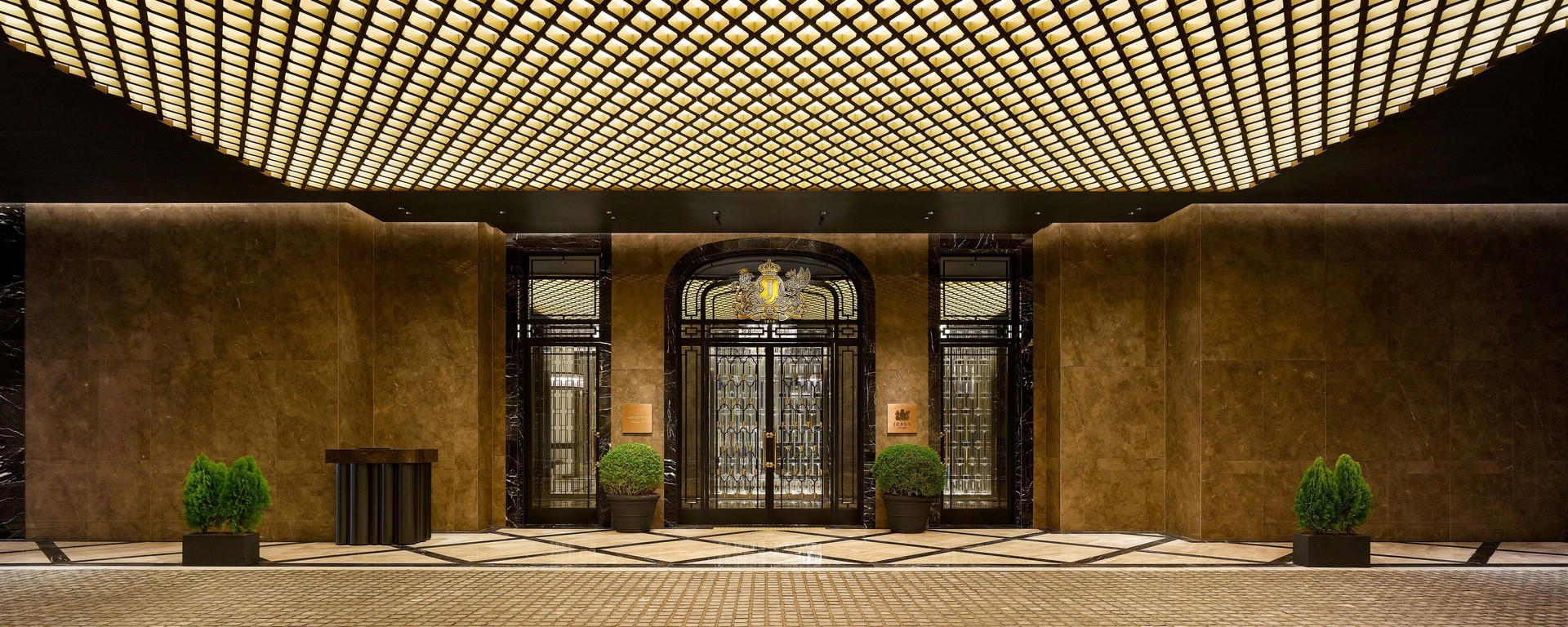
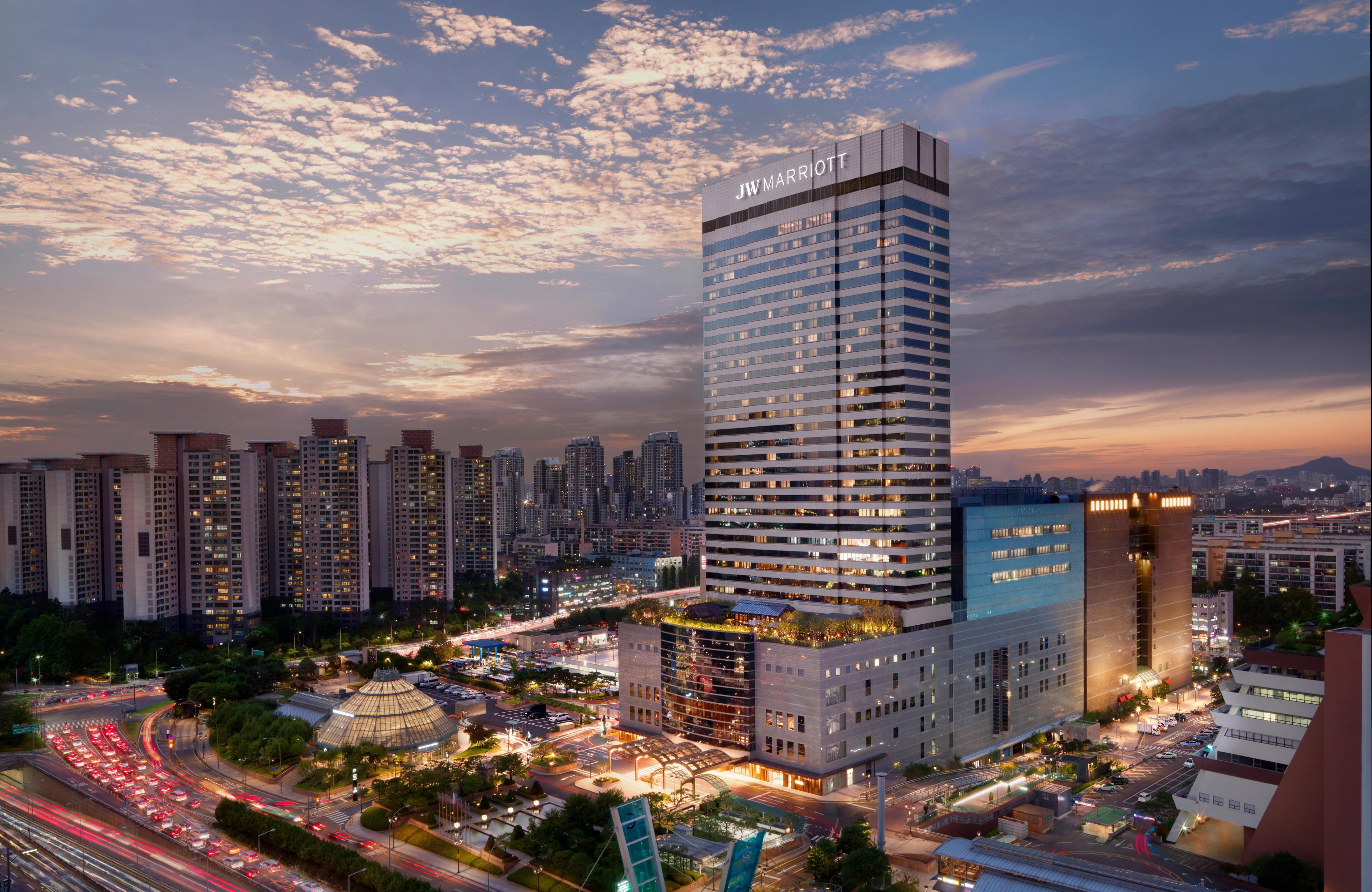
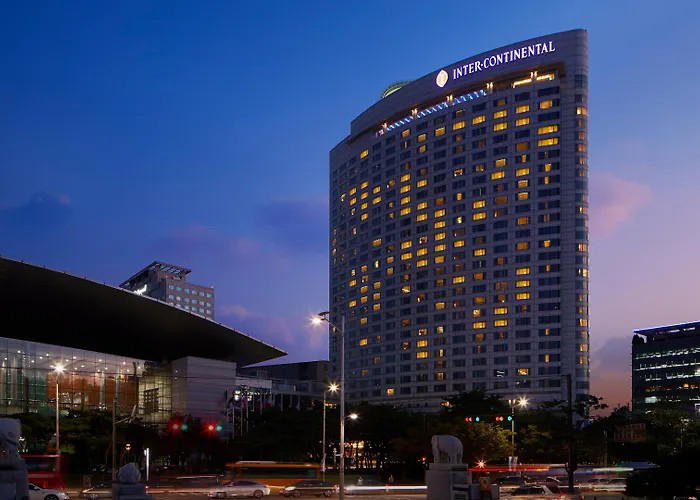
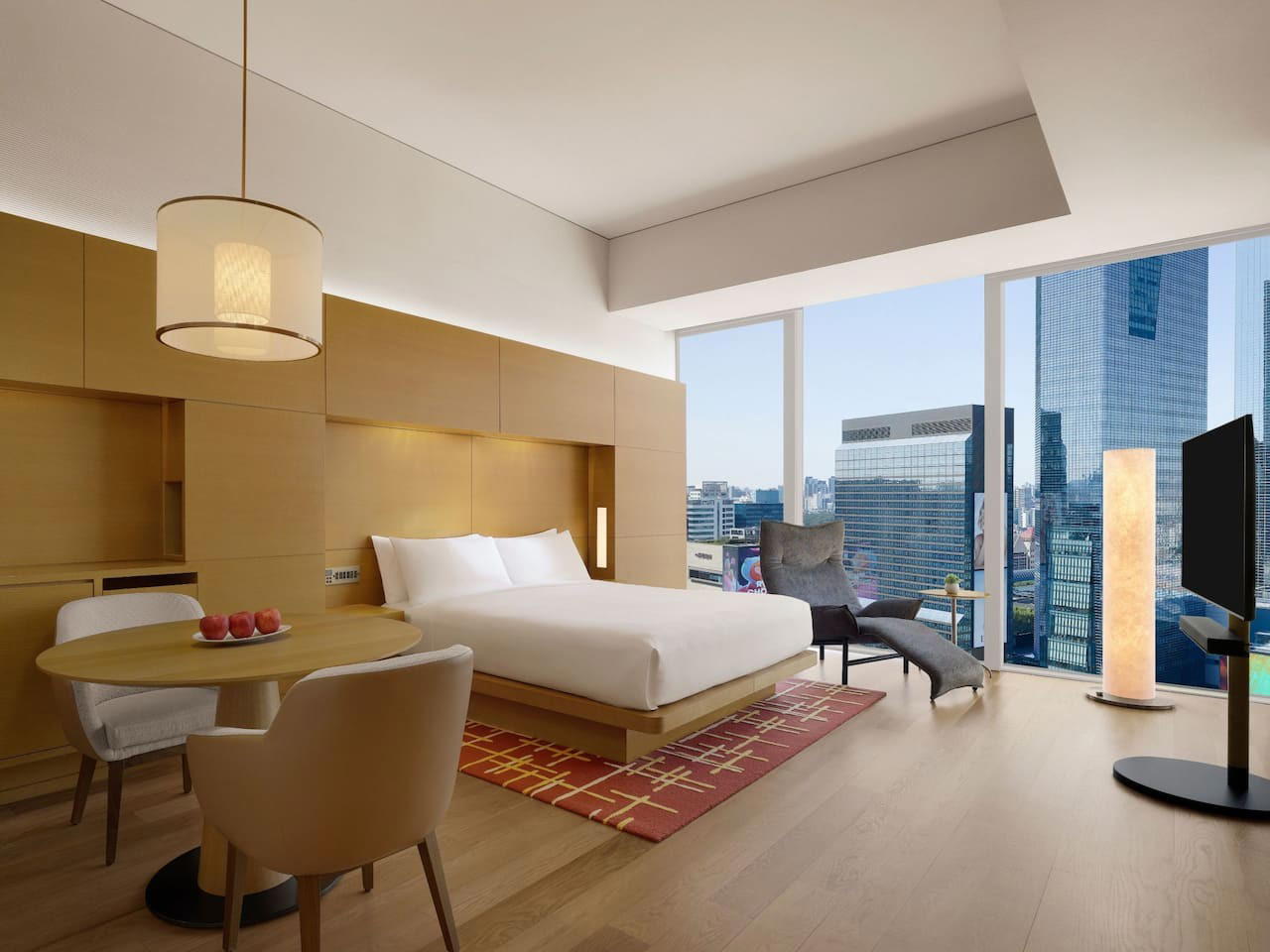
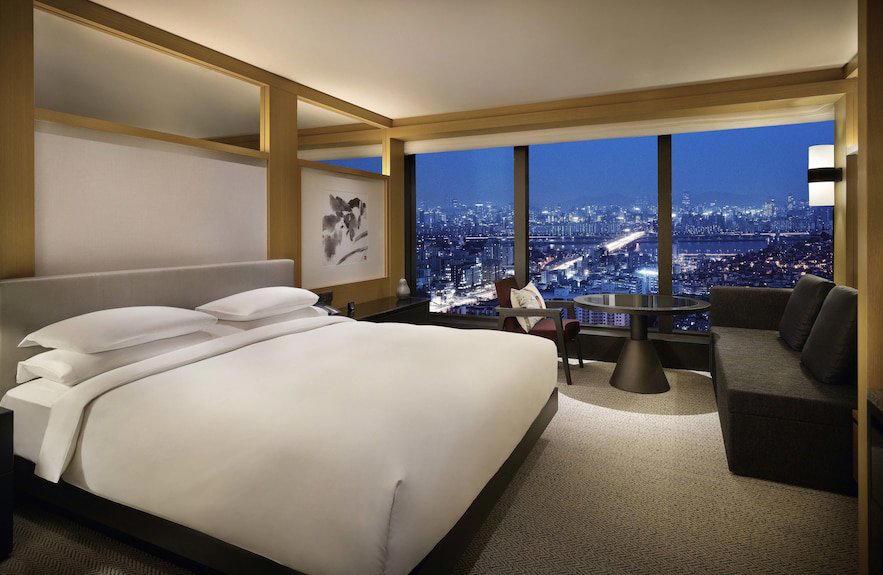
Bright and modern atmosphere with high ceilings, spacious table spacing, and comfortable hotel-style setting without typical dark or red Chinese restaurant vibes.

Signature Dishes
모자새우동파육스페셜 군만두