W Dubai - The Palm

La Liste Top Hotels
W Dubai - The Palm occupies the West Crescent of Palm Jumeirah, where the brand's high-energy design sensibility meets one of Dubai's most recognisable addresses. Recognised in the 2026 La Liste Top Hotels ranking with 92.5 points, it sits in the upper tier of Palm-based luxury. The property draws a crowd that arrives for spectacle and stays for the water views.

Pearl is the En Primeur Club membership app — saves, bookings, and concierge access live there. Same editors, same standards.
- Address
- West Crescent - Palm Jumeirah - Dubai
- Phone
- +971 4 245 5555
- Website
- marriott.com
- Directions
- Get directions
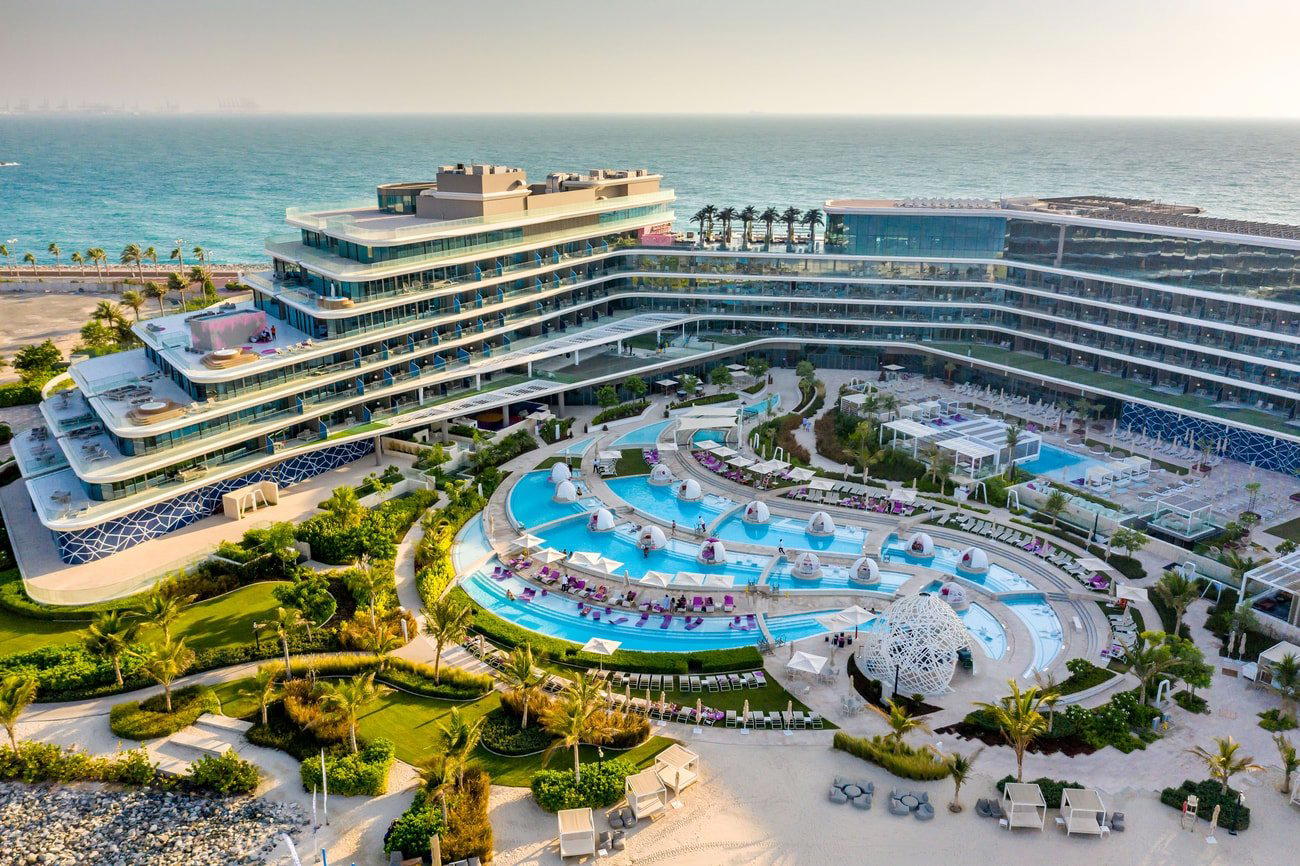
West Crescent, High Contrast
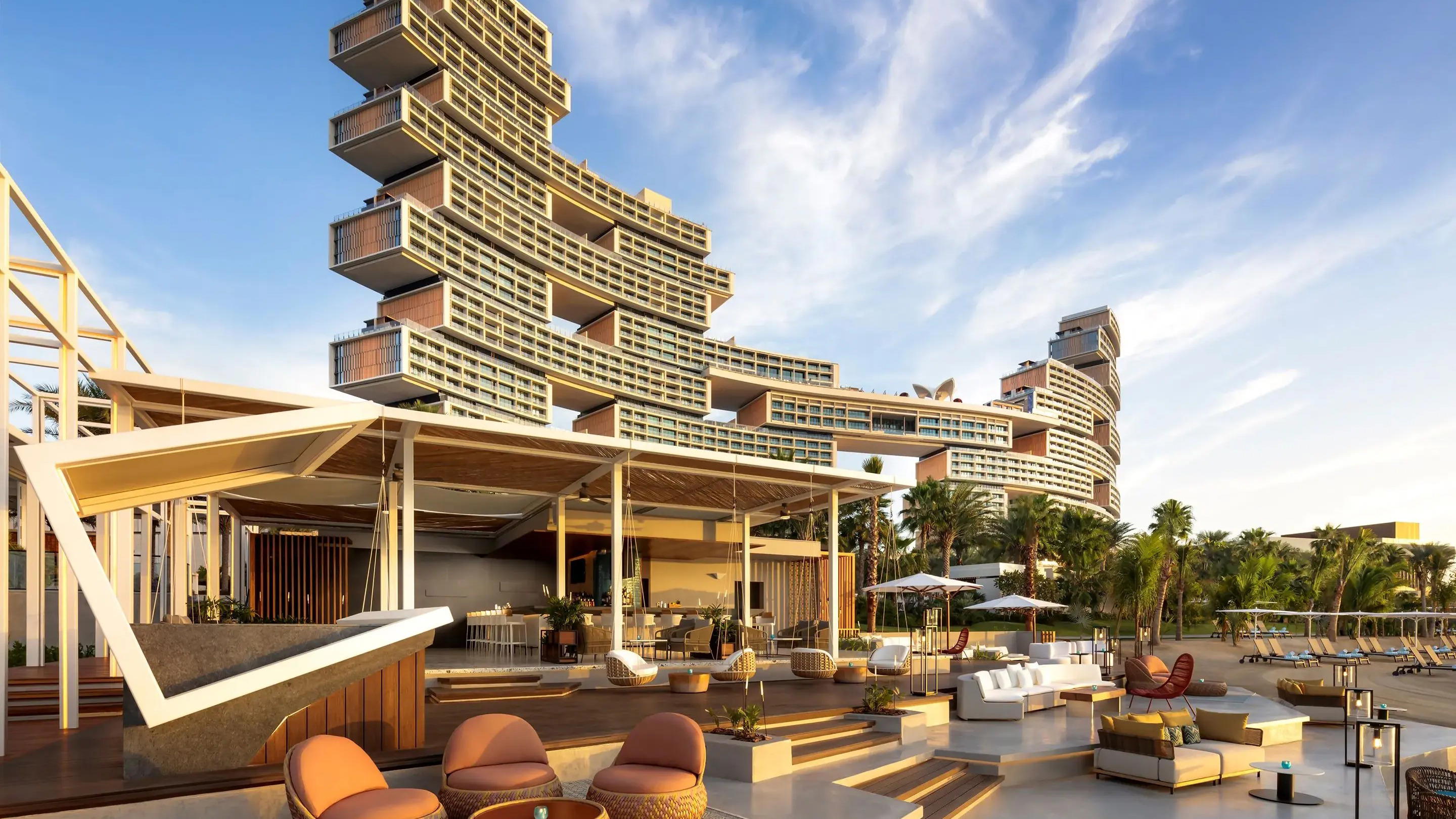
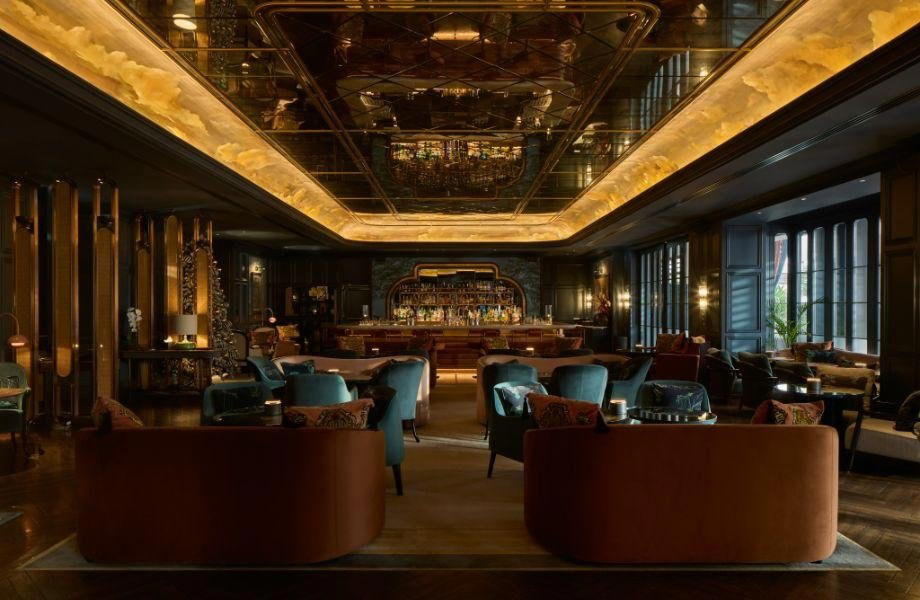
The approach to W Dubai - The Palm sets the register early. Palm Jumeirah's West Crescent is a quieter arc than the trunk-side strip, and the drive along the frond roads — past low-rise villas and landscaped water edges — makes the arrival feel more considered than the neon-forward entrances closer to the Palm Gateway. Then the hotel itself: a vertical stack of geometric angles, floor-to-ceiling glass, and a colour palette that runs warmer than the bleached-marble neutrals that dominate much of Dubai's five-star corridor. The building reads as deliberate provocation in a city that already skews bold.
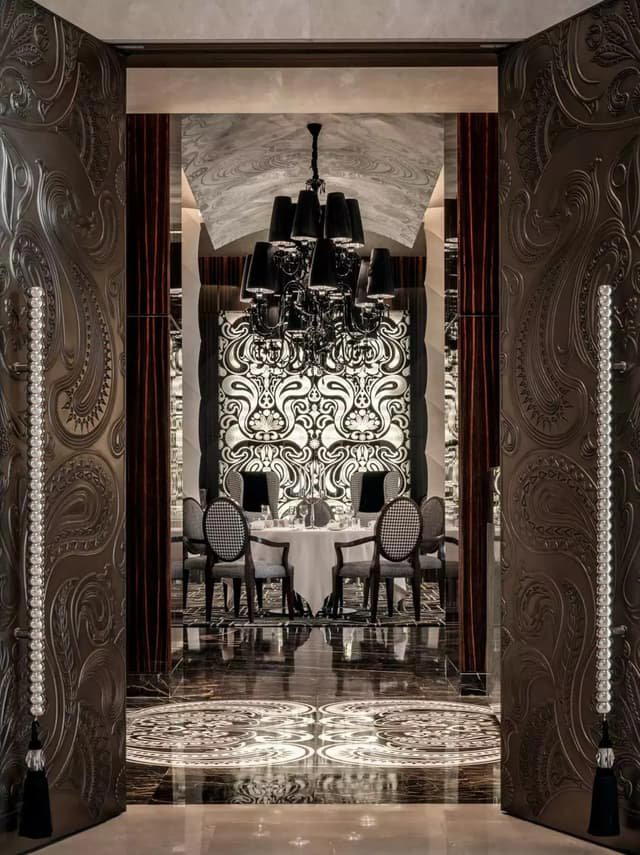
Inside, the lobby pitches sound before it pitches light. W properties globally operate on a soundtrack-as-design-layer principle, and the Dubai outpost follows that logic with intention, the audio environment shifts across different zones of the ground floor, which means the space works differently depending on where you position yourself. This is a hotel that has absorbed the lesson that luxury hospitality in this price bracket is now as much about curated sensory pacing as it is about thread counts or marble tonnage.
Where W Dubai Sits in the Palm Ecosystem
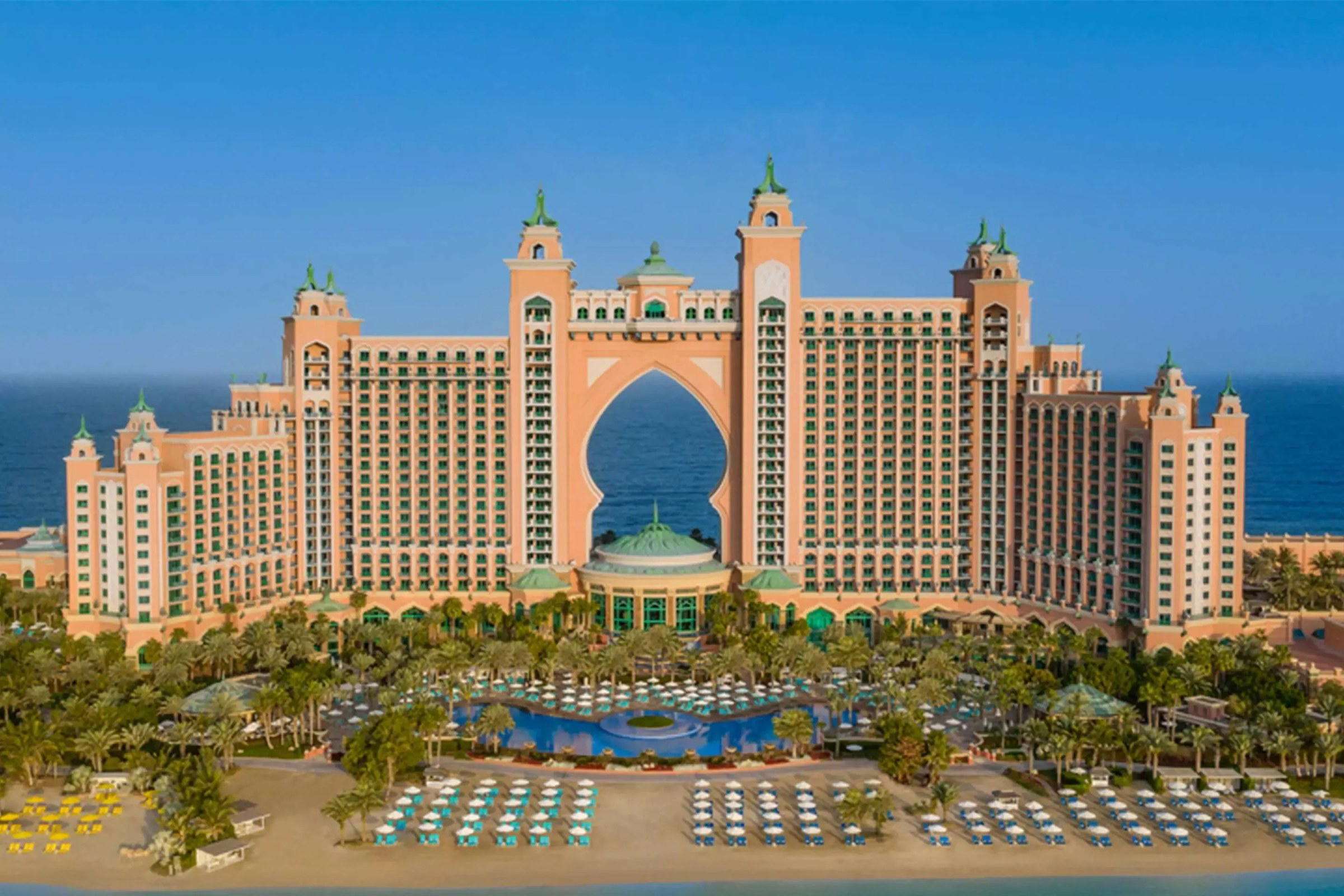
Palm Jumeirah's hotel tier has stratified considerably over the past decade. At the upper end, Atlantis The Royal and Jumeirah Marsa Al Arab compete on pure spectacle and F&B volume, with restaurant rosters that read like a greatest-hits compilation of globally recognised names. The property's competitive differentiation on the Palm is less about scale than about design coherence and demographic targeting, it draws a younger, style-conscious international traveller rather than the family-block or ultra-high-net-worth guest who anchors the Palm's two or three largest operators.
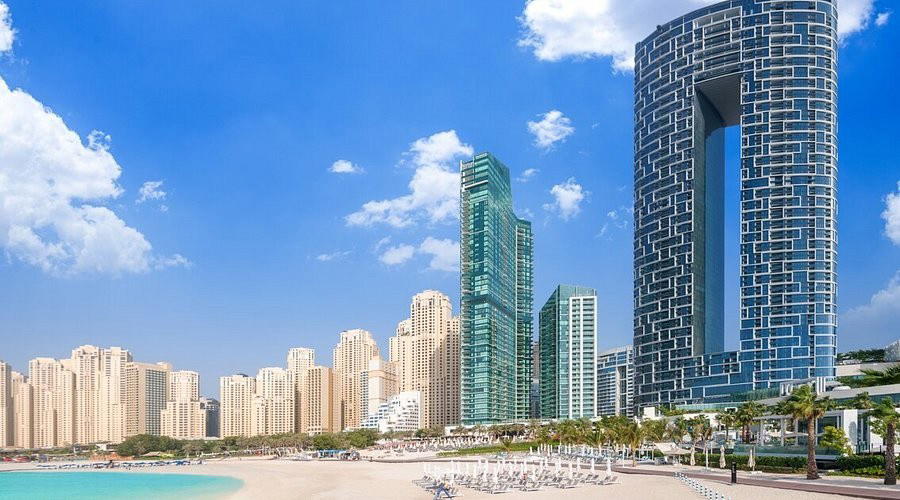
Compared to mainland Dubai options in a similar bracket, The Lana in the Business Bay corridor, or Address Beach Resort on Jumeirah Beach Residence, W Dubai trades the urban skyline view for the Gulf horizon. That is a meaningful distinction in a city where the view from the room functions as part of the rate calculation.
The Sequence of a Stay
The architecture of a stay here follows a rhythm that W properties have refined through their global portfolio, but the Dubai edition benefits from the Palm's geographic logic in ways that make the sequence feel earned rather than formulaic. The morning opens with the Gulf on one side and the Dubai skyline on the other, the West Crescent position means the property catches light at angles that change the room colour from hour to hour. This is the kind of detail that separates a considered room allocation from a generic one, and guests who request upper-floor water-facing rooms are working with a fundamentally different visual experience than those on lower floors or courtyard-facing positions.
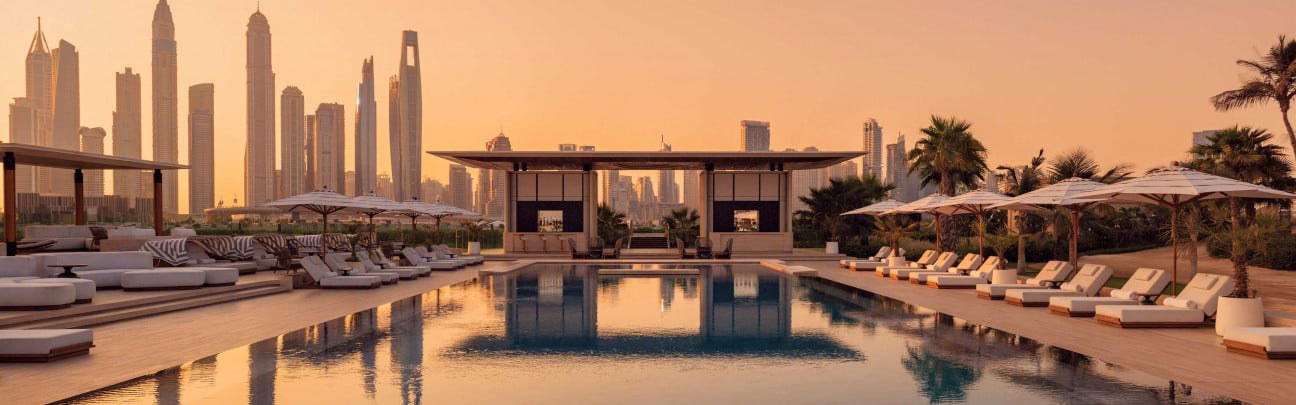
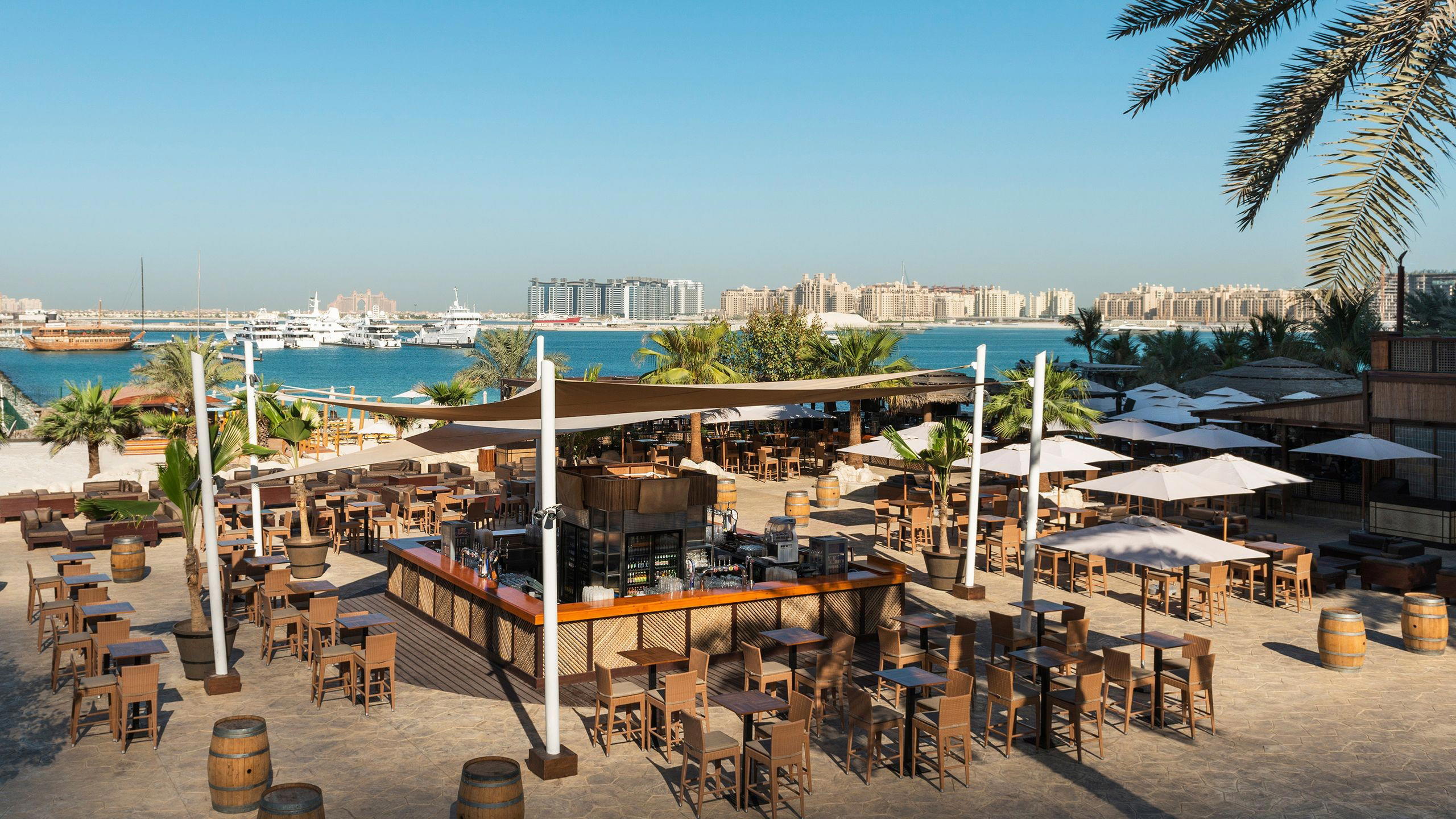
The pool and beach tier, the transition point that most guests treat as the centre of gravity for the mid-day hours, operates as its own contained world. Palm properties with direct beach access hold a structural advantage over many of Dubai's inland or refined hotels, and W Dubai's positioning on the crescent gives it calmer water than the Palm's more exposed trunk-side stretch. By late afternoon, the light over the Gulf turns the kind of amber that justifies the room rate on aesthetic grounds alone.
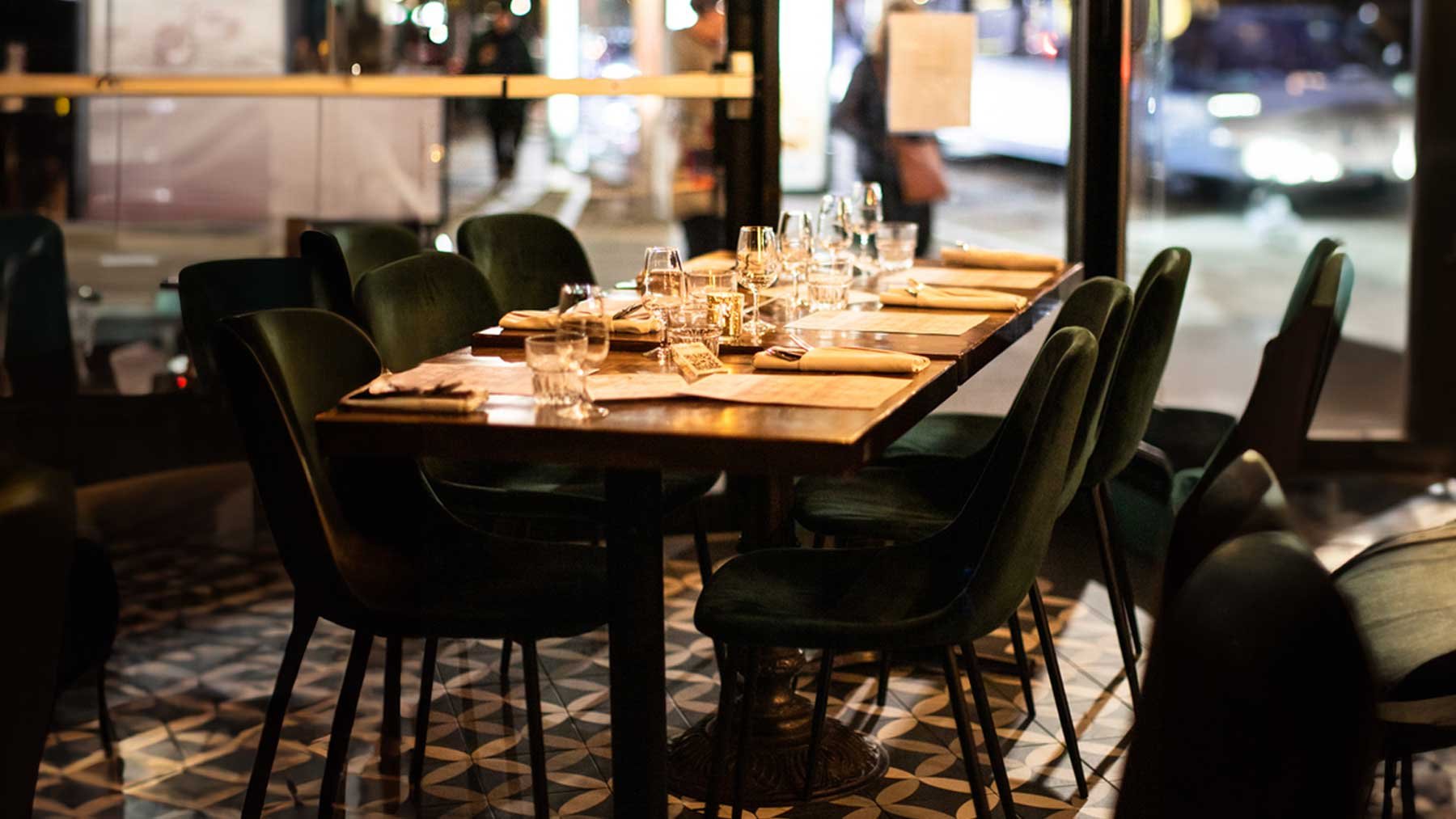
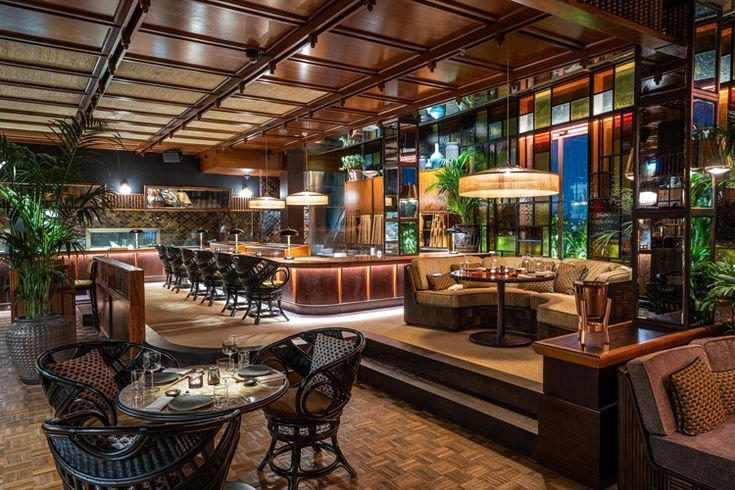
Evening at W Dubai is where the brand's identity most fully commits. The F&B programming, which across W properties globally tends to run towards high-energy bar formats, DJ-led pool nights, and restaurant concepts that favour mood over microscopy, is calibrated for guests who want the hotel's nighttime social architecture to feel like a destination rather than a default. Dubai's current hotel F&B culture, where international visitors often spend three or four evenings inside a single property rather than spreading across the city's restaurant map, has made properties like this one function as partial city-breaks within a city-break. The question for guests is whether the energy level matches their travel mode; W Dubai reads more Saturday-night than Sunday-morning.
Seasonal Timing and Practical Entry
Dubai's hotel calendar operates on two distinct demand peaks. The October to April window is the primary season, when temperatures permit outdoor pool and beach use without restriction, and when the city's events calendar, Art Dubai, DIFC Art Nights, major concert programming, drives occupancy at properties across every tier. W Dubai's outdoor infrastructure makes it particularly rate-sensitive to this seasonal swing; the property is doing different work in January than in July, when the Gulf summer heat compresses most outdoor activity into early morning or post-midnight windows.
For those arriving in the shoulder months of September or May, the rate-to-experience ratio often improves meaningfully, and the hotel's interior programming, spa, indoor F&B, room quality, holds its value regardless of the thermometer. Booking directly through the W channel or through premium travel programmes tends to surface room-category upgrades more reliably than third-party aggregators, a pattern that holds across most properties in this tier globally.
Getting to the West Crescent from Dubai International Airport runs approximately 40 to 50 minutes by road, depending on traffic; the monorail that serves Palm Jumeirah connects at the Gateway station and requires a transfer, making private transfer the more practical choice for guests arriving with luggage. Taxis and ride-share services operate reliably to the Palm address.
How It Compares Beyond Dubai
La Liste's Leading Hotels ranking places W Dubai - The Palm inside a scoring tier that includes properties across multiple continents and price points. For context, other La Liste-recognised addresses in the EP Club portfolio include Cheval Blanc Paris, Aman New York, and Bvlgari Hotel Tokyo, properties that operate in a quieter, more withdrawal-oriented register. W Dubai's 92.5 points in that company speaks to the ranking's breadth of criteria rather than stylistic alignment; the W is after something categorically different from those addresses, and it succeeds on its own terms. Within the UAE, the comparison set shifts towards properties like Anantara Qasr Al Sarab in the Liwa Desert or the Arabian Nights Village outside Abu Dhabi, neither of which is competing for the same guest, but which together illustrate how far the UAE accommodation range now extends across formats and moods.
For the full picture of where W Dubai - The Palm sits among the city's broader hotel and restaurant options, see our full Dubai guide.
City Peers
Comparable venues nearby, for context on price, style, and recognition.
| Venue | Cuisine | Price | Awards | Notes |
|---|---|---|---|---|
| W Dubai - The PalmThis venue — the venue you are viewing | Modern luxury beach resort with lively W Hotels branding | Not listed | La Liste Top Hotels | Not listed |
| Kempinski The Boulevard Dubai | City lifestyle resort blending luxury and sustainability | Not listed | Virtuoso Luxury Hotel Partner | Downtown Dubai |
| Jumeirah Zabeel Saray | Ottoman palace-inspired luxury beach resort | Not listed | Michelin Selected · World Travel Awards | Palm Jumeirah |
| JA The Resort - JA Palm Tree Court | Luxury all-suite resort with eco-friendly oasis design | Not listed | La Liste Top Hotels | Jebel Ali |
| FIVE LUXE JBR | Ultra-modern luxury beach resort blending opulence and sustainability. | Not listed | Michelin Selected · Star Wine List | Al Sufouh 2 |
| Meliá Desert Palm | Contemporary resort on private polo estate | $300–500 | Michelin Selected | Warisan |
Recognition history
Dated appearances from independent guides and award organizations, with the underlying list record or original source where available.
La Liste Top Hotels
La Liste
Details
- Lively
- Modern
- Trendy
- Energetic
- Sophisticated
- Honeymoon
- Romantic Getaway
- Family Vacation
- Weekend Escape
- Beachfront
- Rooftop Pool
- Infinity Pool
- Panoramic View
- Pool
- Spa
- Fitness Center
- Room Service
- Concierge
- Beach Access
- Kids Club
- Waterfront
- Skyline
- Wheelchair Accessible
- Elevator
- Accessible Parking
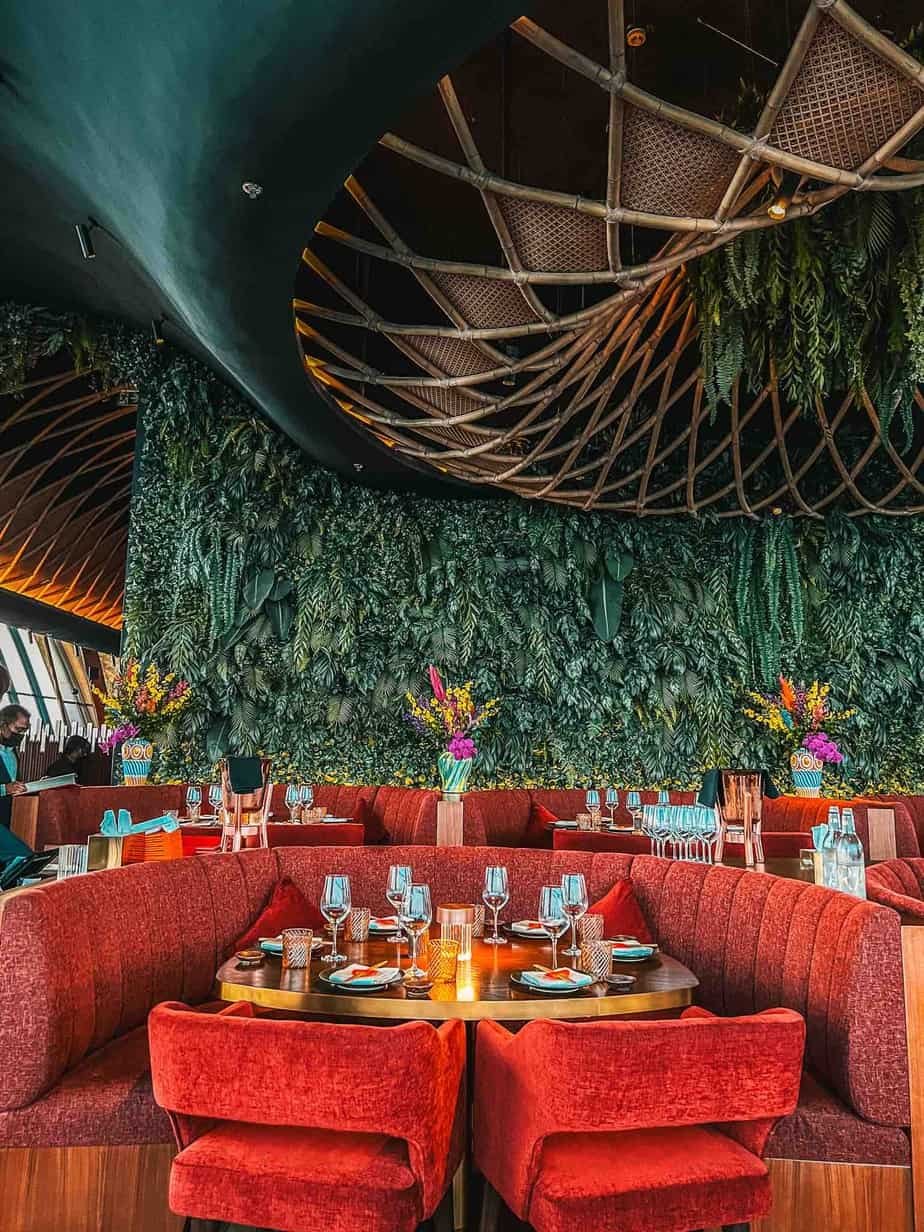
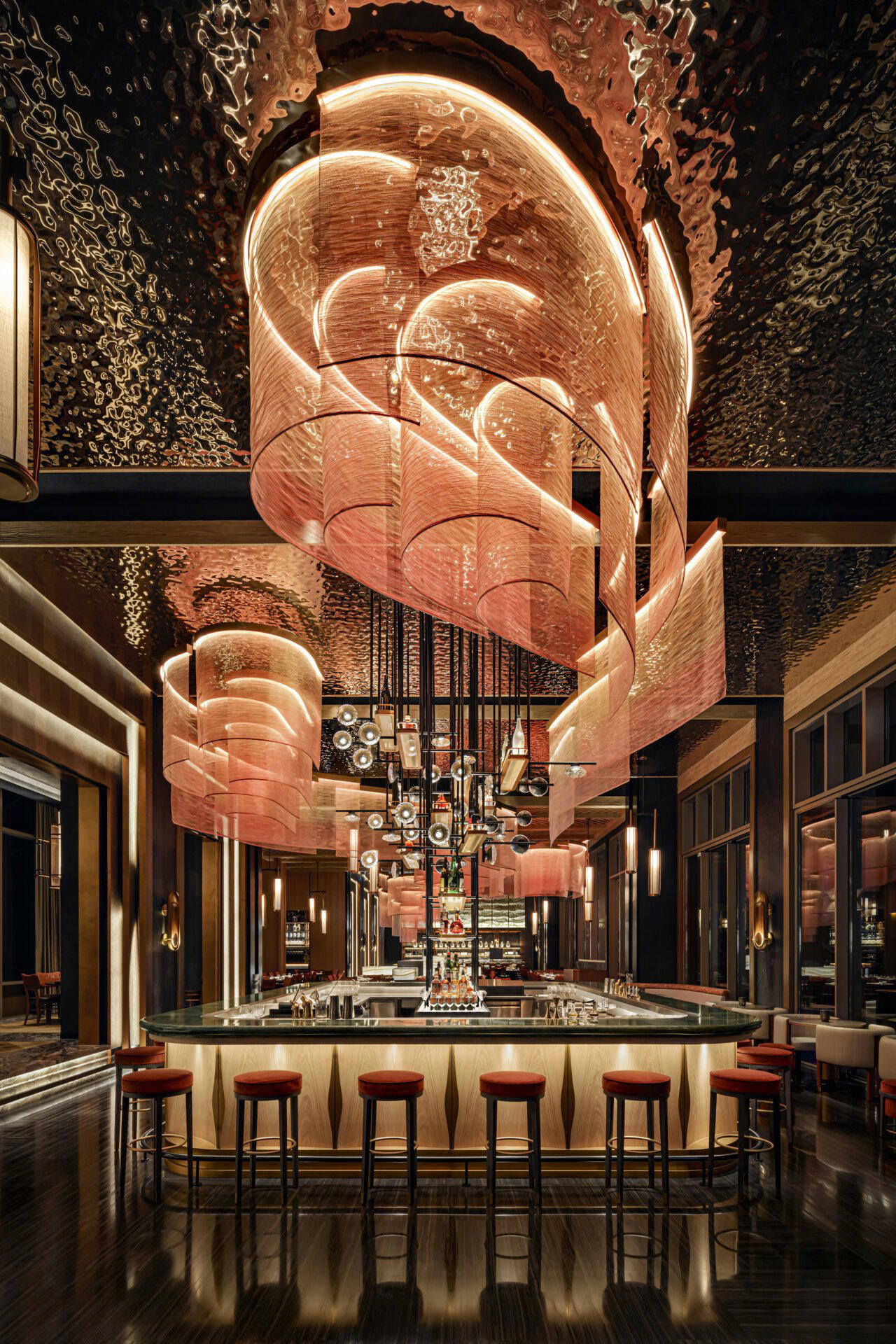
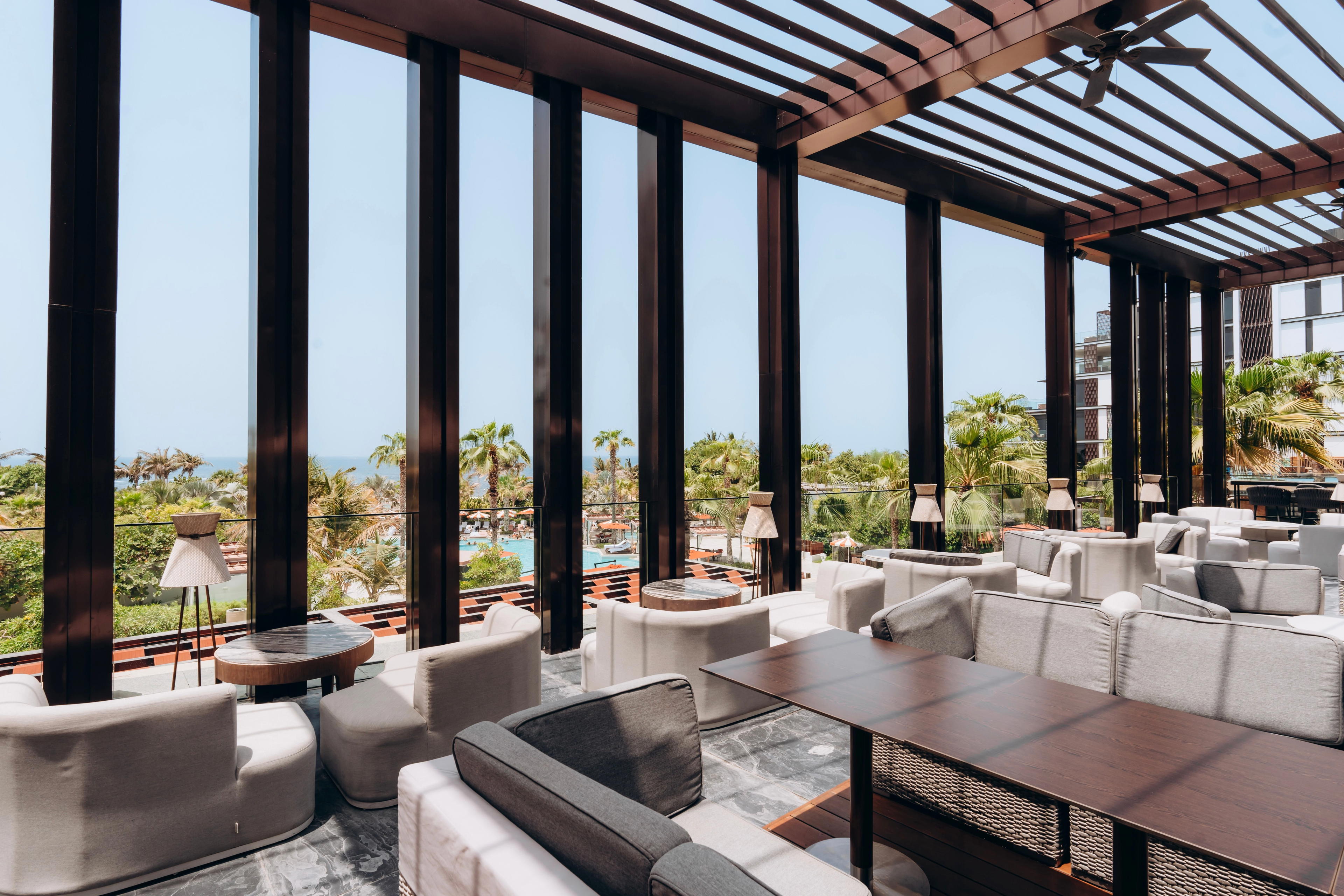
Lively and energetic atmosphere with bold colors, retro details, urban art, lively DJ sets at the pool, and dramatic sunset views.