Tylney Hall Hotel and Gardens


A late-Victorian mansion set within 66 acres of gardens, lakes, and redwood forest in rural Hampshire, Tylney Hall delivers the full English country house format: 112 individually designed rooms, a formal dining room under British chef Michael Lloyd, heated indoor and outdoor pools, golf, and afternoon tea served among period-furnished lounges with views across manicured grounds.
Pearl is the En Primeur Club membership app — saves, bookings, and concierge access live there. Same editors, same standards.
- Address
- Ridge Ln, Rotherwick, Hook RG27 9AZ
- Phone
- +44 1256 764881
- Website
- tylneyhall.co.uk
- Directions
- Get directions
 Saves & bookings on Pearl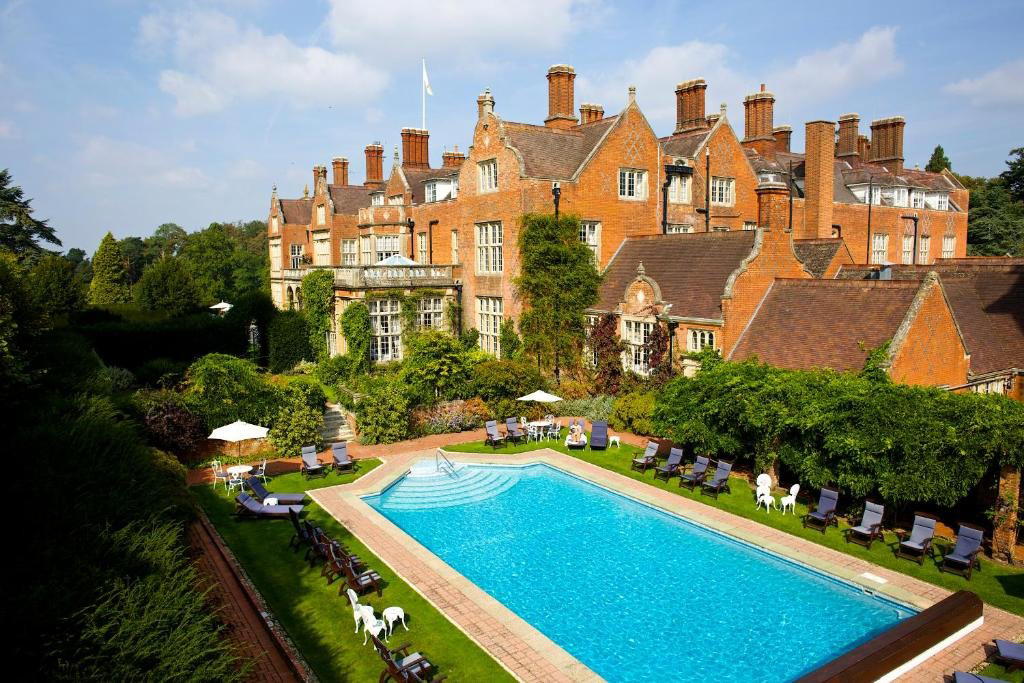
A Victorian Mansion and the Architecture of the English Country Retreat
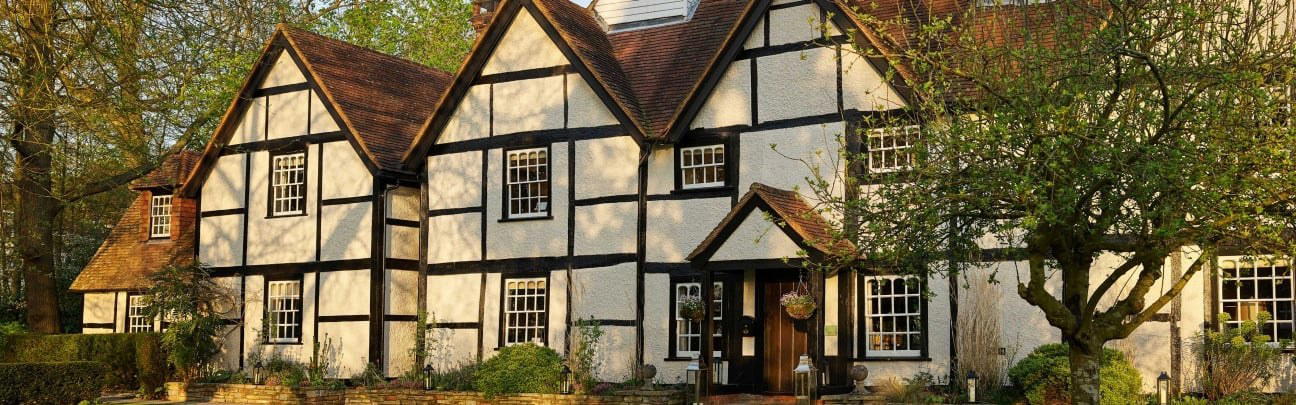
Tylney Hall Hotel and Gardens is a 4-star country house hotel in Hook, Hampshire, with 113 rooms and a rate from about $190 per night. At its leading, the format delivers not just comfort but a particular relationship between interior and landscape, where the building, its grounds, and the English countryside beyond function as a single designed object. Tylney Hall, a late-Victorian mansion in rural Hampshire set on Ridge Lane outside the village of Rotherwick, sits squarely in this tradition. Its 66 acres of gardens, forest, and lakes are not amenity add-ons but the primary architectural argument of the property, drawing guests back to a moment when the grounds of an English estate were as deliberately composed as any interior.
Tylney Hall's 112 rooms place it at the larger end of this peer group, occupying a scale closer to a traditional grand hotel than an intimate house party. That scale brings a breadth of facilities that smaller properties cannot sustain, but it also means the atmosphere is shaped less by scarcity of access and more by the quality of the spaces themselves.
The Architecture of the Grounds
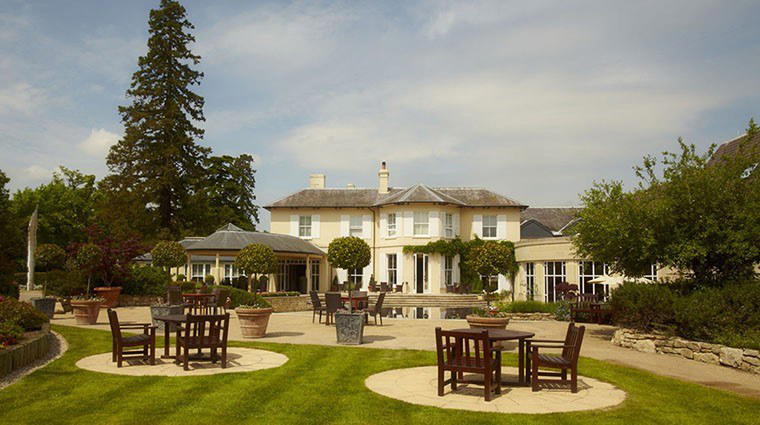
66 acres surrounding the Mansion House are the detail that most distinguishes Tylney Hall within the county house category. The grounds were designed with the same intentionality as a formal garden, structured hedgerows, manicured lawns, and wildlife-rich lakes, and include a forest of redwood trees imported from Western Canada, a planting decision that gives the estate a particular visual scale and atmosphere that younger properties cannot manufacture. The redwoods take generations to establish, and their presence here is one of the clearest signals of the property's historic depth.
Of the garden areas, the Italian Garden carries the formal compositional logic. Period fountains, peacock-shaped hedges on a terraced lawn, and a tranquil lake in the foreground form a sequence that reads less like an amenity than like a designed prospect, the kind of view that was once a central concern of English estate planning. For guests with an interest in horticultural history, this section of the grounds rewards slow attention. The estate also offers access to the 18-hole Tylney Park Golf Club, alongside tennis courts, a croquet lawn, clay pigeon shooting, and both heated indoor and outdoor pools, a range of activities typical of the larger country house hotel format, where the grounds themselves become the programme.
Interior Architecture and the Decorated Rooms
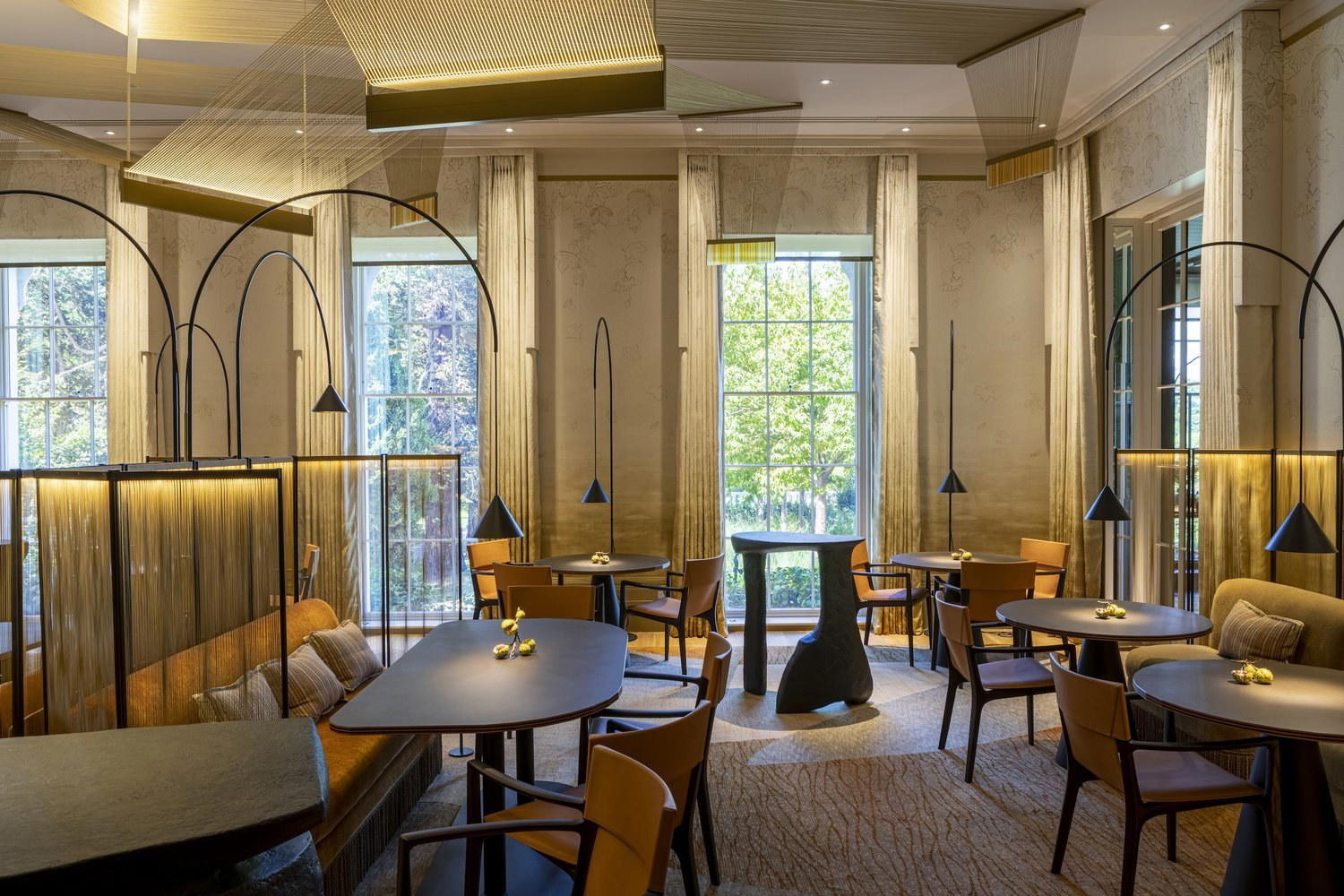
Inside the Mansion House, the architectural set piece is the Italian Lounge adjacent to the main lobby. Its gilded, lattice-patterned ceiling was imported from Grimation Palace in Florence, bringing a specific piece of Italian decorative history into a Hampshire mansion. The effect is unusual rather than incongruous: the ceiling imposes a formal grandeur on the space that is distinct from the English country house register, and it makes the Italian Lounge the room in the building most worth pausing in on arrival.
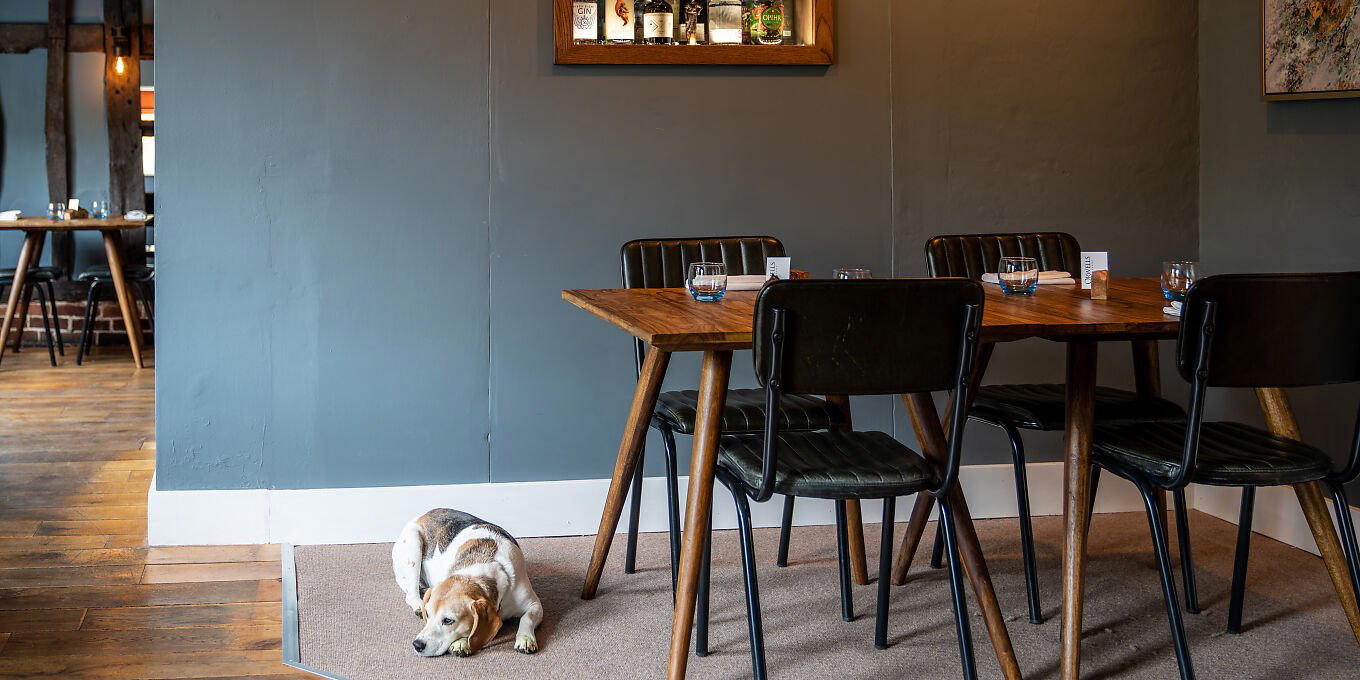
The three main lounges in the Mansion House each have a distinct character. The Library Lounge takes one intimate position, with a full cocktail bar, well-stocked shelves, and a fireplace that makes it the natural destination on cold evenings. The plush seating and period details throughout the lounges reflect the kind of interior furnishing that takes decades of accumulated acquisition to achieve authentically, draperies, country house furniture, and soft colour palettes that collectively suggest a working estate rather than a hotel recreation of one.
The 113 rooms are distributed across both the Mansion House and the garden-facing buildings. Room sizes range from 332 square feet in the Deluxe category to 700 square feet in the Mansion Suites. Each room is individually designed in a classic register, and the artwork and framed sketches on display in most rooms connect specifically to the history of the Tylney estate rather than functioning as decorative filler. Standard amenities include Molton Brown bath products, Nespresso machines, luxe bathrobes, complimentary Wi-Fi, and 24-hour room service. While Mansion House rooms carry the obvious draw of proximity to the principal interiors, the garden-side accommodations offer their own appeal, particularly for guests whose primary interest is the outdoor spaces rather than the architectural set pieces inside the main building.
The Oak Room and British Seasonal Cooking
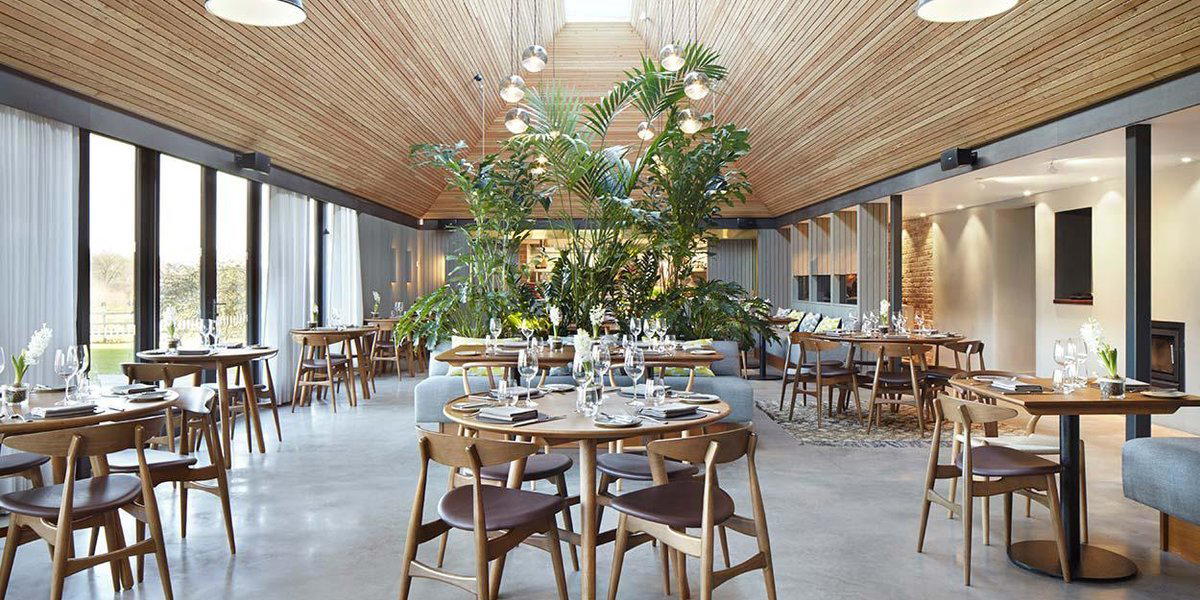
British chef Michael Lloyd leads the Oak Room Restaurant, the property's formal dining room. His approach works within the modern British tradition of seasonal produce interpreted through classical technique, a format that has become the expected register for hotel dining at this tier of the English country house category. Formal dining rooms at properties of this kind tend to function as a complete expression of the hotel's period character, with the service, setting, and menu working in concert rather than any element operating independently. The Oak Room fits that pattern. For guests less inclined toward formal dining, afternoon tea in the Mansion House lounges represents a viable alternative: quality tea blends, sandwiches, cakes, and warm scones served against the backdrop of the period furnishings and garden views that define the public spaces of the building. The tradition of afternoon tea in this context is less a hospitality ritual than a direct continuation of the country house format's original social logic.
Placing Tylney Hall in the Hampshire and English Country House Context
Hampshire's luxury hotel offer has grown in depth over the past decade. Lime Wood in Lyndhurst represents a different point in the category: smaller, design-forward, and positioned closer to the New Forest's ecological character. The two properties address different versions of the country retreat appetite. Tylney Hall's scale, its formal grounds programme, and its Victorian architectural identity place it in dialogue with the grander English country house tradition, the kind of property that operates with sufficient mass to sustain a full leisure facility portfolio alongside its residential character.
For those building a broader itinerary around English country house hotels, properties like Gleneagles in Auchterarder operate in the same broad tradition, each representing a particular national and climatic variant of the format. Within the United Kingdom's wider luxury hotel offer, urban alternatives such as Claridge's in London serve a different purpose, where the architecture of the city is the context and the building is its own complete argument. Tylney Hall's proposition requires the landscape to function, and in 66 acres of designed Hampshire countryside, it has exactly that.
Other British hotel references worth considering for contrasting formats include Hope Street Hotel in Liverpool, King Street Townhouse Hotel in Manchester, Avon Gorge by Hotel du Vin in Bristol, and Drakes Hotel in Brighton.
A Quick Peer Check
Comparable venues nearby, for context on price, style, and recognition.
| Venue | Cuisine | Price | Awards | Notes |
|---|---|---|---|---|
| Tylney Hall Hotel and GardensThis venue — the venue you are viewing | Victorian country house hotel with period ambience and individually furnished rooms. | $$$$ | 4-Star | Not listed |
| St Martins Lane Hotel | Urban resort with Philippe Starck's irreverent design updated by Tim Andreas. | $$$$ | 5-Star | Covent Garden |
| Cambridge House | Heritage luxury with residential feel, prioritizing privacy, comfort and calm while preserving architectural heritage and historical significance. | $$$$ | 5-Star | Mayfair |
| Sun Street Hotel Shoreditch | Georgian townhouses with modern extension | $$$$ | 5-Star | Shoreditch |
| Blakes Hotel | Unconventional luxury boutique hotel blending theatrical excess with warm hospitality, designed as a curated world within a hotel rather than a traditional accommodation. | $$$$ | 5-Star | West Brompton |
| The Dorchester, Dorchester Collection | grand luxury hotel with English residential elegance and Art Deco heritage | $$$$ | 5-Star | Mayfair |
Recognition history
Dated appearances from independent guides and award organizations, with the underlying list record or original source where available.
Forbes Recommended
Forbes
Small Luxury Hotels of the World Member
Small Luxury Hotels of the World
Continue exploring
More in Hook
Hotels in Hook
Browse all →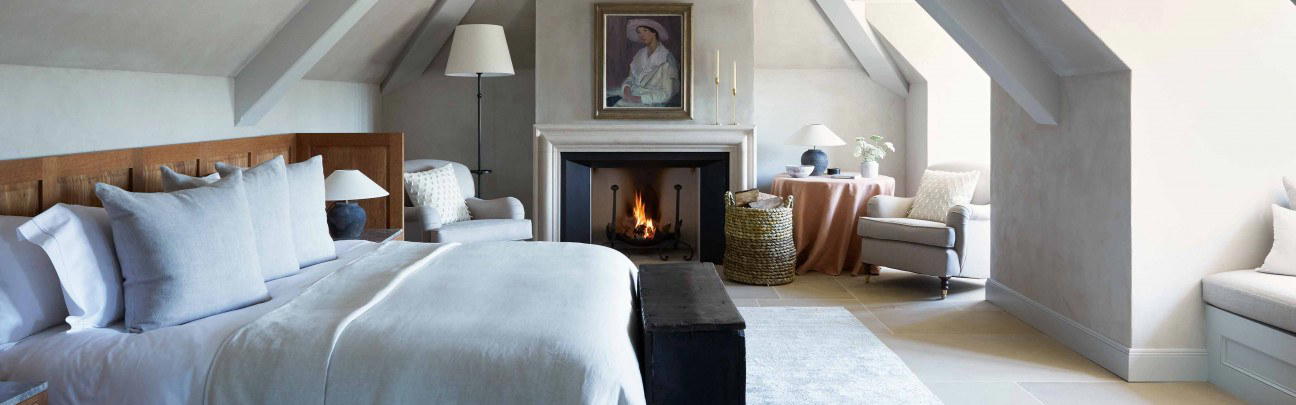
Bars in Hook
Browse all →
Restaurants in Hook
Browse all →

At a Glance
- Romantic
- Elegant
- Scenic
- Classic
- Sophisticated
- Cozy
- Romantic Getaway
- Anniversary
- Honeymoon
- Weekend Escape
- Garden
- Historic Building
- Pool
- Spa
- Fitness Center
- Room Service
- Concierge
- Tennis Court
- Wi Fi
- Business Center
- Valet Parking
- Garden
- Pool
- Spa
- Fitness Center
- Room Service
- Concierge
- Tennis Court
- Wi Fi
- Business Center
- Valet Parking
Inviting atmosphere merging elegance with historical charm, warm and cosy lounges with amazing decor, quiet and serene even when busy.