Google: 4.6 · 4,532 reviews
The Dorchester, Dorchester Collection

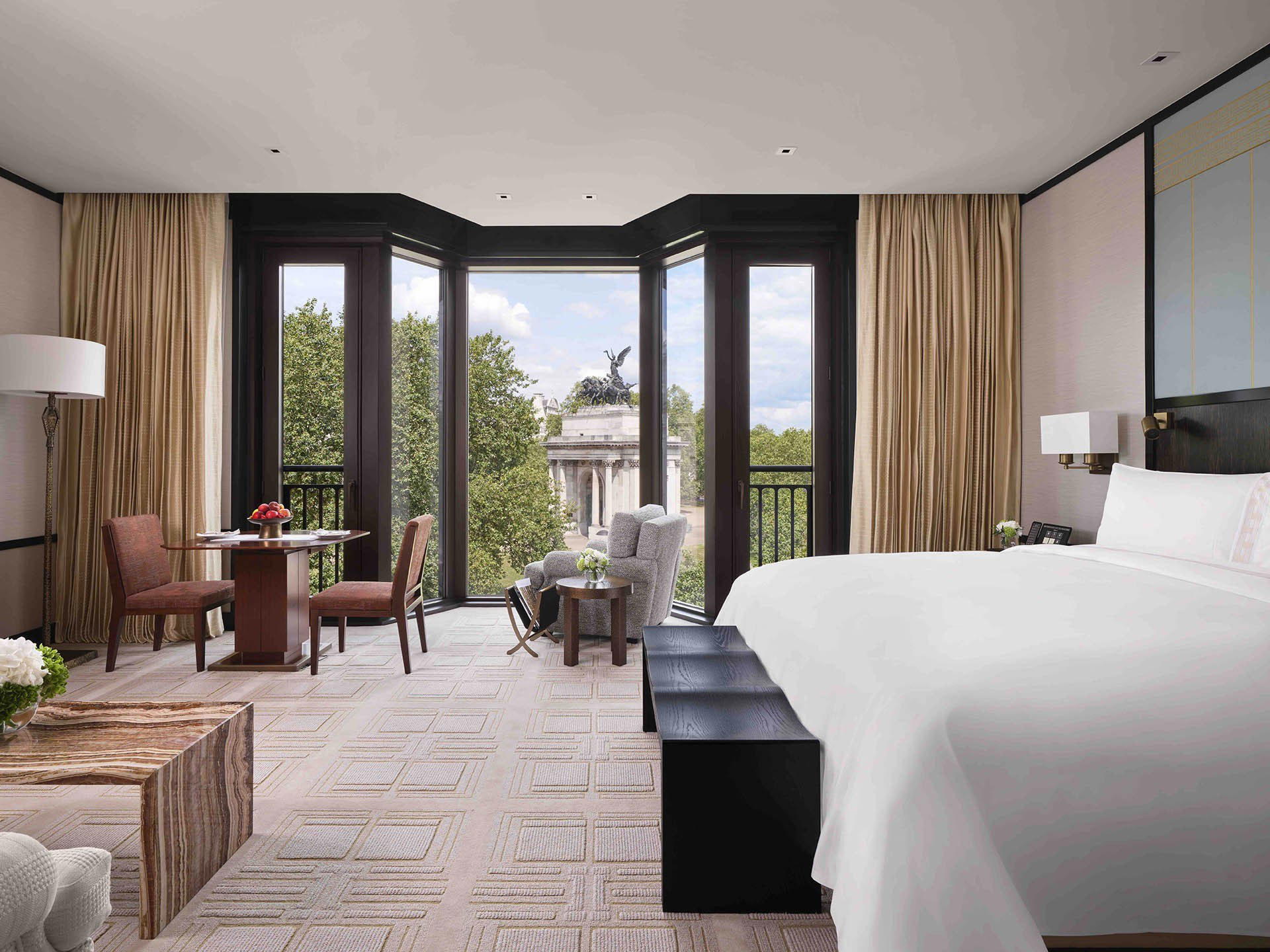
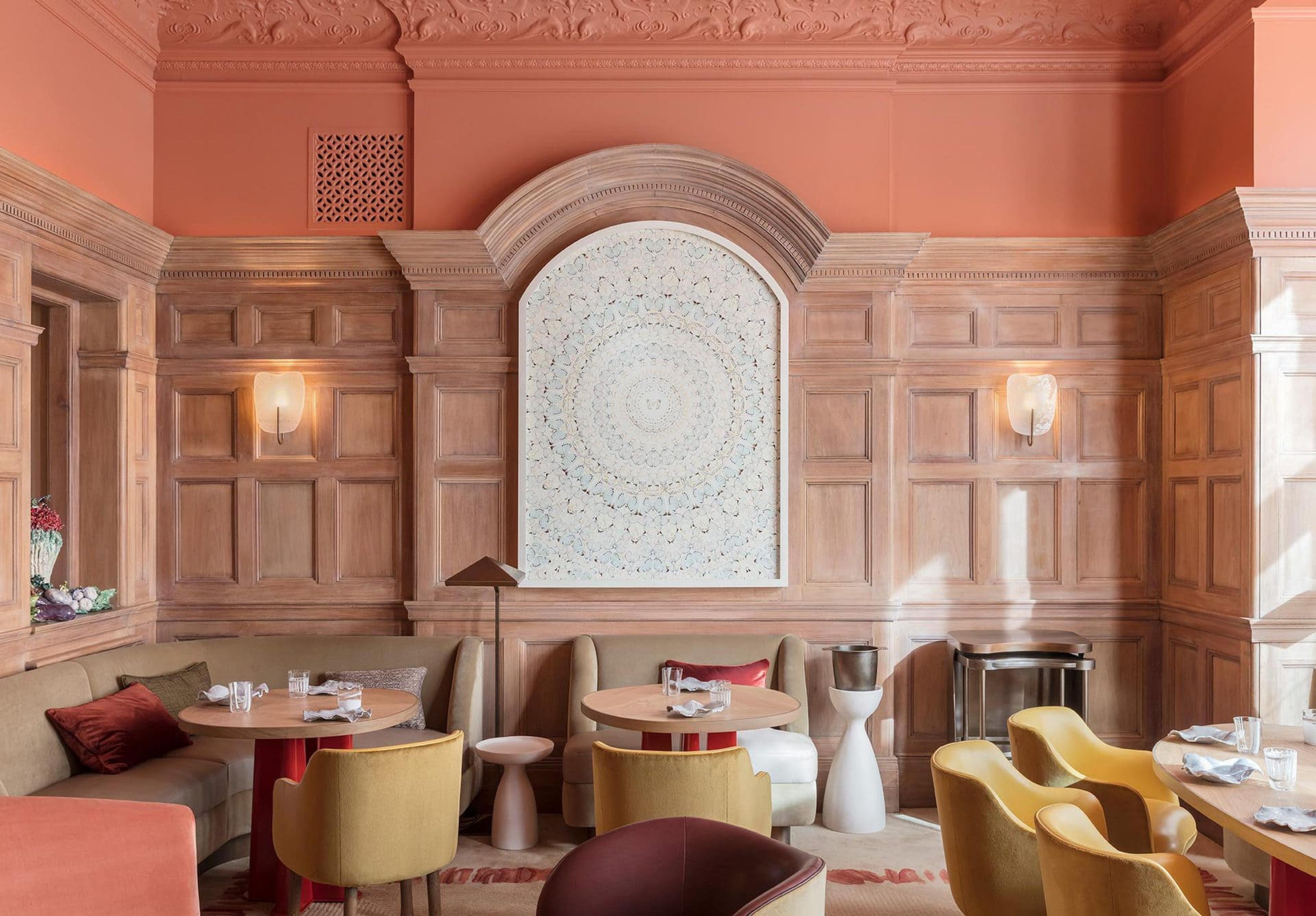
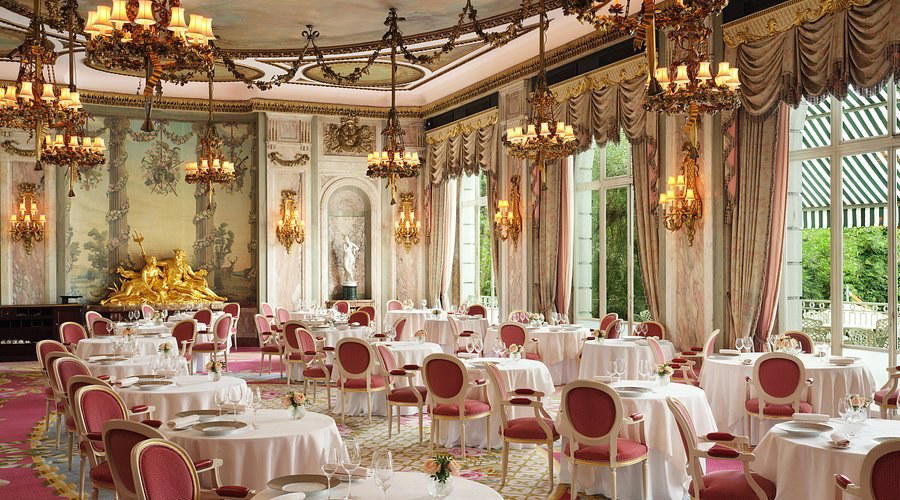
The hotel business has of late become so fashion-oriented that it’s hard sometimes to remember there was life before the boutique hotel. But as the upstarts slowly move upscale, increasingly incorporating elements of old-world luxury alongside their trademark visual flash, one is reminded of the hotels that have always done luxury well; that is to say, the original grand hotels themselves — and if you’re paying grand-hotel prices anyway, for a closet-sized room with white walls and “funky” taps on the basin… The Dorchester is the grand hotel the way it ought to be. Not stuffy, but upright; not excessive, but opulent. The location is unbeatable, at least for leisure travelers, just across from Hyde Park, and the service is of the discreet and professional variety, treating A-listers and no-listers alike as though they were visiting royalty. Bedrooms are a vision of Thirties elegance, though with certain concessions to technological modernity (42” plasma screens, if you’re lucky). Bathrooms are big and lavish, all in Italian marble, with what may or may not be the deepest tubs in London (they’re certainly deep enough). There are so many bars and restaurants, including the Three-MICHELIN-Starred Alain Ducasse at The Dorchester, that you’re truly spoilt for choice, plus you’ll have little trouble finding something suitable in the hotel’s immediate environs— and anyway half the fun consists in being seen coming and going.
 Discover on Pearl
Pearl is the En Primeur Club membership app — saves, bookings, and concierge access live there. Same editors, same standards.
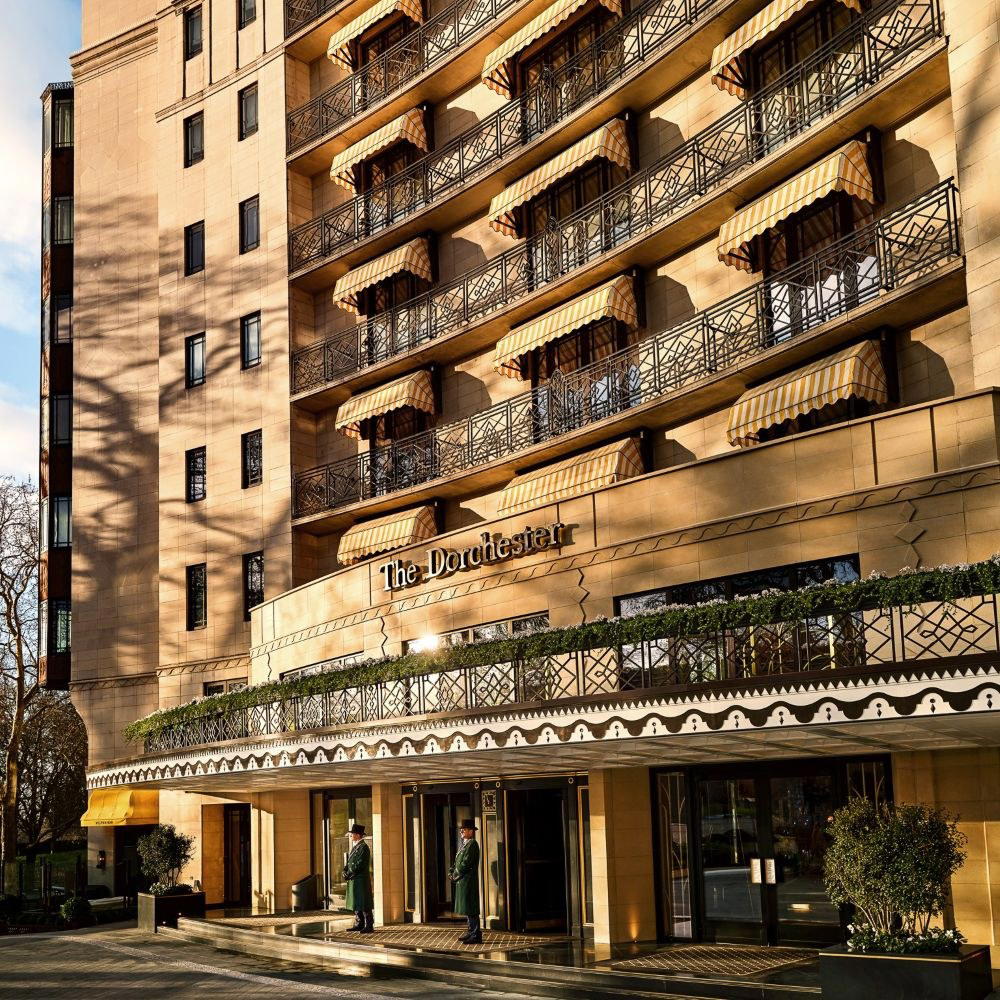
Park Lane's Enduring Standard
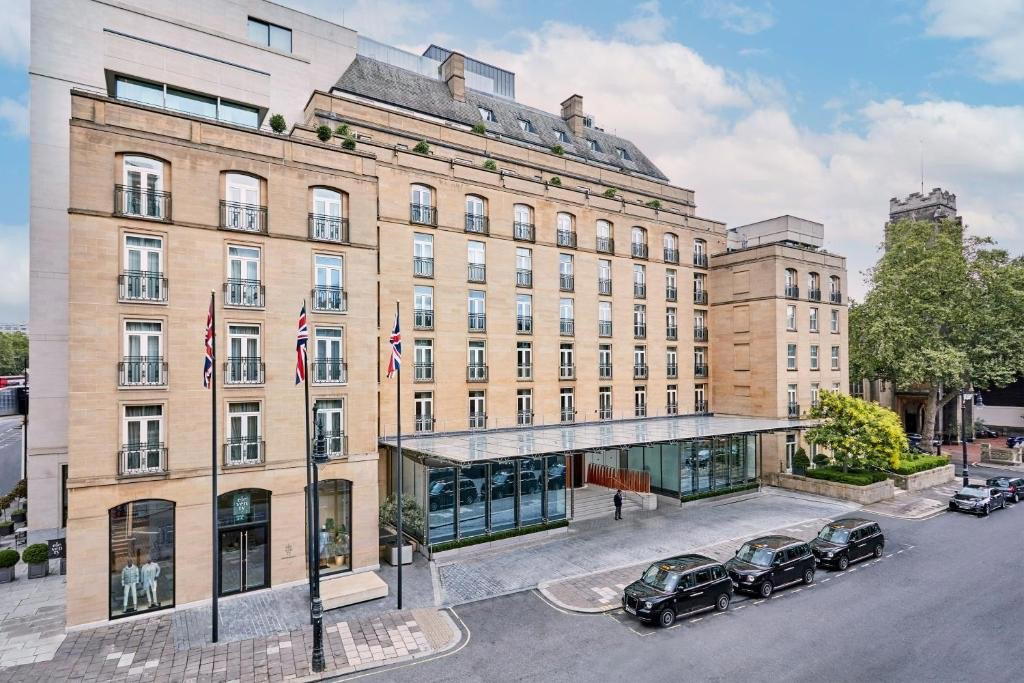
There is a particular quality of light on Park Lane in the late afternoon, when it filters through the plane trees and settles across the pale stone facade of the Dorchester. The hotel has occupied this stretch of Mayfair since 1931, long enough that it no longer needs to announce itself. Guests arriving from Hyde Park Corner step through a door that opens onto a world operating at a different pace from the street outside: lower voices, deeper carpets, the kind of orchestrated calm that only sustained institutional attention produces.
Park Lane's top-tier hotels occupy a distinct competitive position within London's luxury accommodation market. Properties here price and position against a global peer set rather than a local one, and the guest arriving at the Dorchester is making a choice that implicitly rejects the newer, smaller, design-led alternatives that have proliferated across Mayfair and Fitzrovia in the past decade. Hotels like NoMad London and The Emory represent one direction for premium London stays; the Dorchester represents another, older and more formal tradition, and the two modes coexist without much overlap in their actual clientele.
What Two Michelin Keys Signal in Practice
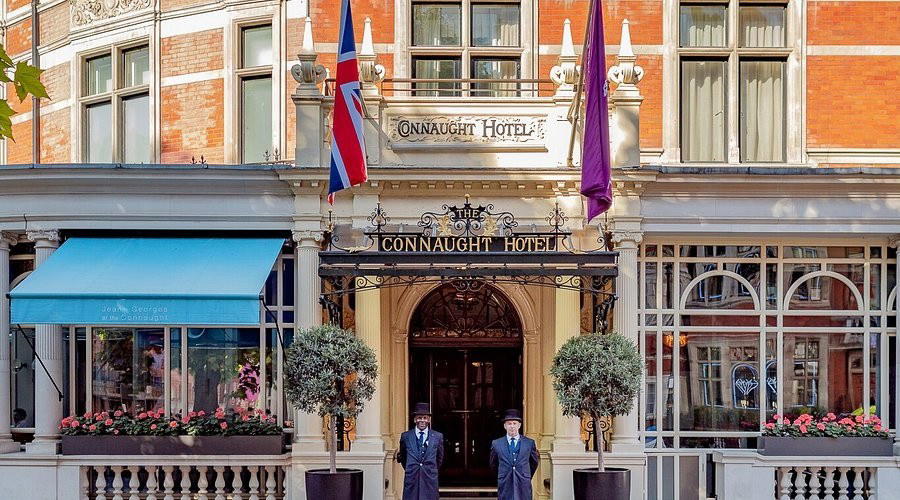
The Michelin Keys programme, introduced as the hospitality counterpart to the Guide's restaurant stars, awards recognition across a narrow set of criteria: the quality of welcome and service, the consistency of the guest experience, and the overall sense that a hotel delivers something beyond a comfortable bed. The Dorchester holds Two MICHELIN Keys in the 2025 edition of the guide, placing it among a small cohort of London properties deemed to meet that standard. Claridge's, The Connaught, and The Savoy occupy similar territory in terms of scale, heritage, and the expectation they carry into any guest's first arrival.
Two Keys, rather than Three, indicates a hotel that performs at a high and consistent level without necessarily achieving the kind of transformative, destination-in-itself quality that Michelin's top tier implies. That is not a criticism of the Dorchester; it is an accurate description of where the hotel sits in a deliberately stratified system. Guests choosing it over, say, Raffles London at The OWO or 1 Hotel Mayfair are choosing an established institutional track record over newer properties still assembling their reputations.
The Arc of a Stay: From Arrival to Room
The editorial angle that applies here is less about a single meal than about the sequence of a stay, and the Dorchester is built for that kind of cumulative experience. Arrival is formal and deliberate: the forecourt, the uniformed staff, the transition from the ambient noise of Park Lane to the Promenade's particular hum of tea service and conversation. The physical environment of the hotel is Art Deco in its bones but layered with decades of refurbishment decisions that have produced something more eclectic, a studied grandeur that reads as English luxury operating at continental scale.
The Promenade itself functions as the hotel's social centre, and the tradition of afternoon tea here is long-established enough to have accumulated its own rituals and regulars. In the broader London context, afternoon tea at the major Park Lane and Mayfair hotels has become both a domestic institution and a reliable draw for international visitors, though the format varies considerably from property to property. The Dorchester's version sits at the formal, traditional end of that spectrum, which is consistent with the hotel's overall register.
Room categories at a property of this scale span a wide range, from classic doubles to large suites designed for extended stays and entertainment. Within the Park Lane luxury bracket, suite configurations at these hotels typically run from junior suite formats through to multi-room arrangements with dedicated living and dining areas. For guests comparing options across the competitive set, The Connaught in Carlos Place offers a more intimate scale, while Claridge's in Mayfair proper provides a stronger Art Deco interior narrative throughout its room categories.
Dining as a Through-Line
For hotels at this level, the dining programme is not separable from the broader guest experience: it is a component of what the Michelin evaluation is measuring. The Dorchester's food and beverage offering spans multiple formats across the property, which is typical for a hotel of its size and positioning. In London's current dining environment, the hotels most discussed in food-critical terms tend to be those that have drawn headline chefs or introduced a genuinely novel format. Whether the Dorchester's dining currently occupies that kind of conversation is not something the available data allows a firm answer on, but the structural commitment to serious food across multiple outlets is built into properties of this category.
What matters editorially is that a hotel holding Two MICHELIN Keys is being assessed partly on the quality of its food experience, not as an afterthought but as an integral element. Guests who treat the hotel's restaurants as the default option for at least one meal of their stay are participating in the experience Michelin is recognising, rather than routing around it.
London's Heritage Hotel Tier: The Wider Picture
London's established five-star hotels on and around Park Lane represent one of the more coherent luxury accommodation clusters in any European city. The concentration of properties with multi-decade or century-long histories in a relatively compact area means that comparisons are constant and competition for the same returning guest base is intense. Properties like the Dorchester maintain their position not by reinventing themselves season to season but by sustaining the consistency that institutional guests and international return visitors specifically seek out.
For guests whose priorities run toward character over consistency, the market has expanded considerably. Estelle Manor in North Leigh or The Newt in Somerset represent a quite different version of premium British hospitality, one rooted in countryside and a more contemporary food culture. Within Scotland, Gleneagles in Auchterarder operates at the same tier of institutional reputation. Internationally, the peer conversation extends to properties like Badrutt's Palace Hotel in St. Moritz and Hôtel de Paris Monte-Carlo, both of which operate in the same mode of sustained heritage luxury at major European addresses.
For guests at the other end of the scale spectrum, smaller British properties worth considering include 11 Cadogan Gardens in Chelsea, Lime Wood in Lyndhurst, Farlam Hall Hotel and Restaurant in the Lake District, and in Northern Ireland, Dunluce Lodge in Portrush.
Planning a Stay
The Dorchester is at 53 Park Lane, London, with Hyde Park directly across the road and Hyde Park Corner tube station within a short walk, connecting to the Piccadilly line for direct access to Heathrow. Given the hotel's international profile and its position in the Dorchester Collection group, bookings for peak periods including Wimbledon fortnight, the summer season, and the weeks around major London events should be made well in advance. The hotel operates within the Dorchester Collection's direct booking infrastructure. For broader London trip planning across restaurants, bars, and other stays, our full London restaurants guide covers the range of options across neighbourhoods and price points.
Booking and Cost Snapshot
A short peer set to help you calibrate price, style, and recognition.
| Venue | Price | Awards | Notes |
|---|---|---|---|
| The Dorchester\u002c Dorchester Collection | This venue | ||
| The Connaught | World's 50 Best | ||
| Raffles London at The OWO | World's 50 Best | ||
| Bvlgari Hotel London | |||
| JW Marriott Grosvenor House London | |||
| The Cadogan, A Belmond Hotel, London |
Continue exploring
More in London
Hotels in London
Browse all →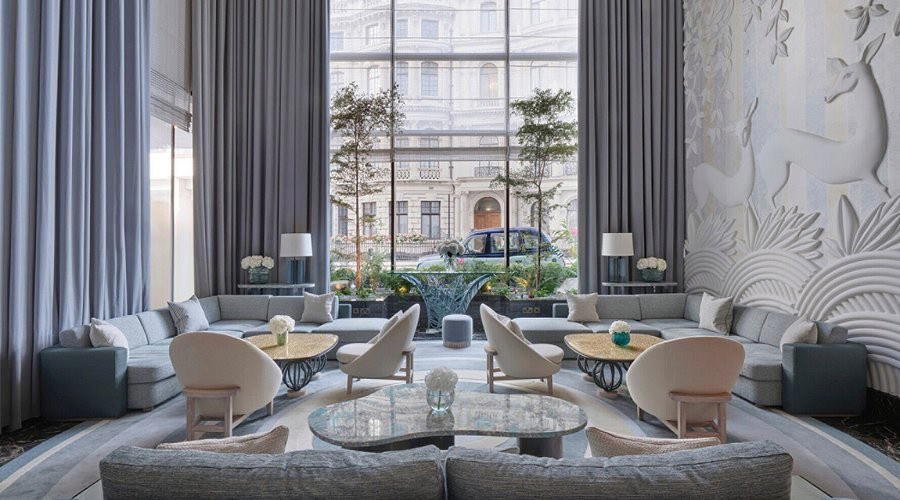
Bars in London
Browse all →
Restaurants in London
Browse all →
At a Glance
- Elegant
- Opulent
- Sophisticated
- Classic
- Iconic
- Romantic Getaway
- Anniversary
- Celebration
- Historic Building
- Butler Service
- Spa
- Concierge
- Room Service
- Valet Parking
- Garden
Opulent and luxurious atmosphere with marble bathrooms, sumptuous king-size beds, elegant English residential style, and a graceful color palette inspired by English country gardens.