Tutka Bay Lodge

Virtuoso Luxury Hotel Partner
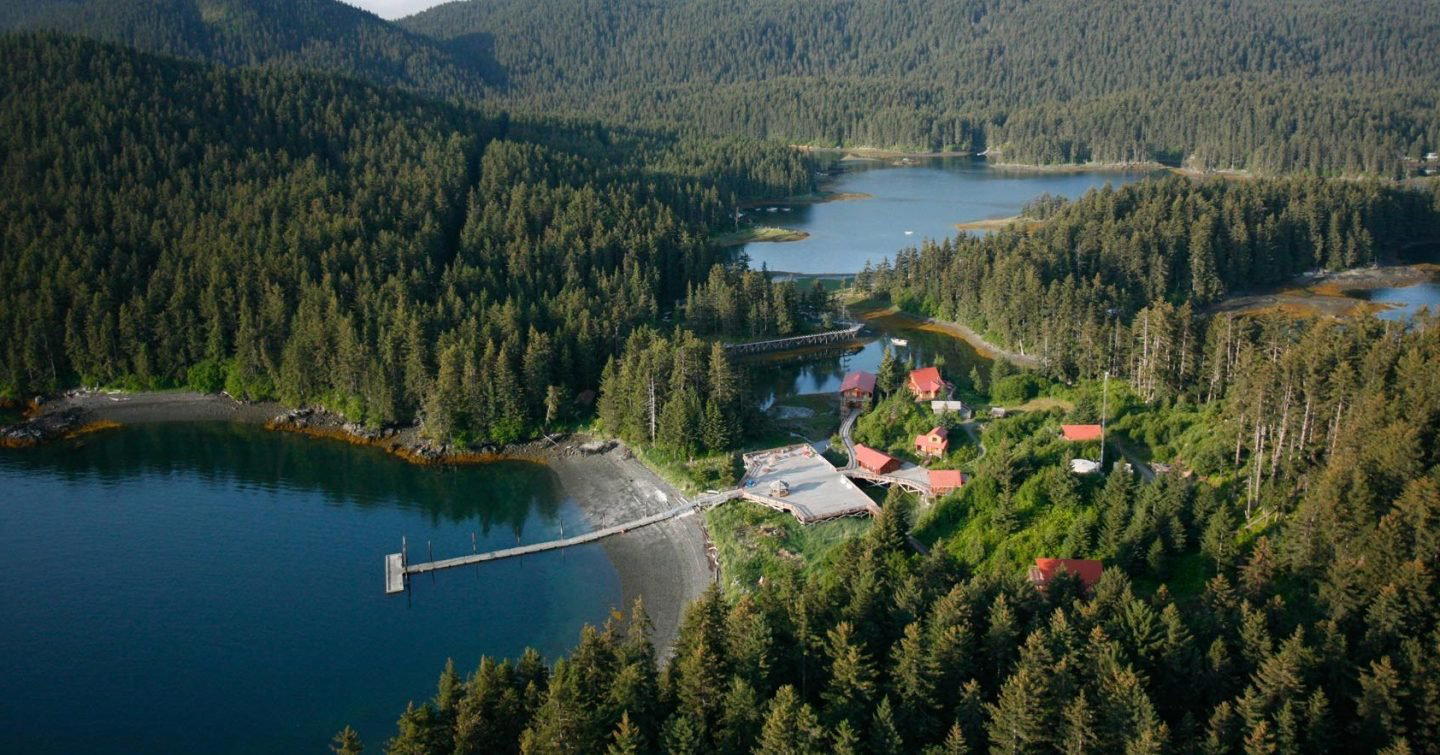
Tutka Bay Lodge sits on the remote southeast coast of Kachemak Bay, accessible only by water taxi or floatplane from Homer. The lodge occupies a stretch of Alaskan wilderness where tidal flats, spruce forest, and glaciated peaks form the immediate context. For travelers drawn to fly-in wilderness properties, it occupies a distinct tier defined by its isolation and culinary ambition.

Pearl is the En Primeur Club membership app, where members save venues, book tables and use the concierge.
Water, Wilderness, and the Architecture of Arrival
The approach to Tutka Bay Lodge establishes the terms of the stay before a single door opens. From Homer, on the southern edge of the Kenai Peninsula, guests cross Kachemak Bay by water taxi or floatplane, watching the town's small-boat harbor recede as spruce-covered headlands and tidal flats fill the view. This mode of arrival is not incidental theater, it is the structural argument that remote Alaskan lodge design has always made: that inaccessibility is itself a form of luxury. Properties like Tordrillo Mountains in the same Kenai Peninsula Borough operate on a comparable premise, where the distance from any road functions as the primary amenity. Tutka Bay is among the more intimate expressions of this format on Alaska's southern coast.
The physical setting is Kachemak Bay State Park adjacent, a designation that places the lodge within one of Alaska's least-visited protected coastal zones. The bay itself is a cold-water estuary of exceptional productivity, fed by glacial runoff from the Kenai Mountains and rich enough in marine life to support sea otters, harbor seals, and a Dungeness crab fishery that local operators have worked for generations. The lodge sits at the intersection of that ecology and a design tradition in Alaskan wilderness hospitality that favors low-profile, timber-and-glass structures oriented toward the water rather than imposed upon it.
The Physical Grammar of a Remote Lodge
Remote wilderness lodges in Alaska operate within a design constraint set that most luxury properties never encounter: everything must arrive by barge or floatplane, structural systems must withstand subarctic winters without year-round maintenance staff, and the building's relationship to its site has to respect the fact that the site is, in most cases, the reason anyone came at all. The most considered properties in this category, from the southeast Alaskan coast to the lodges of the Alaska Range, solve those constraints through modest footprint and material honesty rather than scale.
Tutka Bay's position on the southeast shore of Kachemak Bay means its structures face toward the water and the mountains of the Kenai Range beyond. Alaskan coastal lodge architecture at this latitude has historically drawn on a working vernacular: board-and-batten siding, steep-pitched rooflines that shed the region's substantial snowfall, covered outdoor spaces that extend the season for sitting outside without surrendering to the weather. The leading examples of this approach treat the building envelope as a frame for the landscape view, keeping interior volumes modest enough that the outside remains the dominant experience. Properties in this category share more design DNA with working fishing lodges than with the resort-scaled wilderness retreats of, say, Amangani in Jackson Hole or Amangiri in Canyon Point, where the architecture is itself the primary statement. At Tutka Bay, the statement is the bay.
This is a meaningful distinction within the broader wilderness hospitality category. A small cohort of American properties has developed around the idea that design discipline means restraint, not absence. Post Ranch Inn in Big Sur and Blackberry Farm in Walland both operate in this register, architecture that recedes in favor of landscape, though neither faces the logistical and climatic demands that Alaskan coastal properties absorb as a baseline condition. Sage Lodge in Pray and Alpine Falls Ranch in Superior operate in analogous western wilderness settings, but the marine and tidal dynamic at Kachemak Bay adds a layer of environmental specificity that separates this category of Alaskan property from its continental counterparts.
Culinary Context in a Foraging Landscape
The cooking tradition at remote Alaskan lodges has evolved considerably over the past two decades. What was once a protein-forward, quantity-oriented camp cuisine has, at the upper end of the market, shifted toward a hyper-local sourcing model that the surrounding environment makes genuinely possible. Kachemak Bay and its surrounding tidal zones are among the most productive cold-water ecosystems on the North American coast. Wild salmon, Dungeness crab, halibut, razor clams, sea urchin, and an extensive foraging palette of coastal plants position lodges in this area to build menus that cannot be replicated anywhere further from the source. SingleThread Farm Inn in Healdsburg is the most cited domestic example of the farm-to-table lodge format at its most rigorous, but the Alaskan coastal equivalent draws on a wild rather than cultivated supply chain, which requires a different culinary logic entirely.
Tutka Bay's kitchen program has developed a reputation, circulated in the Alaska culinary community, for working directly with this tidal pantry. Whether that means a resident gardening program or structured foraging itineraries, the lodge has been associated with a cooking school format that makes the sourcing education explicit for guests. That format, where the kitchen program is also a guest-facing curriculum, has appeared at a number of destination properties. Bernardus Lodge in Carmel Valley and Auberge du Soleil in Napa have both developed culinary programming as part of their hospitality offer, though neither operates within a foraging ecosystem of comparable wildness.
Planning Your Stay
Tutka Bay Lodge operates as a seasonal property, as all serious Alaskan coastal lodges must. The viable window runs from late spring through early fall, with June through August representing the peak period for both wildlife activity and weather stability. Bookings for peak weeks fill months in advance, and the logistics of arrival by water taxi from Homer's Lands End Harbor mean that guests should plan for weather-dependent flexibility on departure days. Homer itself warrants at least a night on either side of the lodge stay, the town has a serious art community, a genuine halibut fishing economy, and a spit that extends into the bay with enough character to reward a half-day on foot. For travelers building a broader Alaska itinerary, pairing Tutka Bay with a bear-viewing excursion to Katmai or a flightseeing trip over the Harding Icefield covers most of what makes the Kenai Peninsula a distinct proposition within the state. See our full Kenai Peninsula Borough guide for context on the wider region.
Within the American wilderness lodge category, Tutka Bay's price positioning aligns with fly-in properties rather than drive-to lodges. All-inclusive rate structures are standard at this tier, covering accommodation, meals, and guided activities. The calculation for the guest is different: you are paying not only for the room but for the controlled environment, the guided access, and the culinary program that makes the remoteness productive rather than merely austere.
At-a-Glance Comparison
| Venue | Price | Awards |
|---|---|---|
| Tutka Bay LodgeThis venue (the venue you are viewing) | $2,500+ | Virtuoso Luxury Hotel Partner |
| Aman New York | Not listed | 3 Michelin Keys · World's 50 Best #87 |
| Amangiri | $1,000–1,500 | 3 Michelin Keys · World's 50 Best #45 |
| Hotel Bel-Air | $750–1,000 | 3 Michelin Keys · World's 50 Best #57 |
| The Beverly Hills Hotel | Not listed | 3 Michelin Keys · World's 50 Best #65 |
| The Carlyle, A Rosewood Hotel | $1,500–2,500 | 2 Michelin Keys · World's 50 Best #64 |
Recognition history
Dated appearances from independent guides and award organizations, with the underlying list record or original source where available.
Virtuoso Luxury Hotel Partner
Virtuoso
Continue exploring
More in Homer
Restaurants in Homer
All restaurants in Homer →
Details
- Rustic
- Scenic
- Cozy
- Intimate
- Romantic Getaway
- Family Vacation
- Wellness Retreat
- Weekend Escape
- Waterfront
- Panoramic View
- Wi Fi
- Sauna
- Hot Tub
- Spa
- Massage
- Waterfront
- Mountain
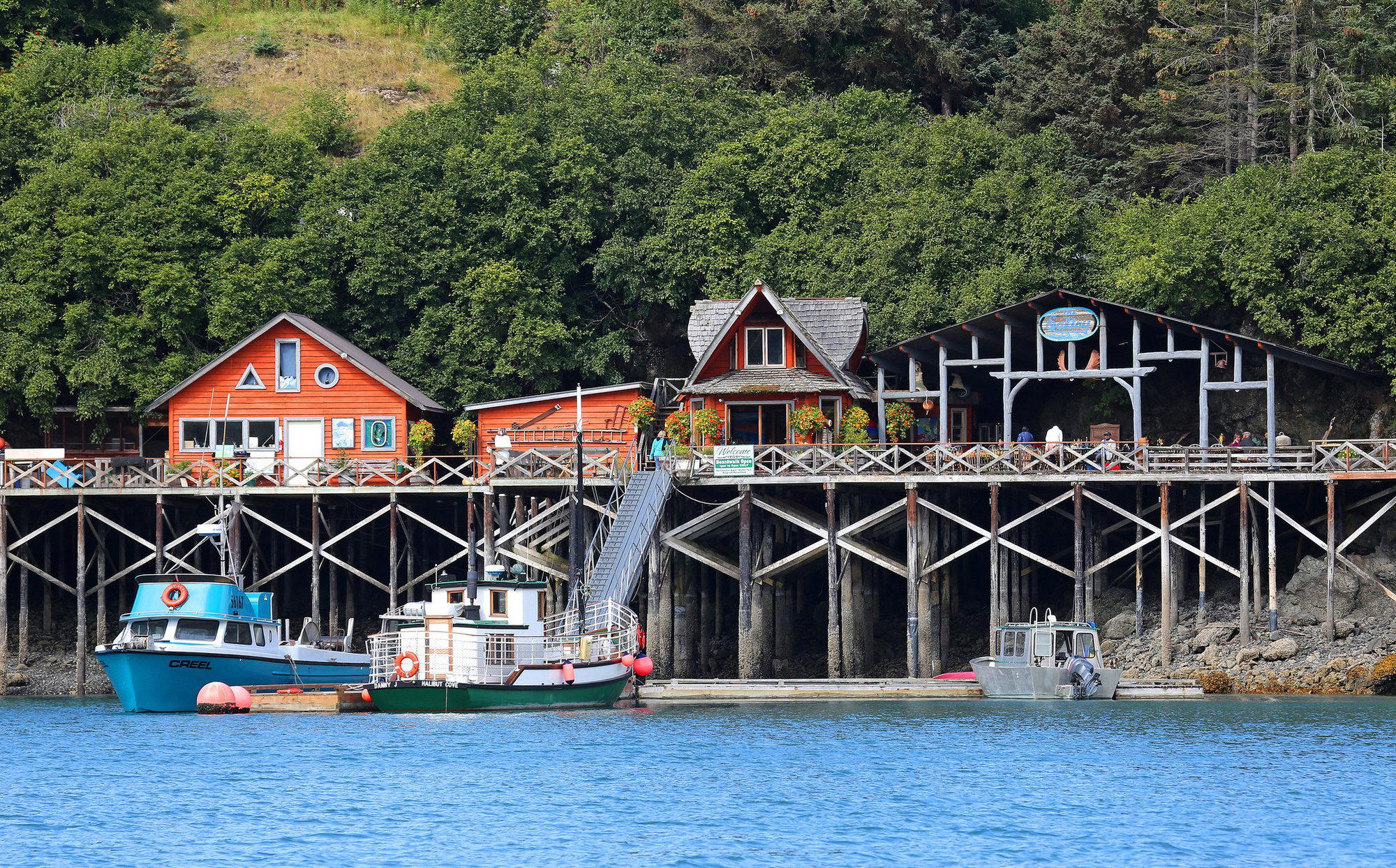
Warm wooden interiors with rustic furniture, neutral textiles, and sweeping ocean, mountain, and forest views from large windows and decks, complemented by a relaxing solarium, wood-fired sauna, and hot tub.