The Saltry Restaurant
Our verdict
In a city where the fishing calendar shapes what ends up on the plate, The Saltry Restaurant puts Alaskan seafood at the centre of a menu that reads like a seasonal record of the waters nearby. The kitchen works within a framework where provenance does most of the talking, making it a reliable reference point for visitors who want to understand what the region actually produces rather than what a generic menu says it does.

Pearl is the En Primeur Club membership app, where members save venues, book tables and use the concierge.
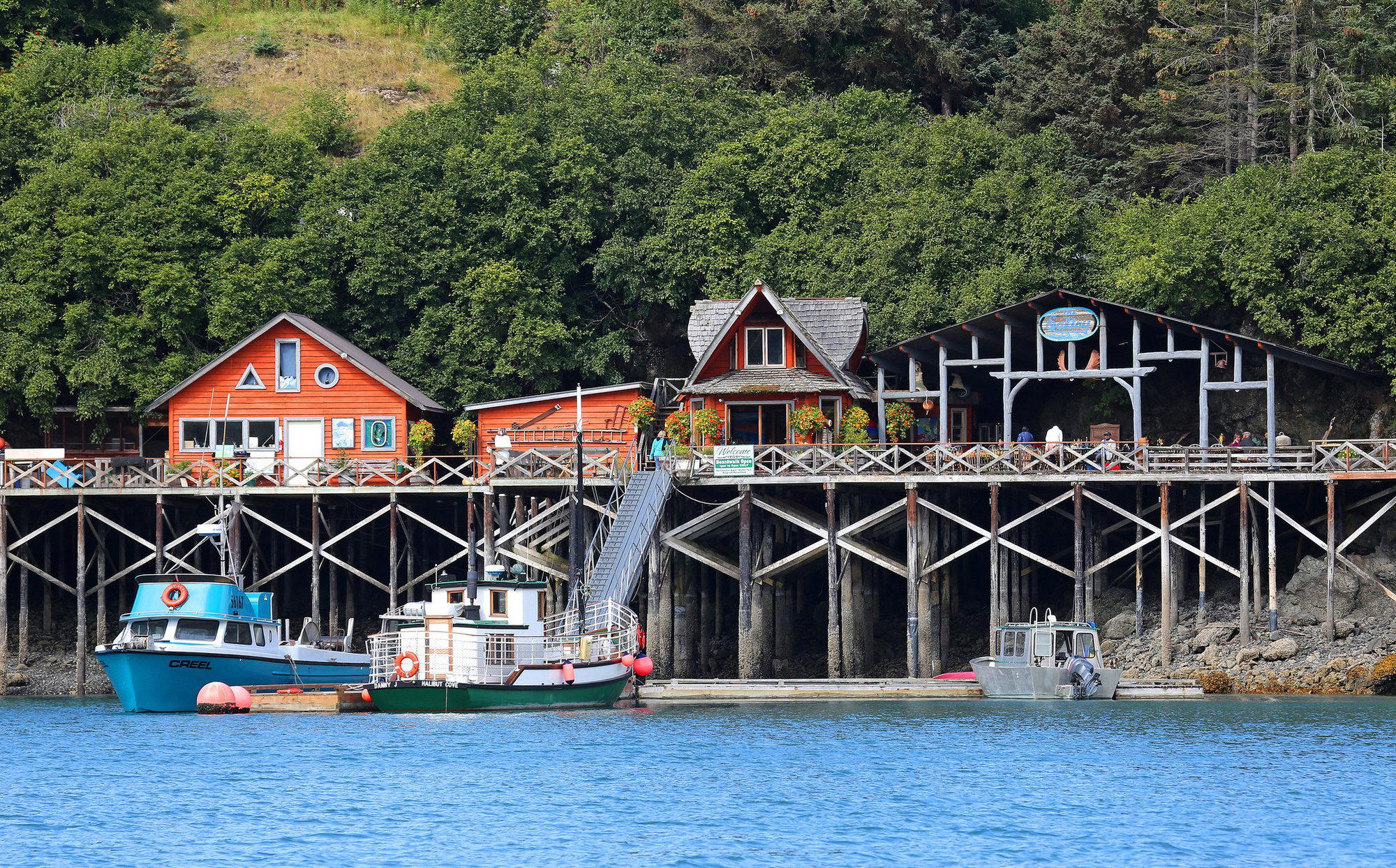
The menu
What to order
- Pickled salmon
- Lucinda's Baked Oysters
- Scallops
- Rockfish
Where the Menu Begins: The Water, Not the Kitchen
Alaska's restaurant scene operates under constraints that shape it more decisively than any culinary trend. Halibut, king crab, sockeye salmon, and Dungeness crab move through the market on the fishing industry's schedule, not a chef's preferred sourcing calendar. At The Saltry Restaurant in Anchorage, that constraint becomes the organizing principle. The menu here is structured around what the surrounding waters make available, which means it functions less like a fixed document and more like a running register of the season. For a visitor trying to read Anchorage's food identity through a single sitting, that framing matters.
This is a pattern visible across the stronger seafood-focused restaurants in the Pacific Northwest and Alaska corridor. Where kitchens at destinations like Single Thread Farm in Healdsburg or Blue Hill at Stone Barns in Tarrytown build their menus outward from farming relationships, the equivalent anchor in Alaska is the dock. Proximity to source is not a marketing position here; it is a logistical reality that filters what ends up on the plate.
How the Menu Is Structured
The architecture of a good Alaskan seafood menu tells you something about the kitchen's priorities. A menu that lists king crab and halibut year-round regardless of season is drawing from frozen inventory or distant supply chains. A menu that shifts its core proteins month to month, that treats Pacific salmon species individually rather than generically, and that incorporates local bivalves when the tide tables allow, is working closer to the source. The Saltry sits in that second category, where the structure of the menu is itself an argument about how Alaskan ingredients should be handled.
Anchorage functions as the commercial hub for ingredients pulled from some of the most productive fisheries in the world. The Kenai Peninsula to the south, Cook Inlet, and the waters of Prince William Sound all contribute to what flows through the city's restaurants. The calendar divides roughly as follows: king crab availability peaks in autumn and winter, halibut runs from spring through mid-autumn, and the five Pacific salmon species rotate through the summer months, with sockeye and king commanding the most kitchen attention. A restaurant that reflects this calendar rather than overriding it is making an editorial choice about how to connect the diner to the geography.
Across the wider American fine dining circuit, the most respected seafood programs share this orientation. Le Bernardin in New York City organizes its kitchen philosophy around the integrity of the fish itself, with technique serving the ingredient rather than dominating it. Providence in Los Angeles has built its reputation on treating Pacific seafood with the same seriousness that European restaurants apply to premium land-based proteins. The Saltry operates at a different scale and in a different register, but the underlying logic connects: the menu structure should reveal the ingredient, not obscure it.
Anchorage as a Dining City
Anchorage does not have a deep bench of destination restaurants in the way that cities like Chicago or San Francisco do. The dining scene is relatively compact, and the strongest venues tend to occupy distinct niches rather than competing in the same bracket. Crow's Nest handles the refined occasion-dining slot with its panoramic position atop the Captain Cook Hotel. Club Paris has maintained its steakhouse positioning since 1954, making it one of the few genuinely historically documented restaurants in the city. Altura Bistro and Chair 5 Restaurant each cover different parts of the casual-to-mid-range spectrum, while City Diner handles the comfort-food anchor role.
Within that structure, a seafood-focused restaurant with a seasonal menu orientation fills a gap that the city's dining map otherwise leaves open. Visitors arriving from the Lower 48 are frequently searching for exactly this: a kitchen that takes Alaskan ingredients seriously enough to let them lead. The Saltry addresses that search directly.
For a broader orientation to what Anchorage's dining scene offers across categories and price points, our full Anchorage restaurants guide maps the full picture.
Alaskan Seafood in National Context
It is worth placing what Alaska produces in the frame of the wider American fine dining conversation. Kitchens like Smyth in Chicago, Addison in San Diego, and Atomix in New York City all, in different ways, treat sourcing as a credentialling exercise: where the ingredient comes from matters as much as how it is prepared. Alaskan wild-caught salmon and Pacific halibut appear on high-end menus across the country precisely because the fisheries carry a provenance argument that farm-raised alternatives cannot replicate. The wild designation, the specific watershed or fishing ground, the season of catch: these details function as quality signals in the same way that appellation does in wine.
Eating those ingredients at source, in a restaurant that is structurally organized to reflect the fishing calendar, closes a loop that most fine dining contexts leave open. Venues like The French Laundry in Napa, Lazy Bear in San Francisco, Emeril's in New Orleans, and The Inn at Little Washington all source from Alaska when it serves them, but the ingredient arrives abstracted from its geography. In Anchorage, that gap does not exist. The Saltry's menu architecture capitalizes on exactly that proximity.
For international reference, the farm-to-table seafood approach visible at Atelier Moessmer Norbert Niederkofler in Brunico demonstrates how regional ingredient discipline can produce menus of genuine depth without relying on global supply chains. The philosophical alignment with what Alaskan seafood restaurants aspire to is instructive, even if the terrains are entirely different.
Planning a Visit
Anchorage's peak travel window runs from late May through early September, when daylight hours extend dramatically and access to surrounding wilderness areas is at its most practical. This period also aligns with the height of the salmon season and the tail end of halibut availability, making it the most productive time to visit a kitchen organized around those species. Winter visits are feasible and increasingly popular for aurora viewing, though the seasonal menu at any produce- or seafood-led restaurant will reflect the leaner sourcing calendar of those months. As with most Anchorage dining, booking ahead is advisable during the summer season, when the city absorbs a significant volume of visitors arriving via cruise and overland routes. Specific booking methods, current hours, and any pricing details for The Saltry are best confirmed directly through current listings, as these details shift with the season.
Frequently asked questions
Does The Saltry Restaurant in Anchorage focus exclusively on Alaskan seafood, or does the menu include other proteins?
The Saltry's identity is grounded in its Anchorage location and the Alaskan seafood that defines the region's culinary proposition. Reviewing the current menu directly with the restaurant will confirm the full range of what the kitchen is running at any given time.
What do people recommend at The Saltry Restaurant?
Given the kitchen's location in Anchorage and its orientation toward Alaskan seafood, wild salmon, halibut, and king crab are the natural anchors of what regulars tend to order. Availability shifts with Alaska's fishing calendar, so what's on the menu in July may differ meaningfully from October. Confirm current offerings directly with the venue before visiting.
Can I walk in to The Saltry Restaurant?
Anchorage's summer season, from late May through August, brings enough visitor volume that walk-in availability at well-regarded restaurants becomes unreliable, particularly on weekends. Outside that window, the city's pace slows and tables are generally easier to secure. Contacting the restaurant ahead of arrival is the practical approach regardless of season.
What makes The Saltry Restaurant worth seeking out?
The core case rests on geography: Anchorage sits within reach of some of the most closely monitored wild fisheries in North America, and a kitchen that builds its menu around that supply chain is working with proteins that most lower-48 restaurants receive days later and at a remove from source. That proximity to Alaska's fishing grounds is a structural advantage that no amount of sourcing spend elsewhere fully replicates.
Is The Saltry Restaurant good value for money?
Anchorage restaurant pricing reflects the logistical cost of operating in Alaska, where freight, staffing, and seasonal demand all push prices above lower-48 norms. Wild Alaskan seafood commands a premium nationally regardless of location, so a seafood-focused menu here will price accordingly.
What's the best season to visit The Saltry Restaurant?
If the menu tracks Alaskan fishing seasons, the window from late May through August represents peak ingredient availability, when wild salmon runs are active and the broader Alaskan seafood calendar is at its fullest. That period also coincides with Anchorage's extended daylight and primary travel season. Visitors with flexibility who prioritize ingredient quality over crowd levels may find shoulder periods in early June or late August a reasonable compromise.
A Credentials Check
Comparable venues nearby, for context on price, style, and recognition.
| Venue | Cuisine | Price | Notes |
|---|---|---|---|
| The Saltry RestaurantThis venue (the venue you are viewing) | Artistic Alaskan Seafood | Not listed | Not listed |
| Kincaid Grill | Alaskan Regional Seafood | $50–100 | West Anchorage |
| Jens' Restaurant | Fresh Alaskan Seafood with Danish Specialties | $50–100 | Midtown |
| Kincaid's | Alaskan Regional Seafood | $50–100 | Redondo Beach |
| Moose's Tooth Pub & Pizzeria | Gourmet Pizza & Pub | $20–30 | Midtown |
| Rustic Goat | French-Italian Inspired Alaskan Comfort | $30–50 | Turnagain |
Continue exploring
More in Halibut Cove
Restaurants in Halibut Cove
All restaurants in Halibut Cove →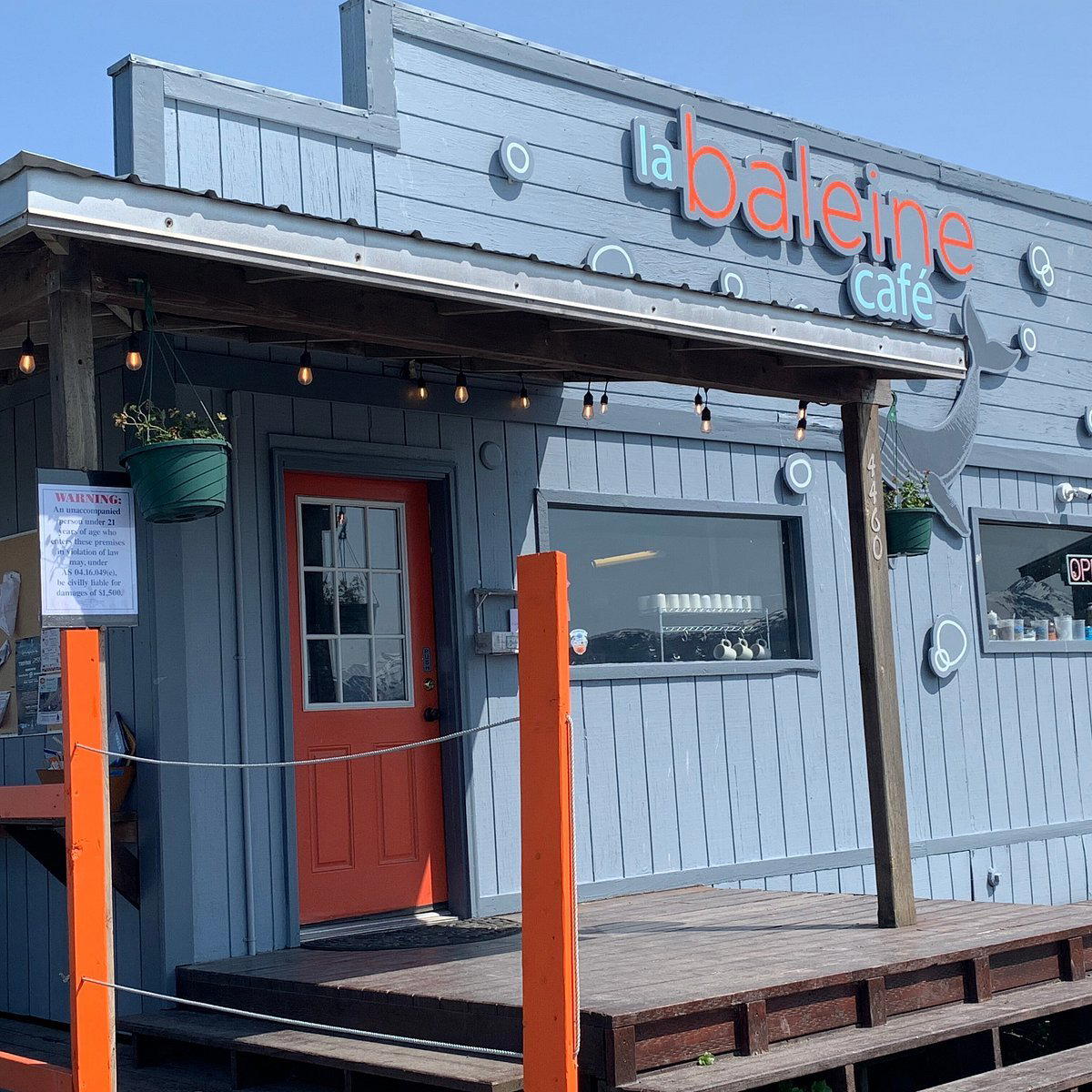
Bars in Halibut Cove
Browse all →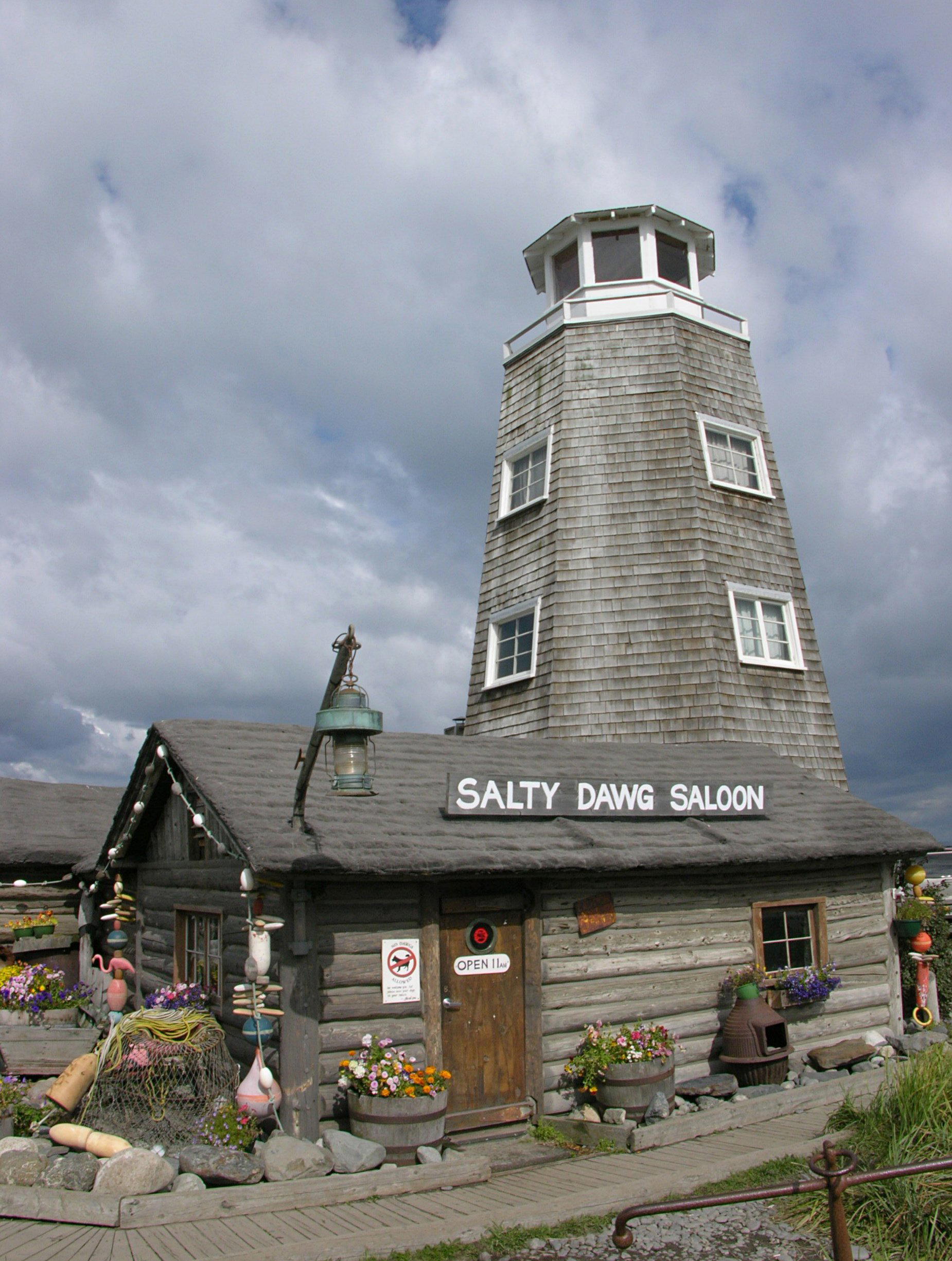


Details
- Scenic
- Rustic
- Whimsical
- Intimate
- Elegant
- Special Occasion
- Date Night
- Waterfront
- Open Kitchen
- Farm To Table
- Local Sourcing
- Waterfront
- Mountain
- A La Carte
- Vegetarian Friendly
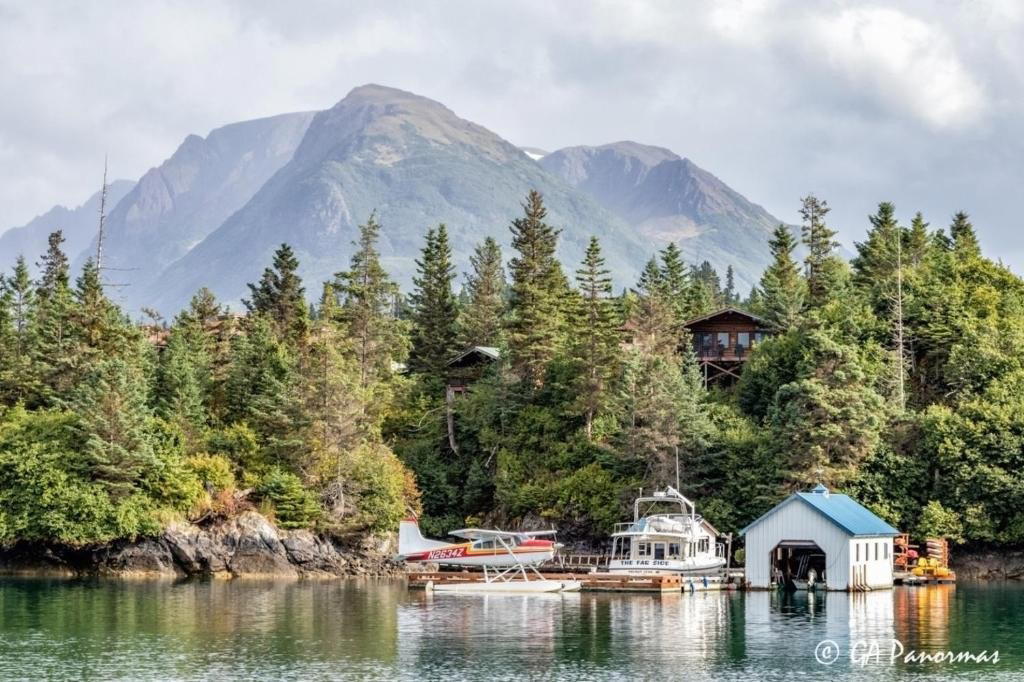
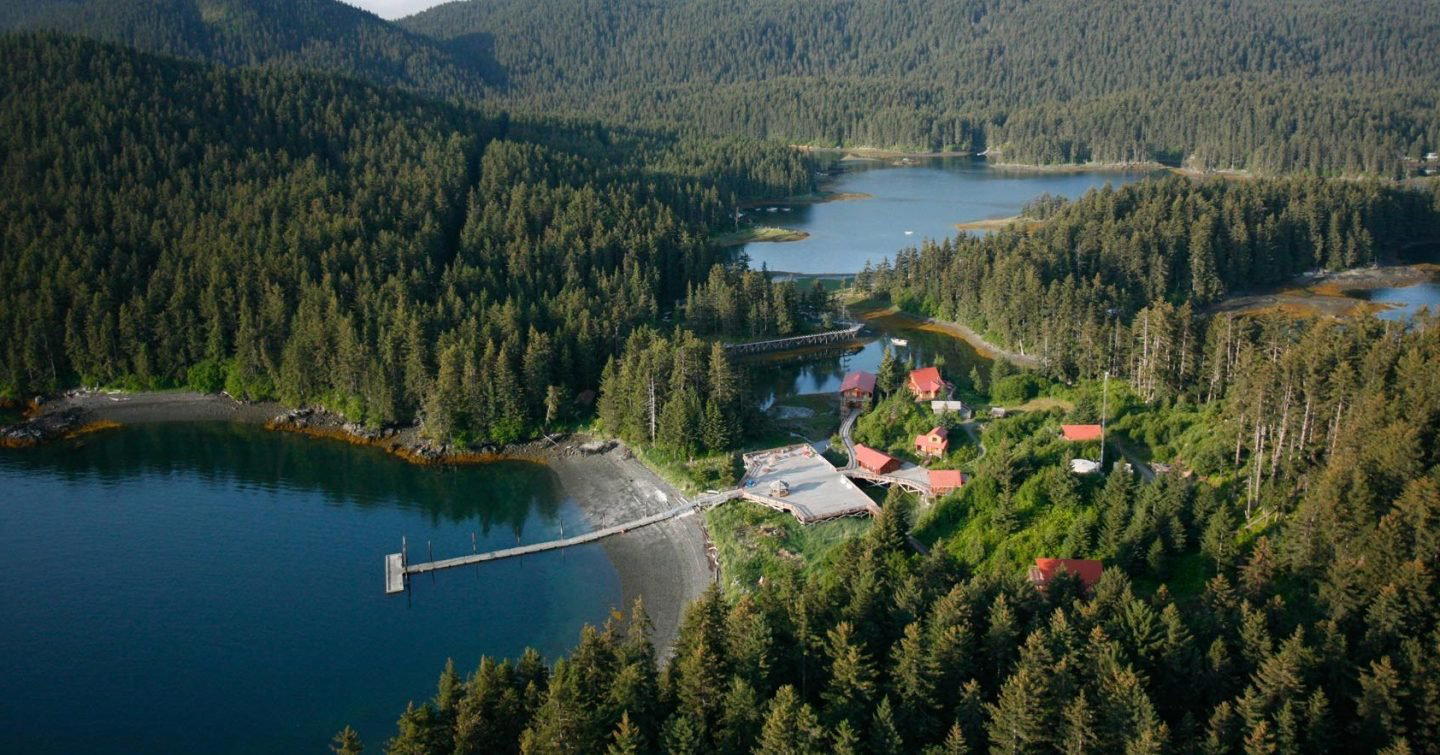
Cozy deck by the fireplace with hand-painted dishware on mosaic tables, offering an unhurried, magical atmosphere on the edge of the wilderness.