Alyeska Resort
Alyeska Resort in Girdwood, Alaska occupies a position that few North American ski and mountain resorts can match: a full-service destination property set against the Chugach Range, roughly 40 miles southeast of Anchorage. The resort anchors Girdwood's lodging market at the upper end, drawing skiers, summer trekkers, and wilderness-adjacent travelers who want infrastructure without sacrificing scale of landscape.

Pearl is the En Primeur Club membership app, where members save venues, book tables and use the concierge.
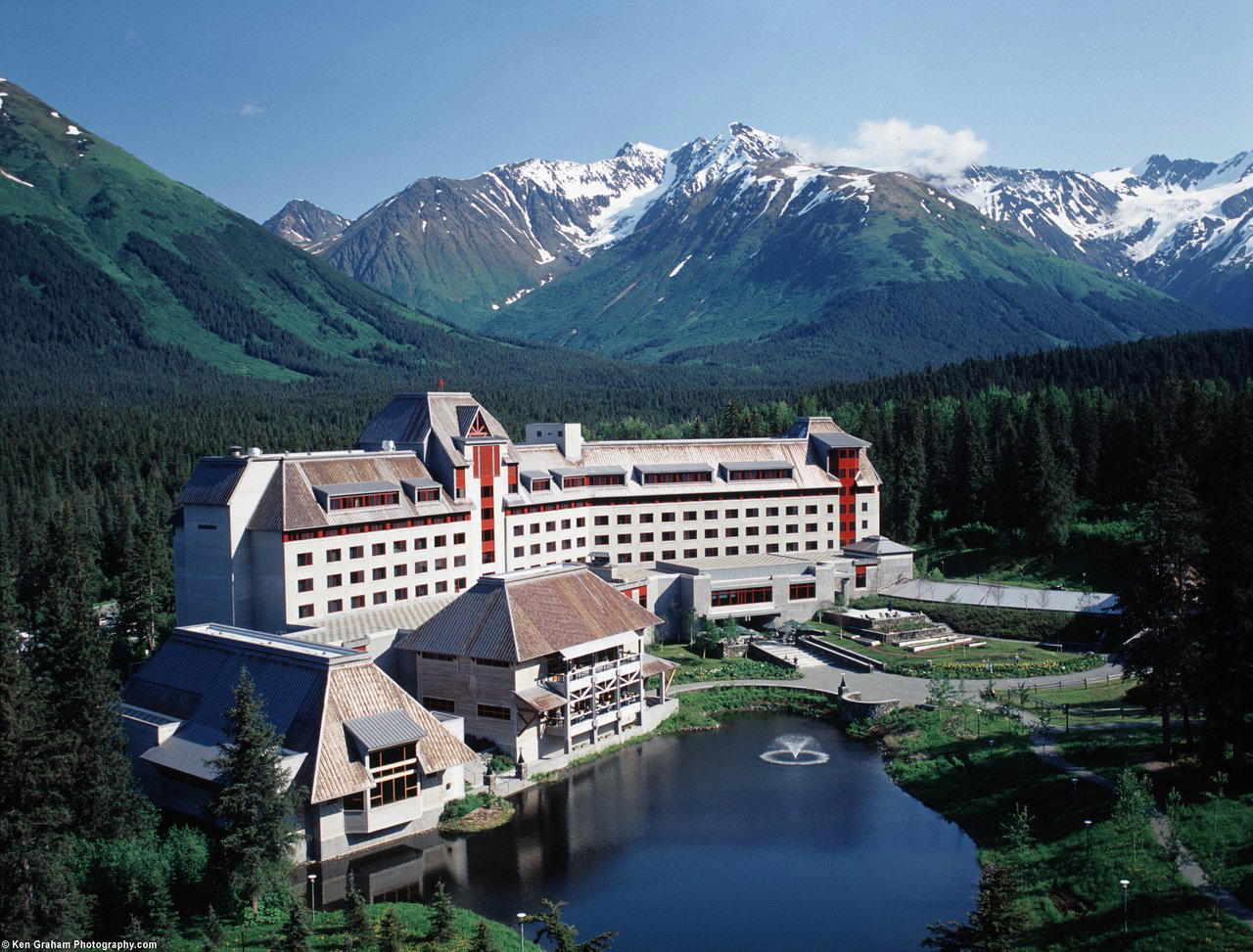
Where the Chugach Range Frames Every Wall
Alaska's mountain resort category is thin. Unlike Colorado or Utah, where purpose-built ski towns have had decades to layer amenities, the state offers relatively few properties capable of housing guests at volume while keeping serious wilderness within walking distance. Alyeska Resort, located at 1000 Arlberg Ave in Girdwood, sits at the top of that short list by default of geography and scale. The Chugach Range rises immediately behind the structure, and on clear days the visual relationship between the building and the ridgeline above is the kind of thing most resorts approximate with careful landscaping. Here it is simply the condition of the site.
Girdwood itself is a small community about 40 miles southeast of Anchorage, accessible via the Seward Highway, one of North America's more dramatic drives. The corridor traces Turnagain Arm, a tidal inlet with extreme tidal variation and frequent wildlife sightings, making the approach to the resort part of the experience rather than a logistical inconvenience. Guests arriving from Ted Stevens Anchorage International Airport should account for roughly an hour's drive, longer in winter conditions or during peak summer weekends when the highway sees heavy recreational traffic.
Architecture as Altitude Strategy
Large mountain resorts in North America tend to organize around one of two architectural logics: the European village model, which distributes buildings across a base area to create a town-like density, or the single-structure model, which consolidates all amenities under one roof to minimize exposure to weather. Alyeska belongs clearly to the latter category. The scale of the main building reads as a deliberate response to Alaskan winters, where temperatures and wind conditions make covered transitions between facilities a practical necessity rather than a design preference.
This matters for how guests actually experience the property. In a distributed village model, moving between accommodation, dining, and the ski base involves outdoor exposure. At Alyeska, the consolidated format compresses those distances. For a resort operating at this latitude, that compression is an architectural argument, not just a convenience feature. The same logic applies to properties like Amangani in Jackson Hole, which positions its building geometry to engage directly with the mountain profile, or Sage Lodge in Pray, where the structure's relationship to the Yellowstone River is as considered as its interior design. In each case, how the building meets its environment is a central design decision rather than an afterthought.
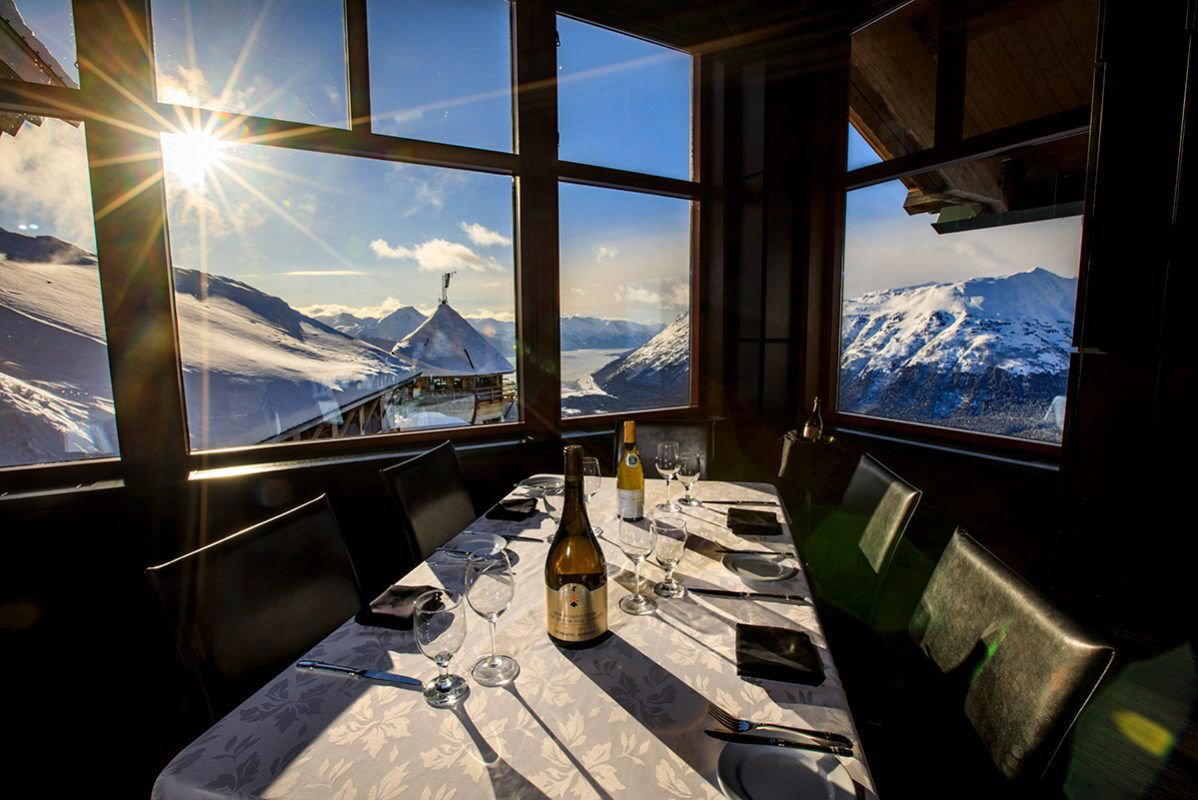
What differentiates Alyeska's physical context from those comparison properties is the severity of the seasonal range. Girdwood receives significant annual snowfall, and the resort's terrain spans from beginner slopes to runs that drop considerable vertical. Summer brings a different set of conditions: the tram that accesses upper mountain terrain operates for sightseeing as well as skiing, giving the property year-round operational logic rather than forcing it to justify its scale against a four-month ski season.
Situating Alyeska in Alaska's Lodging Hierarchy
Alaska's premium lodging market splits into roughly two types. The first is the remote wilderness lodge model, represented locally by properties like Eleven Winterlake Lodge and Tutka Bay Lodge - Within the Wild. These properties are deliberately inaccessible by road, operate at low guest capacity, and organize their entire offering around the surrounding environment. The trade-off is that guests accept real logistical constraints in exchange for genuine remoteness.
The second type is the full-service destination resort with road access, which is where Alyeska operates. Hotel Captain Cook in Anchorage proper represents the urban anchor of this market, a city hotel that serves business and leisure travelers passing through rather than guests seeking landscape immersion. Alyeska occupies the middle position: accessible by road, operating at resort scale, but genuinely embedded in mountain terrain rather than urban infrastructure.
For travelers calibrating where Alyeska fits against US resort properties more broadly, the relevant comparison set includes properties like Post Ranch Inn in Big Sur or Ambiente, A Landscape Hotel in Sedona, where the physical setting provides the primary experiential argument. The difference is that those properties operate in relatively temperate climates year-round. Alyeska manages a genuine seasonal range, from deep winter ski operations to summer hiking and tram access, which gives the resort's programming calendar a different kind of complexity.
Guests drawn to the resort-within-wilderness model at other North American properties, including Amangiri in Canyon Point or Canyon Ranch Tucson in Tucson, will recognize the underlying logic at Alyeska: place the guest in a landscape that would be inaccessible without substantial infrastructure, then make that infrastructure largely invisible. The execution differs by region and by the specific demands of the terrain, but the strategic intent is consistent across this tier of property. For a fuller sense of what Anchorage's lodging market offers, see our full Anchorage restaurants guide, which maps the broader hospitality context of the region.
Planning the Visit
The resort's position on Alyeska's ski mountain means that winter visits are organized around snow conditions rather than fixed calendar dates, with the ski season typically running from late November through April depending on snowpack. Summer operations, centered on the aerial tram and hiking access, generally run from late spring through early fall. Guests should confirm operational status for specific facilities before travel, particularly for shoulder-season visits in May or October when programming transitions.
The Seward Highway drive from Anchorage is manageable in summer and requires more caution in winter, when ice and reduced daylight affect travel times. Most guests flying into Ted Stevens Anchorage International Airport rent vehicles for the drive to Girdwood, as scheduled shuttle services operate on limited frequencies. Properties like Kona Village, A Rosewood Resort in Kailua Kona or Little Palm Island Resort & Spa in Little Torch Key have made managed transportation central to their arrival experience; Alyeska's road access is a genuine practical advantage over Alaska's remote lodge tier, but it still requires active planning by the guest rather than a handled transfer.
| Venue | Cuisine | Price | Awards |
|---|---|---|---|
| Alyeska ResortThis venue (the venue you are viewing) | This venue | $300–500 | Not listed |
| Eleven Winterlake Lodge | Not listed | Not listed | Virtuoso Luxury Hotel Partner |
| Hotel Captain Cook | Not listed | Not listed | Preferred Hotels L.V.X. Collection |
| Tutka Bay Lodge - Within the Wild | Not listed | $2,500+ | Virtuoso Luxury Hotel Partner |
Continue exploring
More in Anchorage
Bars in Anchorage
All bars in Anchorage →
Details
- Scenic
- Cozy
- Elegant
- Classic
- Family Vacation
- Weekend Escape
- Wellness Retreat
- Ski In Ski Out
- Destination Spa
- Panoramic View
- Pool
- Spa
- Fitness Center
- Restaurant
- Concierge
- Mountain
- Elevator
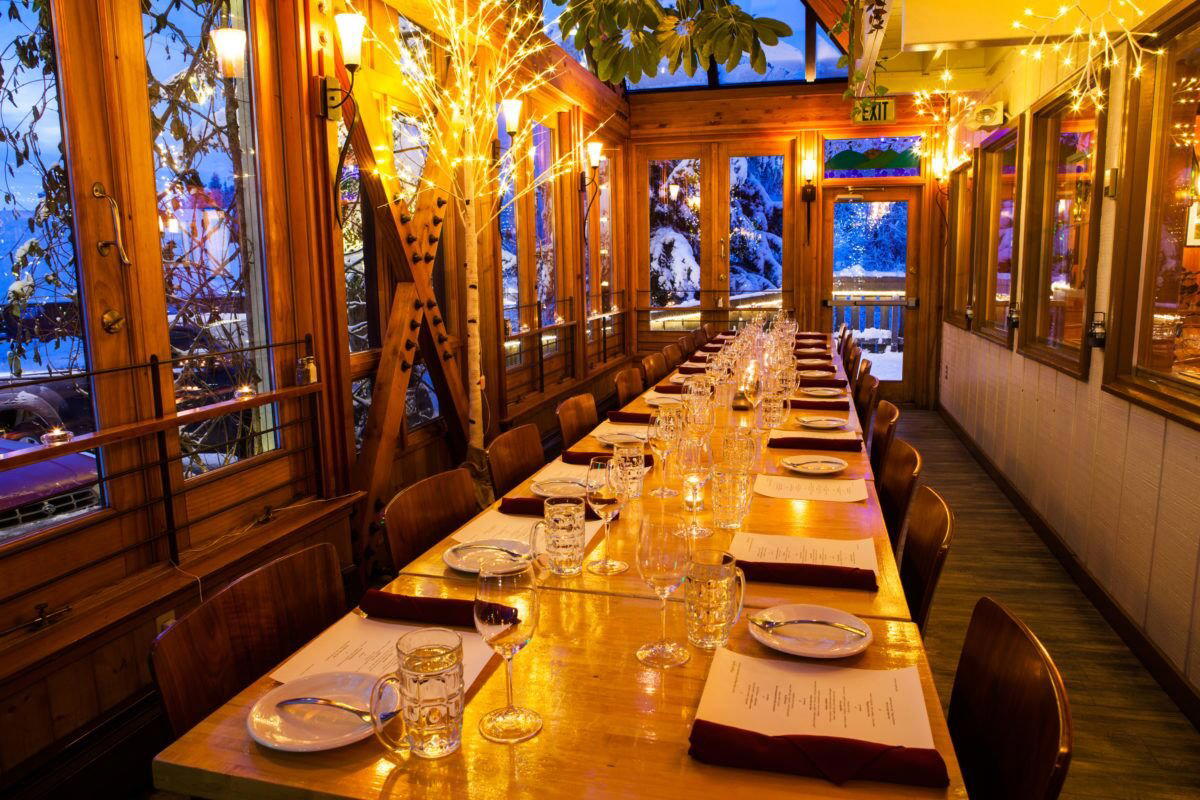
Warm chateau-style lodge with dark polished wood, roaring fireplaces, and Native Alaskan artwork throughout, creating a cozy yet sophisticated mountain retreat atmosphere.