Tordrillo Mountains
The Tordrillo Mountains rise from Alaska's Kenai Peninsula Borough into one of North America's most demanding wilderness environments, where heli-ski operations and remote lodge experiences define the visitor proposition. Access is by air, seasons are compressed, and the experience tier sits at the premium end of adventure travel. For context on the broader region, see our full Kenai Peninsula Borough guide.
Pearl is the En Primeur Club membership app — saves, bookings, and concierge access live there. Same editors, same standards.
- Address
- Alaska 99682
- Directions
- Get directions
 Saves & bookings on Pearl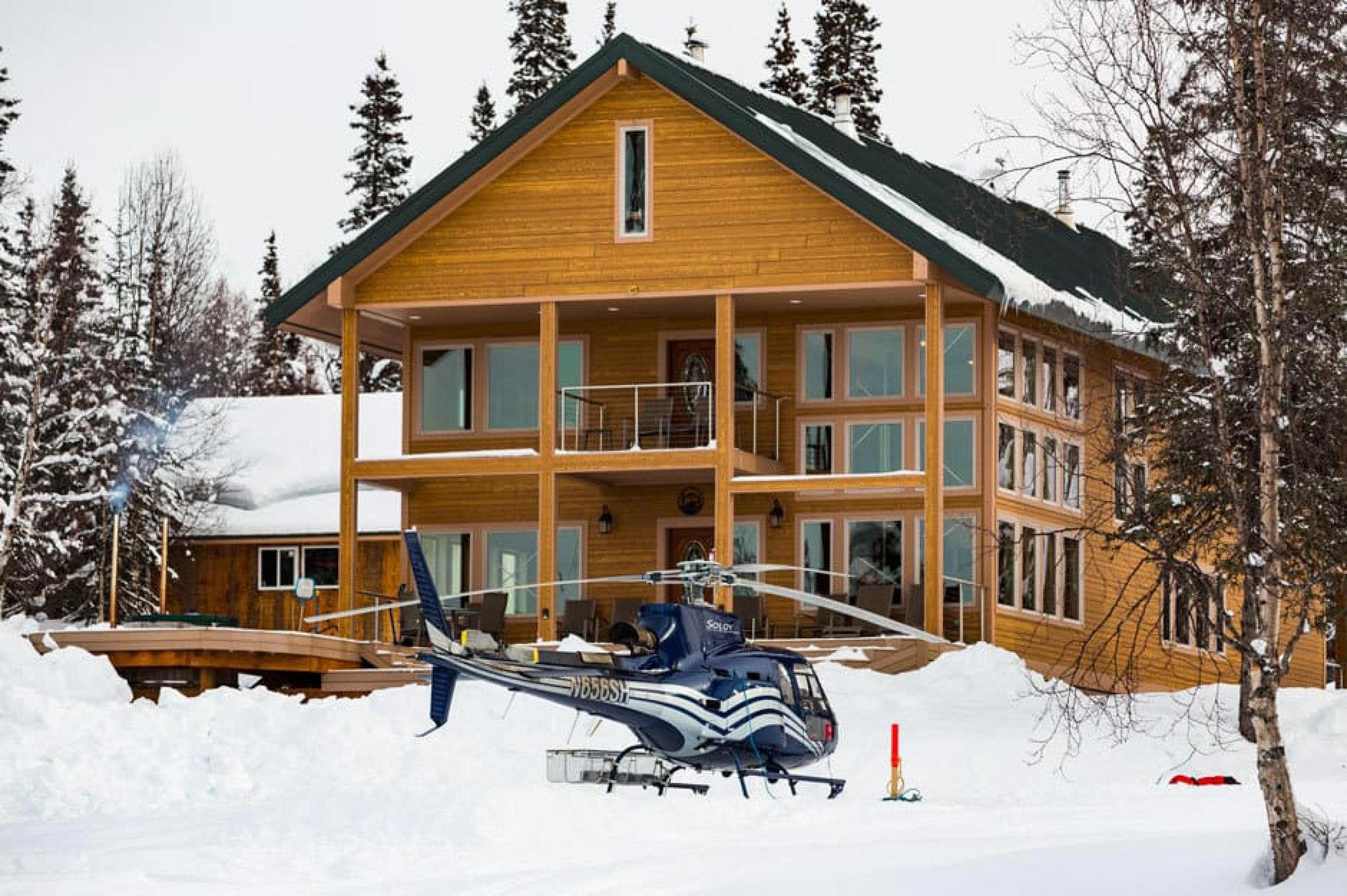
Where the Alaska Range Meets the Limits of Infrastructure
The Tordrillo Mountains occupy the western edge of the Alaska Range, a chain of peaks that separates the Kenai Peninsula Borough from the interior and remains genuinely difficult to reach for most of the year. The range itself sits roughly 100 miles west of Anchorage, accessible almost exclusively by small aircraft, and the compressed operating window, late winter through early spring for ski operations, summer for fishing and wilderness lodge formats, shapes every decision a visitor makes. This is not a destination where you book a month out, adjust plans mid-trip, or arrive without a detailed logistics framework already in place.
Within the broader context of premium wilderness travel in the American West and Pacific Northwest, the Tordrillos occupy a demanding tier. Properties like Amangani in Jackson Hole or Sage Lodge in Pray offer refined access to mountain environments from established road-connected infrastructure. The Tordrillos do not. The absence of road access is the defining operational fact: every guest, every supply, every piece of equipment arrives and departs by air, which compresses capacity.
The Remote Lodge Format and What It Means for Dining
Remote wilderness lodges operating in terrain like the Tordrillos have developed a particular approach to food and hospitality over the past two decades. The format, now well-established across Alaska and the Yukon, is all-inclusive by necessity rather than marketing convenience: when resupply requires a chartered flight, kitchens plan menus carefully, and the dining programme becomes one of the primary ways a property justifies its rate structure to guests who are paying for both access and comfort.
This model contrasts sharply with the on-demand dining culture at urban properties like Aman New York in New York City or The Fifth Avenue Hotel in New York City, where guests can step outside to a dozen alternative options. In remote Alaska, the lodge kitchen is the only kitchen, which concentrates investment and attention in ways that urban properties rarely need to replicate. Kitchens in this tier tend to draw on Pacific Northwest and Alaska-sourced proteins, salmon, halibut, local game, and frame the dining experience around proximity to the raw material rather than classical technique. The point is not refinement for its own sake but coherence: the food should connect to the place.
Properties operating at a comparable isolation tier, such as Tutka Bay Lodge elsewhere in the Kenai Peninsula Borough, have built culinary reputations specifically around this logic, using local harvests and on-site preparation as the editorial centre of the guest experience. The Tordrillo Mountains context demands the same discipline.
The comparable set: Premium Wilderness Lodges in North America
The competitive reference group for a Tordrillo Mountains operation is not defined by stars or restaurant guides but by access difficulty, guest capacity, and experience category. The closest structural analogues in the American premium lodge market include Blackberry Farm in Walland, which built a farm-to-table culinary identity into an otherwise rural format, and Post Ranch Inn in Big Sur, where the physical environment is the primary product and the dining programme supports rather than competes with it.
Further afield, the logic of place-centred hospitality at scale appears in properties like Amangiri in Canyon Point, where landscape access and architectural restraint define the rate ceiling, or Kona Village, A Rosewood Resort in Kailua Kona, where geographic isolation is treated as an asset. The Tordrillos operate by the same principle: inaccessibility is the product.
At the other end of the spectrum, properties like Canyon Ranch Tucson in Tucson or Little Palm Island Resort & Spa in Little Torch Key demonstrate how controlled access and all-inclusive programming can sustain a premium rate structure even where the physical environment is less extreme. The Tordrillo Mountains format takes that logic to its furthest plausible expression.
Season, Access, and the Planning Framework
Timing a hotel visit requires engaging with Alaska's operational calendar rather than a standard travel planning rhythm. Heli-skiing typically runs from late February through April, when snowpack and daylight align. Summer wilderness and fishing operations generally open in June and close before the shoulder season in September, when weather unpredictability increases and the logistics window narrows. Neither window accommodates last-minute decisions: aircraft scheduling, guide availability, and lodge capacity all require advance coordination, and weather cancellations are routine enough that itinerary flexibility is not optional but structural.
Guests approaching this kind of trip for the first time often reference properties like Alpine Falls Ranch in Superior or Ambiente, A Landscape Hotel in Sedona as entry points into the broader adventure-lodge format. The Tordrillos sit several tiers above those in terms of logistical complexity and required commitment. Anchorage is the staging point for almost all access; flights into the range operate from Anchorage-area airports and strips, and most guests build in at least one buffer night in the city to account for weather holds.
For broader regional context on what the Kenai Peninsula Borough offers beyond the Tordrillos, our full Kenai Peninsula Borough restaurants guide maps the wider hospitality picture across the peninsula, from waterfront dining in Homer to the lodge network along the Kenai River corridor.
How This Experience Fits the Wider Wilderness Lodge Market
Premium wilderness travel in North America has expanded significantly over the past decade, with properties like SingleThread Farm Inn in Healdsburg, Auberge du Soleil in Napa, and Bernardus Lodge & Spa in Carmel Valley demonstrating that culinary programmes can anchor a destination's identity even in remote or rural formats. The Tordrillos belong to a harder-edged version of that trend, where the physical environment imposes constraints that culinary ambition has to work within rather than around.
The properties that have built one durable reputations in this category, whether in Alaska, Montana, or the Canadian Rockies, share a few structural features: low guest counts, high guide-to-guest ratios, and dining programmes that treat local sourcing as a operational necessity rather than a marketing category. Where properties like Troutbeck in Amenia or Raffles Boston in Boston deploy culinary identity as a brand differentiator within competitive urban or semi-rural markets, the hotel operations rely on the environment itself as the primary differentiator, with food and hospitality as the quality signal within that frame.
Practical Planning Notes
Access to the hotel range is almost entirely by small aircraft from Anchorage. Guests should treat the Anchorage staging window as part of the trip rather than a transit formality and allocate at least one additional night to absorb weather delays. The operating season splits sharply between winter (heli-ski, typically February through April) and summer (fishing and wilderness, June through August), with limited operations outside those windows. All-inclusive pricing is standard for lodge operations in this format, covering accommodation, guiding, and meals. Independent planning without a specialist operator or direct lodge contact is not advisable given the logistics involved.
Booking and Cost Snapshot
Comparable venues nearby, for context on price, style, and recognition.
| Venue | Price | Awards | Notes |
|---|---|---|---|
| Tordrillo MountainsThis venue — the venue you are viewing | $$$$ | 5-Star | Not listed |
| Eleven Winterlake Lodge | $$$$ | 5-Star | Skwentna, rustic wilderness cabins handcrafted on historic site |
| Tutka Bay Lodge - Within the Wild | $$$$ | 4-Star | Kachemak Bay, Rustic luxury wilderness lodge with traditional Alaskan spruce construction, combining remote backcountry authenticity with high-end hospitality and contemporary wellness amenities. |
| Winterlake Lodge | $$$$ | 5-Star | Skwentna, Historic Alaskan hunting lodge reimagined as a luxury wilderness retreat with hand-crafted rustic cabins and refined amenities. |
| Hotel Captain Cook | $$$ | 4-Star | Downtown Anchorage, Historic luxury with modern updates |
| Iniakuk Lake Wilderness Lodge | $$$$ | 5-Star | Brooks Range, hand-built wilderness lodge |
At a Glance
- Scenic
- Rustic
- Elegant
- Cozy
- Family Vacation
- Romantic Getaway
- Group Retreat
- Panoramic View
- Waterfront
- Private Dining
- Destination Spa
- Wi Fi
- Spa
- Sauna
- Hot Tub
- Fitness Center
- Mountain
- Waterfront
- Wi Fi
- Spa
- Sauna
- Hot Tub
- Fitness Center
Warm and inviting with fireplaces, leather furnishings, and expansive windows framing mountain and lake views; cozy post-adventure atmosphere with spa facilities.