
World Travel Awards
Named Namibia's Leading Boutique Hotel at the 2025 World Travel Awards, The Windhoek occupies a corner address in the Namibian capital at the junction of Hebenstreit and Joseph Wood Streets. The property sits within the city's boutique accommodation tier, where design sensibility and scale are the primary differentiators from the larger international-chain alternatives that dominate central Windhoek.

Pearl is the En Primeur Club membership app — saves, bookings, and concierge access live there. Same editors, same standards.
- Address
- Corner of Hebenstreit Street and, 10012, Joseph Wood Street, Windhoek, Namibia
- Phone
- +264 83 253 5020
- Website
- thewindhoek.com
- Directions
- Get directions
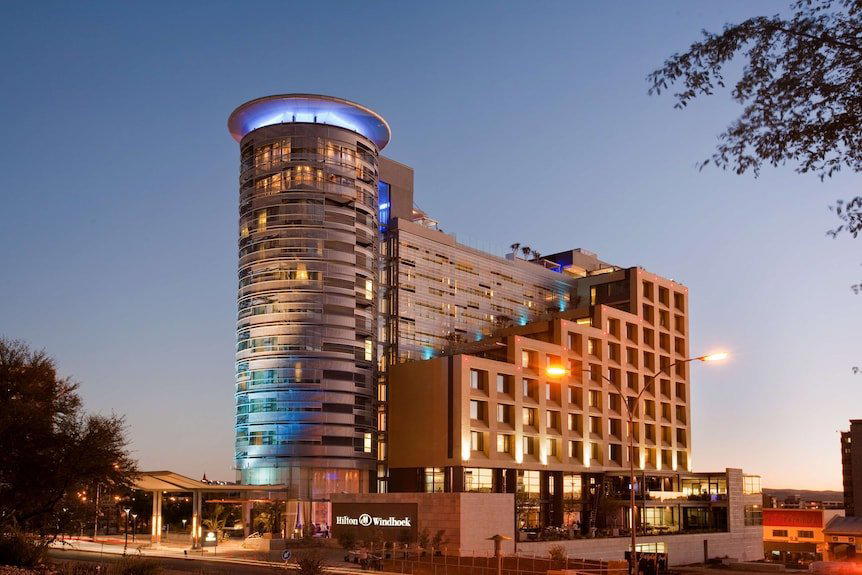
Boutique Hotels and the Windhoek Question
Windhoek's accommodation market has long been split between two poles: large business-oriented hotels serving the capital's diplomatic and corporate traffic, and smaller guesthouses that lean on personal service and architectural character to justify their positioning. The gap between these two tiers has narrowed in recent years as the boutique category in sub-Saharan African capitals has grown more sophisticated, with properties that use local materiality, restrained scale, and considered design to compete against the international chains rather than simply undersell them. Zannier Omaanda, operating in the bush fringe outside the city, represents one approach to that positioning. The Windhoek, sitting at the corner of Hebenstreit and Joseph Wood Streets in the urban fabric of the capital itself, represents another.
The 2025 World Travel Awards named The Windhoek as Namibia's Leading Boutique Hotel, a designation that places it at the head of a competitive set that includes properties across the entire country, not just the capital. That context matters: Namibia's premium lodging sector is heavily weighted toward safari and wilderness experiences, which means a city-based boutique hotel claiming the leading boutique designation is making a different architectural and hospitality argument than the bush camps and desert lodges that dominate the country's travel identity. For a Windhoek property to take that award against competition from remote luxury camps such as Wilderness Hoanib Skeleton Coast Camp or the dramatic desert settings that house properties like Zannier Sonop, the design and experience proposition has to hold at a different register entirely.
Architecture as Argument
In the boutique hotel category across Southern Africa, the design approach has increasingly split between two schools. The first uses vernacular materials and landscape-responsive forms to dissolve the building into its setting, a model that works powerfully in the Namibian desert and savanna, as properties like andBeyond Sossusvlei Desert Lodge demonstrate. The second uses the urban setting as a design canvas in its own right, building a dialogue with the city's colonial-era architecture, its German-influenced streetscapes, and the particular quality of Windhoek's high-altitude light. A corner address at the intersection of Hebenstreit and Joseph Wood Streets places The Windhoek squarely in that second conversation, where the physical envelope of the building and its relationship to the street are doing active design work.
Windhoek retains more of its late nineteenth and early twentieth century German colonial architectural fabric than most Southern African capitals. The city's hillside topography and the concentration of Wilhelmine-era buildings in the central neighbourhoods create a visual context that is specific to this city, and which boutique properties in the area either engage with or ignore at their own risk. The urban boutique hotels that perform leading in comparable African capital contexts, from Nairobi to Cape Town, tend to be those that read their immediate block and street rather than importing an aesthetic wholesale from somewhere else. How The Windhoek handles that dialogue is, in effect, its core architectural brief.
For those comparing smaller-scale luxury across different parts of Namibia, the contrast with rural properties is instructive. Epako Safari Lodge and Spa in the Omaruru district or Gmundner Lodge in the Dordabis District draw on farm architecture and open landscape to define their character. Sandfontein Lodge uses the Namib's extreme environment as its primary design material. A city boutique hotel has none of those affordances, and the design has to work harder with a smaller spatial palette: the proportions of the rooms, the handling of light and shade, the quality of materials in the interiors, and the transition between public and private space all carry weight that the landscape would absorb on a wilderness property.
At the international level, the relationship between boutique scale and design seriousness is well established. Properties like Castello di Reschio in Umbria or Hotel Esencia in Tulum have shown that limited keys combined with architectural intentionality produces a guest experience that larger properties cannot replicate regardless of investment. The Windhoek operates within that same logic at a Windhoek scale and price point, which is necessarily different from those comparators but reflects the same underlying argument about why size and design care tend to correlate in the boutique tier.
Where It Sits in the Windhoek Picture
For travellers using Windhoek as a gateway rather than a destination, the city offers relatively few hotel nights in the boutique tier. Most visitors pass through en route to Etosha, the Namib, or the Skeleton Coast, and the accommodation choice in the capital is often made on proximity to Hosea Kutako International Airport and convenience rather than design merit. The Windhoek's corner address in the central city positions it for a different kind of stay: one where Windhoek itself is worth a full day or two of attention, where the city's architecture, its restaurants, and its specific character as a Southern African capital with a layered colonial and post-independence identity repay engagement. Our full Windhoek restaurants guide covers where that engagement extends to the table.
The Atlantic Villa Boutique Guesthouse in Swakopmund offers a useful point of comparison for those travelling the B2 corridor between Windhoek and the coast. Swakopmund's boutique properties operate in a different architectural register, drawing on that city's dense German colonial streetscape. Windhoek's boutique tier is smaller and less internationally visible, which makes a verified national award carry more evidential weight than it might in a more crowded market. Shipwreck Lodge on the Skeleton Coast operates in a completely different category, but its international profile illustrates how Namibia's hospitality reputation has been built primarily on wilderness experiences. A city boutique hotel earning a national award in that context is staking a claim that the capital deserves more serious attention as a place to stay rather than merely transit.
Planning Your Stay
The Windhoek is located at the corner of Hebenstreit Street and Joseph Wood Street in central Windhoek, an address that puts the main commercial and cultural areas of the city within walking distance. Hosea Kutako International Airport is approximately 45 kilometres east of the city centre, with taxis and airport transfers being the standard mode of arrival. Given the property's World Travel Awards standing, rooms should be booked well in advance, particularly during the southern hemisphere winter months of June through August when Namibia's safari season peaks and Windhoek sees its highest visitor volumes. Direct booking through the property is advisable; specific rates and room type availability should be confirmed at time of reservation as price data was not available at the time of writing.
How It Stacks Up
Comparable venues nearby, for context on price, style, and recognition.
| Venue | Cuisine | Price | Awards | Notes |
|---|---|---|---|---|
| The WindhoekThis venue — the venue you are viewing | Luxurious guesthouse with designer suites | $100–200 | World Travel Awards | Not listed |
| Our Habitas Namibia | Sustainable luxury safari lodge focused on immersion in nature and communal experiences | $500–750 | Michelin Selected · Mr & Mrs Smith Seal of Approval | Farm Coas 501 |
| Zannier Omaanda | Traditional Namibian thatched huts in a private wildlife reserve | Not listed | 2 Michelin Keys · La Liste Top Hotels | Ondekaremba |
| Sandfontein Lodge & Nature Reserve | Luxury eco-lodge in remote wilderness | Not listed | World Travel Awards | Sandfontein |
| Gmundner Lodge | Sustainable luxury safari lodge blending classic exploration charm with modern comfort in unspoiled Namibian wilderness. | $1,500–2,500 | Relais Chateaux Award | Dordabis District |
| Wilderness Hoanib Skeleton Coast Camp | chic luxury tented camp | Not listed | World Travel Awards | Hoanib Valley |
Recognition history
Dated appearances from independent guides and award organizations, with the underlying list record or original source where available.
World Travel Awards
World Travel Awards
Continue exploring
More in Windhoek
Hotels in Windhoek
Browse all →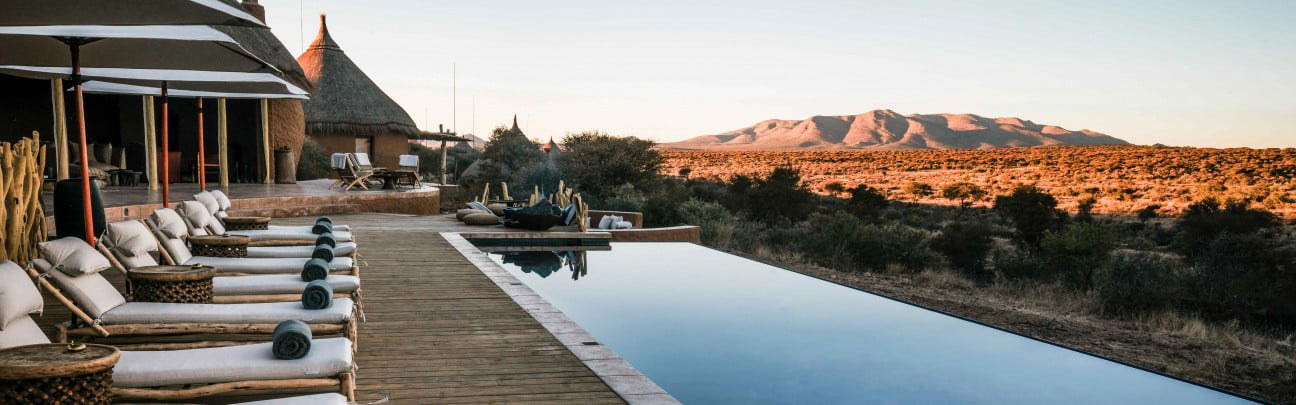
Details
- Elegant
- Quiet
- Scenic
- Romantic Getaway
- Business Trip
- Weekend Escape
- Garden
- Wi Fi
- Pool
- Restaurant
- Bar
- Room Service
- Garden
- Luggage Storage
- Laundry Service
- Garden
- Mountain
- Wheelchair Accessible
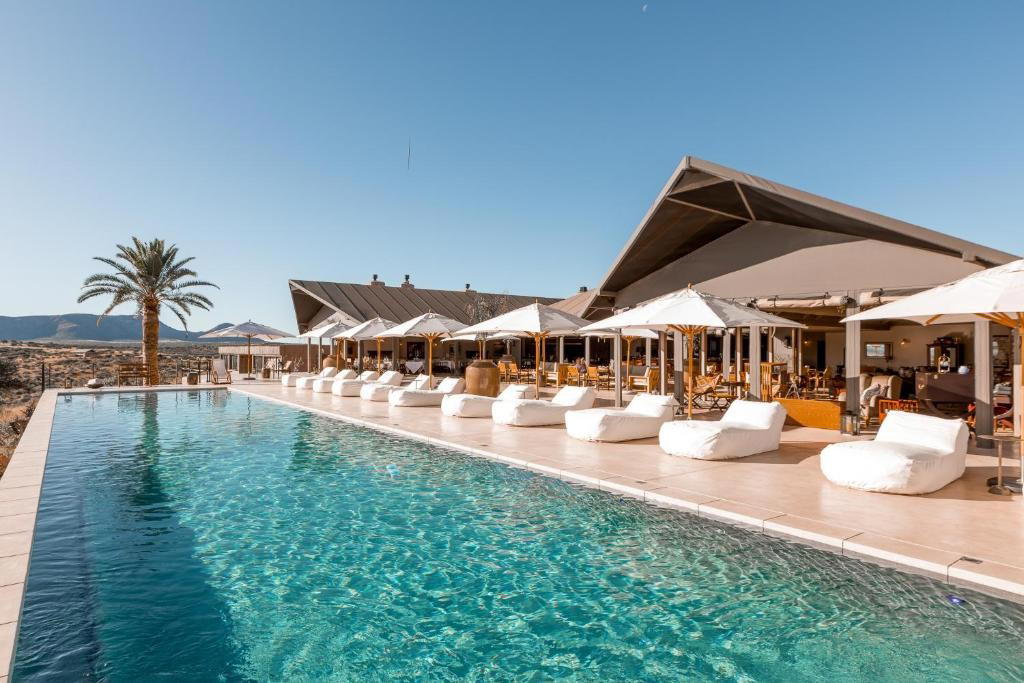
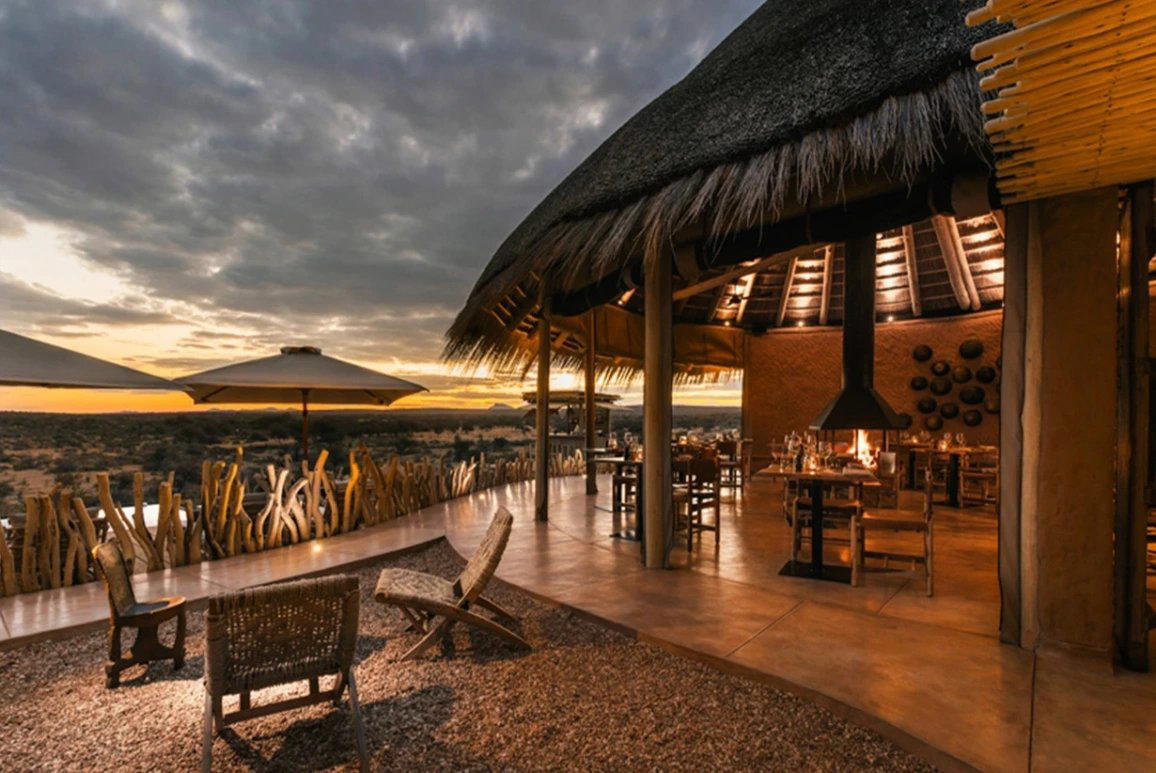
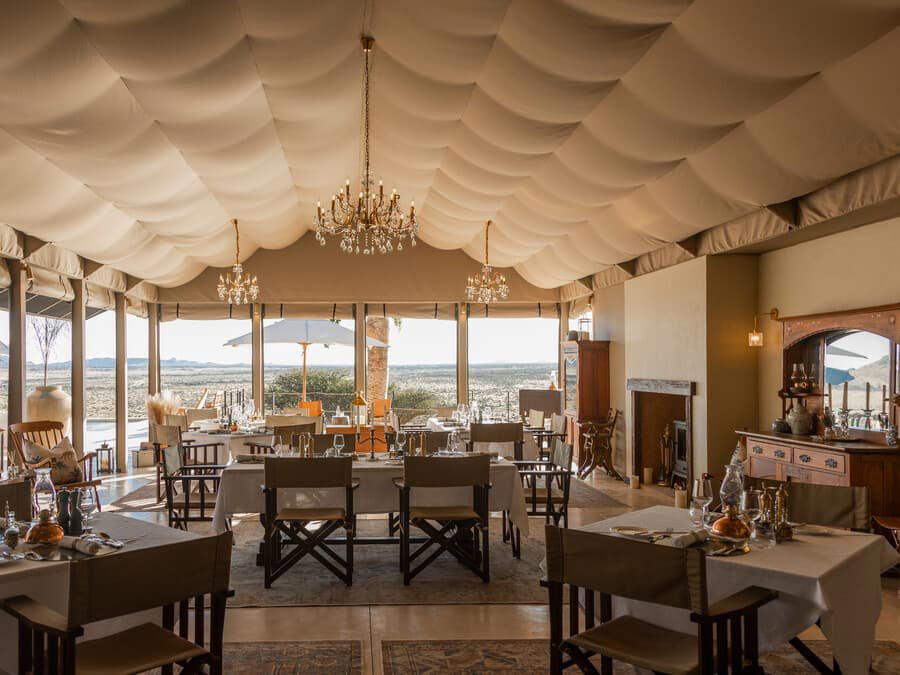
Tranquil atmosphere with beautifully maintained private gardens and wood-decked pool area.