
Relais Chateaux Award
Set within a private game reserve in the Erongo Mountains, Epako Safari Lodge & Spa occupies a landscape defined by red sandstone cliffs and open savannah. Rated 4.7/5 across 84 reviews, it sits in the secluded, design-conscious tier of Namibian wilderness lodging, approximately 287 kilometres from Windhoek's Hosea Kutako International Airport.

Pearl is the En Primeur Club membership app, where members save venues, book tables and use the concierge.
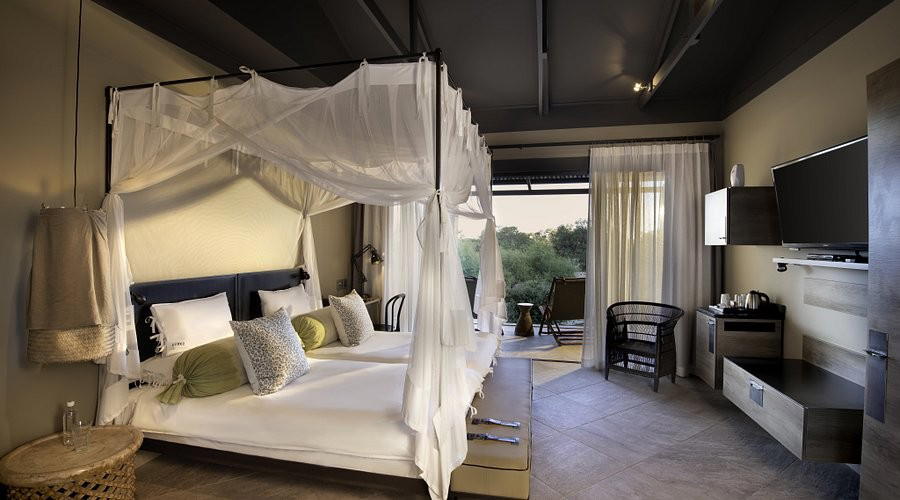
Red Cliffs, Open Savannah, and the Architecture of Isolation
The Erongo Mountains do not ease you in. Driving through the Omaruru district, the terrain shifts from flat scrubland into dramatic red sandstone formations, the kind of geology that looks engineered rather than natural. Epako Safari Lodge & Spa is positioned within this setting, on a private wildlife reserve where the cliffs form both the backdrop and the defining visual logic of the property. This is not incidental placement. In the competitive field of Namibian safari lodging, the relationship between built structure and surrounding geology is one of the clearest differentiators between properties that feel embedded in their environment and those that feel installed on top of it.
Across Namibia's spectrum of lodge accommodation, the market has split between high-volume camps attached to national parks and smaller, privately managed reserves that prioritise seclusion over access volume. Epako sits in the latter category, in the Omaruru district, where the Erongo's ancient granite and sandstone terrain sets a specific architectural challenge: how do you build for guests who are there precisely to feel the absence of urban infrastructure? The answer, at lodges in this tier, tends to involve low-profile structures that defer to the rockface rather than compete with it, materials that age into the environment, and sightlines that keep the reserve in constant view. For a comparison of how different Namibian properties handle this challenge, andBeyond Sossusvlei Desert Lodge in Sesriem offers an instructive contrast, working with dune landscape rather than mountain geology, while Shipwreck Lodge in Möwebaai demonstrates how coastal isolation demands a different structural vocabulary entirely.
The Reserve as the Product
At Epako, the wildlife reserve is not an amenity attached to a hotel building. It is the primary reason the property exists in its current form. The Erongo Mountain region supports a range of savannah species, and the lodge's position within a private reserve means game viewing is not dependent on shared park access or peak-season crowd management. This structure, common among the stronger private lodges in southern Africa, gives the property more control over guest experience pacing than national park-adjacent alternatives can offer.
In Namibia's lodge segment, where the gap between marketing photography and actual experience can be considerable, sustained ratings at that level carry informational weight. The Gmundner Lodge in Dordabis District and Sandfontein Lodge & Nature Reserve in Sandfontein occupy comparable niches in Namibia's private reserve category, each working with distinct regional terrain. Epako's Erongo setting, with its red cliff drama, gives it a visual distinctiveness that neither the Dordabis flatlands nor the Sandfontein riverine environment can replicate.
Access and the Logic of Distance
The 287-kilometre transfer from Windhoek's Hosea Kutako International Airport frames the arrival experience before the lodge itself comes into view. That distance, typical for Namibia's more remote properties, filters the guest profile toward travellers who understand that isolation is part of the proposition. Properties in this access tier often offer fly-in options as well as self-drive, and the GPS coordinates (-21.2258, 16.0021) place the lodge in the broader Omaruru district, where tarred roads eventually give way to gravel tracks as the terrain shifts toward the mountains. First-time visitors to Namibia planning broader itineraries will find context in our full Omaruru district guide, which maps the region's lodge options against terrain type and access logistics.
For those combining Epako with wider Namibian travel, the lodge sits at a useful mid-point between Windhoek and the northern reaches covered by properties like Wilderness Hoanib Skeleton Coast Camp in Hoanib Valley. A Namibia itinerary that sequences Erongo mountain terrain with Skeleton Coast or Sossusvlei dune landscape moves through genuinely distinct geological zones, which is the structural logic behind how most serious Namibia trips are built.
Where Epako Sits in the Wider Lodge Hierarchy
Southern Africa's lodge market has consolidated around a recognisable premium tier occupied by international brand-backed properties, a mid-tier of independent lodges with strong regional reputations, and a lower tier of budget camps. Epako operates as a contemporary secluded lodge with spa facilities, which places it above the functional camp category without necessarily competing in the same bracket as the most capitalised international operators. The inclusion of spa provision at this location type signals an intention to serve guests who want bush immersion alongside recovery infrastructure, a growing expectation in the safari segment as the demographic has shifted toward longer-stay, wellness-adjacent travel patterns.
Internationally, the design logic of lodges that work with dramatic natural formations has become a reference point across multiple markets. Amangiri in Canyon Point is the most discussed example in this mode, where the built environment defers structurally to canyon geology. Zannier Sonop in the Namib Desert applies a comparable principle within Namibia itself, using the boulder-strewn landscape as the design brief rather than a backdrop. Epako's red cliff setting invites a similar reading, though the Erongo's forested mountain slopes and waterhole-fed wildlife system give it a different ecological texture than the open desert properties.
Planning a Stay
Bookings for Epako are leading initiated well in advance, particularly for the dry season months between May and October, when wildlife visibility peaks and Namibia's lodge occupancy runs highest. Travellers building a Namibia circuit should treat the lodge as a multi-night base rather than a single-night stop, given the transfer distances involved. The spa provision suggests the property is designed for guests who will spend time within the reserve rather than treating it as a transit node.
For urban accommodation before or after the bush leg, The Windhoek in Windhoek serves as a logical city anchor, while coastal decompression options like Atlantic Villa Boutique Guesthouse in Swakopmund offer a different kind of post-safari landing point along the Skeleton Coast corridor.
A Quick Peer Check
Comparable venues nearby, for context on price, style, and recognition.
| Venue | Cuisine | Price | Awards | Notes |
|---|---|---|---|---|
| Epako Safari Lodge & SpaThis venue (the venue you are viewing) | Contemporary African chic safari lodge | $500–750 | Relais Chateaux Award | Not listed |
| Our Habitas Namibia | Sustainable luxury safari lodge focused on immersion in nature and communal experiences | $500–750 | Michelin Selected · Mr & Mrs Smith Seal of Approval | Farm Coas 501 |
| Gmundner Lodge | Sustainable luxury safari lodge blending classic exploration charm with modern comfort in unspoiled Namibian wilderness. | $1,500–2,500 | Relais Chateaux Award | Dordabis District |
| Wilderness Hoanib Skeleton Coast Camp | chic luxury tented camp | Not listed | World Travel Awards | Hoanib Valley |
| Sandfontein Lodge & Nature Reserve | Luxury eco-lodge in remote wilderness | Not listed | World Travel Awards | Sandfontein |
| Wilderness Little Kulala | Luxury desert eco-lodge in private reserve | Not listed | World Travel Awards | Sesriem |
Recognition history
Dated appearances from independent guides and award organizations, with the underlying list record or original source where available.
Relais Chateaux Award
Relais Chateaux
Full recognition history (2 entries)
Relais Chateaux Award
Relais Chateaux

Continue exploring
More in Omaruru
Restaurants in Omaruru
All restaurants in Omaruru →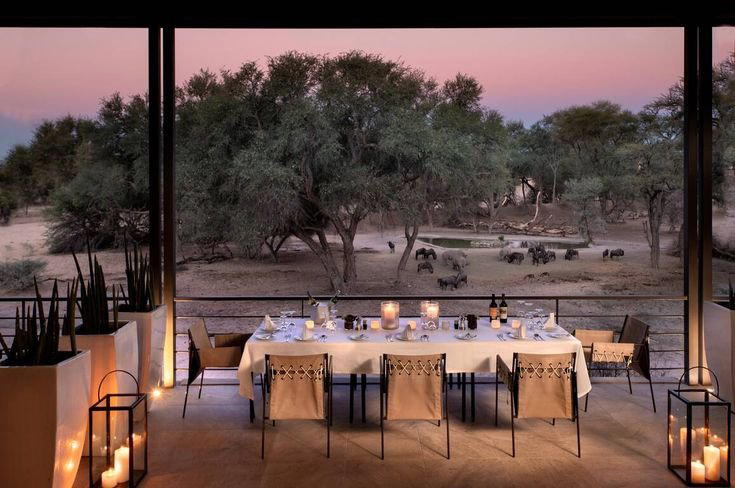
Details
- Scenic
- Elegant
- Rustic
- Intimate
- Sophisticated
- Romantic Getaway
- Honeymoon
- Wellness Retreat
- Weekend Escape
- Panoramic View
- Private Villa
- Destination Spa
- Pool
- Spa
- Wi Fi
- Restaurant
- Bar
- Laundry Service
- Room Service
- Concierge
- Garden
- Mountain
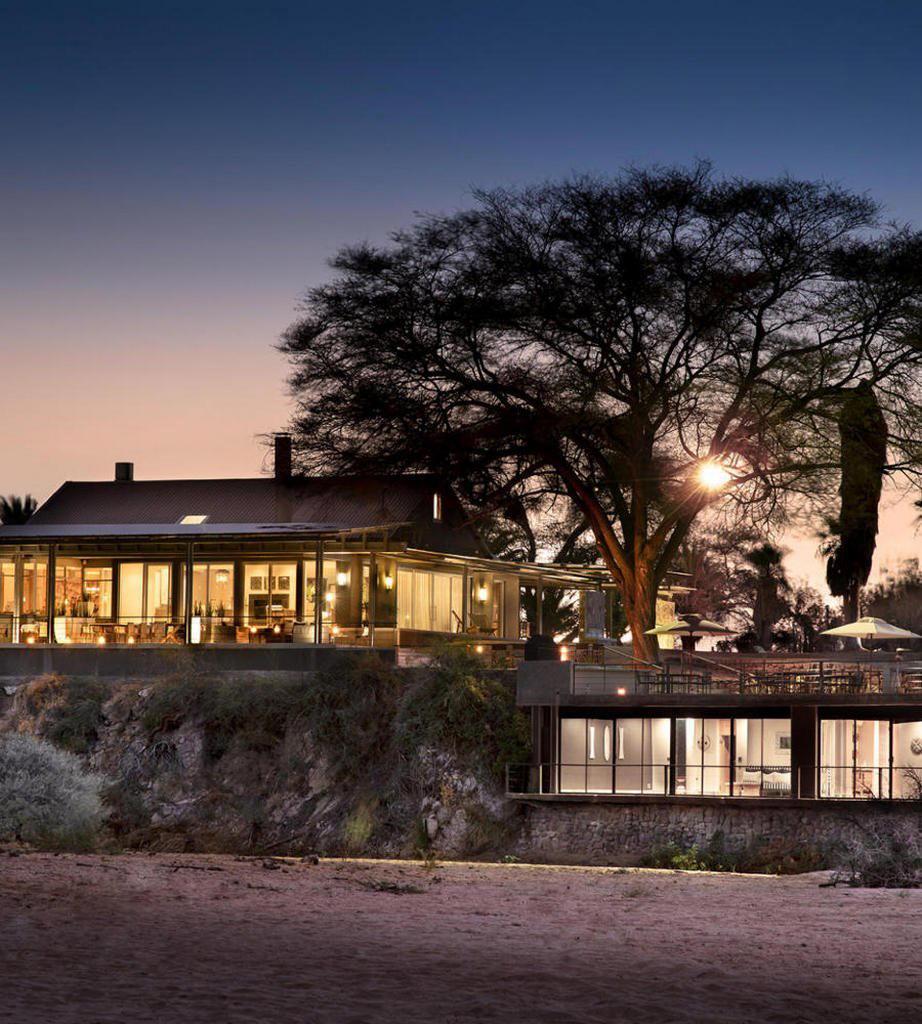
Stylish sophistication with warm lighting in spacious lounge and terrace areas overlooking the bush and waterhole, fostering a peaceful, nature-immersed atmosphere.