The Westin St. Francis San Francisco on Union Square
One of San Francisco's most enduring addresses, the Westin St. Francis has anchored Union Square since 1904, surviving earthquakes and reinventions to remain a reference point for the city's grand hotel tradition. Its Powell Street position places it at the intersection of cable car routes, luxury retail, and the Financial District, making it a practical as well as historically grounded choice for visitors who want the city's center as their base.

Pearl is the En Primeur Club membership app — saves, bookings, and concierge access live there. Same editors, same standards.
- Address
- 335 Powell St, San Francisco, CA 94102
- Phone
- (415) 397-7000
- Website
- marriott.com
- Directions
- Get directions
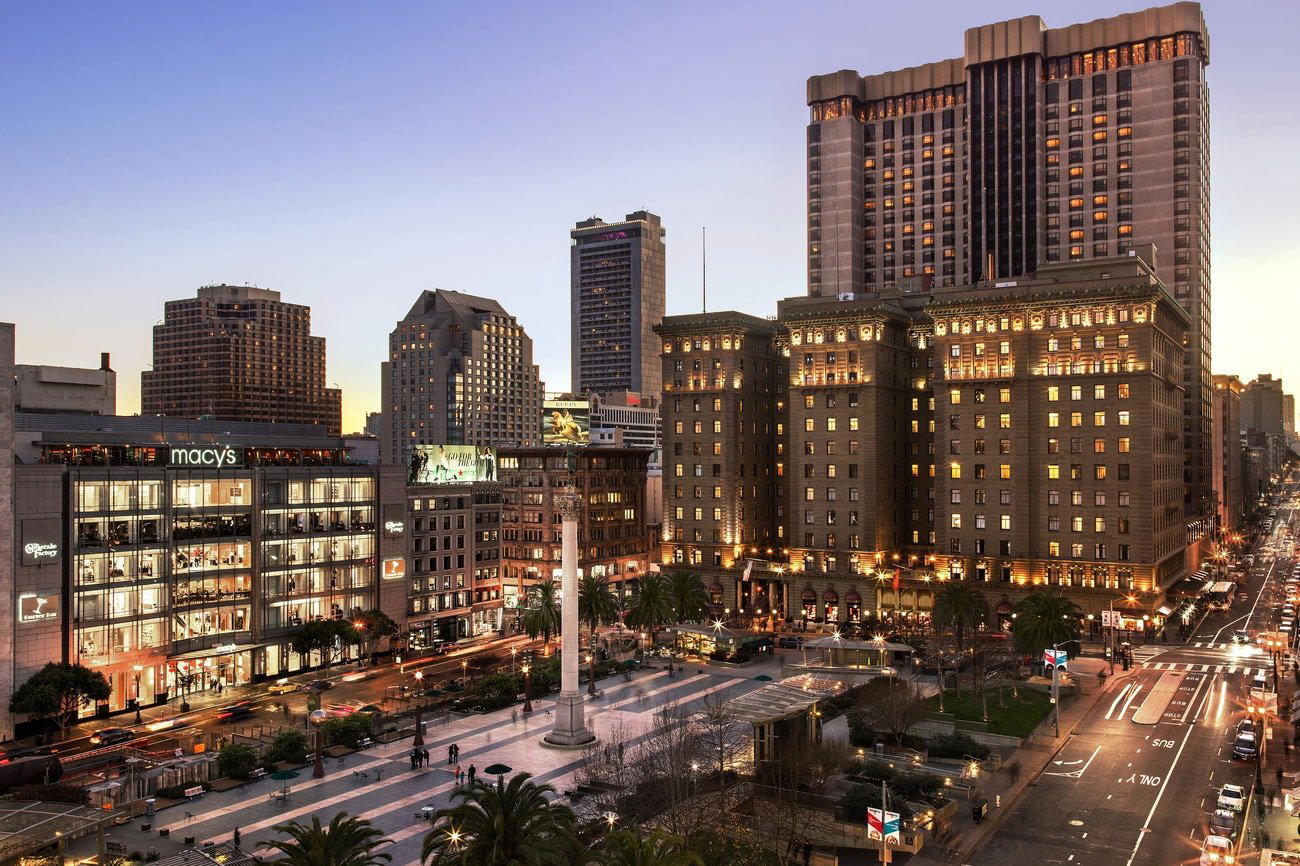
A Union Square Anchor in a City That Keeps Moving
San Francisco's hotel market has fragmented sharply over the past decade. Design-led independents like The Battery and neighborhood-rooted properties like Hotel Drisco in Pacific Heights have carved out distinct identities, while internationally branded flagships hold the center of the market by sheer scale and institutional memory. The Westin St. Francis San Francisco on Union Square belongs to that second category, and has done so longer than almost any other hotel still operating in the city.
The original structure at 335 Powell Street opened in 1904, predating the earthquake that reshaped San Francisco the following year. Its survival and rapid reconstruction placed it at the symbolic center of the city's recovery, a position that has defined its civic weight ever since. For visitors calibrating between storied grand-hotel tradition and contemporary alternatives, that historical grounding is the starting point for any honest assessment.
What the Location Actually Means
Union Square is not a quiet quarter. Powell Street runs with cable car traffic, retail foot traffic from the surrounding blocks, and a density of mid-market and luxury hotels that makes it one of the most competitive micro-markets in American hospitality. For the Westin St. Francis, that positioning is a double-edged condition: the address delivers walkable access to the Financial District, the theater district, and BART connections at Powell Station, but it also means noise, crowds, and the general friction of a major urban transit hub at your front door.
Travelers who want San Francisco as a backdrop rather than an environment tend to gravitate toward quieter addresses. Those who want the city's commercial and cultural center within immediate reach will find few addresses more centrally positioned. The cable car line on Powell Street connects directly to Fisherman's Wharf, a logistics point worth factoring into any itinerary that extends beyond Union Square.
For comparison, Four Seasons Hotel San Francisco at Embarcadero and the Four Seasons Hotel San Francisco offer alternative positioning within the premium tier, with Embarcadero placing guests closer to the waterfront and the Transbay Transit Center. The choice between these addresses ultimately depends on which part of the city a visitor intends to use as their primary theater of movement.
The Tower Addition and the Scale Question
The hotel's current configuration pairs the original Beaux-Arts building with a modern tower addition completed in 1972. That split creates a meaningful choice at booking. The original building carries the architectural weight of the property: higher ceilings, larger floor plates in many room categories, and the immediate proximity to the lobby and its public spaces. The tower offers higher floors with city views across Union Square and, depending on the floor, sightlines toward the bay. Neither building is categorically superior; the decision hinges on whether a guest prioritizes architectural character or elevation.
At a property of this scale, room category and floor matter more than at smaller hotels. The general principle at large urban flagships is that the spread between a standard room and a suite-tier room is wide enough to constitute a substantially different experience. Mid-tier bookings at properties in this category rarely represent the property at its strongest.
Sustainability Practices at a Historic Scale
One of the more demanding tests for sustainability in hospitality is applying it to a century-old urban flagship rather than a purpose-built resort. Properties like 1 Hotel San Francisco, designed from the ground up around environmental principles, operate with structural advantages that legacy buildings cannot easily replicate. The Westin St. Francis works within the constraints of a protected historic structure in an energy-intensive urban core.
Marriott International, which operates Westin as a brand, has published group-level sustainability commitments including emissions reduction targets and water conservation programs across its portfolio. Individual properties implement these against the specific conditions of their building stock and local regulatory environment. California's energy and water standards are among the most demanding in the United States, which means San Francisco properties operate within a baseline that is already stricter than most American cities. That regulatory floor shapes what sustainability means in practice here, regardless of brand commitment.
For travelers who weight environmental practices heavily in hotel selection, the more illuminating comparison is not between the Westin St. Francis and a dedicated sustainability property, but between what a historic urban flagship can credibly do within its structural constraints and what it has actually committed to. That is a question worth putting directly to the property before booking.
Travelers for whom sustainability is the primary criterion will find more purpose-built alignment at properties like Post Ranch Inn in Big Sur or SingleThread Farm Inn in Healdsburg, both of which operate sustainability programs as central to their identity rather than as one component of a broader brand platform.
How It Sits in the San Francisco Hotel Tier
The city's premium hotel market currently divides into three recognizable clusters. The large historic flagships, of which the Westin St. Francis and the Fairmont San Francisco are the clearest examples, carry institutional scale and civic history. The international luxury brands, including the Four Seasons properties, offer consistent program depth and newer physical plants. The design-led independents, such as Hotel Adagio, Autograph Collection, operate at smaller scale with more defined aesthetic identities.
The Westin St. Francis competes primarily in the first cluster, where scale, location, and historical association do more work than any single amenity or program. The comparison is less about absolute quality than about what kind of experience a guest is buying.
For travelers extending their California itinerary beyond San Francisco, the editorial context shifts significantly. Auberge du Soleil in Napa represents the Napa Valley end of the premium spectrum, while Four Seasons Hotel Silicon Valley at East Palo Alto serves the Peninsula corridor. Our full San Francisco restaurants guide maps the city's dining options for guests building a complete program around a Union Square base.
Further afield, travelers calibrating American luxury hotel options across regions will find useful reference points in Aman New York in New York City, The Fifth Avenue Hotel in New York City, Hotel Bel-Air in Los Angeles, and Raffles Boston in Boston. For resort-format alternatives within the United States, Amangiri in Canyon Point, Little Palm Island Resort and Spa in Little Torch Key, Kona Village, A Rosewood Resort in Kailua Kona, Canyon Ranch Tucson, Sage Lodge in Pray, and Troutbeck in Amenia each occupy distinct niches. International travelers comparing grand urban flagships across markets will find analogous scale and institutional weight at Badrutt's Palace Hotel in St. Moritz and Aman Venice, while Four Seasons at The Surf Club in Surfside offers a different register of American luxury entirely.
Planning Your Stay
The hotel is located at 335 Powell Street, directly on the Powell Street cable car line, with Powell BART station within a short walk. Booking through the Marriott Bonvoy platform allows points accrual and member rate access. Union Square's peak visitor periods align with major conventions at the Moscone Center and summer tourism season; both compress availability and affect pricing. Travelers with flexibility on dates will find better rate conditions in the shoulder months of October through November and February through March.
Cuisine and Credentials
A quick peer list to put this venue’s basics in context.
| Venue | Price | Awards |
|---|---|---|
| The Westin St. Francis San Francisco on Union SquareThis venue — the venue you are viewing | $300–500 | Not listed |
| Four Seasons Hotel San Francisco at Embarcadero | Not listed | 2 Michelin Keys · La Liste Top Hotels |
| Four Seasons Hotel Silicon Valley at East Palo Alto | $500–750 | Star Wine List · Forbes 4-Star |
| JW Marriott San Francisco Union Square | Not listed | Forbes Recommended · Preferred Hotels Member |
| Palace Hotel, a Luxury Collection Hotel, San Francisco | Not listed | Michelin Selected · Forbes Recommended |
| Taj Campton Place | $300–500 | Michelin Selected · Virtuoso Luxury Hotel Partner |
Continue exploring
More in San Francisco
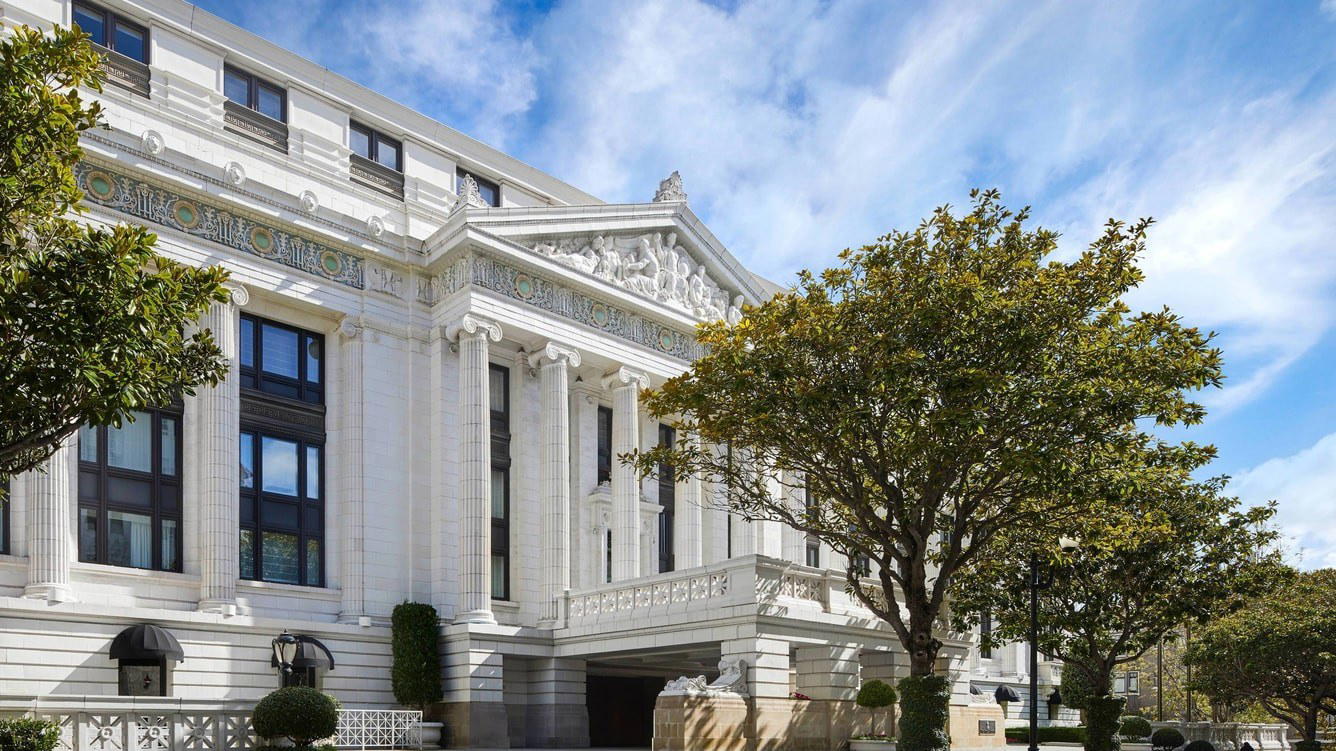
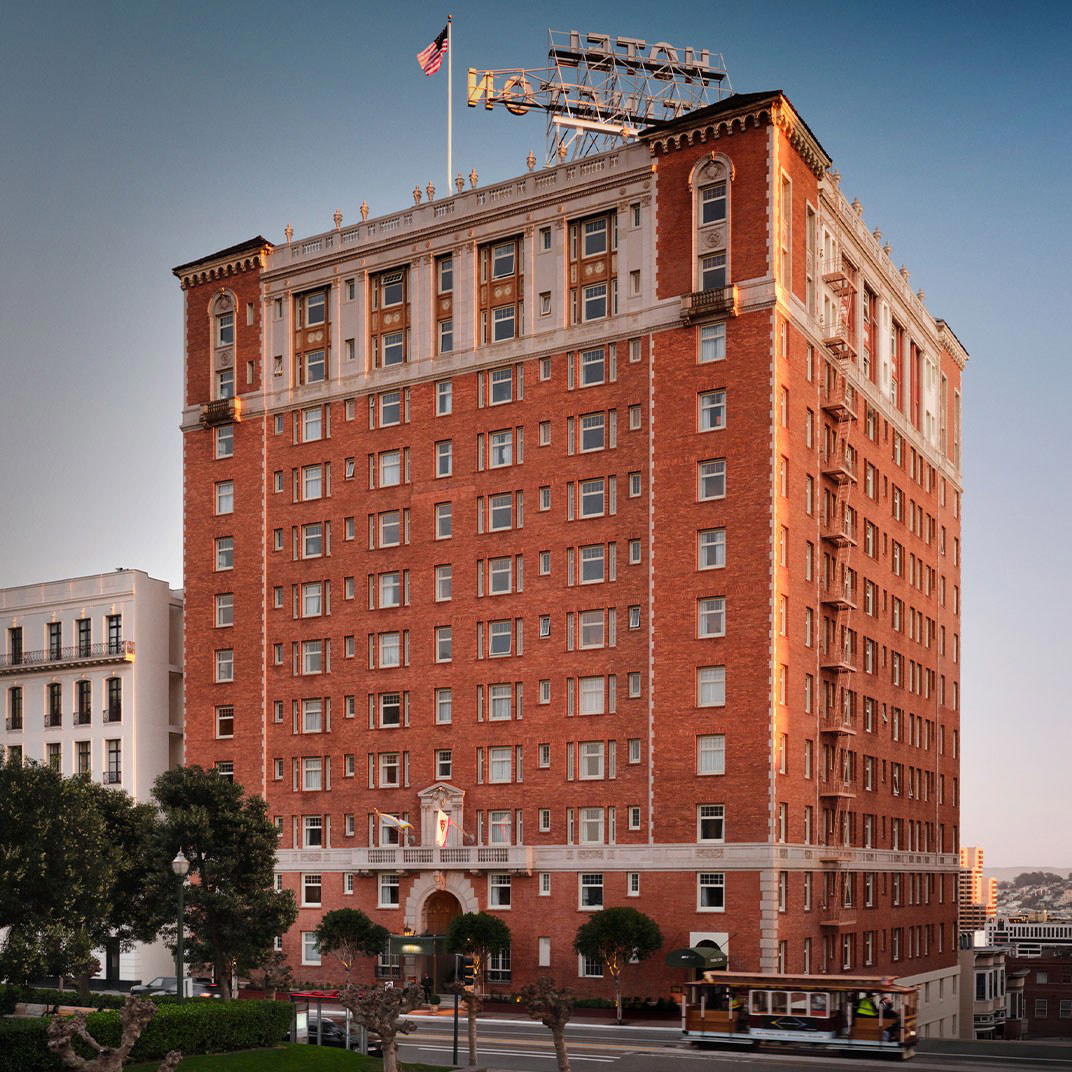
Hotels in San Francisco
Browse all →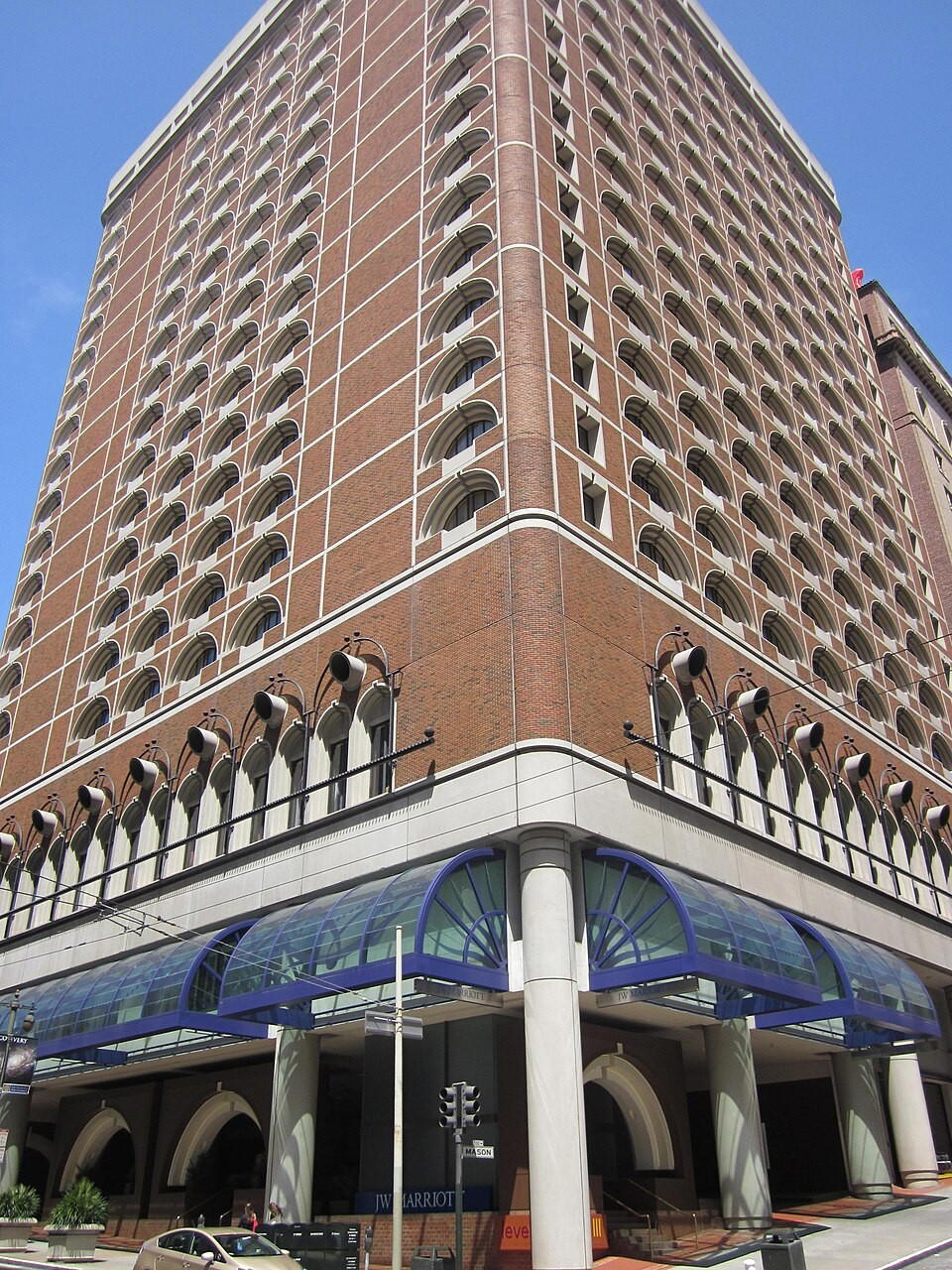
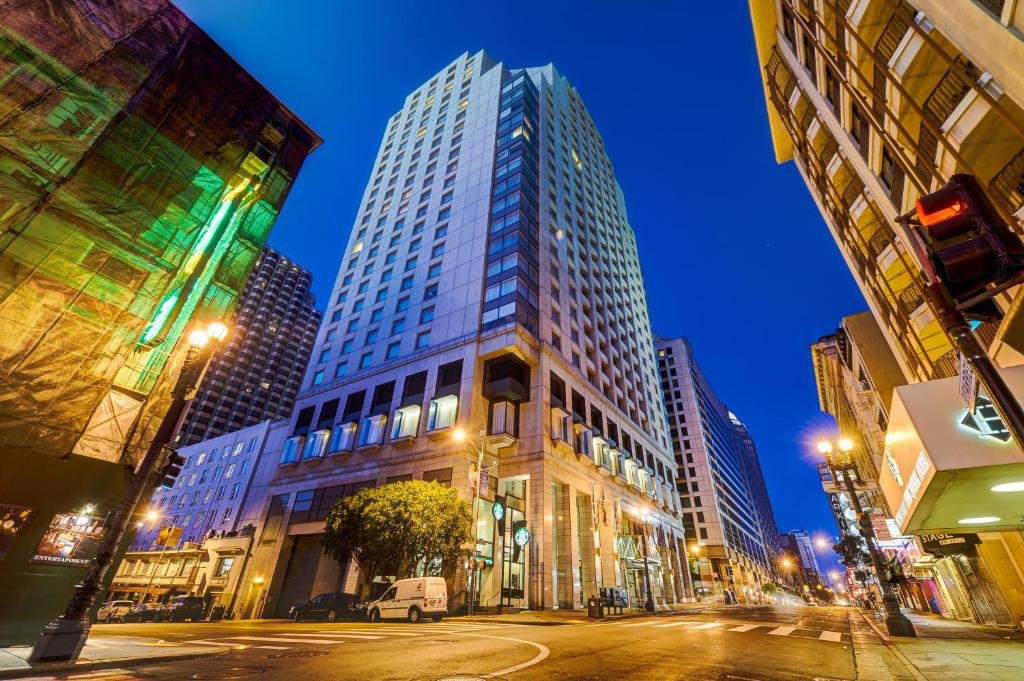
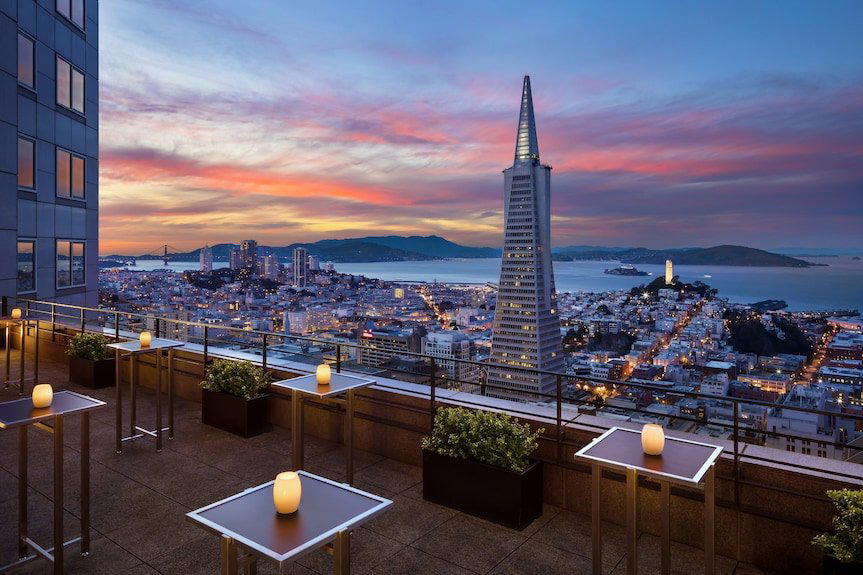
Bars in San Francisco
Browse all →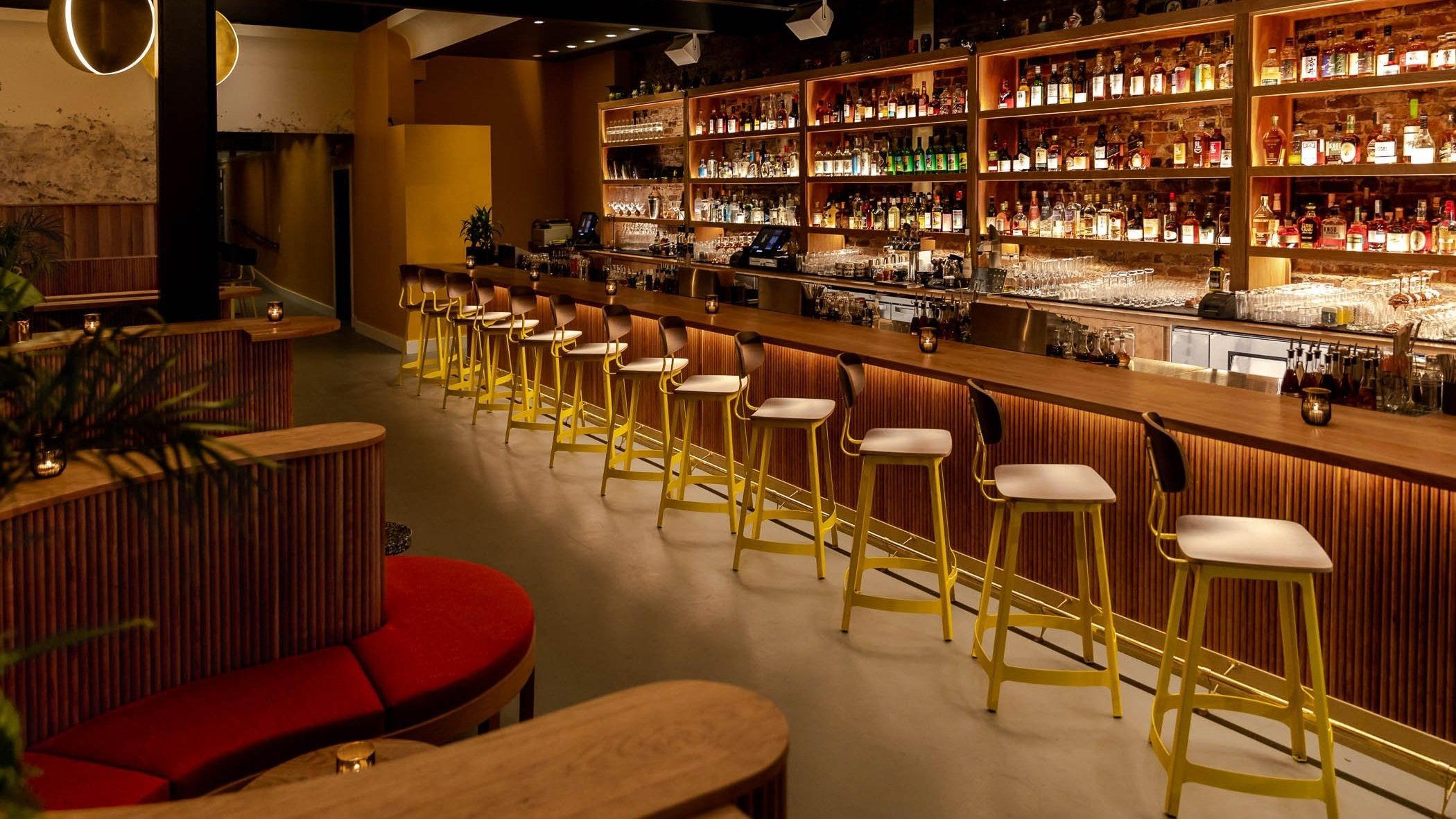
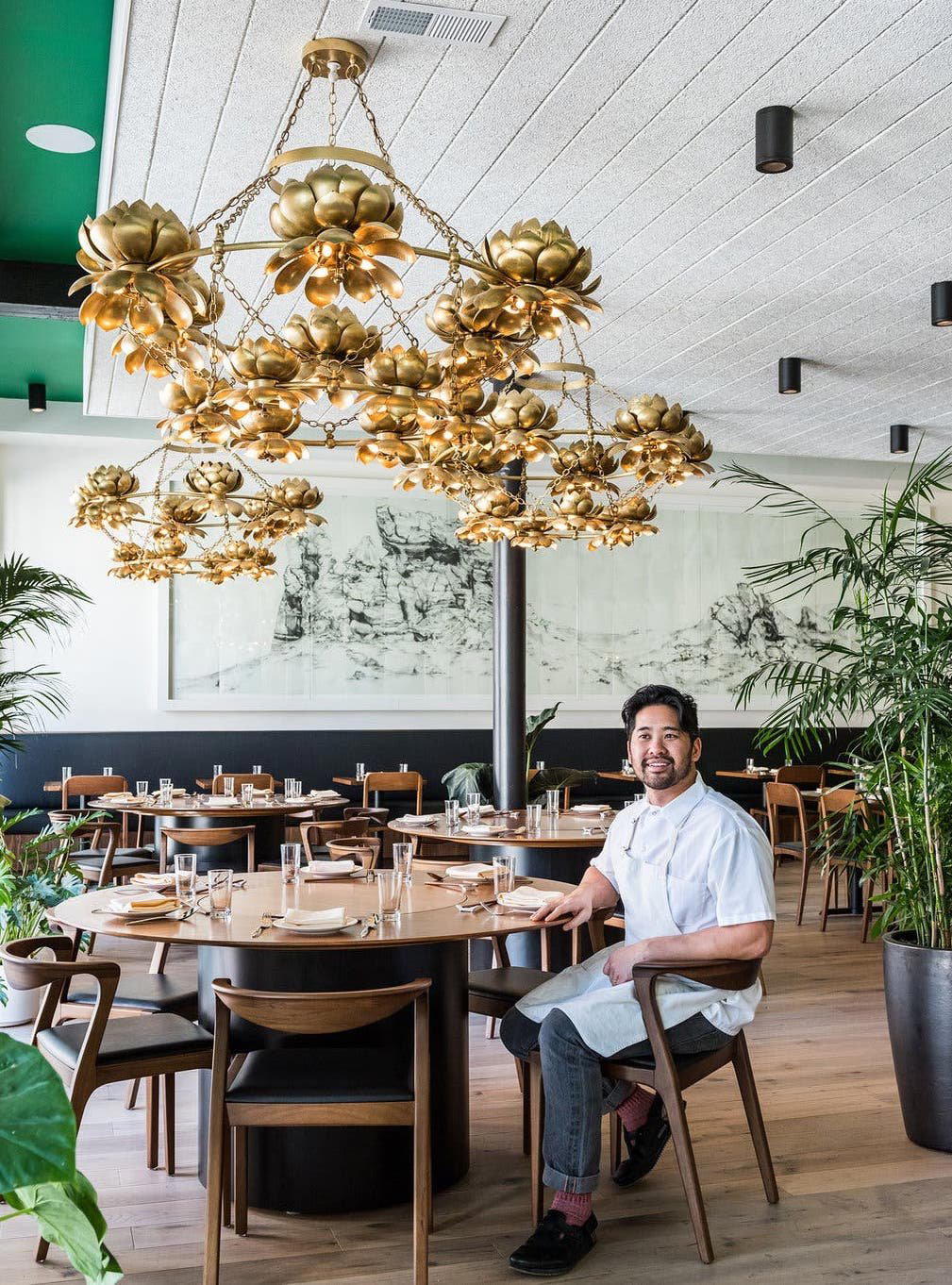
Restaurants in San Francisco
Browse all →
Details
- Well Known
- Elegant
- Classic
- Sophisticated
- Business Trip
- Romantic Getaway
- Family Vacation
- Weekend Escape
- Historic Building
- Panoramic View
- Design Destination
- Terrace
- Wi Fi
- Fitness Center
- Spa
- Restaurant
- Business Center
- Concierge
- Room Service
- Kids Club
- Valet Parking
- Skyline
- Street Scene
- Wheelchair Accessible
- Elevator
- Accessible Restroom
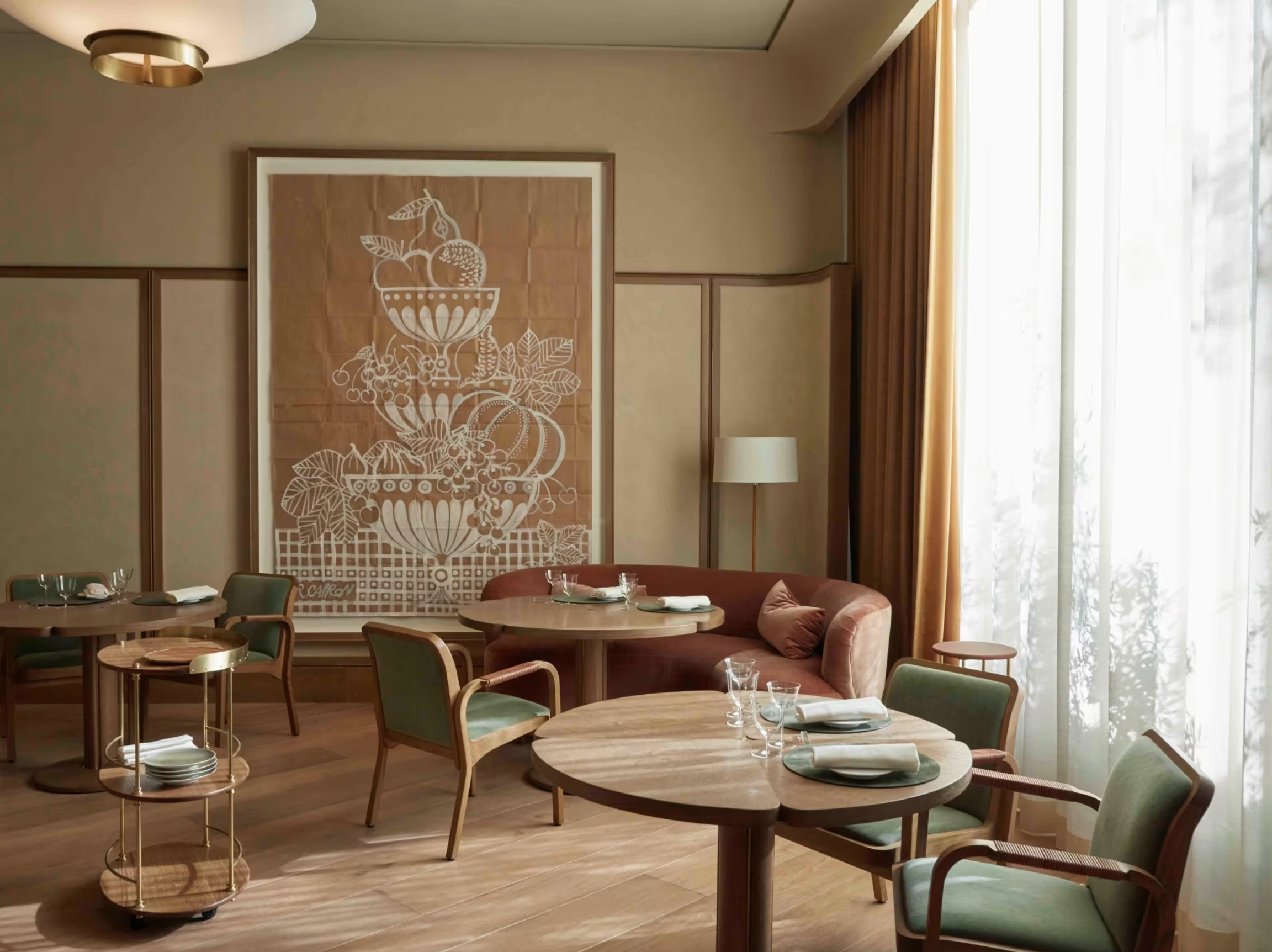
Elegant and timeless with turn-of-the-20th-century European style blended with Art Deco elements; warm lighting and spacious interiors reflecting both historic charm and modern luxury.