The Slaughters Manor House

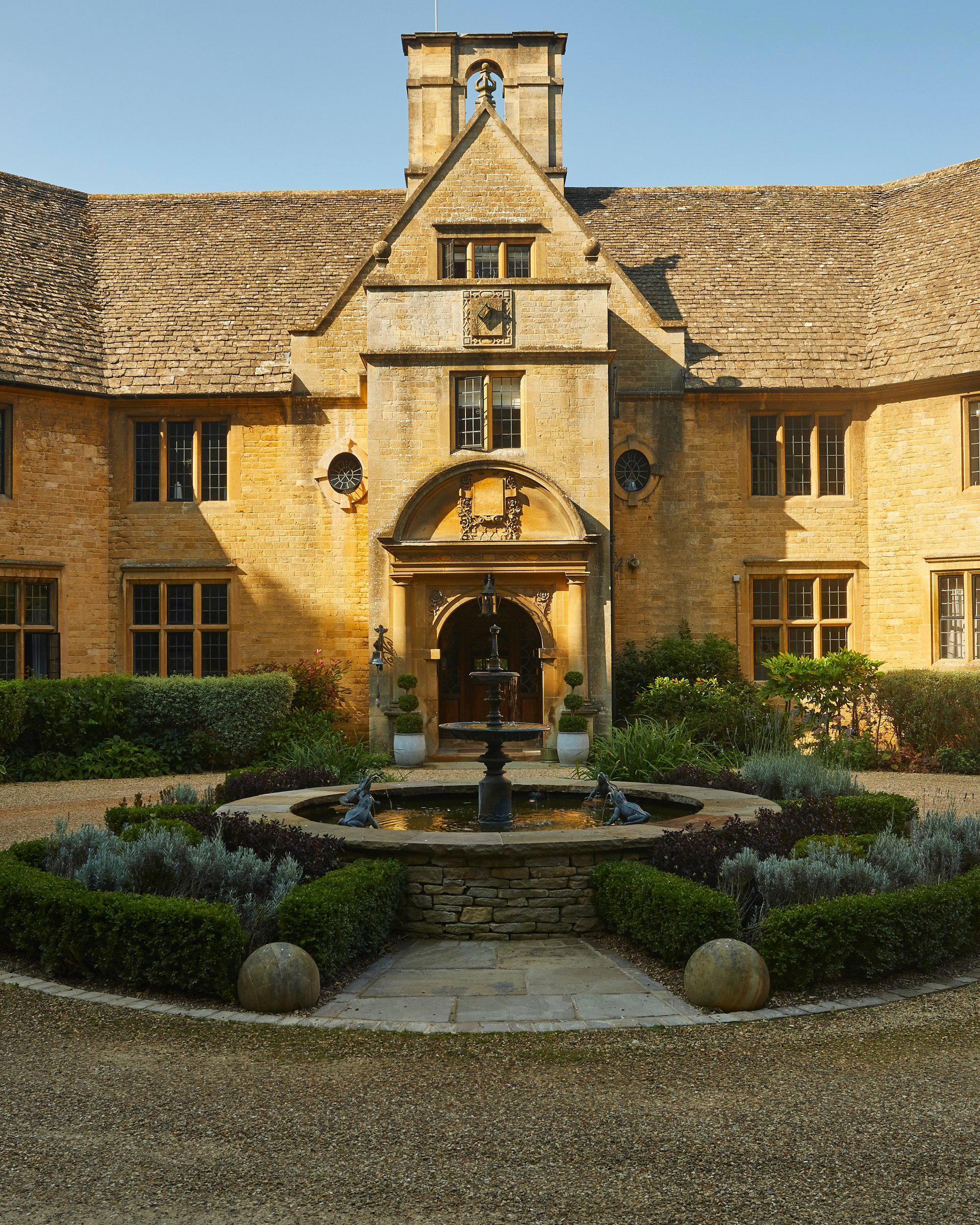
A seventeenth-century manor house in one of the Cotswolds' most preserved villages, The Slaughters Manor House holds a MICHELIN Selected distinction in the 2025 hotels guide, placing it within a small cohort of English country houses where architectural character and rural setting carry as much weight as the room count. For travellers arriving from the Fosse Way, the approach alone sets expectations clearly.
Pearl is the En Primeur Club membership app — saves, bookings, and concierge access live there. Same editors, same standards.
- Address
- Copsehill Road, Lower Slaughter, Cheltenham GL54 2HP, United Kingdom
- Phone
- +44 1451 820456
- Website
- slaughtersmanor.co.uk
- Directions
- Get directions
 Saves & bookings on Pearl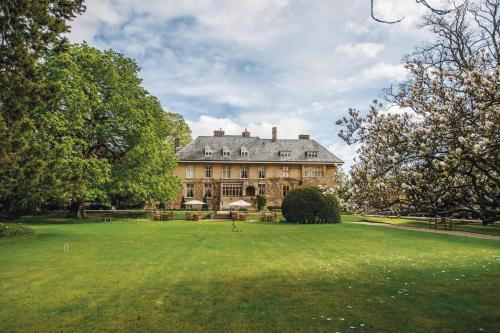
Stone, Silence, and the Cotswolds Country House Tradition
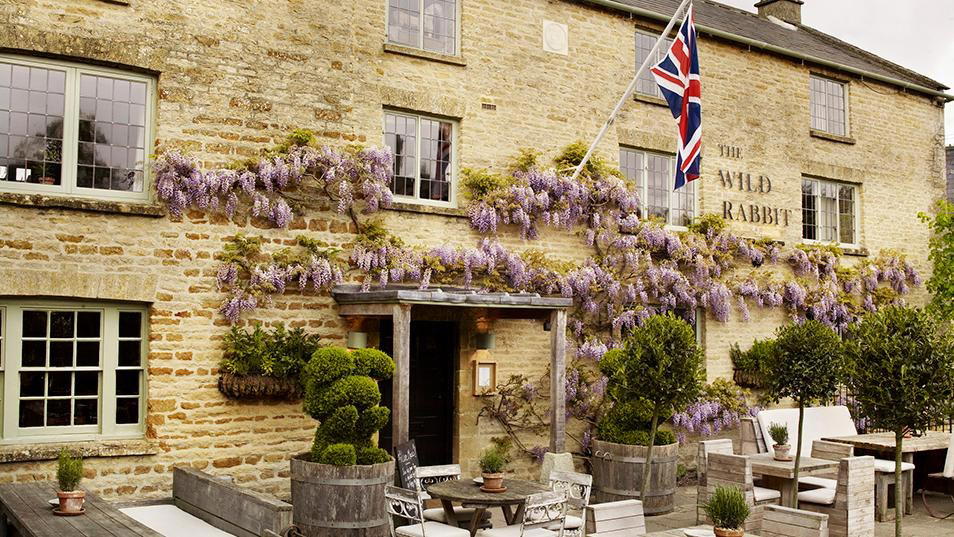
Lower Slaughter sits at the quieter end of the Cotswolds spectrum. The Eye Brook runs through the village at a pace that makes the Windrush feel hurried, and the honey-coloured limestone buildings along Copsehill Road have changed so little in three centuries that heritage photography and contemporary travel writing are often indistinguishable. It is in this context that The Slaughters Manor House operates: not as a retreat that borrows a rural backdrop, but as a seventeenth-century structure that predates the concept of the country house hotel by several hundred years. The building shapes the experience before a guest crosses the threshold.
The Cotswolds country house sector has split increasingly between two modes: large-portfolio operators managing multiple manor conversions under a single brand standard, and independent properties where the physical fabric of the building defines what can and cannot be offered. The Slaughters Manor House belongs to the latter category, and its 2025 MICHELIN Selected distinction reflects a quality of experience that the guide associates with properties worth a specific detour rather than a convenient overnight. MICHELIN Selected status in the hotels guide is extended to a small number of UK properties each year, placing The Slaughters Manor House within a comparable set that includes independently recognised country houses across England and Scotland, among them properties like Lime Wood in Lyndhurst and Estelle Manor in North Leigh.
The Architecture as Argument
The seventeenth-century English manor form is specific in what it demands and what it refuses. Load-bearing stone walls, irregular room proportions, low-ceilinged passages, and the structural logic of a building designed for agricultural estate life rather than hotel operations, these are not decorative choices but inherited constraints. Country houses that have been converted successfully tend to work with those constraints rather than against them: retaining the asymmetry of original rooms, allowing ceiling heights to vary by wing, and resisting the temptation to standardise finishes across periods of construction that may span decades or centuries.
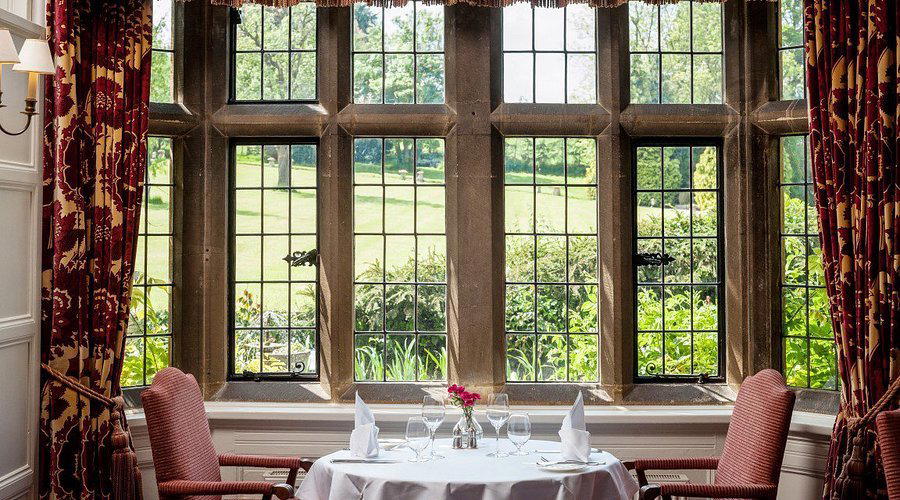
Result, when handled well, is a physical environment that no purpose-built hotel of equivalent price can replicate. The sense of depth, of a building that has been lived in, altered, and incrementally improved over generations, is the architectural argument for the country house format. The hotel sits within that tradition, and Lower Slaughter's position as among the stronger-preserved villages in the Cotswolds AONB means that the setting beyond the windows reinforces rather than contradicts the character of the building itself.
For comparison across different design philosophies within the UK luxury hotel sector, The Savoy in London and Gleneagles in Auchterarder represent the grand institutional model, where scale and formal service architecture dominate. The hotel operates at a different register entirely: smaller, more particular in character, and shaped by a single building's history rather than a brand's service standards.
Lower Slaughter as Context
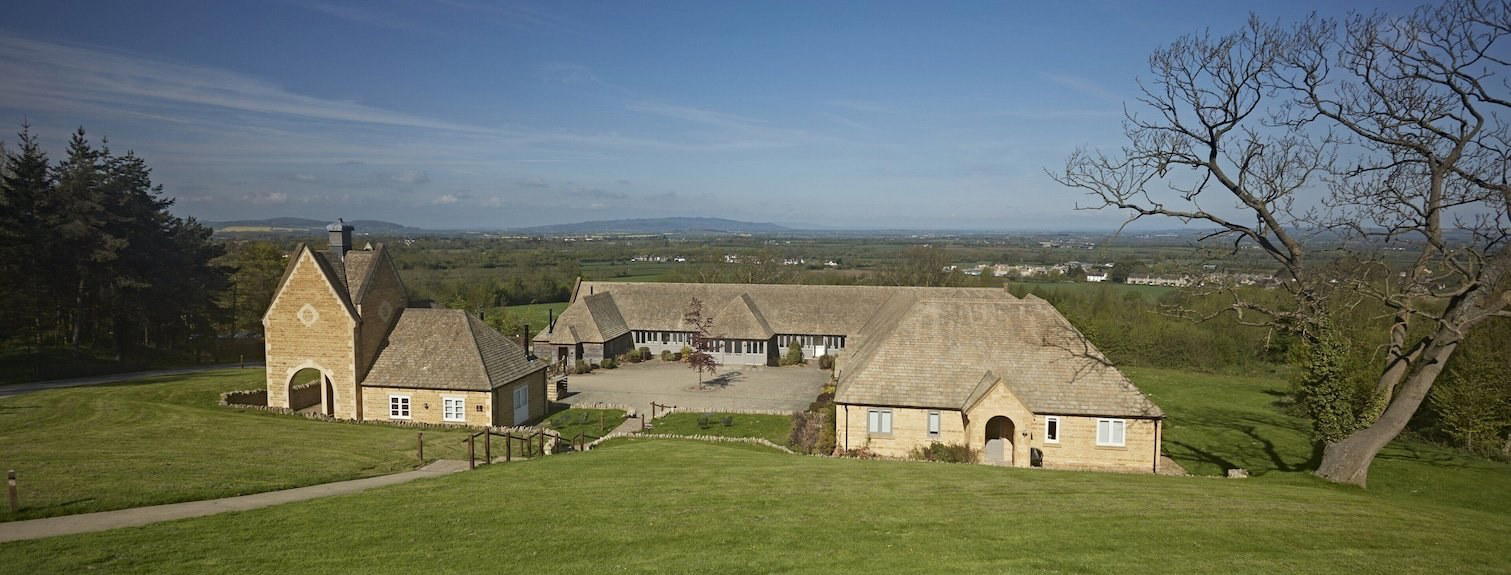
The village has no working pub in the conventional sense, no chain retail, and limited through-traffic, which makes it a genuinely quiet base in a county that is otherwise well-trafficked by visitors from spring through autumn. The nearest market town of any scale is Bourton-on-the-Water, roughly two kilometres to the south-east, and Cheltenham's restaurant and cultural infrastructure is within comfortable driving distance. The Slaughter villages, Upper and Lower, are connected by a footpath along the Eye, and the walk between them takes under twenty minutes at an easy pace.
This geography matters because it defines who stays at a property like The Slaughters Manor House. The guest arriving here has generally made a deliberate choice to be in this specific place rather than in a more connected or busier Cotswolds town. That self-selection tends to produce a quieter, more settled atmosphere than properties adjacent to Bourton's main drag or the Chipping Campden market square. Other Michelin-recognised country properties in similarly deliberate rural locations include Farlam Hall Hotel in the Lake District and Longueville Manor in Jersey, both of which share the quality of being destinations in themselves rather than bases for dense urban programming.
Travellers arriving from the M5 or A429 will find Lower Slaughter accessible but unhurried. The village is not served by rail directly; the nearest stations are Moreton-in-Marsh and Kingham, each around twelve kilometres away, making a car or pre-arranged transfer the practical approach for most guests.
Planning a Stay
The hotel draws visitors year-round, though the Cotswolds peak season runs from late April through September, when the limestone villages photograph most dramatically and the surrounding walking routes are fully accessible. Midweek stays in late autumn and winter represent the quietest periods, and the village in frost or low winter light is a different and more compelling proposition than the high-summer version familiar from tourism photography. Given its MICHELIN Selected status and the limited supply of rooms in a seventeenth-century structure, advance booking is advisable for weekend stays at any point from Easter through the October half-term. For similar planning considerations at comparable rural properties, The Newt in Somerset and Thornton Hall Hotel in Heswall follow broadly equivalent seasonal demand patterns. Guests looking for the broader UK country house circuit might also consider Crossbasket Castle in High Blantyre or Kilchoan Estate in Inverie for a more remote register. See our full Lower Slaughter restaurants guide for dining context around the village.
In Context: Similar Options
Comparable venues nearby, for context on price, style, and recognition.
| Venue | Cuisine | Price | Awards | Notes |
|---|---|---|---|---|
| The Slaughters Manor HouseThis venue — the venue you are viewing | Contemporary boutique hotel housed in a restored 17th-century Cotswold manor house blending period charm with modern luxury. | $$$ | 4-Star | Not listed |
| Titanic Hotel Liverpool | historic warehouse converted into contemporary luxury hotel | $$$ | 4-Star | Stanley Dock |
| Hotel Indigo - Stratford Upon Avon | Boutique hotel blending Tudor heritage with contemporary extensions. | $$$ | 4-Star | Stratford-upon-Avon City Centre |
| The Peacock at Rowsley | 17th-century stone manor with skew-whiff charm and modern comforts | $$$$ | 4-Star | Rowsley |
| Highway | Contemporary refresh of a historic coaching inn with modern English country house design | $$$ | 4-Star | Burford |
| One Hundred Shoreditch | Contemporary design-led hotel blending East End cool with tranquility, positioned as a grown-up alternative to its predecessor Ace Hotel. | $$$ | 4-Star | Shoreditch |
Recognition history
Dated appearances from independent guides and award organizations, with the underlying list record or original source where available.
Michelin Selected
Michelin
Continue exploring
More in Lower Slaughter
Hotels in Lower Slaughter
Browse all →
Bars in Lower Slaughter
Browse all →
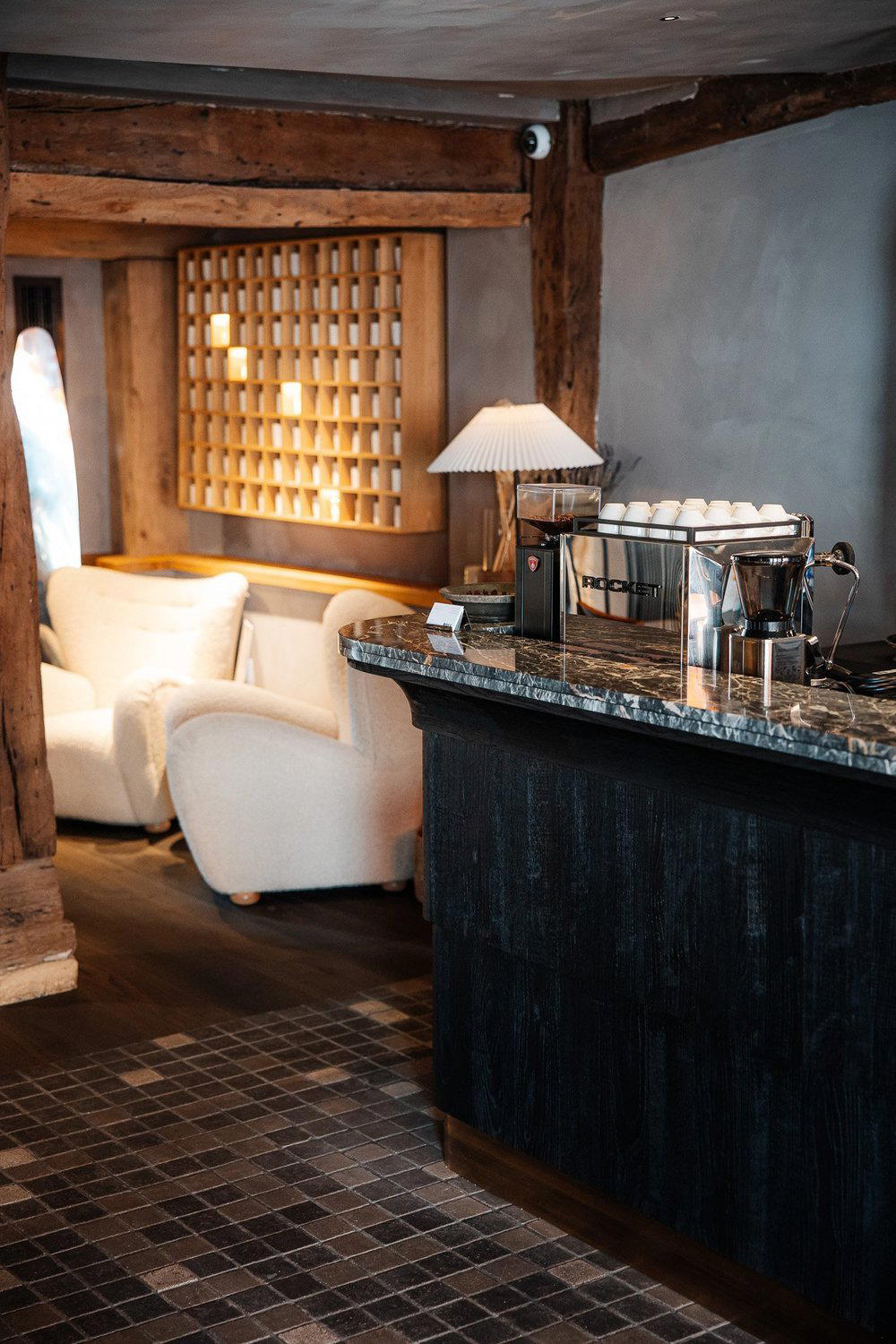
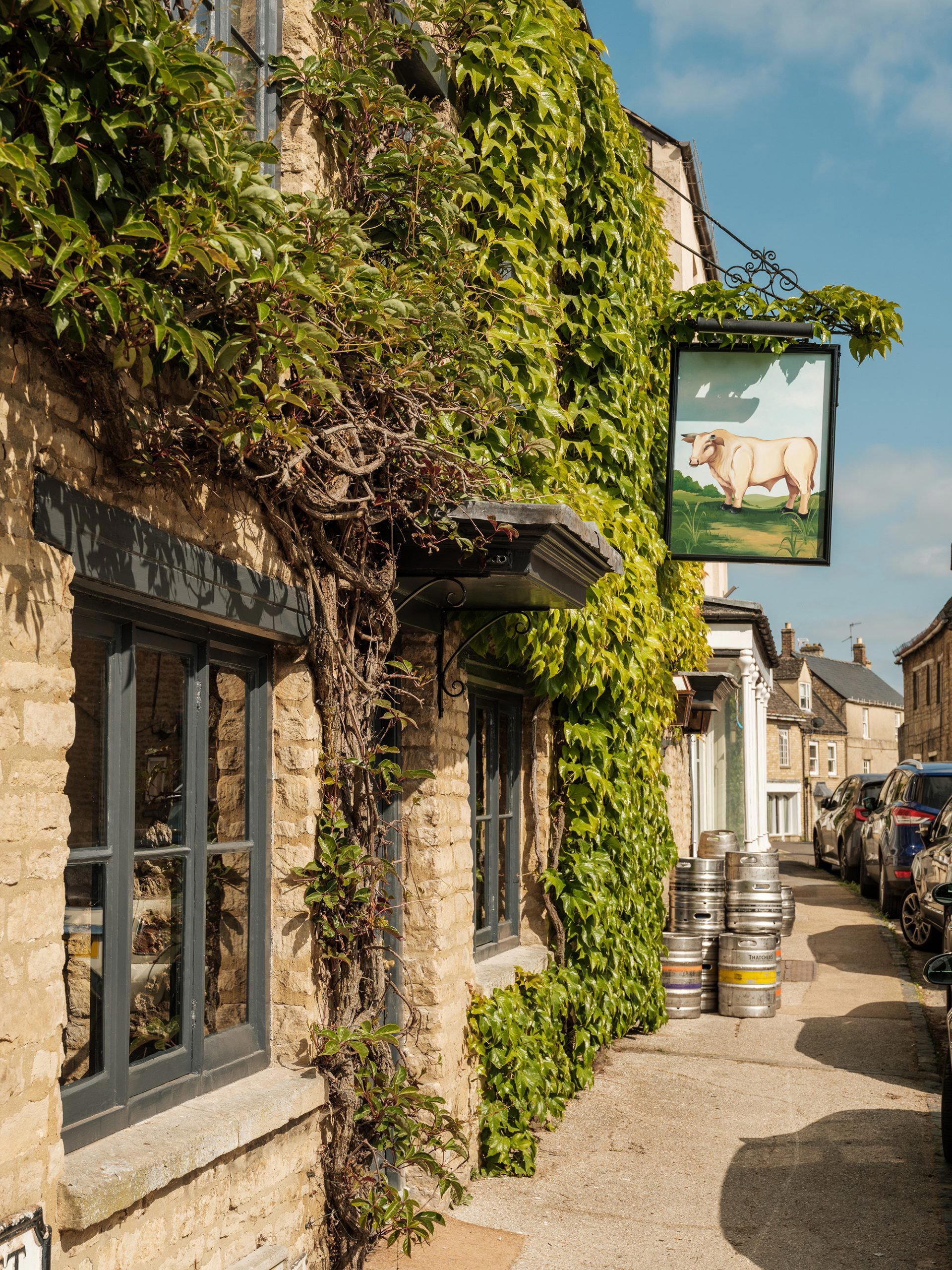
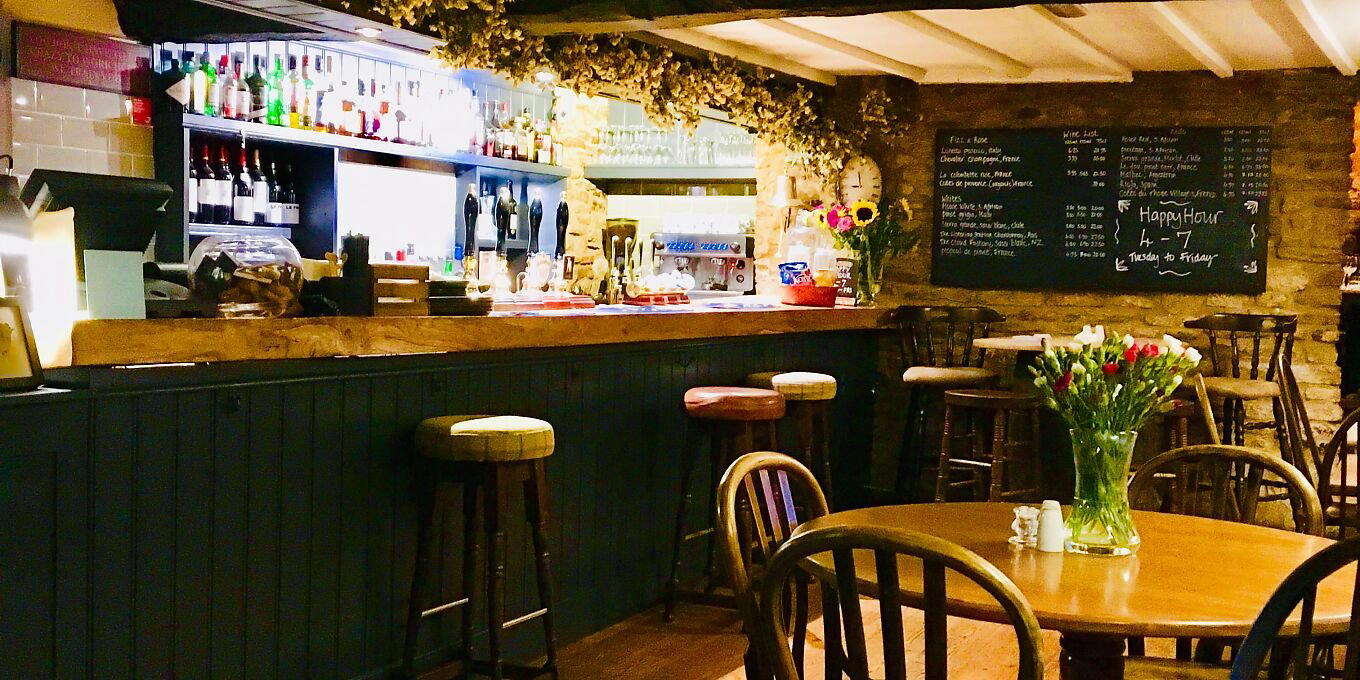
Restaurants in Lower Slaughter
Browse all →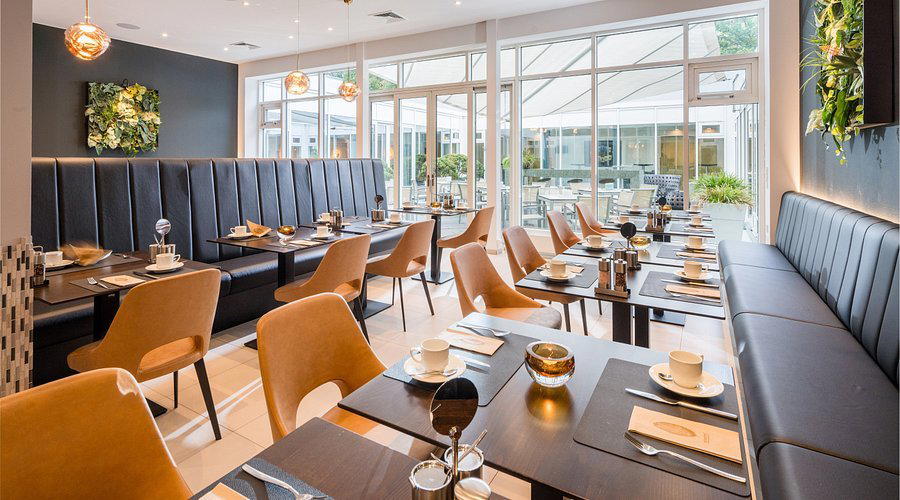
At a Glance
- Elegant
- Romantic
- Sophisticated
- Classic
- Romantic Getaway
- Anniversary
- Weekend Escape
- Celebration
- Historic Building
- Garden
- Terrace
- Wi Fi
- Restaurant
- Bar
- Tennis Court
- Room Service
- Concierge
- Garden
- 24 Hour Front Desk
- Garden
- Wi Fi
- Restaurant
- Bar
- Tennis Court
- Room Service
- Concierge
- Garden
- 24 Hour Front Desk
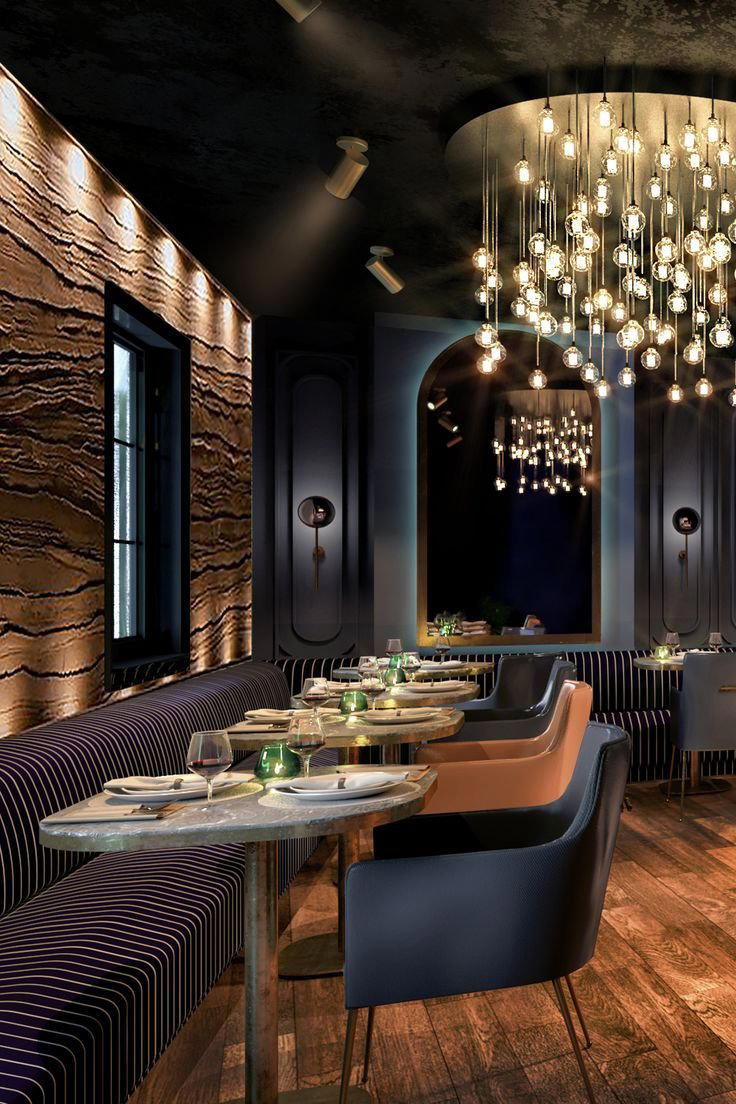
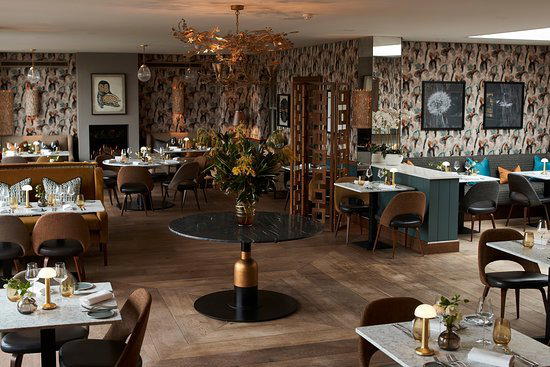
Elegant and inviting with contemporary interiors contrasted against period architectural details, featuring roaring fireplaces, fine antique decorations, and a sophisticated modern aesthetic.