Highway

Michelin Selected
A Michelin Selected inn on Burford's medieval High Street, Highway sits inside one of the Cotswolds' most architecturally preserved market towns. The building reads as a working piece of the street's layered history rather than a curated country-house retreat, making it a practical base for those who want proximity to the town's stone-built character without the formality of a larger estate.

Pearl is the En Primeur Club membership app — saves, bookings, and concierge access live there. Same editors, same standards.
- Address
- 117 High St, Burford OX18 4RG, United Kingdom
- Phone
- +44 1993 822220
- Website
- highwayburford.com
- Directions
- Get directions
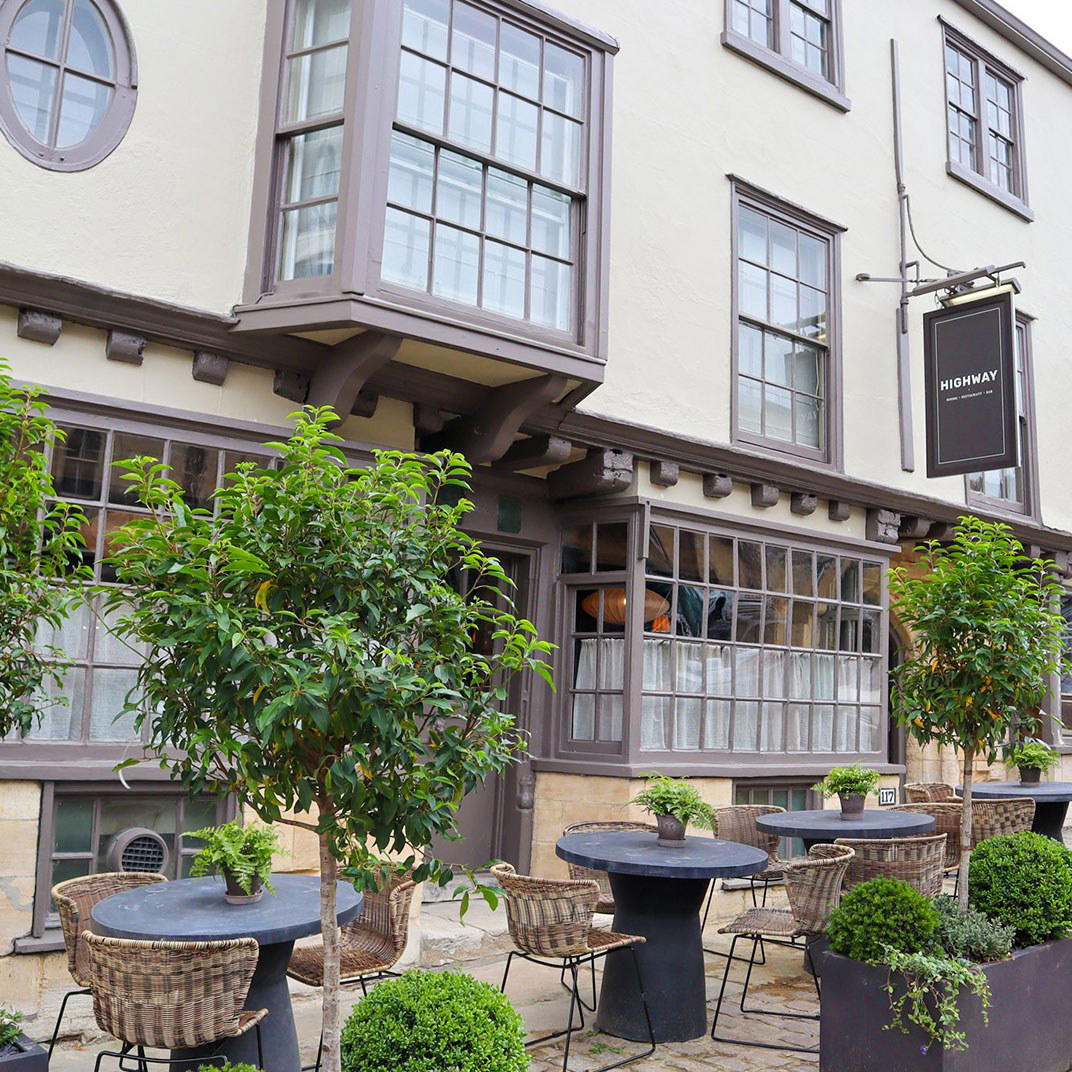
Stone, Slate, and the Weight of the High Street
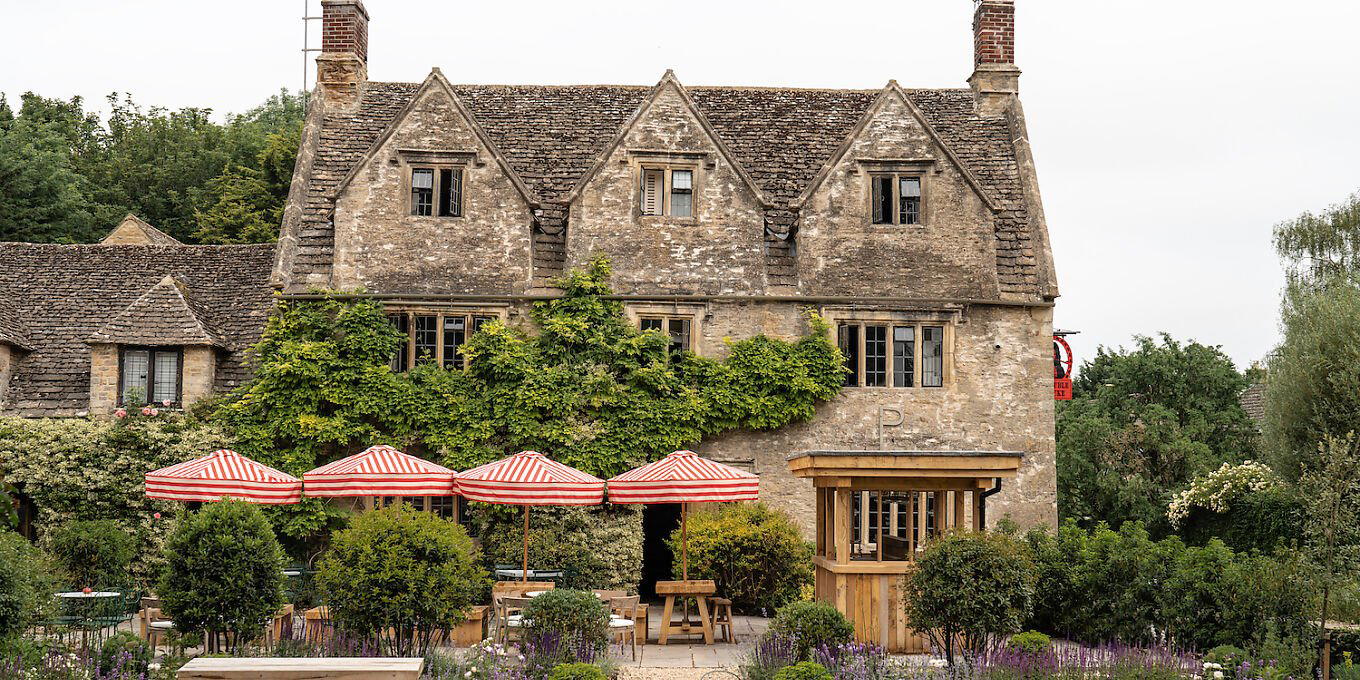
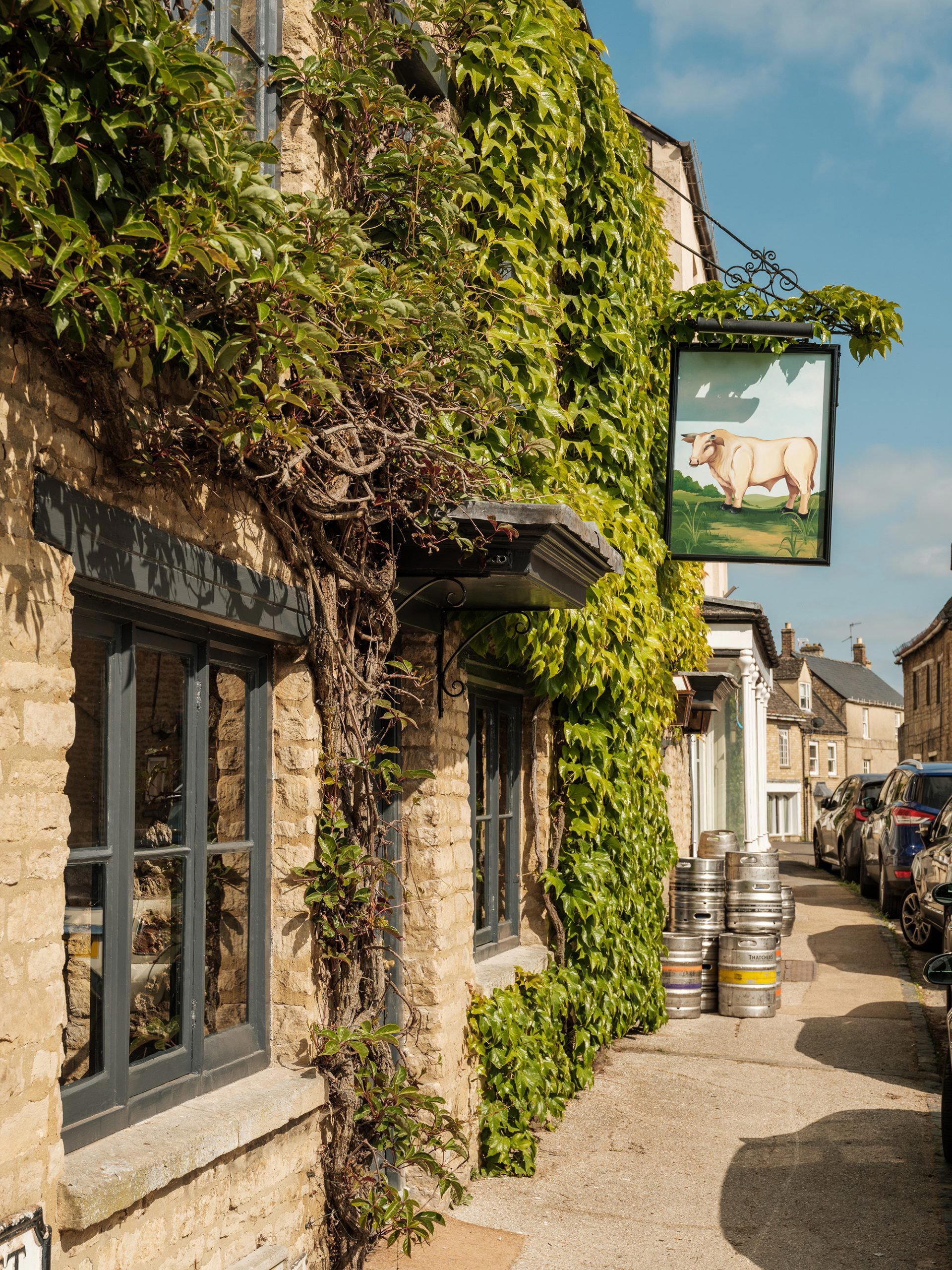
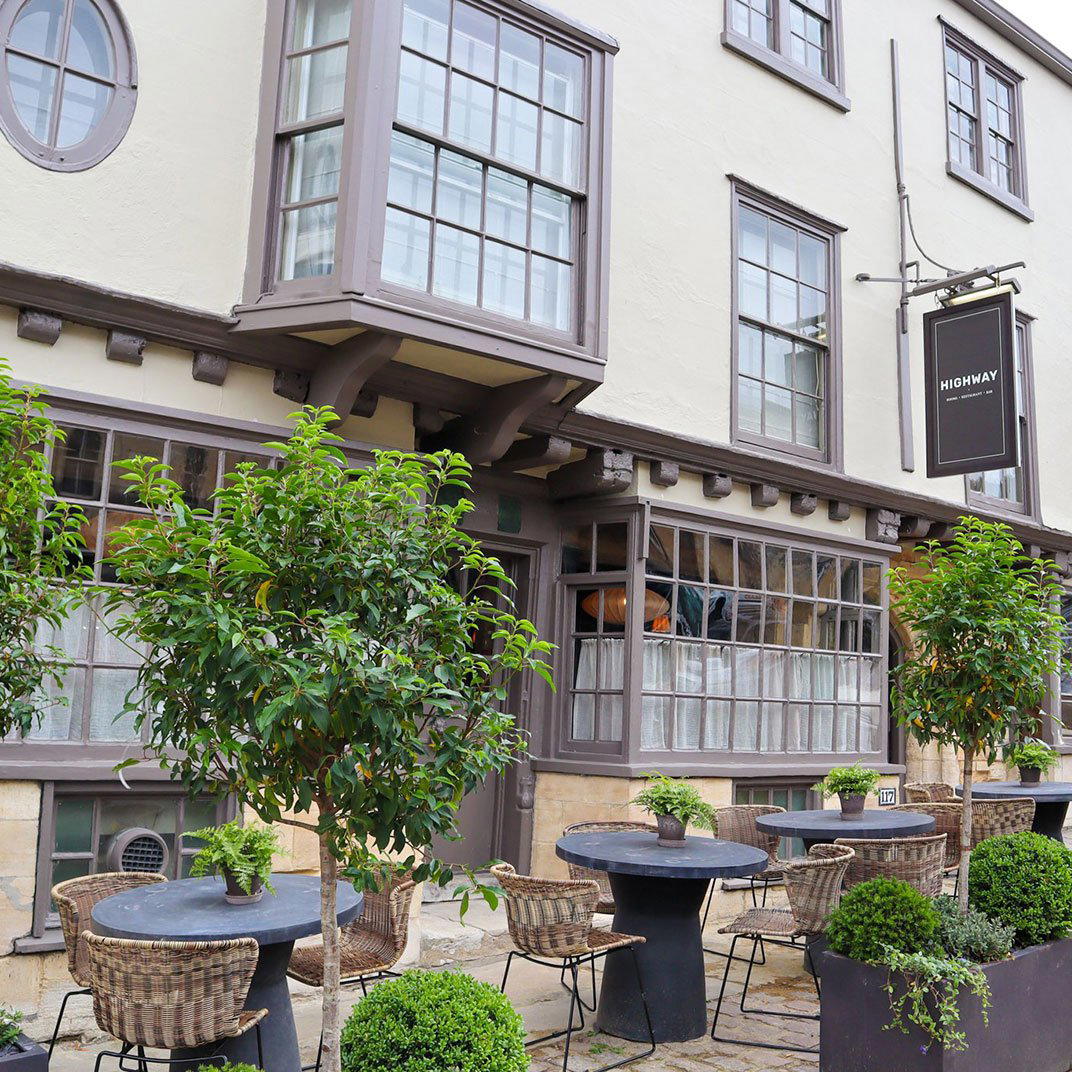
Burford's High Street slopes down toward the River Windrush in one of the most intact sequences of Cotswold vernacular architecture in England. Honey-coloured limestone buildings from the fifteenth, sixteenth, and seventeenth centuries line both sides, and the visual rhythm of the street is defined by steeply pitched roofs, mullioned windows, and the particular warm-grey tone that local oolitic limestone develops with age. It is the kind of street that earns its own conservation designation, and any accommodation along it is, almost by definition, operating inside a listed structure. Highway, at number 117, is no exception.
The address places the property in the middle section of the High Street, where the density of historic fabric is highest and the pedestrian scale of the town is most apparent. Walking toward it from the church end, the building presents as a continuous part of that limestone run rather than a departure from it. That integration into the streetscape is not a design choice made recently; it is the result of the structure's age doing the work. For a guest arriving by car, Burford's streets are narrow enough that the approach on foot from a nearby car park sharpens the sense of entering a working market town rather than a resort environment.
What Michelin Selection Signals in This Category
Highway carries a MICHELIN Selected designation in the Michelin Hotels 2025 guide, which places it in the tier below Michelin's starred accommodation categories but above unvetted listings. In the Michelin hotel framework, selection indicates the property met criteria across comfort, character, and quality of welcome evaluated by the same inspector network used for restaurant assessments.
Burford itself holds a modest but consistent position in the Cotswolds accommodation map. The town draws visitors year-round, with the antiques trade, the high street itself, and proximity to Bourton-on-the-Water and Bibury making it a viable base for the wider region.
The Inn Format in the English Cotswolds
The inn model, as distinct from the country house hotel, has a specific logic in English market towns. It prioritises position over land, serves both overnight guests and passing trade, and derives its character from the building itself rather than from manicured grounds. The Cotswolds has sustained this format longer than most English regions, partly because the towns that anchor it, Burford, Chipping Campden, Bourton-on-the-Water, retained their commercial and architectural fabric through periods when industrialisation bypassed them.
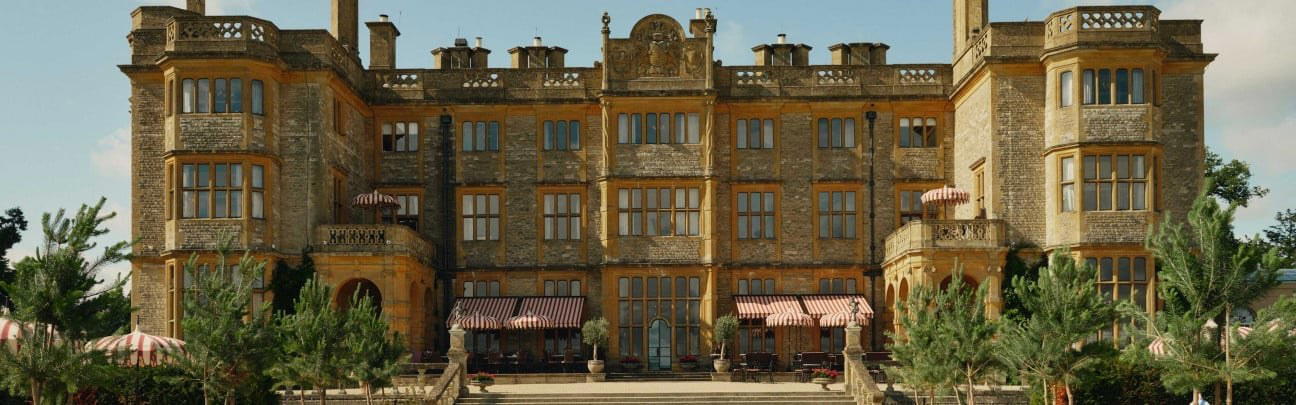
Elsewhere in England, properties like Lime Wood in Lyndhurst or Estelle Manor in North Leigh represent a different model: the rural retreat that uses acreage and design investment to create a destination in itself. The Newt in Somerset takes that approach further still, building an entire agricultural and hospitality ecosystem around a historic estate. Highway operates in neither of those registers. The draw is the town, and the property functions as a well-placed base inside it.
That distinction matters for how you use a stay here. Guests who want to be embedded in Burford's street life, within walking distance of the antiques dealers, the church, and the river meadows, are better served by an inn-format property than by an estate hotel requiring a car journey for every errand. For visitors approaching the Cotswolds as a region to move through rather than a single destination to inhabit, that logic holds across multiple nights.
Architecture as Context, Not Backdrop
The editorial angle worth pressing on here is that the building at 117 High Street is not deploying historic aesthetics as a hospitality device. The limestone fabric, the proportions of the facade, and the relationship to the street are pre-existing conditions that the property inhabits. This is a different situation from the many UK country house hotels that have restored or reimagined historic buildings with significant architectural investment, in the manner of Crossbasket Castle in High Blantyre or Longueville Manor in Jersey.
What Burford's High Street offers is something closer to ambient architectural authority: the sense that the building has always been there and intends to remain so. For guests who find that quality more compelling than designed interiors, it is a specific kind of value that cannot be replicated by new-build properties regardless of budget. The comparison set for that appeal runs across the broader English inn tradition, from market-town properties in the Cotswolds through to places like Farlam Hall Hotel in The Lake District or Oddfellows on the Park in Manchester, each of which draws on existing architectural character rather than constructing it from scratch.
Planning a Stay: Practical Bearings
Burford sits roughly 75 miles west of central London, accessible via the A40 through the Chilterns, and is most comfortably reached by car given the limited rail connections to the immediate area. The town's position makes it a workable stopping point between London and the Welsh Marches, or a base for day circuits taking in the Windrush Valley villages to the east and Bourton-on-the-Water or Stow-on-the-Wold to the north.
Seasonally, the Cotswolds runs busiest from late May through September, with autumn weekends also heavily booked once the foliage along the Windrush valley comes in. Midweek stays in spring or late autumn give the town back its more functional character, with the antiques trade active and the main street less crowded. For those building a wider UK itinerary, Highway's Michelin Selected status places it in useful company with properties across the country tracked on the same framework, from The Rutland in Edinburgh to Dunluce Lodge in Portrush.
For a broader view of where Highway sits among Burford's dining and accommodation options, see our full Burford restaurants guide.
Comparable Spots, Quickly
Comparable venues nearby, for context on price, style, and recognition.
| Venue | Cuisine | Price | Awards | Notes |
|---|---|---|---|---|
| HighwayThis venue — the venue you are viewing | Contemporary refresh of a historic coaching inn with modern English country house design | $100–200 | Michelin Selected | Not listed |
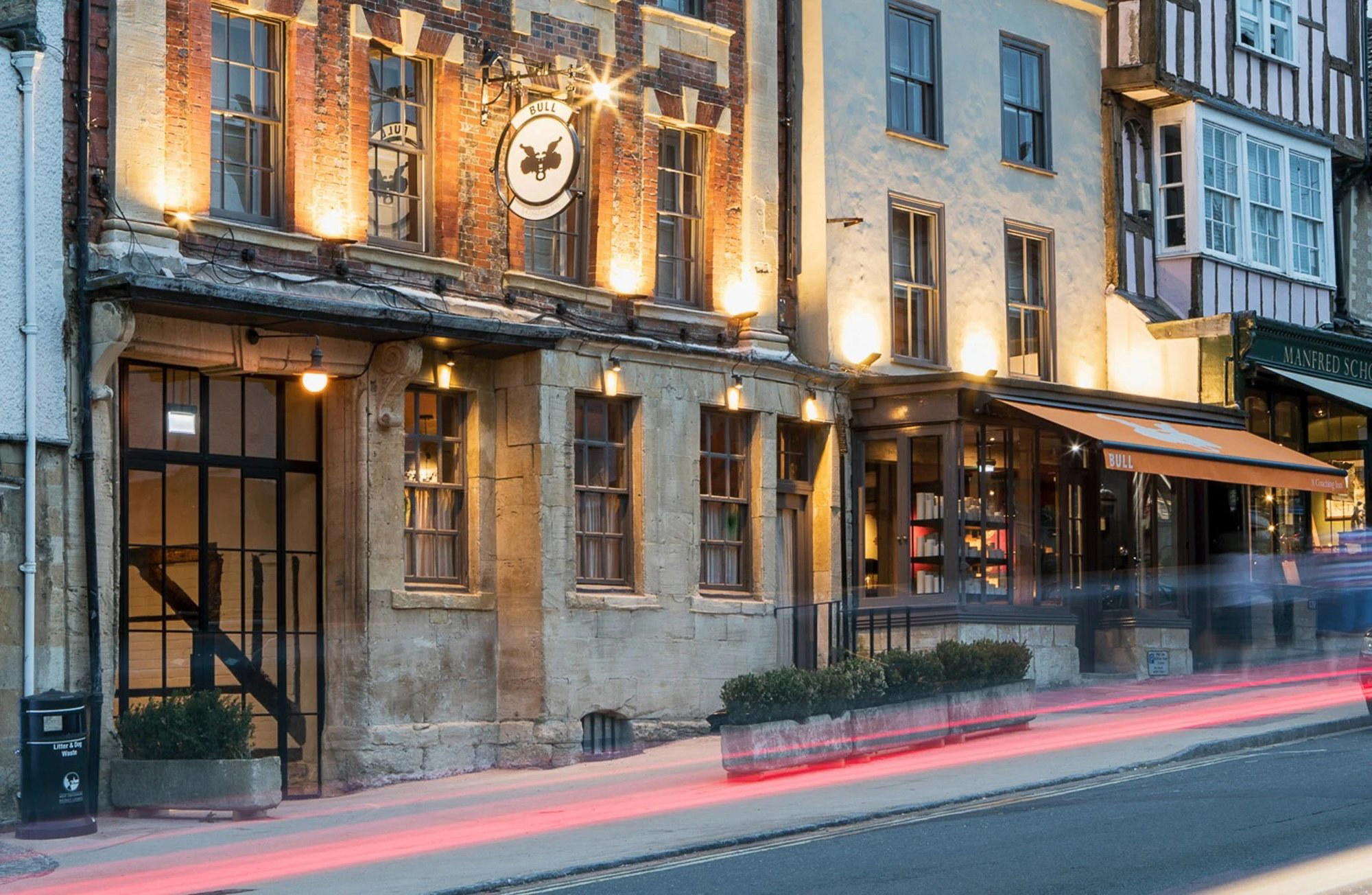
| BULL Burford | Refurbished 16th-century coaching inn blending historic charm with modern luxury. | $300–500 | 1 Michelin Key | Burford |
| The Crown Amersham | Modern coaching inn | Not listed | Michelin Selected · Mr & Mrs Smith Seal of Approval | Old Amersham |
| Buckland Manor | Historic country house hotel retaining medieval charm with contemporary luxury amenities and refined service. | $300–500 | Michelin Selected · Relais Chateaux Award | Buckland |
| Dorsett Alpha Square, Canary Wharf | Contemporary high-rise hotel integrated into the Consort Place mixed-use development, positioned as a modern, sustainability-focused hub for Canary Wharf’s financial and media clientele. | $200–300 | Not listed | Canary Wharf |
| Avon Gorge by Hotel du Vin | Historic boutique hotel merging Victorian heritage with modern luxury | Not listed | Not listed | Clifton |
Recognition history
Dated appearances from independent guides and award organizations, with the underlying list record or original source where available.
Michelin Selected
Michelin
Details
- Cozy
- Classic
- Rustic
- Elegant
- Romantic Getaway
- Weekend Escape
- Family Vacation
- Historic Building
- Garden
- Terrace
- Wi Fi
- Restaurant
- Bar
- Room Service
- Garden
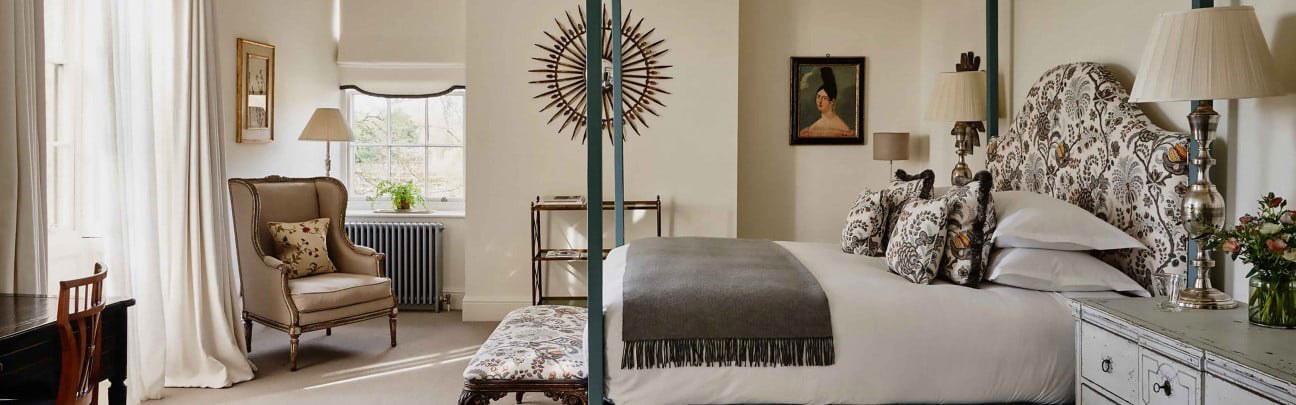
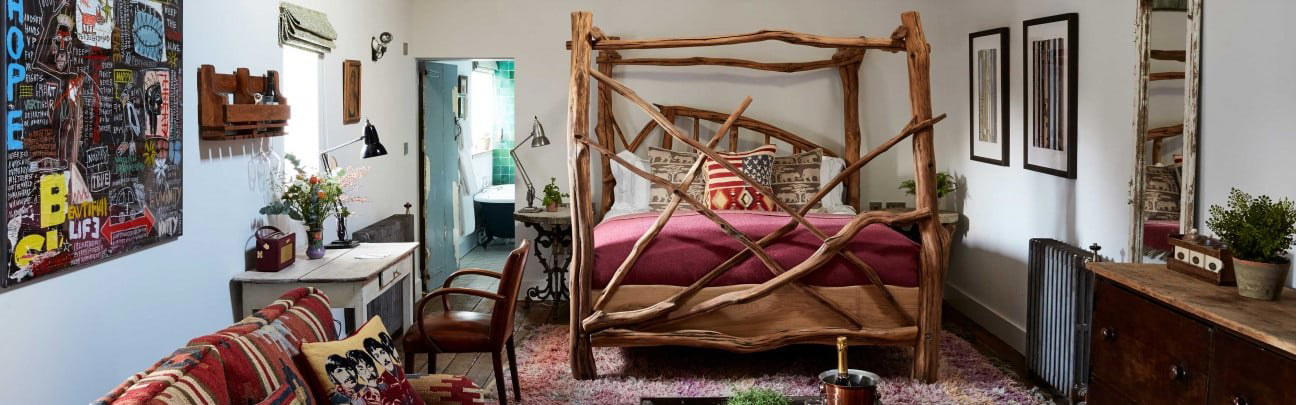
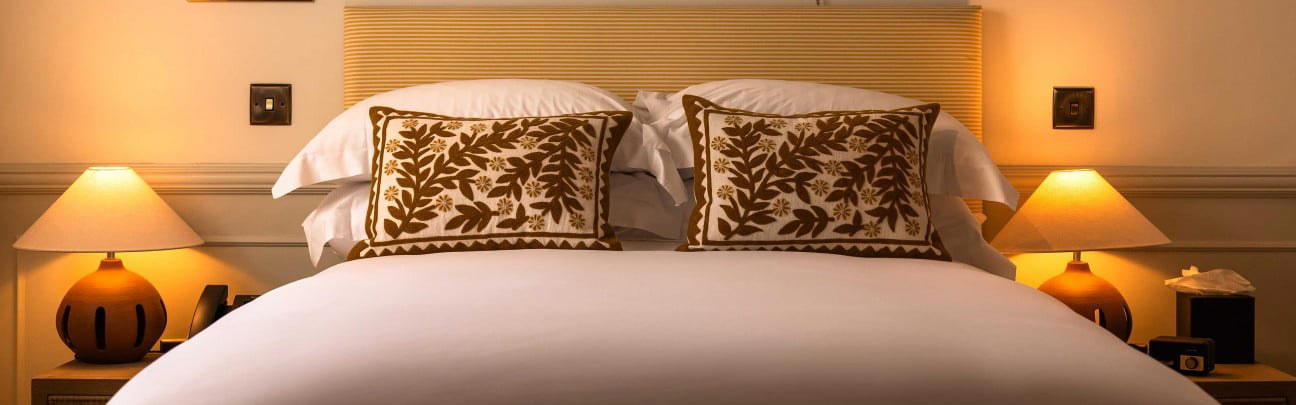
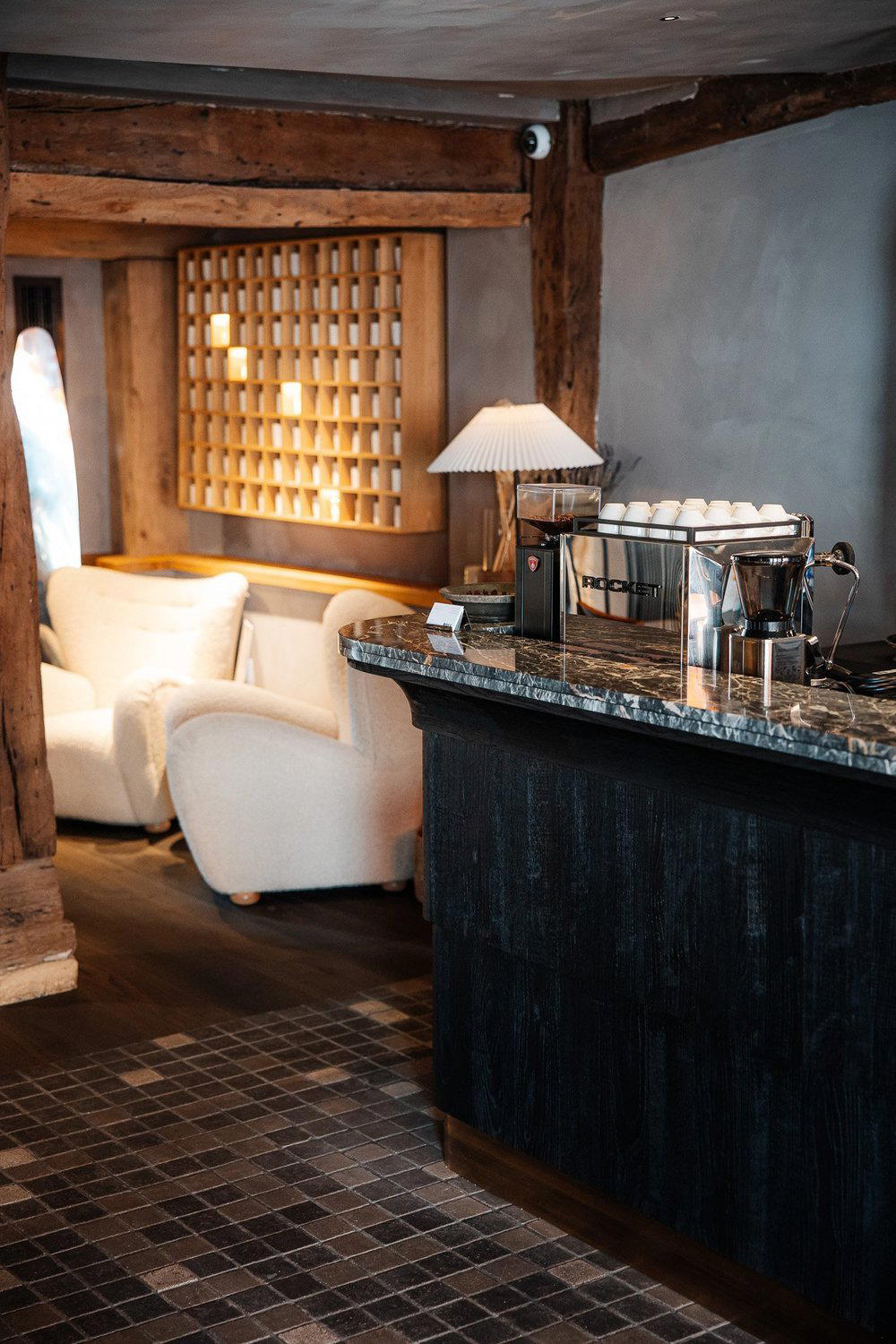
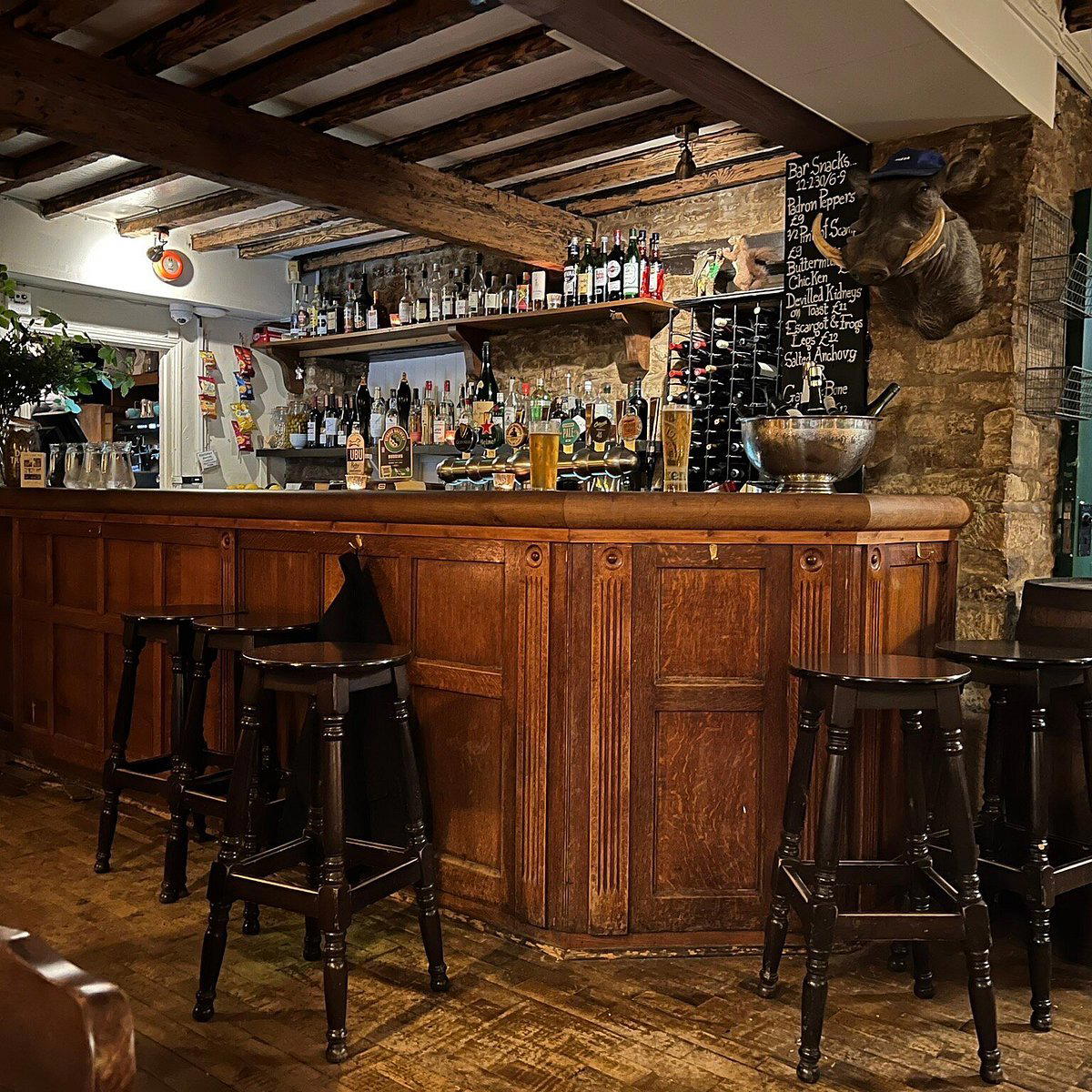
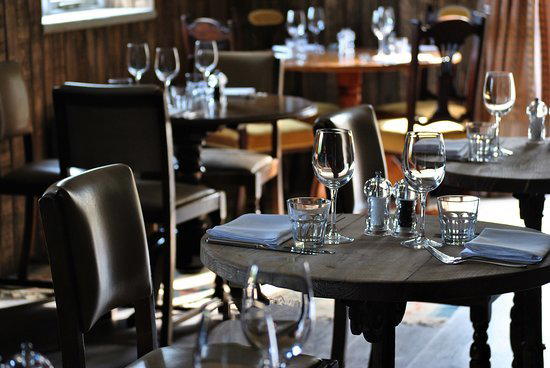
Warm and inviting with original creaky floorboards, timber beams, sloping ceilings, and open fireplaces; cozy bar with beamed ceilings and stone fireplace; intimate dining spaces with soft neutral tones.