The Sanford House Inn & Spa
A restored Victorian inn on North Center Street, the Sanford House occupies a category that North Texas rarely offers: genuine historic architecture with spa facilities, situated in a city better known for stadiums than intimate lodging. It operates at a quieter register than the convention hotels clustered around AT&T Stadium, positioning itself as a residential-scale alternative for travelers who want Arlington proper rather than its event infrastructure.
Pearl is the En Primeur Club membership app — saves, bookings, and concierge access live there. Same editors, same standards.
- Address
- 506 N Center St, Arlington, TX 76011
- Phone
- +1 817 861 2129
- Website
- thesanfordhouse.com
- Directions
- Get directions
 Saves & bookings on Pearl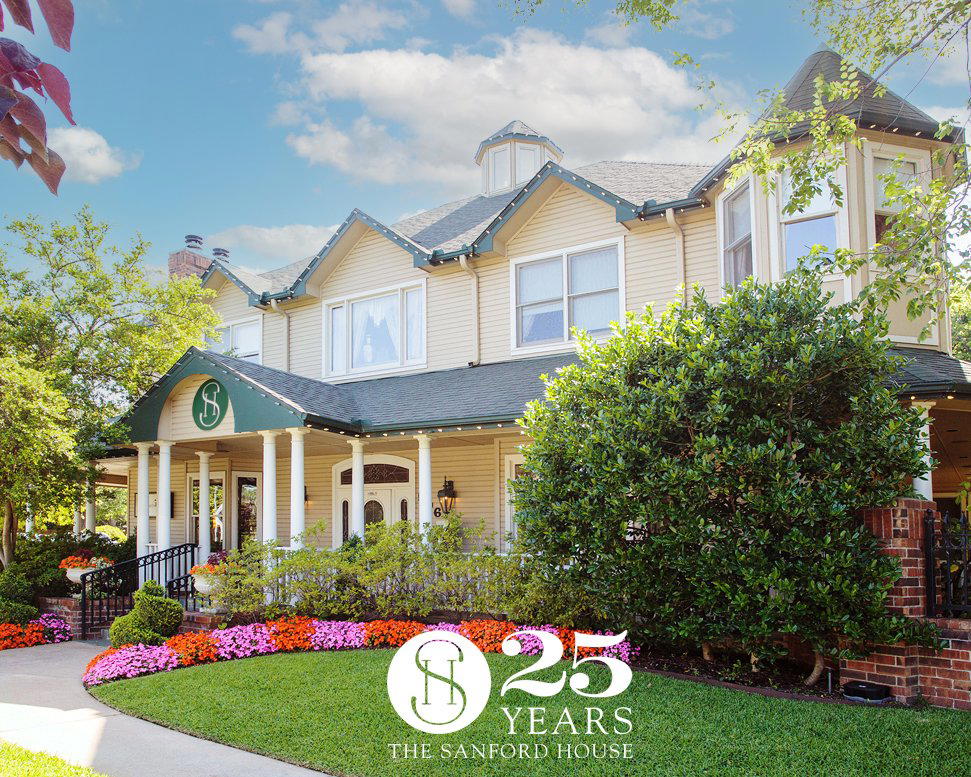
A Different Kind of Arlington Address
Arlington, Texas is a city built around spectacle: AT&T; Stadium seats over 80,000, Globe Life Field draws millions of baseball fans annually, and Six Flags Over Texas has anchored the city's identity since 1961. The lodging economy that surrounds this infrastructure skews toward large-format convention hotels and chain properties positioned to absorb event-night overflow. Against that backdrop, the Sanford House Inn & Spa at 506 N Center Street operates in a fundamentally different register, a Victorian-era structure repurposed as a boutique inn, with a spa component that has no direct equivalent in the immediate area. The Sanford House represents a specific niche: historic residential-scale accommodation in a city whose hospitality identity is otherwise defined by scale.
The Architecture as the Argument
Victorian residential architecture of this type, late nineteenth-century construction with wraparound porch detailing, decorative millwork, and the kind of interior proportions that predate open-plan renovation culture, is genuinely scarce in North Texas. The region's growth patterns favored demolition and new construction over adaptive reuse, which makes surviving examples more significant by default. The Sanford House sits in Arlington's older downtown core on North Center Street, a block configuration that still carries traces of the city's pre-stadium era. The physical environment communicates a different pace: covered porch seating, period-appropriate exterior detailing, and a human-scaled footprint that contrasts sharply with the convention-block hotels a short drive away near the entertainment district.
This category of property, historic inn with onsite spa, limited room count, residential neighborhood positioning, has a clear place in American hospitality. Properties like Troutbeck in Amenia and Blackberry Farm in Walland occupy the upper end of that format, where the historic structure is treated as a primary asset rather than a backdrop. The Sanford House operates within the same formal logic, though at a more accessible price point and in an urban rather than rural setting. The relevant comparison is less about star ratings and more about the underlying premise: a building whose age and construction quality are the primary reasons to be there.
What the Interior Communicates
Victorian commercial conversions in Texas tend toward two outcomes: aggressive thematic decoration that reads as costume, or careful restraint that lets the structural bones carry the experience. The Sanford House has maintained the latter approach, the architectural integrity of the original structure is more legible than it would be in a heavily renovated property. Original-era proportions, ceiling heights, and the spatial logic of a residential building (as opposed to a purpose-built hotel) shape how the interior feels to move through. Individual rooms in properties of this type carry more variation than a standard hotel floor would, a consequence of working within existing residential layouts rather than designing for repetitive hotel efficiency. That variation is, for most guests who choose this format intentionally, a feature rather than a liability.
The spa component adds a category that Victorian inns more commonly lack. In the broader American market, boutique historic inns often compete on atmosphere and food-and-beverage programming but outsource wellness entirely. Properties that integrate both, inn-scale accommodation with genuine spa facilities, occupy a narrower tier. For a useful comparison of how spa programming functions at the luxury end of the American market, Canyon Ranch Tucson represents the full-immersion wellness model; the Sanford House operates at considerably smaller scale but within the same general logic of combining accommodation with dedicated treatment facilities.
Positioning in the North Texas Market
The broader DFW hospitality market segments cleanly: downtown Dallas and Uptown carry the high-design urban hotel options; Fort Worth's cultural district supports properties like the Bowie House, Auberge Resorts Collection, which brings a national brand to a locally specific context; and Arlington's event economy supports the stadium-adjacent chains. The Sanford House sits outside all three of those segments. Its North Center Street address puts it in walkable proximity to Arlington's historic downtown rather than its entertainment infrastructure, which appeals to a specific traveler profile: someone with business or personal reasons to be in Arlington specifically, who wants lodging that doesn't read as transient event accommodation.
For travelers accustomed to properties where the design intention is as legible as the room rate, places like Ambiente in Sedona or Post Ranch Inn in Big Sur, where landscape and architecture are inseparable from the experience, the Sanford House offers a Texas-specific version of that premise at a considerably different scale and price point. The value proposition is not raw amenity count but the specificity of the built environment: an original Victorian structure in a state that has few of them left in hotel use.
Planning a Stay
The Sanford House operates at 506 N Center Street, placing it within Arlington's older downtown grid and accessible to both the DFW Metroplex highway system and the main entertainment district. The inn's limited room count means availability compresses quickly around major local events.
The Sanford House faces a version of that same challenge at smaller scale and in a market that generates fewer sustained demand periods outside of major sporting events.
How It Stacks Up
Comparable venues nearby, for context on price, style, and recognition.
| Venue | Cuisine | Price | Awards | Notes |
|---|---|---|---|---|
| The Sanford House Inn & SpaThis venue — the venue you are viewing | Historic Southern mansion with wraparound porch and luxurious grounds | $$$ | 3-Star | Not listed |
| The Statler Dallas, Curio Collection by Hilton | Well-known mid-century modern landmark hotel with historic significance. | $$$ | 4-Star | Main Street District |
| Thompson San Antonio | polished lifestyle hotel with residential-style indoor and outdoor spaces | $$$$ | 4-Star | North River Walk |
| Hotel Trinity | Luxury boutique hotel with residential-inspired appointments and private-club positioning. | $$$$ | 4-Star | Downtown Austin |
| Fairmont Dallas | Timeless luxury with Texan flair and retro-modern architecture. | $$$$ | 4-Star | Downtown |
| HALL Arts Hotel Dallas, Curio Collection by Hilton | Luxury boutique hotel celebrating creativity in the Dallas Arts District | $$$$ | 4-Star | Arts District |
Continue exploring
More in Arlington
Hotels in Arlington
Browse all →
Bars in Arlington
Browse all →
Restaurants in Arlington
Browse all →
Wineries in Arlington
Browse all →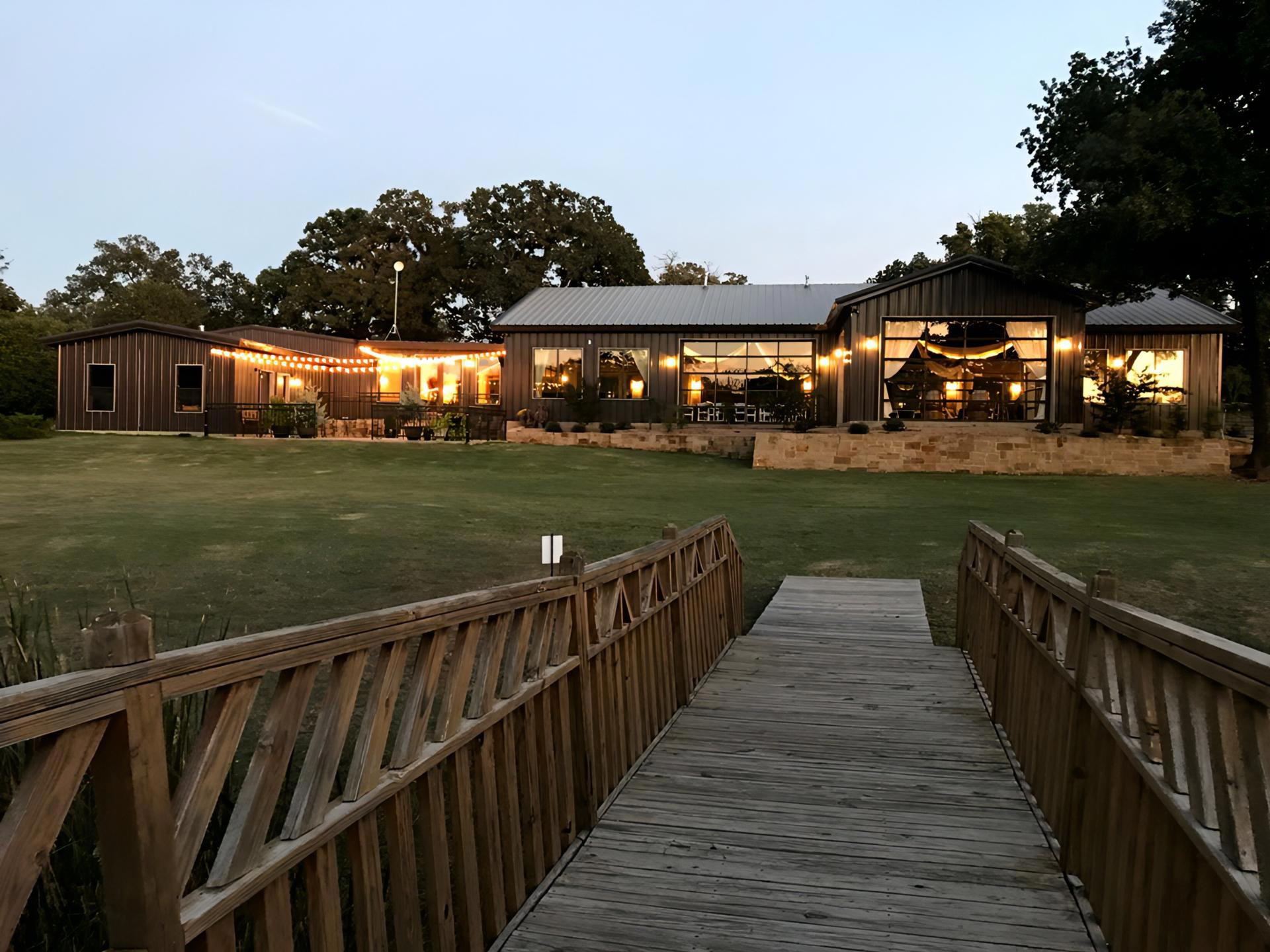
At a Glance
- Romantic
- Elegant
- Cozy
- Sophisticated
- Romantic Getaway
- Anniversary
- Wedding
- Wellness Retreat
- Historic Building
- Garden
- Destination Spa
- Terrace
- Spa
- Wi Fi
- Breakfast Included
- Restaurant
- Garden
- Concierge
- Garden
- Spa
- Wi Fi
- Breakfast Included
- Restaurant
- Garden
- Concierge
Elegant and romantic atmosphere with precise antique décor, lush gardens, and a tranquil retreat-like feel.