Google: 4.6 · 162 reviews
Blackland Distillery
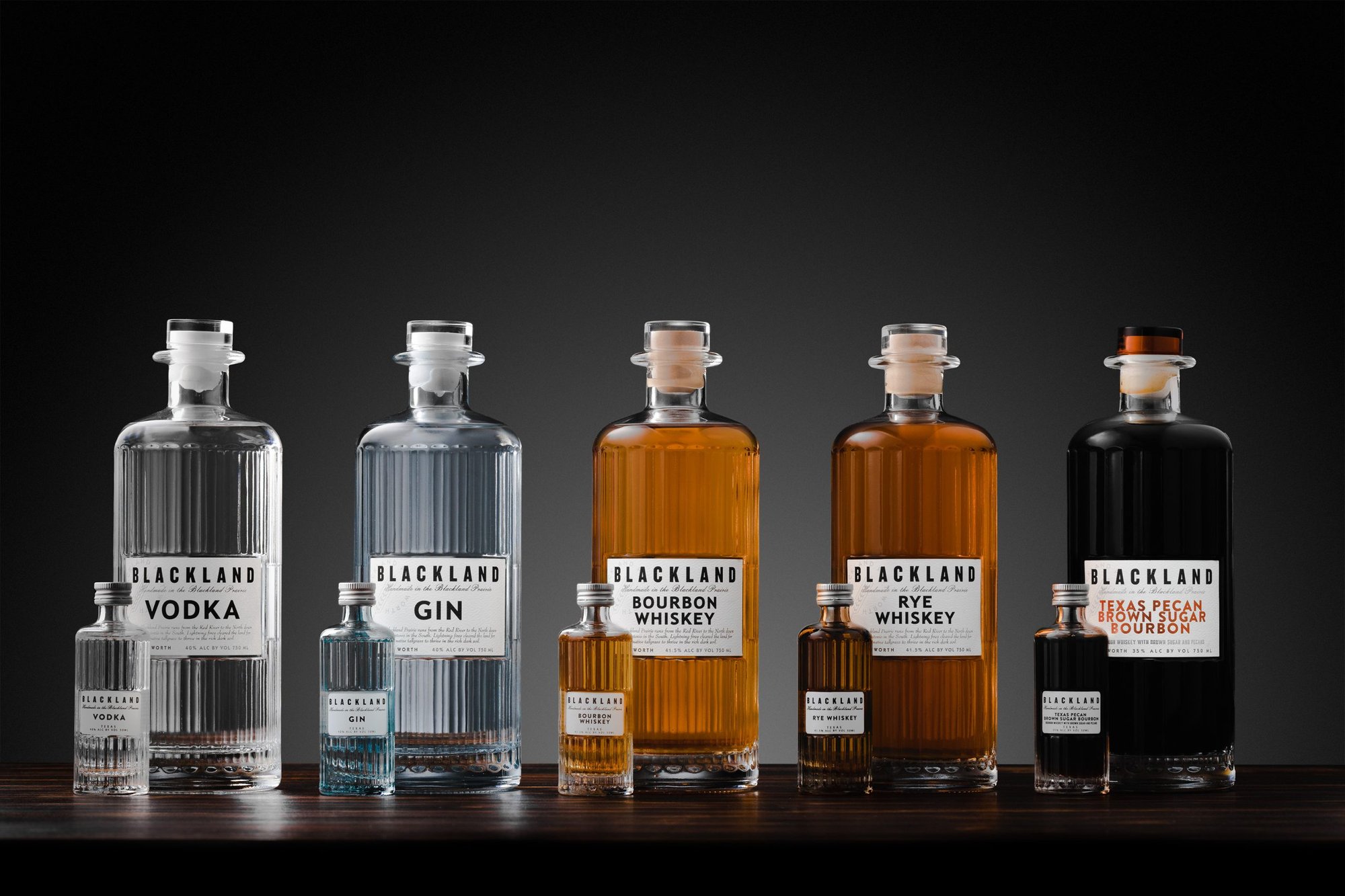
Blackland Distillery operates out of Fort Worth's Cultural District on Weisenberger Street, producing Texas-sourced spirits in a state where grain-to-glass craft distilling has matured into a serious category. The distillery sits within a broader West Texas drinks scene that rewards visitors willing to look past the city's barbecue-and-beer defaults toward more considered pours and production-forward tasting experiences.
 Discover on Pearl
Pearl is the En Primeur Club membership app — saves, bookings, and concierge access live there. Same editors, same standards.
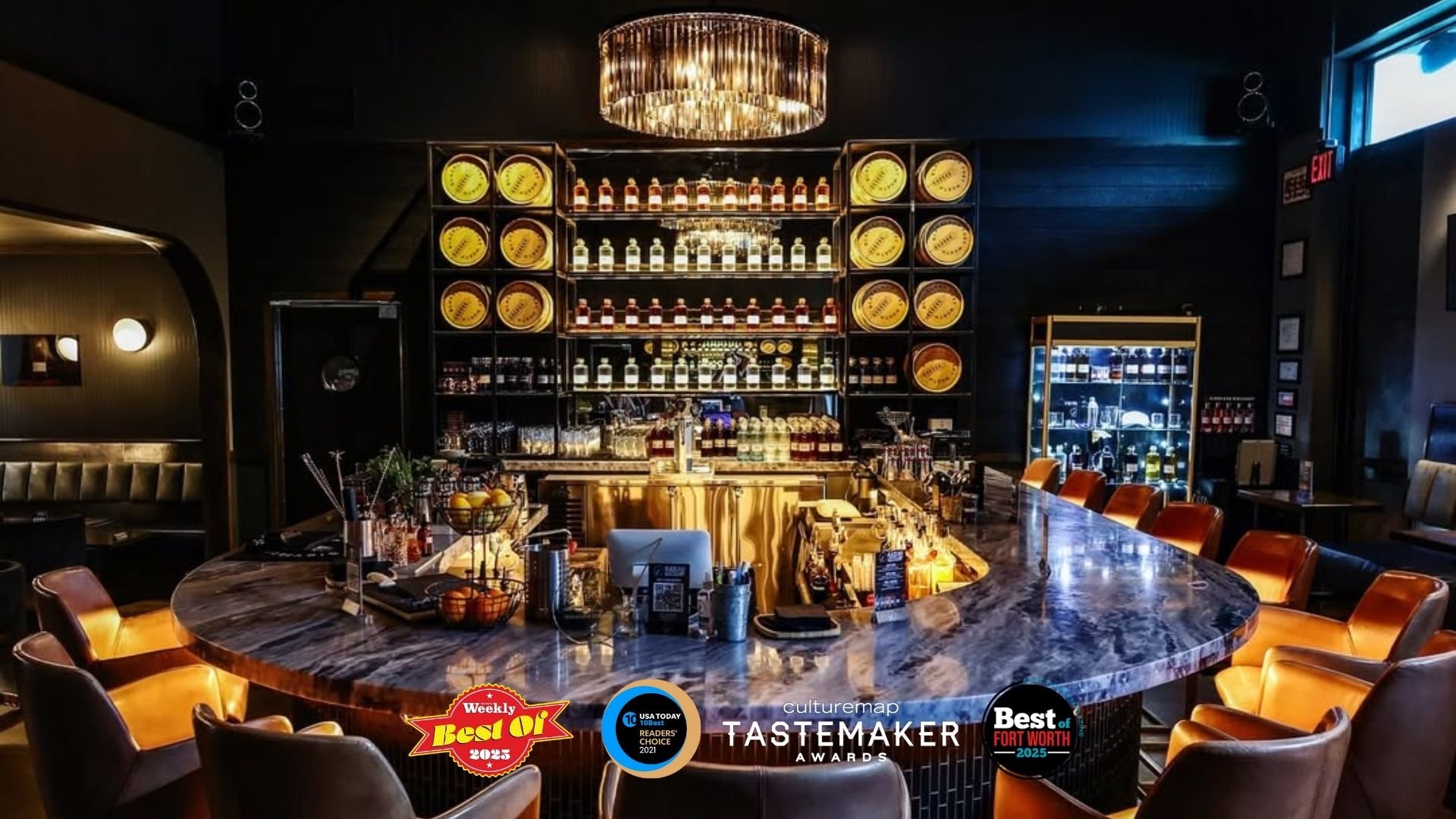
Fort Worth's Craft Spirits Scene and Where Blackland Fits
Texas craft distilling has followed a different trajectory from its counterparts in Kentucky or the Pacific Northwest. Where those regions inherited infrastructure and institutional knowledge, Texas producers largely built from scratch after the state's distillery licensing laws were reformed in the 2000s, and the category has spent the years since developing its own grain sourcing logic, climate-adapted production methods, and a consumer base that came of age alongside the producers. Fort Worth, sitting at the western edge of the Dallas-Fort Worth metroplex, has absorbed some of that momentum. The city's drinking culture has diversified considerably over the past decade, and Weisenberger Street in the Cultural District has become one of the addresses where that diversification is most visible.
Blackland Distillery at 2616 Weisenberger St sits inside that shift. It is not a bourbon import operation with Texas branding applied at the point of sale; it is a production facility with a tasting room component, which places it in a different category from most of what Fort Worth's bar scene offers. For visitors oriented around drinks with traceable provenance, that distinction matters.
The Physical Experience: What to Expect on Weisenberger Street
The Cultural District address is relevant beyond geography. The area around Weisenberger Street sits adjacent to Fort Worth's museum corridor, which means foot traffic skews toward visitors already in an exploratory frame of mind. Arriving at a working distillery rather than a cocktail lounge recalibrates expectations from the first moment: the architecture is functional, the smell of active production is present in ways that a conventional bar never replicates, and the tasting experience is framed by visibility into the process rather than theatrical interior design.
This production-forward format has become a recognizable model across American craft spirits. Visitors at facilities like this engage with the spirit differently than they would at a bar: there is less ambient noise, more opportunity for discussion with staff who understand the production specifics, and a direct line between what is in the glass and what is visible in the space. It is a format that rewards curiosity over passive consumption.
Texas Grain and the Sourcing Question
The ingredient sourcing question is where Texas distillers make or lose their credibility argument. Texas grows significant quantities of wheat and corn, and the state's grain belt produces raw materials with flavor profiles shaped by its specific soil conditions and temperature extremes. Distilleries operating from a genuine Texas-sourcing position are working with those characteristics intentionally, not simply marketing a geographic identity that the spirit's production doesn't support.
Blackland's location in Fort Worth puts it close to those supply chains in a way that coastal distilleries operating Texas-branded products cannot replicate. What that proximity translates to in the glass depends on production choices that the distillery makes around mash bill, yeast selection, and barrel aging, all of which are specific to the operation. The broader point, applicable across Texas craft distilling, is that the state's grain resources give serious producers a sourcing story that is geographically and agriculturally grounded rather than invented. Consumers asking where a spirit comes from are, in Texas, more likely to get a substantive answer than in states where contract distilling and neutral spirit sourcing remain common.
Placing Blackland in the Wider American Craft Spirits Map
For visitors arriving in Fort Worth with a serious interest in American craft spirits, it helps to understand how the Texas scene positions against peer markets. Programs like Julep in Houston have built national recognition for Southern spirits curation, and bars like Bar Leather Apron in Honolulu, Kumiko in Chicago, and ABV in San Francisco represent the technically disciplined end of American cocktail culture. What a distillery tasting room offers that none of those venues can is direct access to the production itself. Jewel of the South in New Orleans and Superbueno in New York City operate in a different register entirely, focused on finished cocktail programs. The Parlour in Frankfurt on the Main illustrates how the craft spirits conversation extends well beyond American borders. Blackland occupies a specific niche within that broader map: a production site that doubles as a tasting venue, in a city whose drinks scene is still developing the critical density that Houston or Austin have accumulated.
Fort Worth's Broader Drinking and Dining Context
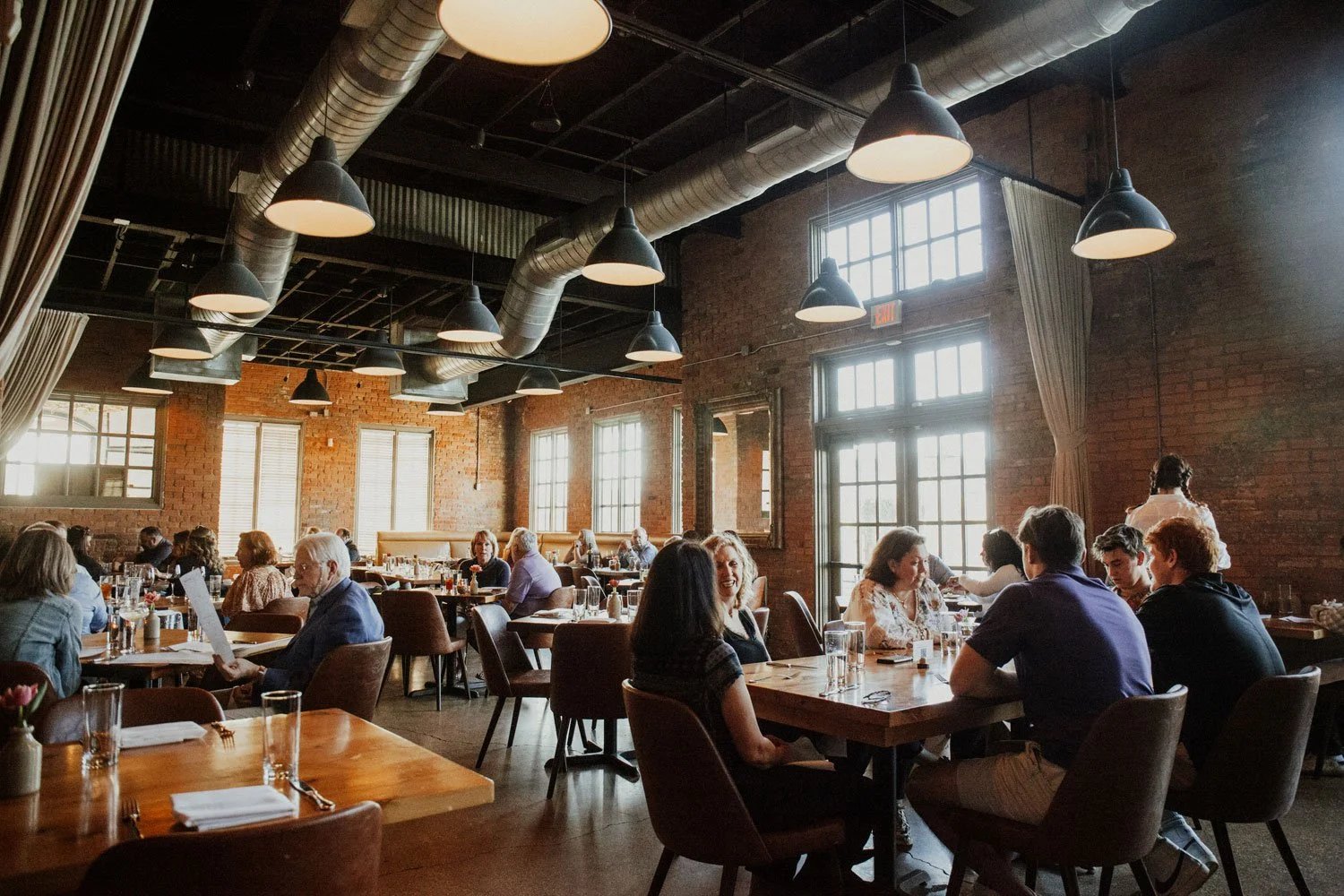
Weisenberger Street does not exist in isolation. Fort Worth's Cultural District is surrounded by a dining and drinking scene that has matured considerably. 61 Osteria represents the more polished end of the local restaurant offering, while Angelo's Bar-B-Que anchors the city's barbecue identity with decades of operational history. Aventino's Italian Restaurant and Big Kat Burgers at Crystal Springs Hideaway fill out the mid-range. Taken together, they sketch a city that has options across categories, even if the top-tier density of Dallas remains a short drive east. For a fuller picture of where to eat and drink across the city, EP Club's Fort Worth restaurants guide maps the scene in detail.
A distillery visit fits most naturally into a Cultural District day that includes the Kimbell, the Modern, or the Amon Carter. The geography makes this a logical afternoon stop rather than a destination that requires special routing.
Planning Your Visit
Blackland Distillery is located at 2616 Weisenberger St, Fort Worth, TX 76107. Booking details, current tasting room hours, and tour availability are leading confirmed directly through the distillery's own channels before visiting, as production schedules and tasting room access at craft facilities of this type can vary by season and operational calendar. Visitors traveling from out of state who want to build a broader Fort Worth itinerary around the distillery should note that the Cultural District's museum cluster and the restaurant options on and around Weisenberger Street make this a viable half-day spend without requiring a car for each individual stop once you have parked in the area.
A Quick Peer Check
A quick look at comparable venues, using the data we have on file.
| Venue | Cuisine | Price | Awards | Notes |
|---|---|---|---|---|
| Blackland Distillery | This venue | |||
| LOT 12 Rooftop Bar | ||||
| Clay Pigeon Food & Drink | ||||
| Joe T. Garcia's | ||||
| Walloon's Restaurant | ||||
| 61 Osteria |
Continue exploring
More in Fort Worth
Bars in Fort Worth
Browse all →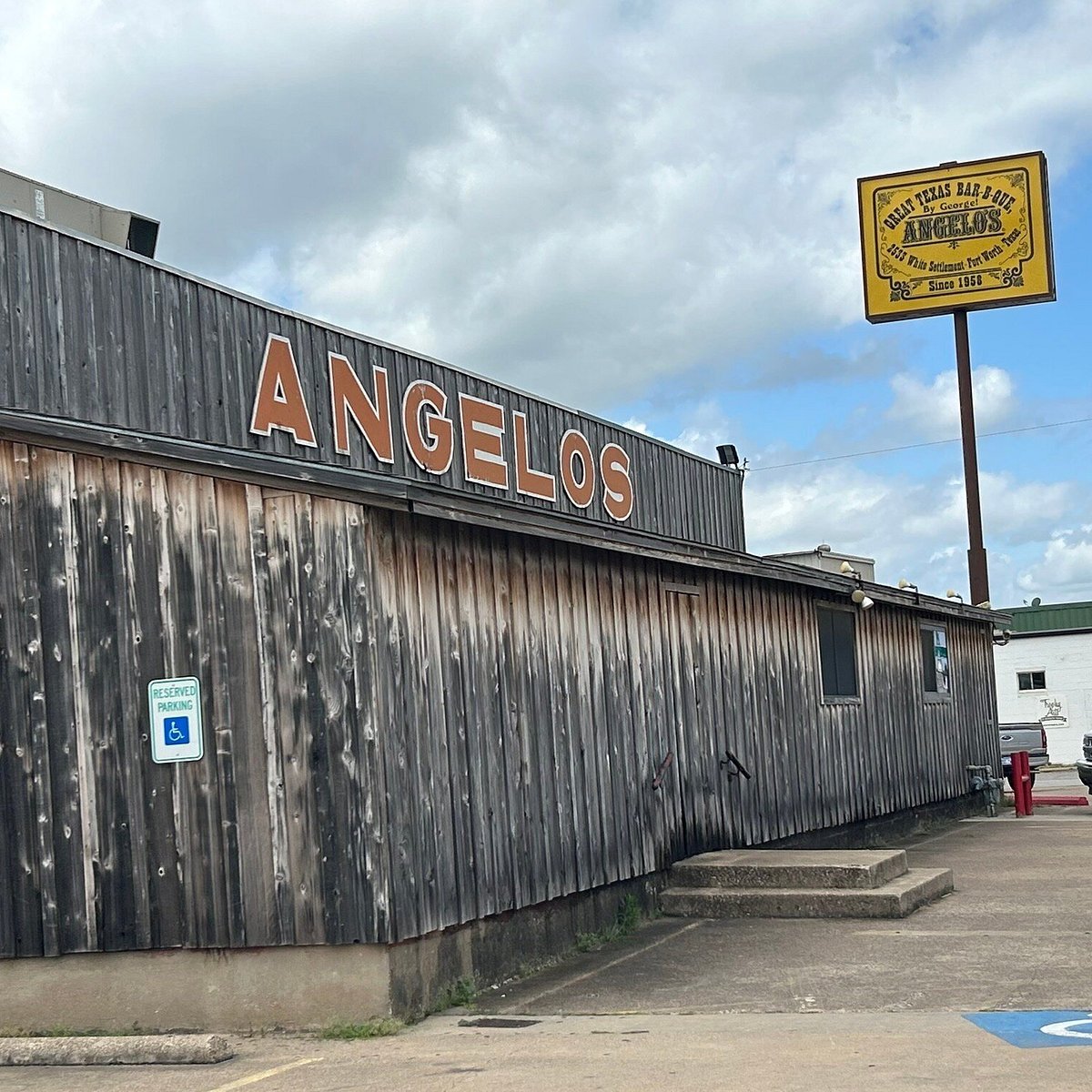
Restaurants in Fort Worth
Browse all →
Hotels in Fort Worth
Browse all →
At a Glance
- Modern
- Industrial
- Sophisticated
- Cozy
- Date Night
- Group Outing
- Celebration
- Casual Hangout
- Standalone
- Seated Bar
- Lounge Seating
- Craft Cocktails
- Whiskey
- Gin
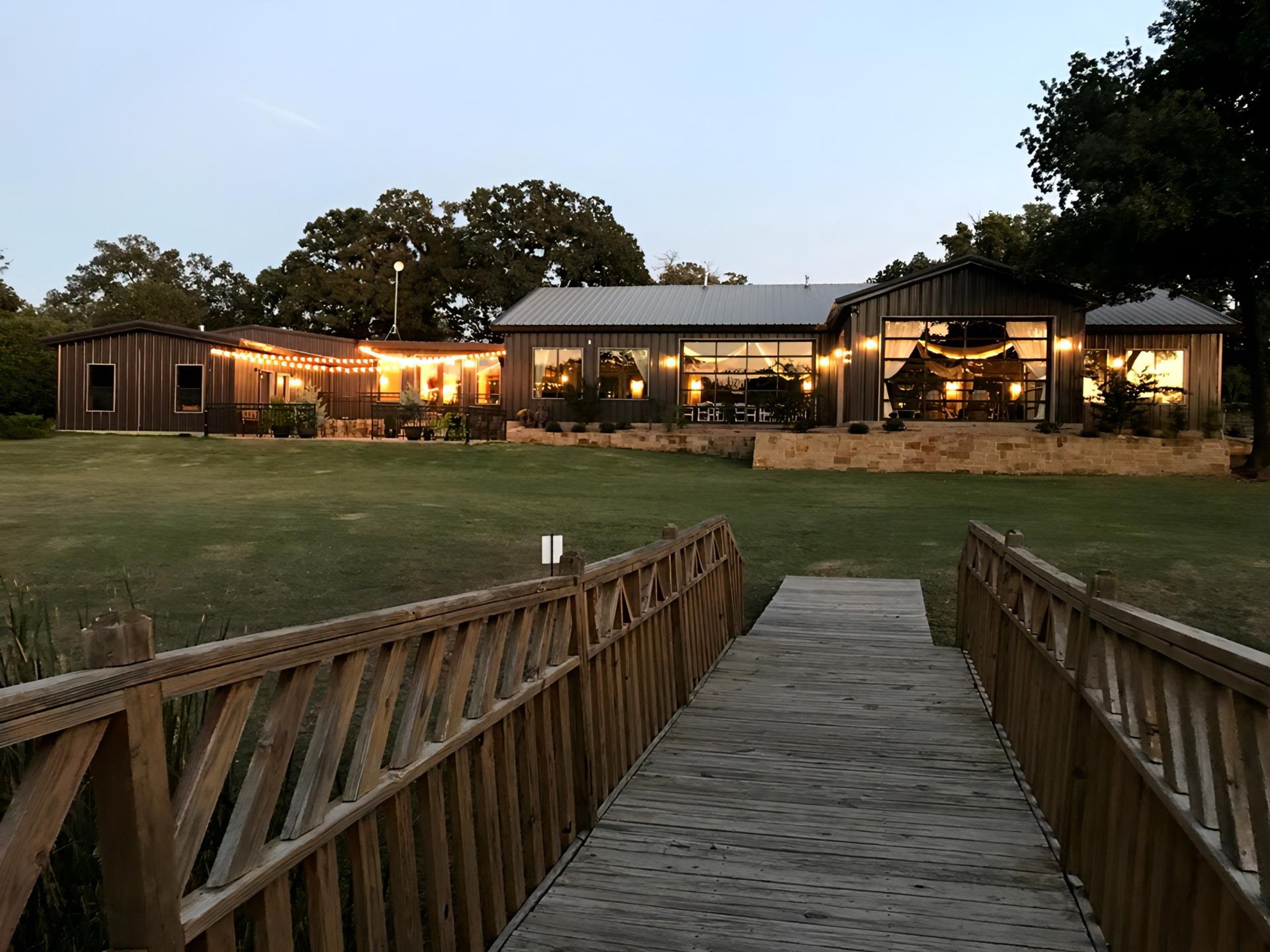
Industrial chic with modern, sophisticated lighting and cozy, swanky atmosphere blending authentic Texan spirit.