The Rookery

A Michelin Selected hotel occupying a row of Georgian townhouses on Peters Lane near Smithfield, The Rookery sits at the intersection of architectural preservation and intimate city lodging. The Clerkenwell address places it in one of London's most historically layered neighbourhoods, where Victorian meat markets and medieval priory ruins share a postcode with some of the city's most interesting independent restaurants and bars.
Pearl is the En Primeur Club membership app — saves, bookings, and concierge access live there. Same editors, same standards.
- Address
- 12 Peter's Ln, Cowcross St, London EC1M 6DS, United Kingdom
- Phone
- +44 20 7336 0931
- Website
- rookeryhotel.com
- Directions
- Get directions
 Saves & bookings on Pearl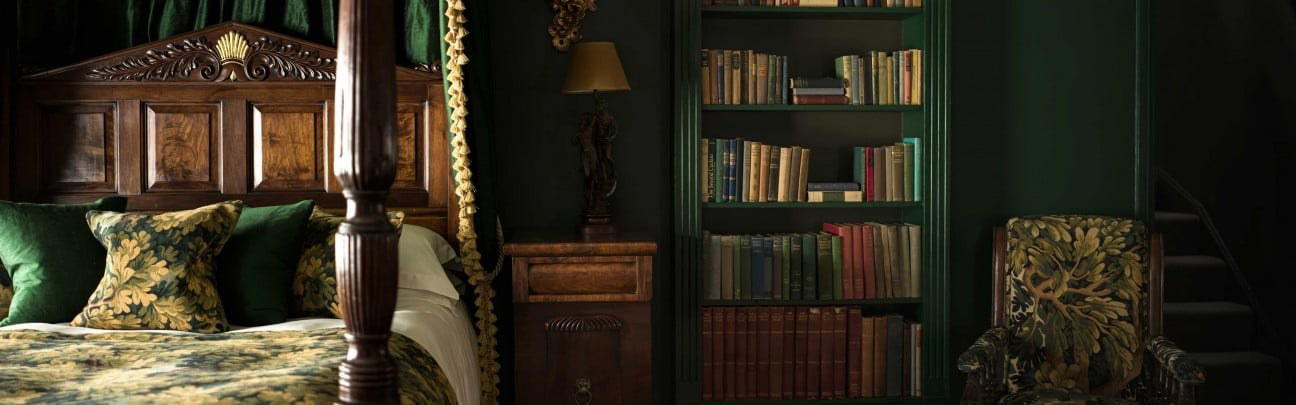
Stone Floors, Panelled Walls, and the Weight of Clerkenwell's Past
Peters Lane runs between Cowcross Street and the edge of Smithfield Market, a stretch of London where the built environment has been accumulating character for several centuries. The Rookery occupies a cluster of early Georgian townhouses on this lane, and the decision to work with the existing fabric rather than against it shapes everything about the hotel. Exposed stone floors, darkened wood panelling, and open fireplaces are not decorative gestures here; they are the building speaking in its original register. In a city where much luxury accommodation leans toward polished reinvention, Clerkenwell's Rookery sits firmly in the tradition of careful restoration, placing it in a small peer group that includes properties like 11 Cadogan Gardens in Chelsea, where the period shell is treated as the primary asset rather than a starting point for contemporary overlay.
The Michelin Selected recognition the property holds in 2025 speaks to a quality of experience that reviewers across categories have consistently flagged: the sense that the building itself is doing much of the hospitality work. Michelin's hotel selection process rewards coherence between setting, service, and guest experience, and properties at this scale, typically under forty rooms, tend to earn that recognition through atmospheric density rather than facility breadth. The Rookery fits that pattern precisely.
A Neighbourhood That Does the Contextual Work
London's premium small hotels tend to cluster in Mayfair, Belgravia, and Marylebone, where postcode carries its own weight. The Rookery's Clerkenwell address is a deliberate departure from that geography. The neighbourhood has a different kind of density: Smithfield Market's Victorian iron and glass structure sits a few minutes' walk away; the ruins of St John's Priory, which date to the twelfth century, are visible from Cowcross Street; and the area's transformation from a Victorian working district into a centre for design studios, architecture practices, and media companies has left a streetscape that mixes eras with unusual frankness.
For a hotel built around period architecture, this setting functions as an extension of the guest experience rather than simply a location. Clerkenwell's dining scene has grown steadily around the same ingredients that define the hotel: independent operators, converted industrial and ecclesiastical spaces, and a preference for substance over surface. Travellers using the hotel as a base are well-placed to access the City of London in under ten minutes on foot, and the broader neighbourhood offers a concentration of independent restaurants and bars that sits outside the circuits covered in most mainstream London guides.
The Architecture of Small-Scale Luxury
Within London's hotel market, scale is a meaningful signal. The large international properties, Claridge's, The Savoy, Raffles London at The OWO, operate at a scale where the building itself becomes an institution. The Connaught, NoMad London, and The Emory occupy a middle band where design ambition and service infrastructure remain central. The hotel operates at a different register entirely, one where the room count is low enough that the physical environment carries the full experiential load without needing to be supplemented by spa floors, multiple dining outlets, or branded programming.
This model has close parallels in the country house tradition: properties like Estelle Manor in North Leigh or The Newt in Somerset operate on the same logic of letting architectural and landscape character do the heavy lifting. The hotel applies that logic to a Georgian city terrace rather than a country estate, which is a rarer and more difficult proposition: urban small hotels lack the acreage to build atmosphere through grounds, so the interior has to work harder. The preserved stone floors and panelled interiors suggest that the approach here has been to resist intervention rather than impose it.
At the international level, the peer comparison extends to properties like Badrutt's Palace Hotel in St. Moritz or Hôtel de Paris Monte-Carlo, where the historical built fabric is the primary distinction. The difference is one of scale and register: those properties operate as destination anchors in resort towns, while the hotel functions as an intimate city retreat within a working neighbourhood.
Positioning Within the Wider UK Small-Hotel Market
The hotel sits in a tier of UK accommodation that includes a number of period properties operating at similar scale and ambition. In Scotland, Gleneagles in Auchterarder and Crossbasket Castle in High Blantyre represent the country house end of that spectrum. In the north of England, Farlam Hall Hotel in the Lake District operates on a comparable model of careful preservation and intimate scale. The hotel's distinction within this peer group is its urban setting and the specific character of Clerkenwell as a neighbourhood: dense with history, architecturally layered, and operating at a remove from the London premium hotel clusters of the West End.
For travellers approaching London from outside the UK, the Clerkenwell address requires a deliberate choice rather than a default one. Properties like 1 Hotel Mayfair sit in the more predictable luxury geography. Choosing Peters Lane means prioritising neighbourhood character and architectural specificity over convenience to the traditional West End circuit, which is a trade that makes sense for a particular kind of traveller: those with itineraries anchored in the City, the East End, or the design and architecture scenes that have their centre of gravity in and around Clerkenwell.
Planning a Stay
The hotel sits on Peters Lane, Cowcross Street, EC1, a short walk from Farringdon station with direct connections to Heathrow via the Elizabeth line. The property's niche positioning within London's small-hotel market means that availability at periods of high demand should be treated with some urgency. Booking directly or through a specialist channel is advisable. For comparable intimate stays elsewhere in the UK, Lime Wood in Lyndhurst and Aviator Hotel in Farnborough offer useful reference points for travellers planning wider itineraries around a London base.
A Quick Peer Check
Comparable venues nearby, for context on price, style, and recognition.
| Venue | Cuisine | Price | Awards | Notes |
|---|---|---|---|---|
| The RookeryThis venue — the venue you are viewing | Georgian boutique hotel in historic townhouses | $$$ | 4-Star | Not listed |
| The Caesar Hotel | Renovated Victorian building blending classic English facade with modern minimalist interiors | $$$ | 4-Star | Bayswater |
| The Bailey’s Hotel London Kensington | Victorian heritage hotel with contemporary restoration, blending historic charm with modern luxury amenities across five themed floors. | $$$ | 4-Star | Earl's Court |
| Grand Hotel Bellevue London | Victorian townhouse reimagined as an intimate residential hotel merging British domestic codes with Parisian design sensibility. | $$$$ | 4-Star | Paddington |
| Henrietta Experimental | Experimental Group's creative boutique hotel blending Victorian architecture with contemporary design; positioned as a discreet, charming escape in the heart of London's action. | $$$ | 4-Star | Covent Garden |
| One Hundred Shoreditch | Contemporary design-led hotel blending East End cool with tranquility, positioned as a grown-up alternative to its predecessor Ace Hotel. | $$$ | 4-Star | Shoreditch |
Recognition history
Dated appearances from independent guides and award organizations, with the underlying list record or original source where available.
Mr & Mrs Smith Smith Seal of Approval
Mr & Mrs Smith
Michelin Selected
Michelin
Continue exploring
More in London
Hotels in London
Browse all →
Bars in London
Browse all →
Restaurants in London
Browse all →



At a Glance
- Cozy
- Classic
- Intimate
- Elegant
- Romantic Getaway
- Weekend Escape
- Historic Building
- Garden
- Room Service
- Wi Fi
- Concierge
- Room Service
- Wi Fi
- Concierge
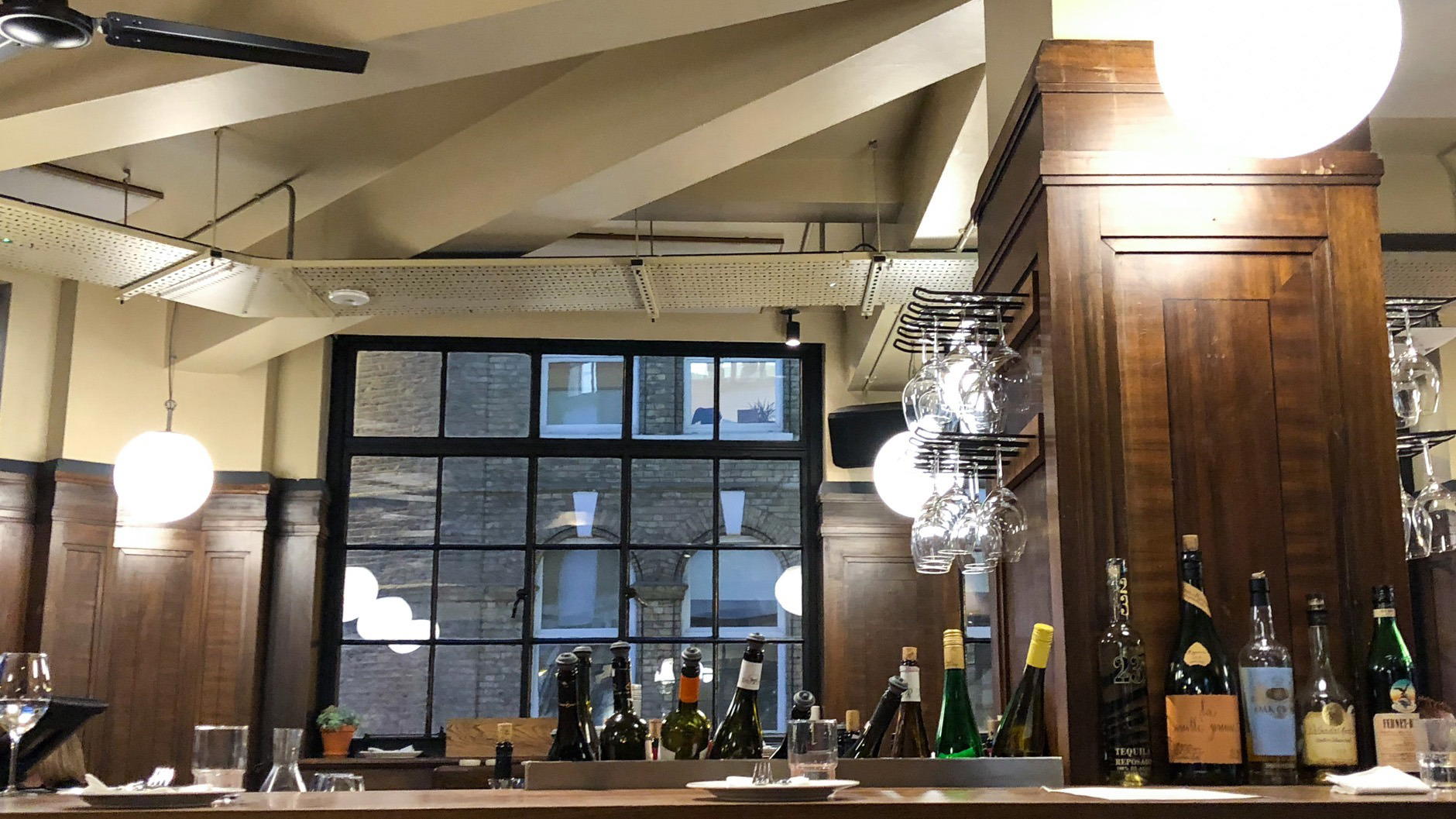
Warm and inviting with period charm, polished wood panelling, flagstone floors, open fires, and antique furnishings creating a cozy, private club-like atmosphere.