The Ritz-Carlton Ras Al Khaimah, Al Wadi Desert





2 Michelin Keys · Star Wine List · Forbes 4-Star
Set within a 1,235-acre protected nature reserve in Ras Al Khaimah's Wadi Khadeja, The Ritz-Carlton Al Wadi Desert operates at the quieter, more immersive end of UAE luxury. Its 108 private villas each come with a terrace and pool, and the property holds the 2025 World Travel Awards for both UAE's Leading Villa Resort and Middle East's Leading Luxury Desert Resort.

Pearl is the En Primeur Club membership app, where members save venues, book tables and use the concierge.
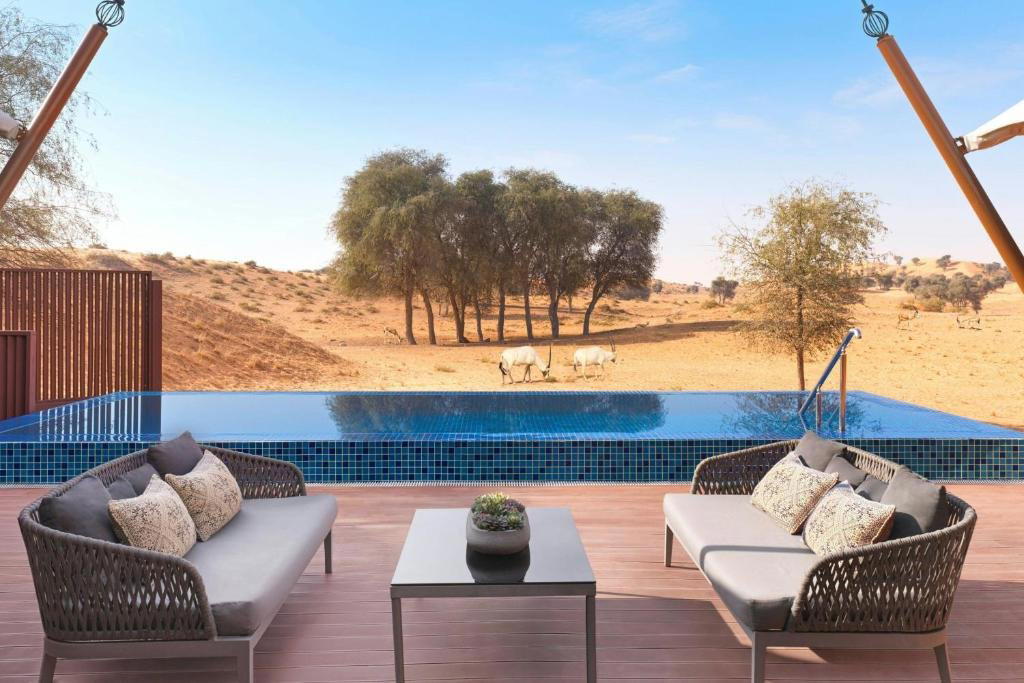
Where the Desert Does the Heavy Lifting
The Gulf's luxury hotel market has long divided along a familiar axis: beach resorts on one side, urban towers on the other. The desert category sits apart from both, and within that category, the difference between a resort that uses the landscape as backdrop and one that uses it as its primary offering is considerable. The Ritz-Carlton Ras Al Khaimah, Al Wadi Desert belongs to the second type. Its 108 private villas occupy a 1,235-acre gated nature reserve in Wadi Khadeja, far enough from the coastal development of Al Hamra and Al Marjan Island that the silence at night is genuine rather than managed.
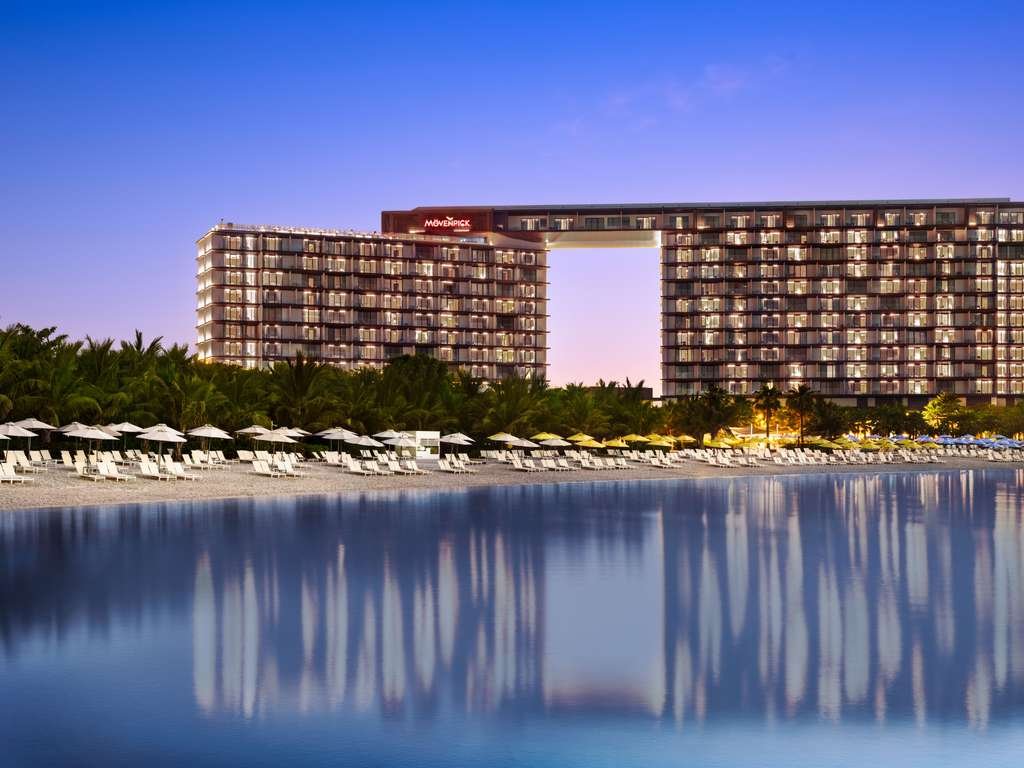
That positioning matters when comparing Al Wadi Desert against the wider Ras Al Khaimah hotel field. Properties like the Anantara Mina Ras Al Khaimah Resort, the InterContinental Ras Al Khaimah Mina Al Arab Resort & Spa, the Mövenpick Resort Al Marjan Island, and the Sofitel Al Hamra Beach Resort compete primarily on sea access and amenity density. Al Wadi Desert competes on something else: the density of space and the quality of the natural environment itself.
Inside the Villas: The Architecture of the Overnight Stay
In the UAE desert resort category, the private villa format has become the dominant model for properties pitching at the upper bracket. What distinguishes individual properties is how successfully the villa integrates with its natural setting rather than simply sitting beside it. At Al Wadi Desert, the 108 villas are designed for sensory engagement with the reserve: private terraces and pools face into the open landscape, and the low-built architecture avoids the vertical mass that would interrupt sightlines across the dunes and gravel plains of Wadi Khadeja.
The overnight experience at desert villa properties tends to hinge on two factors: acoustic separation and darkness quality. In Wadi Khadeja, both are structural rather than incidental. For guests whose primary interest is the physical experience of sleeping in a landscape rather than merely adjacent to one, that distinction is material.
The villa format itself, with a private pool and dedicated terrace, also shifts the pattern of a stay. Rather than the resort's shared facilities structuring the day, the villa becomes the primary space, with the broader resort amenities acting as optional add-ons. This is a design philosophy that aligns Al Wadi Desert with properties like Amangiri in Canyon Point, where the room itself is understood as an immersive experience rather than a base for touring amenities.
The Reserve as Programme
Desert resort programming has evolved considerably across the Gulf. The early model, essentially hotel amenities in a sandy setting, has given way at the upper end to genuine activity infrastructure tied to local ecology and tradition. Al Wadi Desert's offering follows that pattern. The Equestrian Centre and Falconry School address what is authentic to the region in a way that spa treatments or international restaurant formats cannot, and they place the resort inside a longer Bedouin hospitality tradition rather than simply borrowing its aesthetic.
The Adventure Centre extends the activity range for guests who want physical engagement with the terrain, while the spa programme runs in a different register: The Rainforest hydrothermal experience is structured around recovery and sensory reset rather than cultural immersion. These are complementary rather than competing offerings, and the property's scale, 1,235 acres for 108 villas, means there is genuine separation between activity zones rather than the compressed multi-use layouts that characterise smaller urban resort footprints.
An additional logistical point worth noting: Al Wadi Desert guests receive complimentary access to its sister property, The Ritz-Carlton Ras Al Khaimah, Al Hamra Beach. This arrangement resolves what is the most common objection to inland desert properties in the Gulf: the absence of sea access. In practice, guests can book Al Wadi Desert for the solitude and landscape and still reach a Ritz-Carlton beach property without a separate admission process.
Recognition and Where It Places the Property
The 2025 World Travel Awards named Al Wadi Desert both UAE's Leading Villa Resort and Middle East's Leading Luxury Desert Resort. These are category-specific recognitions rather than all-hotels rankings, but within the desert luxury segment they serve as meaningful peer-set validators. The Star Wine List award (2026) adds a separate signal, suggesting that the beverage programme across the resort's dining outlets has been assessed against specialist criteria rather than simply bundled into general hotel recognition.
The Desert Islands Resort & Spa by Anantara in Al Dhafra offers a related but distinct proposition around island-adjacent desert terrain. What Al Wadi Desert has in Ras Al Khaimah that these properties lack is proximity to the Hajar Mountains, which creates a landscape character that reads more dramatically at certain times of year than the flat gravel plains further south.
For a broader sense of where the property sits within Ras Al Khaimah's dining and hospitality offerings, our full Ras Al Khaimah restaurants guide maps the emirate's wider F&B scene. The Waldorf Astoria Ras Al Khaimah operates at a comparable price point and recognition level in the emirate, though its format is more conventionally resort-structured rather than villa-led and nature-reserve-anchored.
Planning a Stay
Al Wadi Desert is located at Al Mazraa, Wadi Khadija, approximately 45 minutes from Dubai International Airport depending on traffic conditions, making it accessible as a standalone destination or as part of a broader UAE itinerary. The cooler months from October through March represent the period when outdoor desert activities are physically comfortable at all hours; summer visits concentrate more heavily on indoor and pool-based programming. The Vitality Pool is available complimentarily to guests aged 16 and above, subject to availability.
Given the villa format and nature reserve setting, this is a property that rewards stays of at least two nights. One night is enough to experience the landscape, but the rhythm of the reserve, early falconry sessions, evening activity windows, the shift in light quality across the dunes at different hours, is better absorbed over a longer stay. For travellers comparing desert properties against coastal alternatives, the properties that share the Ritz-Carlton flag across both formats in RAK make the comparison unusually direct: Al Wadi Desert for the reserve experience, Al Hamra Beach for sea access, with the complimentary cross-access making a split stay across both feasible.
Travellers considering the broader UAE luxury landscape will find useful reference points at Atlantis The Royal in Dubai for high-volume spectacle at the opposite end of the format spectrum, or Al Badayer Retreat by Sharjah Collection for a smaller-scale desert alternative in a neighbouring emirate. Internationally, the wilderness-villa model that Al Wadi Desert operates finds closest parallels in properties like Amangiri and, in its Adriatic-estate equivalent, Castello di Reschio in Lisciano Niccone: properties where the acreage is as much the product as the rooms themselves.
How It Stacks Up
Comparable venues nearby, for context on price, style, and recognition.
| Venue | Cuisine | Awards | Notes |
|---|---|---|---|
| The Ritz-Carlton Ras Al Khaimah, Al Wadi DesertThis venue (the venue you are viewing) | Bedouin-inspired luxury villas blending heritage with modern comfort in a private desert reserve | 2 Michelin Keys · Star Wine List | Not listed |
| Waldorf Astoria Ras Al Khaimah | Luxury beach resort with elegant rooms and private butler service | La Liste Top Hotels · Forbes 4-Star | Al Hamra |
| Anantara Mina Ras Al Khaimah Resort | Lavish eco-sanctuary blending Arab and Thai architecture on a private peninsula. | 1 Michelin Key · Star Wine List | Al Riffa |
| The Ritz-Carlton Ras Al Khaimah, Al Hamra Beach | Secluded coastal villas blending refined luxury with natural beachfront serenity. | Michelin Selected · La Liste Top Hotels | Al Hamra Village |
| InterContinental Ras Al Khaimah Resort and Spa | Contemporary Arabian luxury beachfront resort | Michelin Selected · Virtuoso Luxury Hotel Partner | Al Riffa |
| Sofitel Al Hamra Beach Resort | Beachfront luxury resort fusing French sophistication with Arabian heritage | Michelin Guide New Hotels New Hotel · Michelin Selected | Al Hamra |
Recognition history
Dated appearances from independent guides and award organizations, with the underlying list record or original source where available.
Michelin 2 Keys
Michelin
Star Wine List
Star Wine List
Forbes 4-Star
Forbes
Virtuoso Luxury Hotel Partner
Virtuoso
World Travel Awards
World Travel Awards
Full recognition history (6 entries)
Michelin Selected
Michelin
Continue exploring
More in Ras al Khaimah
Hotels in Ras al Khaimah
All hotels in Ras al Khaimah →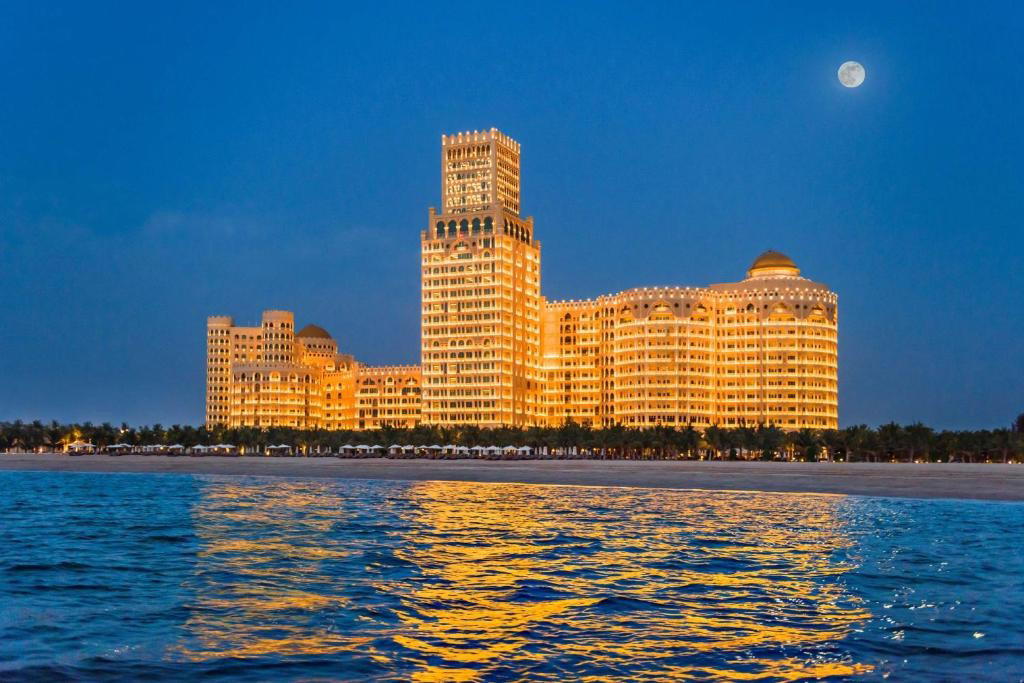
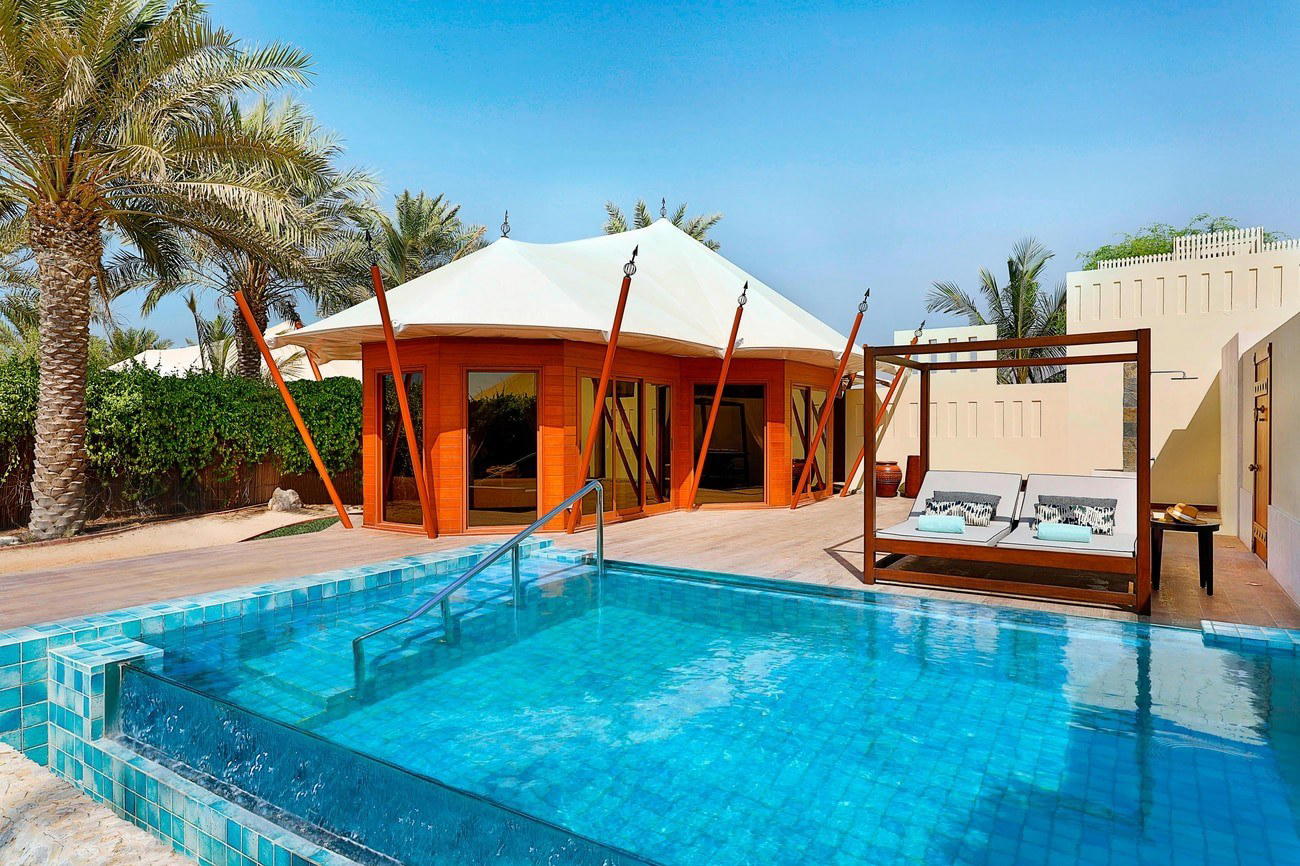
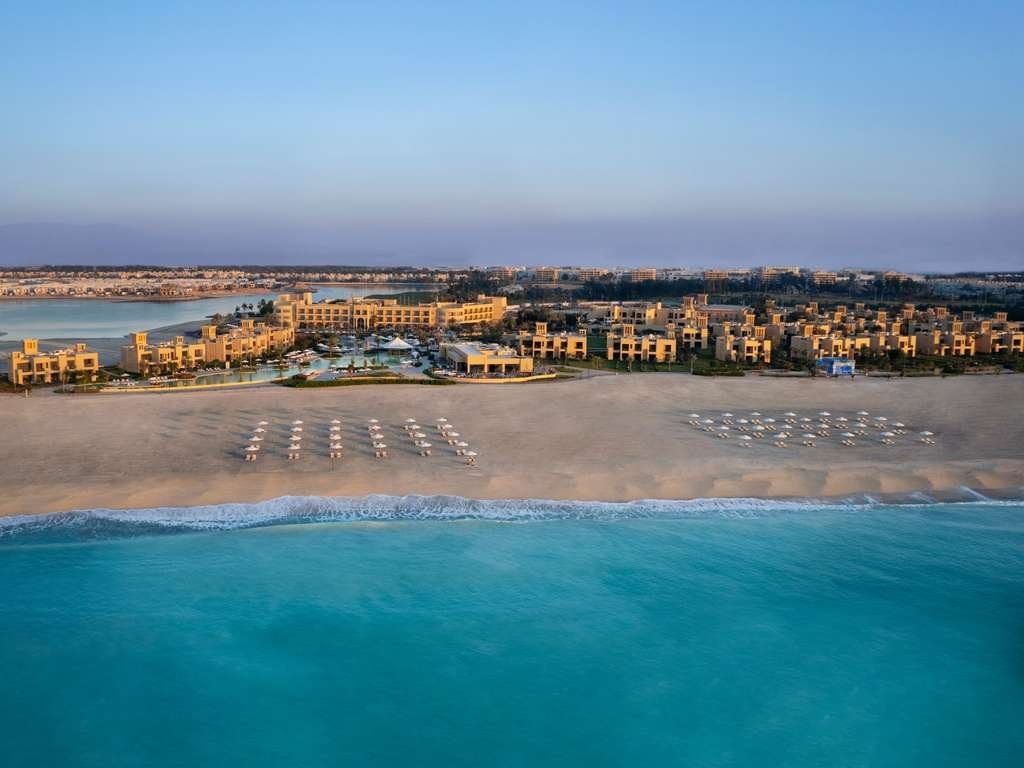
Bars in Ras al Khaimah
All bars in Ras al Khaimah →
Details
- Romantic
- Quiet
- Elegant
- Scenic
- Sophisticated
- Ornate
- Honeymoon
- Romantic Getaway
- Family Vacation
- Wellness Retreat
- Anniversary
- Weekend Escape
- Infinity Pool
- Private Villa
- Butler Service
- Destination Spa
- Golf Course
- Panoramic View
- Pool
- Spa
- Fitness Center
- Room Service
- Concierge
- Valet Parking
- Kids Club
- Wi Fi
- Mountain
- Garden
- Wheelchair Accessible
- Step Free Entrance
- Accessible Parking
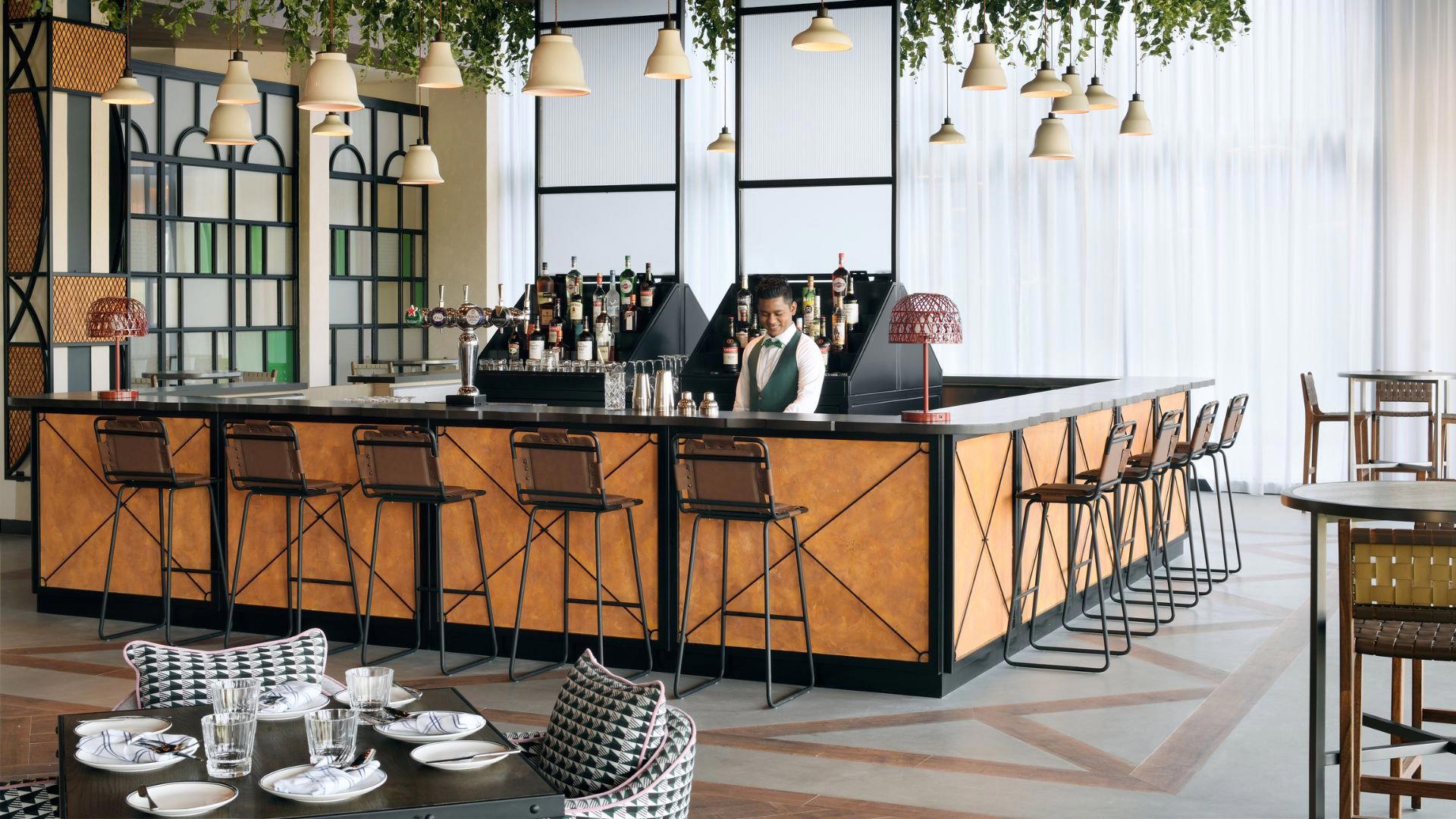
Serene desert tranquility with natural light, Bedouin-inspired elegance, and immersive peace surrounded by dunes and wildlife.