The Ritz-Carlton, Riyadh



Originally designed as a royal palace, The Ritz-Carlton, Riyadh opened in 2011 on Makkah Al Mukarramah Road and has since established itself as the address of choice for heads of state, government delegations, and travellers seeking a property that operates at the intersection of palatial Saudi heritage and contemporary international standards.
Pearl is the En Primeur Club membership app — saves, bookings, and concierge access live there. Same editors, same standards.
- Address
- Area, Makkah Al Mukarramah Rd, Al Hada, Riyadh 11493
- Phone
- +966 11 802 8020
- Website
- ritzcarlton.com
- Directions
- Get directions
 Saves & bookings on Pearl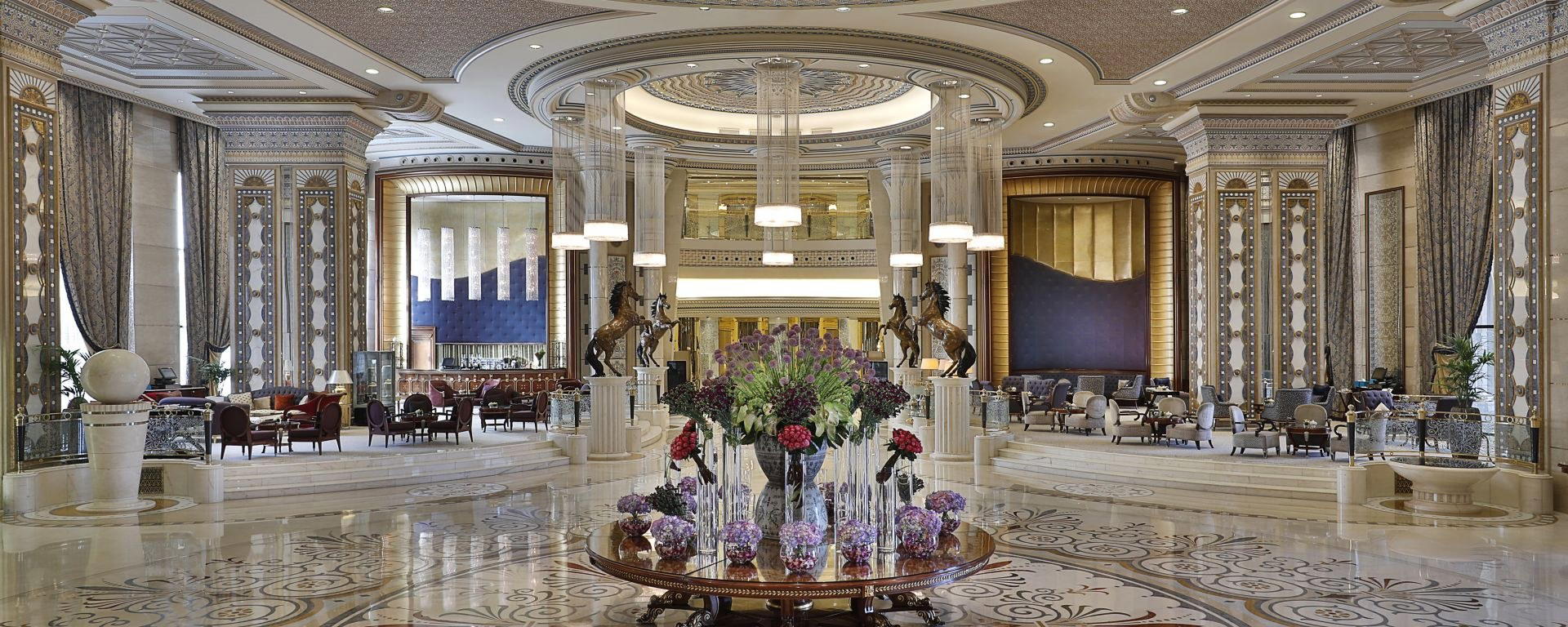
A Palace Repurposed: Where Riyadh's Grandest Address Meets Contemporary Hospitality
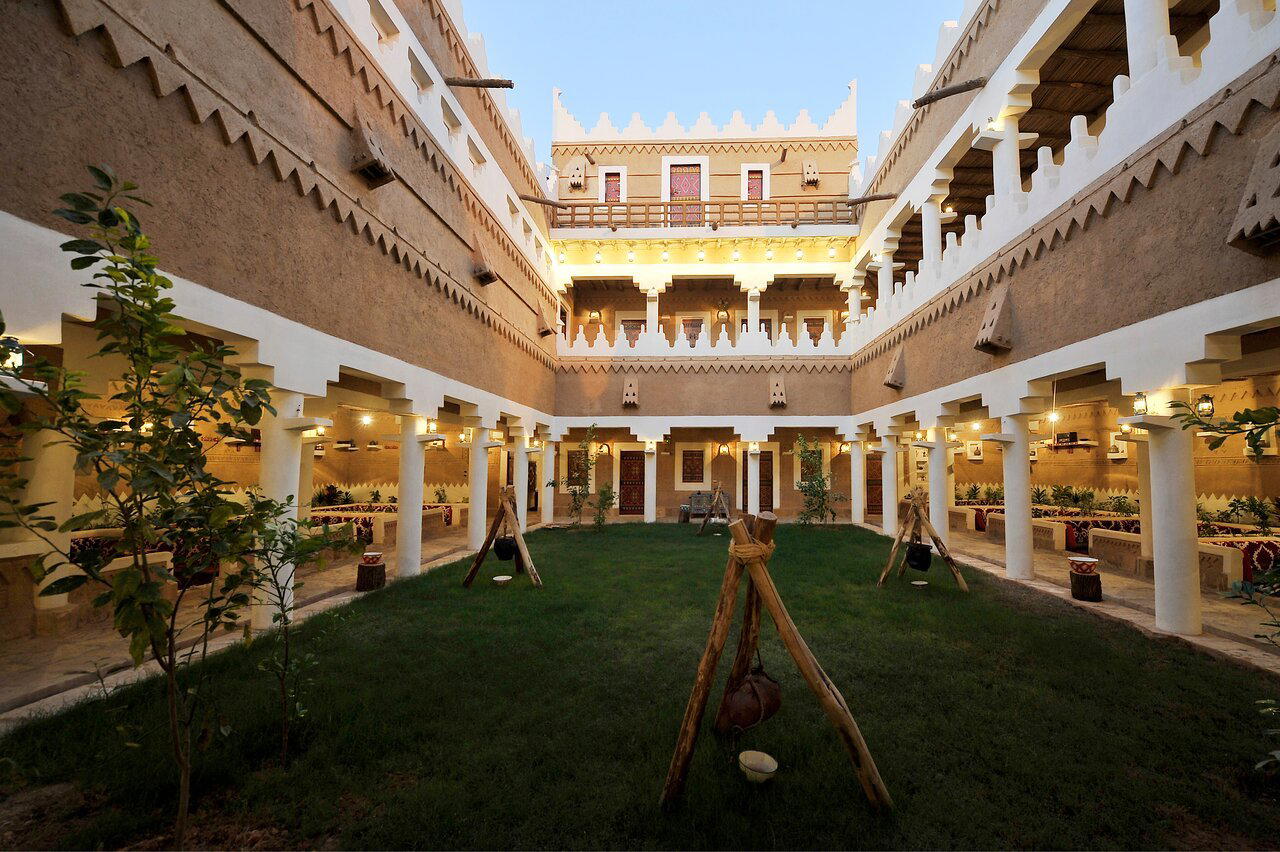
Not many hotels can point to a royal commission as their origin story. The Ritz-Carlton, Riyadh was conceived as a royal palace before Marriott International assumed management and opened it to guests in 2011. That architectural ambition remains visible in everything from the painted high ceilings across more than 64,000 square feet of event space to the marble mosaic floors that line the indoor pool. The building does not perform grandeur — it was built for it. Understanding that context matters when placing the property inside Riyadh's competitive luxury tier, which has grown sharply since Saudi Vision 2030 accelerated hotel investment across the Kingdom.
Riyadh's top-end hotel set now includes properties like the Four Seasons Hotel Riyadh at Kingdom Centre, the Fairmont Riyadh, and the design-led Al Mashreq Boutique Hotel. The Ritz-Carlton occupies its own position within that group: it is the property with the most explicitly palatial DNA, and it competes on scale, ceremony, and a depth of in-house programming that smaller properties cannot replicate. Its La Liste 2026 score of 98.5 points places it among the documented upper tier of international hotel rankings, a credential that aligns with its target guest profile of royalty, government delegations, and senior corporate travellers.
The Lobby as a Cultural Moment
The editorial angle on any great hotel's front-of-house team is not whether staff are polite — that baseline is assumed, but whether they orchestrate something the building alone cannot deliver. At the Ritz-Carlton, Riyadh, the lobby programme each evening functions as a deliberate cultural statement. Traditional music plays while guests receive Arabic coffee, the kind that arrives smooth and lightly spiced, paired with local dates in the way that formal Saudi hospitality has long prescribed. It is a front-of-house decision, not a passive amenity: someone chose to encode that ritual into the daily rhythm of the property, and the execution reflects a team that understands the difference between hospitality theatre and genuine cultural transmission.
That same instinct extends to the Chorisia Lounge, where high tea is served in a courtyard beneath two extraordinary anchors: a 400-year-old South American chorisia tree and a 600-year-old Lebanese olive tree. The trees are not decoration. They establish a temporal scale that no interior designer can manufacture, and the lounge programme positions them as the main event rather than a backdrop. Guests choosing between courtyard tables and interior seating are effectively choosing between two registers of the same hotel's hospitality philosophy.
Dining at Scale: Al Orjouan and the Friday Brunch Tradition
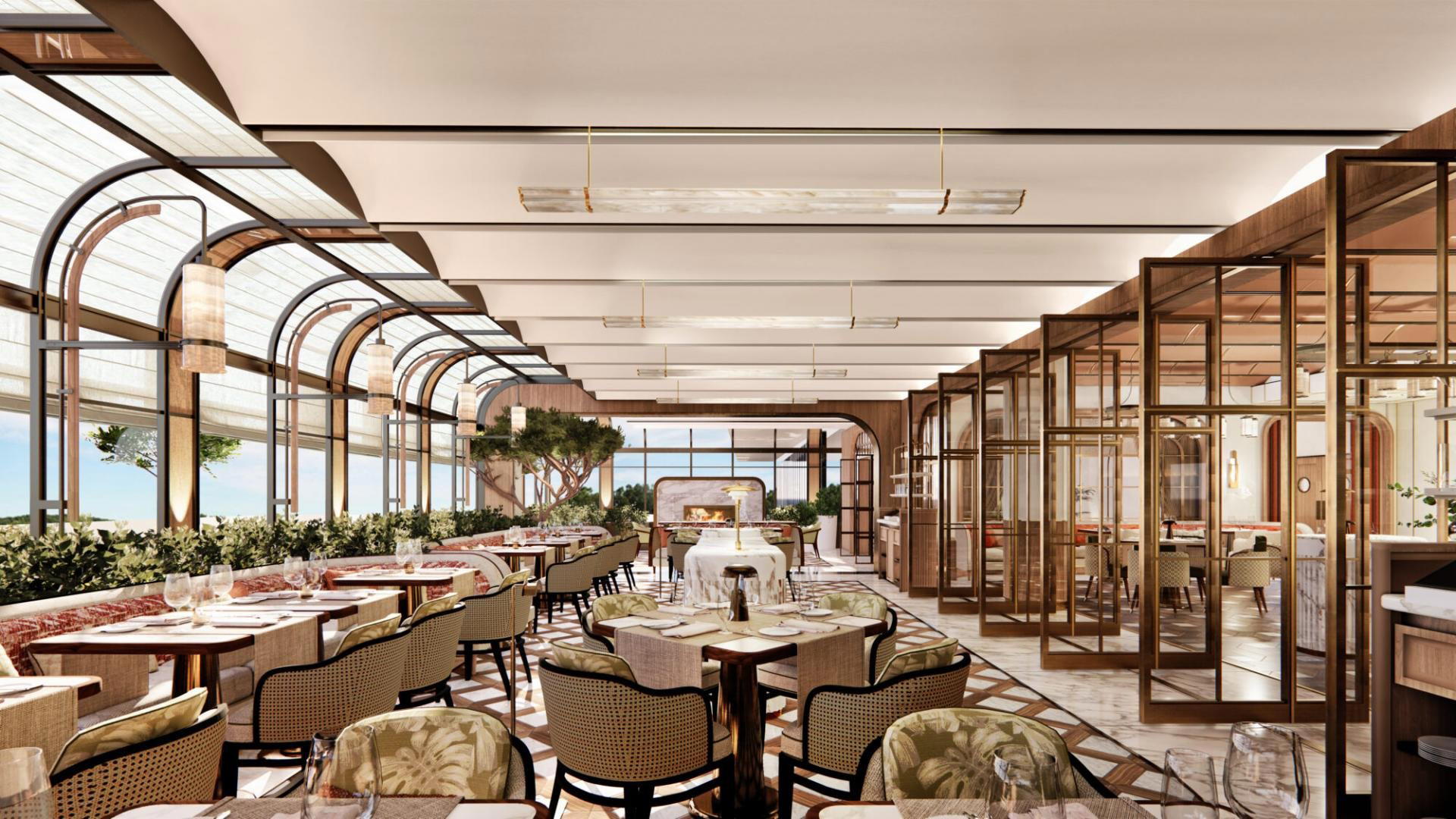
Large-format hotel dining in Riyadh has historically occupied an awkward middle ground between genuine culinary ambition and banquet-hall volume. Al Orjouan, the property's main restaurant, serves Middle Eastern and international cuisine across breakfast, lunch, and dinner, and has developed a distinct identity around its Friday brunch. Friday brunch in Riyadh functions as a social institution rather than merely a meal format, and Al Orjouan's version has become one of the city's reference points for the occasion. The front-of-house coordination required to run a brunch at that scale and social visibility is significant, the floor team at a flagship hotel restaurant of this kind is managing ceremony as much as service.
The property's approach to beverages reflects the non-alcoholic sophistication that Riyadh's leading hotels have developed out of necessity and, increasingly, genuine craft. A resident master mixologist oversees a mocktail programme that moves between simple fruit combinations and more technically structured drinks. The Arabic Garden, carrot, orange, and ginger with a hint of spice, sits in the latter category, designed with the layering logic of a proper cocktail rather than a juice menu item. Across Saudi Arabia's premium hotel tier, the competition in non-alcoholic beverage programming has intensified, and properties like this one are producing work that holds its own against comparable programmes internationally. For a broader look at where Riyadh's dining scene is heading, see our full Riyadh restaurants guide.
The Room Hierarchy: What Each Category Actually Delivers
The Ritz-Carlton, Riyadh's room structure is worth parsing carefully because the differences between categories are material, not cosmetic. Standard rooms arrive with marble bathrooms and crisp white linens, but Deluxe rooms carry a view limitation that is worth knowing in advance: requesting a Superior Room specifically gets you the fountain view, which changes the character of the stay. That distinction is the kind of logistical detail that the hotel's Club Level rooms make largely irrelevant, Club access includes the lounge overlooking the indoor pool, with business facilities and a continuous culinary programme running through the day, including a chocolate and cookie offering in the late evening.
50 one-bedroom Executive Suites each exceed 1,000 square feet and include separate living rooms, positioning them at the working end of the suite range, the format preferred by extended-stay corporate guests. The 48 Royal Suites are a different proposition entirely: more than 4,500 square feet, two marble bathrooms, a separate office, and a 14-seat private dining room. Butler service is available on request. At that scale, the Royal Suite functions less as an accommodation category and more as a self-contained residential unit with hotel-grade support, which explains the property's continued relevance for diplomatic stays and government delegations. For travellers who prefer an apartment-style format, Al Nakhla Residential Resort and Fraser Suites Riyadh offer comparable extended-stay formats at a different price point.
The Pool, the Spa, and the Strike Bowling Alley
Hotel pools in Riyadh are almost universally indoor, and the gap in quality between a cursory lap pool and a genuinely considered aquatic space is wide. The Ritz-Carlton's indoor pool has marble mosaic floors and a ceiling fresco painted in a sky motif that draws the inevitable Italian Renaissance comparison. It is one of the more documented amenity details about the property precisely because the execution is specific enough to constitute a credential rather than a generic luxury claim.
The Ritz-Carlton Spa runs a conventional menu of massages, facials, and body treatments, while the Strike Bowling Alley, six full-sized lanes and a billiards table, operates on a structured social calendar: family access on Thursdays and Fridays, ladies' night on Saturday evenings. The programming logic is deliberate, designed to activate the space for different guest segments rather than leaving it as a passive amenity. That same scheduling discipline is visible across the property's event infrastructure: more than 64,000 square feet of multi-purpose space includes pillar-free grand ballrooms, boardrooms, and an auditorium, all with the painted high ceilings that characterise the building's original royal brief.
Dress Code and Cultural Context
The property enforces a dress code in line with local cultural expectations. Shorts, sleeveless tops, and casual T-shirts are not permitted; smart casual or traditional Saudi attire is the standard. This is worth stating plainly for international visitors unfamiliar with Riyadh's hotel culture, where the expectation of appropriate dress applies even in leisure spaces. The hotel's position on Makkah Al Mukarramah Road places it in Al Hada, with the logistical profile of a destination property rather than a walkable city-centre address.
For travellers planning a wider Saudi itinerary, the Kingdom's hotel infrastructure has expanded significantly in recent years. Properties worth considering alongside Riyadh include the Bab Samhan, a Luxury Collection Hotel, Diriyah for heritage proximity, Assila, A Luxury Collection Hotel, Jeddah for the Red Sea coast, and Banyan Tree AlUla for the Kingdom's emerging archaeological destination in the northwest. The Red Sea Shura Island Four Seasons and the InterContinental The Red Sea Resort near Umluj represent the newer coastal development. Further afield within the region, Al Manakha Rotana Madinah and the Grand Hyatt Al Khobar serve their respective city markets, while InterContinental Taif and Edge Riyadh Al Rabie offer alternatives at different scales. Within Riyadh itself, the Edge Riyadh Al Rabie by Rotana and properties like Movenpick Hotel Qassim and Braira Abha serve the mid-market and regional traveller. For international reference points at comparable palatial scale, Aman New York, The Fifth Avenue Hotel, and Aman Venice occupy a comparable tier in their respective cities, each defined by architecture-first identity and deliberately limited commercial footprint.
Recognition history
Dated appearances from independent guides and award organizations, with the underlying list record or original source where available.
Forbes 5-Star
Forbes
La Liste Top Hotels
La Liste
Forbes 5-Star
Forbes
Michelin Selected
Michelin
At a Glance
- Elegant
- Ornate
- Sophisticated
- Classic
- Business Trip
- Celebration
- Romantic Getaway
- Garden
- Spa
- Pool
- Fitness Center
- Room Service
- Concierge
- Business Center
- Valet Parking
- Wi Fi
- Garden
- Skyline
- Spa
- Pool
- Fitness Center
- Room Service
- Concierge
- Business Center
- Valet Parking
- Wi Fi
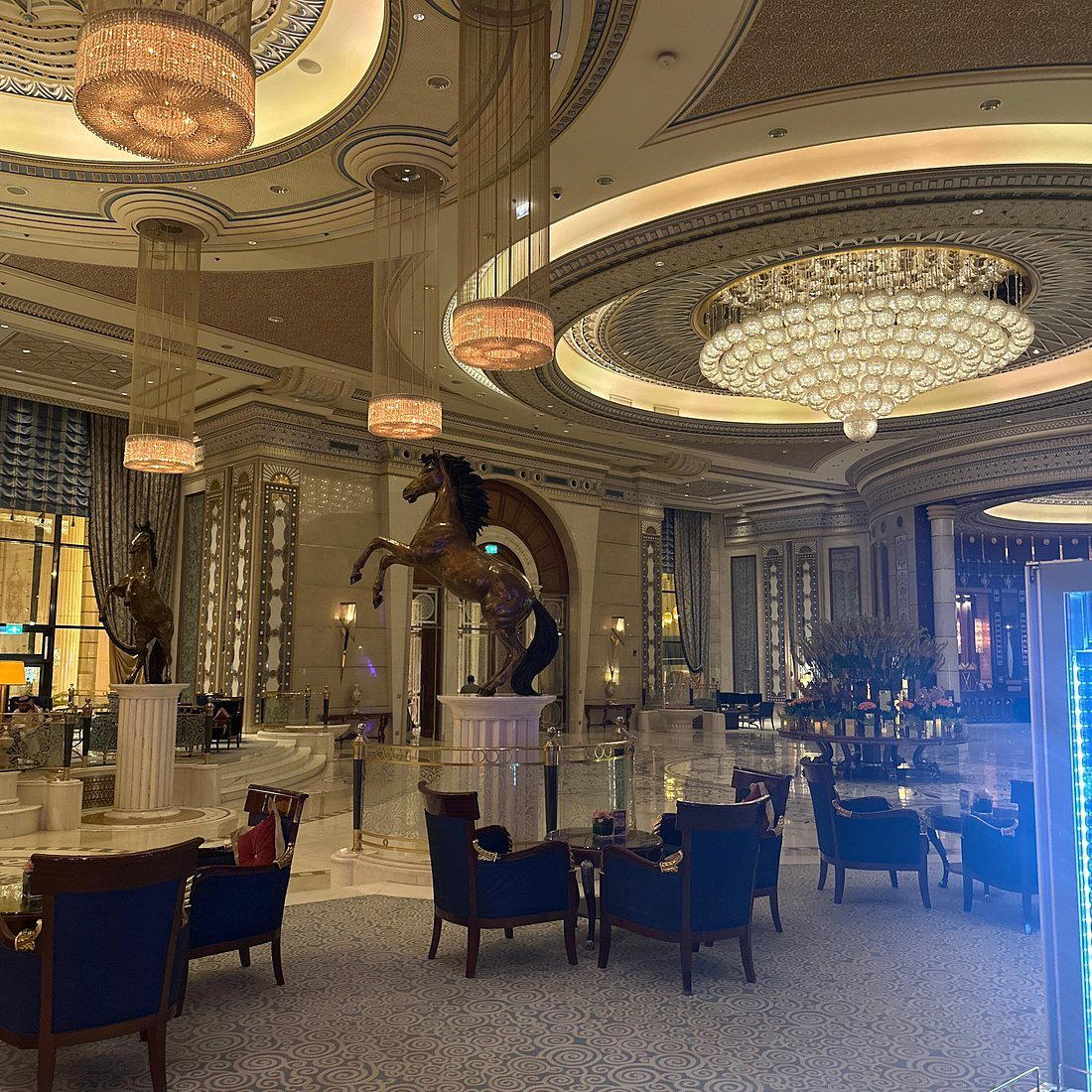
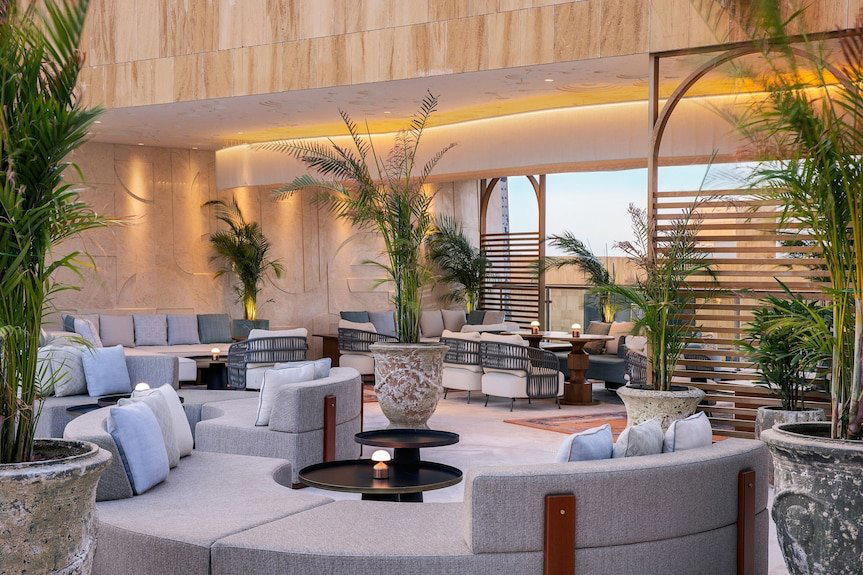
Ornate marble-clad lobby with gold accents, sparkling chandeliers, and majestic surroundings creating an elegant oasis of discreet attentive service.
Know Before You Go
- Getting there
- Area, Makkah Al Mukarramah Rd, Al Hada, Riyadh 11493