Al Nakhla Residential Resort

Al Nakhla Residential Resort in Riyadh's Qurtubah district holds a Country Winner award for Luxury Family Resort, a credential that places it in a distinct category within Saudi Arabia's fast-expanding hospitality market. The property's residential format speaks to a specific demand: families and extended-stay guests who require space and routine rather than the condensed luxury of a hotel room.
Pearl is the En Primeur Club membership app — saves, bookings, and concierge access live there. Same editors, same standards.
- Address
- Qurtubah, Riyadh 13244, Saudi Arabia
- Phone
- +966 11 511 6000
- Website
- alnakhla.sa
- Directions
- Get directions
 Saves & bookings on Pearl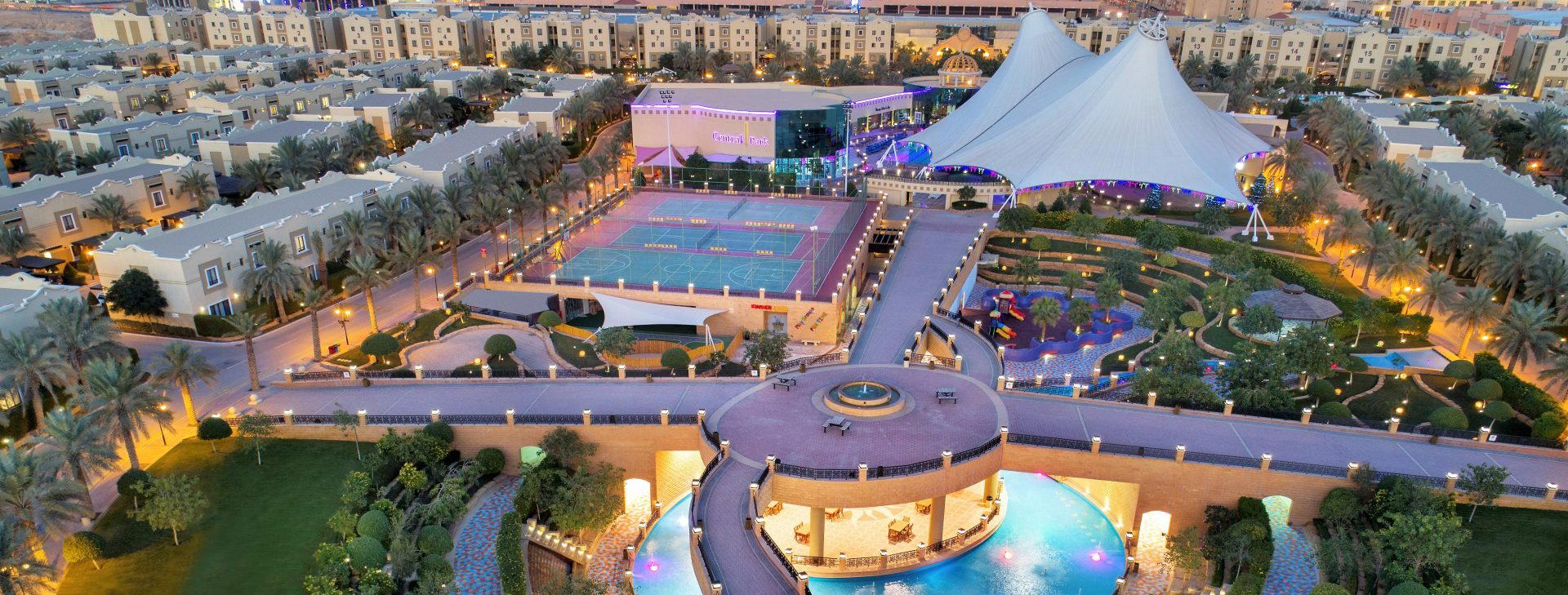
The Family Resort Category in Riyadh: Where Al Nakhla Sits
Riyadh's premium accommodation market has developed along two largely separate tracks. On one side, the international flags, the Fairmont Riyadh, the Four Seasons Hotel Riyadh at Kingdom Centre, the Mandarin Oriental Al Faisaliah Hotel, compete on amenity depth, brand recognition, and city-centre proximity. On the other, a quieter but growing tier of residential resorts serves a different brief entirely: families and extended-stay guests who need functional space, outdoor room, and the rhythms of a household rather than the compressed service model of a standard hotel. Al Nakhla Residential Resort, located in the Qurtubah district of eastern Riyadh, is a 4-star hotel in Riyadh and has earned formal recognition within it.
The property holds a Country Winner award for Luxury Family Resort, a designation that carries more editorial weight than it might first appear. In Saudi Arabia's hospitality awards circuit, the family resort category is genuinely contested. The Kingdom's demographics, large family sizes, strong domestic travel culture, and year-round demand from Gulf visitors, mean that properties pitching to families are numerous. A country-level win in this category signals that Al Nakhla has been assessed against that competitive field and placed at the front of it. That is the appropriate frame for understanding what the property does, and what kind of guest it is designed around.
Qurtubah and the Logic of Location
The Qurtubah neighbourhood sits in eastern Riyadh, away from the hyperactive development corridors of King Fahd Road and the diplomatic quarter's more manicured environment. For a residential resort format, that positioning is intentional rather than incidental. Families travelling to Riyadh, whether for extended visits, medical stays, or multi-week relocations, tend to prioritise residential calm over proximity to the commercial centre. The address on the eastern side of the city keeps guests closer to King Khalid International Airport, which reduces friction on arrival and departure days, a practical consideration that families with young children weight heavily.
Riyadh's residential resort model more broadly reflects a pattern visible across Gulf cities: the recognition that premium hospitality is not a single format. Properties like Fraser Suites Riyadh and Edge Riyadh Al Rabie occupy adjacent ground in the extended-stay and apartment-hotel tier, each targeting guests whose needs exceed what a standard room can provide. Al Nakhla differentiates within that cohort through its family resort framing and its award-backed positioning at the luxury end of that format.
What the Award Signals About the Guest Experience
Country Winner status in the Luxury Family Resort category points toward a cluster of characteristics that distinguish properties at this level from functional serviced apartments. Outdoor infrastructure, pools, landscaped grounds, play areas, typically separates luxury family resorts from their mid-market equivalents. So does the quality of accommodation units: residential configurations with separate sleeping areas, kitchen access, and the spatial logic of an apartment rather than a hotel room. The award suggests Al Nakhla meets expectations across these markers at a level sufficient to outperform its Saudi peers in independent assessment.
For context, Saudi Arabia's award-winning family hospitality is increasingly benchmarked against regional and international competition. The development of destination resorts along the Red Sea coast, including properties like InterContinental The Red Sea Resort and Miraval The Red Sea, has raised the baseline expectation for what premium family hospitality looks like in the Kingdom. An Riyadh-based property holding a country-level award in this climate is not doing so in a low-competition environment.
Guests considering Al Nakhla alongside the Al Mashreq Boutique Hotel or the design-forward options in the diplomatic quarter will find a different proposition: less emphasis on urban positioning and brand cachet, more emphasis on space and family-optimised facilities. Those are different guest priorities, and the award confirms that Al Nakhla executes against its own brief at a high level.
The Wider Saudi Context
Saudi Arabia's hospitality sector is in an active expansion phase, with Vision 2030 driving investment across both leisure and business tourism infrastructure. That context matters for how to read individual property awards. Country-level recognition in 2024 and 2025 is being earned in a market where the competitive field is expanding rapidly, new properties are entering across every tier and format. Recognition achieved in this environment reflects performance against a deepening rather than a static peer group.
Beyond Riyadh, the Kingdom's family resort segment is developing in distinctive directions by region. Properties like Banyan Tree AlUla are establishing a nature-anchored luxury family format in the northwest. The Grand Hyatt Al Khobar Hotel and Residences in the Eastern Province serves a different demographic with a corporate-family hybrid approach. Braira Abha in the southern highlands addresses families seeking altitude and cooler temperatures. Al Nakhla's distinction is its capital-city location combined with a residential resort format: the combination addresses families who are in Riyadh specifically, not using the city as a transit point to somewhere else.
For guests whose trip to Saudi Arabia includes stops beyond Riyadh, the broader network of award-recognised properties includes Assila, A Luxury Collection Hotel in Jeddah and InterContinental Taif for the cooler mountain air of Taif. Al Manakha Rotana Madinah serves guests with religious pilgrimage itineraries that pass through the holy city. Bab Samhan, a Luxury Collection Hotel, Diriyah offers a heritage-anchored alternative for visitors to the Diriyah precinct on Riyadh's western edge.
Planning a Stay
Al Nakhla Residential Resort is located at Qurtubah, Riyadh 13244. Guests planning stays should contact the property directly to confirm current rates, room configurations, and availability. The residential format typically means a range of unit sizes, from studio-equivalent suites to multi-bedroom apartments, and the right configuration depends significantly on group size and length of stay. For families visiting Riyadh over several weeks, the extended-stay infrastructure of a residential resort can suit longer visits. Guests interested in the broader Riyadh accommodation picture can note that properties like Edge Riyadh Al Rabie by Rotana represent a useful point of comparison in the extended-stay tier.
Style and Standing
Comparable venues nearby, for context on price, style, and recognition.
| Venue | Cuisine | Price | Awards | Notes |
|---|---|---|---|---|
| Al Nakhla Residential ResortThis venue — the venue you are viewing | Luxury family residential resort with resort-style amenities in a gated community | $$$$ | 4-Star | Not listed |
| Fraser Suites Riyadh | Upper upscale serviced residence combining luxury apartment living with full hotel services for extended and short-term stays. | $$$$ | 4-Star | Al Olaya |
| voco Riyadh | Contemporary fusion of Saudi heritage and modern hospitality | $$$$ | 5-Star | King Fahad Road |
| Narcissus The Royal Hotel | Contemporary luxury hotel blending modern amenities with classic elegant design, positioned as a premier wellness and business destination. | $$$$ | 5-Star | Al Olaya |
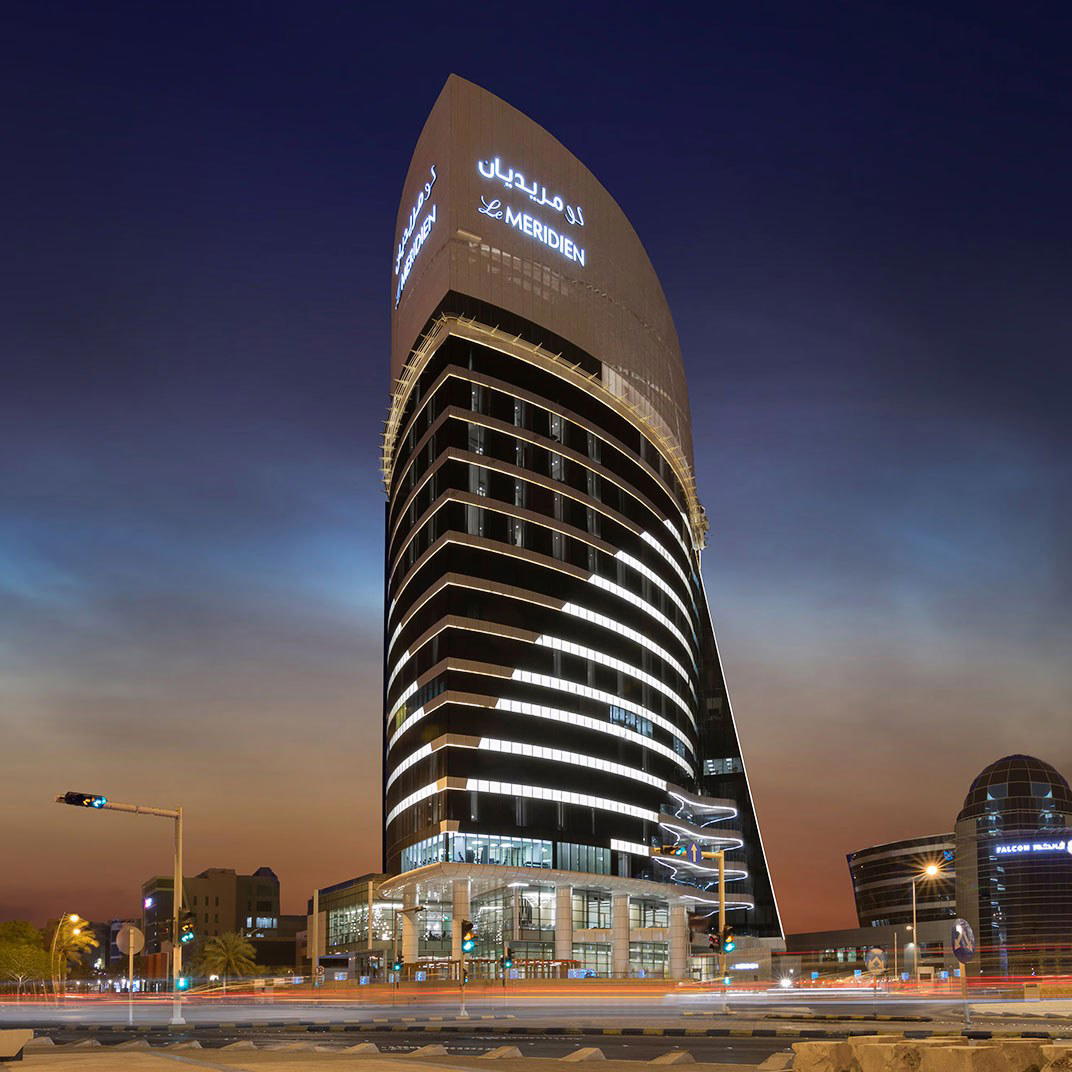
| Le Meridien Riyadh | contemporary chic urban hotel | $$$$ | 5-Star | Al Woroud |
| Mandarin Oriental Al Faisaliah, Riyadh | Contemporary luxury with Arabian heritage elements | $$$$ | 5-Star | Al Olaya |
Recognition history
Dated appearances from independent guides and award organizations, with the underlying list record or original source where available.
World Luxury Hotel Awards WLHA Country Winner
World Luxury Hotel Awards
At a Glance
- Quiet
- Elegant
- Scenic
- Family Vacation
- Weekend Escape
- Golf Course
- Infinity Pool
- Rooftop Pool
- Panoramic View
- Pool
- Spa
- Fitness Center
- Room Service
- Concierge
- Tennis Court
- Kids Club
- Golf Course
- Garden
- Skyline
- Pool
- Spa
- Fitness Center
- Room Service
- Concierge
- Tennis Court
- Kids Club
- Golf Course
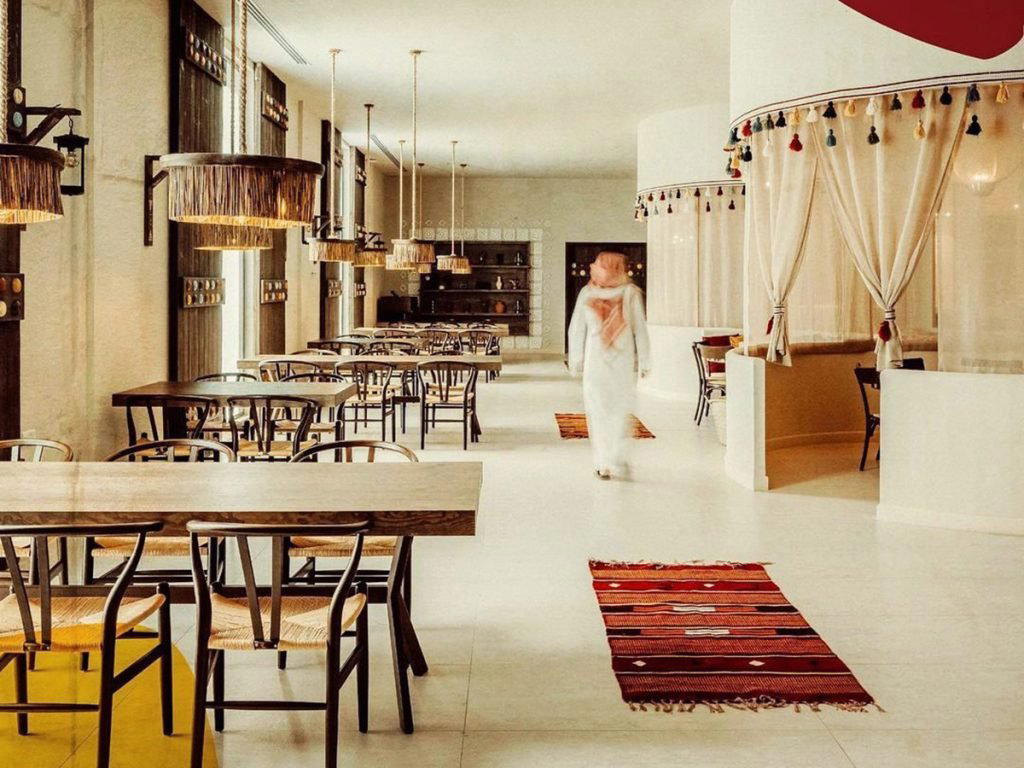
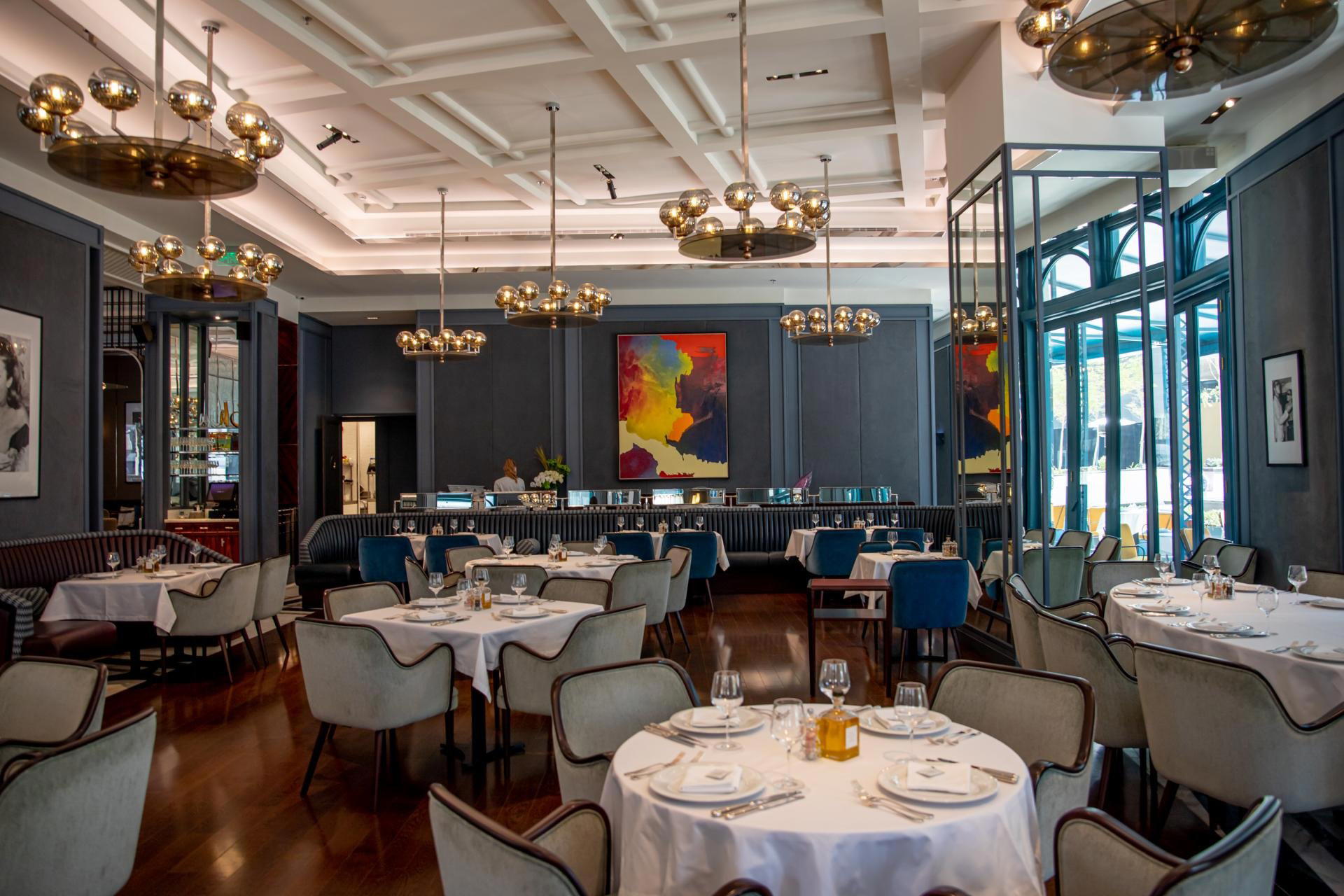
Serene oasis with lush landscapes, tranquil water features, and peaceful setting praised for its calm atmosphere and polished landscaping.